
DbcultAccessing Vault...
Recommendations
Senior Film Conservator
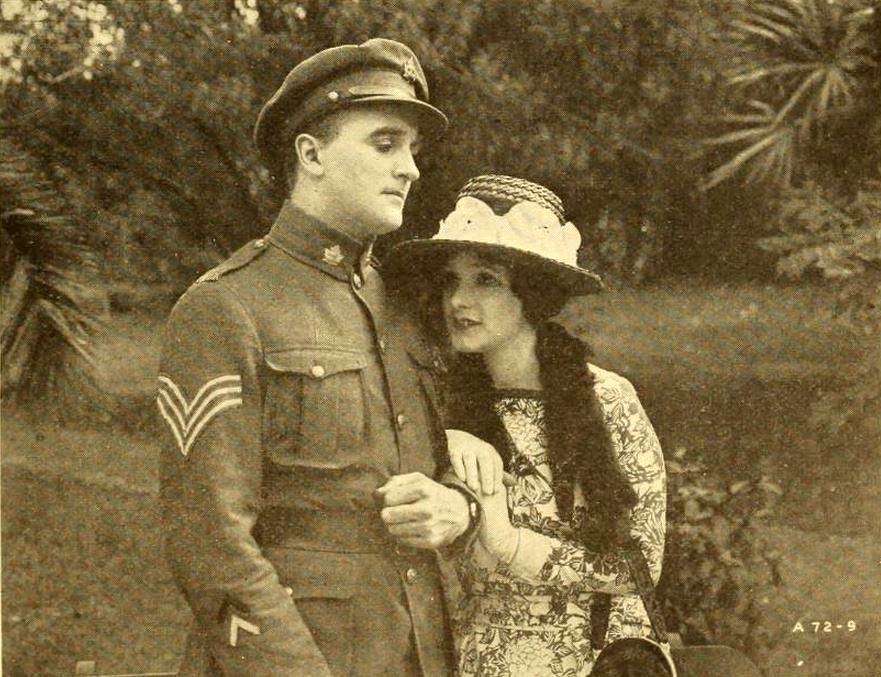
After experiencing the artistic bravery of Eyes of the Soul (1919), finding other movies that capture that same lightning in a bottle is a top priority. These recommendations provide a deep dive into the same stylistic territory occupied by Eyes of the Soul.
This 1919 cult classic stands as a testament to challenge the status quo through its avant-garde structure.
A young girl, a restaurant entertainer, gives up her chance at happiness in marriage to a wealthy man to wed instead a blinded soldier who needs her help.
Critics widely regard Eyes of the Soul as a cult-favorite piece of cult cinema. Its artistic bravery is frequently cited as its strongest asset, solidifying its place in United States's film legacy.
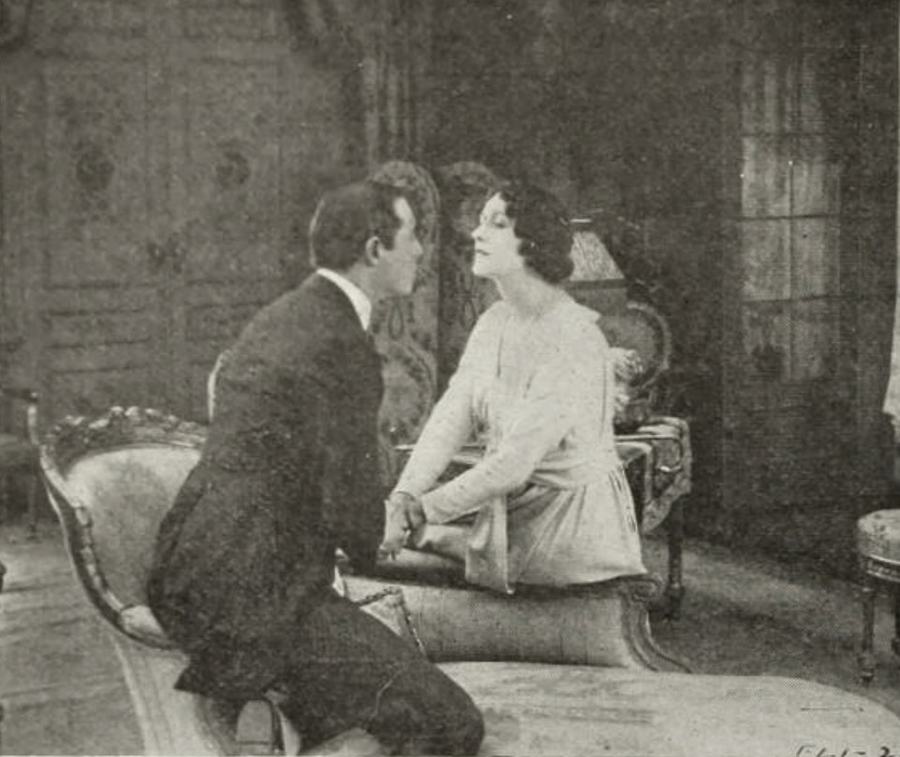
Based on the unique artistic bravery of Eyes of the Soul, our vault has identified these titles as the most compelling follow-up experiences for fans of cult cinema:
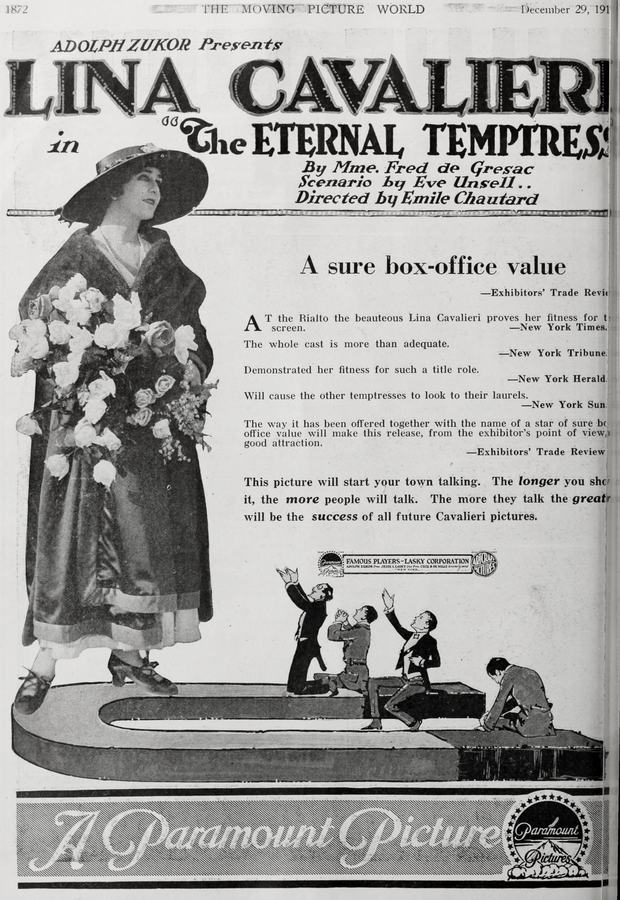
Dir: Emile Chautard
Austrian diplomats, seeking papers in the possession of the United States diplomat, work through the infatuation of his son, Harry, for an Italian widow. In his desperate financial straits, he is induced to turn traitor to his trust, but the woman, truly loving him, saves him from the consequences of his crime, at the cost of her own love and life.
View Details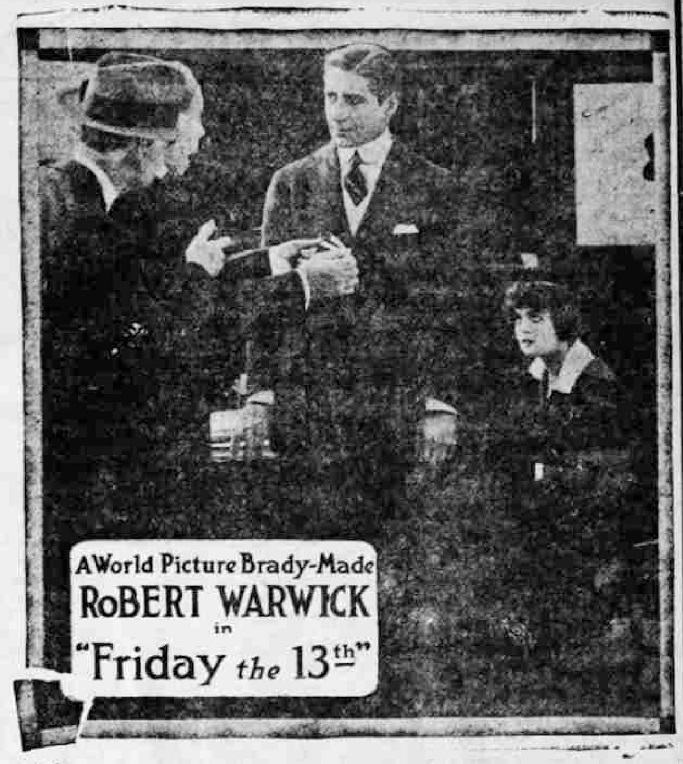
Dir: Emile Chautard
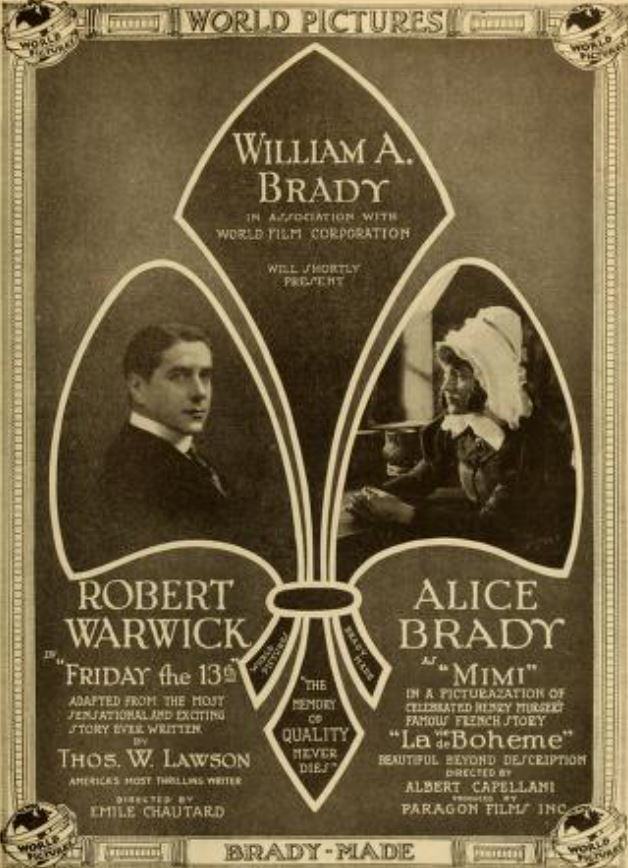
When a judge is financially ruined by Peter Brownley, a Wall Street millionaire, his daughter seeks revenge by getting a job in the tycoon's office. She manages to discover information that she believes her father can use to recover his swindled money and do to Peter what he did to her father. However, she meets and falls in love with Robert, the son of the man who ruined her father. Complications ensue.
View Details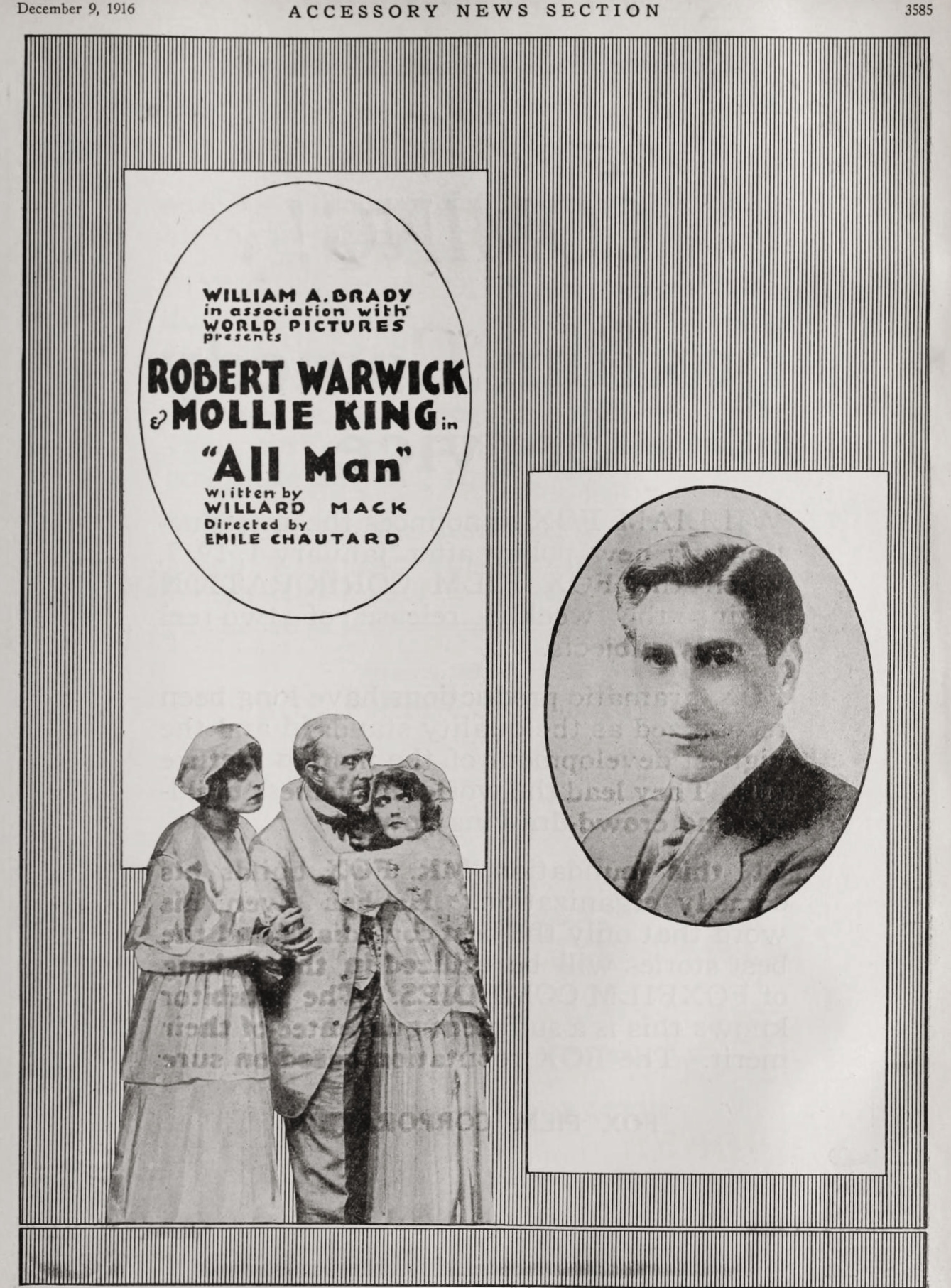
Dir: Emile Chautard
Jim Blake, the playboy son of a New York millionaire, heads west to prove himself a man. He goes to work on his father's ranch in Wyoming, and eventually wins over the locals by turning the tables on a town bully and trying to collect damages from a railroad magnate, whose trains have killed many of the Blake ranch's cattle. When the railroad refuses to pay, Jim comes up with a plan that will make them pay far more than they originally had to. Problems arise when he falls in love with Alice, the railroad magnate's daughter.
View Details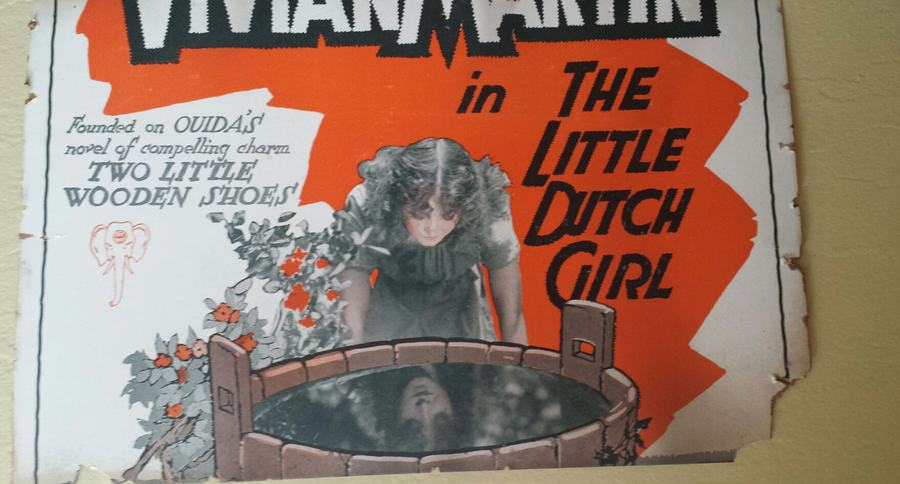
Dir: Emile Chautard
The old gardener, attracted by the ducks' antics, goes to the lake to find a basket with a baby in it. Six years later Little Dutch is sharing in the labors of her guardian, assisting him in the garden and trudging by his side to the city market. When she is 14, death takes her guardian. He leaves her a few coins, besides the house and garden, and she lives there alone. Famous painter Lionel, seeking a model for his "Marguerite," sees Little Dutch and persuades her to pose for him. Woodman Jean becomes jealous of the attentions of Lionel. On the day the good Padre sets aside for the villagers to make a pilgrimage to the Shrine, Lionel invites Little Dutch to share a day's outing with him. After a drive they visit a hotel. From a secluded arbor where they are eating she sees the villagers enjoying themselves. At eventide they return to her home, where he bids her goodnight. Her absolute innocence has conquered him. Lionel resolves to leave her in peace. He tells her he must go away. Poor Little Dutch becomes more and more quiet. One day Lise, who always delighted in torturing Little Dutch, tells her, "Your painter is poor, and ill in the great city." Little Dutch resolves to go to his assistance. She finds that with no money she cannot ride, so she resolves to walk the 200 miles. When Jean learns that Little Dutch has left for the great city, he hastens there, locates the painter's abode, and awaits the coming of Little Dutch. Finally she arrives, with holes worn through her wooden shoes, clothing bedraggled and worn, a really forlorn object. She rings the bell, the door noiselessly opens and she enters, astonished and awestruck, a large gallery filled with paintings and statues. She hears voices, follows the sound and finally locates the noise behind the curtains. She parts them and is dazzled when she sees Lionel lying on a couch, surrounded by a riotous crowd of men and very décolleté women. With a piercing scream Little Dutch turns and flees. Lionel tries to follow. Faithful Jean, although he has remained on watch outside, is not in time to prevent her from jumping into the river but he rescues her and takes her home. On her little bed she lies, surrounded by her neighbors whose sympathy is extended, alas. too late. One day she rouses herself and, placing two rosebuds in her wooden shoes, says "Send them to him," she says. One night she passes out through the open door, proceeds to the edge of the lake, and slips in among the lilies from whence she came.
View Details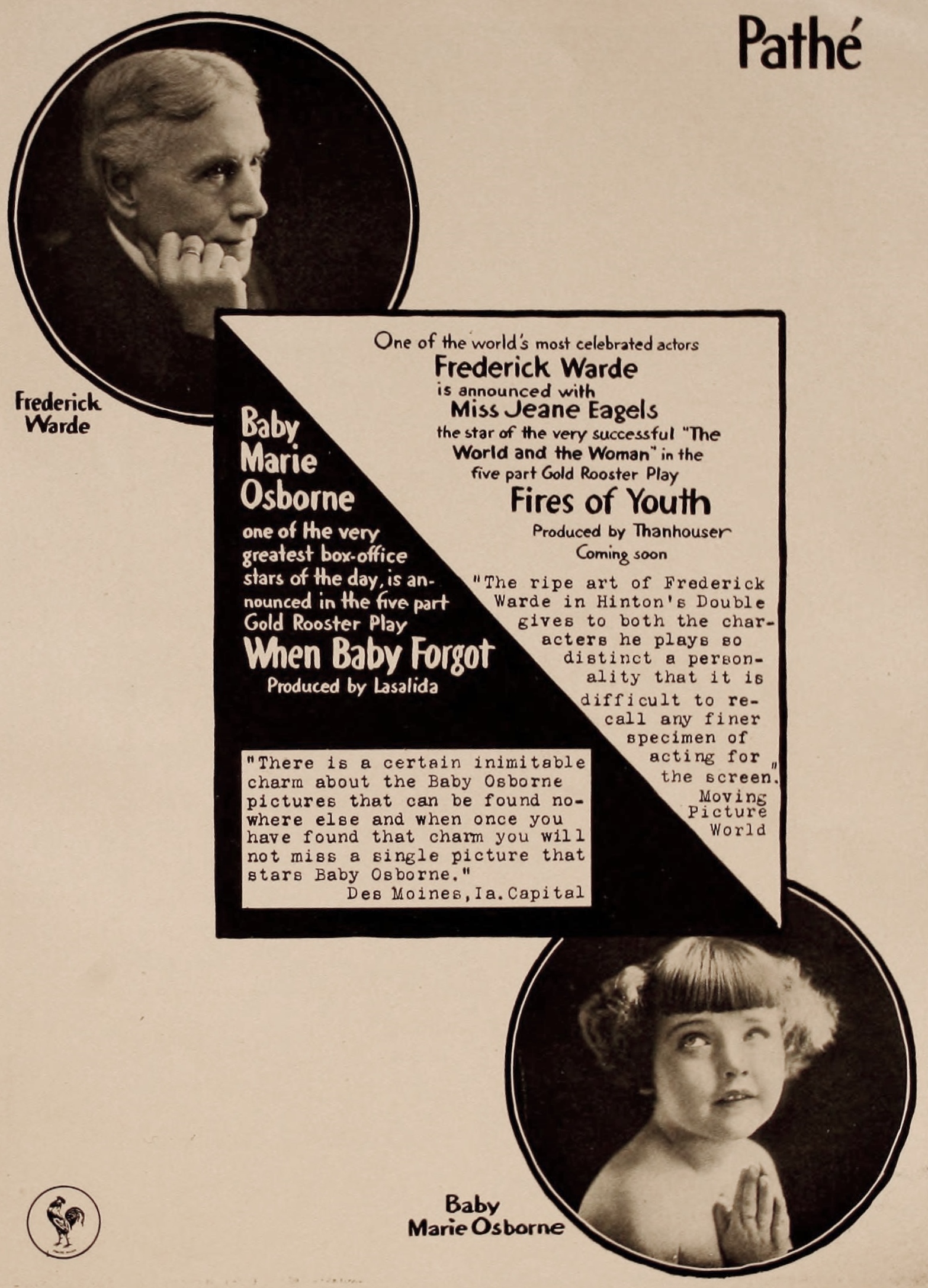
Dir: Emile Chautard
The productions from Thanhouser's mature period, 1915-1917, clearly show the advancements that set the stage for the first cinematic golden age, the 1920s. Such advances are evident in this surviving shortened version of "Fires of Youth": detailed character development by veteran actor Frederick Warde (and in a smaller role, at least in the shortened version, by Jeanne Eagels), mature editing techniques, special lighting effects, intelligent story development, realistic use of locations, fluid dialogue inter-titles, complex staging and access to better cameras with the defeat of the Patents Trust. Acclaimed French stage and film director Emile Chautard was brought from Éclair studio in France to direct.
View Details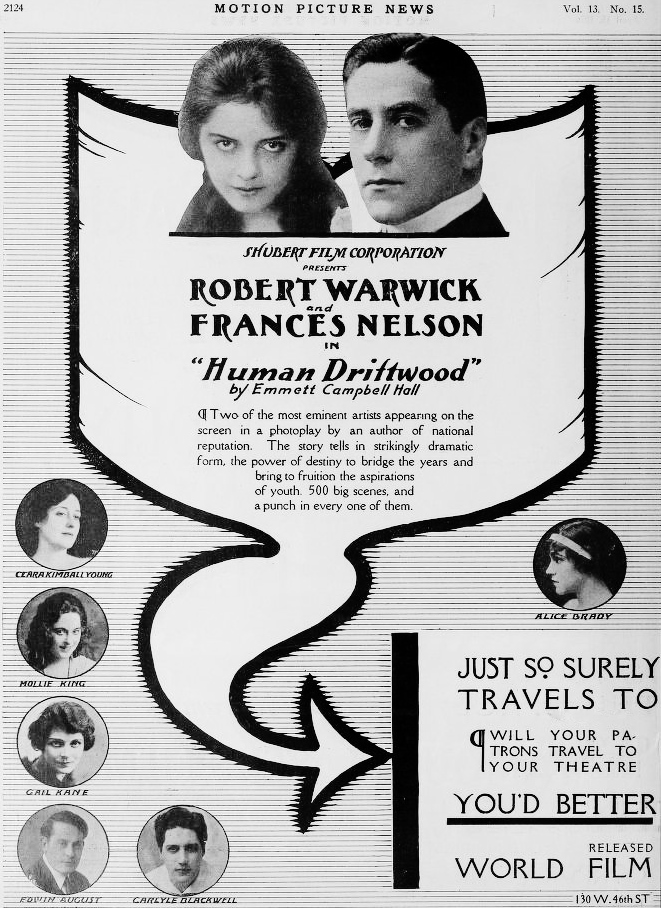
Dir: Emile Chautard
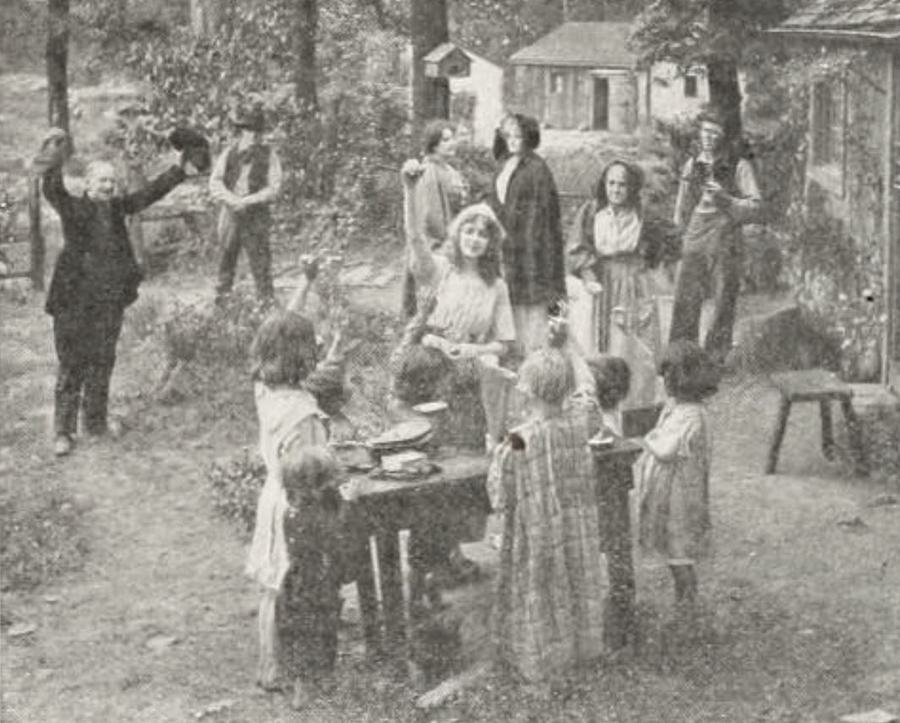
Robert Hendricks, who is a rich young bachelor, becomes infatuated with Myra, a beautiful, but evil, dancer of a New York dancing resort. He invites her to his apartment, where his attorney calls unexpectedly. Hendricks sends Myra in an adjoining room and receives the lawyer, who comes to tell him that he is leaving for Europe and wishes to turn over $20,000 in unregistered securities, as the balance of the estate of Hendricks' father, of which he was trustee. Myra pricked her ears at this, and peeking through the portieres, saw Hendricks place the securities in a concealed wall-safe. After the departure of the lawyer, Myra comes out of seclusion and Hendricks tells her to remain in his rooms until his return, as he wishes to speak to his broker at once regarding the bonds. The moment Hendricks leaves the apartment, Myra phoned to her pals a band of crooks, telling them to hurry there for a rich haul. They were just taking the bonds out of the safe as Hendricks returned. In the fight that ensued, one of the crooks, Myra's lover, was accidentally killed by Myra's own hand. When Hendricks realized the full significance of the situation, rather than turn the girl over to the police, magnanimously allows the girl to escape. The years pass and Hendricks becomes a serious reformer, forceful and effective. He is sent for as the head of his society to clean up the fearfully immoral conditions prevailing in an Alaskan mining camp. Unknown to Hendricks, Myra is the sinister influence of the camp, where she conducts a dance hall. The mystery of the place is the presence there of a beautiful unsullied young girl known as Velma. She is supposed to be Myra's niece. Despite the vicious conditions surrounding her, Velma is innocent of evil, with the pure heart of a young girl. Hendricks falls in love with her, but Myra has already promised the girl to the bully of the camp, a huge, uncouth ruffian, who has "struck it rich" and who can pay Myra's price for Velma. Father Harrigan comes to the assistance of the good little girl and is pleased to learn of her true love for Hendricks. However, to prevent Hendricks marrying the girl, Myra reveals her identity to him, who hitherto had not suspected it, and declares that Velma is his own daughter, the offspring of their illicit relationship years before. Driven half mad by the hideous lie, Hendricks sets out in pursuit of the bully who has carried off Velma after a desperate fight in Myra's dance hall in which the woman is fatally wounded. Eventually he comes to grips with the ruffian. The bully goes to a fearful death, while fate unravels Hendricks' tangled love and he gathers Velma in his arms after her true identity was revealed by the dying Myra.
View Details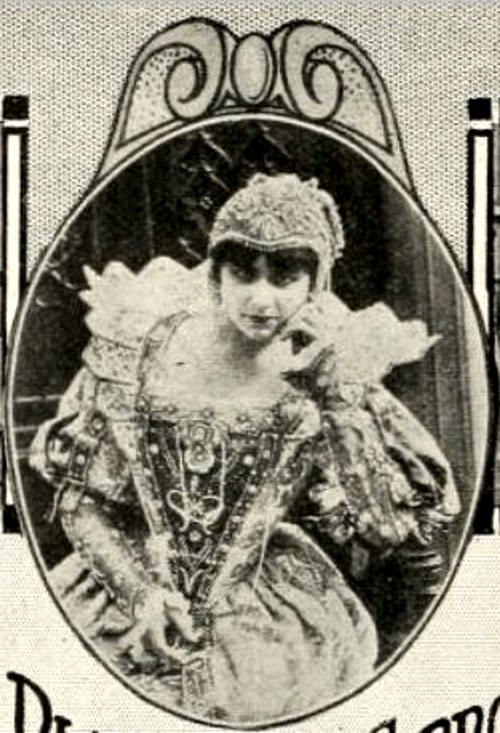
Dir: Emile Chautard
Henri is surrounded by fawning courtiers, who hide behind their smiles a deadly intent to do away with him at the first opportunity in favor of his brother, Duc d'Anjou. There is but one man who is honestly Henri's friend. This man is Chicot the Jester, a huge, handsome, fearless fellow, true as steel, to those who called him friend, deadly as venom to those who dared betray him or his sovereign, and the only person who may speak the truth to the king. Chicot the Jester is given an order by the king for the arrest of the gallant Count De Bussy, whose deserved popularity with the ladies of the court irritates the petulant Henri constantly. Chicot the Jester had the courage of his convictions; he was a man who dared. Knowing his friend De Bussy to be guiltless, he tore the court order into shreds and ordered De Bussy into retirement at the peaceful castle of Baron de Meridor, whose beautiful daughter, Diana Chicot, knew to be the adored one of De Bussy's heart. How De Bussy complied; how he was waylaid by the king's men within Diana's gates; how Diana nursed him secretly; how the uncouth Count de Monsoreau had the beauty kidnapped upon De Bussy's return to court; how De Monsoreau married her before Chicot, who had overheard the plot could interfere.
View Details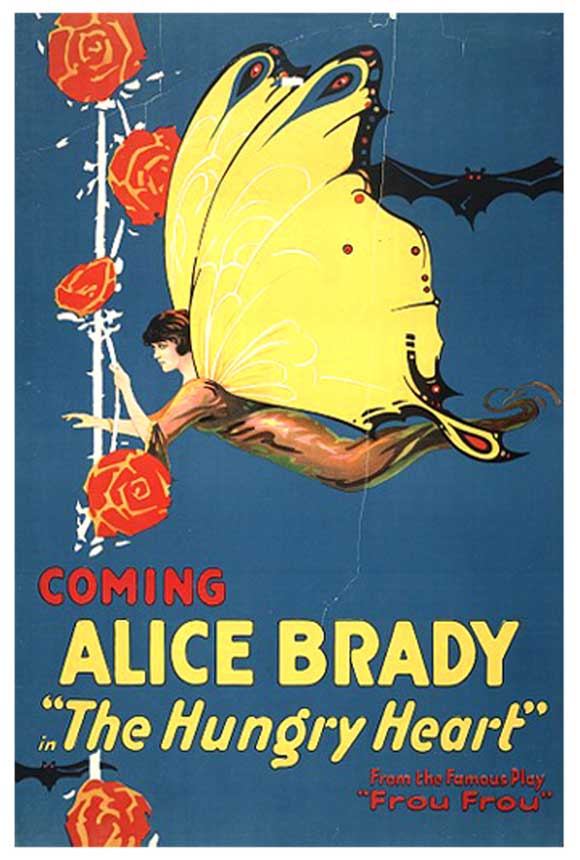
Dir: Emile Chautard
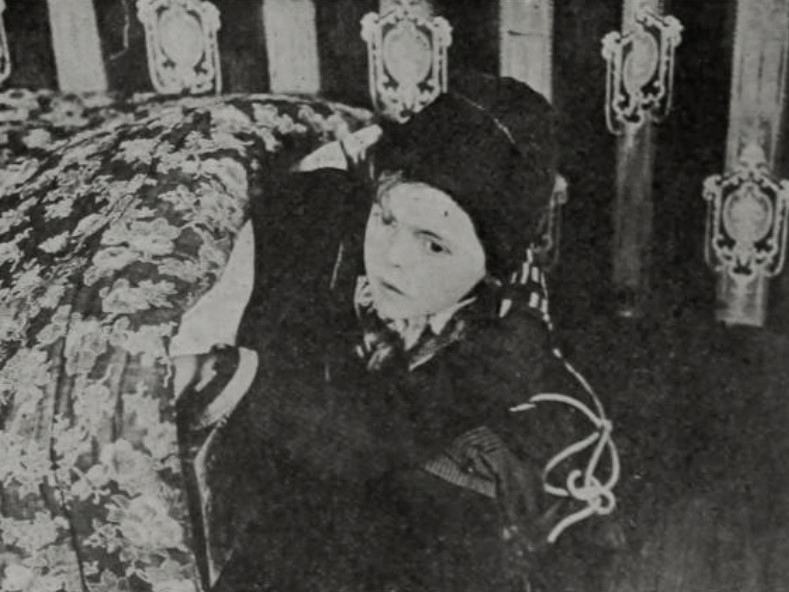
Vivacious little Gilberte, known as Frou Frou, is the daughter of M. Brigard, a retired merchant, who has as his companion in a life of gaiety, Comte Paul de Valreas, a much younger man. Both the Count and Henry de Sartorys are in love with Frou Frou, and when De Sartorys asks for the hand of Frou Frou, M. Brigard refers him to Louise, the elder daughter, who is in charge of the household. To Louise, who loves de Sartorys, comes the first anguish of her life, when he confides his love for Frou Frou. However, she confers with her little sister who agrees to marry De Sartorys. Paul also asks for Frou Frou's hand, but Brigard refuses, stating he is too jolly a companion to be trusted as a son-in-law. Five years pass, and although Frou Frou adores her son Georgie, the calm role of a homemaker does not suit her, and on one of Louise's visits she realizes her own place has been usurped, as both De Sartorys and Georgie go to her for advice. Paul still loves Frou Frou, but she fights against her growing attraction for him, and begs him to go away. Finding she is no longer necessary for the happiness of her husband and son, after a furious tirade against Louise, she leaves and joins Paul in Venice. Paul's mother receives her, and the next day, De Sartorys, who has followed, finds her, and despite her pleas, fights a duel with Paul, in which Paul is killed. Out of the loneliness and sorrow of the ensuing months her soul is chastened, and she returns to ask her husband one last favor, that she be allowed to die in the house she entered as a bride. Although Louise also pleads for her he at first refuses; but when Frou Frou, formerly so light-hearted and care-free, pleads on her knees, he can no longer deny her, and the two meet in a tearful embrace. Her life closes with a semblance of happiness, as she gives to Louise the two that are closest to her, her husband and son.
View Details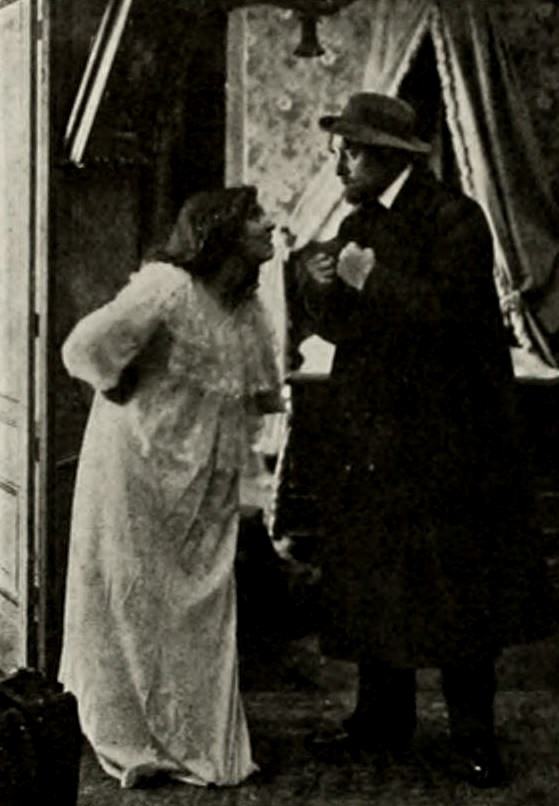
Dir: Emile Chautard
During an entertainment given by Engineer Dechelette, the former model Fanny Legrand comes across Jean Gaussin D'Armondy, who is studying law in Paris. On the eve of breaking away from her, he happens to hear that she is no other than the celebrated Sapho, Sapho called on Jean from time to time at his student's quarters and after nursing him through a long illness, she succeeds in deciding him to keep her with him. Sapho is happy in finding a small apartment where they shelter their love. One day the sculptor, Goudal, lifted a corner of the veil that hid Sapho's past. This made Jean jealous and Sapho appeased him by the surrender of her old letters. The sudden blaze of those innumerable papers caused the chimney of the house to catch fire. Neighbors rushed in and among the rescuers, Sapho recognized her father, the old driver. Ashamed, she dreaded that Jean's refined nature would take umbrage at the new stain. The initial frail link has been turned into a solid chain that nothing can break. At times Jean is indignant and revolts, but Sapho always gets the better of him. After some high words with Sapho, and on the invitation of his uncle Cesaire, Jean takes a trip to his home. As soon as he returns, Sapho regains her hold on him. Rosario Sanchez, a former friend of Sapho, whom she has made stewardess of her mansion, invites Jean and his mistress to luncheon. On that occasion, Rosario introduces Jean to DePotter, the celebrated musician. Sapho's friends make fun of her disinterested love. Disgusted at his bondage, DePotter tells Jean, as an example of what he is to expect of the hard life he leads with Rosario. A few days later, it is decided to leave the mansion and go to live at Chaville, close to the Hetteman's. At the pressing request of Sapho, Jean adopts a child, in total ignorance that the child is the son of Flamant, condemned for forgery. That day, in celebration of their installation at Chaville, they all have a picnic in the woods. It is there that they meet Irene Bouchereau, niece of the family doctor. This causes a terrible quarrel, which is only stopped by the sound of Hetteman's horn. One day Dr. Bouchereau meets Jean in a train and invites him to his house. The young people are pleased with each other. Then comes Jean on the eve of marrying the doctor's niece. Sapho compels him to give up all thoughts of marriage. Recognizing that his life is irretrievably bound with that of Sapho, Jean announces to his family that he is going abroad with his friend. His family reproaches and even curses him, especially his father. However, he learns that his mistress has received a visit from her former lover, the father of the child, and maddened by jealousy he insists that Sapho go with him to America. Fortunately for him, it is she who leaves him.
View Details
Dir: Emile Chautard
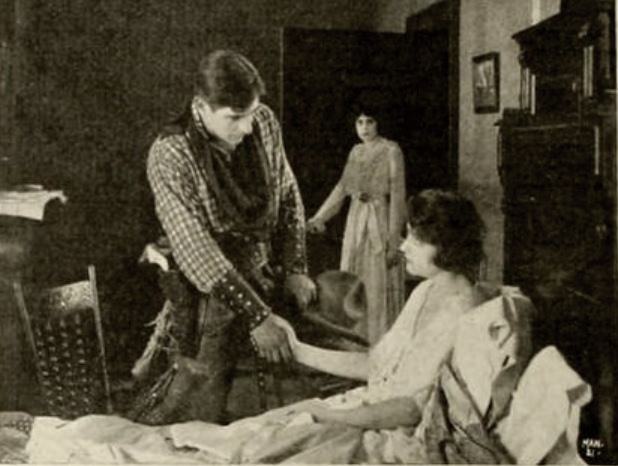
Habitual unfaithful husband, Jack Freeman begins flirting with the coquettish Effie McKenzie, and so breaks up her marriage. Blanche Gordon, a friend of Jack's wife Louise, then comes to see Jack several times in order to plead with him to give up extramarital affairs and accept the responsibilities that go with being a husband. Blanche's husband Tom, however, misunderstands these meetings and insists on a separation. When Jack is murdered, all of the evidence implicates Tom. At the trial, though, Blanche tries to take the blame for the murder, thereby making Tom realize that she really does love him. Just as Tom is about to confess in order to save Blanche, Effie's husband breaks down and admits to being the killer, after which Tom and Blanche are reunited.
View DetailsAnalysis relative to Eyes of the Soul
| Film Title | Atmosphere | Complexity | Similarity |
|---|---|---|---|
| The Eternal Temptress | Gritty | Linear | 93% Match |
| Friday the 13th | Surreal | Layered | 88% Match |
| All Man | Gothic | Linear | 88% Match |
| The Little Dutch Girl | Surreal | Linear | 92% Match |
| The Fires of Youth | Gritty | Layered | 93% Match |
This guide was algorithmically generated using the cinematic metadata of Emile Chautard's archive. Last updated: 6/25/2026.
Back to Eyes of the Soul Details →