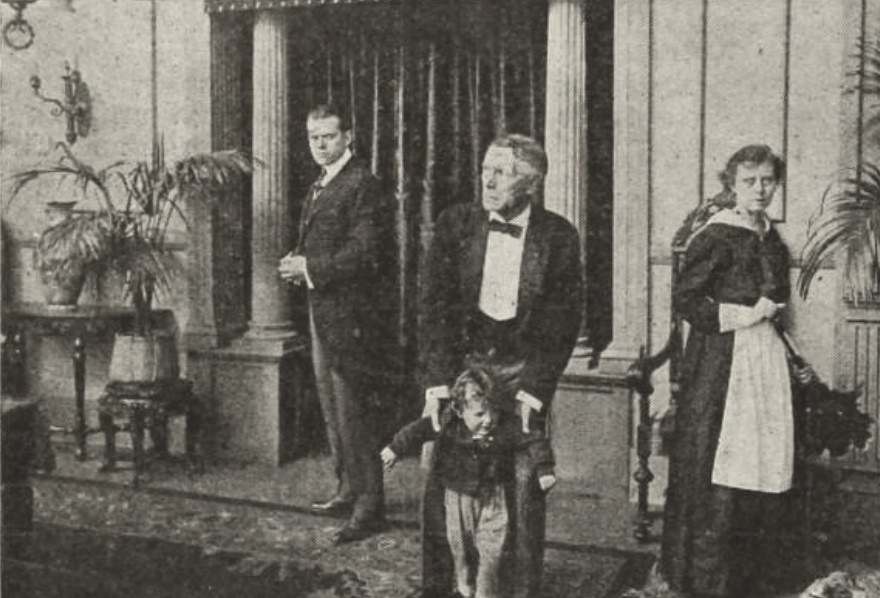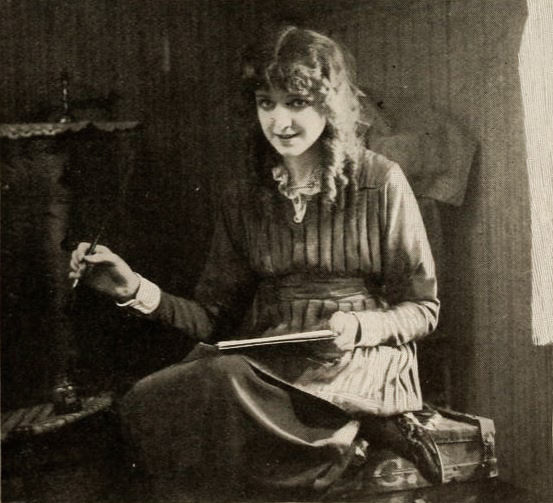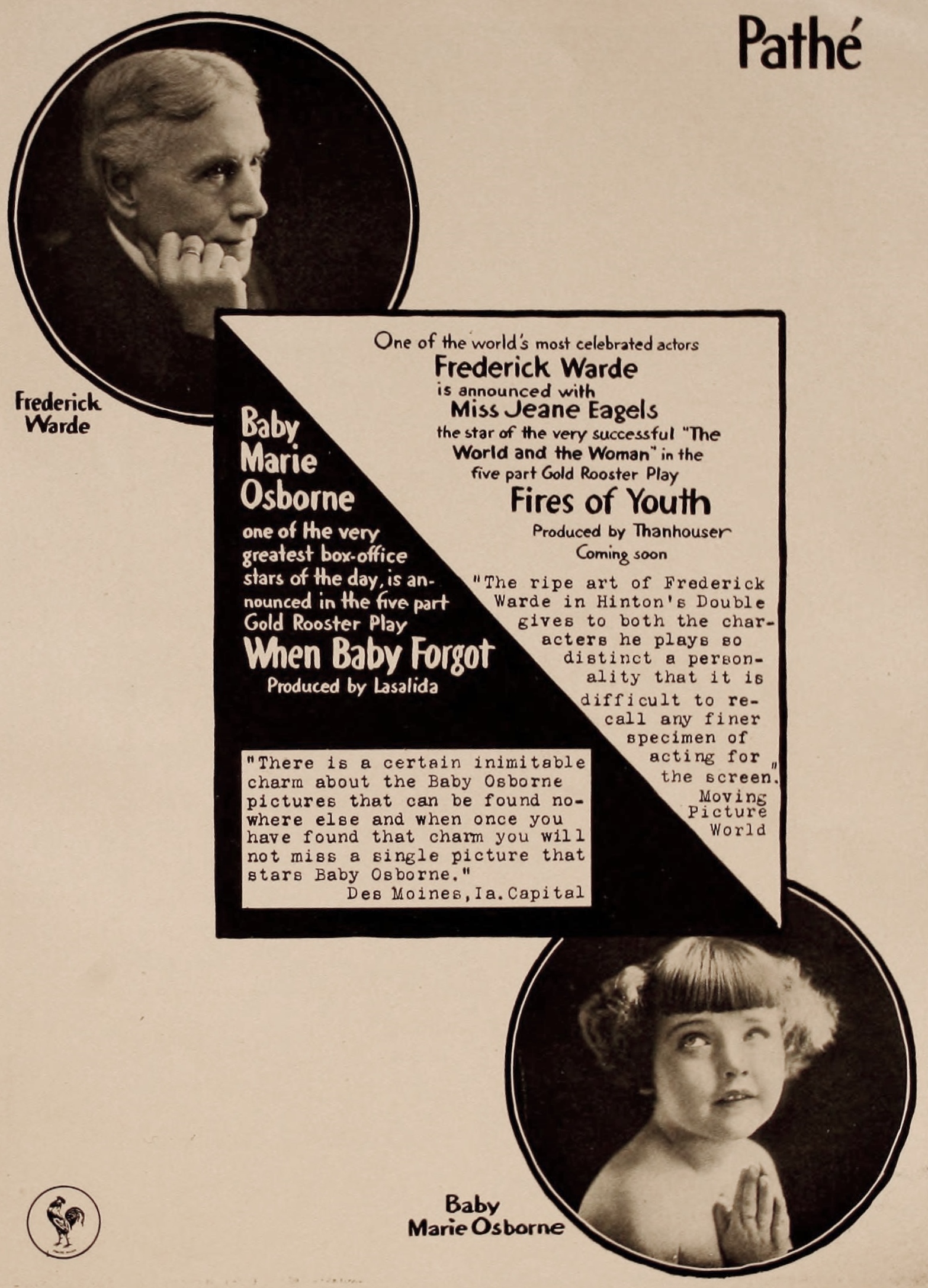
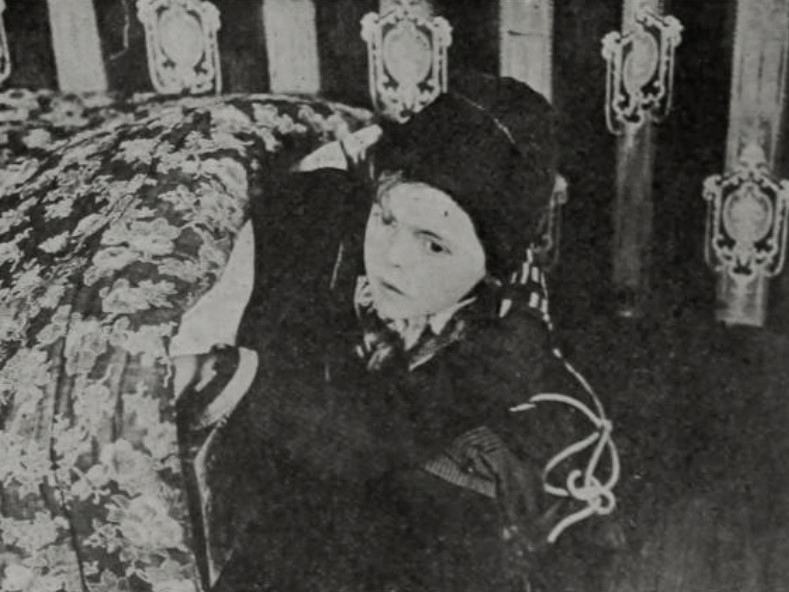
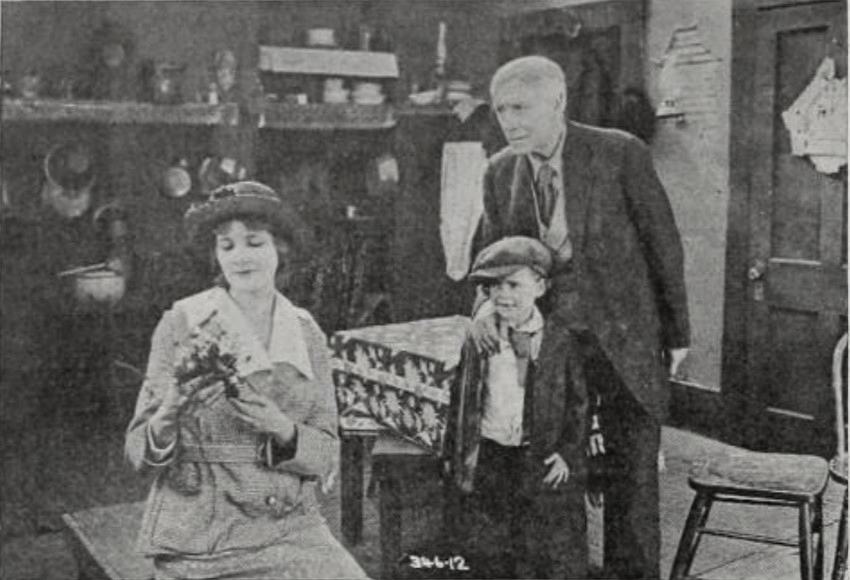
The productions from Thanhouser's mature period, 1915-1917, clearly show the advancements that set the stage for the first cinematic golden age, the 1920s. Such advances are evident in this surviving shortened version of "Fires of Youth": detailed character development by veteran actor Frederick Warde (and in a smaller role, at least in the shortened version, by Jeanne Eagels), mature editing techniques, special lighting effects, intelligent story development, realistic use of locations, fluid dialogue inter-titles, complex staging and access to better cameras with the defeat of the Patents Trust.
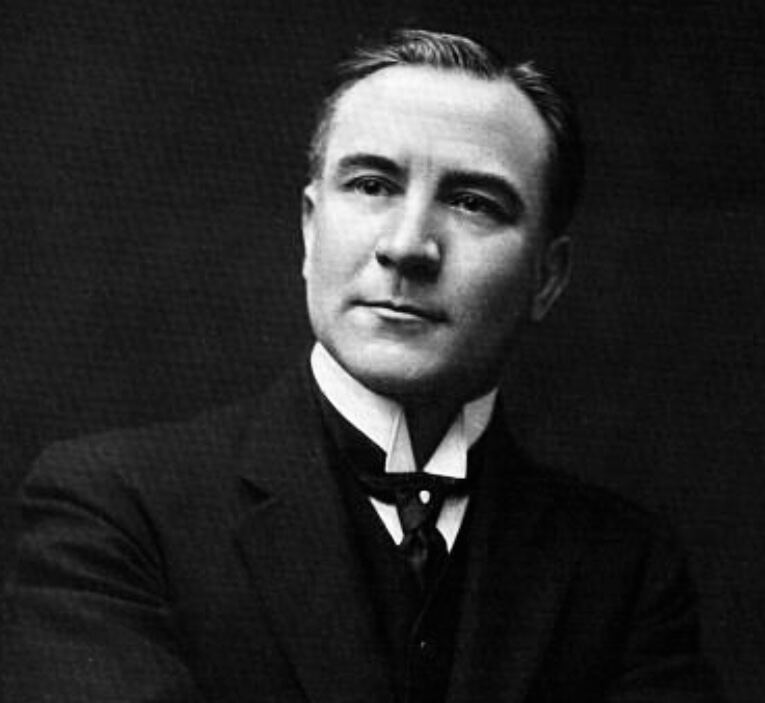
Agnes Christine Johnston
United States
body{color:#white;background:#000}p{color:#white}a{color:#0E7490}strong{color:#C24100}em{color:#EAB308}h2{color:#C00}h3{color:#EAB308}ul{color:#white}li{color:#white}Among the scarred survivors of silents, only a single reel of flame remains from “The Fires of Youth,” yet its glow sears brighter than many intact 1916 f...
still_frame
still_frame
Comparing the cinematic DNA and archive impact of two defining moments in cult history.
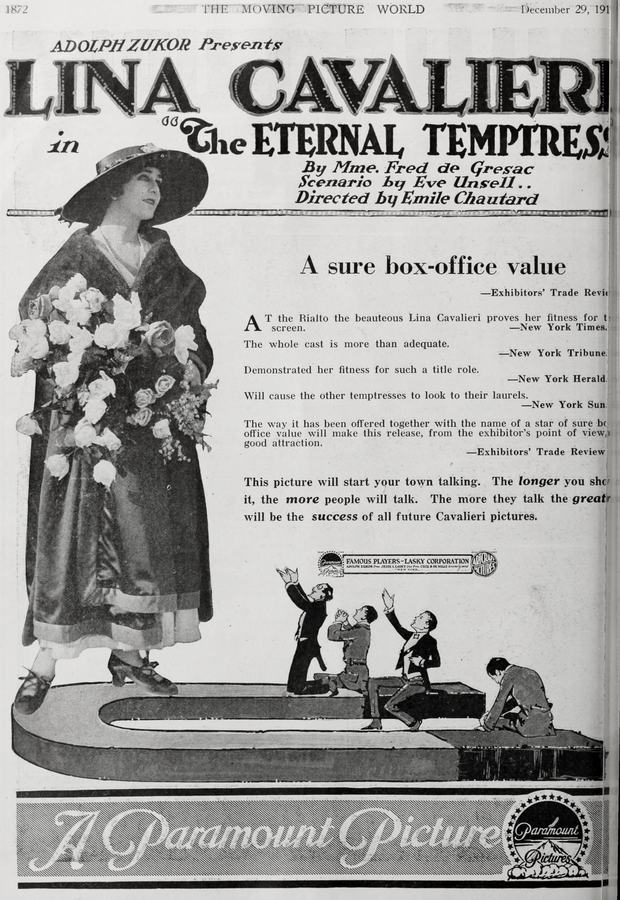
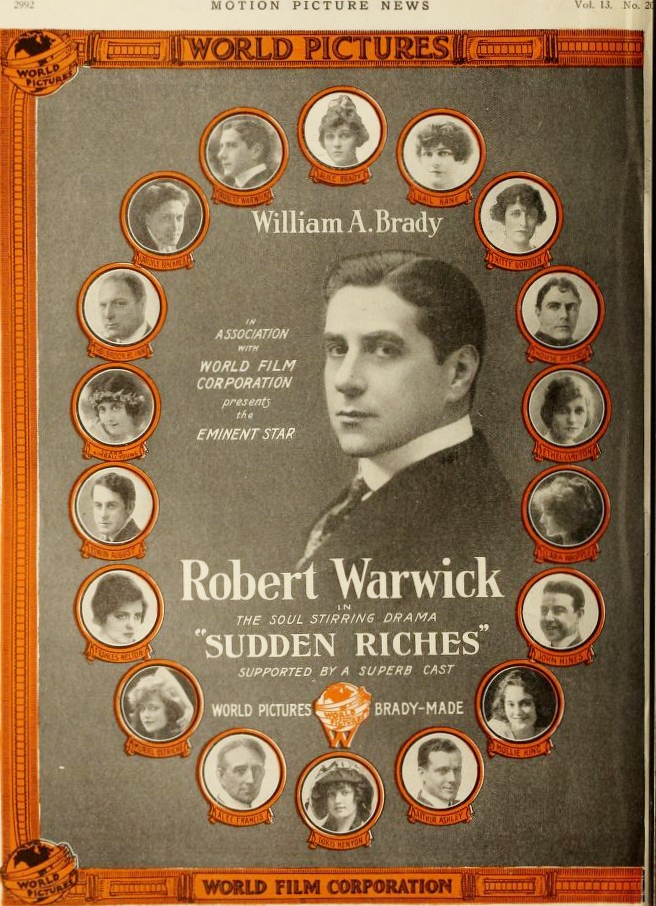
Emile Chautard
Emile Chautard
Community
Log in to comment.
"body{color:#white;background:#000}p{color:#white}a{color:#0E7490}strong{color:#C24100}em{color:#EAB308}h2{color:#C00}h3{color:#EAB308}ul{color:#white}li{color:#white}Among the scarred survivors of silents, only a single reel of flame remains from “The Fires of Youth,” yet its glow sears brighter than many intact 1916 features. I first encountered the print on a spliced-into-a-travelogue 16 mm in the back room of a Brussels archive while chasing another Thanhouser title; digital scans were too wa..."
Deep dive into the cult classic
Discover similar cinematic experiences
A Directorial Spotlight on Emile Chautard