
DbcultAccessing Vault...
Recommendations
Senior Film Conservator
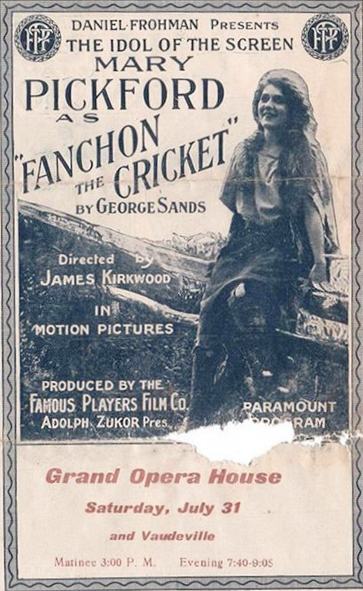
As a cultural touchstone of United States, Fanchon, the Cricket resonates with its stylistic flair, audiences who connected with its message often look for similar thematic gravity. We've assembled a sequence of films that complement the tone of Fanchon, the Cricket perfectly.
For many, the first encounter with Fanchon, the Cricket is to establish James Kirkwood as a true visionary of the 1915s.
Fanchon, a wild young girl, resides in a forest with her unconventional grandmother accused of witchcraft by villagers.
Based on the unique stylistic flair of Fanchon, the Cricket, our vault has identified these titles as the most compelling follow-up experiences for fans of cult cinema:
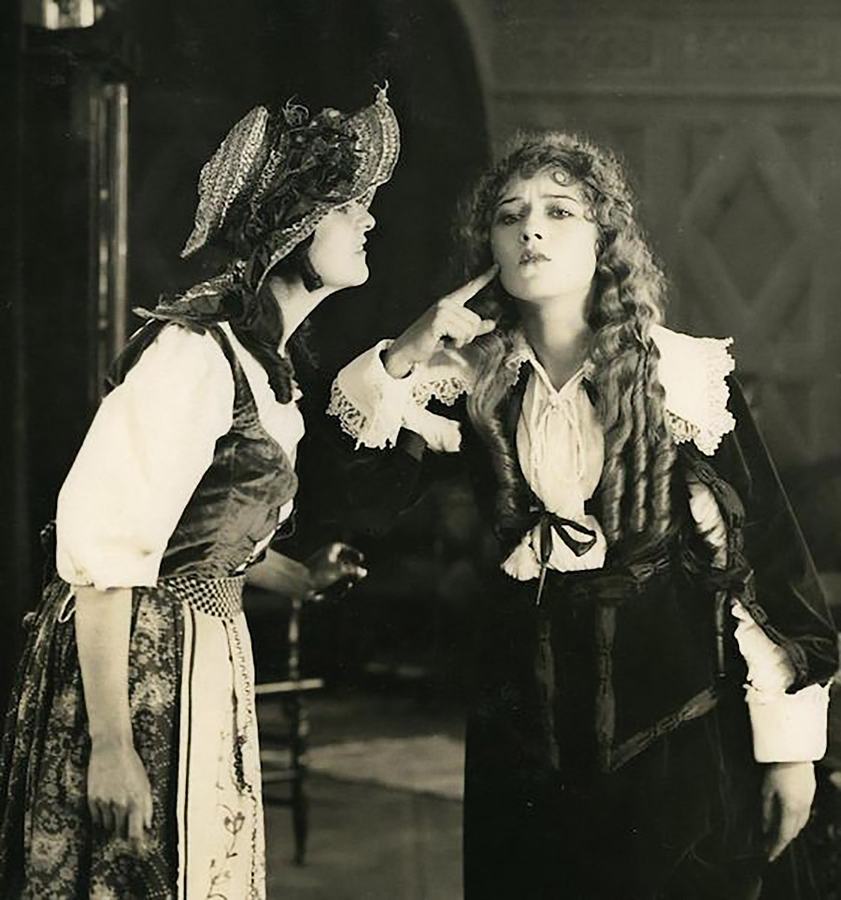
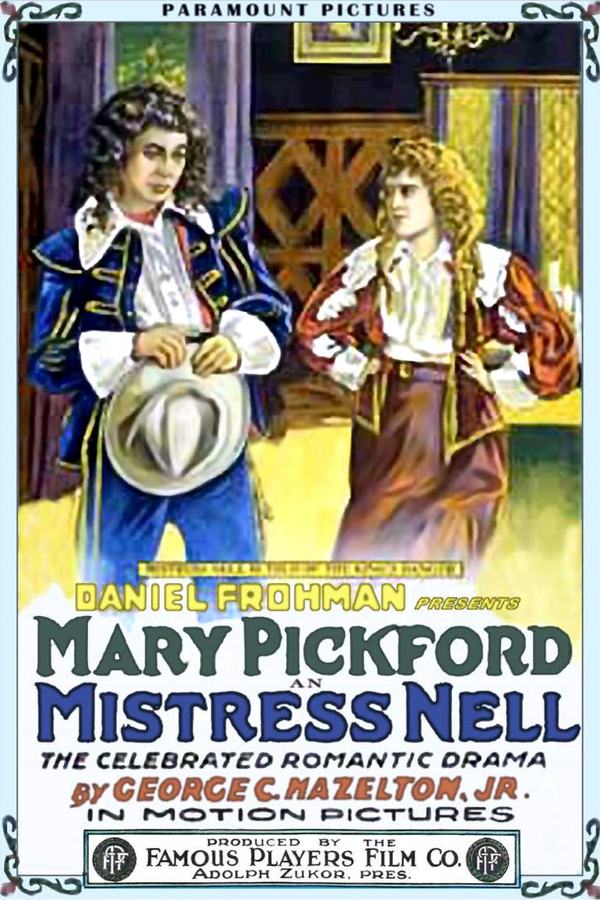
Dir: James Kirkwood
Nell Gwynne ( Mary Pickford ) and King Charles II ( Owen Moore ) fall in love after meeting at a fox hunt. Nell soon learns the jealous Duchess of Portsmouth ( Ruby Hoffman ) is a spy and conspiring with the Duke of Buckingham to place Charles at the mercy of the King of France. Nell boldly disguises herself as a fashionable young blade and wins the confidence of the Duchess. Now entrusted with the delivery of important documents, she makes sure they go to the King of England rather than the King of France. Now, Nell has the last laugh on the traitorous Duchess.
View Details
Dir: James Kirkwood
Even though he had saved her father from a financial crisis, Jennifer Hale refuses to marry wealthy Stephen Weldon, who tries to ruin the Hales. They leave for their summer home in the woods where Jennifer falls in love with wealthy James Murray, a lumber camp foreman. After Weldon finds them and threatens Hale with exposure unless Jennifer marries him, Murray marries Jennifer. Weldon then convinces him that Jennifer and he had a secret romance, and that she married Murray for his money. Murray's sister Agnes becomes Weldon's lover, and when he prepares to leave, she kills him. After Jennifer takes the blame to save Murray from learning of Agnes' disgrace, Murray, although he now hates her, takes Jennifer to the mountains to escape the law. Just as the posse overtakes them, a man rides up with the news that Agnes fell over a cliff and confessed before she died. Their love renewed love, the couple are now reunited.
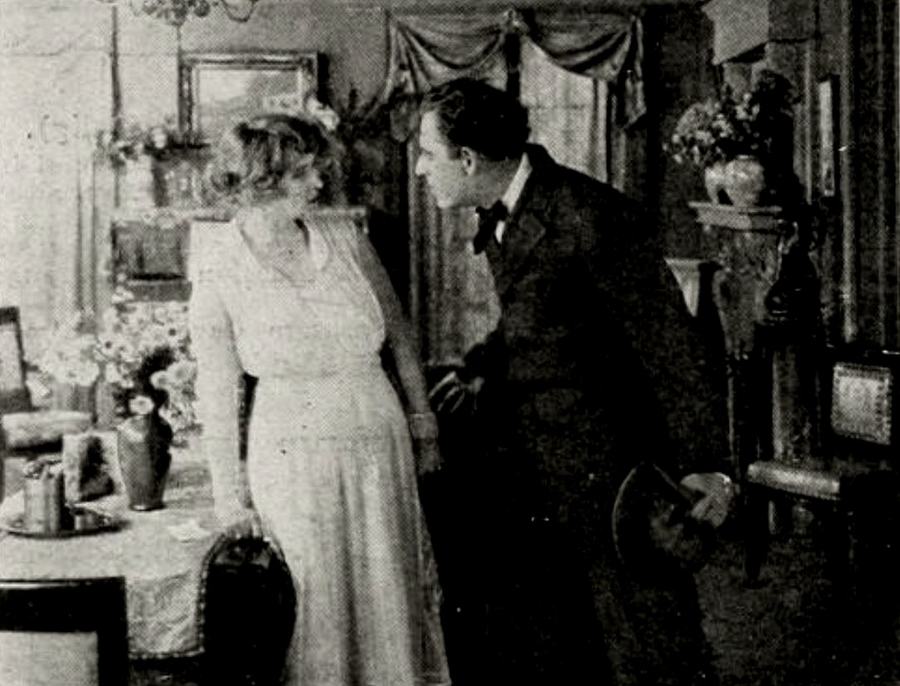
Dir: James Kirkwood
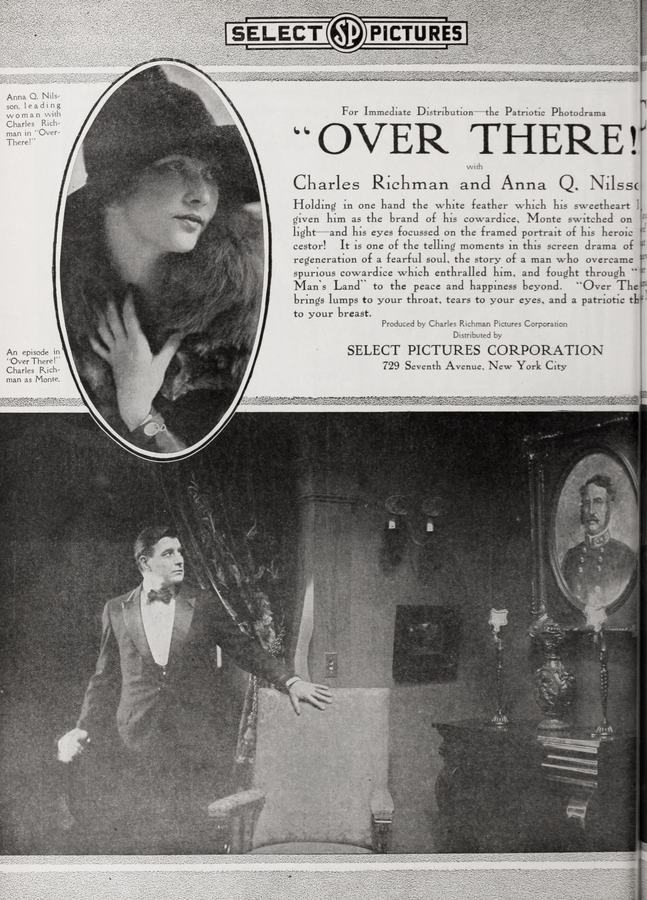
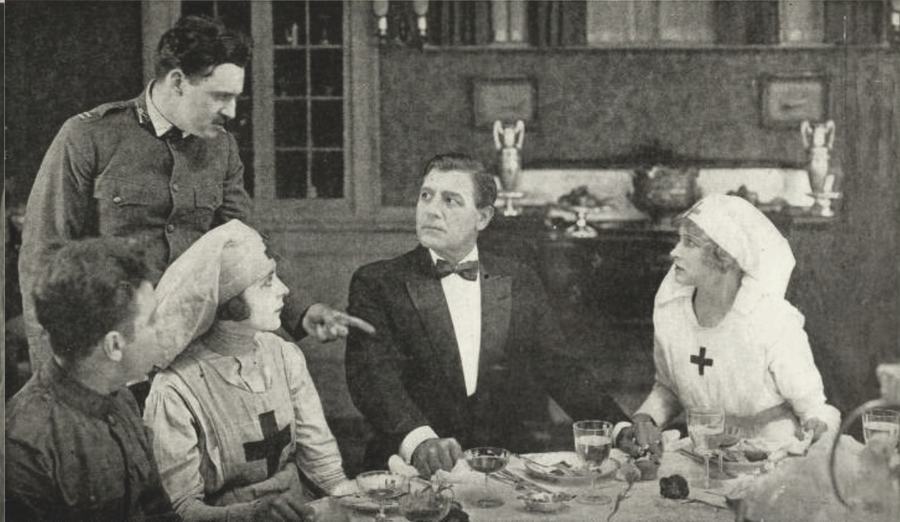
Montgomery Jackson, a man who possesses a deep fear of bloodshed, refuses to enlist in the American army during World War I, ignoring the appeals and insults of his friends and colleagues. Even when his fiancée, Bettie Adams, threatens to leave him, he refuses to fight, but after she volunteers to serve as a Red Cross nurse in France, he relents and joins the American forces. At the front, he proves his courage by fighting bravely and saving the lives of Bettie's father, Colonel Adams, and of the man to whom she had become engaged after accusing Montgomery of cowardice. Finally Montgomery is wounded, but through Bettie's care he recovers, and after his rival, realizing that Bettie still loves Montgomery, gives Bettie her freedom, she and Montgomery happily renew their engagement.
View Details
Dir: James Kirkwood
Mary Pickford plays "Rags," a pretty but wild girl who defends her alcoholic father a disgraced bank cashier, no matter how he mistreats her.
Dir: James Kirkwood
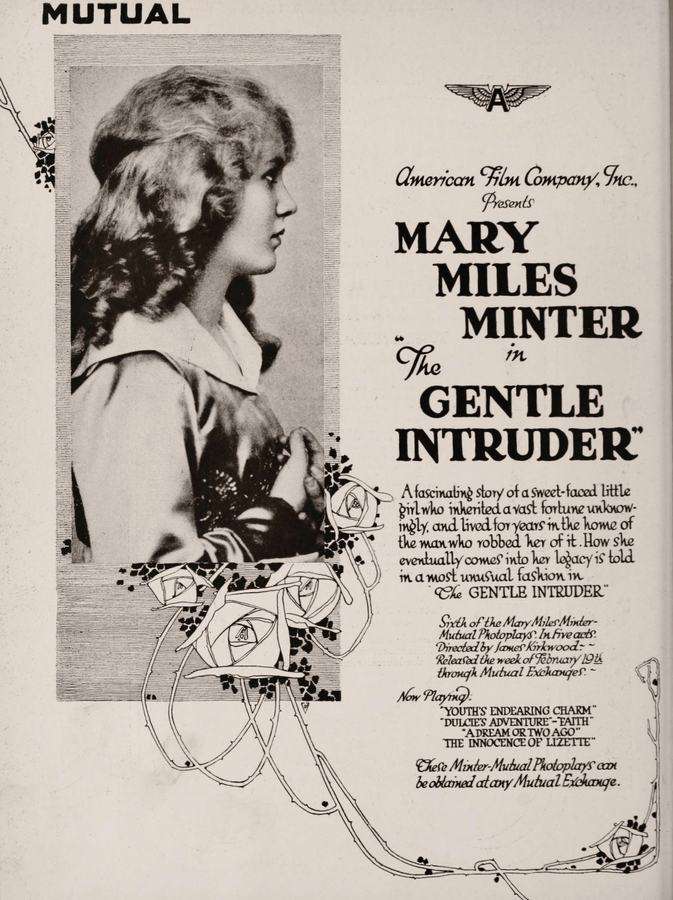
Sylvia is the niece of a man who leaves a fortune for her. He leaves it in the hands of his attorney, who is supporting an aspiring wife and daughter. Sylvia goes to the lawyer's home and is looked upon as an intruder. The lawyer's son sets out on a road of dissipation and soon becomes a devotee of gay life. He is saved just in time by the gentle influence of Sylvia and, upon discovering that his father is using all of the girl's fortune, he makes him give her the money. The family is horror-stricken at the thought of losing their fortune. They ask Sylvia's forgiveness for their treatment of her and she insists upon sharing her fortune with them. She also tells Arnold, the son, that his love is reciprocated.
View Details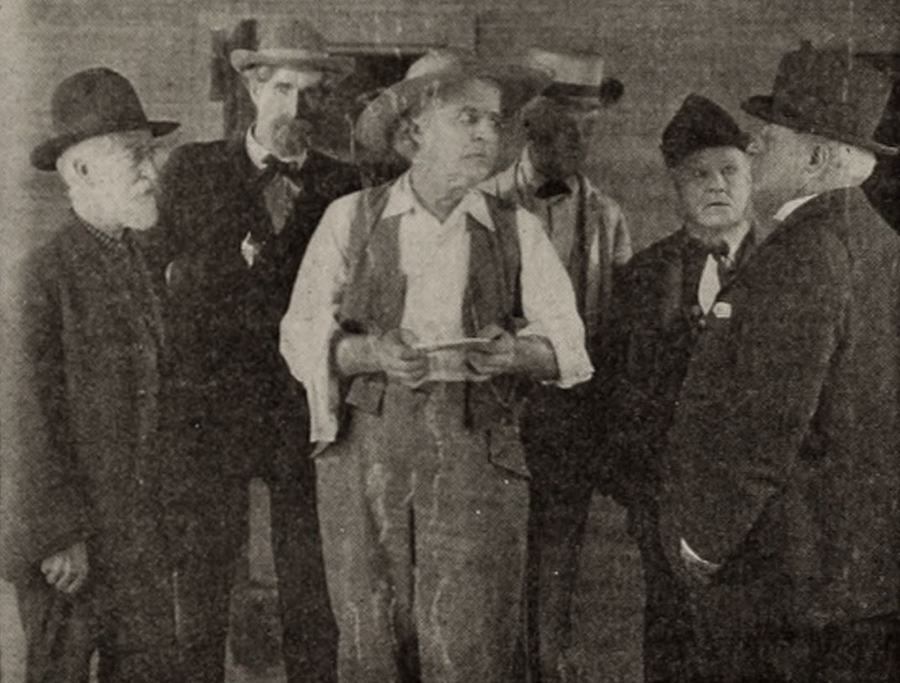
Dir: James Kirkwood
When Josiah Whitcomb's son gets into trouble with bad companions in New York City, Josiah leaves the farm and goes into the city to find the boy. There he finds that his country ways are not at all respected in the sophisticated city.
Dir: James Kirkwood
Dulcie's once-aristocratic Southern family has fallen upon hard times, so her Aunt Netta decides to take her to California in search of a millionaire husband. While Dulcie pines for Harry, her sweetheart back home, Netta triumphantly arranges an engagement with a wealthy suitor. On her wedding day, preparing to sacrifice herself for her family, Dulcie discovers that her fiance's millions actually belong to other people when he is arrested at the altar on a bank robbing charge. Meanwhile, Harry, who has come West to get Dulcie back, arrives at the wedding just as the police interrupt it. He volunteers to take the arrested fiance's place, and Dulcie accepts his offer instantly.
View Details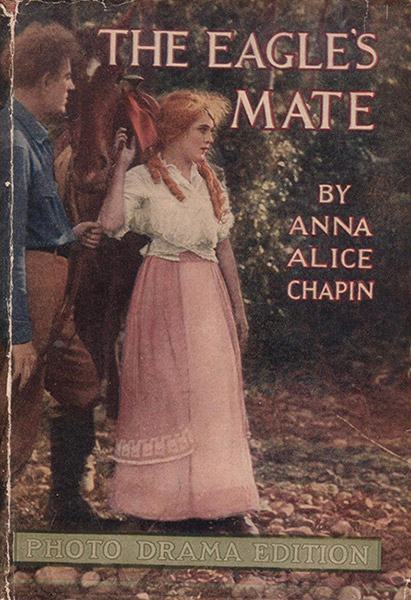
Dir: James Kirkwood
A young girl, Anemone (Mary Pickford), who lives with her Aunt (Ida Waterman) is abducted by a crude family of Virginia mountain moonshiners. A fight between two of the young male relatives decides who will marry the girl. Lancer (James Kirkwood) is the winner and marries Anemone against her will. She is reunited some time later with her Aunt, but when she learns Lancer is in dire trouble she returns and stays by his side, realizing she had always been in love with him.

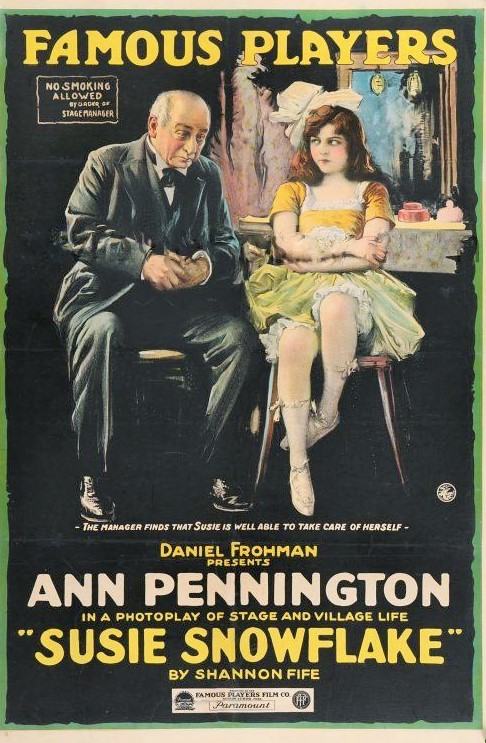
Dir: James Kirkwood
When a young girl who has grown up as a music hall entertainer is brought to live in a stodgy New England town, the quiet town life is changed forever.
View Details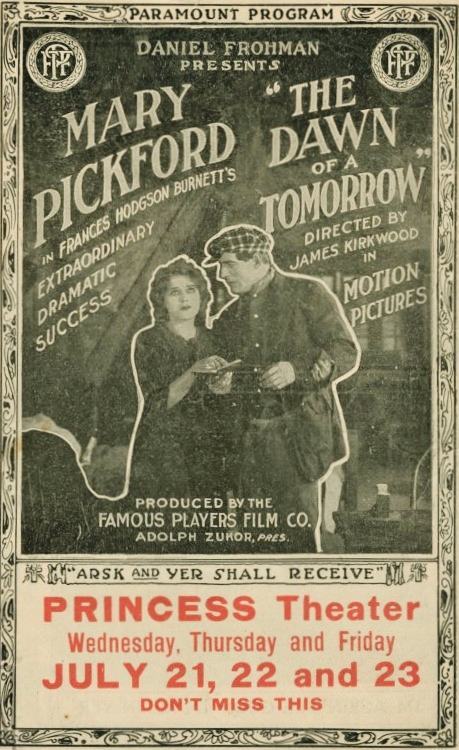
Dir: James Kirkwood
A young girl who lives in the London slums is in love with a cunning thief and persuades him to give up his life of crime. Meanwhile, an eccentric millionaire who has been diagnosed with an incurable dementia becomes so despondent that he decides to commit suicide. He disguises himself as a vagrant and wanders into the slums. As he tries to find the courage to kill himself, the young girl encounters him and rationalizes him out of his cowardly act. Her genuine sweetness and strong faith affect him to such an extent, that he begins to believe recovery is possible. Now the girl's sweetheart has been falsely accused of murder, and only the millionaire's licentious nephew can give him an alibi. The girl pleads with the nephew to help prove her sweetheart's innocence. He refuses and tries to take advantage of her. The millionaire arrives in time and shames his nephew to testify correctly. The millionaire now pledges himself to a life of service and charity, and the girl and her sweetheart are happily reunited.
View DetailsAnalysis relative to Fanchon, the Cricket
| Film Title | Atmosphere | Complexity | Similarity |
|---|---|---|---|
| Mistress Nell | Surreal | Layered | 96% Match |
| The Heart of Jennifer | Surreal | Linear | 94% Match |
| Over There | Surreal | Abstract | 85% Match |
| Rags | Gritty | Dense | 95% Match |
| The Gentle Intruder | Gritty | Layered | 85% Match |
This guide was algorithmically generated using the cinematic metadata of James Kirkwood's archive. Last updated: 6/26/2026.
Back to Fanchon, the Cricket Details →