
DbcultAccessing Vault...
Recommendations
Senior Film Conservator
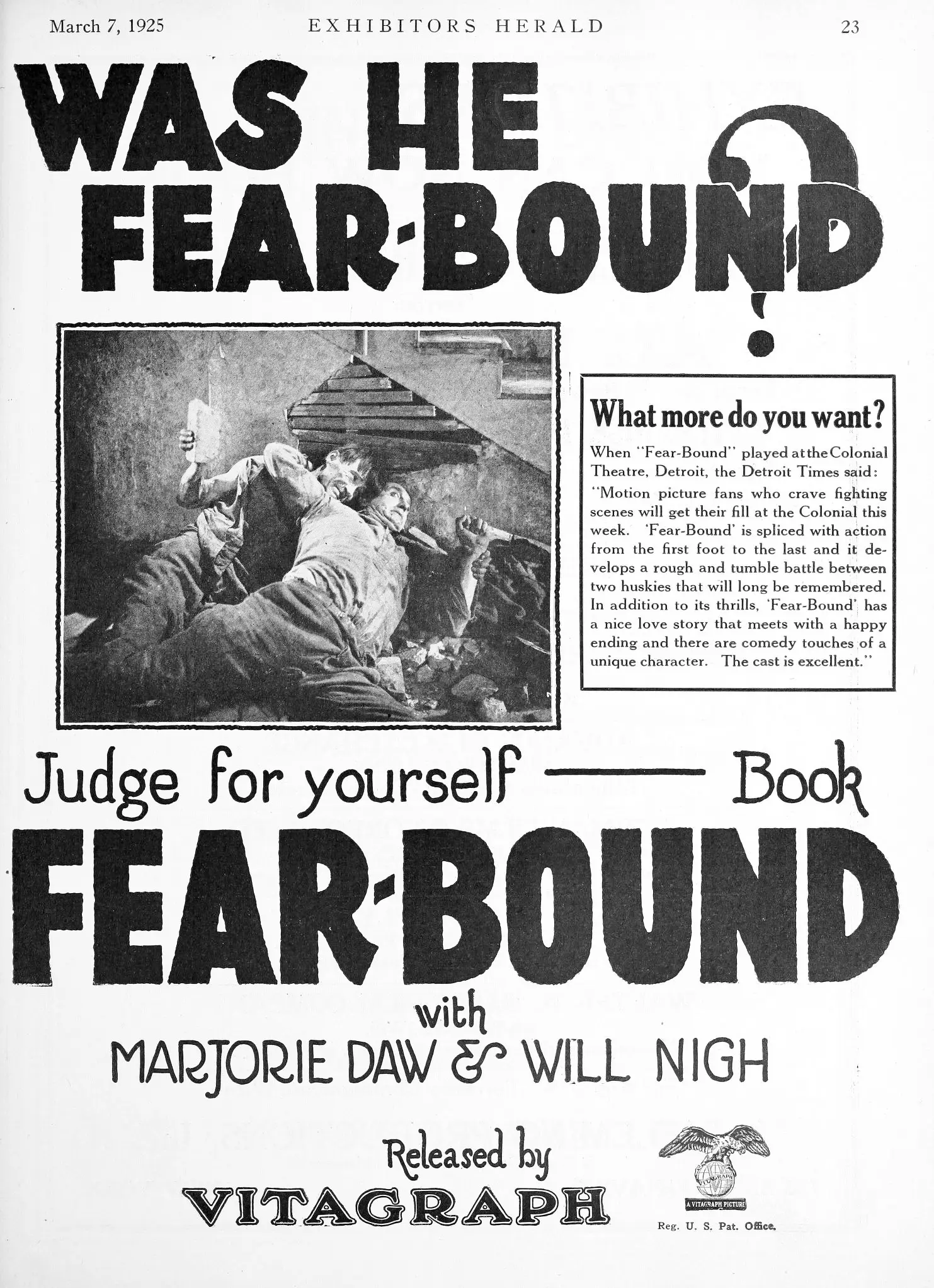
For those who were mesmerized by Fear-Bound, a true Western masterpiece from 1925, its influence on Western cinema remains a vital reference point for fans today. This list serves as a bridge to other Western experiences that are just as potent.
The legacy of Fear-Bound is built upon its ability to blend thematic complexity with stunning visual execution.
Deserted by her husband and three sons, Ma Tumble supports herself and her small daughter, Falfi, by farming. Fifteen years later, her youngest son, Jim, returns to her, wanted by the law for his part in a bank robbery. At Falfi's insistence, Ma hides Jim from the sheriff's posse and later moves with her family to another town, where she opens a restaurant. Jim gets a job guarding payrolls and ore shipments at a local mine. Recently released from jail, Pa Tumble and the other sons find Ma Tumble and, discovering Jim's job, force him to help them rob an ore shipment. After the robbery, Ma calls Jim a vile coward and forbids him to return until he proves himself a man. Brought to his senses, Jim kills one of his brothers and brings his father and other brother to justice. Jim is then welcomed back by his mother and sister and acclaimed a hero by the grateful populace.
Based on the unique nuanced performance of Fear-Bound, our vault has identified these titles as the most compelling follow-up experiences for fans of Western cinema:
Dir: William Nigh
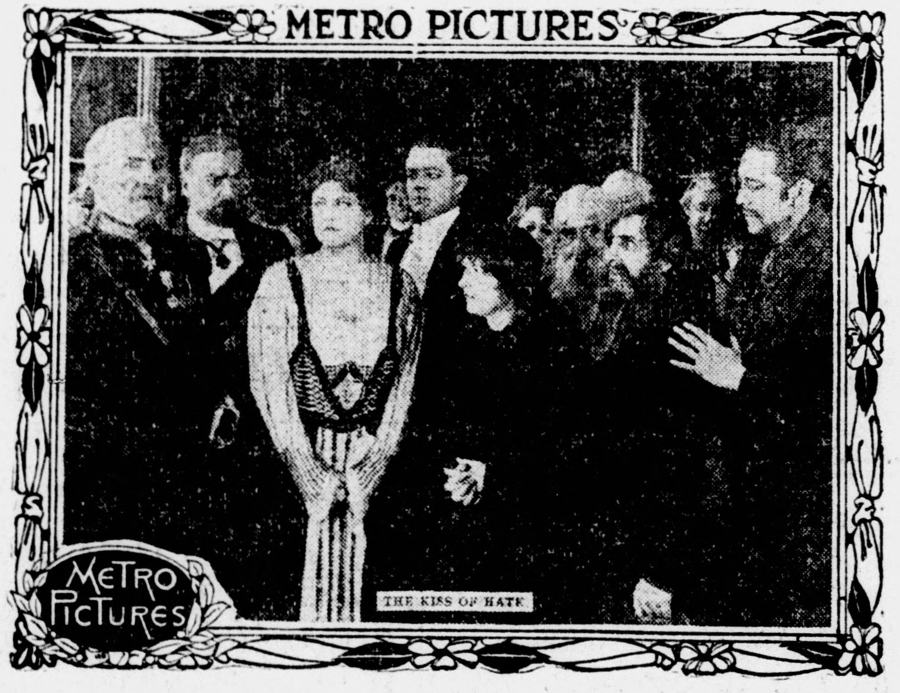
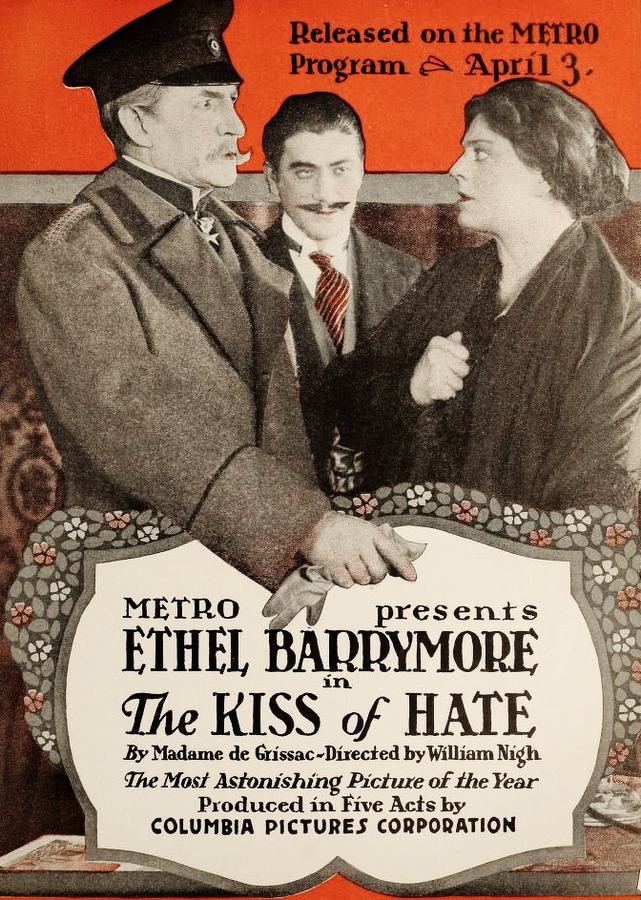
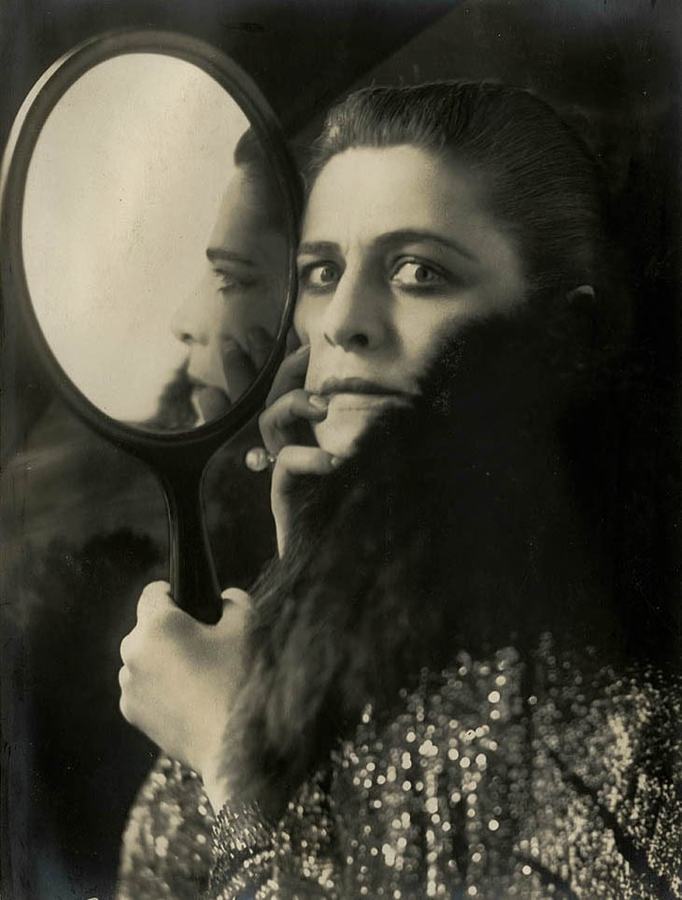
When Count Peter Turgeneff, his daughter Nadia, and his generous-hearted son Paul came to live in the Governor's palace in the Russian province of Valogda, there was rejoicing among the oppressed race whose home was in the Ghetto. Turgeneff was known as a just and merciful man who had done much to make the hard lot of the Jews bearable in the districts under his charge. Hence his coming was hailed with joy by Isaac, prophet of Israel, and his people. Quite other feelings did his arrival create in the breast of Michael Orzoff, the grim Prefect of Police of Valogda, who sat in his office in the fortress and received the reports of the secret agents of the Czar. It was known that Orzoff was the secret power behind the dreaded "Yellow Jackets," the dire organization whose avowed object was the extermination of the people of Israel. There seemed no help. The Prefect's influence reached far, even into the high places in far-off Petrograd. Even women, provided they were fair to look upon, found their sex no protection from his infamy. For all these reasons the coming of Count Turgeneff to Valogda was not at all to Orzoff's liking. Soon after his coming Orzoff learned two things: one was that the new governor had pledged his help to the Jews, and the other that his daughter Nadia was one of the most beautiful women he had ever seen and quite as ardent as her father in her support of the oppressed race. To think was to act with Orzoff. The governor was strong, but not more strong than he. In the high places in Petrograd, whence both received authority, the Prefect held the more power. In Russia the police are all powerful. The Count menaced Orzoff, for already word had been brought to the Governor, as Orzoff well knew, that the Prefect was the secret driving force behind the evil "Yellow Jackets." So Orzoff laid his plan. With his countless agents provocateurs and secret minions in the "Yellow Jackets," daring as that plan was, he felt it could not fail. On the night of the grand ball at the Governor's palace, the plan was consummated. Thither had come, at Nadia's urging. Isaac, chief of the Jews of the Ghetto, and Leah, the lovely daughter of old Samuels the cobbler, whose honor had been stained by the rude lust of Orzoff, with many others, there to accuse the Prefect face to face of the wrongs with which he had burdened them. But they did not reckon with the Prefect's plan. Suddenly there had been a cry without a rush of many feet and a frenzied mob had burst in among the guests of the Governor. "Death to the Jews," was their rallying cry. Then came Orzoff's own uniformed men and dispersed the rioters, but not before an assassin's bullet had found a resting place in the heart of Count Turgeneff. Nor did Orzoff stop there. Secure in his influence at Petrograd, he directed his men to seize the weeping Nadia, her brother Paul, and Isaac the Jew, and imprison them in the fortress under a charge of treason. And there on the day following he found a way to wreak his evil will upon the girl. The Prefect came to her in the cell, where she passed the night. He bent over her menacingly as she sat on the stone seat that had formed her couch. "You will give yourself to me," he said abruptly, "or your brother shall suffer the torture by fire ere he goes to Siberia." The as Nadia, in contempt and loathing, struck at him in the half-darkness he added, "Listen, and you shall hear for yourself; only your promised work can stop this pain."
View Details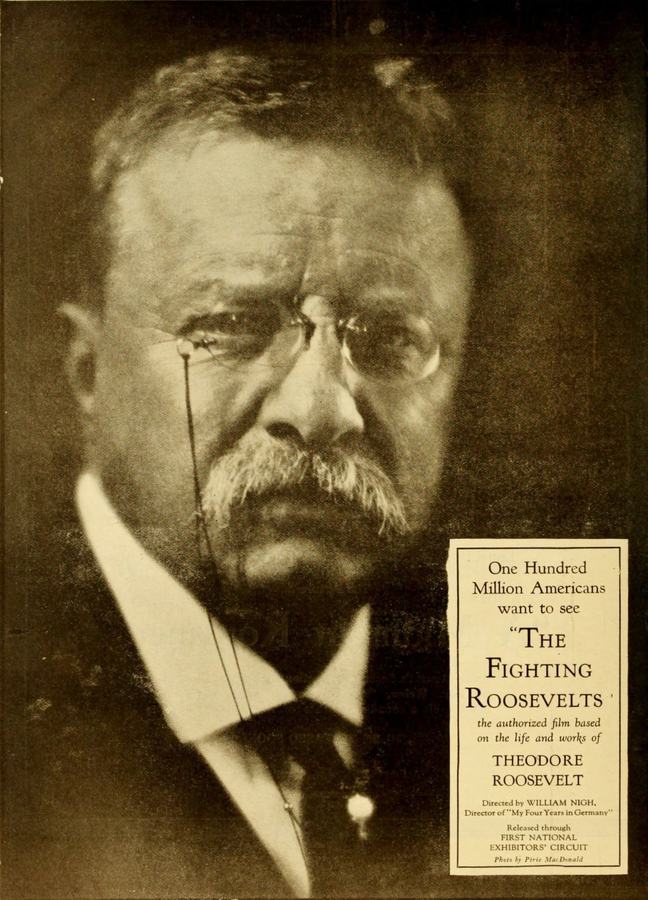
Dir: William Nigh
A dramatization of the life of Theodore Roosevelt leading up to his presidency of the United States. Included are depictions of his youth, his membership in the New York State Assembly, his days as a cowboy, police commissioner, Assistant Secretary of the Navy, and leader of the Rough Riders in the Spanish-American War.
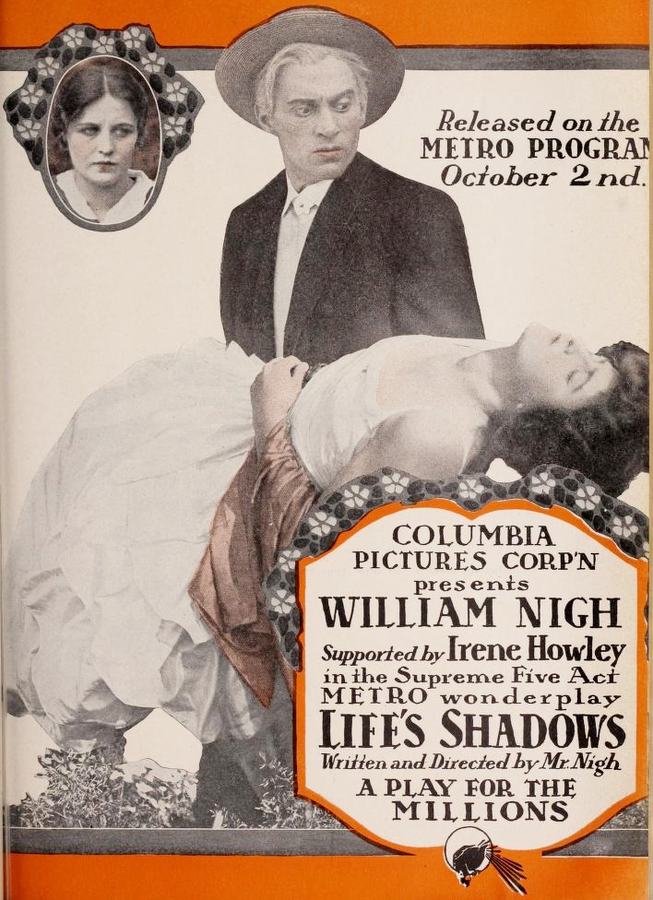
Dir: William Nigh
The townspeople of Purity despise Martin Bradley because of his heavy drinking, but he still does his best to make life better for the town. He helps to support two women who have been socially ostracized by the townspeople, and during the election campaign for mayor, exposes the corruption and dirty tricks of candidate James Durkel, resulting in the election of his opponent Chester Thorndyke. However, the voters of Purity insist that Thorndyake disavow his ties to Bradley, whom they regard as disreputable.
View Details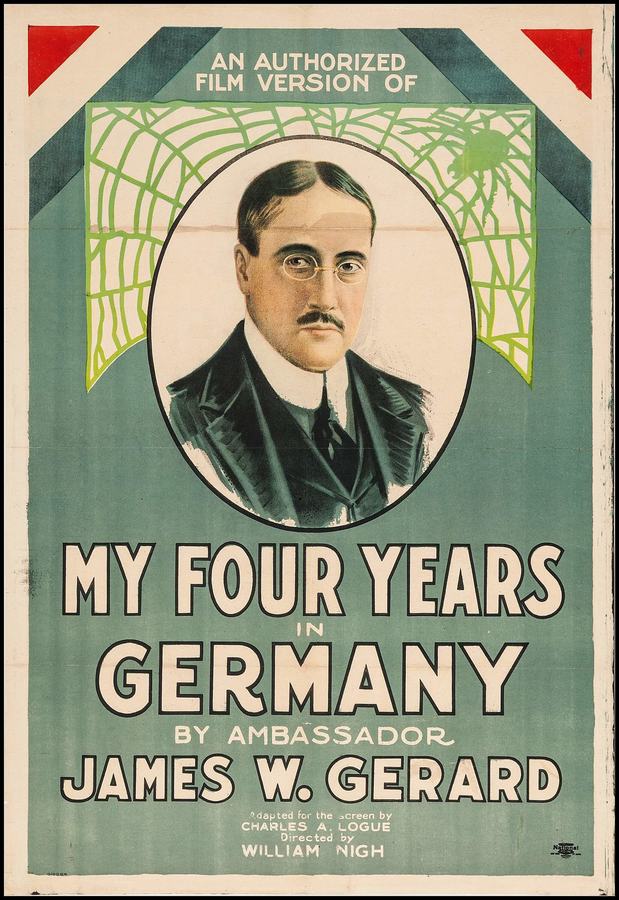
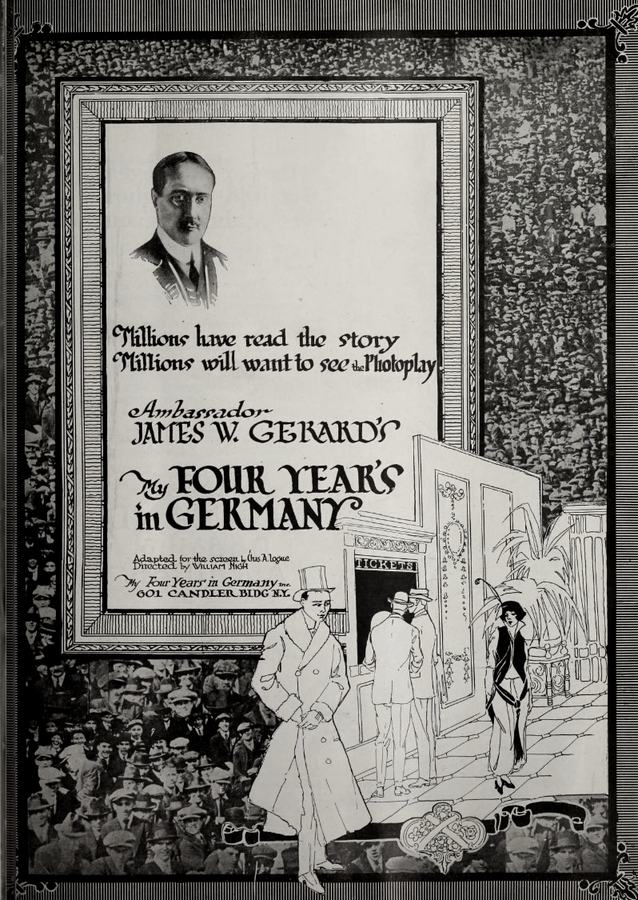
Dir: William Nigh
The experiences of the American ambassador to Germany, James Gerard, are recounted in this semi-documentary.
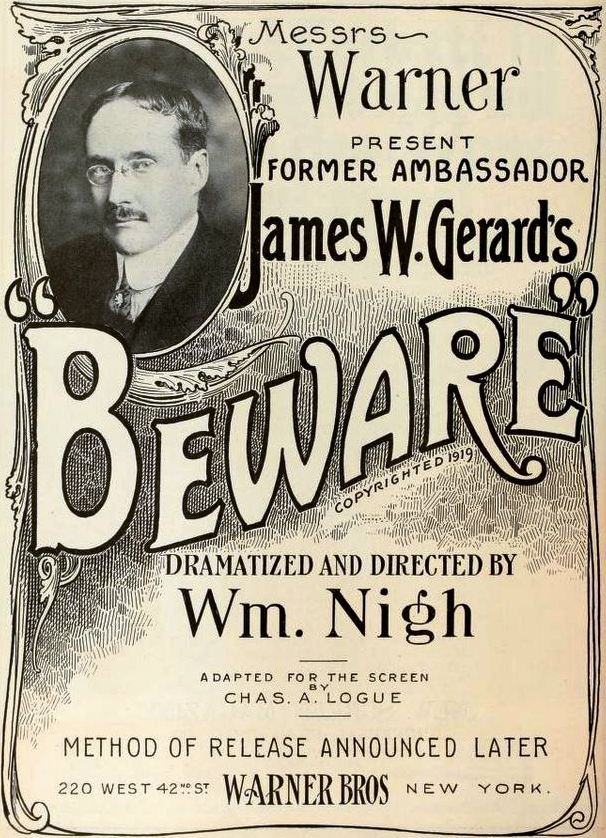
Dir: William Nigh
American ambassador to Germany James W. Gerard warns that Germany will rise again to power and an attempt at world domination unless safeguards are taken, in this documentary-style propaganda drama.
View Details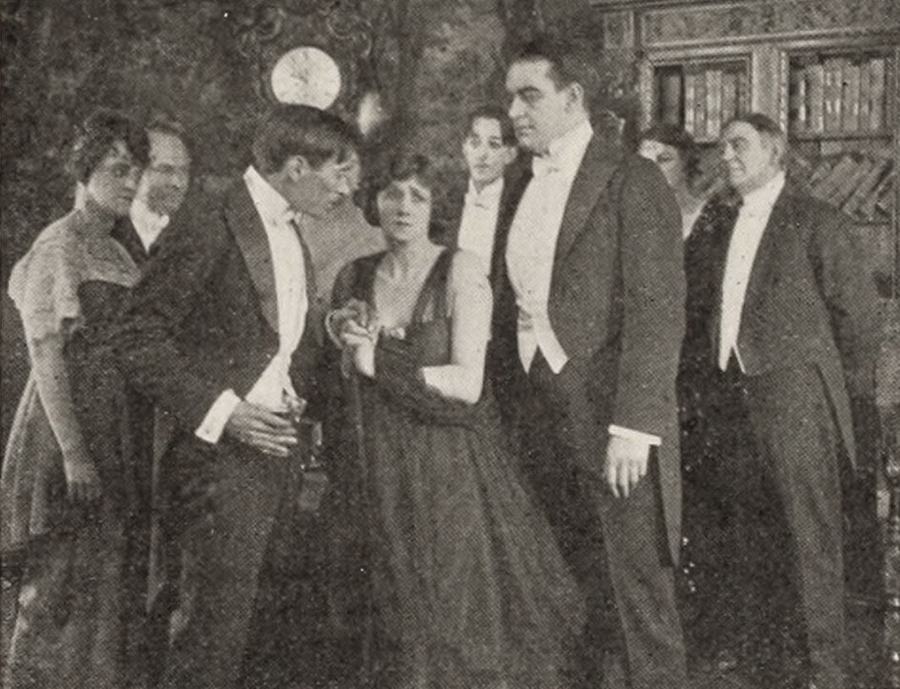
Dir: William Nigh
Marian Delmar's architect father has died without an estate, though she thinks he has left her a settlement of some sort. From the time of his death, a member of his profession, Varcoe, has sent her a monthly remittance with enables her to live decently and study painting. Then Varcoe dies, leaving no instructions regarding the remittance and no reason why his son Olin should continue it. John Hartfield, whose father has been a lawyer of doubtful integrity but unquestionable shrewdness, is now the one Marian turns to when her remittance fails to arrive. He subsequently informs her that the remittance seems to have been a matter of charity on the late Varcoe's part; incidentally, his son Olin is dying from his wild dissipation and morbid excesses. Marian's independent nature revolts at having been an object of charity, and against John's pleading she decides to pay the debt by nursing Olin back to health. She offers her services as nurse, and Olin exhibits a wicked joy at engaging her. All repair to the old Varcoe home on the St. Lawrence, where lives Mrs. Varcoe, whom her supposed son has never seen; she has been an invalid for 40 years, faithfully attended by the old family physician in a house with Indian servants, and strange furnishings that must have been the expression of a morbid brain. When Olin meets Mrs. Varcoe, whose son he is supposed to be, he seems to inspire her with fear and misgiving. She is immediately impressed with Marian, whose attentions are now directed to the old lady's health. The aged doctor's jealousy of Marian in her efforts to relieve Mrs. Varcoe creates frequent friction. Through the finding of certain plans in a secret compartment, John finds that Marian's father was the real brains behind the elder Varcoe's success; hence, the remittance by agreement. Olin's morbid nature drives him to take advantage of an Indian girl in his household, and the consequence is the exposure of the secret that he himself is the offspring of such an affair on his father's part. Meanwhile, John constantly tries to dissuade Marian from continuing in this atmosphere, but a strong affection has developed between Marian and the kind old lady that furnishes the incentive for her to remain. Olin is determined to have one more big fling before he passes away, and invites a number of his dissipated city friends to spend the weekend. Olin traps Marian in a secret passage, but another Indian and John rescue her and wound Olin. Olin crawls to the Indian huts on the estate where the remainder of his mother's tribe dwelt, and dies in the arms of his Indian grandfather. Marian and John determine to travel the road of life together, while the old doctor gives evidence that his devotion to his equally-venerable patient was not purely professional interest.
Dir: William Nigh
Caroline works at a hair dressing parlor. A wealthy man falls in love with her, takes her home and proposes to her. Caroline has a dream where she marries the man, who turns vicious and keeps her locked up in his mansion. He finally dies, and Caroline starts out having a good time with his money, but she sees the folly of her ways. She wakes up from the dream.
View Details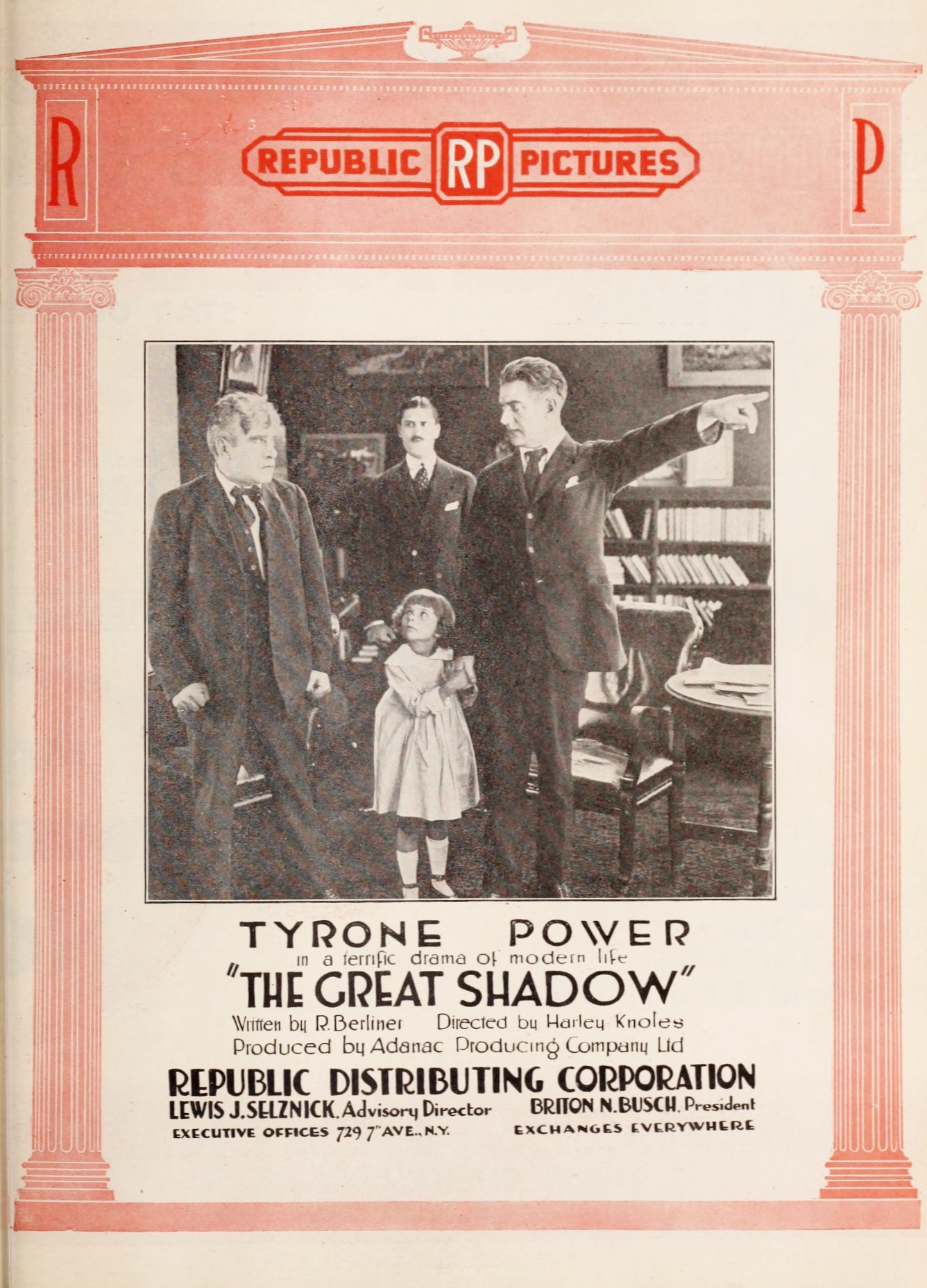
Dir: Harley Knoles
Jim McDonald, the foreman of a shipbuilding plant and head of the labor union, strives to combat the anarchistic propaganda being put forth by Klimoff, the leader of a Bolshevik gang whose goal is to disrupt the country with strikes and anarchy. Despite McDonald's efforts, a strike is called, resulting in chaos. McDonald's child is knocked down by runaway horses abandoned by their striking driver, and dies. Mob scenes take place in America, as well as in Russia. Eventually, the unrest is quelled with an armistice called between Capital and Labor for a year, during which time wages are to be increased to reflect the cost of living, and leaders are to work out a common plan for their mutual advantage. The strikers now realize that they have been pawns of the Bolsheviks and call off the strike, agreeing to the plan.
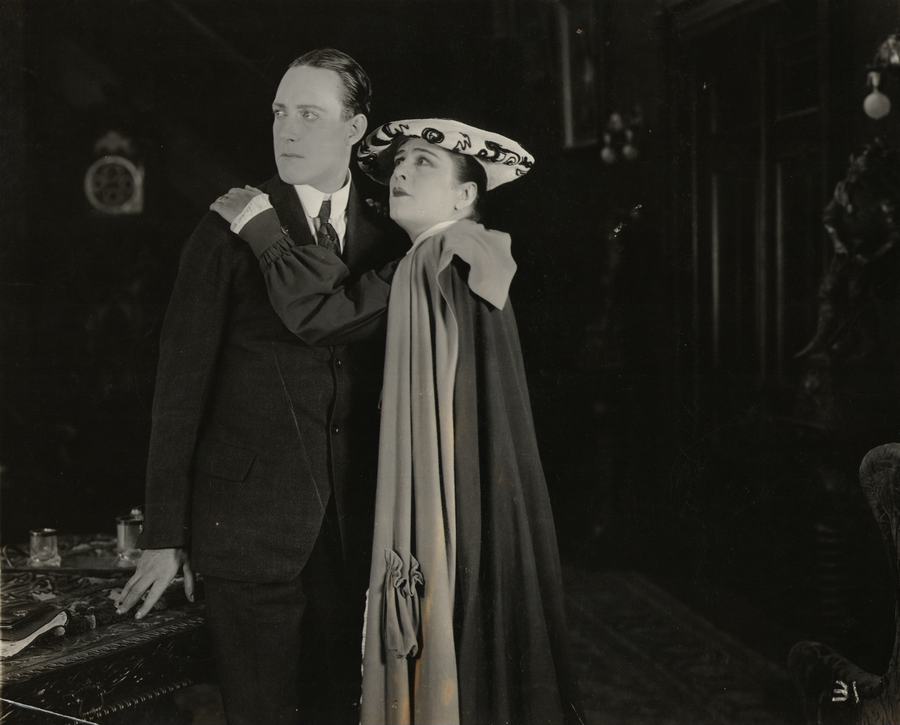
Dir: William Nigh
Bored by her country life and misunderstood by her parents, Emma Rolfe marries Dr. Charles Bovar, an older man whose dedication to his medical practice results in wifely neglect. To alleviate her growing loneliness, Emma enjoys the company of many of the young men from the village and eventually begins an affair with Rudolph Bulwer. Despite his proclaimed love for her, Rudolph deserts Emma on the night of their arranged elopement, and in her despair she steals some acid from her husband's medicine cabinet and goes to the river to commit suicide. While standing by the water, Emma changes her mind and resolves to confess to Charles and beg his forgiveness, but the river bank gives way under her feet and she drowns in the swift current. Although he has discovered Emma's love letters from Rudolph, Charles stoutly defends her honor in front of the townspeople and forgives her in his heart.
View Details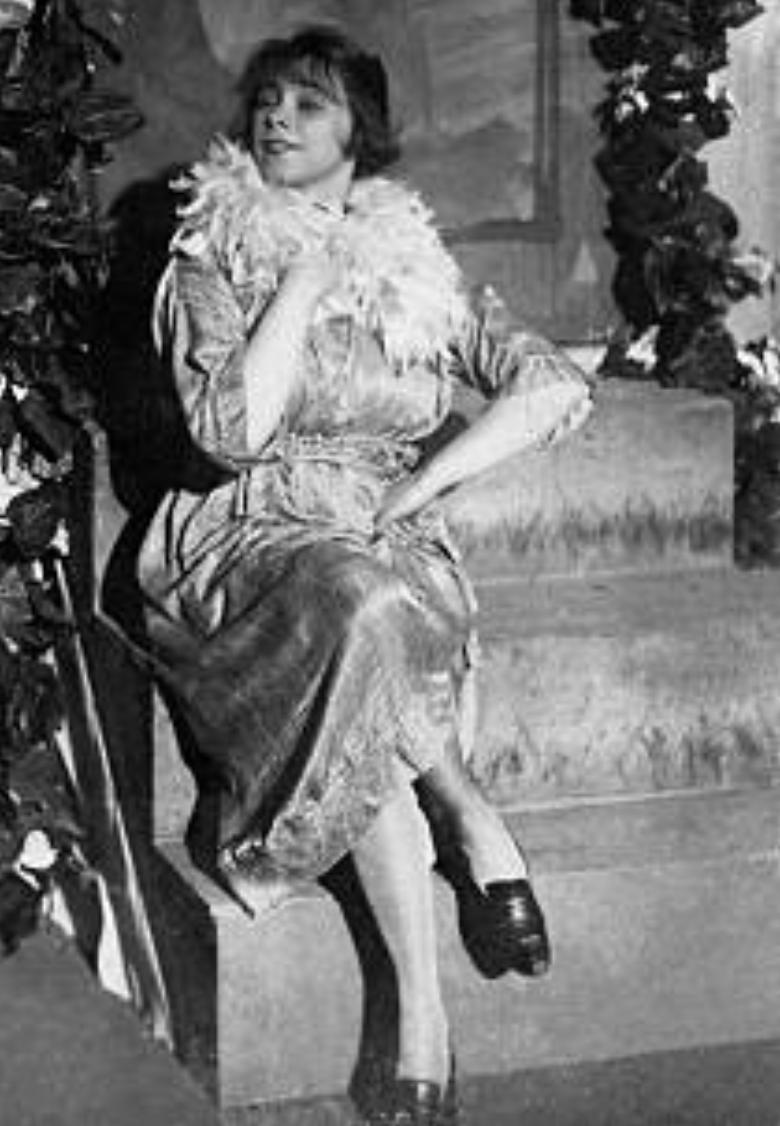
Dir: Bruno Ziener
A fascinating piece of cinema that shares thematic elements.
View DetailsAnalysis relative to Fear-Bound
| Film Title | Atmosphere | Complexity | Similarity |
|---|---|---|---|
| The Kiss of Hate | Ethereal | Layered | 87% Match |
| The Fighting Roosevelts | Gritty | Layered | 85% Match |
| Life's Shadows | Gothic | Abstract | 91% Match |
| My Four Years in Germany | Ethereal | Linear | 88% Match |
| Beware! | Tense | Abstract | 92% Match |
This guide was algorithmically generated using the cinematic metadata of William Nigh's archive. Last updated: 8/17/2026.
Back to Fear-Bound Details →