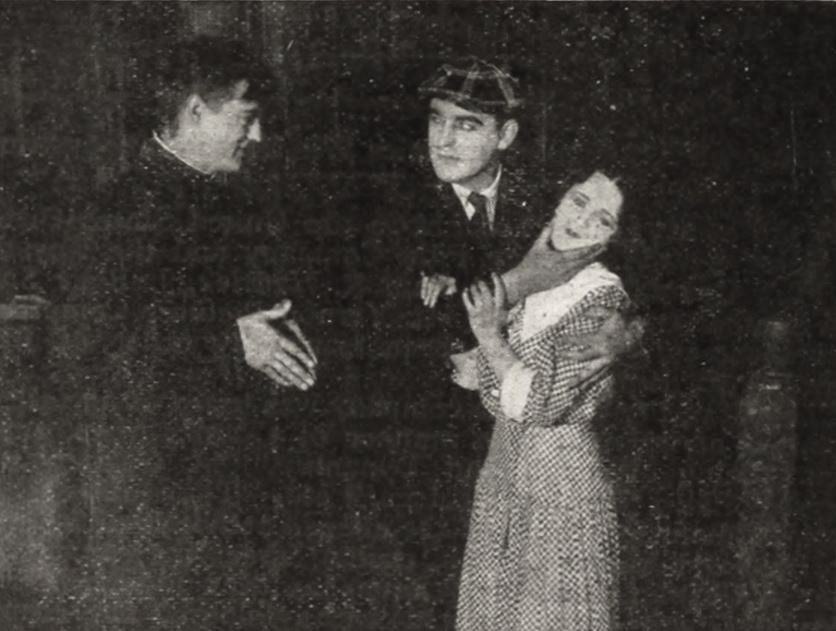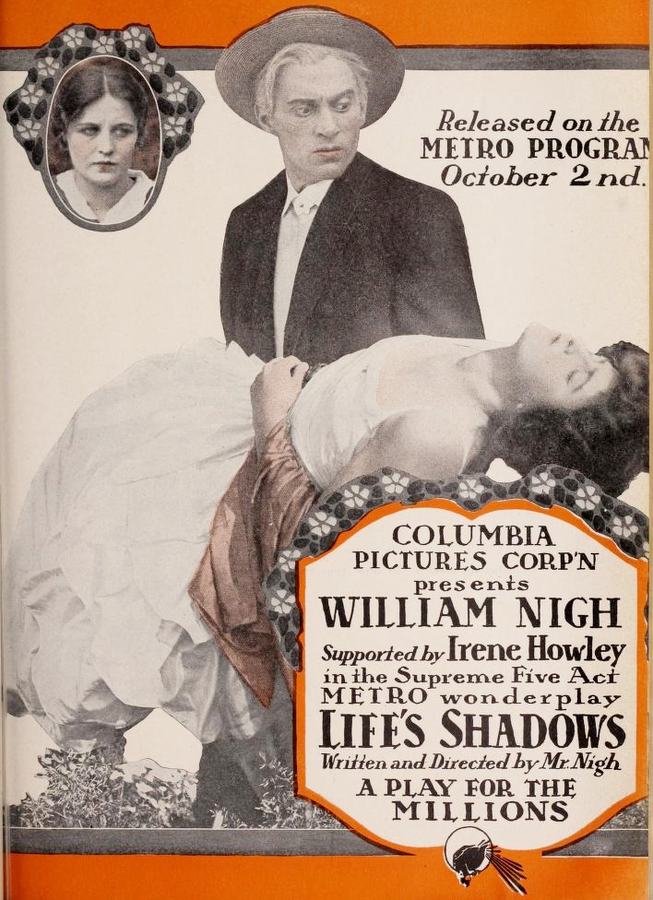
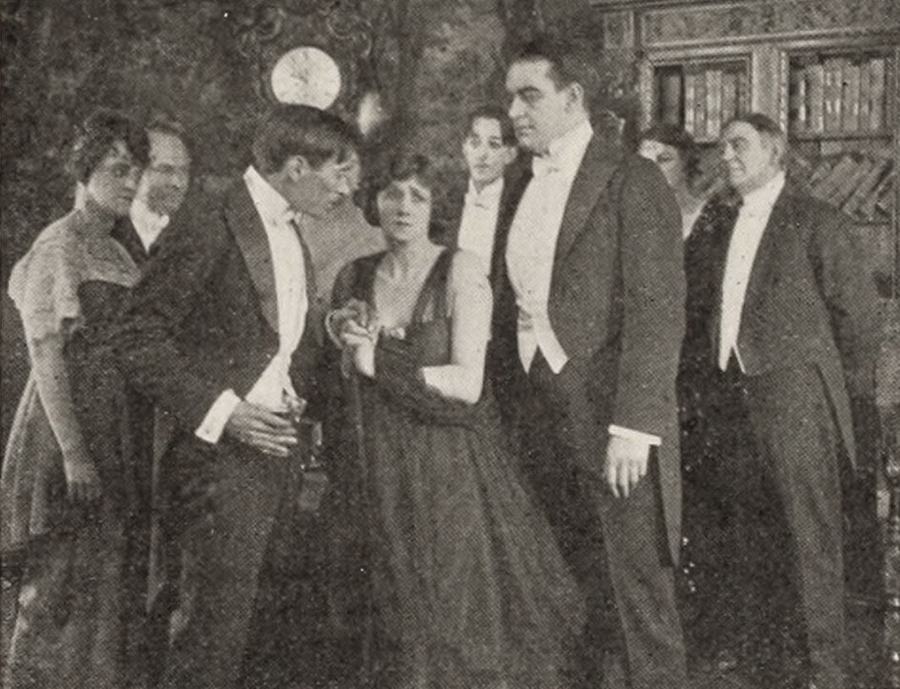
The townspeople of Purity despise Martin Bradley because of his heavy drinking, but he still does his best to make life better for the town. He helps to support two women who have been socially ostracized by the townspeople, and during the election campaign for mayor, exposes the corruption and dirty tricks of candidate James Durkel, resulting in the election of his opponent Chester Thorndyke.
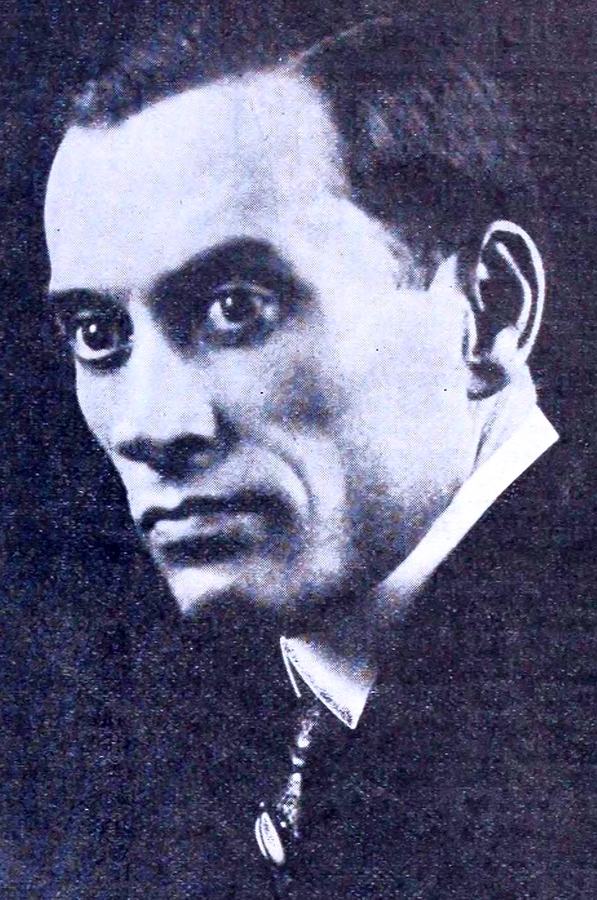
William Nigh
United States
The Anatomy of Sanctimony: A Deep Dive into Life's Shadows In the nascent years of the cinematic medium, few films dared to peel back the veneer of small-town American exceptionalism with the surgical precision found in Life's Shadows (1916). Directed and written by the prolific William Nigh, this silent-era relic i...
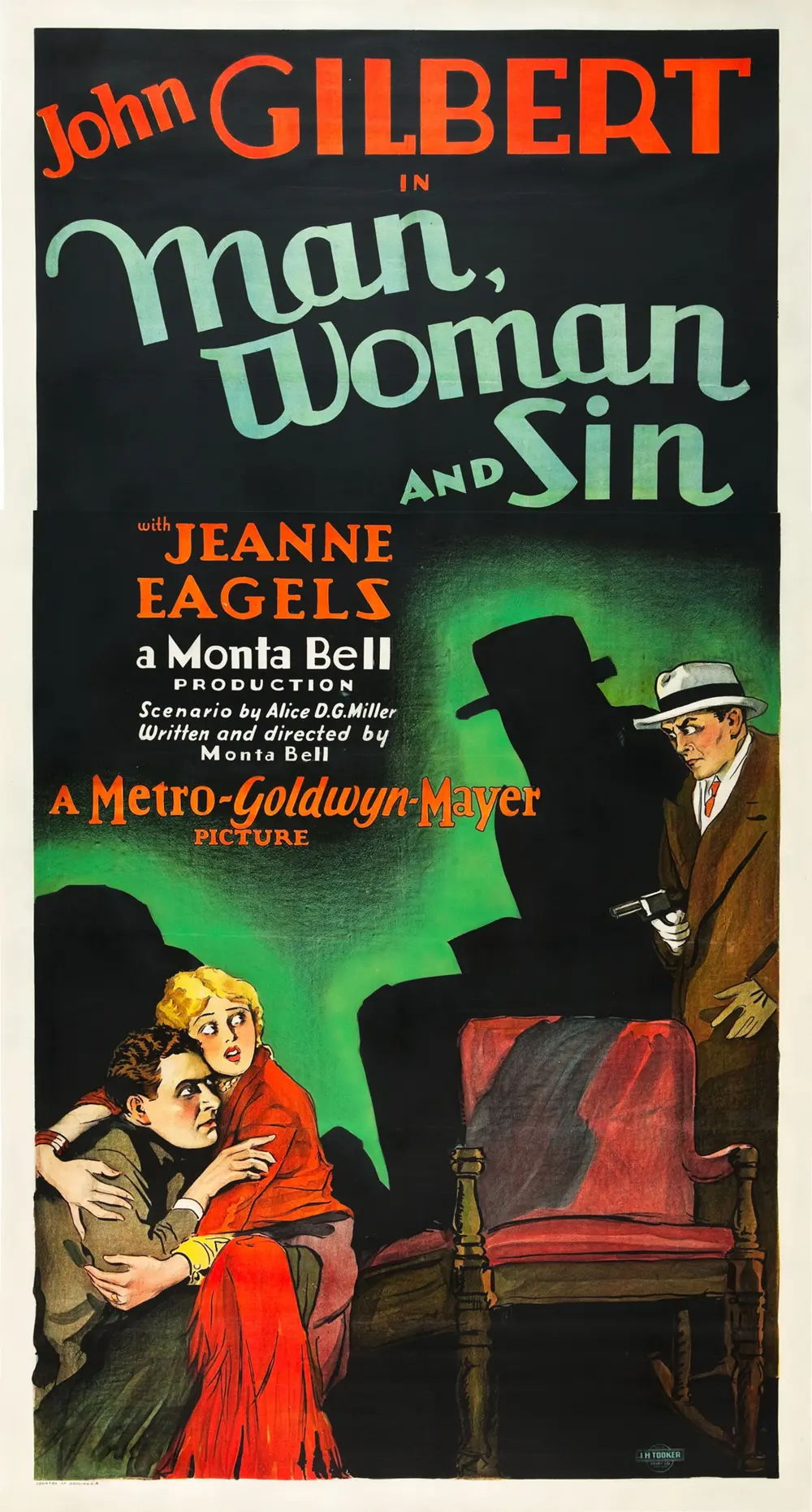
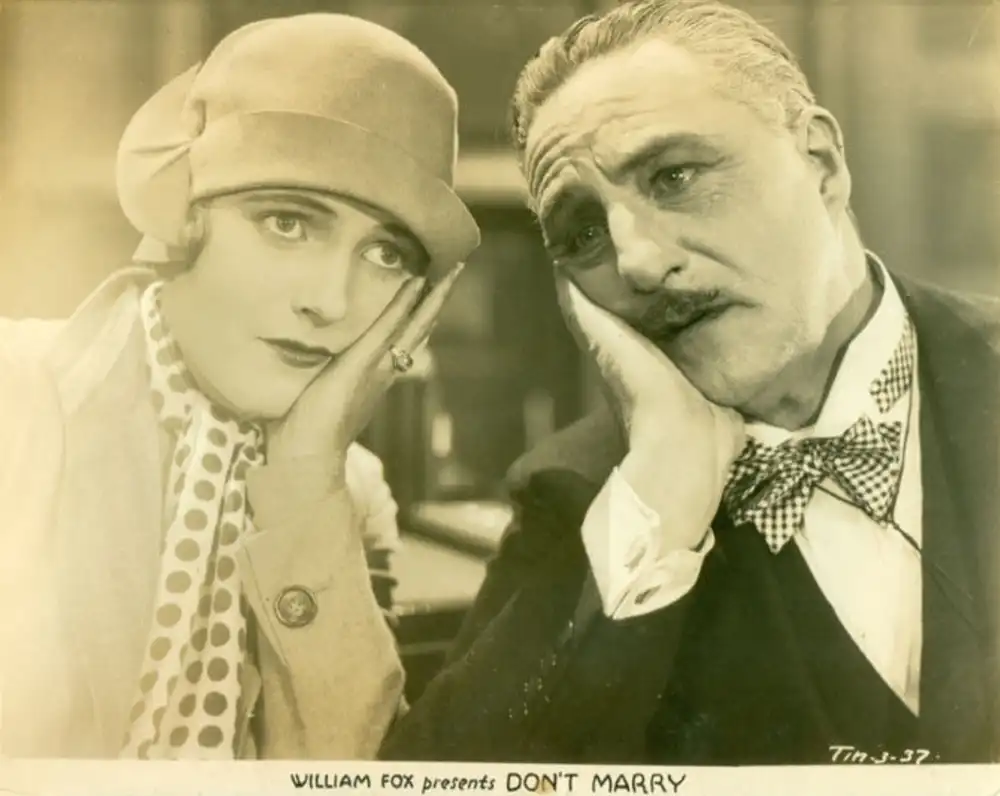
Comparing the cinematic DNA and archive impact of two defining moments in cult history.
William Nigh
William Nigh
Community
Log in to comment.
" The Anatomy of Sanctimony: A Deep Dive into Life's Shadows In the nascent years of the cinematic medium, few films dared to peel back the veneer of small-town American exceptionalism with the surgical precision found in Life's Shadows (1916). Directed and written by the prolific William Nigh, this silent-era relic is far more than a moralistic fable; it is a sophisticated exploration of the cognitive dissonance inherent in organized society. The town of Purity, the film’s setting, serves as a..."