
DbcultAccessing Vault...
Recommendations
Senior Film Conservator
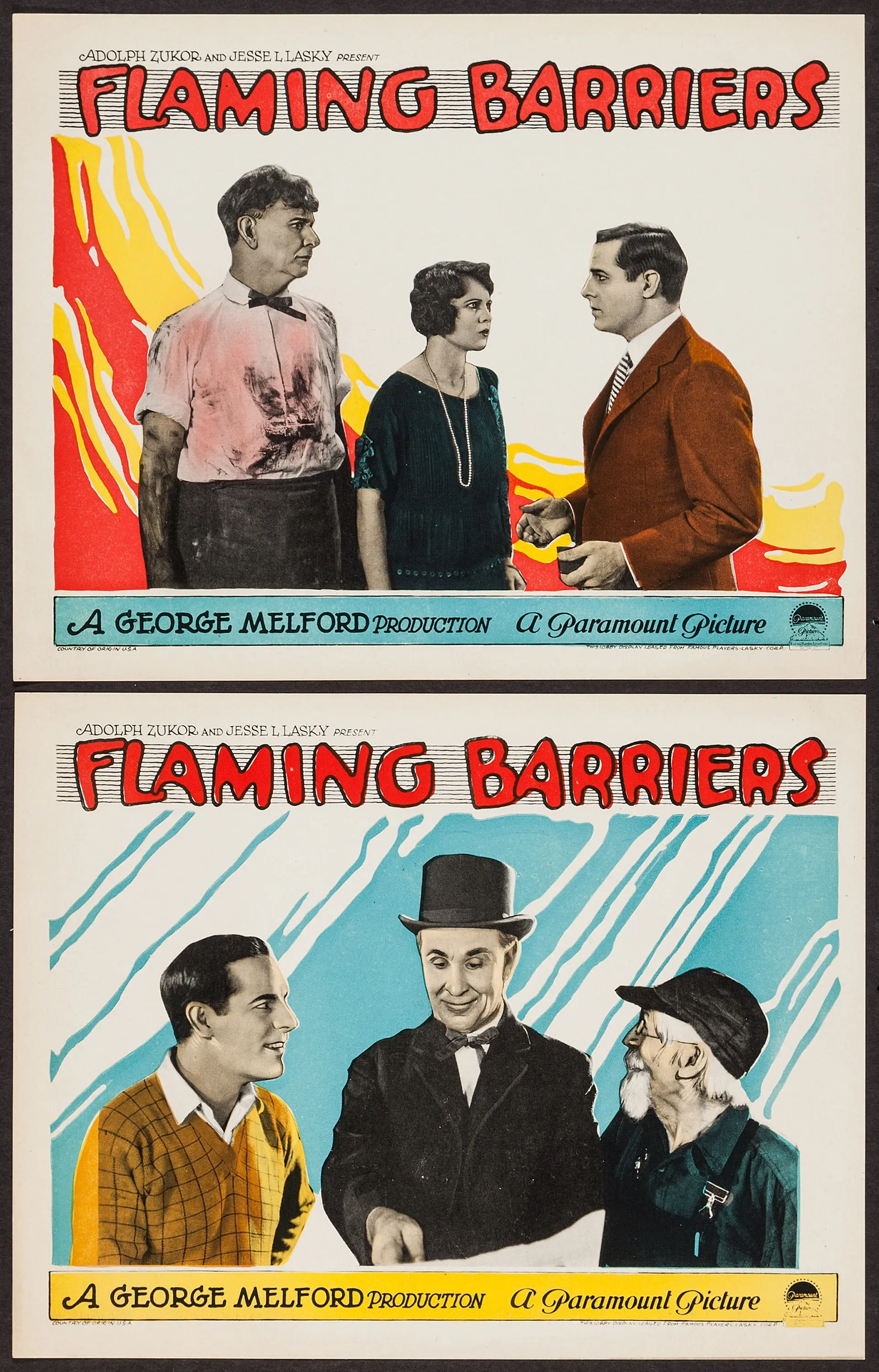
As a cultural touchstone of United States, Flaming Barriers resonates with its nuanced performance, audiences who connected with its message often look for similar thematic gravity. We've assembled a sequence of films that complement the tone of Flaming Barriers perfectly.
For many, the first encounter with Flaming Barriers is to establish George Melford as a true visionary of the 1924s.
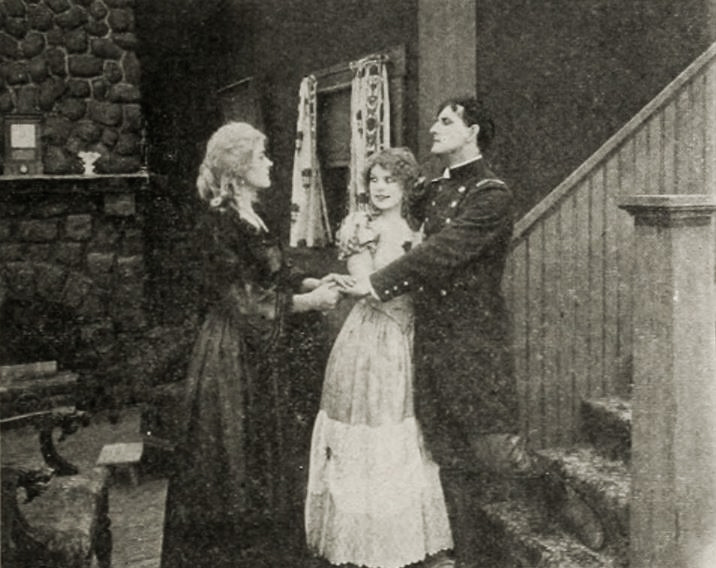
Patrick Malone, owner of the Malone Truck Company and inventor of a fire-fighting apparatus, seeks financial aid from local banker Joseph Pickens, who, hoping to control the manufacture of these machines, sends for a man to assist him. Sam Barton arrives. He is impressed with Malone's innovative fire truck, falls in love with his daughter, Jerry Malone, and refuses to enter into Pickens's scheme. During a visit of neighboring fire chiefs, a fire breaks out, and Sam and Jerry are able to prove the value of the apparatus by dousing a burning bridge, thereby saving the lives of hundreds of people. This act promotes the sale of a number of firetrucks and brings happiness to Malone, his daughter, and Sam.
Flaming Barriers was a significant production in United States, showcasing the immense talent of Walter Hiers, Robert McKim, Luke Cosgrave. It continues to be a top recommendation for anyone studying Drama history.
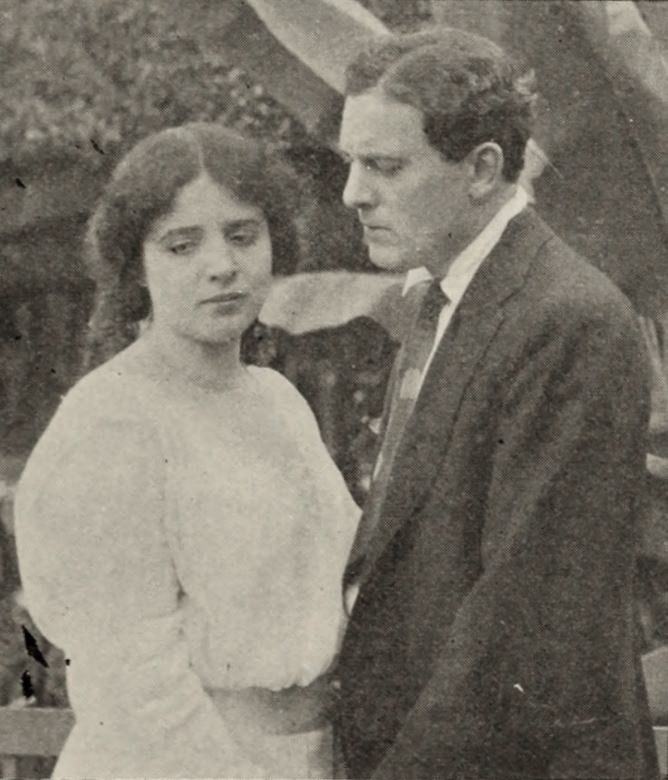
Based on the unique nuanced performance of Flaming Barriers, our vault has identified these titles as the most compelling follow-up experiences for fans of Drama cinema:
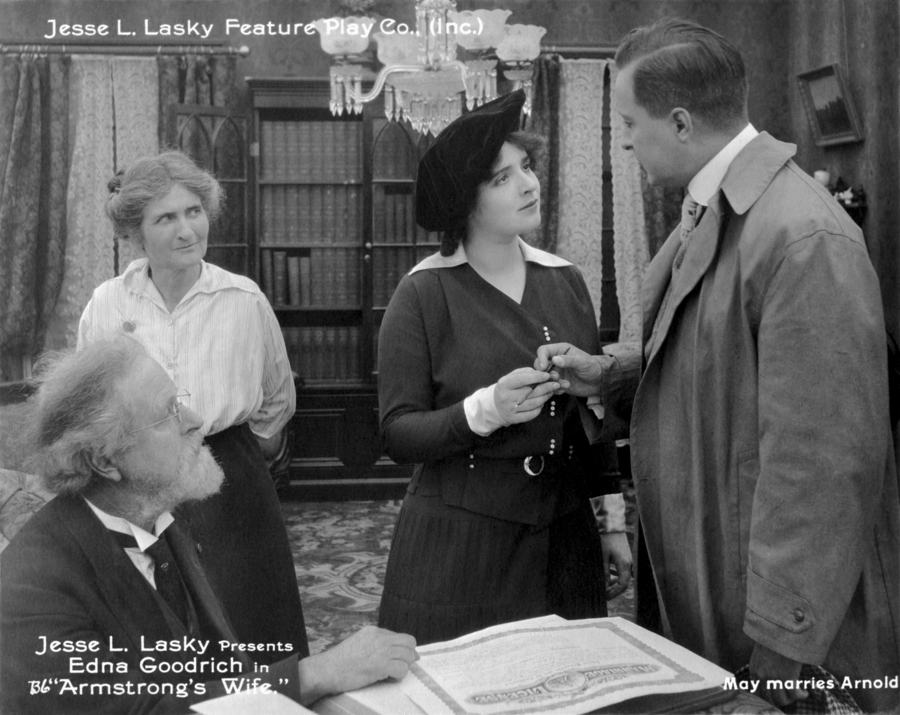
Dir: George Melford
Gambler Harvey Arnold is forced to leave San Francisco and winds up in a small country town that is in the midst of a reform movement. He marries local girl May Fielding, who has no idea of his profession. When she finds out, he promises to quit, but it turns out that his profession wasn't the only secret he was keeping from May.
View Details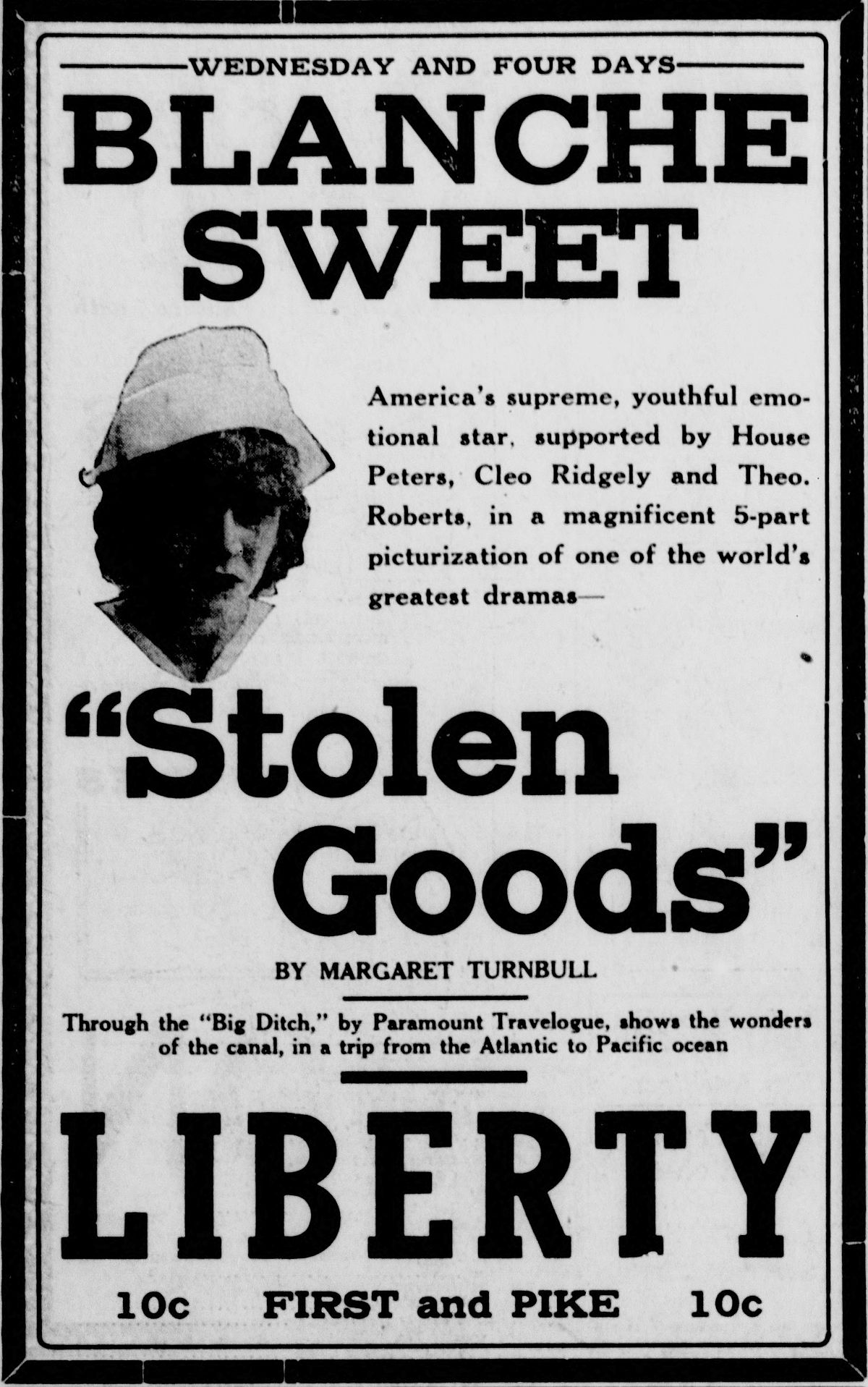
Dir: George Melford
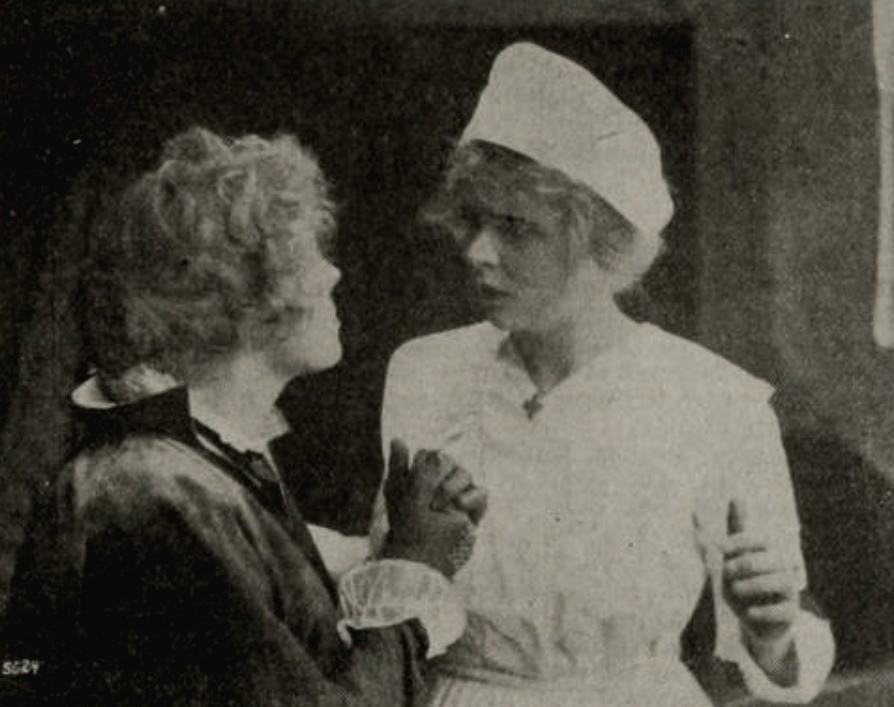
Margery Huntley, an orphan alone in New York employed at a dressmaking establishment, is sent by the forewoman to match a sample of lace for a gown. At the lace counter she stands next to Helen North, a wealthy girl who is a kleptomaniac. Helen steals a piece of very expensive lace that is missed before she can get away; in a panic, she slips it into Margery's open handbag and disappears. The stolen goods are found on Margery and she is sent to prison; meanwhile,, Helen goes abroad with her invalid father. Margery serves her full term in prison, and on her release is befriended by the "Prison Angel," a kind Salvation Army woman who hears her story, believes in her, and gives her a chance to train as a nurse. Margery graduates and is happy in her work, when the detective who arrested her recognizes her while visiting the hospital and tells one of the nurses that she has a prison record. Margery, realizing that her usefulness in that particular field is over, asks the doctor to send her abroad to nurse the wounded in Belgium. Through the war Helen's father loses all his money and dies suddenly in Belgium and Helen is left practically penniless. Her only hope is to hear from her father's old friend, wealthy Mrs. Franklyn of California, to whom her father had written, begging her to help his daughter. Mrs. Franklyn has never seen Helen, but generously sends her money and a steamer ticket and urges her to join her as quickly as possible. Helen starts on her journey, but is compelled to wait, and suffers the delays and hardships common to all the refugees at that time. Margery has reached Belgium and is working in a Red Cross Emergency Hospital. Helen and other refugees are driven from the refugee camp by the appearance of two hostile airships. Helen, panic-stricken, runs so far that she is lost and exhausted, and is brought to the Emergency Hospital. Margery recognizes her, but Helen doesn't recognize Margery. Helen tells Margery her story, displaying her steamer ticket and asking how she may continue on her journey. Margery tells Helen, "I am the girl you sent to prison." A shell strikes the Emergency Hospital and Helen is severely wounded and left for dead The enemy captures the town and Margery is left alone with those wounded who couldn't be moved. While arranging Helen's dress and papers, she is struck by their similarity of age and height, and notes the fact that Mrs. Franklyn has never seen Helen. She yields to the temptation to take this chance Fate has put in her way and determines to go to California as Helen North. She leaves the Emergency Hospital in the company of Dr. Richard Carlton, a young American Red Cross surgeon, serving with the enemy who has been so badly wounded that he is invalided home. After Margery's departure, the German surgeon discovers that Helen is not dead, but suffering from a depressed fracture of the skull. He operates and restores her to health. In the meantime Margery has been successful in establishing herself as Helen North. Mrs. Franklyn has become very fond of her and Dr Carlton is deeply in love with her and wishes to marry her. The real Helen North makes her escape and comes to claim her own. At first Margery only begs to be allowed to go away quietly, but the other woman is so vindictive and so forgetful of the part she played in robbing Margery of her good name, that Margery, angry, determines to deny the truth. She succeeds in this up to the last moment and then overcome by the thought that she is condemning this girl to lifelong imprisonment in an insane asylum, and that she herself has gained Dr. Carlton's love under false pretenses, makes full confession, only to find that the doctor loves her in spite of everything.
View Details
Dir: George Melford
Masha, a young Russian emigrant traveling to the U.S., is saved from an officer's advances by civil engineer David Harding. Upon landing in America, J. J. Walton, a self-made political boss and contractor, pursues Masha and hires her as his maid. She leaves after the first night, but becomes his mistress after Walton promises her an education and marriage. Sometime later, David defeats Walton in a bidding war for a contract to build a dam in Arizona. Intent on ruining David, Walton dynamites the dam while Masha distracts the engineer. Although Walton takes refuge, he is drowned in the floodwaters. David and Masha survive, and confess their mutual love.
View Details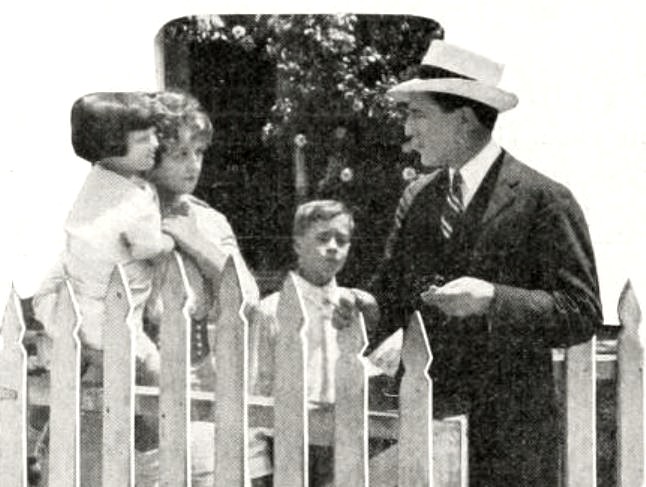
Dir: George Melford
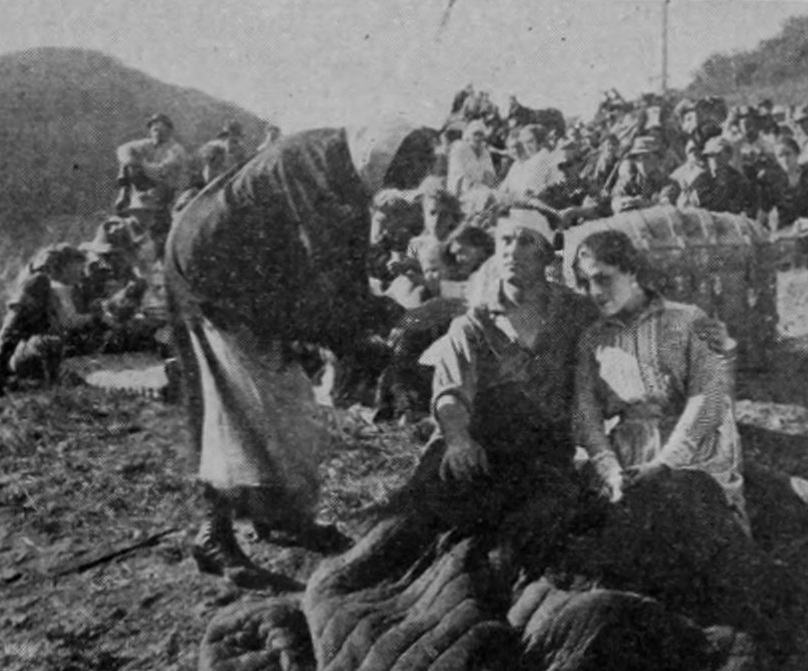
Anna Granger's husband commits a fraud at the bank where he works and is condemned to pay the penalty of a jail sentence. In the hope of proving his innocence she goes to work, under an assumed name, for the President of the closed bank. This man is now indicted himself, though unjustly, and employs detectives who finally unearth a letter positively establishing the guilt of Granger. In spite of everything, Anna remains faithful until she learns that the theft her husband committed was to get money for another woman. Then comes a sudden climax which puts an end to a situation which she could not possibly endure.
View Details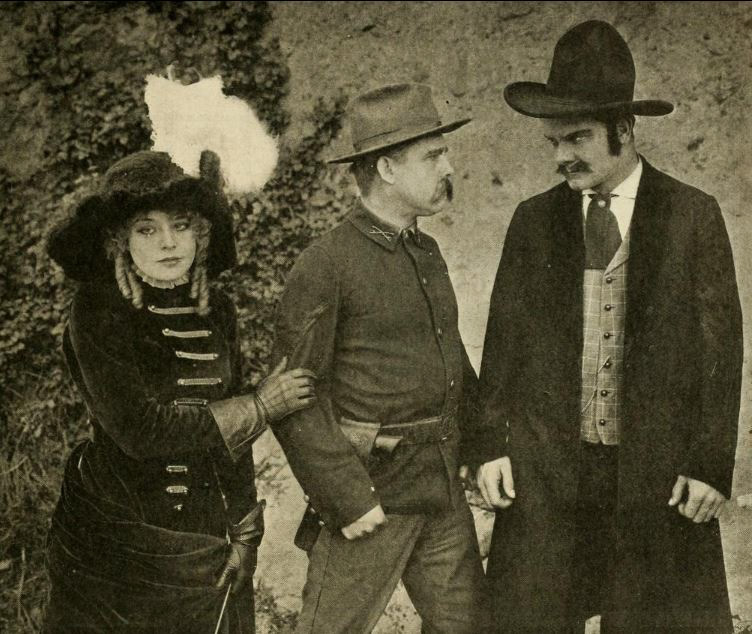
Dir: George Melford
Major Dean's developed mental powers have enabled him to give demonstrations in thought-suggestion. Interested in character types, the major, who is an army surgeon, visits a notorious dance hall owned by Lorenzo. The surgeon is struck by the beauty of Mabel, one of the dance hall girls. Mabel lives in deadly fear of Lorenzo. Due to the interest he takes in her Major Dean again demonstrates his wonderful power of mental suggestion by causing the girl to lay down the glass she raised to her lips. Later, a fight is started in the dance hall. All lights are shot out. Mabel is stunned by a bullet. Seizing her in his arms, Major Dean takes her to his home. The following morning finds the girl still unconscious. Major Dean's diagnosis leads him to believe that due to the wound caused by the bullet, a pressure on certain brain cells has wiped all memory of the past from Mabel's mind. Realizing that despite her condition, the girl's subconscious mind is capable o£ registering impressions, the surgeon forces upon Mabel's mind the thought she is, and always has been, his daughter. The girl is possessed of this belief when she recovers. She later accompanies Major Dean to the western army post to which he has been assigned. Sergeant Whitney, an old soldier, is stationed at the post. The man is struck by the wonderful resemblance which Mabel bears to his daughter who, several years previous, had been enticed from her home by a gambler. Although Whitney has never seen the man, he has vowed to find and kill him. Meanwhile, Lorenzo learns what has become of his former victim. Resolved to regain her, he leaves for the west. Arriving at the army post, Lorenzo demands that Dean surrender Mabel. Knowing the girl will not recognize the man, the surgeon allows her to comfort him. Mabel shrinks from Lorenzo in repulsion. Suspecting the truth, Lorenzo later waylays his former victim while she is out riding and endeavors to revive in her mind the memory of her life with him. At the same instant, Major Dean is obsessed by a sense of impending danger. The surgeon gazes out of the window through a pair of field glasses. He discovers Lorenzo talking to Mabel. Aware of the man's nefarious scheme, Major Dean concentrates his powerful will in an effort to so influence Mabel's mind as to enable her to withstand Lorenzo's hypnotic influence. The girl, who had been wavering, receives the message emanating from the major's mind. It causes her to shrink from her former master with the assertion she has no recollection of the incidents he has mentioned. The opportune arrival of Sergeant Whitney prevents Lorenzo from seizing Mabel and carrying her away. That night, Lieutenant Sibley, a young army officer who has fallen in love with Mabel, asks the major for her hand. Feeling it to be his duty, Dean informs Sibley of the girl's past. The surgeon declares it is his belief that Mabel is the daughter of Sergeant Whitney, and that Lorenzo is the man who enticed her from home. So great is his love, that Sibley vows to marry Mabel in spite of what has happened. Unknown to the two, Whitney has overheard the story. Mad with hate, he seeks Lorenzo. Unaware of his impending doom, Lorenzo resolves to make one supreme effort to regain Mabel. Seated by his window, the man fixes his mind upon Mabel with every ounce of power he possesses. Although fast asleep, the girl's mind receives the command sent forth by her former master. As though in a trance, she dons her clothes. Again the sense of danger overcomes Major Dean. He hastens towards Mabel's room. Just at this instant, Whitney enters Lorenzo's room. The rage-maddened father engages the gambler in a death struggle. While this combat rages, Mabel stands as though petrified. Securing possession of Whitney's revolver, Lorenzo shoots, wounding the old soldier mortally. Although he has received his death wound, Whitney's consuming hatred gives him strength to continue the struggle. A sudden twist, and the sergeant secures a vise-like grip on Lorenzo's throat. He forces the man back towards the bed. Mabel awakens with a start. In answer to Major Dean's anxious query, she replies that a bad dream had caused her to walk in her sleep. In Lorenzo's room, Whitney draws back from the silent form on the bed. The soldier attempts to reach the door, but his strength fails. The man staggers and crumples to the floor.
View Details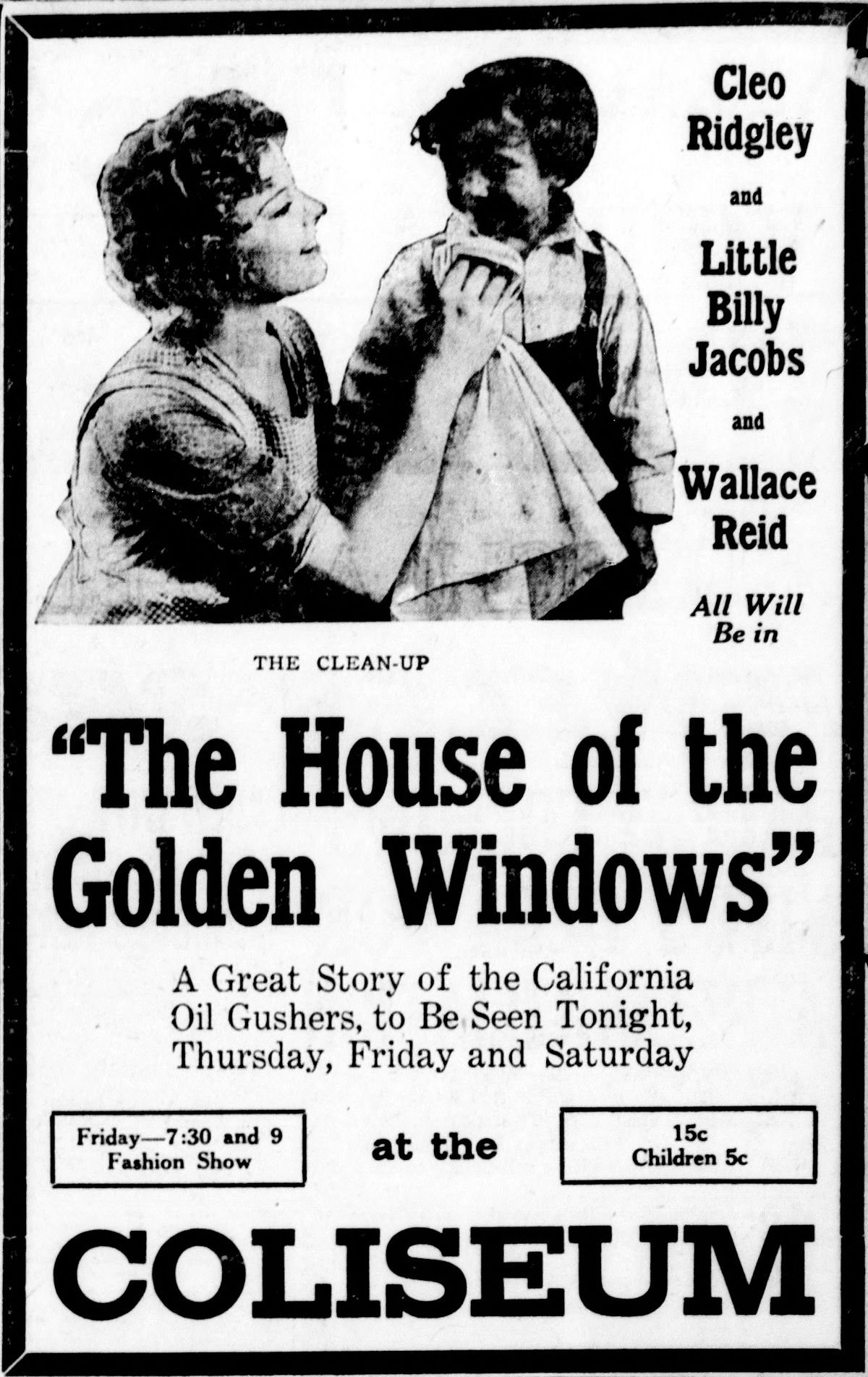
Dir: George Melford
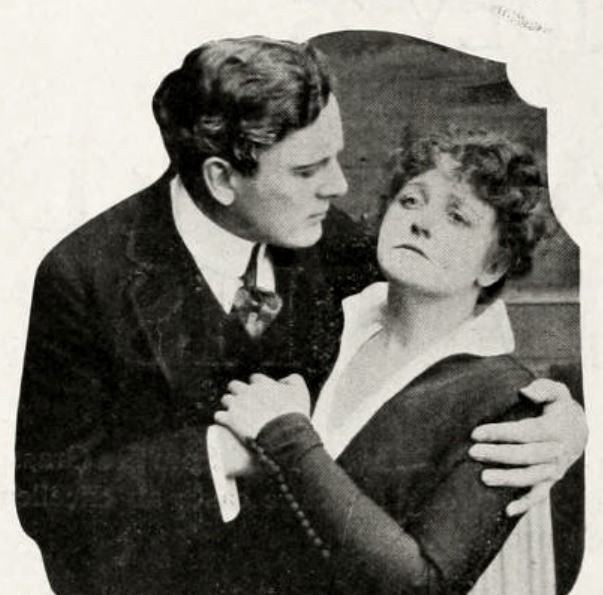
Sue Wells husband Tom works as a shepherd, is sick of being poor, living in the shadow of Mr. and Mrs. James Peabody's opulent estate. When the Peabodys leave for a vacation, Sue and Tom carry out a check fraud scheme and take advantage of a loophole in the Peabody's lease, resulting in their becoming the owners of the estate. However, living in the mansion does little to make Sue happy, and when James returns and discovers what she and her husband have done, he kills Tom. He is about to murder Sue, too, when she wakes up, and realizes that her life as a wealthy landowner has been only a dream. James then enters, and announces that he has made Tom the estate manager, which forever ends Sue's financial worries.
View Details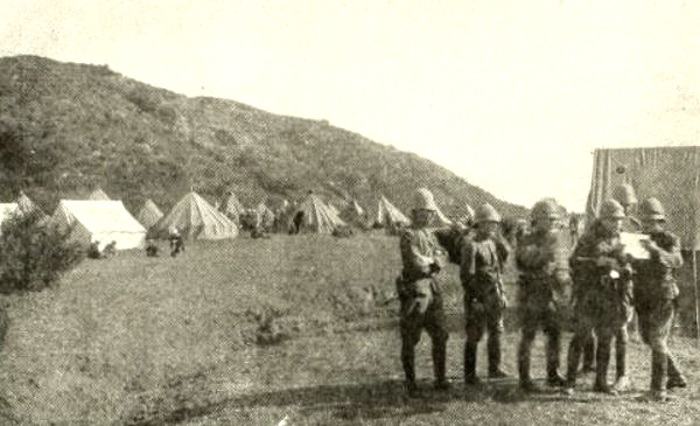
Dir: George Melford
The Lamberts give a charity ball for the benefit of the Widows' and Orphans' Fund. Captain Doane is among the guests. The young officer is in love with Jane, the general's daughter. During the affair, he secures her consent to be his wife. Jane's parents both favor Doane's suit. General Lambert places the box containing the receipts of the ball on his library tale. A moment later he is called away. At the same time, Jack, his son, loses heavily at cards to a professional sharp. The man holds several I.O.U.'s for which he demands payment. Desperate, Jack promises to let him have the money at once. The boy hastens home. Entering the library, he sees the cash box. Abstracting the money. Jack gives it to the gambler, who waits outside. General Lambert receives a telegram, stating that war has been declared between Great Britain and the Boers. He spreads the news. The general relates an incident of the first Boer campaign, telling how one of his comrades had been treacherously slain by the Boers. Turning to Jack, the father bids him avenge the man's death in the coming fray. Jack, however, confronts the knowledge that he is a thief. Entering the library he desperately searches for a way out. He decides upon the course he must follow. Writing a confession of his guilt, the boy places the note where it can be found and then picks up a revolver. Doane enters the room and views the proceedings in amazed silence. He grasps Jack's hand, just as the boy is about to shoot himself. Jack breaks down. The note tells Doane the whole miserable story. He promises Jack to find a way to clear him. General Lambert and the board of trustees enter the room after Jack leaves. They are about to look for the money, when Doane announces that he has stolen it. Shocked, the general calls in the guests and tells them the story. Jane is brokenhearted at her lover's supposed dishonesty. Disgraced, Captain Doane returns home where he receives a note, demanding his resignation. He complies with the order. The next day, he sees his beloved regiment leave for the front. Another officer marches past, in command of the company that was his. His health undermined by the strain, Doane is stricken with brain fever. When her recovers, a few weeks later, the man enlists under an assumed name and is sent to the Transvaal. By rare good fortune, Doane meets Jack. The young officer recognizes in the private, the man who had saved him from disgrace. Jack succeeds in securing Doane as his orderly. The two armies meet in a terrific battle. The Boers, under General Jaubert, successfully hold the British in check. Lieutenant Lambert is sent to one of the British commanders with dispatches. He is accompanied by Doane. On their way they discover a Boer force creeping upon the British flank. Their warning saves the English troops from destruction. From the top of a hill, the Boers under Jaubert are inflicting terrible punishment upon the British by means of heavy siege guns. A charge gradually drives the Boers back. The British succeed in dislodging their foe from shelter by means of the hail of death from rapid-fire guns. With a superb rush, the English gain the ton of the hill and capture the battery that has inflicted the most damage. Jack and Doane are foremost in the fray. The battery is blown skyward. Jack and Doane's unusual valor win them the commendation of the general in command. Doane wearily returns to his tent. His mind goes back to the night of the ball. His hand wanders to the pocket over his heart and brings to view the picture of Jane. Sadly he gazes upon the face of the girl whose love he had surrendered. With a sigh, the man replaces the picture in its resting place. In another tent, a totally different scene is transpiring. Torn by his conscience, Jack is penning a confession which exonerates Doane, whom he has grown to idolize. Leaving his tent, he hands the letter to Doane, requesting him to keep it in event of his death. He informs his savior that should death overtake him on the field, he wishes to die with the knowledge that he had made reparation. Doane watches the boy depart. He slowly tears the letter to pieces. That day another attack is made upon the Boers. The hills are covered with the heavy smoke of artillery and thousands of rifles. The Lancers sweep the enemy before them in a heroic charge. Jack, leading a bayonet charge against a Boer battery, is struck by a bullet and falls. Fighting like fury, Doane rescues the boy and carries him off the field. Immediately afterward, Doane wires the Lamberts, telling them of Jack's injury. Upon receipt of the message, Jane immediately announces her determination to go to her brother's side. Her father's influence enables her to go to the front as a Red Cross nurse. She reaches Jack's force and is assigned to his hospital tent. As she enters the tent, she sees Doane bending over her brother. Doane is electrified at the sight of his sweetheart. Remembering the offense with which he was charged, the girl draws back in contempt. Jack sees the movement and realizes what caused it. With tears streaming down his face, and despite Doane's efforts to stop him. the boy confesses his story. Thunderstruck, Jane stares at Doane. The man turns away in distress. The next moment. Jane's hand is on his arm. She pleads with him for forgiveness. Surrounded, and facing defeat, the Boers fight with the desperation born of despair. Again and again their fire sweeps the charging British, mowing them down like grass. From the overlooking hills the batteries of the English hurl their deadly missiles in the midst of the shelters which cover the Boers. Doane, assigned to one of the batteries, imbues his comrades with heroic spirit. Time and again the Boers strive to capture the battery, their rifle fire brings the men down one by one. Doane finally remains the sole survivor, but the battery still belches forth the shots placed in it by the men who had manned them. A Boer shell lands next to Doane's gun and explodes. When the smoke lifts, the hero strives in vain to arise. Blood gushes from his eyes. Jane is by her brother's bedside when Doane is brought in on a stretcher. She anxiously hovers over the doctor as he examines the man. The surgeon finally declares that while Doane will recover, he will be blind for life. The girl nurses her sweetheart and brings him back to health. Jack tells his story to the commanding officer. He reveals Doane's nobility and the sacrifice he had made. When Doane recovers the story of his heroism has been spread broadcast. The War Office reinstates him to his former rank and in addition Doane receives a medal of valor. Jane is by her hero's side when the emblem is placed upon his breast.
View Details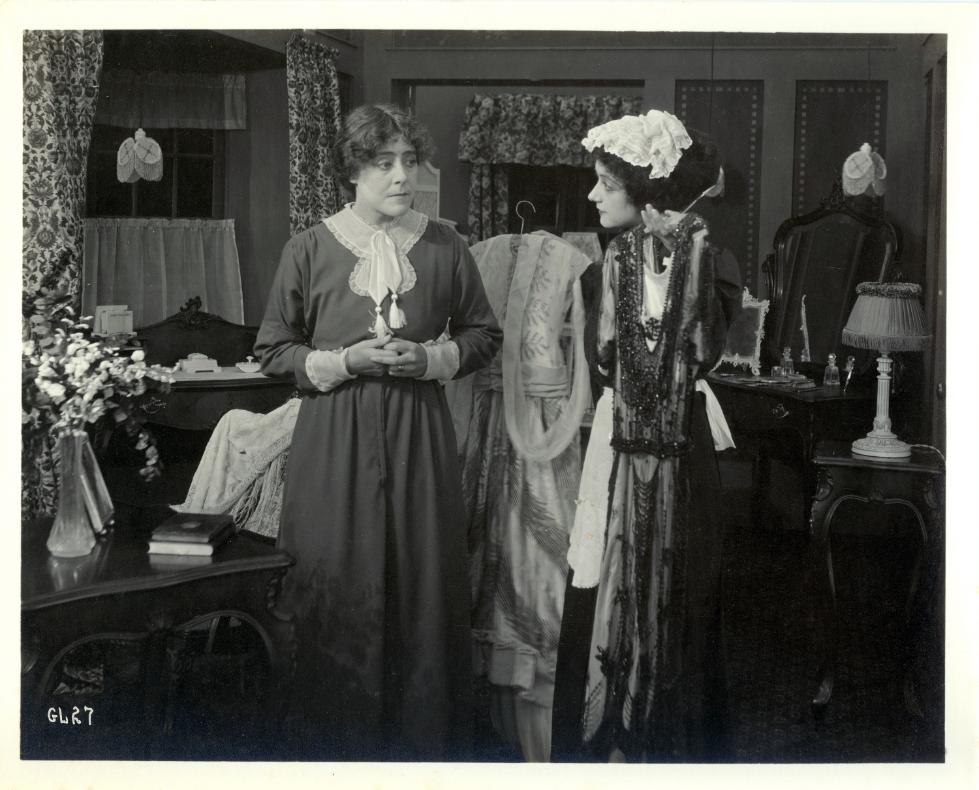
Dir: George Melford
At the opening of the story Daniel Slade is working in a mine and, though not positively in need, he and his wife live in comparative poverty. Slade is a man filled with ambition, but his wife is contented and absorbed in her love for her husband. By a fortunate accident he discovers a gold mine, and with his newly acquired wealth, immediately sets out to make a position of influence for himself in the world. His aggressive personality and ability at once attract attention, these qualities being combined with wealth, and the possibilities of a political career are pointed out to him by Senator Strickland. Slade has no sooner established himself in his new surroundings than he comes to feel that his wife does not know how to take advantage of their altered circumstances. She is still the same simple, home-loving person. In the course of time he becomes attracted to the Senator's daughter, who, like himself, is of ambitious temperament. In fact, though she does not love him, she agrees to marry him if he obtains a divorce from his wife. The concluding episodes of the story show how the wife rescues her husband from his unpardonable folly, and how, much chastened, he finally persuades her to come back to him. He has now become the chief executive of the State and Mary at last takes her place as the Governor's Lady.
View Details
Dir: George Melford
The story relates the attempt of a group of machine politicians at Washington to ruin Matthew Standish, an insurgent who has made himself so strong with the people that he is in a position to defeat the Mullins bill, fostered by a corrupt ring in Washington, in favor of certain railroads. The leaders of this ring are Jim Blake, the boss of the party machine, and his son-in-law Mark Robertson. Standish is being hailed throughout the country as the exponent of morals and virtue, and Blake realizes that the only way to defeat him is to find some blot on his record in the past. He puts a detective to work, who, by bribing Standish's former secretary, finds out that some years ago Standish became involved with a young woman of good family, but for some reason he did not marry her. Blake realizes that skillfully handled, this story could be made to ruin Standish's career, but without the woman's name it will look like a campaign lie. So the entire machine bends its energy to discovering the woman's identity to prove the story. To accomplish this, they lay a trap that they think will make Standish try to warn the woman by telephone. He is deceived and does telephone the woman to be on her guard, calling the number Plaza 1001. Wanda Kelly, telephone girl at the Keswick, has been told of the plan by Blake, who believes that she can be bribed to give him the telephone number. After Standish telephones, Blake's son-in-law Robertson comes in to 'phone his home in New York, calling the same number that Standish has just called. Wanda, the operator, sees that the woman in the case is really Blake's daughter and Robertson's wife, and besides refusing to give the number, destroys her record sheet. Mrs. Robertson arrives from New York and is driven to desperation when Standish informs her that, though he has tried to protect her, he needs to give her name to Blake and Robertson if they continue striving to ruin him by this story. The subsequent events leading to the conclusion of the drama and the defeat of the offensive Mullins bill in Congress are stirring in the extreme. Once again the telephone girl interferes in the plot by disconnecting the wires when the "ring'' politicians, driven to their last ditch, are trying to telephone a newspaper to release the story even without the woman's name. She keeps her courage after this, even when threatened with arrest and criminal prosecution. It is the woman herself who finally comes to the rescue and refuses to see the little telephone girl made to suffer further on her behalf. This terrible revelation makes Blake and Robertson see what a veritable heroine she has been and even leads to the happy consummation of a romance between the telephone operator and Jim Blake's son.
View Details
Dir: George Melford
A fascinating piece of cinema that shares thematic elements.
View DetailsAnalysis relative to Flaming Barriers
| Film Title | Atmosphere | Complexity | Similarity |
|---|---|---|---|
| Armstrong's Wife | Gritty | High | 98% Match |
| Stolen Goods | Gritty | Dense | 90% Match |
| The Immigrant | Gothic | High | 86% Match |
| The Fighting Hope | Gothic | High | 85% Match |
| The Invisible Power | Gritty | Layered | 93% Match |
This guide was algorithmically generated using the cinematic metadata of George Melford's archive. Last updated: 6/28/2026.
Back to Flaming Barriers Details →