
DbcultAccessing Vault...
Recommendations
Senior Film Conservator
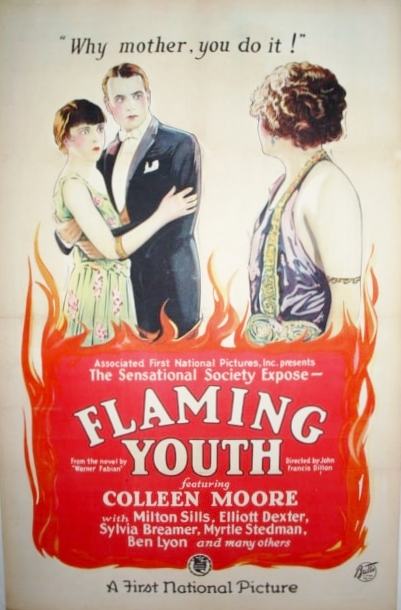
The evocative power of Flaming Youth (1923) continues to haunt audiences with its thematic gravity, the artistic provocations of Flaming Youth demand a follow-up of equal intensity. Explore the following titles to broaden your appreciation for Drama excellence.
The visceral impact of Flaming Youth (1923) stems from to transcend the limitations of its 1923 budget and technology.
An ingenue becomes a bob-haired flapper and enters into a ménage-à-trois with her mother's lover amid the sexual revolution of the Jazz Age.
The influence of John Francis Dillon in Flaming Youth can be felt in the way modern Drama films handle thematic gravity. From the specific lighting choices to the pacing, this 1923 release set a high bar for atmospheric immersion.
Based on the unique thematic gravity of Flaming Youth, our vault has identified these titles as the most compelling follow-up experiences for fans of Drama cinema:
Dir: Bruno Ziener
A fascinating piece of cinema that shares thematic elements.
View Details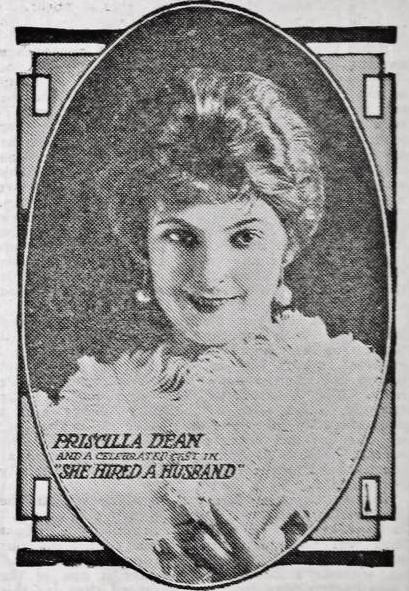
Dir: John Francis Dillon
Daphne Trowbridge, an impulsive and obstinate but nonetheless kindhearted young woman, lives with her aunt and uncle on their country estate. Daphne falls in love with Tom Dunstan, but when she learns that Mrs. Trowbridge favors the young man, she deserts him, whereupon he departs for the woods brokenhearted. Because her aunt dislikes Gerald, Daphne accepts his proposal, but on the day of the wedding, she discovers that Mrs. Trowbridge has liked him from the beginning. Furious at her aunt's scheming, Daphne hires the first man she meets, who happens to be a heavily bearded lumberman, to marry her and then leave. Later, however, her hired husband abducts her to his cabin in the woods, where he eventually succeeds in taming her. After he rescues her from two lecherous lumberjacks, Daphne discovers that her husband is Tom, whom she had loved all along.
View Details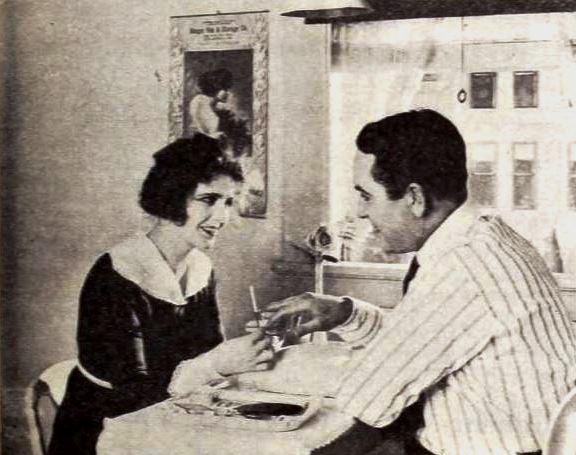
Dir: John Francis Dillon
Working as a manicurist at the Ritz, Helen Thurston, is in love with her wealthy patron, Jack Standring, but the young man's mother wants him to marry a rich debutante. Helen is informed that she has inherited her grandfather's millions, and she proceeds as quickly as possible to acquire expensive clothing and jewelry on credit. Jack, however, is not impressed. Soon Helen learns that she has inherited only $1,000, the remainder of the fortune having gone to her cousin Spindrift. The creditors hound her for their money, and at a grand ball at the Standring home, a detective threatens to arrest her. Touched by her poverty, Jack decides to elope with her. Finally Spindrift violates the conditions of the will, and Helen inherits the entire fortune.
View Details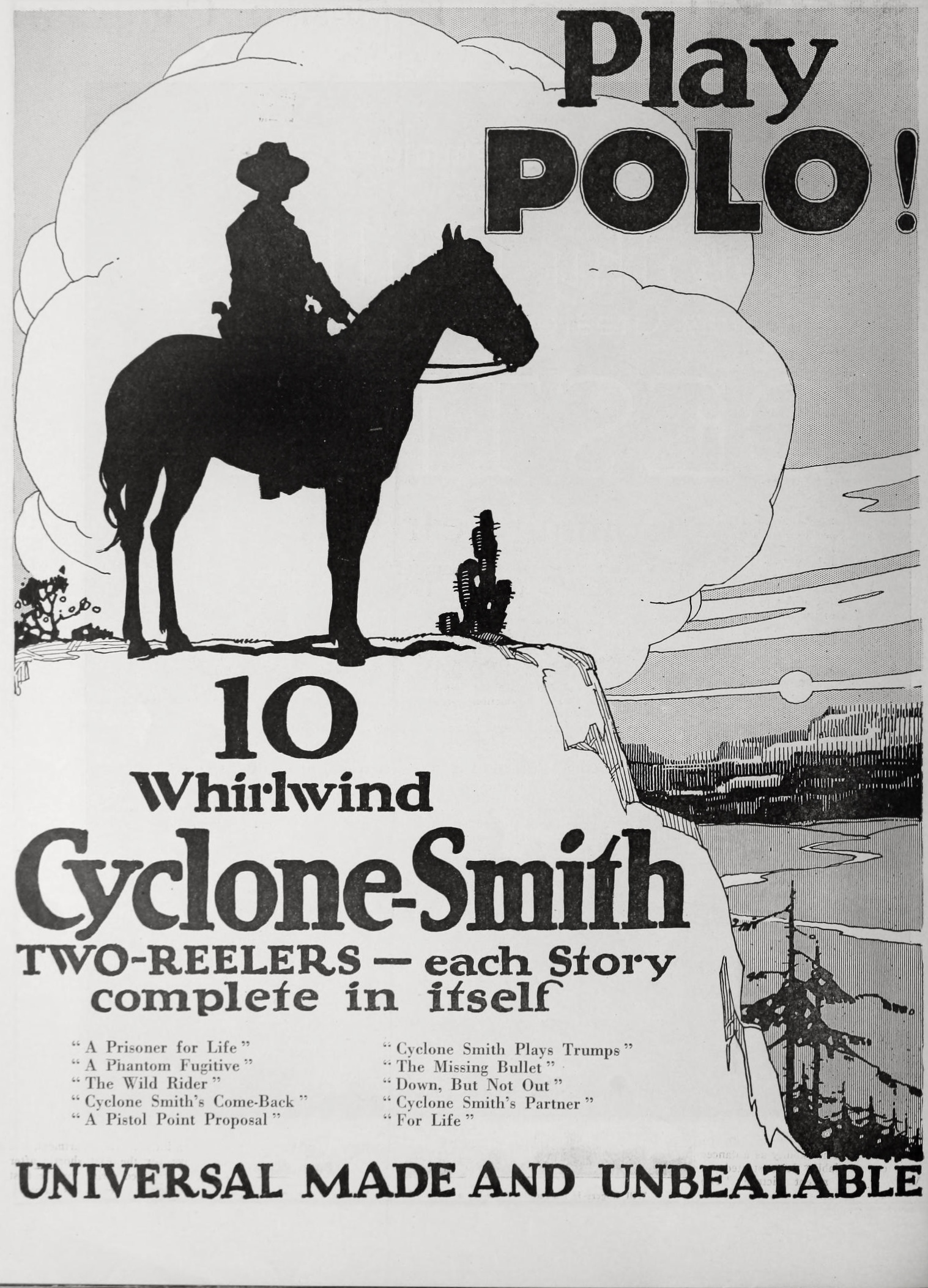
Dir: John Francis Dillon
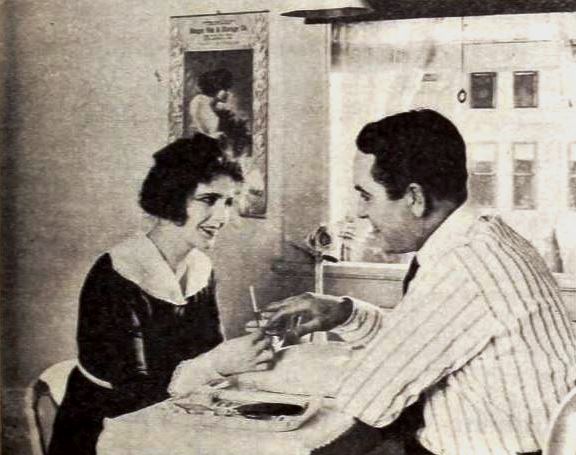
Eddie appears as a squatter named "Black Jack," who makes a strong fight for his rights against armed aggression. In the course of the story he kidnaps his own boy.
View Details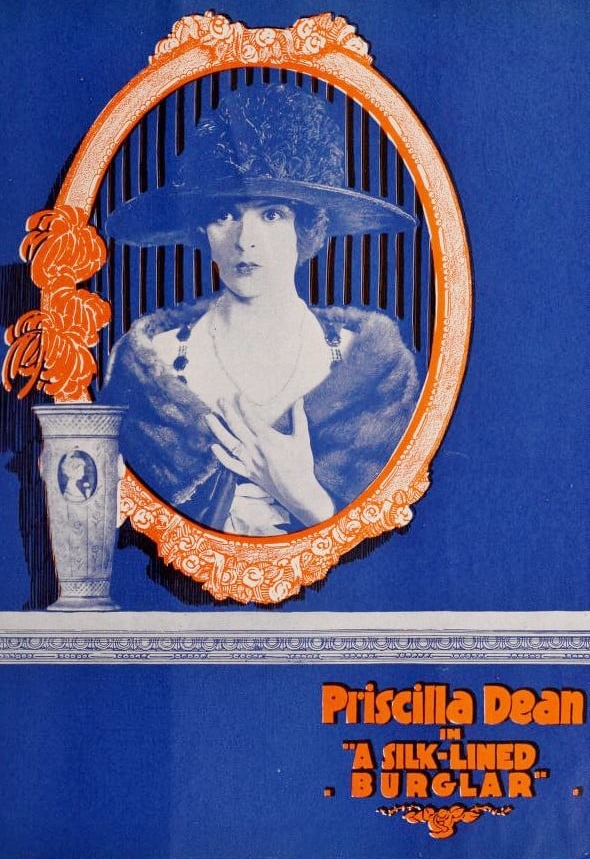
Dir: John Francis Dillon
Gentleman crook Boston Blackie answers a want ad for an expert safe cracker placed by Doris Macon, who claims a moral right to the safe's contents. She hires Blackie, and they break into the house where the safe is kept. Blackie blows up the safe just as owner Captain von Hoffmeier returns home. Doris disappears with papers from inside the safe, while Blackie takes phonograph records, which, when played with a special needle, reveal secrets that implicate von Hoffmeier as a German political spy. Doris is actually the girl friend of a secret service man who has followed them to the house. Blackie's talents are praised, and he goes to work for the government.
View Details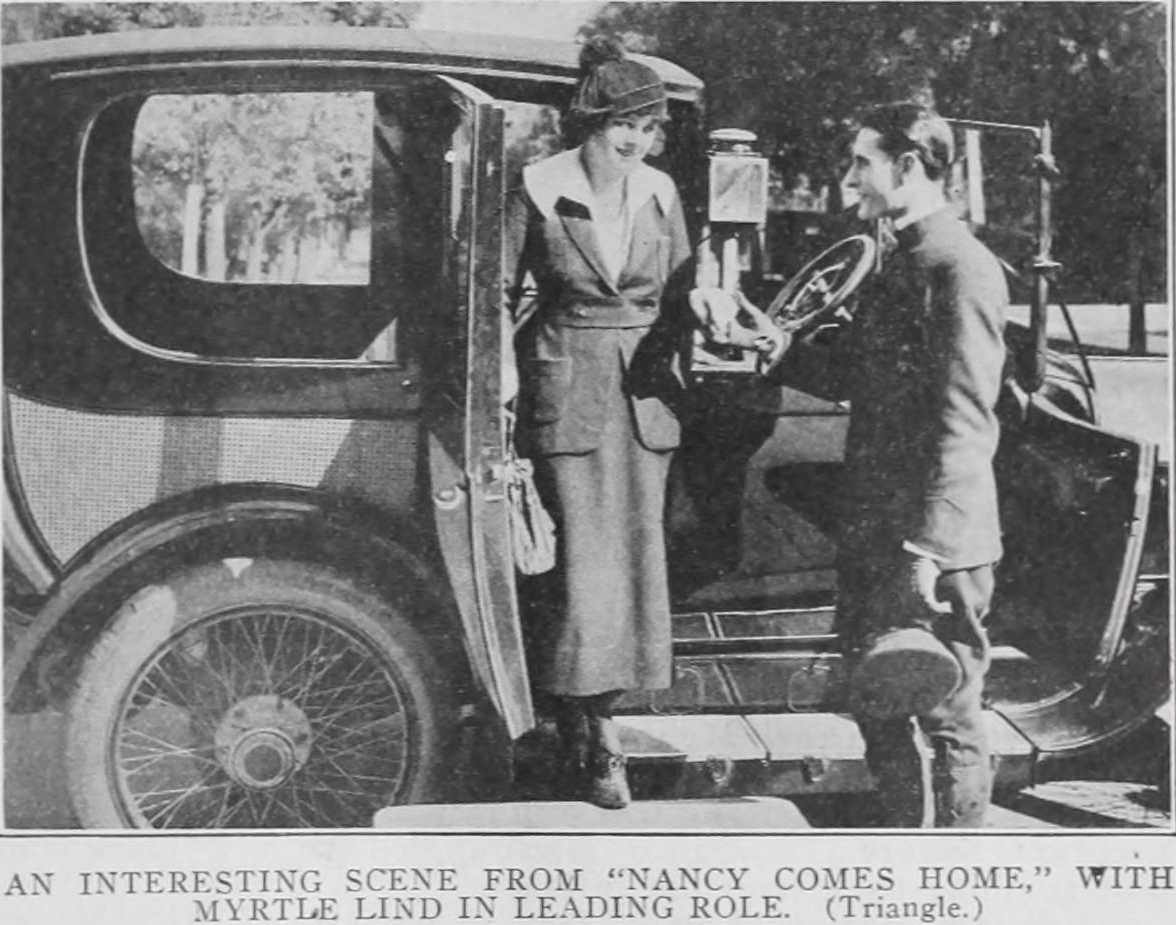
Dir: John Francis Dillon
Nancy Worthing, who comes home from boarding school to find that her parents have no time for her, pawns some of her mother's jewels to buy the clothes necessary for entering society. She persuades her father's chauffeur, Phil Ballou, to take her to a notorious cabaret, where a shooting occurs. In the confusion, Phil is arrested as the assailant, and when Nancy's parents learn of the missing jewels, they bring further charges against him. At the trial, Phil reveals that he is the son of wealthy parents who simply wished to earn his own living, and Nancy clears his name by confessing all. Phil and Nancy, united by their ordeals, begin a romance.
View Details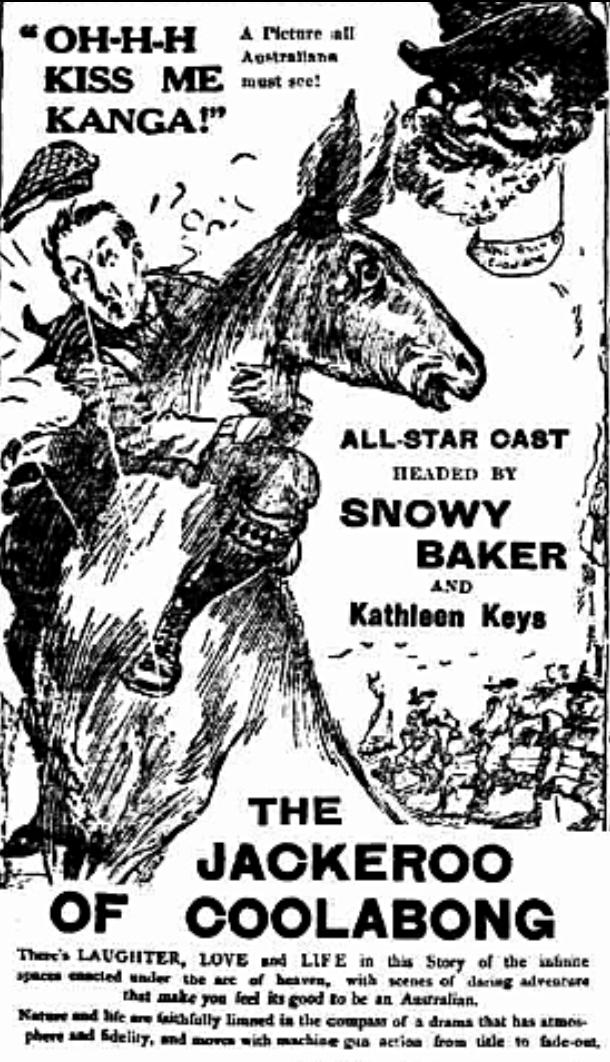
Dir: Wilfred Lucas
Brian O'Farrell (Snowy Baker), is an English 'new chum' who takes a job at an Australian cattle station. He is teased by station hands because of his appearance (including spats and a monocle) but he soon impresses them with his skills at riding and boxing. The station manager, John MacDonald (Wilfred Lucas), takes O'Farrell to Sydney to meet his daughter Edith (Kathleen Key) who is working in the slums. Edith is kidnapped by criminals after witnessing a crime but O'Farrell rescues her. It is later revealed he is the owner of the station.
View Details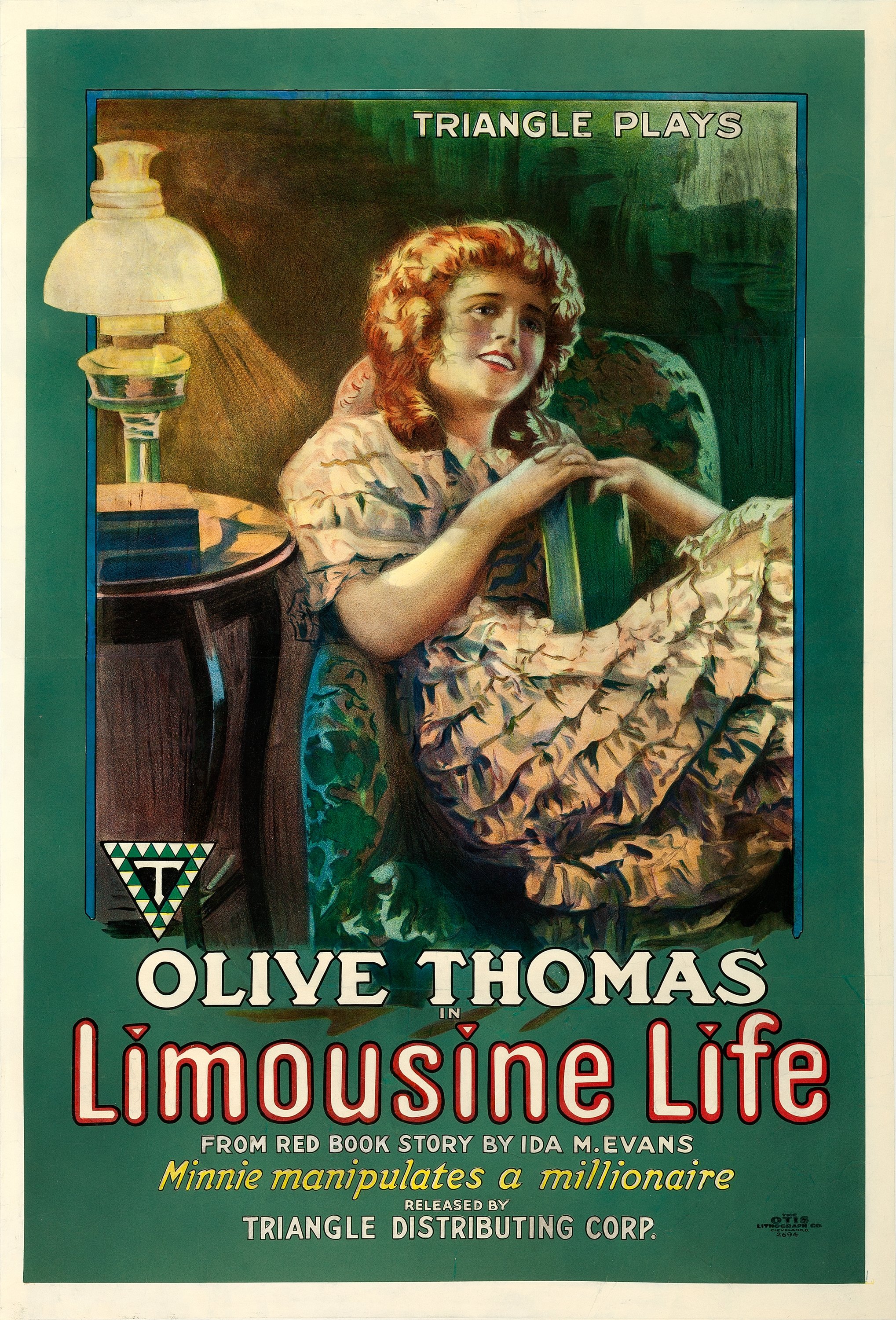
Dir: John Francis Dillon
An amusing satire on the simple village maiden who comes to the great city and falls a victim to its alluring temptations.
View Details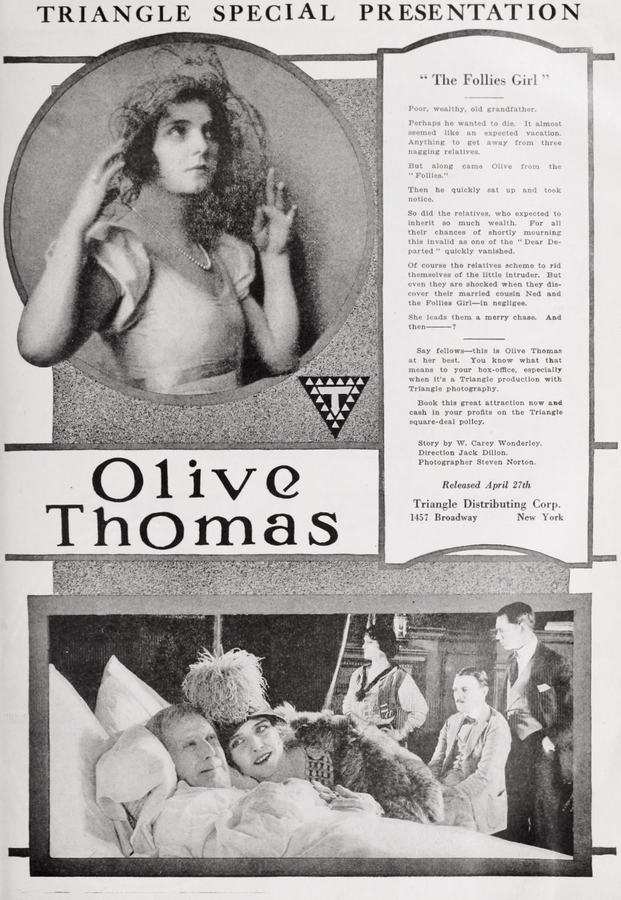
Dir: John Francis Dillon
The relatives of dying Edward Woodruff, Nina Leffingwell, her brother Frederic, and her cousin Basil, whom she wants to marry, scheme to inherit Woodruff's wealth. Since Woodruff continually calls for an imagined granddaughter, the child of his daughter who died before they could patch up a quarrel which estranged them, Nina gets Doll, a Follies girl, to impersonate the granddaughter, try to endear herself to Woodruff, and thus inherit the money. Doll would then be paid off and the relatives would get the inheritance. When Doll's administrations cause Woodruff to recover, Nina sends for Woodruff's grandson Ned, whom he disowned for marrying beneath him, hoping that Ned will send Doll away. When Ned seems to fall in love with Doll, Nina tells Woodruff that Ned and Doll are secretly meeting in the estate lodge. Woodruff investigates and finds that Doll and Ned are married and have a baby boy. Delighted, Woodruff forgives Ned.
View Details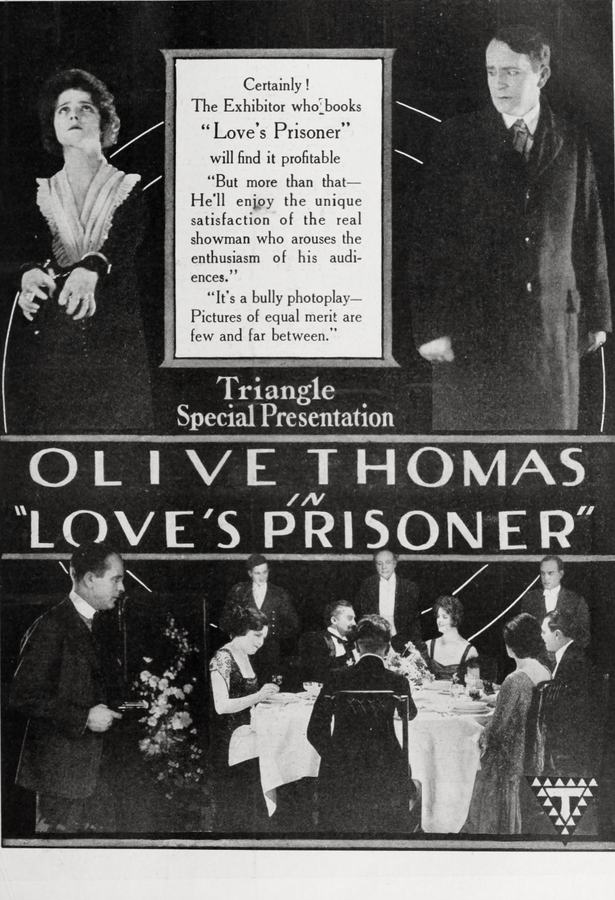
Dir: John Francis Dillon
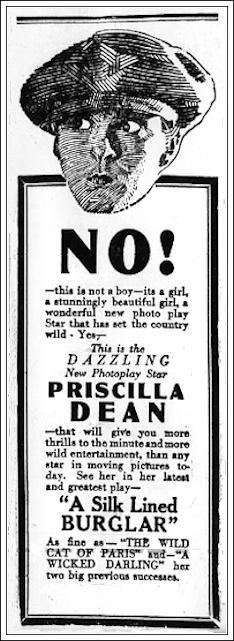
A young lady, who "hates the law" rises from the tenements to society. Financial reverses lead her to commit a series of burglaries as "The Bird". She becomes involved with the detective investigating the burglaries. After she confesses and pays for her crimes, they marry.
View DetailsAnalysis relative to Flaming Youth
| Film Title | Atmosphere | Complexity | Similarity |
|---|---|---|---|
| Eva, wo bist du? | Gothic | Dense | 86% Match |
| She Hired a Husband | Surreal | Layered | 85% Match |
| Heiress for a Day | Tense | High | 90% Match |
| A Prisoner for Life | Gritty | Abstract | 95% Match |
| The Silk-Lined Burglar | Gothic | High | 90% Match |
This guide was algorithmically generated using the cinematic metadata of John Francis Dillon's archive. Last updated: 8/17/2026.
Back to Flaming Youth Details →