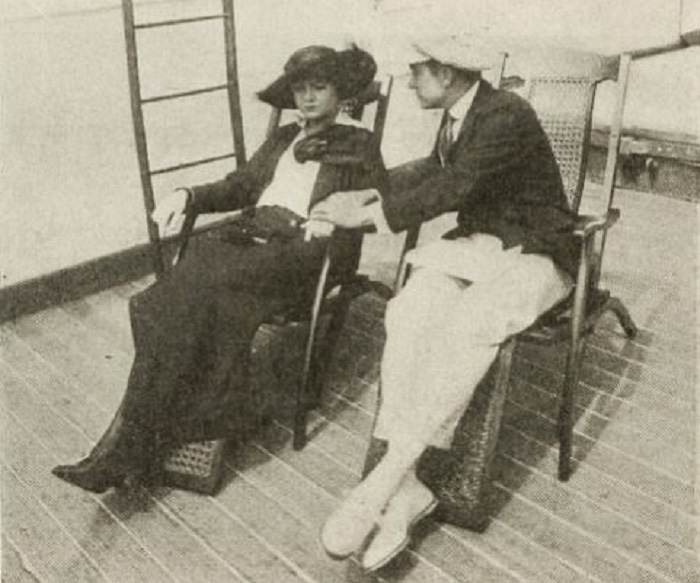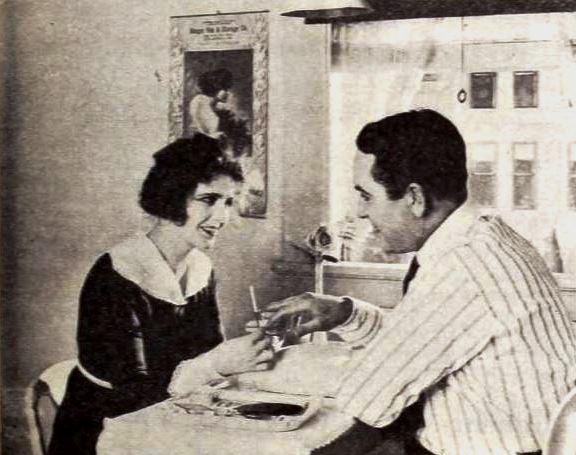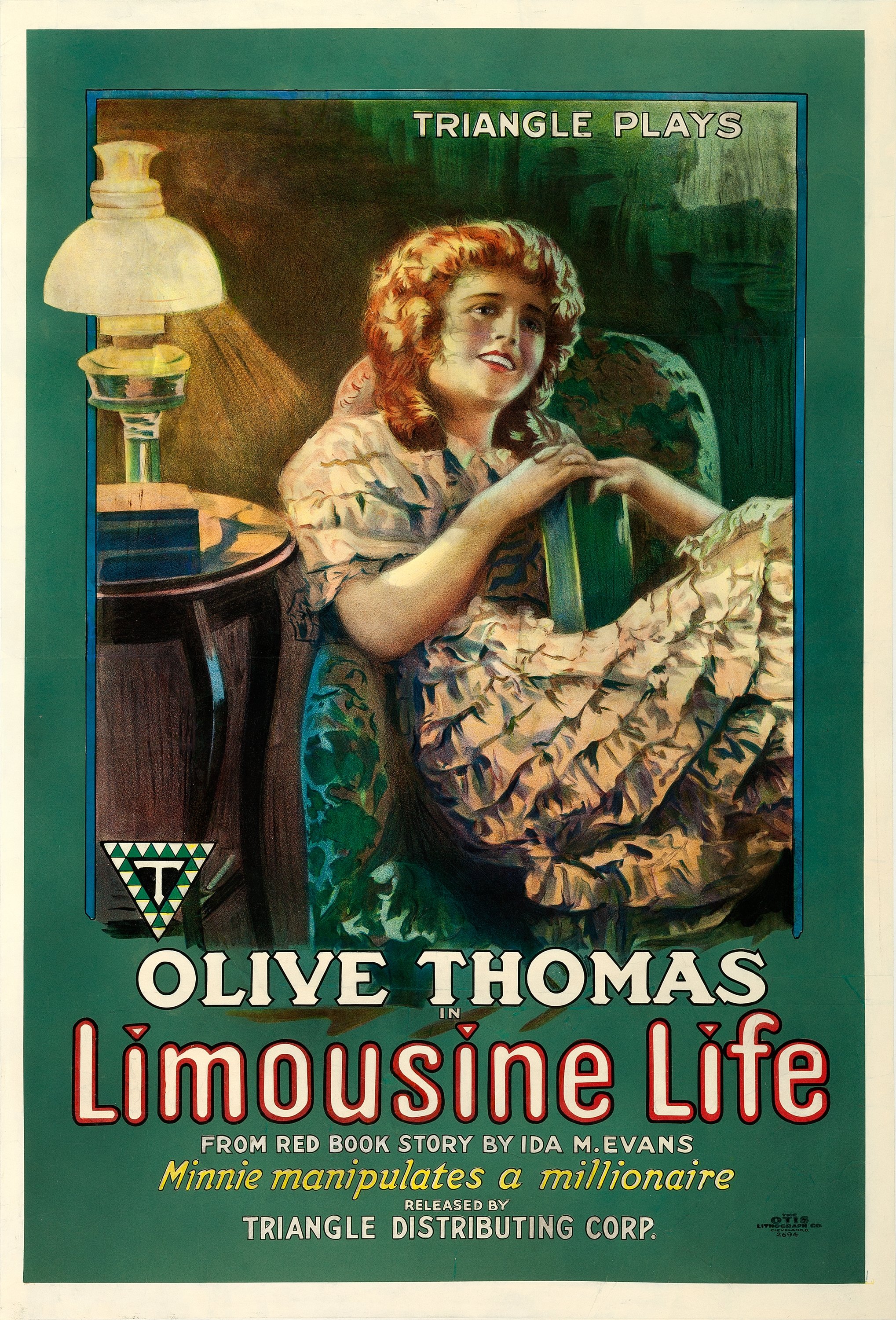
An amusing satire on the simple village maiden who comes to the great city and falls a victim to its alluring temptations..

Jack Cunningham, Ida M. Evans
United States
Limousine Life (1926) is a frothy concoction of slapstick and social critique that feels both archaic and oddly modern in its dissection of how charm can be weaponized in urban environments. Directed with a wink by Jack Cunningham and Ida M. Evans, the film positions itself as a cousin to Sweet Kitty Bellairs (1919)...
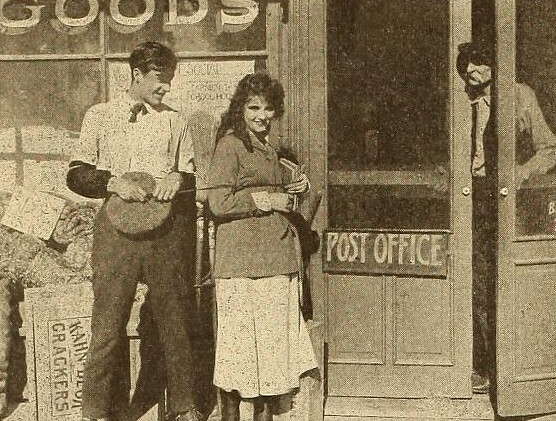
still_frame
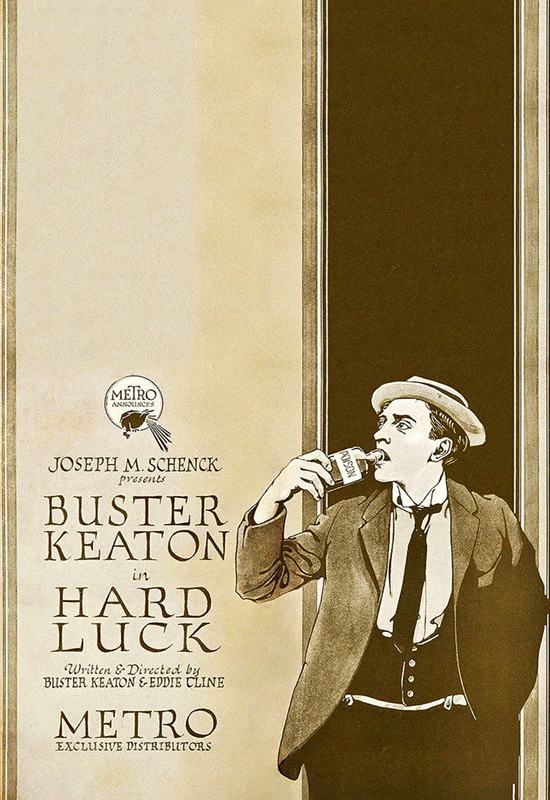
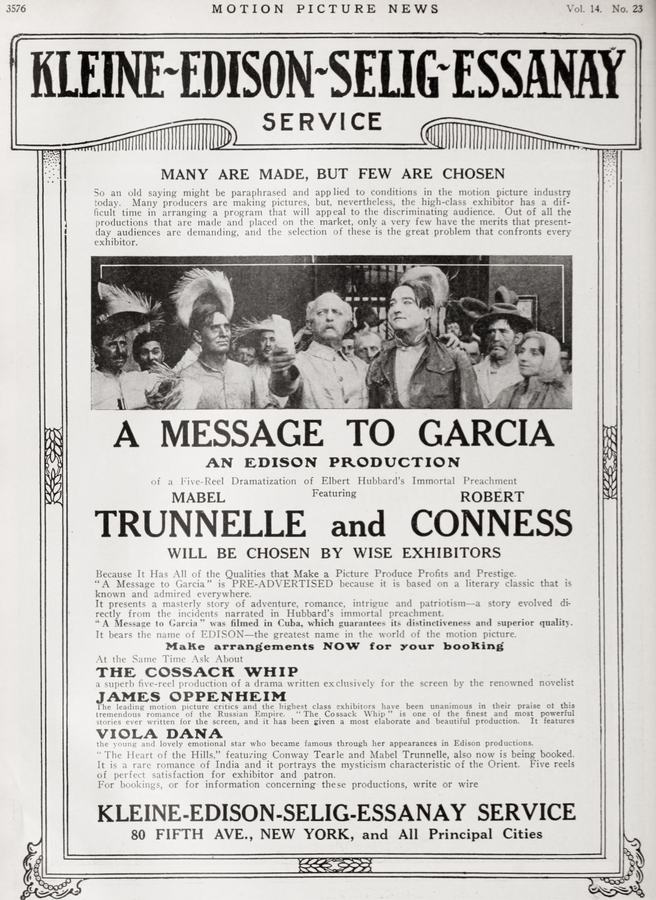
Comparing the cinematic DNA and archive impact of two defining moments in cult history.
John Francis Dillon
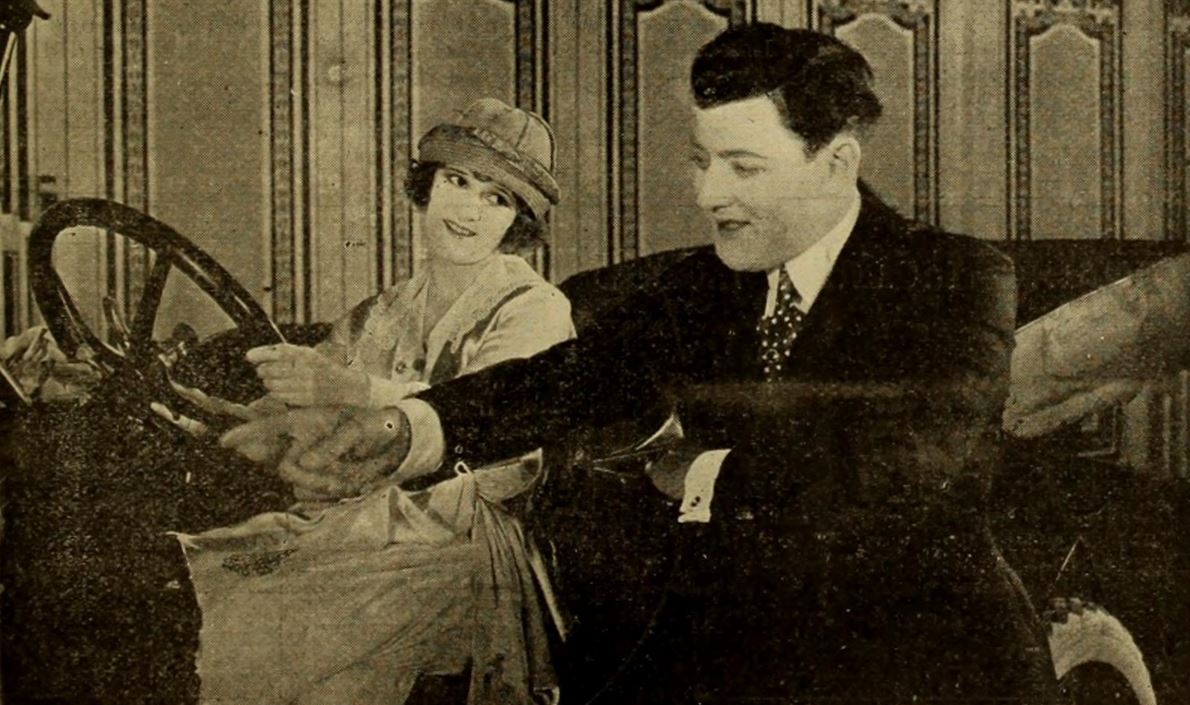
John Francis Dillon
Community
Log in to comment.
" Limousine Life (1926) is a frothy concoction of slapstick and social critique that feels both archaic and oddly modern in its dissection of how charm can be weaponized in urban environments. Directed with a wink by Jack Cunningham and Ida M. Evans, the film positions itself as a cousin to Sweet Kitty Bellairs (1919), yet diverges with a sharper satirical edge. Virginia Foltz, as Éclat, radiates a kind of unassuming magnetism—her innocence is less a virtue than a blank canvas for the city’s gr..."
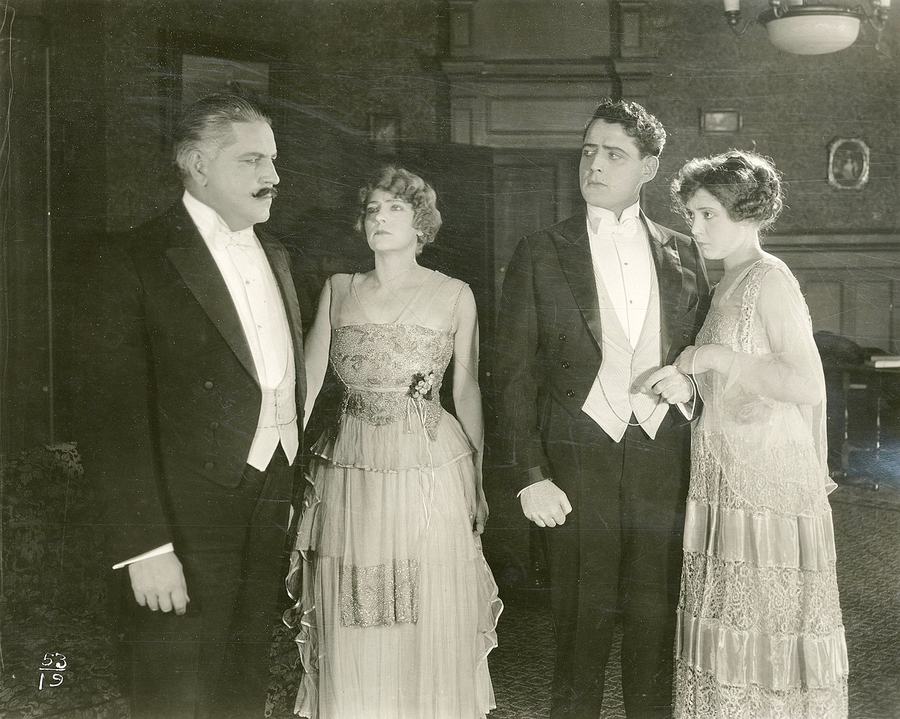
Deep dive into the cult classic
Discover similar cinematic experiences
A Directorial Spotlight on John Francis Dillon