
DbcultAccessing Vault...
Recommendations
Senior Film Conservator
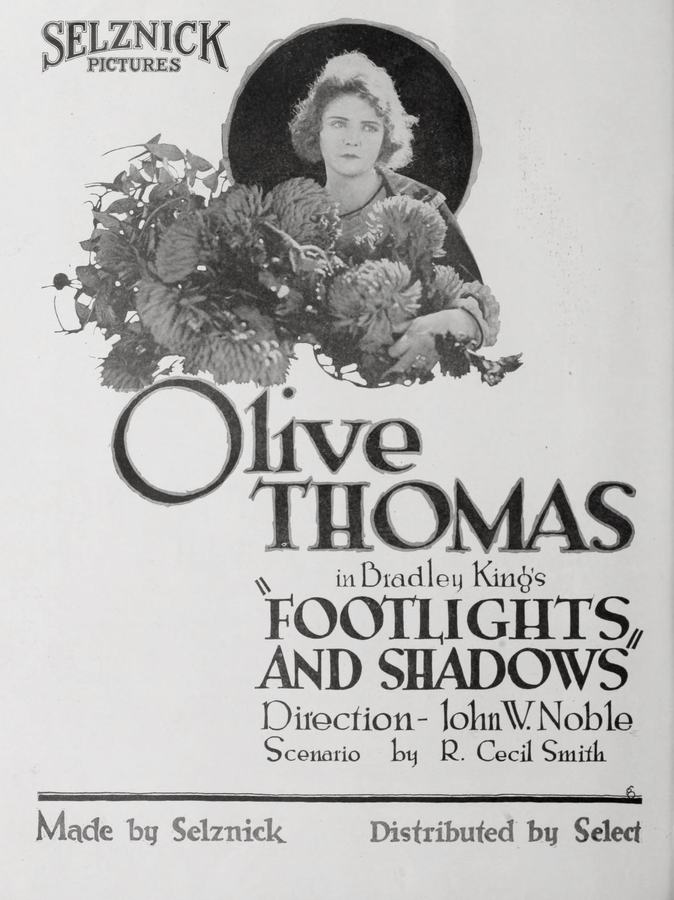
Exploring the cult status in Footlights and Shadows is a journey into United States cinema, the thematic layers of this 1920 classic invite a wider exploration of the genre. If the cast impressed you, these next recommendations will too.
With John W. Noble at the helm, Footlights and Shadows became to reinvent the tropes of cult cinema for a global audience.
A fortune-hunting follies star Gloria Dawn ( Olive Thomas ), begins to question her engagement to wealthy Peter Shaw after meeting an amnesiac young man who stumbles into her apartment one night. The doctor instructs that he not be moved, so Gloria nurses the stranger back to health, although his memory fails to return. Gloria falls in love with her patient and, upon discovering that he is millionaire sportsman Jerry O'Farrell, rushes home to restore his identity, only to find that he has gone. Amnesia continues to plague Jerry, and he soon forgets both Gloria's name and address. While he is attending a show at the follies, a fire breaks out, and Gloria, recognizing her lover in the audience, rushes to save him. Meanwhile, Shaw, who has discovered Gloria's feelings for Jerry, accosts her. Jerry, who has finally regained his memory, intercedes and rescues Gloria, and the two fall in love.
Footlights and Shadows was a significant production in United States, bringing a unique perspective to the global stage. It continues to be a top recommendation for anyone studying cult history.
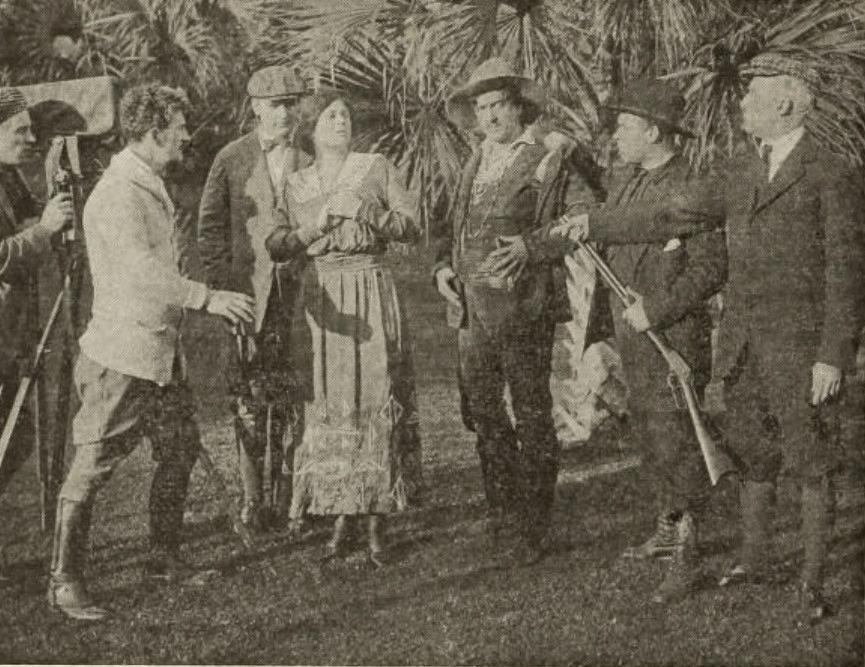
Based on the unique cult status of Footlights and Shadows, our vault has identified these titles as the most compelling follow-up experiences for fans of cult cinema:
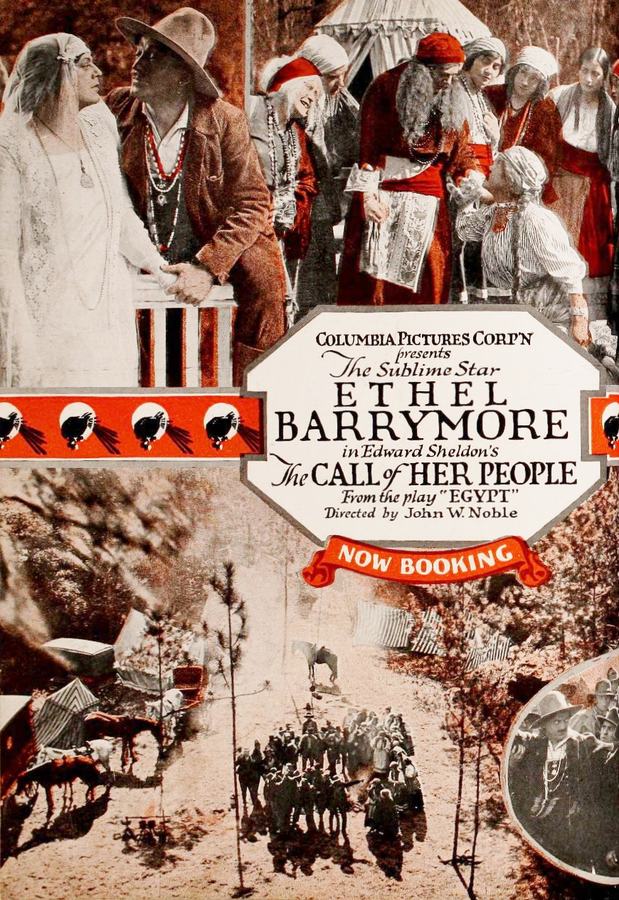
Dir: John W. Noble
Faro Black, the chief of the Gypsies, finds out that his son Faro and his girlfriend Egypt have gotten married. Infuriated, he tells that their marriage isn't valid, since Egypt is actually the daughter of wealthy Gordon Lindsay, who is on his way to the gypsy camp to claim her. The two promise to remain faithful to each other, but as time passes and she never hears from him, her love turns to bitterness. What she doesn't know is that Faro is being held prisoner by his father who, on his deathbed, tells him a secret that changes everything.
View Details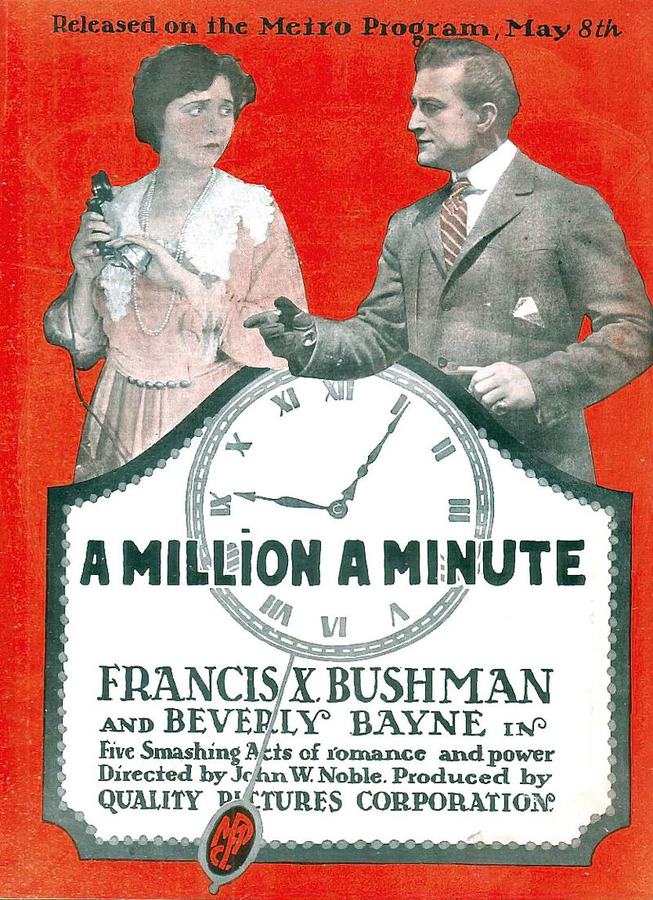
Dir: John W. Noble
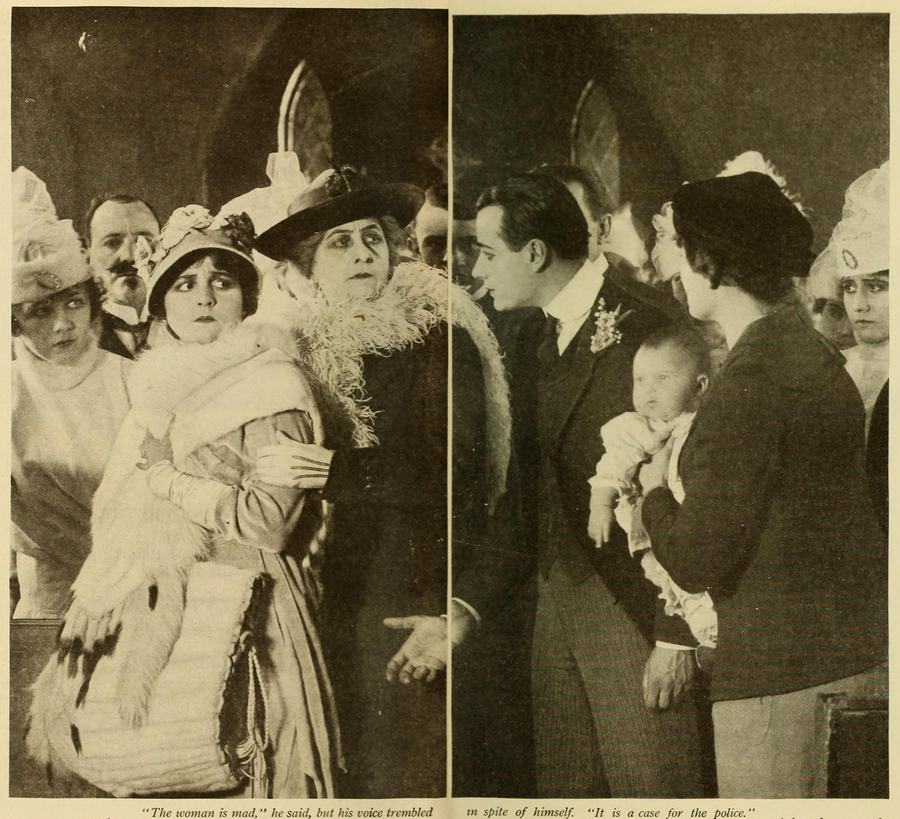
Philip and Miles Quaintance quarrel over the love of Ellen Sheridan; Miles is rejected, while Philip is successful. Philip dies soon after his son is born, and Miles proposes to the widow. When she refuses him, he uses every means to make her unhappy. She leaves the Southland where they live, taking her infant son Stephen. When Stephen has grown to manhood, his mother dies, first telling him the story of Miles' persecution. He is so embittered against his uncle that he avoids meeting him, and he leaves for South Africa. Miles Quaintance amasses a fortune, and in his declining years he hopes to meet Stephen to make restitution for the wrongs he had done his parents. Miles has a ward, Dagmar Lorraine, whom he sends to Paris to study singing. There she meets Etienne, the Duke de Reves, who has an unsavory reputation. He makes violent love to Dagmar and obtains her consent to marry him. After the ceremony a woman enters the church carrying a baby whom she claims is the Duke's son. Horrified, Dagmar flees from the church and returns to America. In a whimsical mood, and partly to atone for the wrongs he had done in his past, Miles makes a will leaving his $10 million fortune to Dagmar and Stephen, provided that they marry and that the wedding takes place before midnight of the following May 31. Miles does not know of Dagmar's wedding and dies before she arrives in America. Stephen is notified of the contents of the strange will at a trading station in Africa. He decides he will take no assistance from his uncle, and with Timothy O'Farrell, a companion, he plans a way out of it. They find the body of a white man floating in the river, and Stephen puts all his papers and trinkets in the pockets of the dead man. Mark Seager, a gunrunner, finds the body and conceives the idea of impersonating the dead man, marrying Dagmar, and claiming the legacy. He sets off for America immediately. Stephen and O'Farrell also leave for America. They are in a restaurant, where they see a man abusing a young girl and using threatening language. It is the valet of the Duke, who has met Dagmar and is trying to blackmail her for his silence. Stephen drives the valet out of the place, and is charmed by the appearance and manner of the girl. She leaves before he can question her. While driving her automobile home that night, Dagmar has trouble with the engine. When she stops to fix it Seager, who does not know her, observes her predicament and attempts to take advantage of it. She frightens him away with a revolver. The next day, Stephen sees an automobile offered for sale, and noticing that it corresponds with the one driven by the girl he met the day before, he answers the advertisement. Dagmar sells the car to him as she is low in funds. That night the valet and the Duke come to her home and she flees, taking passage the next morning on a steamship bound for Paris, where she has left some money in a bank. Seager learns that she has gone, and he follows. Likewise do the Duke and Stephen and O'Farrell. Stephen, taking the name of A. Newman. Seagar finds Dagmar in Paris and tells her he has come to marry her. One look at him and she leaves. The Duke finds her and persuades her to come to him, saying he will lead a better life, and introduce her to his own society. On the night of the reception she is kidnapped by Seager, who takes her to a deserted house where he has arranged for a rascally advocate to come and marry them. The Duke follows to the house and is killed in a fight with Seager. Stephen and O'Farrell have followed the Duke's valet and arrive there just as Seager is forcing Dagmar into a marriage. It is just 10 minutes to midnight, the time assigned for the $10 million wedding. Seager is driven from the place and Stephen and Dagmar tell each other of their love. Both agree not to touch a penny of Miles' fortune, and after the clock strikes twelve they are married.
View Details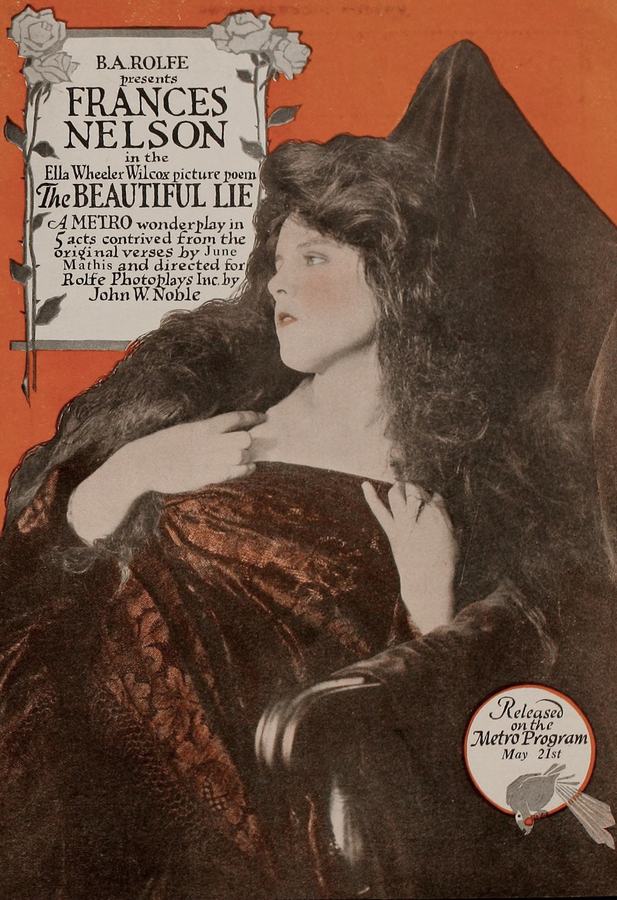
Dir: John W. Noble
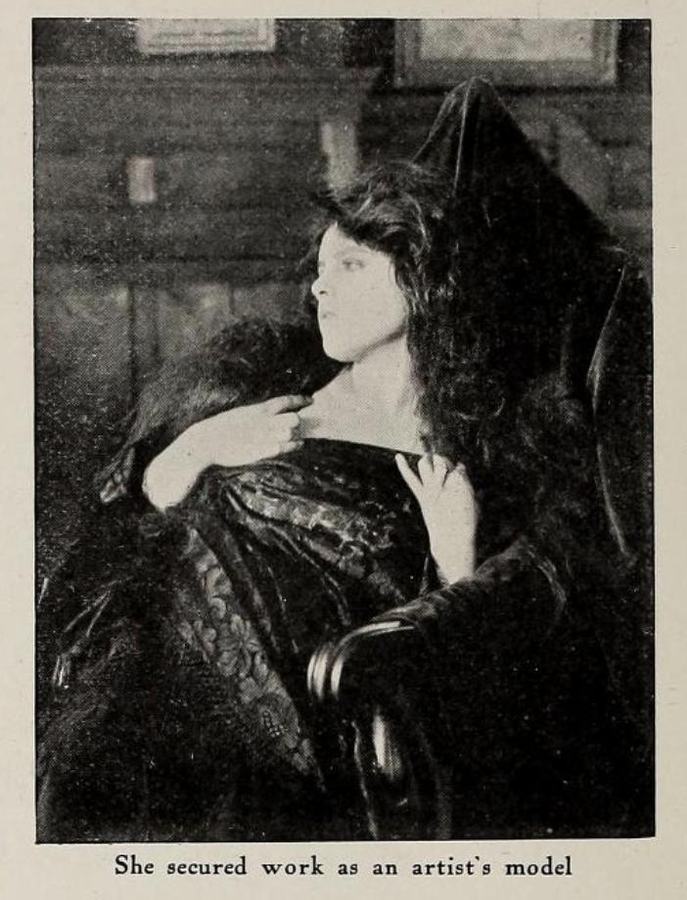
After a brief courtship, Louise Joyce is married to her employer, architect Mortimer Grierson, who soon tires of her and begins to see other women. One night, he comes home drunk and informs Louise that the marriage was a fraud, actually only a mock ceremony arranged by Grierson's nephew Howard Hayes, then deserts her for good. Louise becomes an artist's model, and while working she meets Paul Vivian, a protégé of her husband, and the two fall in love. Grierson discovers their relationship and tells Paul that Louise was his mistress. Soon after, Grierson is mortally wounded by one of his lovers and Howard returns from Mexico to visit his uncle's deathbed. As Grierson instructs Howard to put his affairs in order, Howard confesses that Louise's marriage is legal because in an effort to spite his uncle, he secured a real minister to perform the ceremony. After Grierson's death, Paul finds Louise and learns the true story, and together they begin a new life.
View Details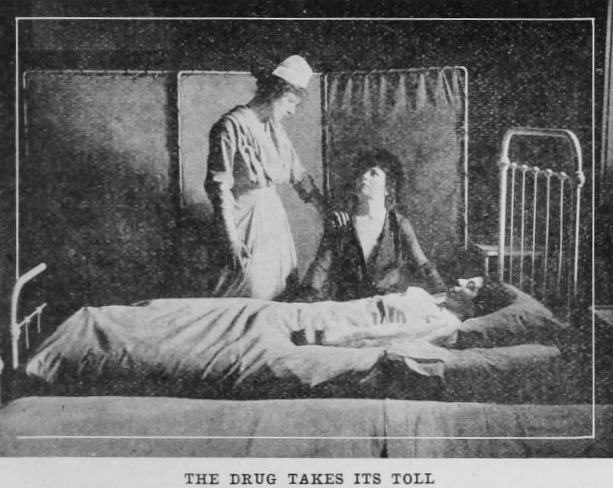
Dir: John W. Noble
A story about the affects of cocaine on the lives of a family.
View Details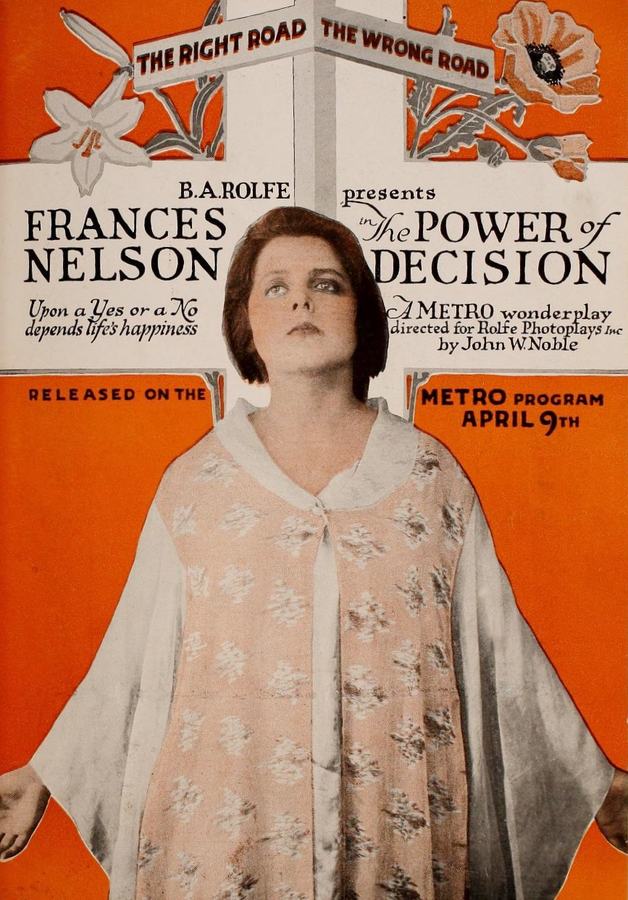
Dir: John W. Noble
Wood Harding, the illustrator, first sees Margot, the model, at a sale of the effects of a poor old artist who befriended her. The auctioneer is belittling the old man's work when Margot rushes upon the platform and tells how kind he has been to her. Harding buys the picture that has been ridiculed, and makes her a present of it. From that time on she poses only for him, and the two fall in love. Harding has a wife from whom he has been separated for some time, but he marries Margot without saying anything about her. The real Mrs. Harding returns, and threatens to have her husband arrested for bigamy. To save the man she loves Margot denies that she has been married to him. The girl goes to a distant city and poses for Mrs. Hall, a miniature painter. Mrs. Hall introduces her to Austin Bland, a novelist, who falls in love with her and asks her to marry him. She tells him frankly that she already has given all the love she possesses to another man. Bland says he will be content if she will only marry him, and she does so. Bland is writing a novel called "The Power of Decision." Its central theme is that "Every mortal has within himself the God-given power of decision." By his own decision each man must act for himself in every crisis. The publishers have engaged Wood Harding to illustrate Bland's book. It is the author's wish that his wife pose as the heroine, and Harding comes to visit at the Bland residence. Neither Margot nor Harding gives a sign of recognition on meeting, but Harding tries to exert his old spell over her. Her husband's book seems to have a special meaning for her. One paragraph in particular fascinates her: "This was the turning point in her life. The choice between these two men, one bound to her by the holy sanctity of the marriage vow, the other calling from out the darkness of the past. Which road? What lies beyond? The power of decision rests with her." Gordon, the butler, surprises Harding in the act of attempting to embrace Margot, and later when she discovers him trying to open the safe he prevents her from calling the police, threatening to expose her to her husband. Bland learns the truth through Mrs. Harding, who sees Margot's picture in an announcement of the new novel. Bland has been asked by his publishers to take a trip with an arctic explorer, to write a series of articles. He accepts. Harding has been urging Margot to go away with him and she cannot come to a decision. She promises to signal him by switching the library lights on and off when she has made up her mind. Bland leaves in his car for the railroad station, but the machine breaks down and he misses his train. Returning, he sees Harding across the street watching the library windows, and then the lights flash off and on. He goes into the house and confronts Margot, who tells him she has been tempted to go away with Harding, but has finally come to a realization of her love for her husband and has summoned Harding to tell him so. Bland does not believe her. The curtains at the French window move and Bland fires at them. A man falls, enveloped in the curtains. Margot urges her husband to escape, saying she will take the blame. Bland finds he has shot not Harding, but the butler, Gordon, who has come to attempt robbery. Harding has hurried away on hearing the shot. Margot finally makes her husband realize that, like his heroine, she has chosen the right road and has exercised her God-given power of decision.
View Details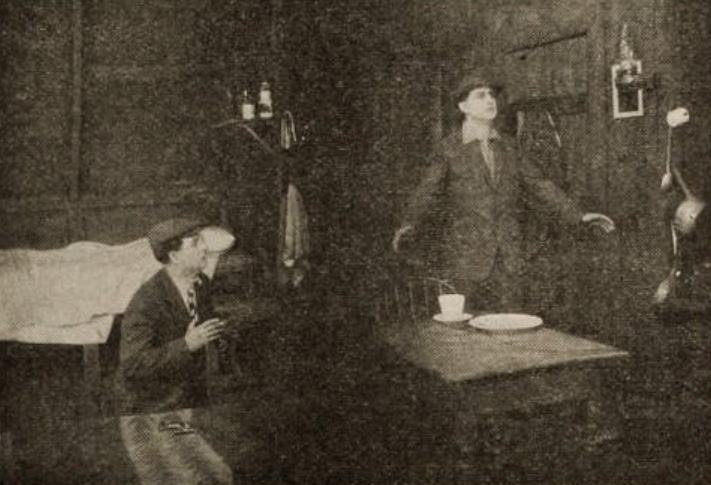
Dir: John W. Noble
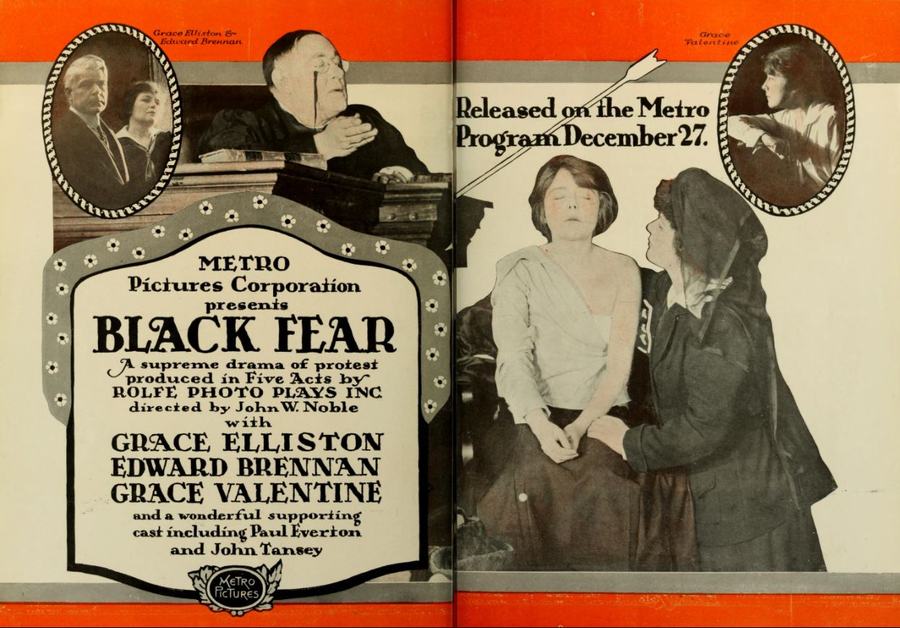
The story of Reverend 'Satan' Sanderson, Hugh Stires and Jessica Holmes, a beautiful and romantic blind girl and ward of David Stires, father of Hugh. The latter is signing his will, making Jessica his sole heir, thereby disinheriting his dissolute son. Jessica protests and Reverend Sanderson protests to David on behalf of Hugh. Sanderson acknowledges that he himself was a wayward youth in college, the leader of a fast-set and looked favorably upon by Hugh, and he feels responsibility for Hugh's downfall. David Stires is obdurate and Jessca's sympathy goes out to Hugh and she blames Sanderson for Hugh's troubles. Sanderson, though, is in love with Jessica. Hugh returns home, gains his father's forgiveness, and weds Jessica, whose eyesight had been restored by a medical operation. And then David learns that Hugh has forged his name to a check. Davis threatens his son with jail and Hugh runs away and seeks Sanderson's help, again. From there the story takes a few turns.
View Details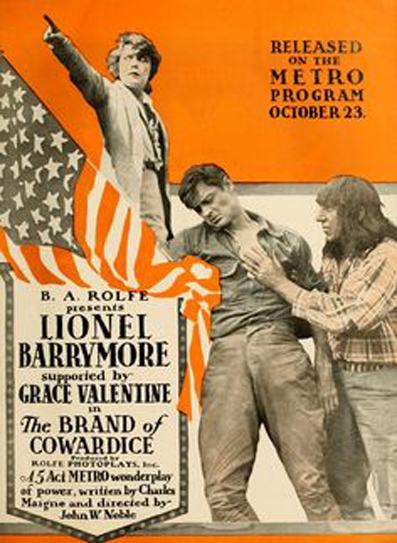
Dir: John W. Noble
Cyril Van Cortlandt Hamilton, one of the wealthiest young bachelors in New York, has led a life of ease. He is engaged to be married to Marcia West, the daughter of an Army Colonel. While Cyril and Marcia are at a house party, news comes that the National Guard has been called into service. Cyril, a member of a militia regiment, not caring to be subjected to discomfort, declines to accompany his regiment to the border and resigns his commission. For this Marcia breaks her engagement, and accompanies her parents to the border, where Col. West is to take command of his regiment. Upon his return home Cyril considers his act and later enlists as a private in an Irish regiment and goes to the border. His society manners annoy the rough-and-ready men among whom he has cast his lot, and they proceed to make life miserable for him. Corporal Mallin especially loses no opportunity to bully him. Cyril wanders about by himself when not on duty, and meets Idiqui, a Mexican Indian, whose gratitude he earns by aiding his daughter, Rana, who has fallen and hurt herself. The Mexican bandit chief Navarete comes into camp. He has been educated in the United States, and has fallen in love with Marcia, who has refused him. He gets Mallin to steal one of the machine guns for him. When the theft is discovered Mallin accuses Cyril and Idiqui of the crime. Cyril and Idiqui are ordered to the guardhouse. The Indian attempts to escape to his daughter, whose condition is critical, and Mallin raises a gun to shoot, but Cyril overcomes him. Then, realizing that he has placed himself in a serious position and can hope for no leniency from Mallin, he deserts, Idiqui going with him. They set out afoot on the Mexican side of the river. Marcia has come across the river on her early morning ride and stumbles upon the bandits taking the automatic away. She is seen and captured, and Cyril and Idiqui, unarmed and helpless, follow in pursuit, to find out where she is being taken. Idiqui is struck by a rattlesnake, and Cyril cauterizes the wound. The Indian goes to warn the American troops, and Cyril goes on to the Mexican village, where the Mexicans are carousing in front of Navarete's house, where Marcia is held prisoner. Cyril draws the villagers away from the chief's house by setting the village on fire, and then enters the house in time to save Marcia from Navarete, killing the bandit. They escape. They are overtaken in the morning, and ensconced in a sand pocket put up a brave fight. When one cartridge alone remains, Marcia. now acknowledging Cyril's bravery, asks him to kiss her and then kill her with the remaining cartridge, to save her from falling into the hands of the Mexicans. He is about to do so when he himself is shot down. The bandits swoop upon the two, but are stopped by Col. West and a number of his men. A squadron of cavalry and a battalion of infantry also come to the rescue from different directions, cutting off the escape of the Mexicans. Cyril is lifted into Col. West's auto in a dying condition. By the blessing of Providence and his own vigorous constitution, Cyril recovers, and two months later, as he watches the return of the regiment with his beloved wife, Marcia, the men recognize him and discipline is forgotten while the marching troops turn to cheer him.
View Details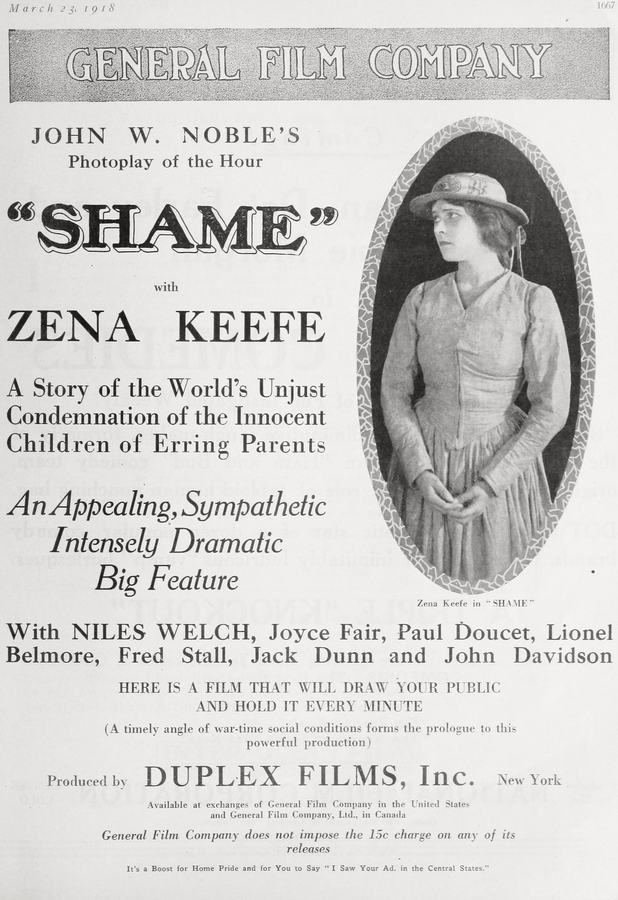
Dir: John W. Noble
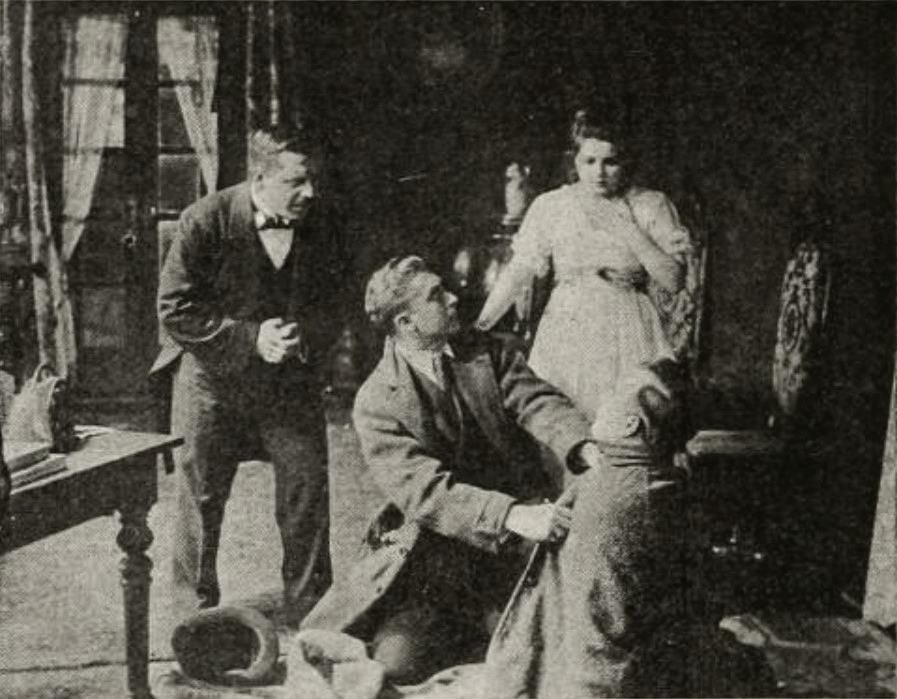
At the outbreak of the Spanish-American War, John Grey enlists in the Army and leaves his sweetheart Mary for Cuba. Later Mary discovers that she is pregnant, but John is killed before they can legalize their union. When Mary dies, her daughter Little Mary is taken into an orphanage and adopted by Peters, a cruel farmer who turns her into a slave. Befriended by Seppe, a hunchback farmhand of similar parentage, young Mary escapes to the city where she finds work at a hospital run by Dr. Strong. Soon after, she falls in love with Strong's son Donald and accepts his marriage proposal. When Donald learns from Peters, who comes to the city to reclaim Mary, that she is illegitimate, he backs out of the engagement. To stop Peters from stealing Mary, Seppe shoots him, wounding him only slightly. The incident shocks Donald into rethinking his decision; but even after she and Seppe are freed from Peters and the law, Mary refuses to compromise Donald's reputation and returns to the country with Seppe.
View Details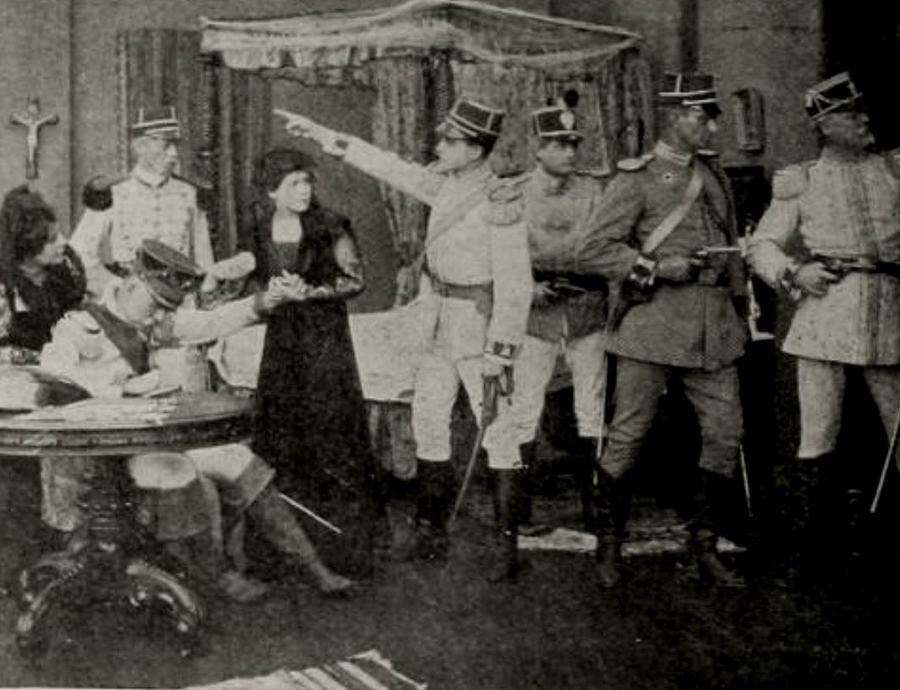
Dir: John W. Noble
News of the approaching death of the President of Lorento is received by "Fighting Bob" Rensaler at college in a letter from General Braga, an intimate friend of his deceased father, and further that Mendoza, the marshal, aspires to the presidency, and assisted by guerrilla warfare, intends to proclaim himself dictator, with the assistance of a guerrilla leader named Ladero. Dulcina Garnia, Bob's sweetheart, is beloved by Ladero. Manuel Garni, her guardian, has promised her in marriage to Ladero for assisting the revolutionists. Bob determines to give his aid to General Braga, and accompanied by his two chums, Cyrus Browa and Comin Hartley, he embarks on Brown's yacht for Lorento. Realizing that Dulcina will not marry him because she loves Bob, Ladero kidnaps her at the instigation of her guardian, intending to force her to marry him. When Bob has left Dulcina to visit General Braga, Ladero's men make away with Dulcina and confine her in a monastery. Riaz, leader of the kidnappers, has gone to the Tavern Verduga, where Bob is in consultation with the general. Dulcina's maid finds Bob there, tells him of Dulcina's plight, and points out Riaz as one of the kidnappers. Bob and his two chums grab Riaz, take him to the yacht, and force a confession from him. Riaz escapes from them by jumping overboard. Ladero, receiving no news from Riaz. sets out with his men for the monastery. Riaz has secured a horse and intends to head off Bob. Ladero has found a priest who is about to marry him to Dulcina but she succeeds in secretly notifying the priest of her predicament and he aids her to escape. She meets Riaz, who forces her into a telegraph station, where the operator is drunk. Kicking the operator out, he attempts to assault Dulcina, who picks up a revolver and shoots him. Bob and his pals have reached the monastery, have a fight with the band of kidnappers, and Bob sees the priest who tells him of Dulcina's escape, and they set out to find her. Ladero on his way to the monastery hears the shot fired by Dulcina and reaches the station as Dulcina is about to rush out. Bob meets the operator, disguises himself in his uniform, locates Dulcina, unseen by Ladero, overhears a message read by Ladero that the president is dead and for him to join Mendoza, and he sees him start away. Ladero has ordered his men to fire on the station. Bob's chums, hearing the firing, come to Bob's aid. Mendoza and Ladero's men attack Braga's forces in the city amid terrific gunfire of infantry, and the cavalry have a tremendous fight which ends in a complete routing of Ladero's supporters. When Bob and his friends are about to give up hope of holding off the outlaws. General Braga and his soldiers arrive to rescue them. Eventually Bob is proclaimed president for his services and is married to Dulcina.
View Details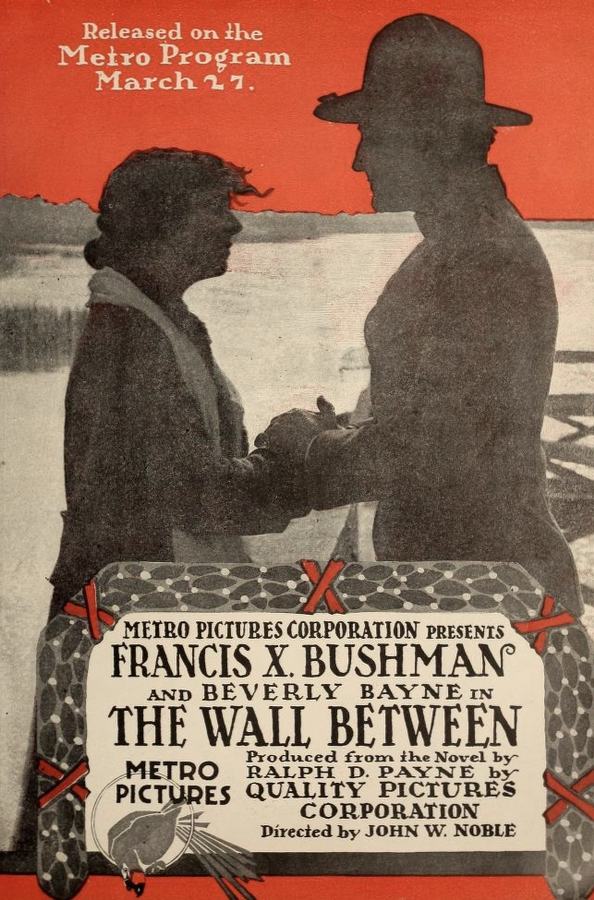
Dir: John W. Noble
John Kendall was brought up in a wealthy family, but when his father loses the family fortune and then dies, John is left penniless. He joins the army and rises to the rank of sergeant. He soon meets and falls in love with Edith Ferris, the daughter of Col. Dickinson. When he talks to her at a party, Lt. Burkett upbraids him for fraternizing with an officer's family. Edith's mother, not wanting her daughter getting involved with a lowly enlisted man, conspires with Lt. Burkett to discredit John.
View DetailsAnalysis relative to Footlights and Shadows
| Film Title | Atmosphere | Complexity | Similarity |
|---|---|---|---|
| The Call of Her People | Gothic | Abstract | 88% Match |
| A Million a Minute | Gritty | Dense | 87% Match |
| The Beautiful Lie | Ethereal | Abstract | 92% Match |
| Black Fear | Gritty | High | 86% Match |
| The Power of Decision | Gritty | Abstract | 88% Match |
This guide was algorithmically generated using the cinematic metadata of John W. Noble's archive. Last updated: 6/25/2026.
Back to Footlights and Shadows Details →