
DbcultAccessing Vault...
Recommendations
Senior Film Conservator
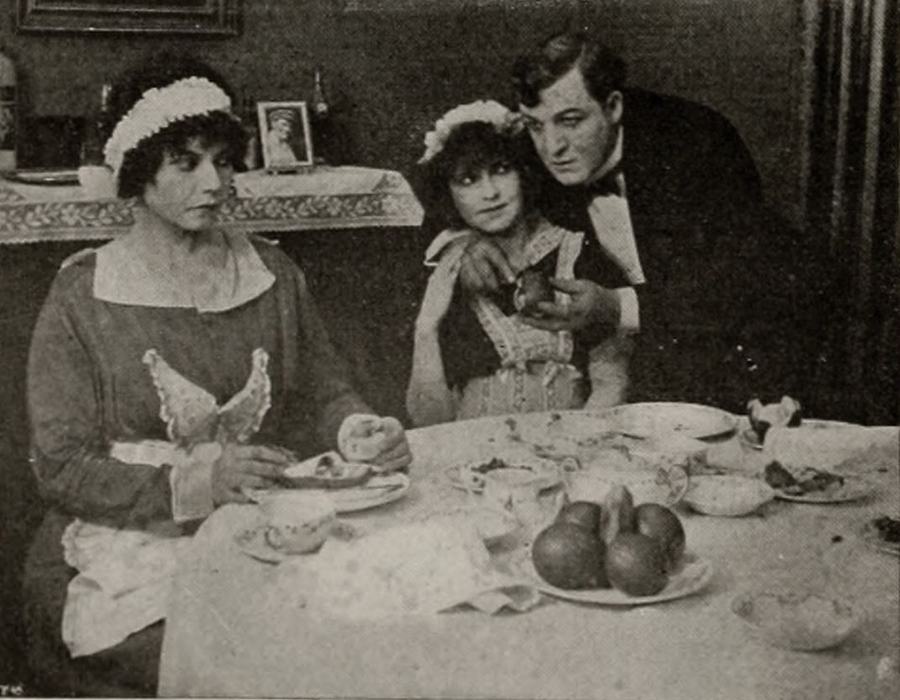
The cinematic DNA of For the Defense (1916) is truly one of a kind, finding other movies that capture that same lightning in a bottle is a top priority. We have meticulously scanned our vault to find hidden gems that resonate with this work.
As a pivotal work in United States cinema, For the Defense to challenge the status quo through its avant-garde structure.
Two playboys stumble drunkenly home, where the owner falls asleep and the other attacks the maid. The butler intervenes and a fight results in the death of the assailant. A French girl, escaping from a pimp who kidnapped her, witnesses the crime. The butler convinces his master he is the killer, and must flee. He joins the girl but is caught. She helps police expose the real killer by going undercover as another maid.
Critics widely regard For the Defense as a cult-favorite piece of cult cinema. Its stylistic flair is frequently cited as its strongest asset, solidifying its place in United States's film legacy.
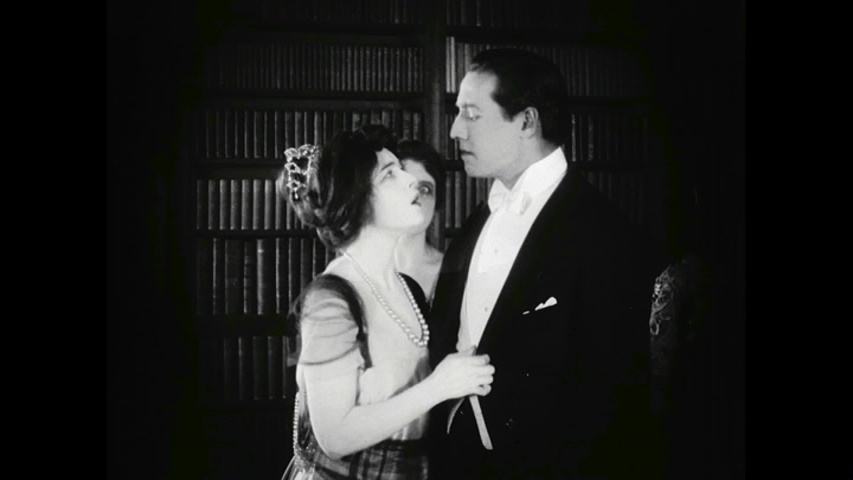
Based on the unique stylistic flair of For the Defense, our vault has identified these titles as the most compelling follow-up experiences for fans of cult cinema:
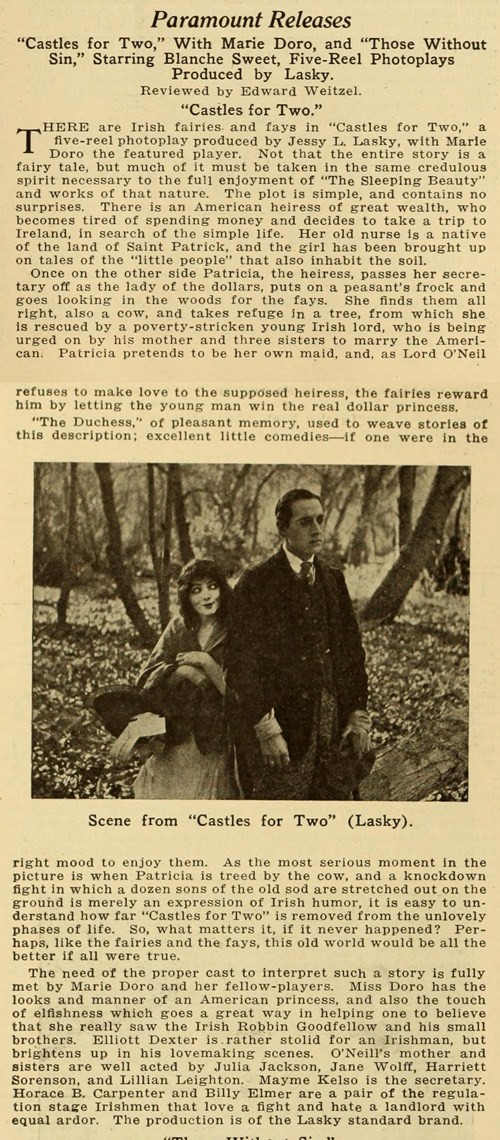
Dir: Frank Reicher
The family of an Irish landlord want him to wed who they think is a visiting heiress from the US but the real heiress pretends she is just a servant and hides her identity.
View Details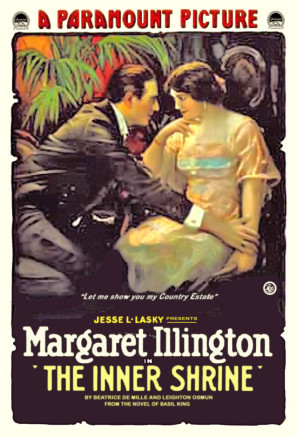
Dir: Frank Reicher
Bad woman turns good, but as a recent widow finds her past a roadblock in terms of accepting remarriage.
View Details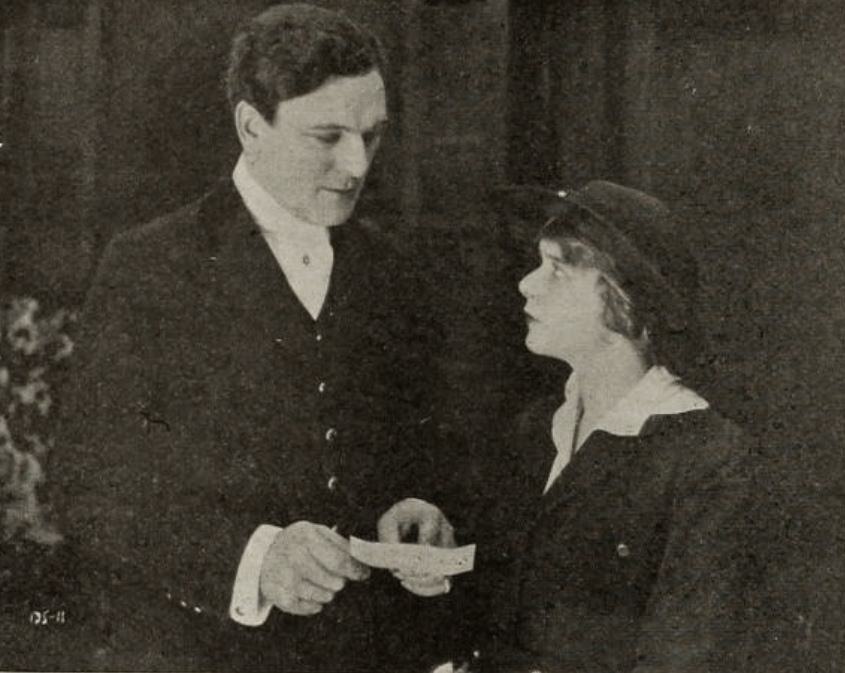
Dir: Frank Reicher
A fascinating piece of cinema that shares thematic elements.
View Details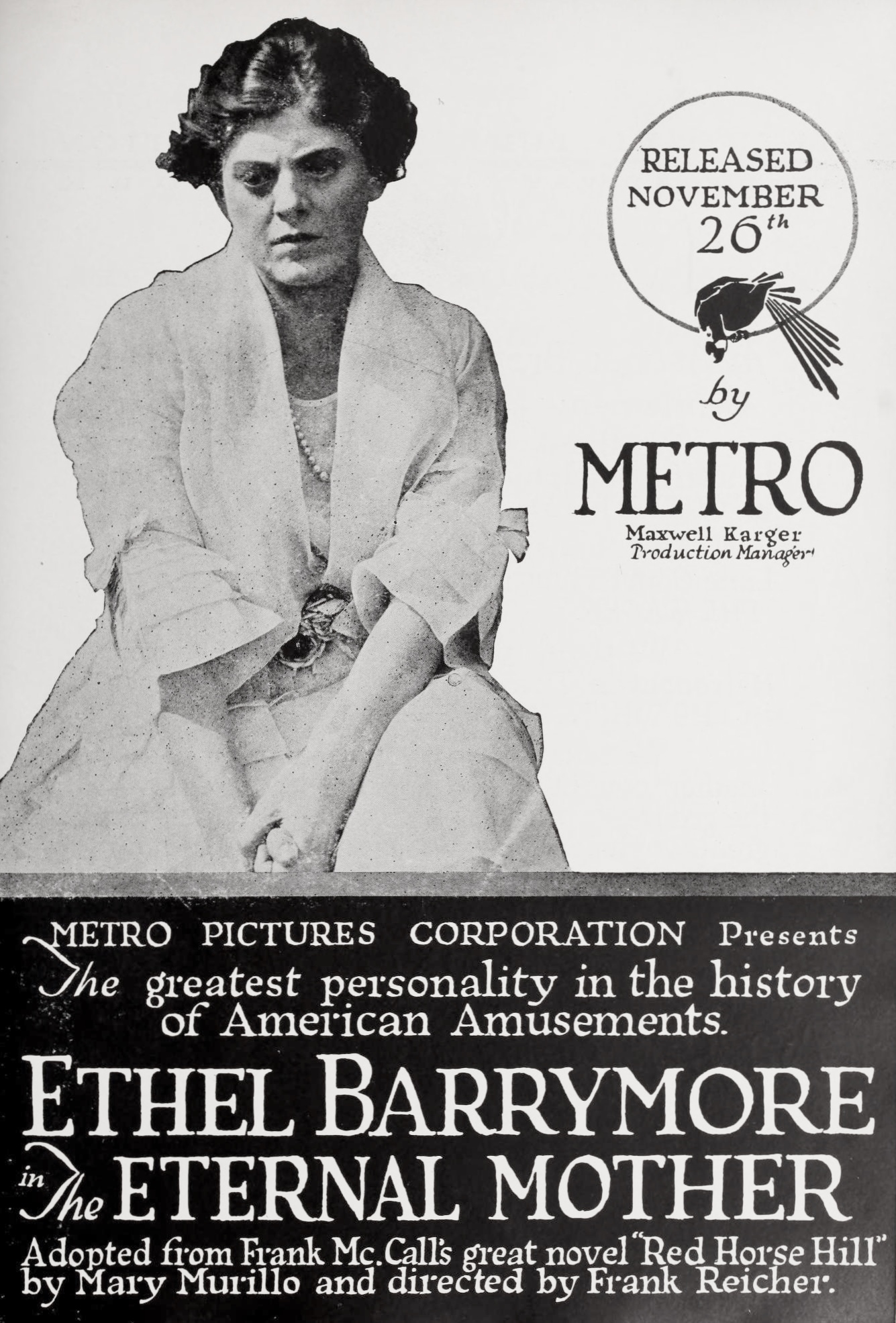
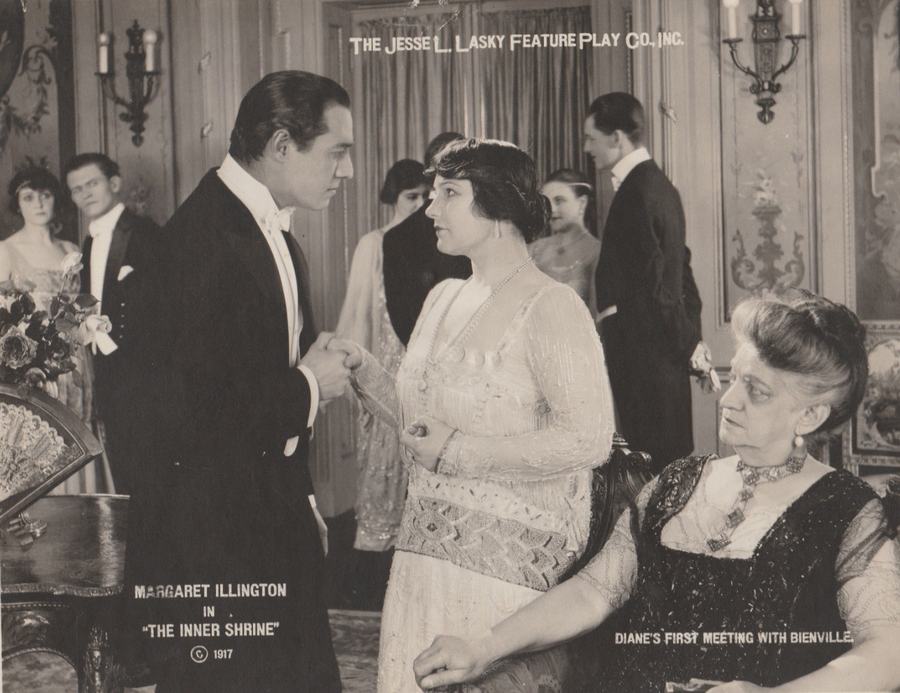
Dir: Frank Reicher
Maris, having married Lynch, a worthless man who deserts her, taking their daughter Felice with him, marries mill owner Dwight Alden after receiving notification that her husband and child are dead. Discovering that Alden employs child labor, Maris, assisted by the village minister, tries to persuade him that this is wrong, but he will tolerate no interference in his business. After violently denouncing Alden from the pulpit, the minister dies and Maris becomes interested in a child who has been injured while working overtime at the mill, only to discover that the child is her daughter and her first husband is still alive. She leaves, taking Felice, and Alden, after having a fight with the first husband, discovers that Lynch had secured a divorce. Alden seeks out Maris, tells her that he has abolished child labor and made other improvements affecting the welfare of his workers, and a reconciliation occurs.
View Details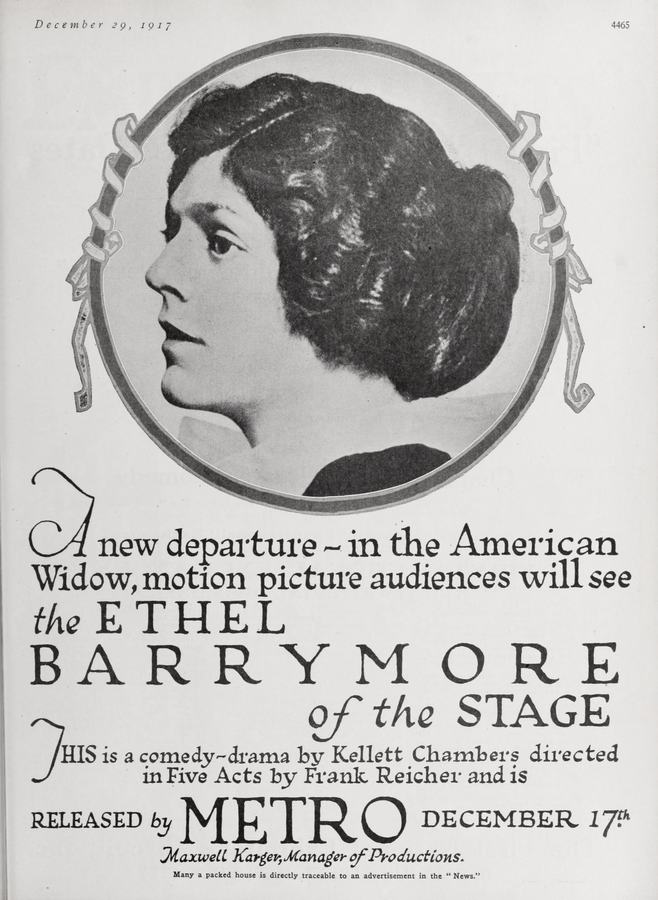
Dir: Frank Reicher
Wealthy American widow Elizabeth Carter plans to marry the Earl of Dettminster when lawyer Augustus Tucker informs her of a codicil in her late husband's will. The Carter fortune will go to nephew Pitney Carter, who is in love with Elizabeth, if her second husband is not an American. Elizabeth therefore pays penniless playwright Jasper Mallory $50,000 to marry her and schemes with actress Mme. Albani to provide grounds for divorce so that she may then make the earl her third husband. The plan backfires when Jasper's play is a success and Elizabeth finds herself falling in love with him. Tucker admits to forging the codicil to enhance Pitney's chances with Elizabeth. As Jasper and Elizabeth announce their plans to remain married, a telegram arrives with news that Mme. Albani and the earl have wed.
View Details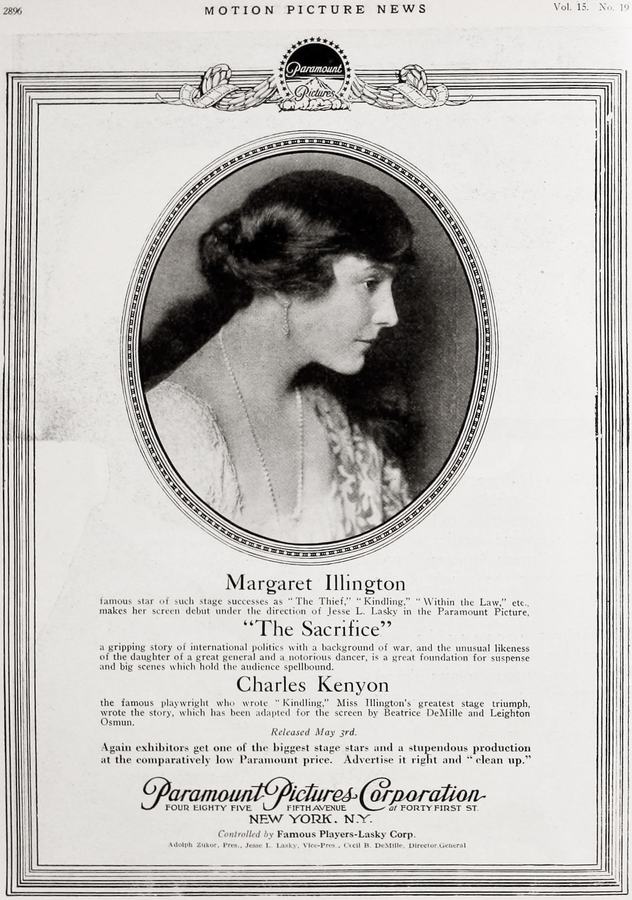
Dir: Frank Reicher
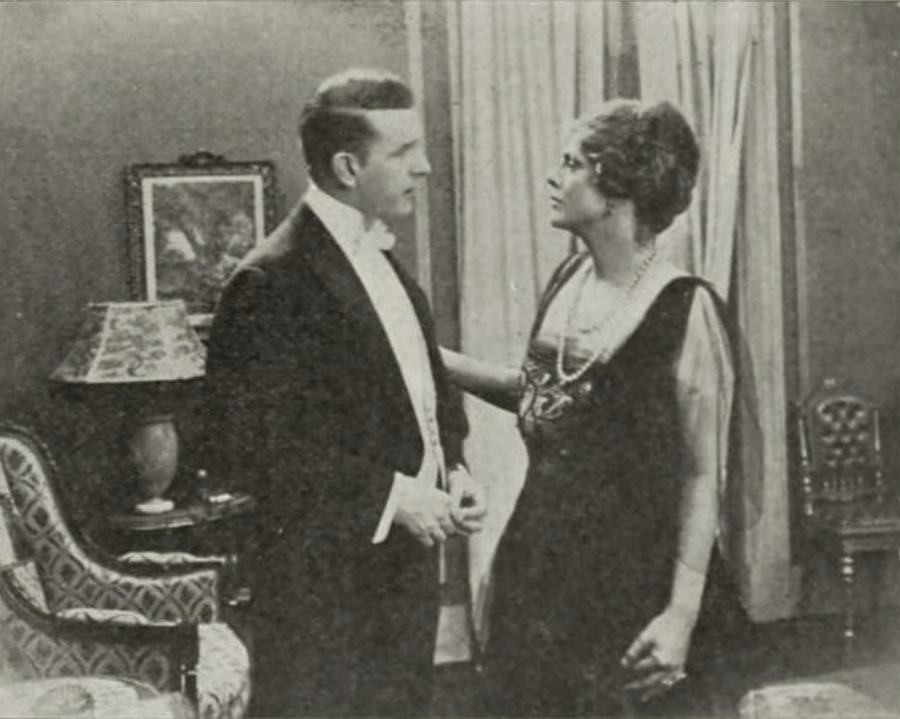
Stephen Stephani leaves Nordhoff with his daughter Mary to visit Zandria, an enemy country, where he tries to steal the war plans of the hostile nation. There, Mary meets Paul Ekald, a Zandrian captain, falling in love with him at first sight. While Mary remains in Zandria for the moment, Stephani returns to Nordhoff. Meanwhile, Vesta, Mary's illegitimate half-sister, has managed to get hold of important war plans stolen from Count Wenzel. But, to get them, she had to kill the count. While trying to reach Nordhoff, she is stopped at the border. There, she also finds Mary waiting to cross the border. Vesta convinces Mary to exchange her passport with her, in order to allow her to leave the country. She thus brings to Nordhoff the plans drawn with invisible ink on her petticoat. Meanwhile, Mary is arrested and, accused in place of Vesta, sentenced to be shot. Vesta, after having fulfilled her mission and learning of her sister's fate, goes back and redoes the exchange with her, allowing her to save herself. After some time, peace is declared and Mary can reunite with the man she loves.
View Details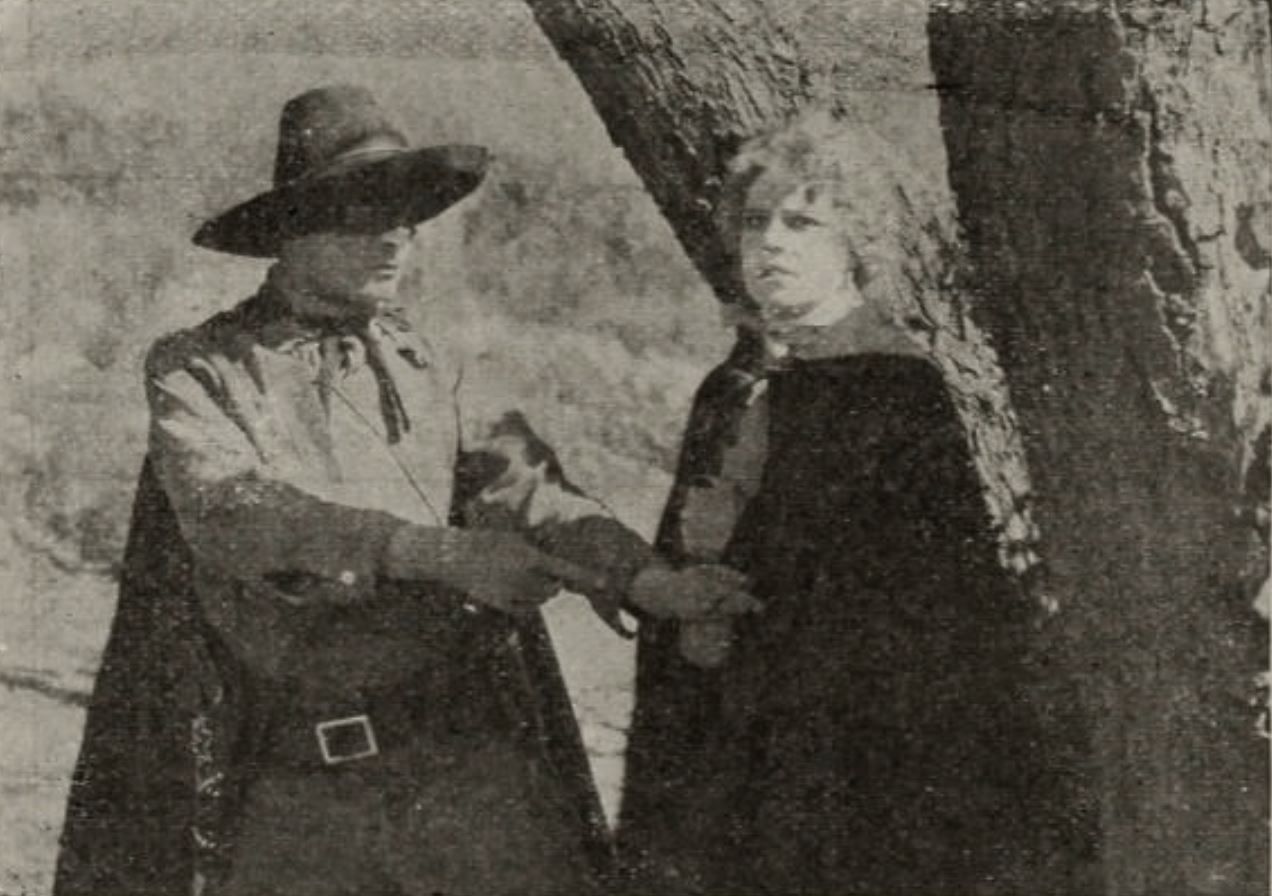
Dir: Frank Reicher
During the California gold rush, four unsuccessful miners assume that a woman prospector will give in without a fight, so they jump the claim of Kate Kenner and take her gold away from her. Afterward, although she is Sheriff Dan Deering's sweetheart, Kate decides to take the law into her own hands. Donning the trademark black mask of Silver Spurs, the noted bandit, Kate holds up the saloon where the crooks have stored the gold. As she makes her getaway, however, Dan catches her, and after unmasking her, is astonished to discover Silver Spur's true identity. The town puts Kate on trial immediately and a guilty verdict seems assured until the real Silver Spurs, who had greatly admired the masquerade, himself steals the gold and leaves a note exonerating Kate. Then, taking time out from his sheriff's duty, Dan, instead of pursuing Silver Spurs, starts making plans with Kate for their wedding.
View Details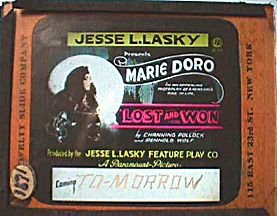
Dir: Frank Reicher
Cinders, a news girl, with a love for books, idealizes as her hero a "Daddy Long-legs," who will someday make her a great lady. Bill Holt, a reporter, is one of her best friends. Walter Crane and Kirkland Gaige observe Cinder's independence as she turns over to a policeman a man who has been annoying her. Later Crane wagers $50,000 that within a year he can transform and improve the girl that one of the men will want to marry her. Crane places her in the care of his aunt, who sends her to a boarding school. At the end of a year she returns home and at once becomes a favorite. Cleo Duvene, an adventuress, demands of Gaige a necklace which he is unable to purchase. Crane meets with reverses and Gaige, anxious to win Cinders, reveals the bet, suggesting she marry him in order that Crane may realize the $100,000 stake. She refuses and goes to her friend. Holt, securing a position as reporter on the paper. Crane accepts the position of assistant cashier in the bank of which Gaige is vice president. In order to buy the necklace for Cleo Gaige takes a bag of currency and Crane, accused of the theft, is placed in jail. Cinders goes to Gaige and by placing chewing gum on the end of her umbrella, picks up the pieces of a receipted bill for the necklace. She gets into the apartment of Miss Duvene, and is demanding that she tell all she knows of Gaige just as he comes in. They bind Cinders but she manages to get the telephone receiver down, calls Holt, who hears the conversation of the three, and with Crane and a policeman apprehend the guilty man just as he is about to escape. Crane frees the brave little girl and takes her to his arms with the statement that it pays to lose some bets.
View Details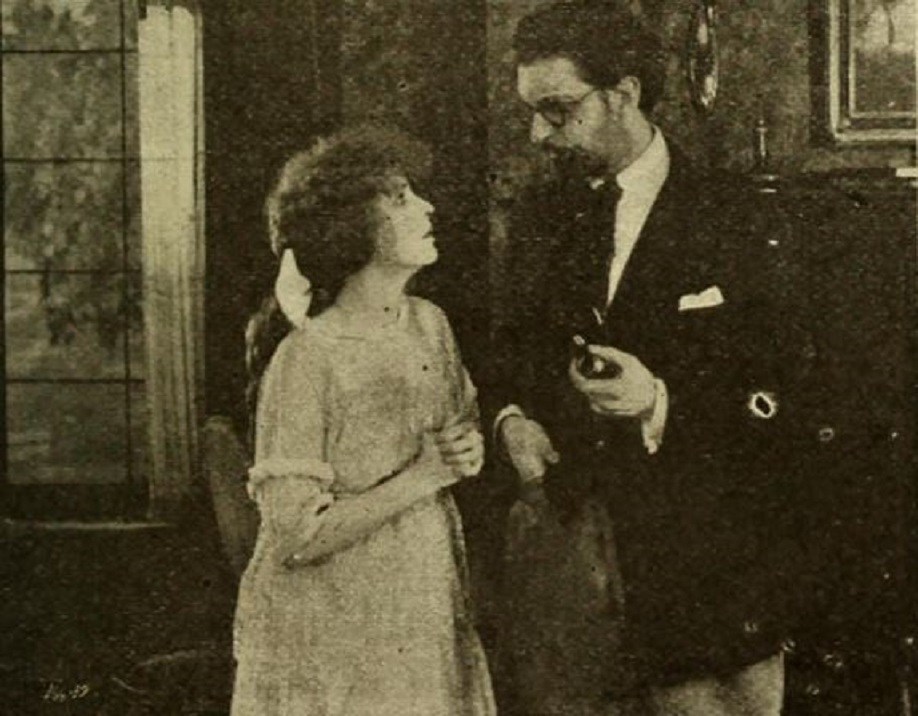
Dir: Frank Reicher
Henry Sherwin has every cent invested in a mine which is apparently valueless. James Fleming, a mine expert, discovers a rich vein of gold in the mine but keeps it secret. Mr. Sherwin dies and leaves Betty, his daughter, in the care of John Kenwood and his sister, Constance who, finding the estate worthless, allows Betty to believe she has an income. She goes to boarding school, lives luxuriously, and when she returns home is shocked to find John and Constance working, so she hires two servants. A frost wipes out the orange crop, their last hope. Fleming proposes to Betty and is refused. Betty tells John he may have all her money, and although heartbroken and discouraged, he is greatly amused. Fleming finally tells Betty her mine is worthless, again asks her to marry him and is again refused. Betty dreams she sees gold pouring from her mine and runs away. Going to the mine she finds Big Jim, and together they search for gold. The boys "salt" the mine and Betty is delighted at her supposed find of gold. She learns of the joke and decides to try her luck at gambling. She stakes her nuggets in a roulette game and loses. Fleming finds her here and takes her in his arms, announcing, just as Kenwood enters, she is to become his wife. As Jim and the proprietor of the gambling house are looking over the nuggets Jim notices a strange one and asks Betty where she found it. She leads him to the mine and he discovers a rich vein, worth a million. Fleming's conspiracy is discovered. John takes Betty in his arms and tells her he has always loved her, and is informed of the discovery of the gold. Her sudden wealth seems in his mind to create a great gulf between them, but she wriggles back into his embrace. She tells him she loves him and asks him to be her husband. He takes her closer in his arms and their happiness is complete.
View Details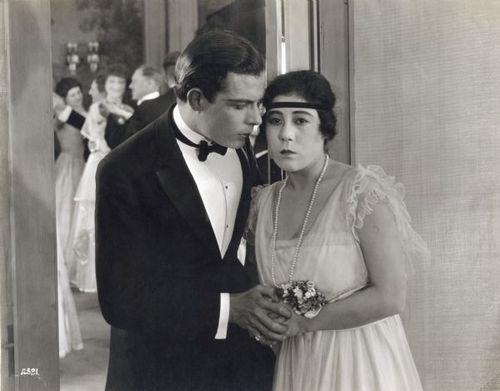
Dir: Frank Reicher
A Japanese maiden is pursued by an unscrupulous American young man who falsely believes her to have great riches.
View DetailsAnalysis relative to For the Defense
| Film Title | Atmosphere | Complexity | Similarity |
|---|---|---|---|
| Castles for Two | Surreal | High | 88% Match |
| The Inner Shrine | Gritty | Dense | 96% Match |
| The Dupe | Tense | Abstract | 88% Match |
| The Eternal Mother | Surreal | High | 85% Match |
| An American Widow | Gothic | High | 87% Match |
This guide was algorithmically generated using the cinematic metadata of Frank Reicher's archive. Last updated: 8/16/2026.
Back to For the Defense Details →