
DbcultAccessing Vault...
Recommendations
Senior Film Conservator
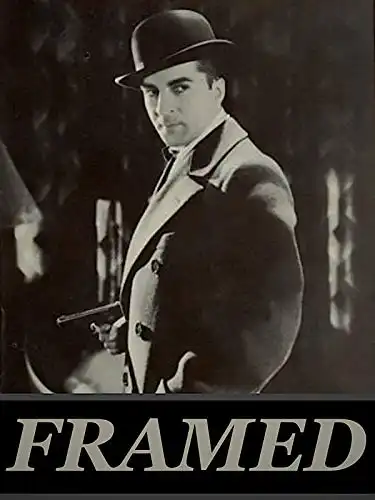
The artistic legacy of George Archainbaud was forever changed by Framed, the thematic layers of this 1930 classic invite a wider exploration of the genre. This list serves as a bridge to other Drama experiences that are just as potent.
The vintage appeal of Framed to reinvent the tropes of Drama cinema for a global audience.
Woman swears revenge against an Inspector who was responsible for her father's death.
Framed was a significant production in United States, showcasing the immense talent of Ralf Harolde, Regis Toomey, Dorothy Vernon. It continues to be a top recommendation for anyone studying Drama history.
Based on the unique emotional resonance of Framed, our vault has identified these titles as the most compelling follow-up experiences for fans of Drama cinema:
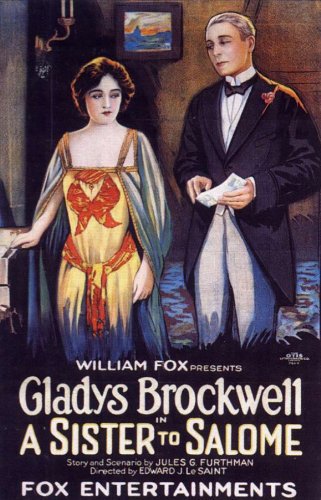
Dir: Edward LeSaint
When famous opera singer Elinore Duane undergoes an operation on her throat, she has a series of ether-induced visions. In one, she is transported to ancient Rome where she appears as a much-admired woman in love with Paul, a young heretic, and at odds with Lutor, the high priest. To save her love, she poisons Lutor with her ring. After several other visions which involve variations on this love triangle, Elinore awakens to discover that Lutor is actually her doctor, Sascha Jaccard, and that Paul is the son of a friend who has come to visit the recovering prima donna.
View Details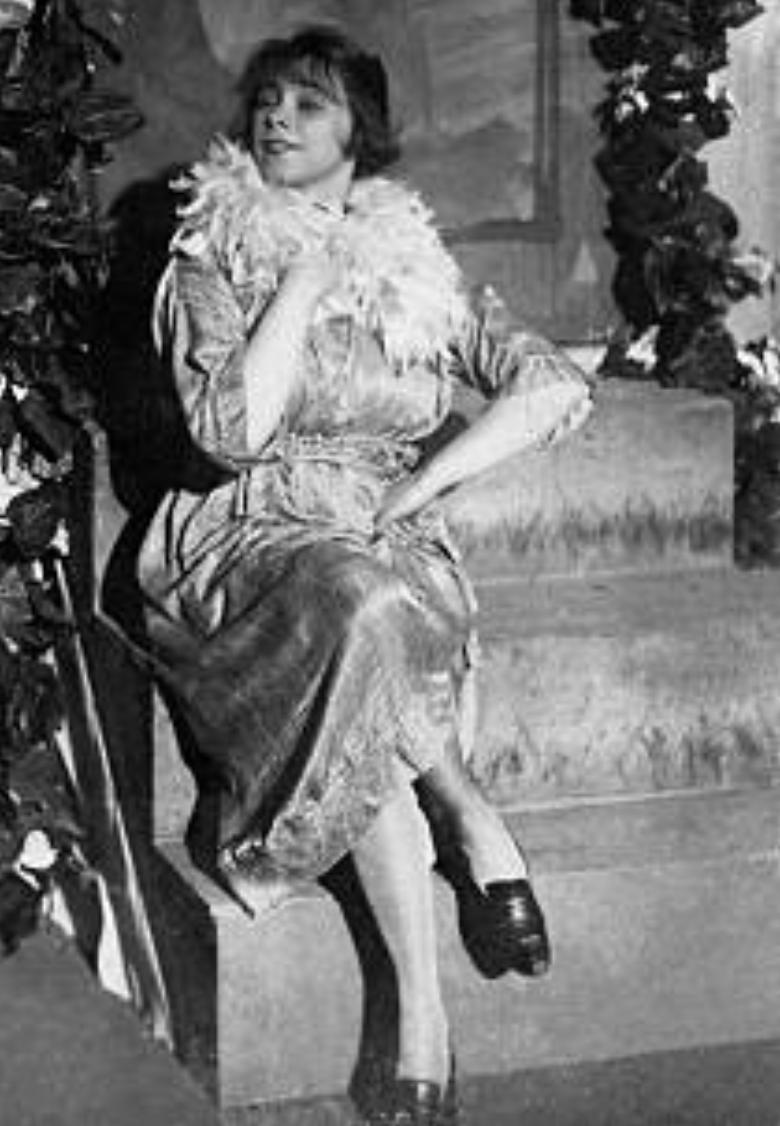
Dir: Bruno Ziener
A fascinating piece of cinema that shares thematic elements.
View Details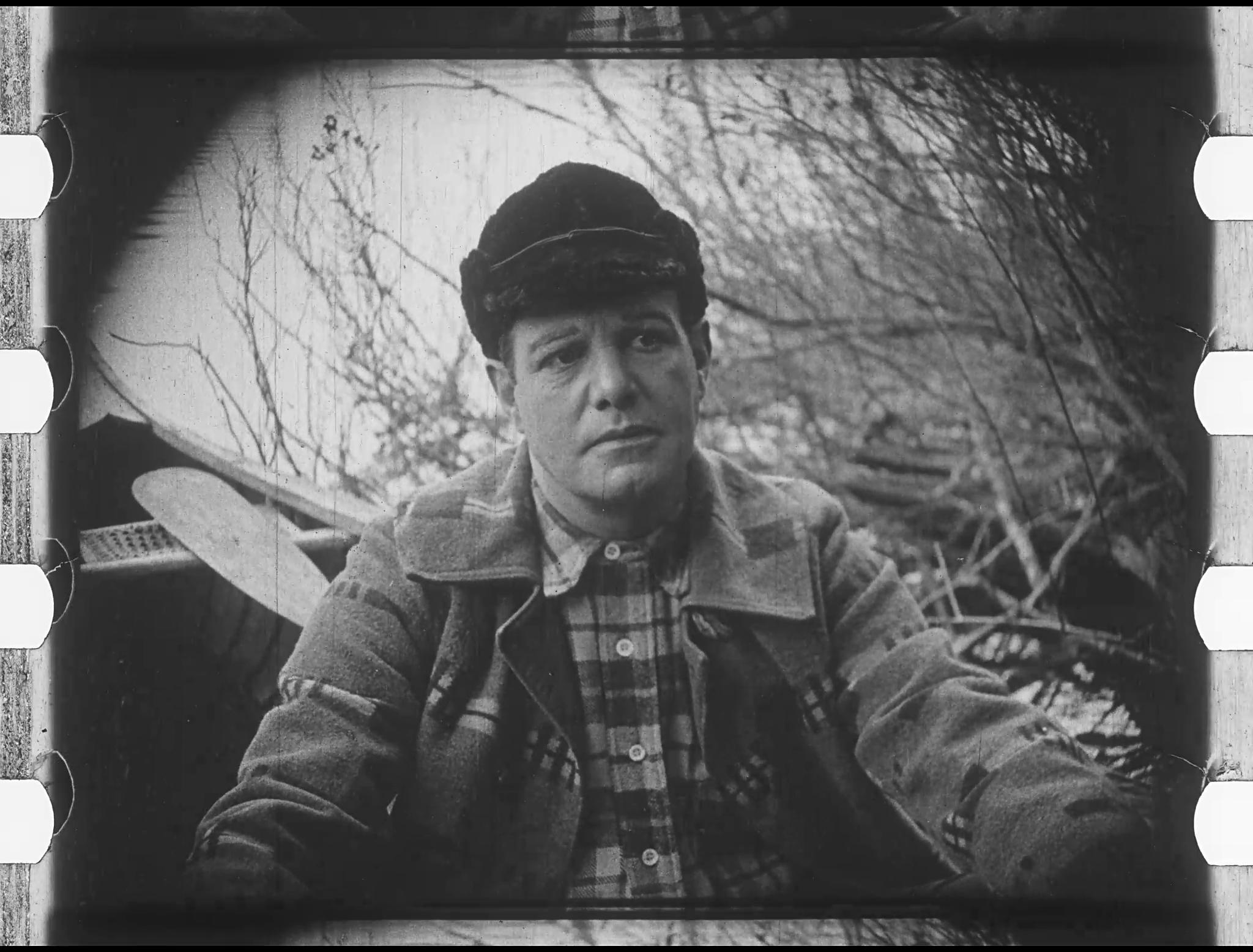
Dir: Edgar Jones
A mail-order bride arrives at a Maine lumber camp but doesn't like her prospective husband.
View Details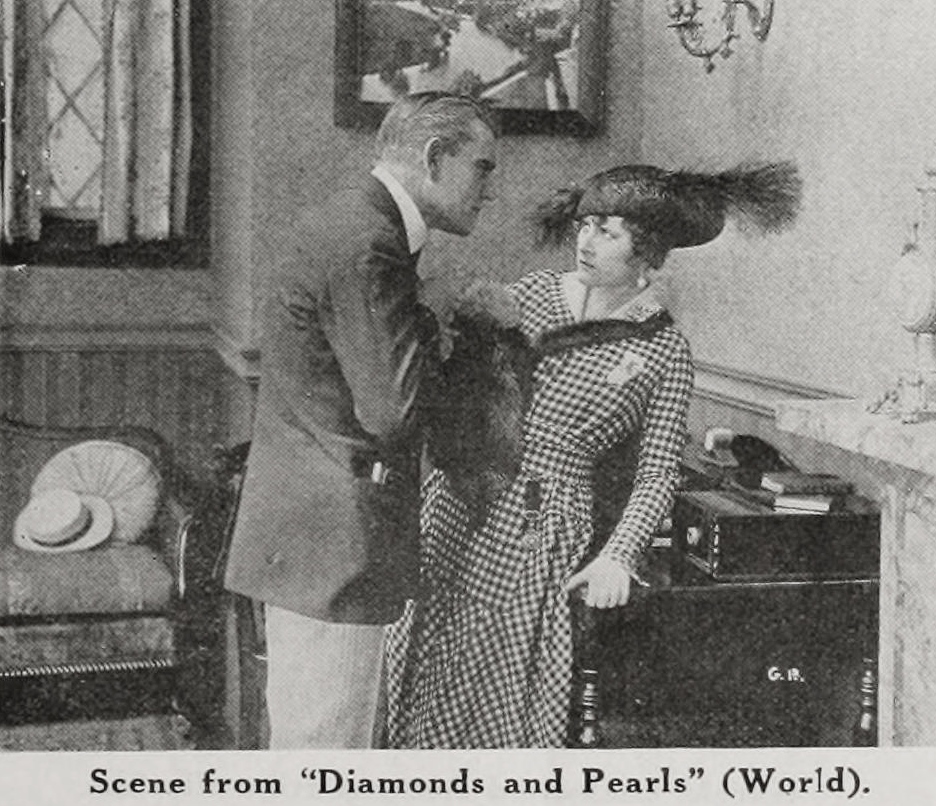
Dir: George Archainbaud
Violetta D'Arcy turns down the proposal of Jack Harrington, whom she believes to be poor, and instead marries the wealthy Robert Van Ellstrom. Her husband's fortune, however, is not sufficient to cover her gambling debts, so she pawns her sister-in-law's jewels and accepts money from Jack's father, who wishes to be introduced into society. When Harrington, Sr. makes improper advances towards Violetta, Robert fights him, and in the struggle, Harrington, Sr. shoots Jack in the arm. Believing that he has killed his son, Harrington commits suicide. Despondent and ashamed, Violetta tries to drown herself, but Robert intercedes and takes her in his arms.
View Details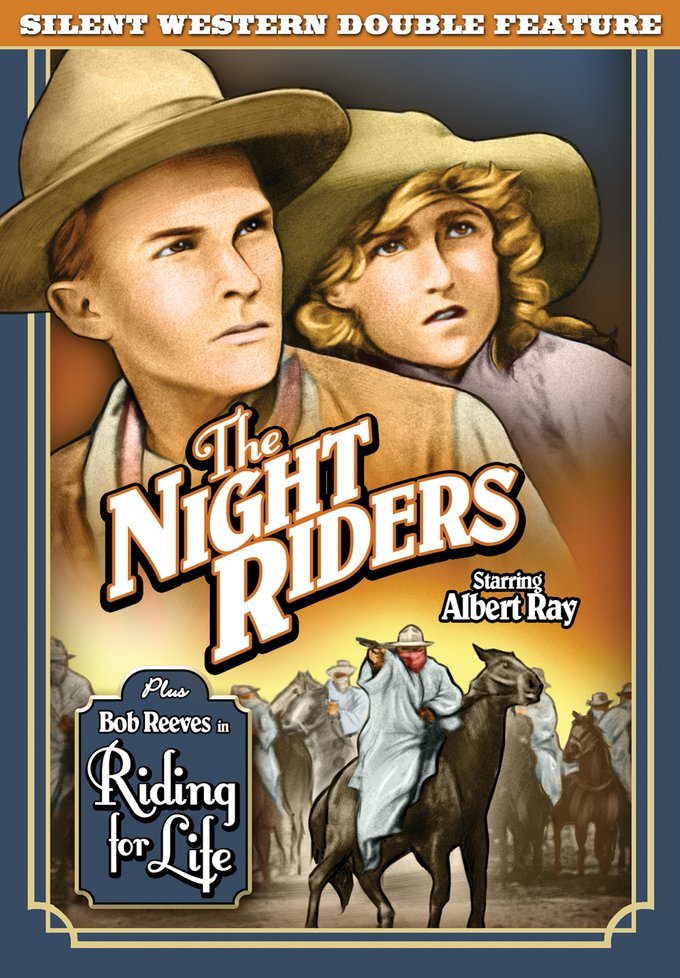
Dir: Alexander Butler
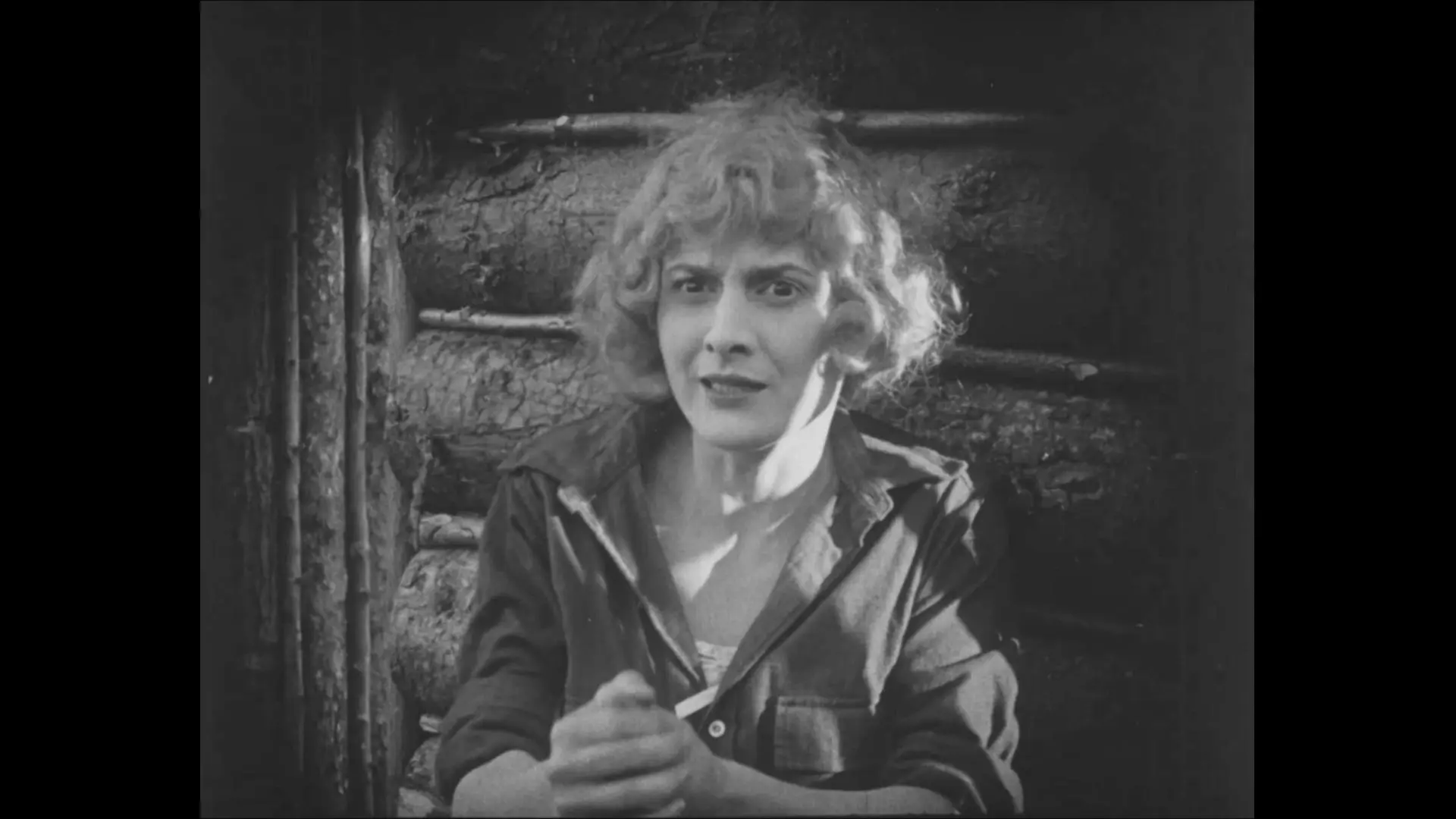
In Alberta, Canada, a Cornish emigrant unmasks a rustler posing as the girl's "blind" father.
View Details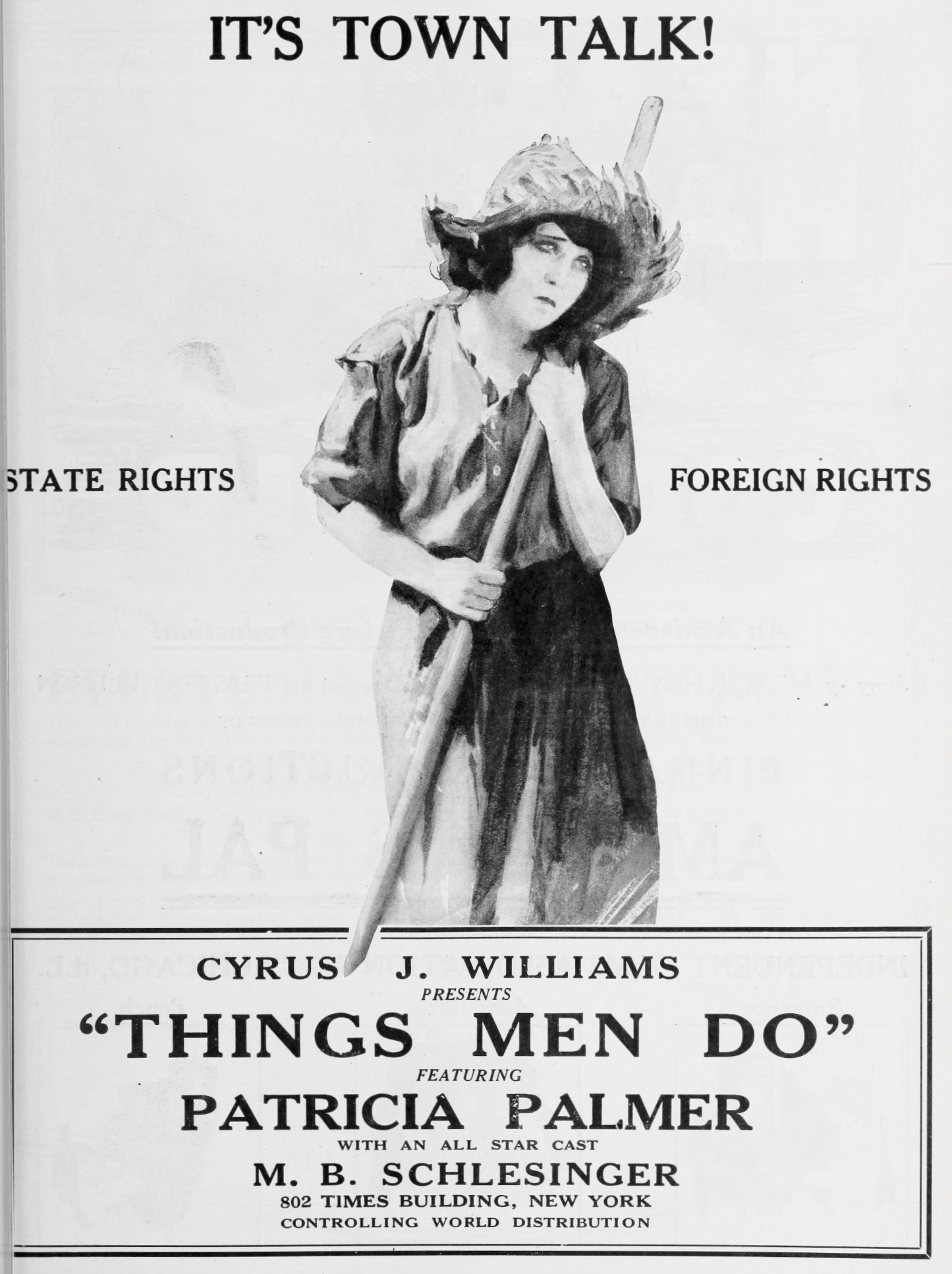
Dir: Robert N. Bradbury
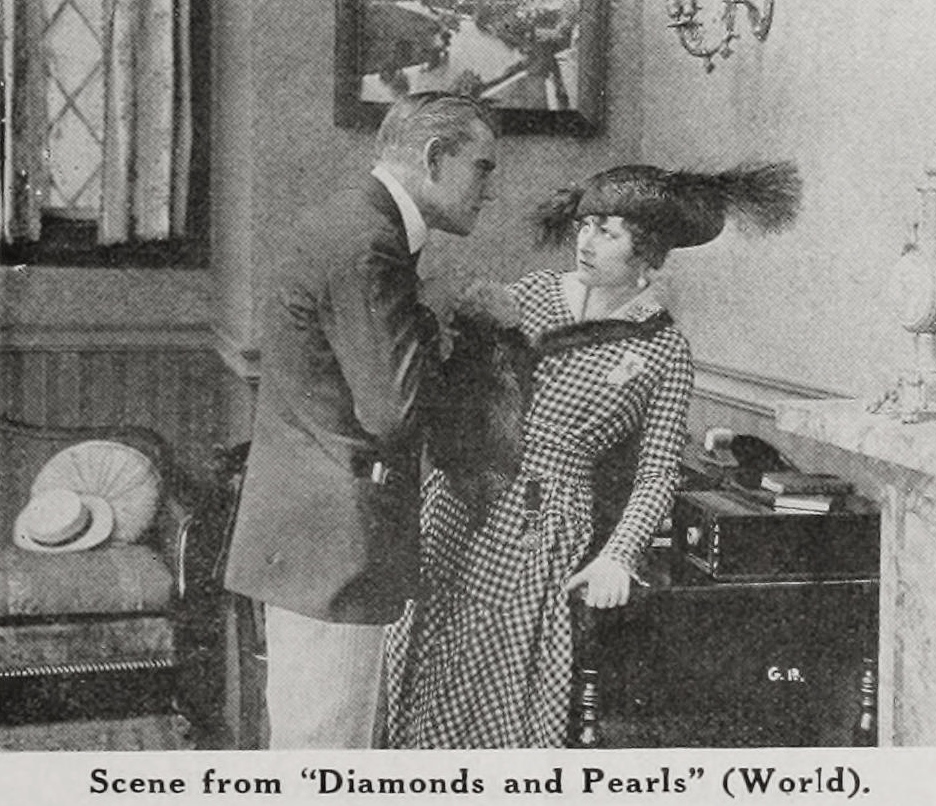
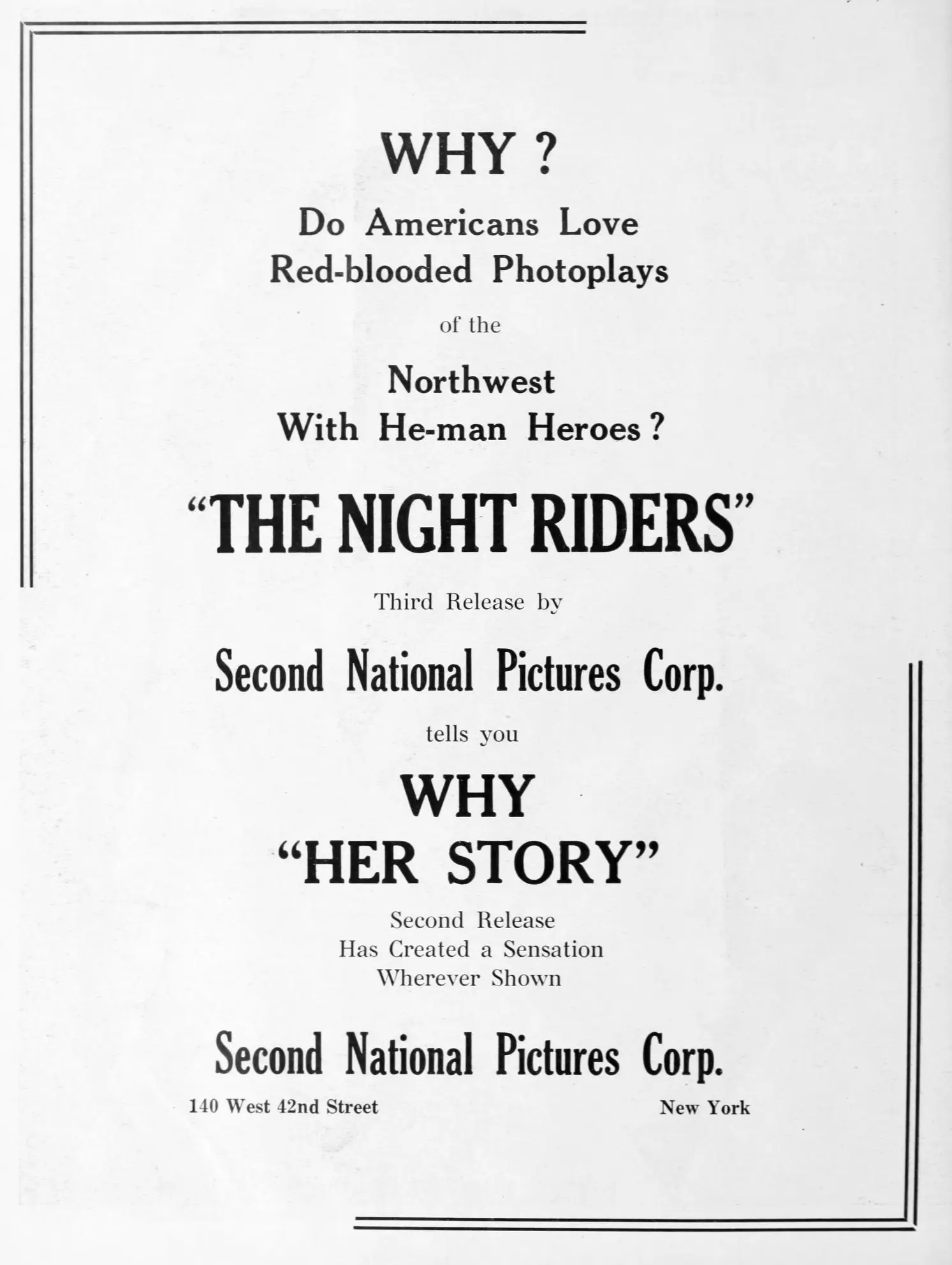
A simple country girl, brutally mistreated by her stepfather, awakens first the sympathy, then the love, of The Boy. The Spider, who lusts after The Girl, makes a bargain with the stepfather and takes her to the city where, kept prisoner, she is soon broken in health and spirit. Cast out and near death, she is taken in by The Boy. Following the demise of The Spider, The Boy takes her to church, where he prays, and after many hours she is restored to health.
View Details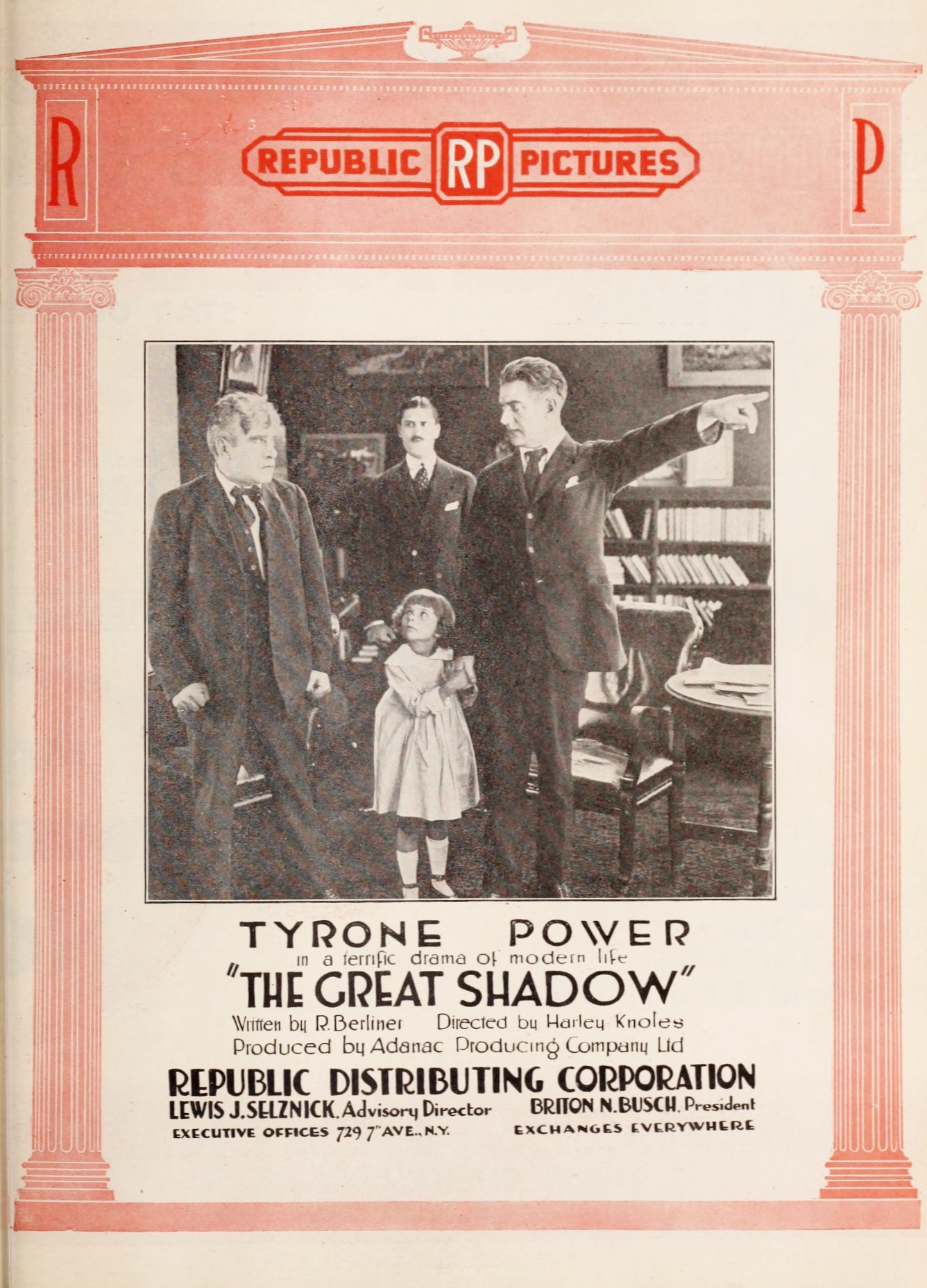
Dir: Harley Knoles
Jim McDonald, the foreman of a shipbuilding plant and head of the labor union, strives to combat the anarchistic propaganda being put forth by Klimoff, the leader of a Bolshevik gang whose goal is to disrupt the country with strikes and anarchy. Despite McDonald's efforts, a strike is called, resulting in chaos. McDonald's child is knocked down by runaway horses abandoned by their striking driver, and dies. Mob scenes take place in America, as well as in Russia. Eventually, the unrest is quelled with an armistice called between Capital and Labor for a year, during which time wages are to be increased to reflect the cost of living, and leaders are to work out a common plan for their mutual advantage. The strikers now realize that they have been pawns of the Bolsheviks and call off the strike, agreeing to the plan.
View Details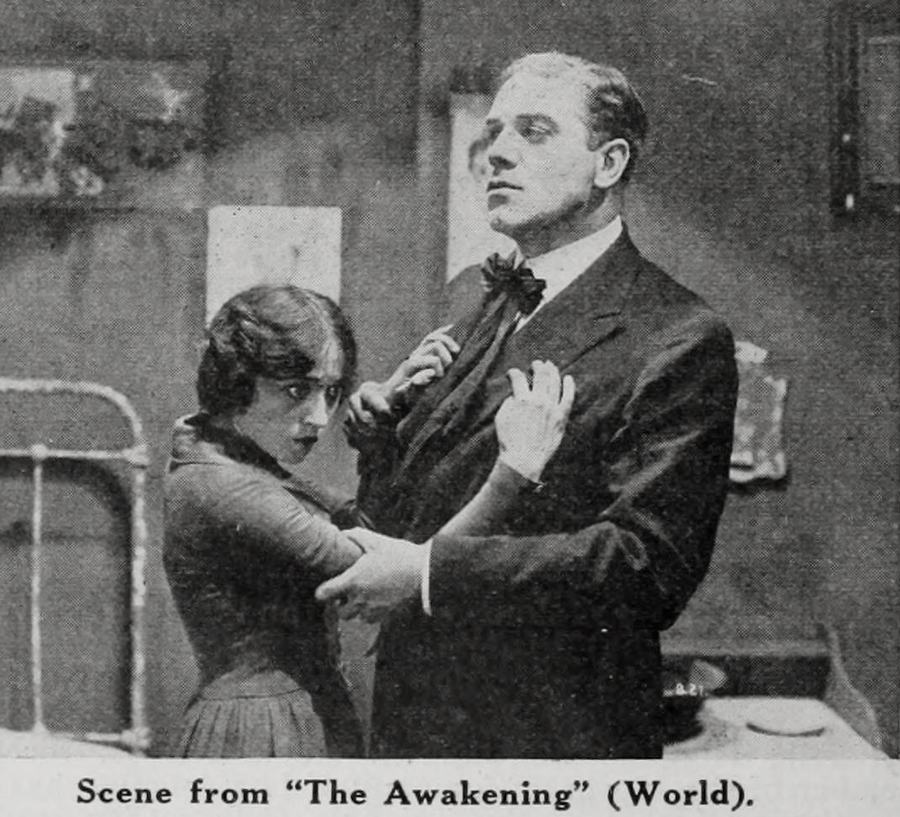
Dir: George Archainbaud
Twenty-five years ago Jacques Revilly was found on the church steps in a small French village. He grows up into a fine strapping young farmer. His abstinence from rough play after his farm work makes him unpopular, he surreptitiously cultivates his skill at painting within the sacred portals of the church. One of Jacques tormentors discover his art attempts, which suggest a new mode of attack, and then his co-workers make an issue of a little delinquency and refuse to stay at the farm unless he is discharged. Jacques, enraged at this injustice, leaves the hamlet forever. Three years later in Paris Jacques is able to produce some very good canvases. His unkempt appearance, his sulkiness and his apparent distaste for the society of his fellowmen have won for him the nick-name of "The Beast." He goes to the Café Brasserie Murger where the artists are enjoying themselves, among them being Horace Chapron, the bully of the Student Quarter. A dance is being planned for the evening, but the girls do not wish to have "The Beast" present. Jacques that night, knowing nothing about the party enters the café and as usual takes his drink by himself. He is invited to join the party by another student named Varny, but says he prefers to be by himself. Toward morning a girl who has been dancing on a table falls from it, landing on Varny, injuring his arm. Jacques takes him home and nurses him back to health. With the recovery of his friend, who joins his old companions, Jacques realizes anew that in this world he stands alone. He goes to a saloon and as he is drinking he prays God to give him the companionship that his soul craves for. On his way home he finds a frail young girl lying apparently dead in the snow. He carries her to his home, confident that his prayer has been answered. Under the careful ministration of his friend, Varny, and the caretaker, the girl convalesces. Her story relates her unsuccessful attempts to find work after her mother's death. Her strength gave out and she fell almost lifeless in the street. Jacques gives her his room, while he goes across the hall to Varny. Through the aid of the caretaker, Marguerite secures a position in Madame Celeste's millinery shop. Jacques begins to take an interest in his physical appearance. One day Prosper, one of the students, announces that he has just seen "The Beast" sober, clean-shaved and neatly dressed. His friends are incredulous, so he says he will prove it. A few days later when passing under Marguerite's window a book comes down on his head, it having been pushed off the window sill by the girl when dusting. Prosper returns the book to Marguerite, and is about to kiss her when Jacques appears. Prosper is ordered out of the place, and tells the students that Marguerite is beautiful and virtuous. Horace, another student, wagers a dinner that she will be his a month from that date, which, by the way, will be the wedding day of Jacques and Marguerite. One month later the students are all assembled for dinner, Jacques, who has not seen his companion for over a month, enters the café and asks if he may join the party, not knowing the nature. Horace then toasts "His Marguerite, who works in Madame Celeste's shop." As there is but one Marguerite in the shop in question Jacques demands that Horace retract the toast. Horace shows her ring which Jacques insists he stole. Horace challenges Jacques to a duel. Jacques rushes to Marguerite's room, where he finds her directing a letter to him. She hands the missive to him. He reads, "You'll never see me again. I am a defiled creature." Jacques bids her leave. He makes his will leaving all to Marguerite. Marguerite begs his friend to get Jacques to finish reading her letter. Jacques consents and so Varney finishes reading the confession of how she had gone home with Madame Celeste who had feigned sickness, was introduced to a man she called her brother, that after drinking her wine she was powerless to move, and next morning she found herself. Jacques resolves to kill Horace. Varny asks Jacques if he will not see Marguerite. He does, but when Marguerite hears that a duel is to be fought begs Jacques not to go, as she is sure he will be killed. Jacques is not to be swerved from his purpose. On the field of honor Horace says that he is in the wrong and wants to apologize. Jacques strikes him in the face. They fire. Jacques is shot, but not mortally and the doctor tells him he will soon be all right. He is carried back to his rooms. There is a reconciliation, and so Jacques at last has his heart's desire.
View Details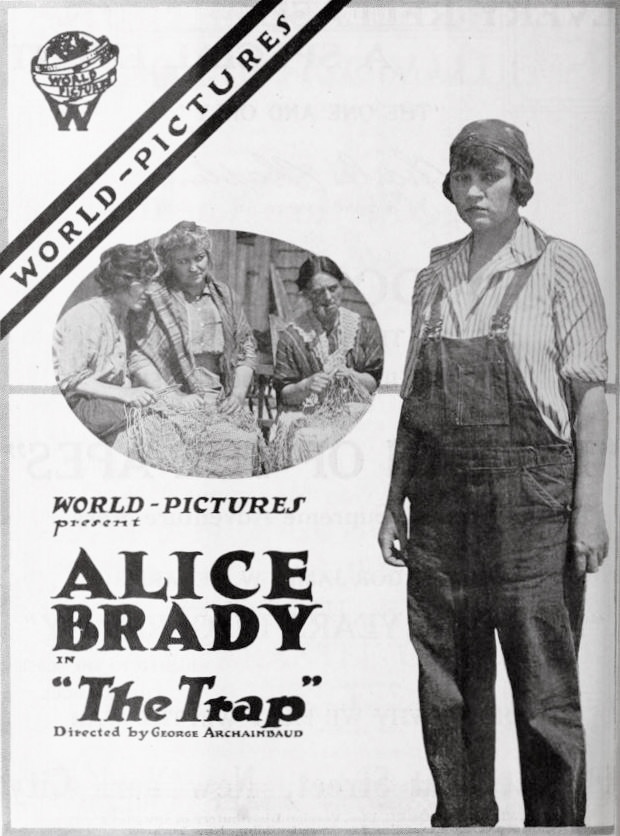
Dir: George Archainbaud
Doris is driven from her small New England fishing village when a jealous admirer implies that her mild flirtation with visiting artist Stuart Kendall was an intimate love affair. Arriving in New York, alone and penniless, Doris finds employment in a Greenwich Village café, where she again meets Stuart and agrees to become his model. Unaware of his true intentions, Doris lives at Stuart's expense and innocently evades his advances. Out West, rancher Jack Masterson sees Doris' face on a poster and journeys East to propose to her. Doris returns his affections, which so angers Stuart that he resolves to prevent the marriage. On the eve of the wedding, Stuart throws a party for Doris, and when the celebration becomes an orgy, he telephones Jack, who arrives and denounces his fiancée. Realizing Stuart's trick, Doris, in turn, denounces him, but Jack overhears their conversation, and the wedding takes place as planned.
View Details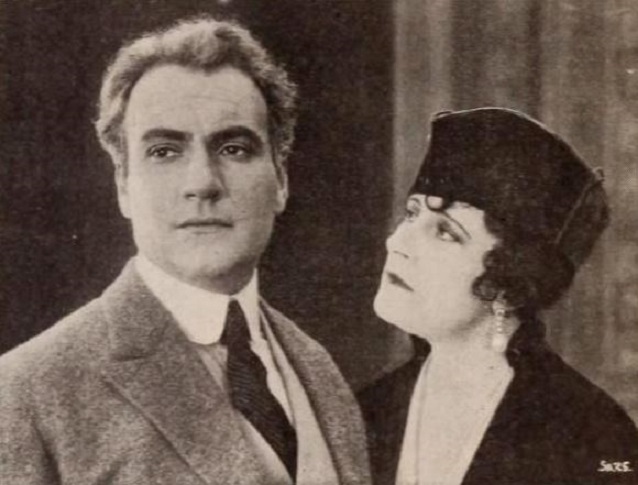
Dir: George Archainbaud
Dr. David Carewe's already unhappy marriage is made worse when his wife Helen's refuses to have children. Helen poses as the wife of gambler Robert Spencer in Europe, while David falls in love with Spencer's wife Madeline. When news reaches David that Spencer and his supposed wife have been killed, he weds Madeline and they have a daughter, June. Helen suddenly reappears, but David renounces her and continues to live happily with Madeline. Eighteen years later, June falls in love with a young man who is revealed as the son of Spencer and a woman to whom he was married before Madeline. Rather than ruin the budding romance, Madeline asks Helen to pose as June's mother, which restores June's name and allows the young lovers to marry.
View DetailsAnalysis relative to Framed
| Film Title | Atmosphere | Complexity | Similarity |
|---|---|---|---|
| A Sister to Salome | Gothic | High | 88% Match |
| Eva, wo bist du? | Gothic | Dense | 86% Match |
| In the River | Gritty | High | 92% Match |
| Diamonds and Pearls | Ethereal | High | 93% Match |
| The Night Riders | Ethereal | High | 96% Match |
This guide was algorithmically generated using the cinematic metadata of George Archainbaud's archive. Last updated: 8/16/2026.
Back to Framed Details →