
DbcultAccessing Vault...
Recommendations
Senior Film Conservator
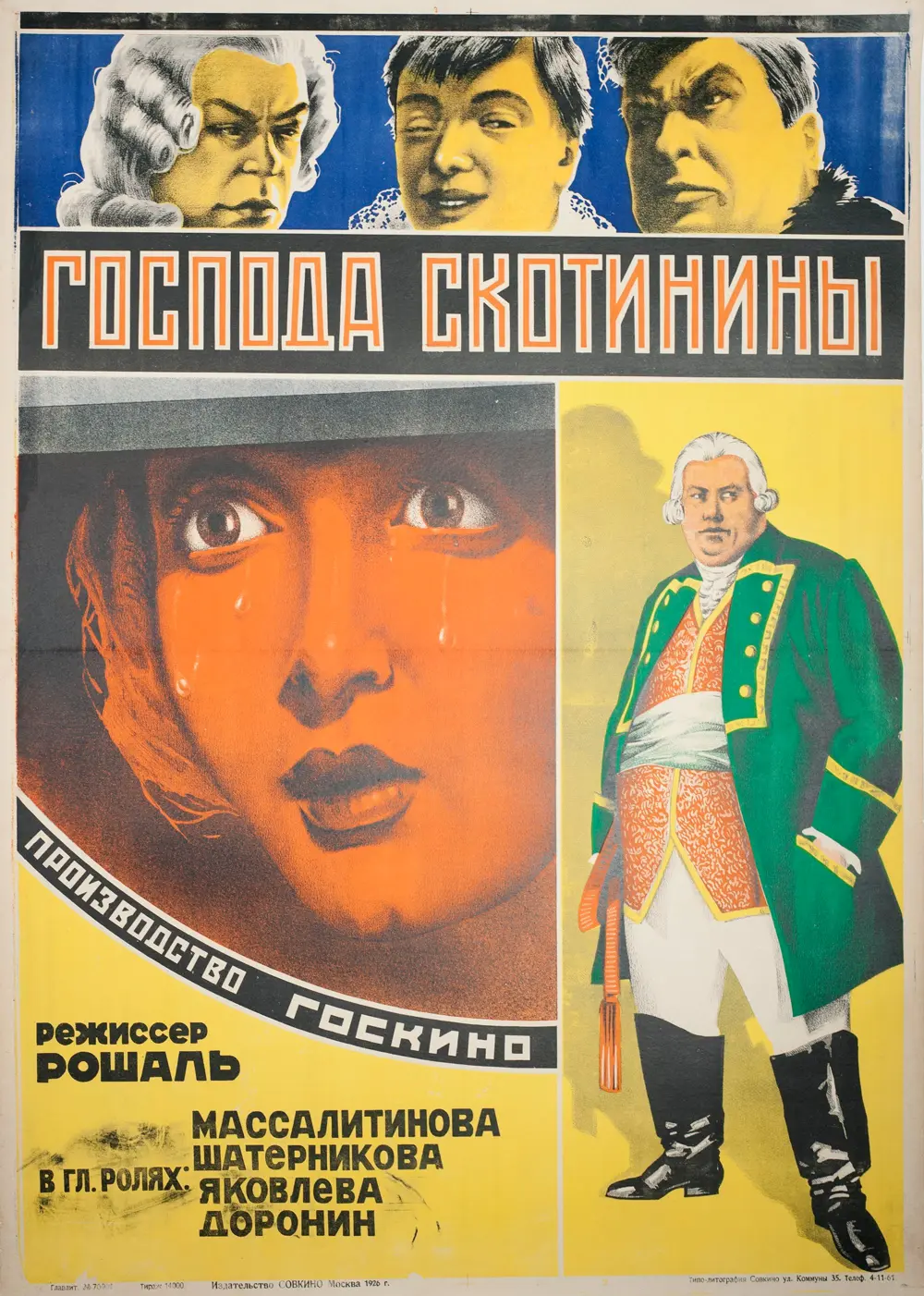
After experiencing the cult status of Gospoda Skotininy (1927), finding other movies that capture that same lightning in a bottle is a top priority. These recommendations provide a deep dive into the same stylistic territory occupied by Gospoda Skotininy.
This 1927 cult classic stands as a testament to challenge the status quo through its avant-garde structure.
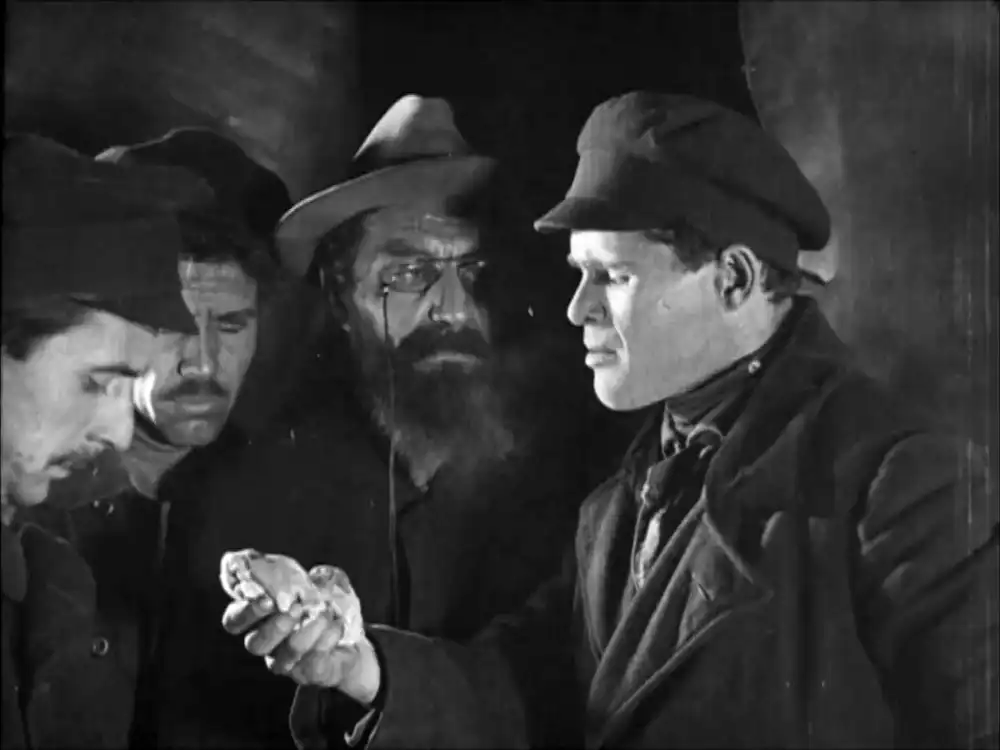
Critics widely regard Gospoda Skotininy as a cult-favorite piece of cult cinema. Its cult status is frequently cited as its strongest asset, solidifying its place in Soviet Union's film legacy.
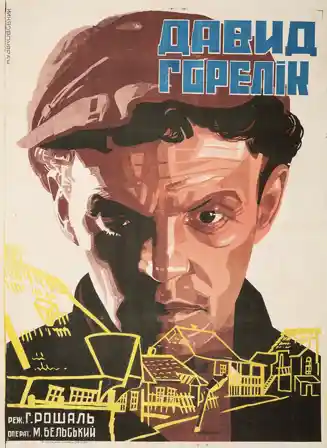
Based on the unique cult status of Gospoda Skotininy, our vault has identified these titles as the most compelling follow-up experiences for fans of cult cinema:
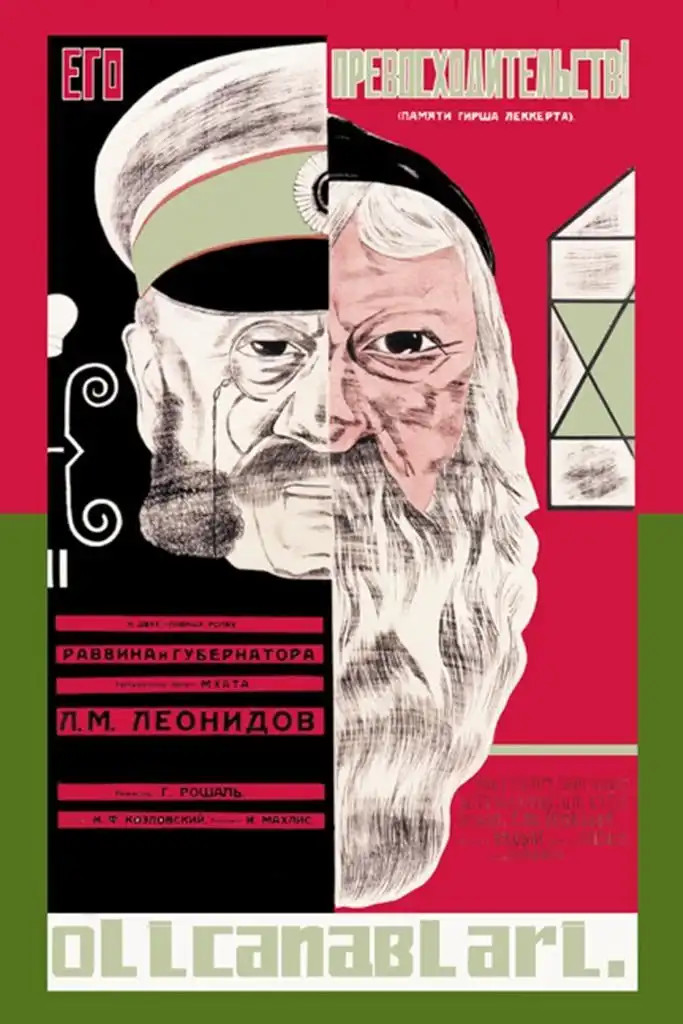
Dir: Grigoriy Roshal
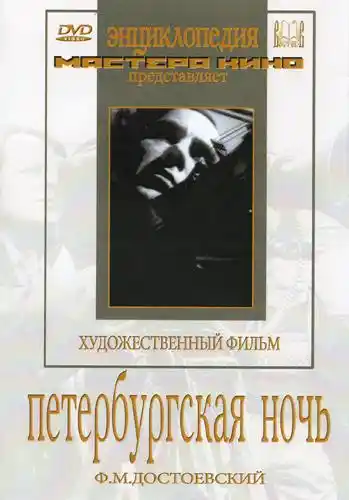
This 1928 film features stylized cinematography and actors from the Moscow Art Theater in a fiction story based on the life of Jewish Labor Bund member Hirsch Lekert who attempted to assassinate the Vilna governor in 1902 to avenge the flogging of workers who participated in a May Day rally.
View Details
Dir: Grigoriy Roshal

A fascinating piece of cinema that shares thematic elements.
View Details
Dir: Grigoriy Roshal
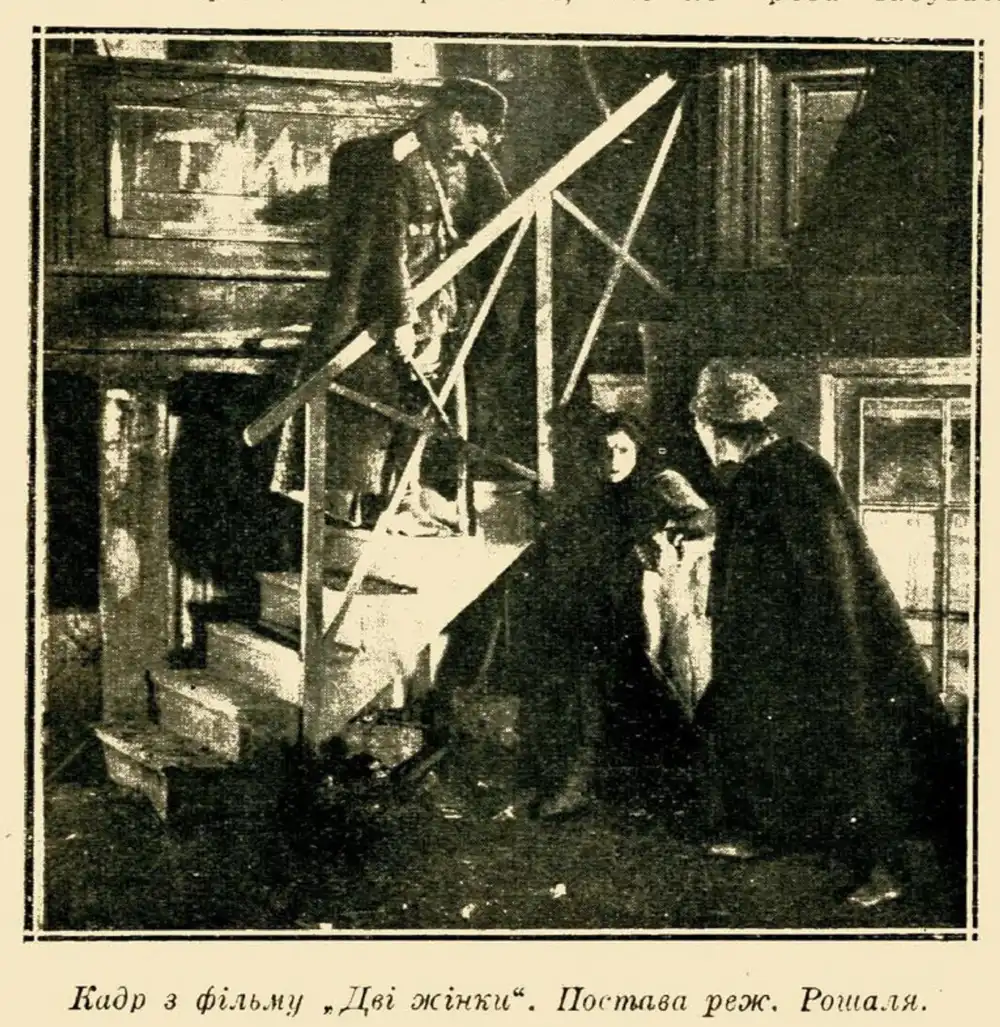
Yegor Efimov, a talented violinist, wants to get to St. Petersburg. Released by the landowner Valemirov, he goes to the capital, but gets stuck in a county town on the way.
View Details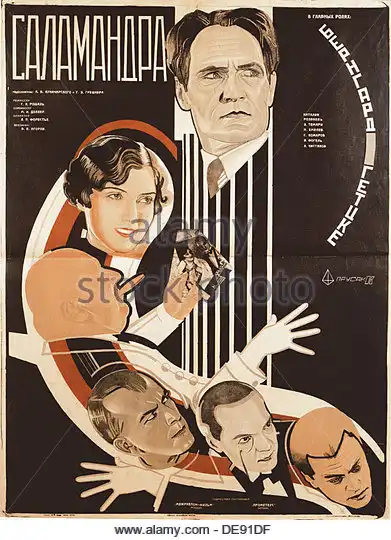
Dir: Grigoriy Roshal
A Socialist Realist distortion of Dr. Paul Kammerer's experiments in the inheritance of acquired character(istic)s -- the (not entirely anti-Darwinian) conjecture that certain changes the environment produces in an individual may spontaneously appear in the next generation. As recounted in Arthur Koestler's The Case of the Midwife Toad (1971), Kammerer (1880-1926) claimed that darkened footpads he had artificially induced in a toad had been passed on to its offspring. When it was discovered that his critical specimen had been injected with ink (though why and by whom is still unknown), his credibility was destroyed and he apparently suicided. Richard Goldschmidt's synopsis of the film in "Research and Politics," Nature (1949), mocks it as Soviet propaganda in support of the inheritance of acquired characters: The importance attached to the subject is revealed by the facts that none other than the then all-powerful [People's] Commissar for [Public] Education, the highly cultured and intelligent Lunacharsky, is the author of the film, that his wife plays the leading lady and that Lunacharsky, playing himself, appears in one scene.... In a Central European University a young biologist (model Kammerer) is working. He is a great friend of the people and endowed with all the qualities of a Communist movie hero. Working with salamanders, he has succeeded in changing their colour by action of the environment. One day the supreme glory is achieved; the effect is inherited. The bad man of the play, a priest, learns of this, comes to the conclusion that the discovery will spell an end to the power of the Church and the privileged classes, and decides to act. He meets at night in a church... with a young prince of the blood whom he had succeeded in having appointed as assistant to Kammerer. (This is obviously a typical job for a German prince!) Here in the dark sacristy the plot is hatched. The prince (or the priest?) proposes to Kammerer that he announce his glorious discovery at a formal University meeting, and the scientist gladly accepts. During the following night the priest and the prince enter Kammerer's laboratory... open the jar in which the proof specimen of salamander is kept in alcohol, and inject the specimen with ink.... [A]t the University meeting... the young scientist... makes a brilliant speech announcing the final proof for the inheritance of acquired characters.... [Suddenly someone] takes out the salamander, and dips it into a jar of water. All the colour runs out of the specimen. An immense uproar starts and Kammerer is ingloriously kicked out of the University as an impostor. Some time later, we see the poor young scholar walking the streets and begging with an experimental monkey which had followed him into misery. He is completely forgotten until one of his former students... succeeds in finding him, finally, completely down and out, in a miserable attic. She takes the train at once to Moscow and obtains an interview with Lunacharsky..., who gives orders to save the victim of 'bourgeois' persecution. Meanwhile, the character of Kammerer has sunk so low that he decides to make an end of it. The very moment he tries to commit suicide, the Russian student returns with Lunacharsky's message and prevents him from taking his life. The last scene shows a train in which Kammerer and the Russian saviour are riding east and a large streamer reads 'To the land of liberty.'
View Details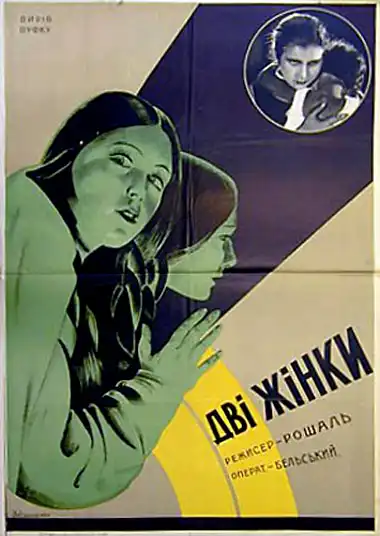
Dir: Grigoriy Roshal
A fascinating piece of cinema that shares thematic elements.
View DetailsAnalysis relative to Gospoda Skotininy
| Film Title | Atmosphere | Complexity | Similarity |
|---|---|---|---|
| Seeds of Freedom | Gothic | Dense | 91% Match |
| A Jew at War | Surreal | Linear | 85% Match |
| Petersburg Nights | Gritty | Linear | 89% Match |
| Salamander | Tense | Linear | 92% Match |
| Dve zhenshchiny | Gritty | Dense | 97% Match |
This guide was algorithmically generated using the cinematic metadata of Grigoriy Roshal's archive. Last updated: 8/17/2026.
Back to Gospoda Skotininy Details →