
DbcultAccessing Vault...
Recommendations
Senior Film Conservator

Exploring the unique vision in Happiness a la Mode is a journey into United States cinema, the thematic layers of this 1919 classic invite a wider exploration of the genre. If the cast impressed you, these next recommendations will too.
With Walter Edwards at the helm, Happiness a la Mode became to reinvent the tropes of cult cinema for a global audience.
Barbara Townsend is so determined that her young husband shall feel quite free from all restrictions, that he gets the that she no longer cares for him, and under the influence of Dorothy, a designing young widow, he at last suggests as their marriage is a failure, he should arrange for a divorces. This comes quite as a shock to Barbara, but she is a clever little woman, and thinks it best to appear to fall in with suggestion. Cause for divorce is carefully arranged, and the first preliminaries are carried out. Then Barbara starts a violent flirtation with her husband, which inflames Dorothy to such a pitch of ungovernable jealousy that Dicky is relieved to find, at the very last moment, that the decree has not been made absolute.
Based on the unique unique vision of Happiness a la Mode, our vault has identified these titles as the most compelling follow-up experiences for fans of cult cinema:
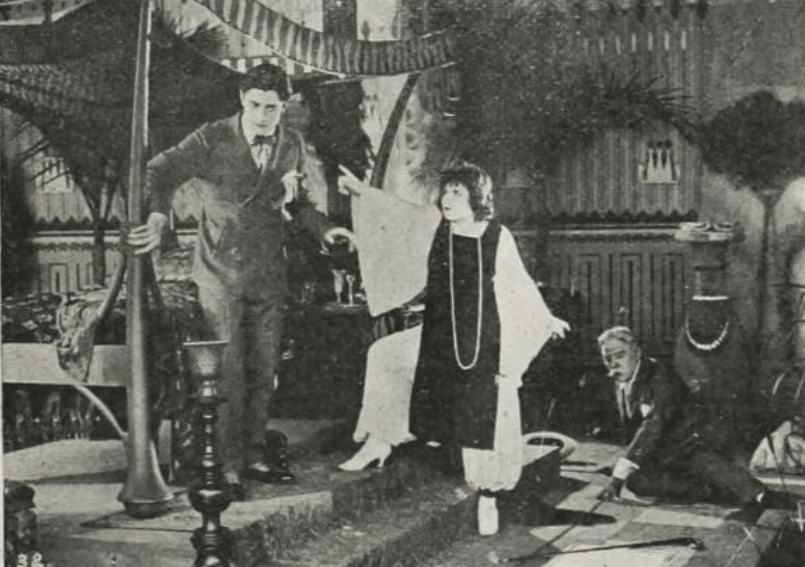
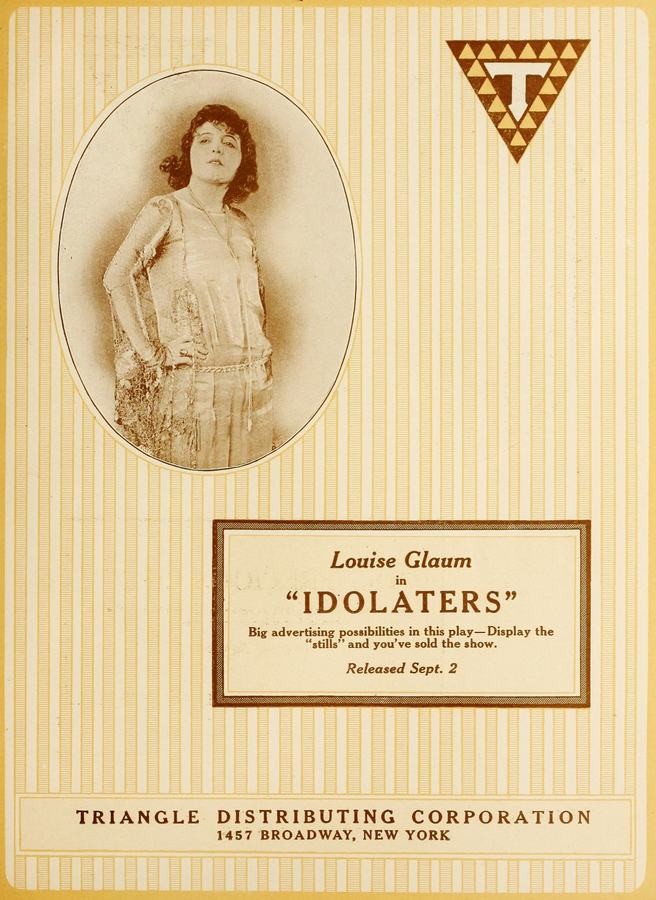
Dir: Walter Edwards
When playwright Curtis de Forest Ralston becomes enamored of actress Viola Strathmore, who is to appear in his play "Vanity," Viola induces him to change certain parts and give her more lines. Curtis, who is not as talented as he thinks he is, fails at his job but is saved by his wife Anita, a former actress who has forsaken her career for marriage. Anita and her old manager, Bruce Winthrope, fashion the play to suit Viola, and "Vanity" becomes a huge success. The play's triumph enlarges Curtis's ego even further, and he deserts Anita for Viola. When the play's financial backer discovers the illicit relationship between the star and author, however, he withdraws his funds and the play closes. Still in love with Viola, Curtis attempts to continue their affair, but she kills him because she blames him for her downfall. Fearful of the police, Viola takes refuge in a tenement, and when they track her down, Viola's faithful Egyptian servant Borul slays his employer rather than let her perish at the hands of the law.
View Details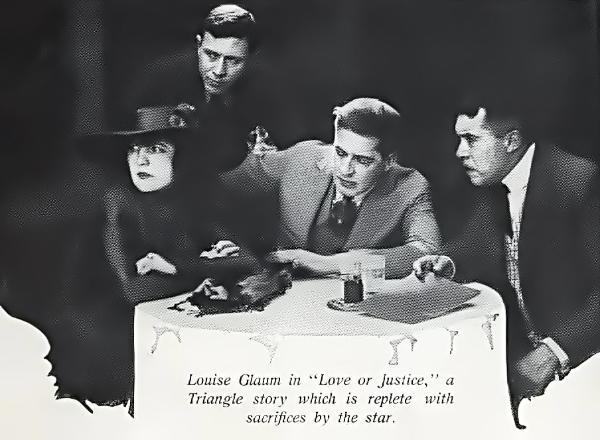
Dir: Walter Edwards
Promising young lawyer Jack Dunn becomes a victim of drugs and loses his standing in the legal world. He passes his idle hours in the slums where he meets underworld figure Nan Bishop, whose influence helps to make a man out of Dunn; with her help he breaks his dependence on drugs and is successful in obtaining a position as a criminal lawyer. Years later, they meet again in a courtroom: Nan has been falsely accused of murder and Dunn is the prosecuting attorney. Learning that Dunn's professional future depends on his winning the case, Nan pleads guilty, but at the last minute, the real criminal is discovered and Nan is cleared of the crime. She then accepts Dunn's offer of marriage and together they look forward to a happy future.
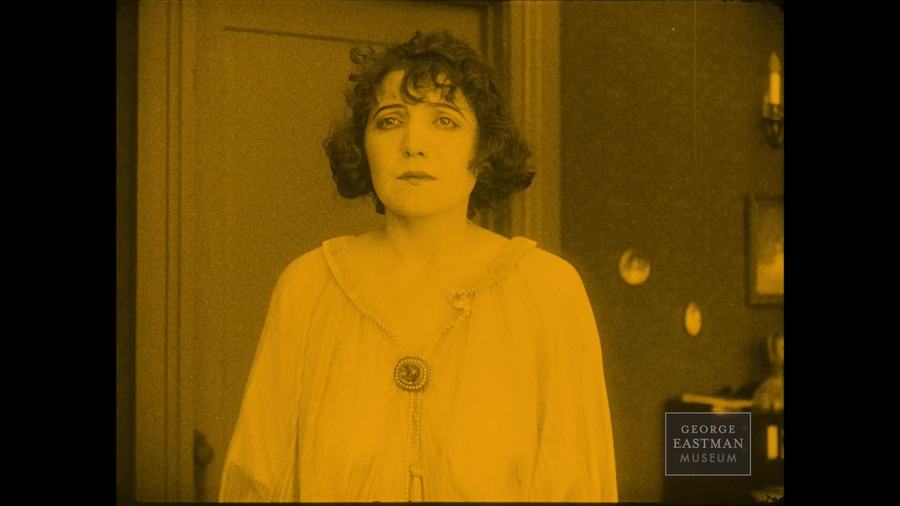
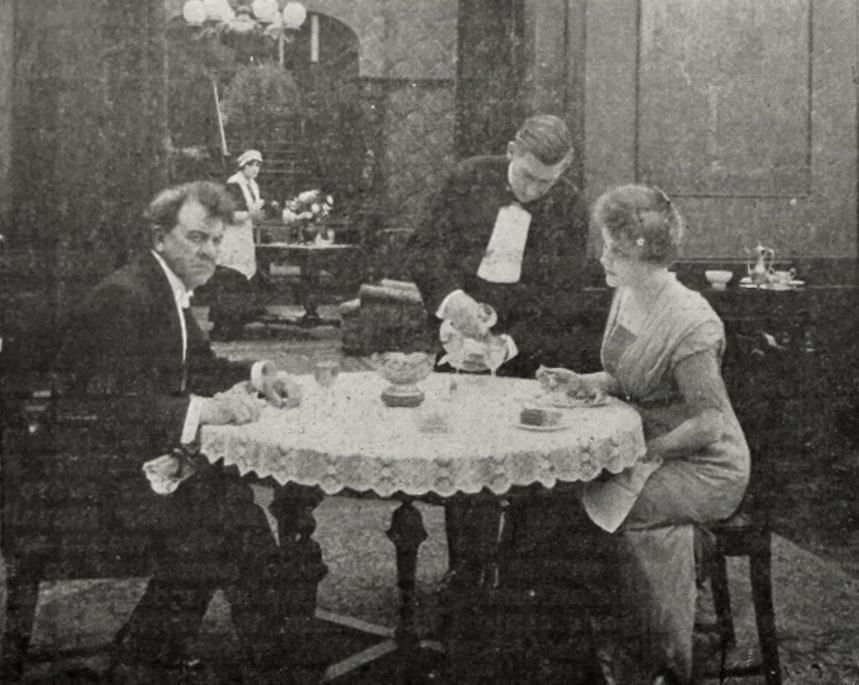
Dir: Walter Edwards
David Waltham is the head of a syndicate, which corners the food supply. His wife hears of her husband's operation and begs him to consider the poor, who will be unable to pay the prices that his monopoly will exact. He is merciless, however. Among those who suffer from Waltham's efforts is an engineer named John Adams. The bank in which his small funds are deposited undergoes a "run" and he loses all his money. He has previously lost his job. The Adams family is reduced to starvation and finally Adams in desperation breaks a window in a bakery and gets away with an armful of bread. He is arrested and is sent up to the workhouse for thirty days. The rent collector comes around, but Mrs. Adams is unable to pay him anything though she slaves over the washboard and her two children assist her. Seeing that the woman is beautiful, the collector gives her some money, telling her to buy her children and herself a square meal. She reluctantly accepts his gift. Little by little she descends until she even appears in a low dance hall with the man. John Adams returns from jail and goes to his humble rooms. There he finds his children in bed. Finally his wife appears in beautiful and expensive clothes. She appears disgusted with the life she leads and wipes the paint off her lips with loathing. Then she suddenly sees her husband, who is staring at her as if in a trance. She is almost hysterical from fright. He grasps her wrists roughly and demands an explanation. She tells him that she has done it for the children's sake. This plea saves her life, but the soul of John Adams is filled with bitterness. Widespread suffering and destitution prevail and bread lines are everywhere in the poorer quarters of the great city. Men and women practice deception to get a little more bread and some get into fights overcome by their own and their children's sufferings. Three desperate men invade the sanctum of David Waltham, but are quelled by his masterful manner and slink away impotently when he tells them that he will call the police if they are not gone in a minute. John Adams gets a job in Waltham's big storage house. A fellow worker points out Waltham to Adams and the latter's rage against the big monopolist is aroused to a high pitch of fury as he thinks of his wife's degradation. Adams blames it all on Waltham. That night he secrets himself in the big warehouse and telephones to Waltham saying that the police are down there, having heard of a secret plan on the part of some of the starving populace to destroy the place. He tells Waltham to leave his auto a block or two away from the building, when he comes, to avoid suspicion. Adams gets Waltham in the building and securely ties him and then leaves him to starve. That he may not be found, Adams surrounds the magnate with a big pile of boxes. In his struggles to free himself, Waltham upsets the towering piles of boxes and they topple over completely burying him.
View Details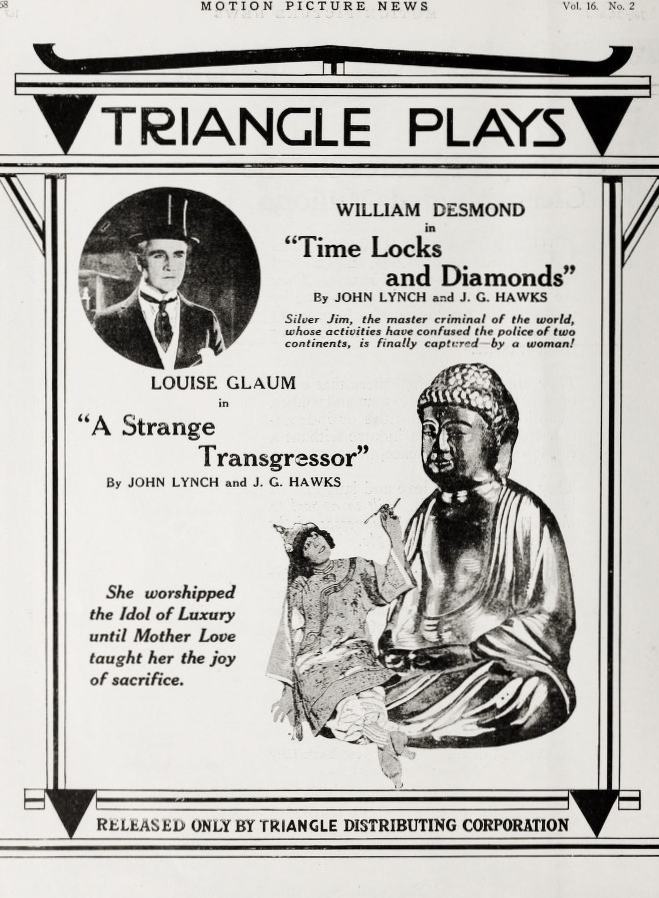
Dir: Walter Edwards
After years on the international crime circuit, "Silver Jim" Farrel shares a comfortable and honest suburban life with Marjory, his sister, until word comes that an old friend from his thieving days is in desperate need of cash. To save his bankrupt friend from jail, Jim reluctantly executes a jewel heist, being careful not to involve Marjory or his sweetheart, who know nothing of his past, in the scheme. When Edgar Seymour, the son of the robbed jeweler, attends Marjory's wedding, Jim prevents him from exposing him on the spot only by jabbing a gun into his back during the proceedings. After the ceremony, Jim returns the jewels as promised, avoiding reprisals from the senior Seymour by reminding him of the time when he swindled Jim and caused him to serve time in prison for someone else's crime. With the help of a sliding trick door and a conveniently placed safe, "Silver Jim" escapes police detection and returns to his quiet, honest existence.
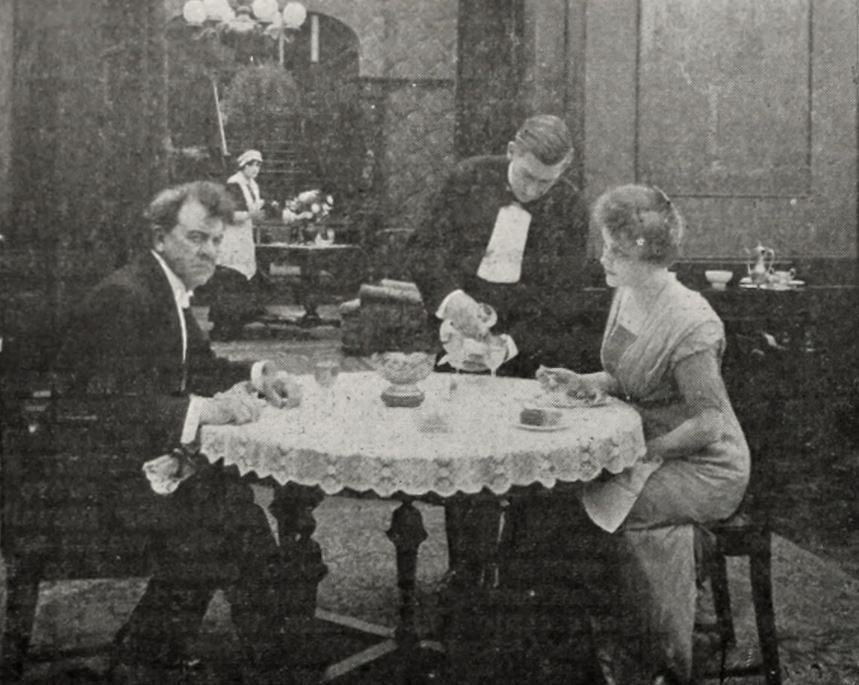

Dir: Walter Edwards
After discovering her husband Roger has been unfaithful to her, Angela De Haven sets out to make all men pay for his deceit. Roger, despairing of ever winning back his wife, sails for the South Sea islands and is lost during the voyage. Meanwhile, Angela establishes a salon where prominent men vie for her attentions. One of the members of her court, Bragdon Brant, controls the Bob Cat mine, but not the railroad extending to it which is owned by Bob Spalding. Brant sends Angela West to buy the controlling interest in the railroad and she meets Bob, who falls in love with her. Angela refuses to marry him and flees after securing control of the road through Bob's partner, Durant. She returns to New York, intent upon ruining Brant, but is prevented from carrying out her plans when Bob appears and forces her to realize the destructive path that her life has taken. Angela then restores the railroad shares to Bob, and thus reconciled, they travel West to spend the rest of their lives together.
View Details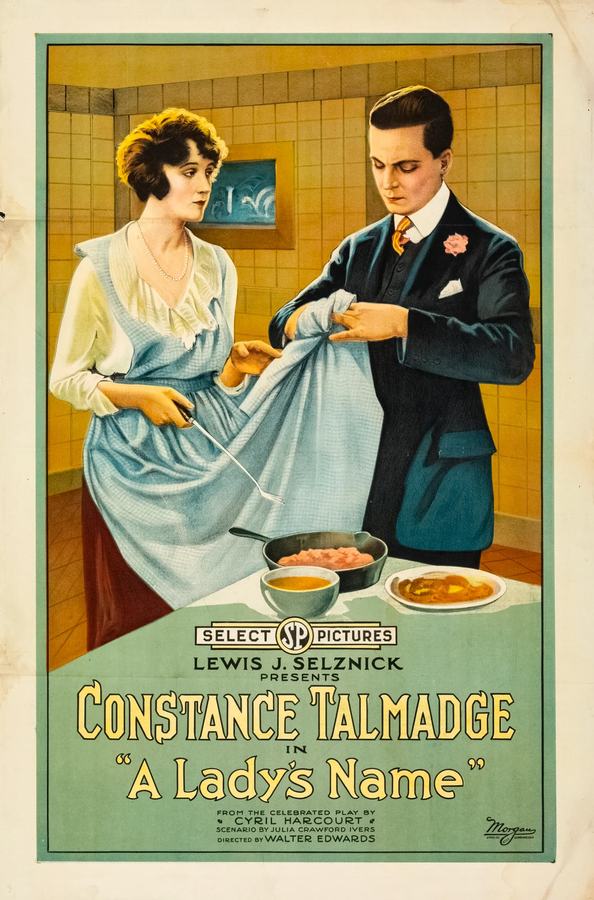
Dir: Walter Edwards
Bright young novelist Mabel Vere is engaged to Gerald Wantage, a prig who angrily objects when she advertises for a husband in order to elicit ideas for her new book. Mabel's roommate, Maud Bray, a physical culture expert, frightens away the less desirable suitors, while the writer responds to the more interesting letters, and soon becomes embroiled in a number of adventures. One of her applicants is a butler, whose employer, Noel Corcoran, also has answered the ad. Noel informs Mabel that Gerald has bet the other members of his club that she will answer no more letters. Angered, she responds to several particularly lurid ones, after which she and Gerald break off their engagement. Having fallen in love with Mabel, Noel proposes and is accepted.
Dir: Walter Edwards
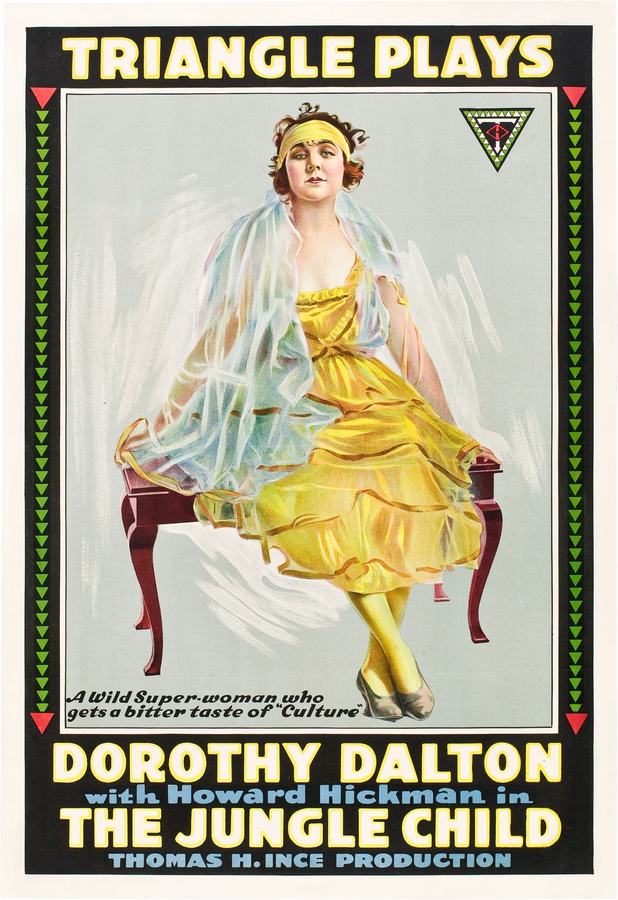
After her family dies in the jungle, Ollante is raised by Brazilian Indians, and, from her rugged lifestyle, she grows into a woman of uncommon strength and courage. Then, she rescues Ridgeway Webb, an explorer lost in the wilderness, and he soon discovers, through papers left on Ollante by her parents, that she is worth a fortune. As a result, the unscrupulous Ridgeway starts courting Ollante, and after she has fallen in love with him, he marries her and brings her to New York. At a society party, however, which Ridgeway turns into a drunken orgy, Ollante hears her husband boast of his cunning in catching a millionaire for a wife. Suddenly aware of his motives, Ollante takes off her American high society outfit, puts on her jungle costume, and strangles Ridgeway.
View Details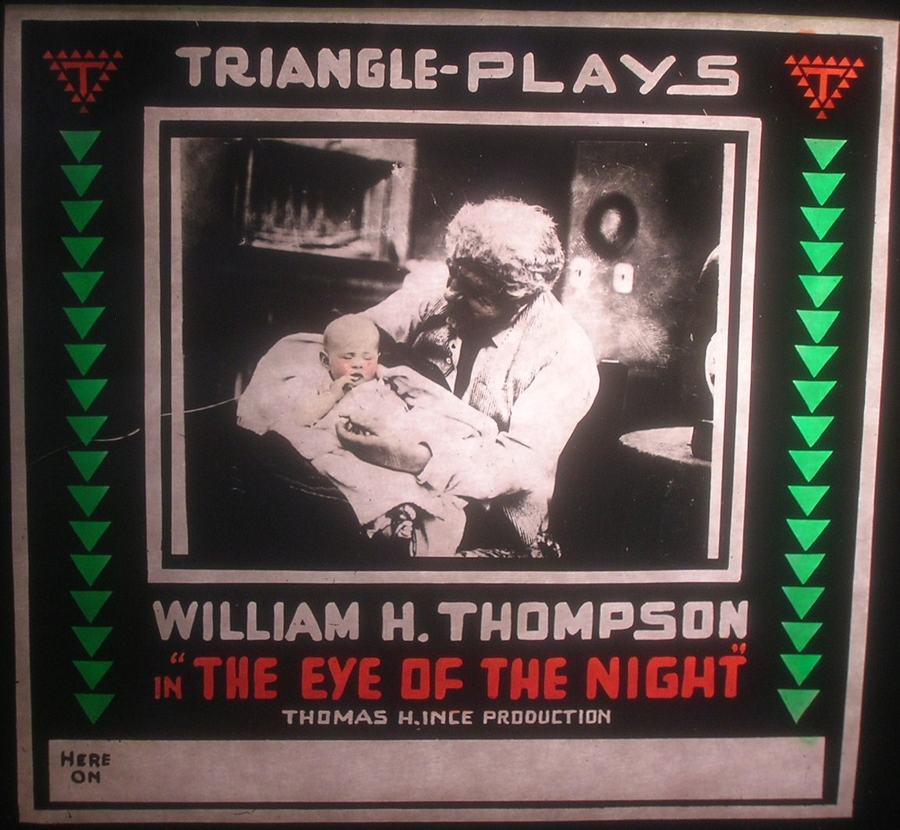
Dir: Walter Edwards
Jane is a comely little slavey in a fishermen's village. The only two friends she has among all the inhabitants are David Holden, the aged keeper of the lighthouse, "The Eye of the Night," and Rob Benson, a young fisher lad whom she has loved with all her heart. Rob and Jane were to be married as soon as the lad could save enough to build them a little nest by the sea. But then the war broke out and Rob was the first to volunteer. Jane whispered a secret to him the day he was to leave that all but made him back out, but, like everyone else, Rob thought the war was to last only a few days and then he would be back in plenty of time, but he wasn't, and one day a nameless little waif was born in one of the big hospitals in London. In her despair Jane turned to the only friend she had, aged David Holden, and determined to ask him to take her baby and be its father. David Holden not only takes in the baby but the mother as well, to the resulting indignation of the narrow-minded townspeople, who first demand that Jane be driven out. When David refuses, they manage to secure his dismissal as keeper of the light. And so David, with Jane and the baby, move into the little cottage David has built from his savings and prepare to live out their lives. While readjusting their lives in the new home, Jane discovers that her mother was David Holden's wife and that her only protector was really her father. But David Holden's wife had run away and left him for another man years and years before and he does not give the girl, his daughter, a chance to make known her discovery to him, simply dismissing the subject of the woman the girl knew to be her mother with a word and a gesture. But Jane cherishes the secret. War comes close to the little hamlet in which David Holden and his two wards live. One night aeroplanes fly over it, dropping bombs as they sped past. One bomb wrecks the lighthouse. All the village knew that an army transport bearing wounded was making for their port. When David sees the lighthouse wrecked, he determines to guide the ship through the narrow entrance to the harbor at all costs. He deliberately sets fire to his cottage to serve as a beacon to guide the mariners. The boat reaches the harbor safely, thanks to David, and the next morning, among the first of the wounded to come from the vessel is Rob Benson. His reunion with Jane follows immediately and the tardy marriage ceremony is immediately performed. And then Jane, her own name cleared, tells David Holden that she is his daughter.
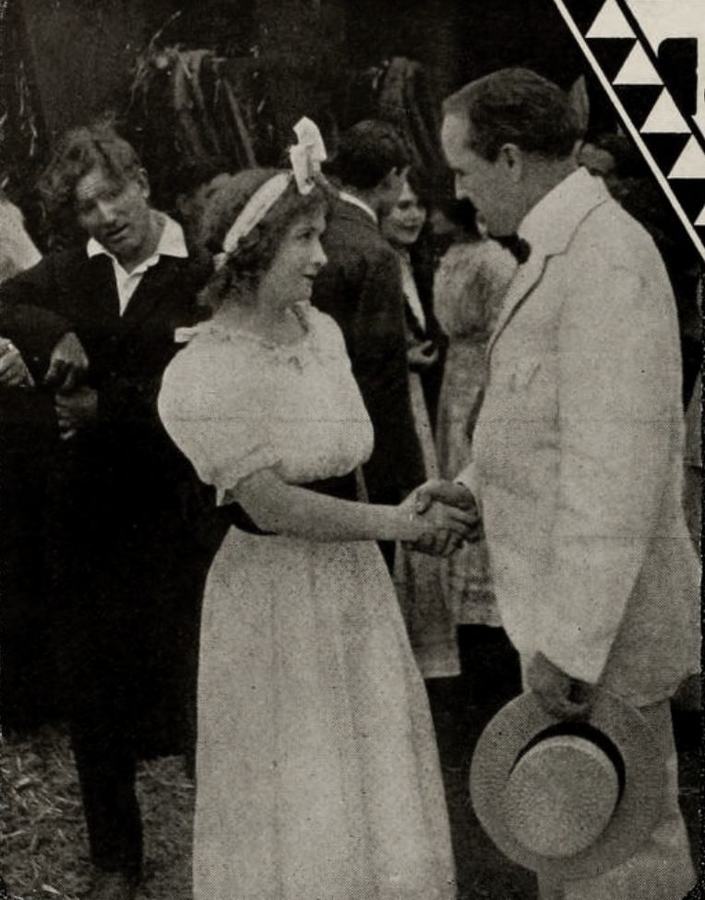
Dir: Walter Edwards
After building a financial empire, Frederick Mallery feels chained to his wife Winnie, who stood by him during the years of poverty. As a result, he offers Warren Woods, a down-and-out former playboy, $50,000 to seduce Winnie, so that he will have an excuse for a divorce. Warren works hard at his job, but instead of weakening Winnie's devotion to Frederick, he himself falls in love with her. Needing the money, however, he boasts to Frederick of having seduced Winnie. Suddenly, Frederick becomes jealous, and after calling off the deal with Warren, he goes to Winnie and tells her that he loves her.
View Details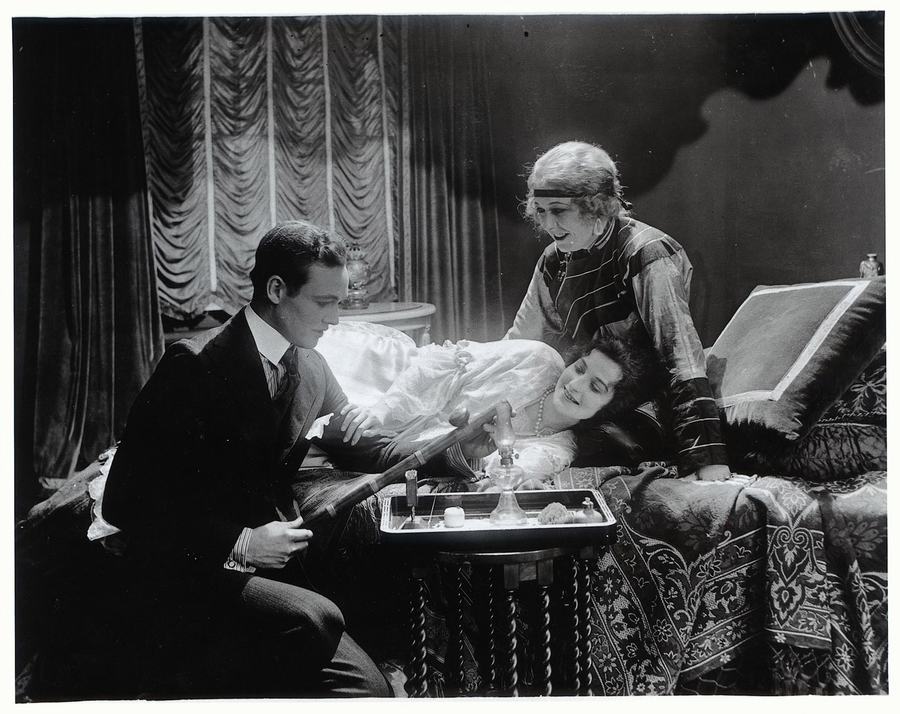
Dir: Walter Edwards
Wealthy John Steele has a handsome young son, Frank, on whom he pins his hopes. But riches lead Frank not into social standing and duty, but into depravity, drug-addiction, criminal activity, and finally to tragedy.
View DetailsAnalysis relative to Happiness a la Mode
| Film Title | Atmosphere | Complexity | Similarity |
|---|---|---|---|
| Idolators | Surreal | Linear | 93% Match |
| Love or Justice | Gritty | Linear | 88% Match |
| The Corner | Gothic | High | 97% Match |
| Time Locks and Diamonds | Tense | High | 90% Match |
| The Fuel of Life | Gritty | High | 97% Match |
This guide was algorithmically generated using the cinematic metadata of Walter Edwards's archive. Last updated: 8/17/2026.
Back to Happiness a la Mode Details →