Summary
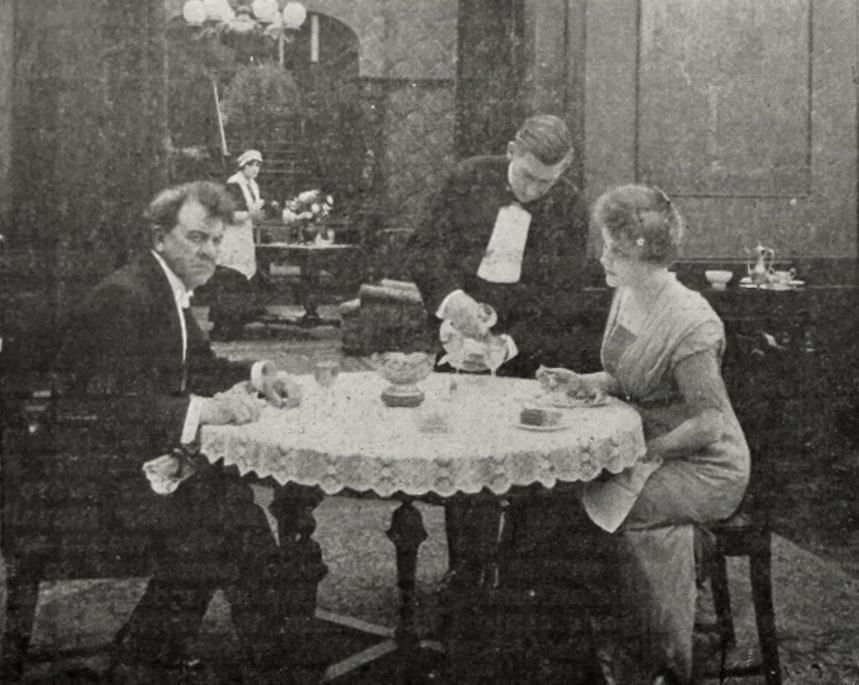
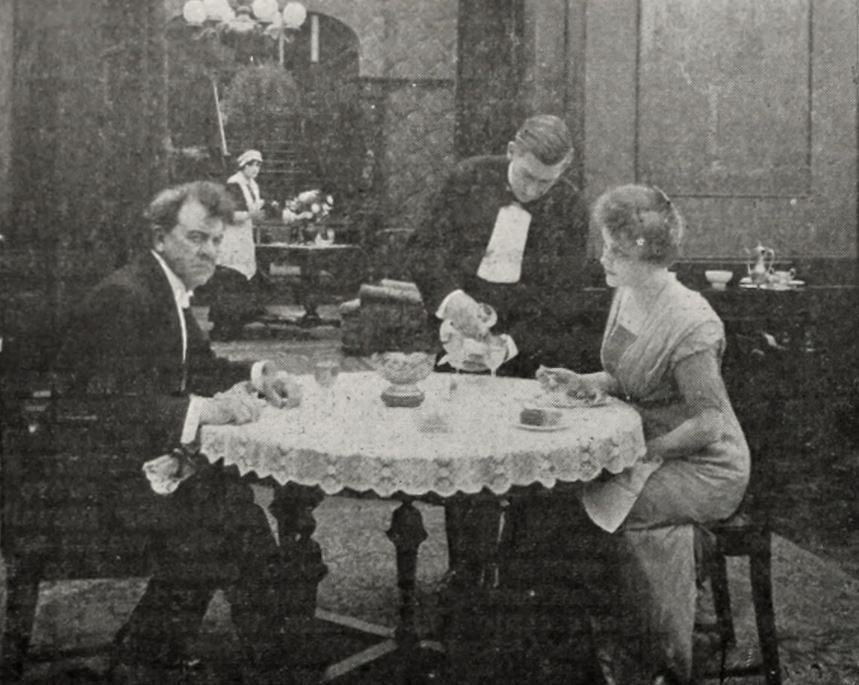
The narrative unfolds in a stark, unforgiving urban landscape, gripped by the machinations of David Waltham, a ruthless magnate who has systematically seized control of the vital food supply. His calculated monopoly plunges the populace into a harrowing abyss of destitution, a plight his own wife recognizes with a desperate, unheeded plea for compassion towards the suffering masses. Amidst this economic tyranny, we encounter John Adams, an engineer whose life is violently upended. A bank run obliterates his meager savings, compounding his earlier job loss. The Adams family, once stable, is rapidly propelled into the throes of starvation. In a moment of sheer, primal desperation, Adams shatters a bakery window, absconding with a meager armload of bread, an act that swiftly lands him in the workhouse for a month.
During his incarceration, the rent collector arrives at the Adams' humble abode. Mrs. Adams, despite her arduous toil at the washboard, cannot meet the payment. Observing her striking beauty and dire circumstances, the collector extends a monetary "gift," ostensibly for her children's sustenance. This seemingly innocuous act marks the beginning of a grim descent. Gradually, inexorably, she finds herself entangled in a lifestyle of moral compromise, culminating in her appearance in a "low dance hall" alongside the very man who offered her that initial, poisoned charity.
Upon John's return from the workhouse, he finds his children asleep in their impoverished rooms. His wife eventually appears, adorned in expensive, unfamiliar attire, her face painted. A moment of self-loathing prompts her to wipe away the makeup, a gesture of profound disgust for her new existence. It is then she spots John, a silent, transfixed sentinel. Terror grips her. He seizes her wrists, demanding an explanation. Her anguished confession—that her degradation was "for the children's sake"—spares her life, yet irrevocably poisons John's soul with an enduring bitterness.
The city itself groans under the weight of widespread suffering. Bread lines stretch endlessly, scenes of desperation where individuals resort to deception or violence, driven by their own and their children's hunger. Three desperate men attempt to confront Waltham, but his imposing demeanor and threat of police intervention quickly subdue them.
Fate, in its cruel irony, leads John Adams to employment in Waltham's vast storage facility. A fellow worker's casual identification of Waltham ignites a volcanic eruption of rage within John. The image of his wife's forced degradation, directly attributable to Waltham's avarice, consumes him. That night, Adams meticulously plans his revenge. He secrets himself within the warehouse, then cunningly telephones Waltham, fabricating a story about an impending attack by the starving populace and advising him to park his car discreetly. Lured into the building, Waltham is overpowered and bound by Adams, who then condemns him to a slow, agonizing death by starvation, burying him beneath a precarious mountain of boxes. Waltham's frantic struggles to free himself only hasten his demise, bringing the towering piles crashing down, completely entombing him.
David Waltham is the head of a syndicate, which corners the food supply. His wife hears of her husband's operation and begs him to consider the poor, who will be unable to pay the prices that his monopoly will exact. He is merciless, however. Among those who suffer from Waltham's efforts is an engineer named John Adams. The bank in which his small funds are deposited undergoes a "run" and he loses all his money. He has previously lost his job. The Adams family is reduced to starvation and finally Adams in desperation breaks a window in a bakery and gets away with an armful of bread. He is arrested and is sent up to the workhouse for thirty days. The rent collector comes around, but Mrs. Adams is unable to pay him anything though she slaves over the washboard and her two children assist her. Seeing that the woman is beautiful, the collector gives her some money, telling her to buy her children and herself a square meal. She reluctantly accepts his gift. Little by little she descends until she even appears in a low dance hall with the man. John Adams returns from jail and goes to his humble rooms. There he finds his children in bed. Finally his wife appears in beautiful and expensive clothes. She appears disgusted with the life she leads and wipes the paint off her lips with loathing. Then she suddenly sees her husband, who is staring at her as if in a trance. She is almost hysterical from fright. He grasps her wrists roughly and demands an explanation. She tells him that she has done it for the children's sake. This plea saves her life, but the soul of John Adams is filled with bitterness. Widespread suffering and destitution prevail and bread lines are everywhere in the poorer quarters of the great city. Men and women practice deception to get a little more bread and some get into fights overcome by their own and their children's sufferings. Three desperate men invade the sanctum of David Waltham, but are quelled by his masterful manner and slink away impotently when he tells them that he will call the police if they are not gone in a minute. John Adams gets a job in Waltham's big storage house. A fellow worker points out Waltham to Adams and the latter's rage against the big monopolist is aroused to a high pitch of fury as he thinks of his wife's degradation. Adams blames it all on Waltham. That night he secrets himself in the big warehouse and telephones to Waltham saying that the police are down there, having heard of a secret plan on the part of some of the starving populace to destroy the place. He tells Waltham to leave his auto a block or two away from the building, when he comes, to avoid suspicion. Adams gets Waltham in the building and securely ties him and then leaves him to starve. That he may not be found, Adams surrounds the magnate with a big pile of boxes. In his struggles to free himself, Waltham upsets the towering piles of boxes and they topple over completely burying him.
Review Excerpt
"
In the annals of silent cinema, certain films resonate with an almost primal force, their narratives echoing through the decades with undiminished intensity. The Corner, a compelling drama from 1916, stands as one such cinematic artifact, a stark and unvarnished examination of social injustice, economic tyranny, and the desperate measures to which humanity can be driven when pushed to its absolute breaking point. It is a narrative woven with threads of despair, avarice, and a chilling, almo..."