
DbcultAccessing Vault...
Recommendations
Senior Film Conservator
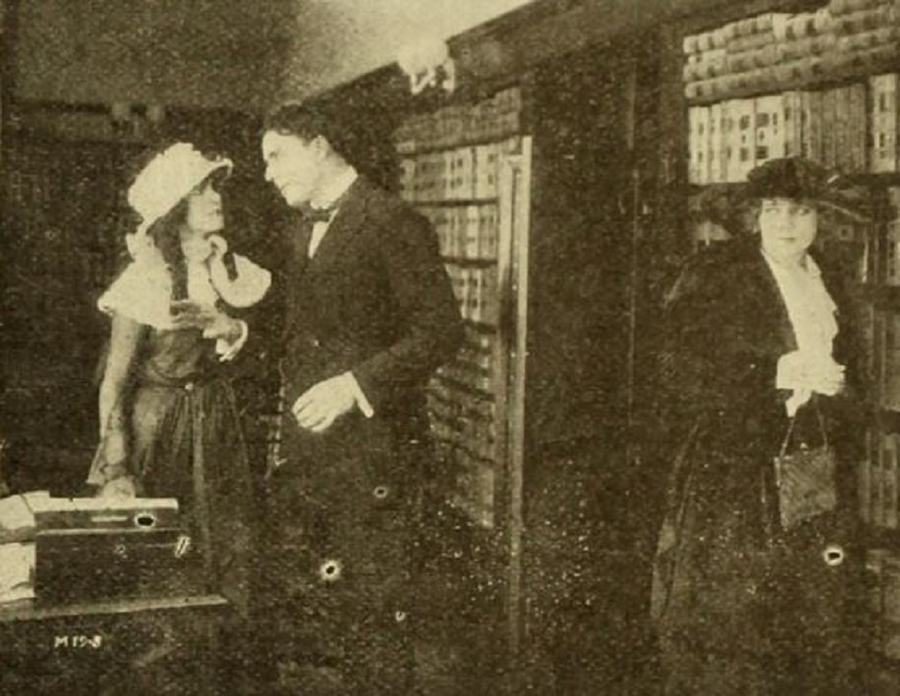
For cinephiles who admire the cinematic excellence within Happiness of Three Women, its lasting impact ensures that its spirit lives on in modern recommendations. Each of these movies shares a piece of the cinematic excellence that made Happiness of Three Women so special.
At its core, Happiness of Three Women is a study in to provoke thought and inspire awe in equal measure.
Constance, the beautiful wife of Mark Barr, is in fear of her husband's jealousy. Among the guests at their reception are Myrtle Gale and her fiancé, Billy Craig, to whom Constance was at one time engaged. Mark misinterprets a friendly chat between the two and forbids Billy to visit his house. Myrtle goes to the city, and is to return on an early evening train, on which Constance also expects her husband. Both are delayed and Constance persuades Billy, who has come to meet Myrtle, to take her for a ride in his new car. They lose their way and are out nearly all night. Constance is beset with fear at her husband's anger. Billy takes Constance to an inn for a bite to eat and they discover it is a notorious roadhouse. On their way out of the grounds, lightning strikes a tree which falls in the road as another automobile, driven by Fletcher, cashier of the bank, approaches. Monck, watchman at the bank, learning that Fletcher has gone out, breaks open the safe and takes a large sum of money. As an alibi he takes a watch charm which belongs to Fletcher, to the police, and tells them Fletcher overpowered him and robbed the bank. Fletcher is placed in jail and sends for Billy. Mrs. Fletcher also seeks his aid. Constance goes to Billy's office and hides behind a screen as her husband enters. She sneezes but Billy will not allow Mark to look behind the screen. Constance pictures the difference in size between the watchman and the cashier. Billy places his stenographer behind the screen, sends for Monck and secures his confession. Mark comes in and finds the stenographer behind the screen and Constance's happiness is assured. Fletcher is released and Mrs. Fletcher is made happy, while Billy goes to his sweetheart who is doubly happy in the knowledge that Billy has caused justice to be done.
Based on the unique cinematic excellence of Happiness of Three Women, our vault has identified these titles as the most compelling follow-up experiences for fans of cult cinema:
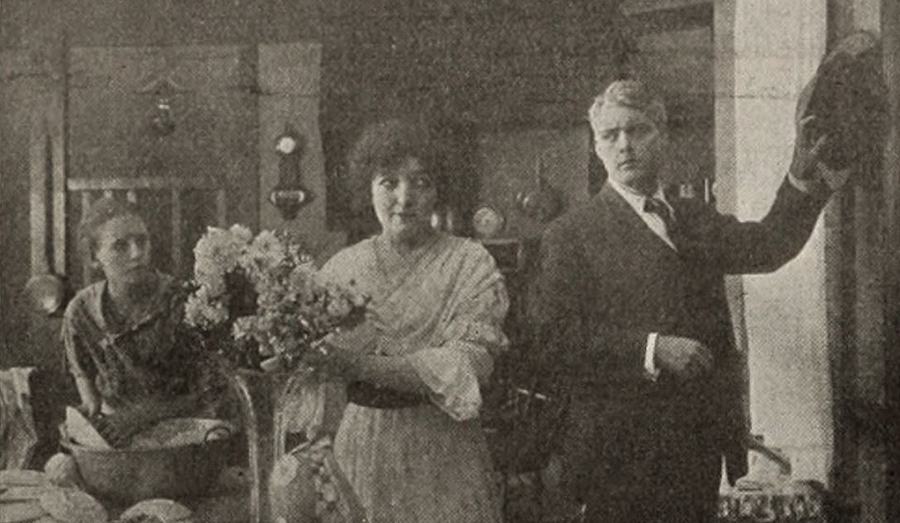
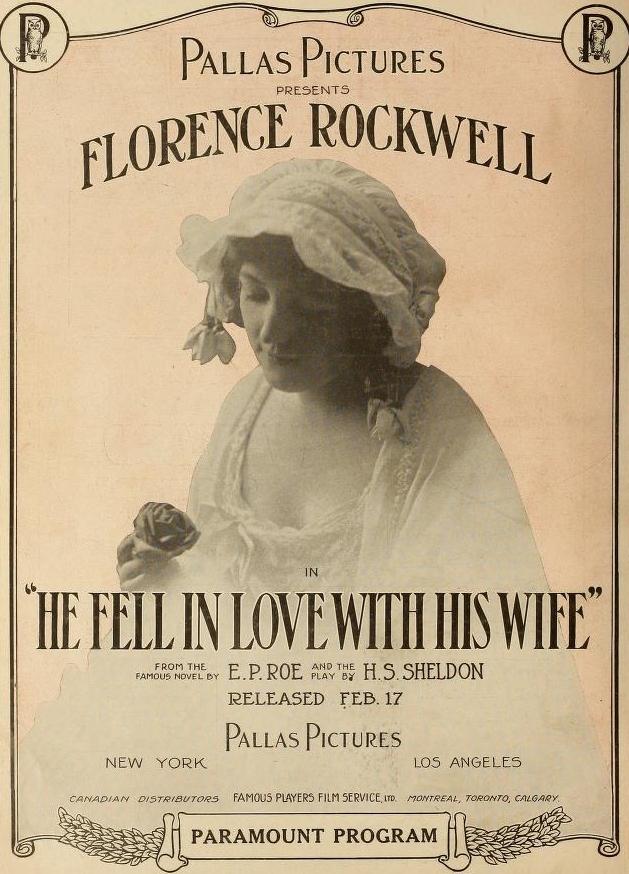
Dir: William Desmond Taylor
A widowed farmer, failing in his efforts to find a woman capable of running his household, decides to marry a young woman he believes can fill the bill. Wat he doesn't know is that she is running away from a brutish and violent husband, whom she has discovered is also a bigamist, and that her angry and vengeful husband is looking for her.
View Details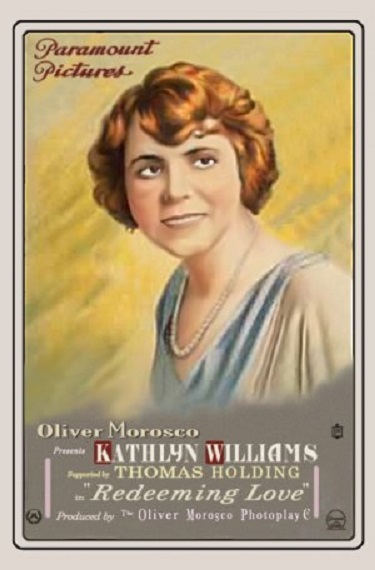
Dir: William Desmond Taylor
Naomi Sterling and John Bancroft are lovers. The girl loves frivolous things and Bancroft, a divinity student, finally estranges himself from her by his continual efforts to preach to her. Attracted by Hugh Wiley, a gambler, from a nearby city, Naomi finally elopes with him and eventually becomes known as the gambling queen. The girl's one ambition in life is to hoard up her wealth against the day when she shall lose her beauty and her popularity. Bancroft has plunged into religious work. He has become famous as an evangelist and has been trusted with the combination to the vault of the great tabernacle over which he presides. Learning this fact, Wiley inflames the mind of Naomi against Bancroft on the false ground that he has spurned her because of her life. He plans to have Naomi lure Bancroft to her gambling palace on a pretense, to overpower the minister while he is in there, steal the combination and loot the tabernacle. Furthermore, Wiley arranges to have the executive board of the tabernacle informed when the minister is in the gambling den, and to have the place raided by the police while he and his pal, McCarthy, rob the tabernacle. But the minister is too strong to succumb to the temptations of Naomi when he reaches her apartment, and his spiritual power wins the repentance of his temptress. Wiley, realizing that he is losing, springs upon Bancroft from behind and gets the combination away from him while his confederate alarms the police and the executive board according to the plan. But Naomi spirits the minister away through a secret passage, rushes to the tabernacle too late to prevent the robbery, and makes the great sacrifice of replacing the stolen money by her own ill-gotten hoard before the bewildered police and board officials arrive at the vault. In the final great moment of spiritual exaltation, Naomi has realized the greatness of Bancroft's love and of his power. Meanwhile Wiley, in an attempt to steal the loot from McCarthy, has wrecked the automobile in which they are fleeing and is killed.
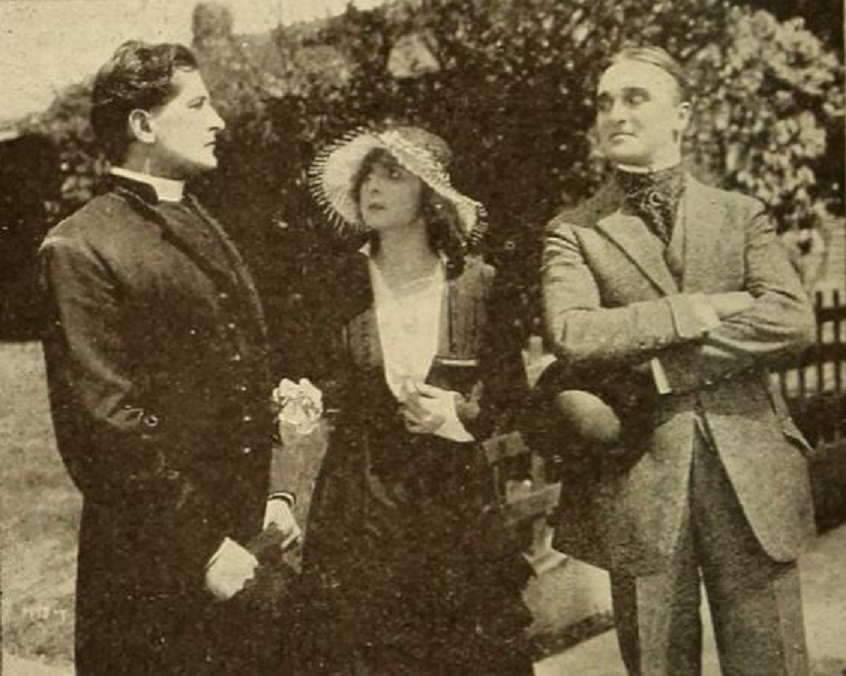
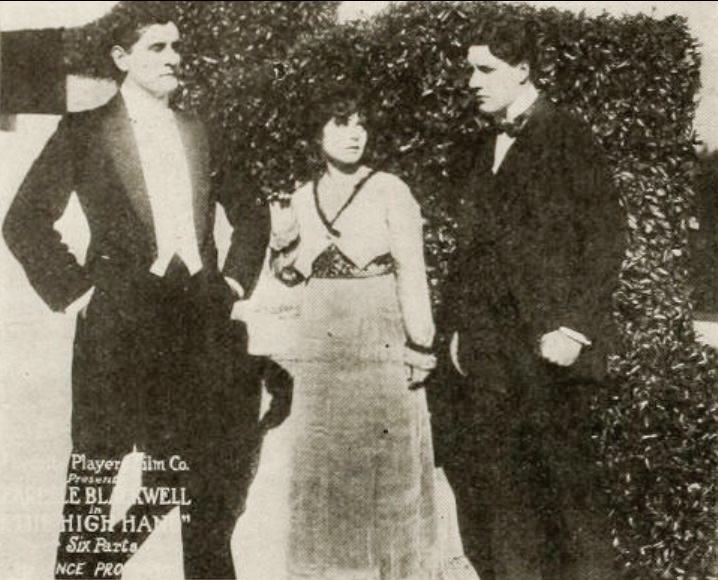
Dir: William Desmond Taylor
Up through the din and murk of the steel works, up by brawn and brain until he took his place behind the superintendent's desk came Jim Warren, but his heart was still with the strugglers in the glare of the furnaces. Here he had time to think and here he conceived the "big idea." The "big idea" required an established political position and he started out to get it. Francques, the henchman of Lewis, the political boss, saw in the young reformer a tool through which he could treacherously ruin his superior. Warren was running for the legislature as well as Lewis, and fortified with incriminating evidence against his opponent supplied by Francques, Warren entered the field as an independent candidate and was elected. Lewis took his defeat calmly and made friendly overtures to the newly elected member. Through the influence of Lewis, Warren was invited to visit the speaker of the House, Mr. Tillinghast. Here he was introduced to the girl of his life; the girl he had first seen, as a curious child visitor at the steel works. Several other times fate brought them together. It had been a secret love and he was astounded when he learned from her own lips that she was engaged to marry Lewis. Lewis's wedding to Edna was to occur as soon as Tillinghast was elected governor of the state. Edna admired Lewis and thought she loved him until one day after a talk with Jim Warren she realized the sordid contrast to which she, her father, and Lewis were parties. She told her father that she would not marry Lewis and remained firm in her decision against every argument that her ambitious parent offered. From that moment Warren battled for two loves, the love of a woman and the love of truth. Lewis, behind a smiling face, plotted Warren's undoing. Bribes came from every source. Marked bills, stocks and bonds were lavished by the clique upon the supposed unsuspecting assemblyman. At last they thought the trap ready to spring. He was arrested. He trembled not but unafraid played the last card of his high hand. He calmly led his captors to the vaults of the National Bank and there neatly docketed each in its separate envelope under seal of the bank were the bribes untouched together with the names of the givers and evidence that sent many of them to prison cells. The newspapers went wild. Jim Warren played the game and he was the man of the hour. Weeks later when the state convention had just gone wild over the nomination of Warren for governor, he and Edna were talking. "I think," said Edna, "that as long as I can't be the daughter of the governor, that I will be far happier as the governor's wife."
View Details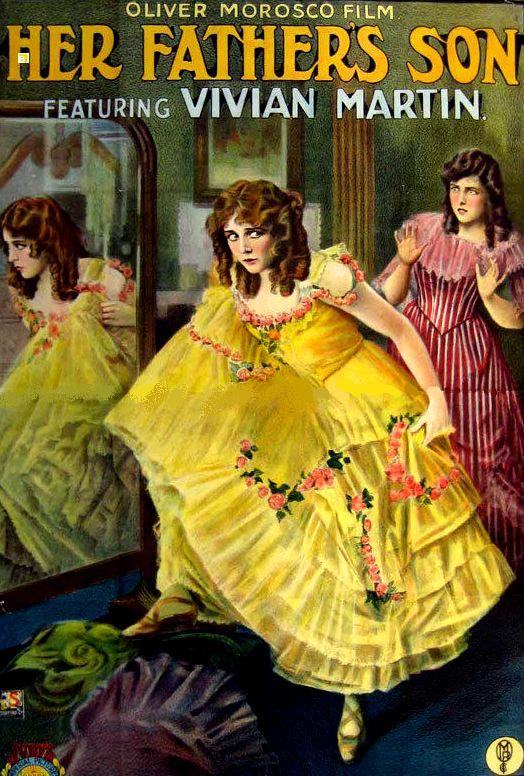
Dir: William Desmond Taylor
A Union officer exposes the several deceptions his sweetheart has been engaging in, which include spying for the Confederacy and posing as a boy to comfort her aging, wealthy, heirless uncle.
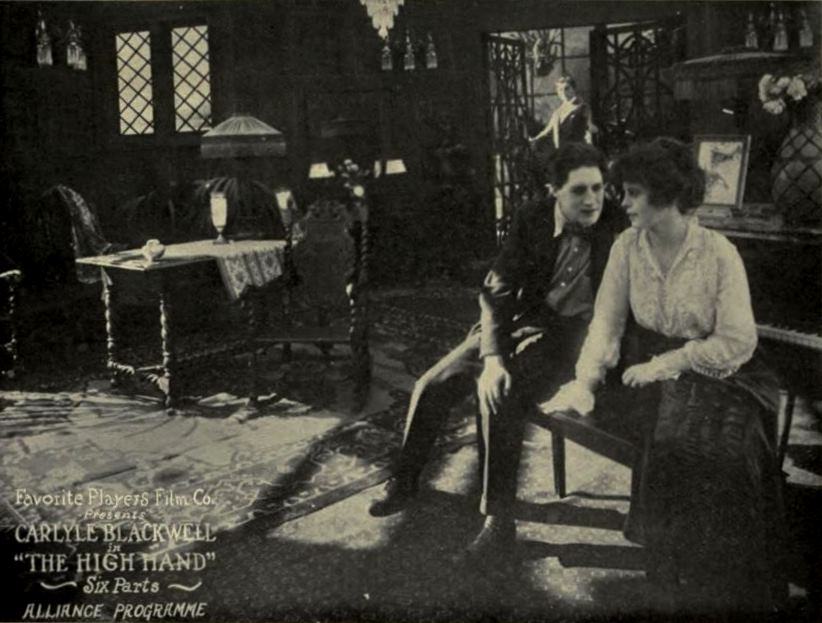
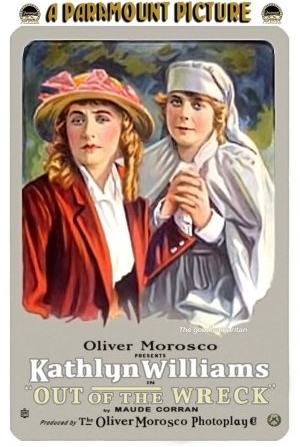
Dir: William Desmond Taylor
James Aldrich is a cinch to win the election as United States Senator until his opponent, Tom Ryan offers a big reward to anyone who can find a scandal in Aldrich's past. Newspaper editor Howard Duncan and his star reporter Ruby Sheldon accept the challenge and, after deciding that Aldrich is straight, decide to investigate his wife Agnes. Going back through the files, they discover that Agnes has been accused of murder and threaten the Aldrichs with exposure. Agnes explains her tragic story, and how she escaped from the drunken savage Steve O'Brien, whose life she had to take in order to save her own. The reporters are so moved that they decide to bury Agnes' past and the heart-breaking story only increases the love of Aldrich for his wife.
View Details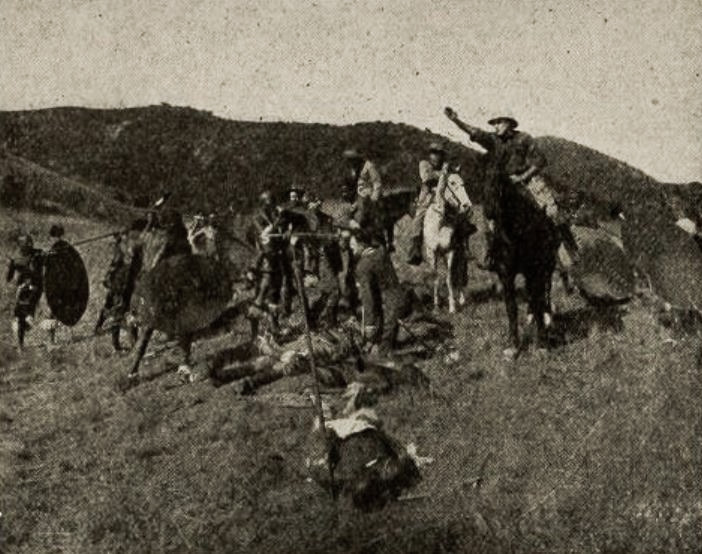
Dir: William Desmond Taylor
Gordon, a young war correspondent, after being wounded in the jungles of Africa, is picked up and taken back to England by James Egerton, a wealthy rubber magnate, who has been investigating conditions on his plantation, where there has been a great shortage in the year's yield. On the voyage homeward the correspondent and Egerton's daughter Alice fall in love. In England Gordon, finds in Lord Arbuthton a formidable rival for the hand of the girl he loves. At this time an exploring expedition leaves England to find the Lost River, a stream supposed to exist in the interior of Africa. Gordon views with concern his titled rival's attention to Alice, and at the first opportunity asks her father's consent to their marriage. Egerton answers that he will never allow his daughter to marry a penniless man, but offers his daughter's hand and an interest in the business if he will go to Africa and successfully solve the mystery of the rubber shortage. Gordon leaves, and the farewell between himself and Alice is a promise that, come what may, she will wait for him, and this promise she seals by taking off a locket and chain, which she gives him as a pledge of her love. He arrives in Africa, and after a series of thrilling adventures discovers that the overseer of the plantation has been selling rubber to coast traders and covering his dishonesty by manufacturing false statements about raids by outlaw bands. A fight follows in which the overseer is killed and the plantation settlement destroyed by fire. Gordon is wounded and barely escapes from a burning hut alive. Outside he discovers a weather-stained map upon the body of a dead native showing that the Lost River has been discovered, but not by the exploring party. Gordon struggles through the jungle, is found unconscious by the returning explorers, who have given up the search. When they see the map they hail him as Tracy, the discoverer of the Lost River. Here he learns that his rival has circulated reports that he died in the jungle and that Alice is to become the nobleman's bride. Gordon returns to London in disguise and is applauded by the public as a great explorer, and is about to give up Alice forever when Fate steps in. Lord Arbuthton is killed in an accident. The returned lover hurries to the girl, divulges his identity and reminds her of her pledge. Egerton, true to his promise, makes Gordon a member of the firm, and shortly afterward the bells are ringing for the young people's wedding.
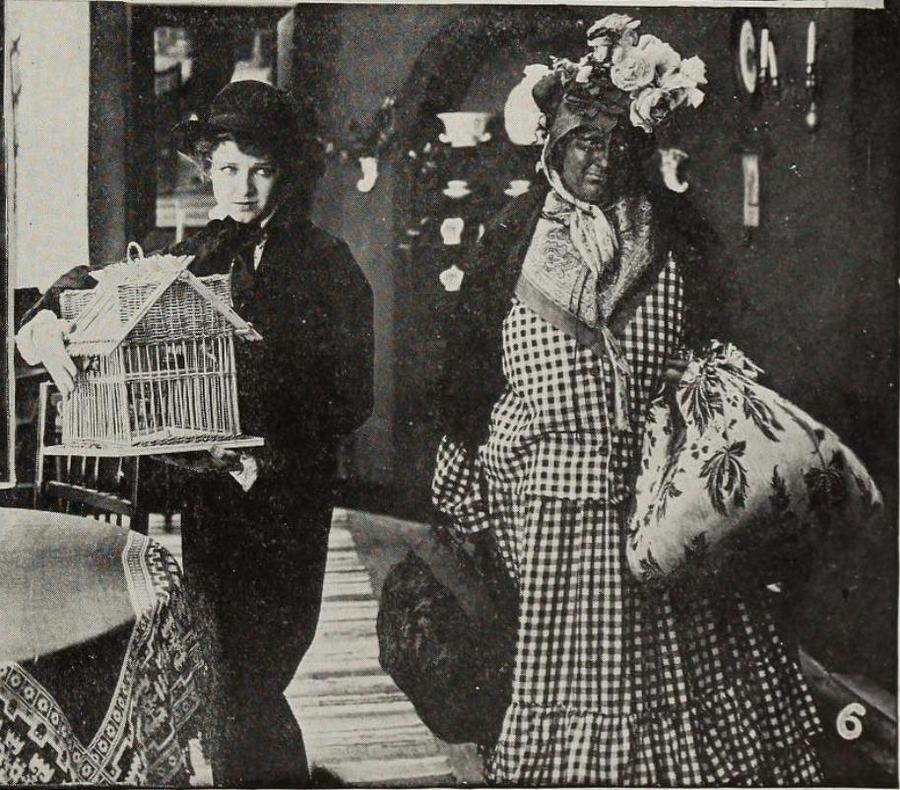
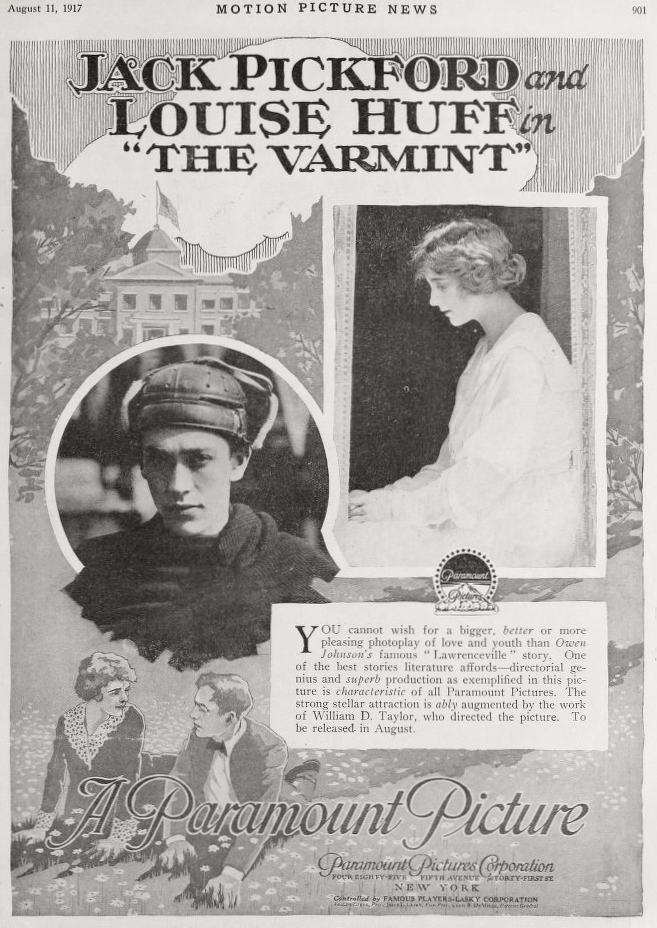
Dir: William Desmond Taylor
John Humperdink Stover, otherwise known as "The Varmint" for his pestiferousness or as "Dink" when in special favor, was expelled from a boarding school and sent to Lawrenceville Academy. On the stage on the way to the school he meets a silent man whom Dink sizes up for a salesman and he proceeds to wax eloquent on the subject of his past career and the reason he was expelled from his previous school. The "salesman" is actually the professor of Latin known to the boys as the "Roman." Dink boasts that in a week he will have the boys at the school in his power. A strange uneasiness grips him when he sees that he does not make just the impression he expected. Little by little he succeeds in making himself the most thoroughly disliked and abhorred person on the campus. Dink rises a point in his schoolmates' estimation when he discovers on reporting to the Latin class that the instructor is no other than the traveling man of the stage on the day of his arrival, and in order to make good some of the many boasts he made on that day fakes the translation. The Roman, possessed of a good sense of humor, compliments "Dink" on his performance, much to everyone's surprise. The first girl to attract Dink Stover is the pretty daughter of the Roman, considerably older than he is. After a short and one-sided flirtation, Miss McCarty becomes engaged to another man and Dink is desperate until some new neckwear arrives at the local haberdasher's and diverts his mind from his agony. As a result of his neglect of study, Dink finds himself about to be dropped in school for falling off in his studies. He is to have a private examination at the Roman's house. Stover decides to cheat, and arranges with the Tennessee Shad and MacNooder to overturn a large water cooler outside the Roman's door and other devices to get him out of the way. To his utter dismay, the Roman goes out of the room and stays, thus putting him on his honor. Dink signs his name at the head of the blank paper and is dumbfounded when, upon the Roman's return, he seems to scan the blank sheets closely and says : "I think this will about pass you, Stover." The two discover that they had been friends from the first and Dink really comes into his own when the Roman explains that as he is now an upperclassman, he must set a good example for the younger boys.
View Details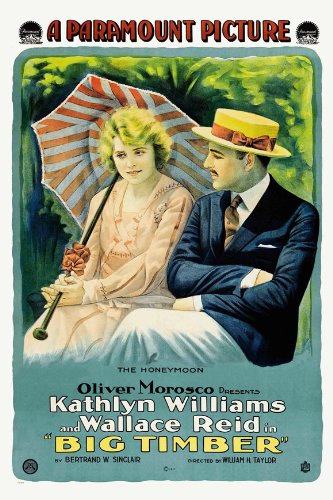
Dir: William Desmond Taylor
Stella Benton, a young society girl who has lost her beautiful voice through the death of her father, goes to live with her brother Charles, in the lumber camp. Charles Benton is having a struggle to make both ends meet, and when his cook quits, he makes his sister do the work for the hundred men in the lumber camp. Jack Fyfe, a neighboring lumber man, meets Stella and gradually falls in love with her, but love is not reciprocated. Seeing that she is being overworked, Fyfe offers to marry her, in spite of the fact that she does not love him. A child is born of this loveless marriage, and the couple are reasonably happy, until Walter Monahan, a wealthy lumberman, begins to make love to Stella. She gradually becomes tired of her husband, and when the child dies, decides to leave him. Her voice returns, and she makes a substantial success as a concert singer. Monahan, who has professed love for her, becomes indifferent, but she will not return to Fyfe, in spite of his pleadings. Monahan, jealous of Fyfe's success, sets fire to his holdings and is caught in the act. Friends telephone this fact to Stella, and she immediately returns to the lumber camp, and there, at their home she finds Jack, heartbroken, as his holdings are on fire and there is nothing but a heavy rain which could save them. She comes to him and offers to use her own money to retrieve his lost fortune, and as she goes into his arms, the heavy downpour of rain comes and they are safe.
Dir: William Desmond Taylor
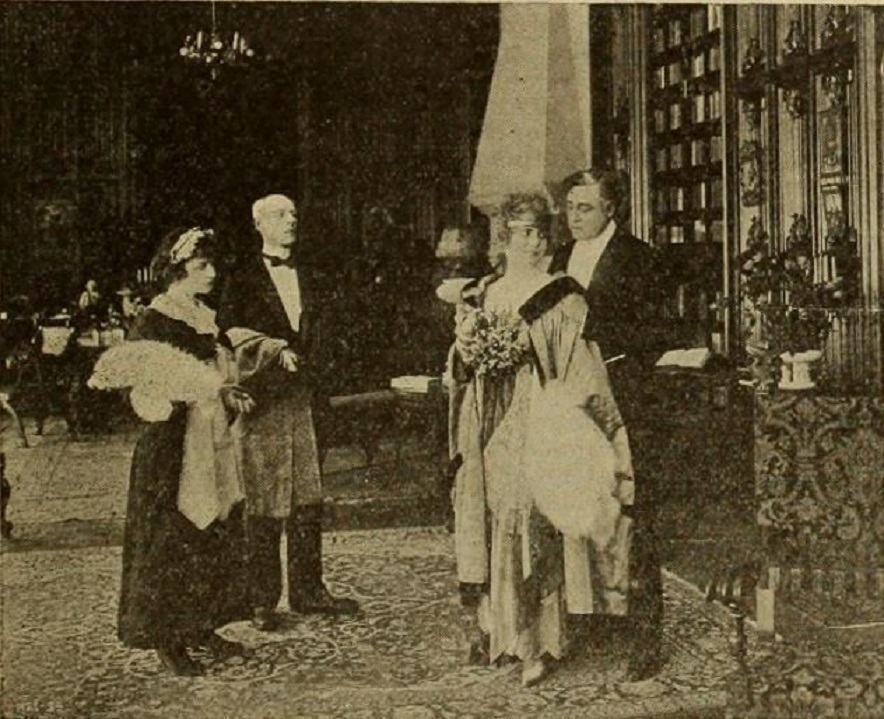
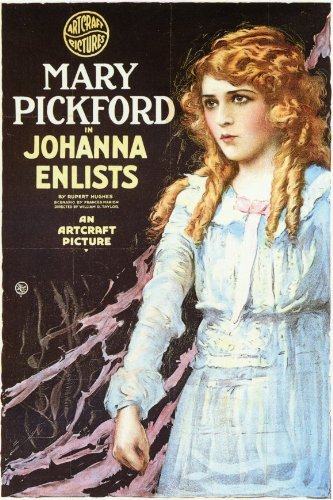
A young girl, stifling on her father's backwoods farm, is reinvigorated by the arrival of an army regiment, come to train in the area.
View Details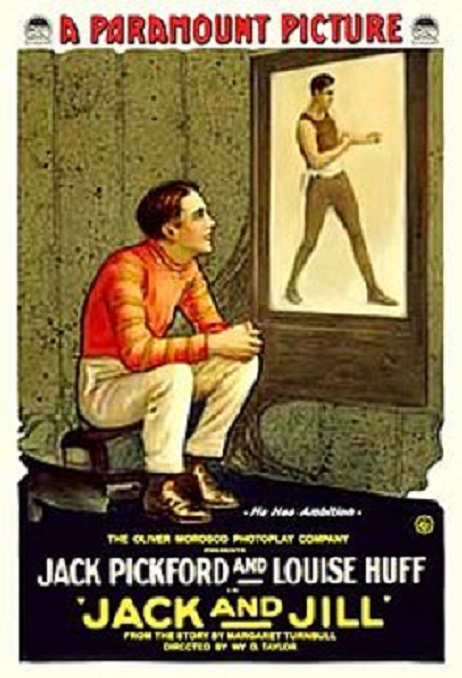
Dir: William Desmond Taylor
Young boxer Jack Ranney agrees to challenge 'Young Kilroy' and knocks him out with his first punch. When he is told that Kilroy is dead, Jack hurriedly heads West and finds a job on a ranch, boasting to all the fellows that he is a killer; unimpressed, they call him a greenhorn. Meanwhile, Jack's sweetheart Mary learns that Kilroy is alive, and she heads West to tell Jack the news, arriving just in time to see him single-handedly save the ranch from a raid by the notorious Lopez Cabrillo and his entire gang.
View DetailsAnalysis relative to Happiness of Three Women
| Film Title | Atmosphere | Complexity | Similarity |
|---|---|---|---|
| He Fell in Love with His Wife | Surreal | Dense | 90% Match |
| Redeeming Love | Gritty | Layered | 89% Match |
| The High Hand | Ethereal | Abstract | 96% Match |
| Her Father's Son | Gritty | Linear | 96% Match |
| Out of the Wreck | Gothic | Abstract | 93% Match |
This guide was algorithmically generated using the cinematic metadata of William Desmond Taylor's archive. Last updated: 6/27/2026.
Back to Happiness of Three Women Details →