
DbcultAccessing Vault...
Recommendations
Senior Film Conservator

Delving into the atmospheric depths of Hashimura Togo reveals a master at work, the visual language established by William C. de Mille is something many try to emulate. From hidden underground hits to established classics, these are our top picks.
The enduring power of Hashimura Togo lies in to synthesize diverse influences into a singular artistic statement.
After an accusation of a breach of diplomacy committed by his brother, Hashimura Togo bears the burden and leaves Japan in disgrace for the United States where he enters the employ of Mrs. Reynolds as a butler. Togo discovers that Mrs. Reynolds' daughter Corinne is in love with Dr. Garland but is being coerced into marrying Carlos Anthony who, having seized all of her deceased father's funds, now promises to save the family from financial ruin in return for Corinne's hand in marriage. Enlisting the aid of a reporter, Hashimura succeeds in proving Anthony's deception in time to stop the marriage, freeing Corinne to marry Garland. After a series of misadventures, his name is cleared and Hashimura returns to his sweetheart in Japan.
Critics widely regard Hashimura Togo as a cult-favorite piece of cult cinema. Its cinematic excellence is frequently cited as its strongest asset, solidifying its place in United States's film legacy.
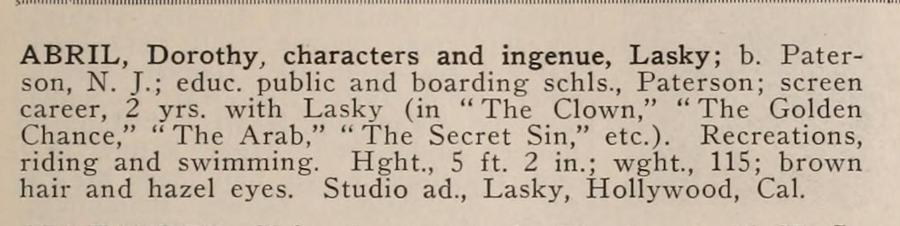
Based on the unique cinematic excellence of Hashimura Togo, our vault has identified these titles as the most compelling follow-up experiences for fans of cult cinema:
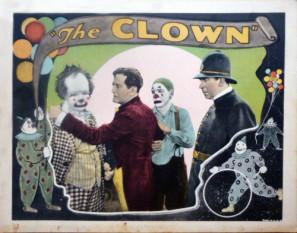
Dir: William C. de Mille
Piffle, a circus clown, is badly injured after saving the son of Judge Jonathan Le Roy from a team of runaway horses. During his convalescence at the Le Roy home, Piffle falls in love with Millicent, the judge's daughter. When she learns that Dick Ordway, the father of her unborn child, has died while prospecting in the desert, Millicent tries to drown herself. Piffle comes to the rescue once again, proposing to marry Millicent and be a father to her child. Although she does not love Piffle, Millicent agrees. At the judge's insistence, Piffle leaves the circus to become a banker. Some time later, Dick reappears, but decides not to pursue Millicent, focusing instead on selling shares in his mine. The mine becomes a bonanza, and Dick tries to buy back all of the shares, but Piffle refuses to sell. Dick visits Piffle's home, hoping to negotiate a sale, and has an unexpected reunion with Millicent. Realizing that Millicent and Dick are still in love, Piffle returns to the circus, where he finds fulfillment bringing joy to children.
View Details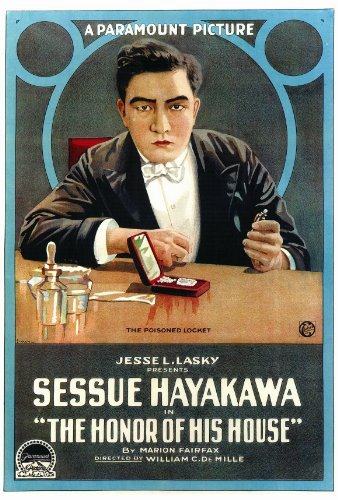
Dir: William C. de Mille
An island ordeal: A woman chooses a count over an alcoholic doctor. The envious count poisons her but performs a life-saving blood transfusion, costing his life. She has the count's baby and ultimately remarries the rehabilitated doctor.
View Details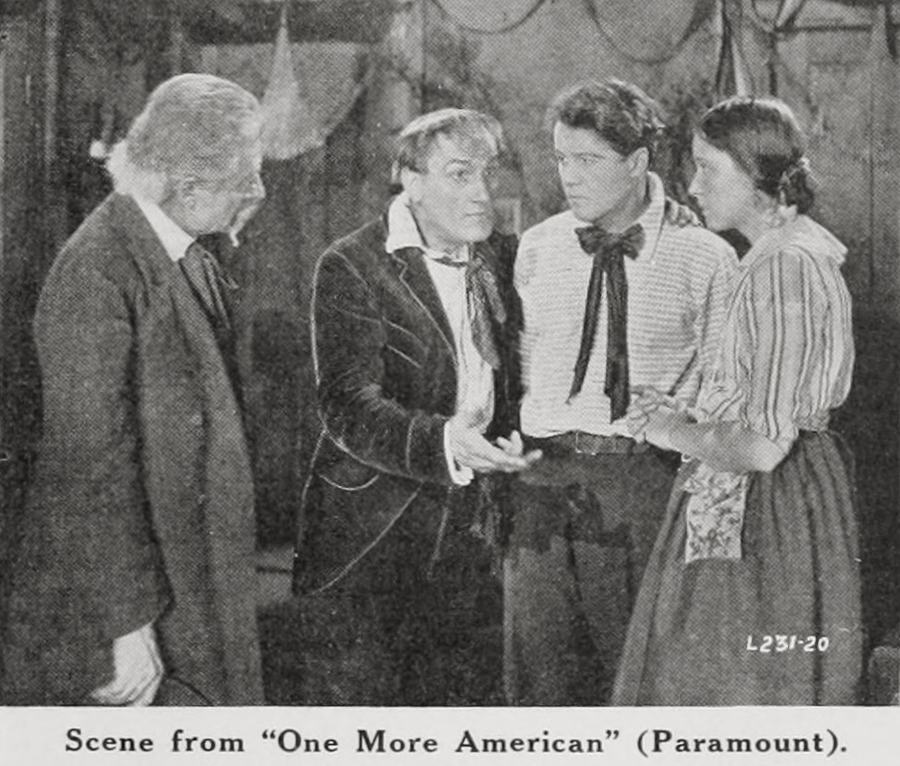
Dir: William C. de Mille
Luigi Riccardo, the proprietor of a marionette theater in New York's Little Italy, eagerly anticipates the arrival of his wife Maria and daughter Tessa, whom he has not seen in five years. Luigi dreams of becoming an American citizen, but because he refuses to make graft payments to Regan, the ward boss, he is informed that he will not receive his naturalization papers. When Regan orders Dr. Ross, an Ellis Island physician, to classify Maria and Tessa as unfit to enter the country, Luigi becomes wild with grief. Newspaper reporter Sam Potts learns of the Italian's misfortune and, through local prizefighter Bump Rundle, offers Regan a phony bribe in exchange for Luigi's papers. Regan accepts and Sam exposes him publicly, enabling Luigi to welcome his wife and daughter as American citizens.
View Details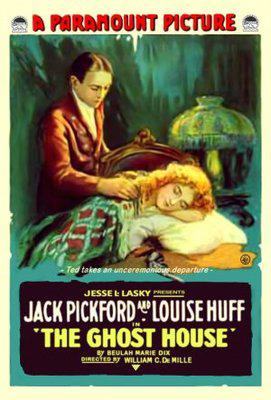
Dir: William C. de Mille
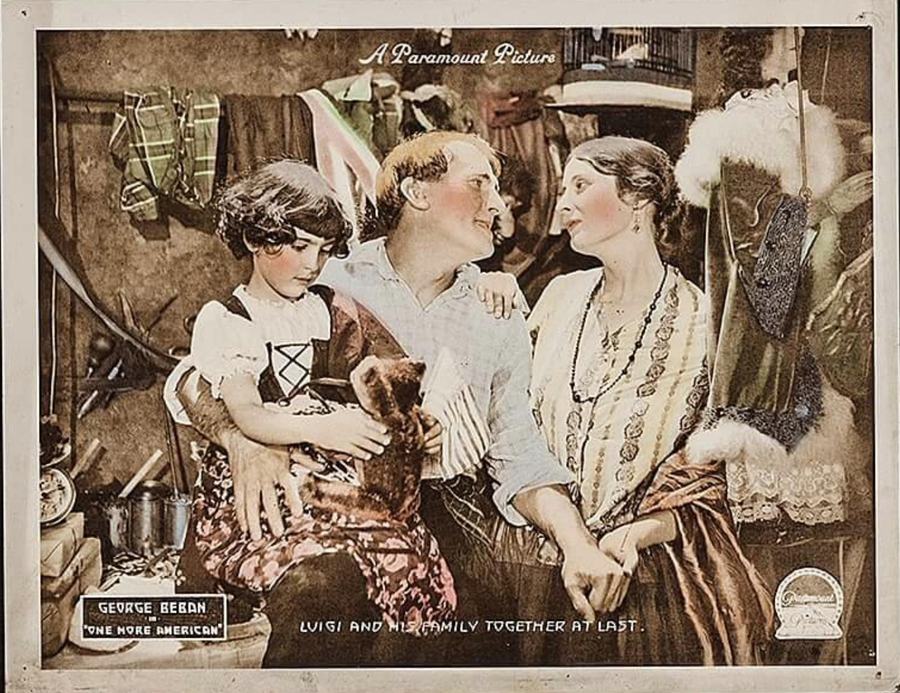
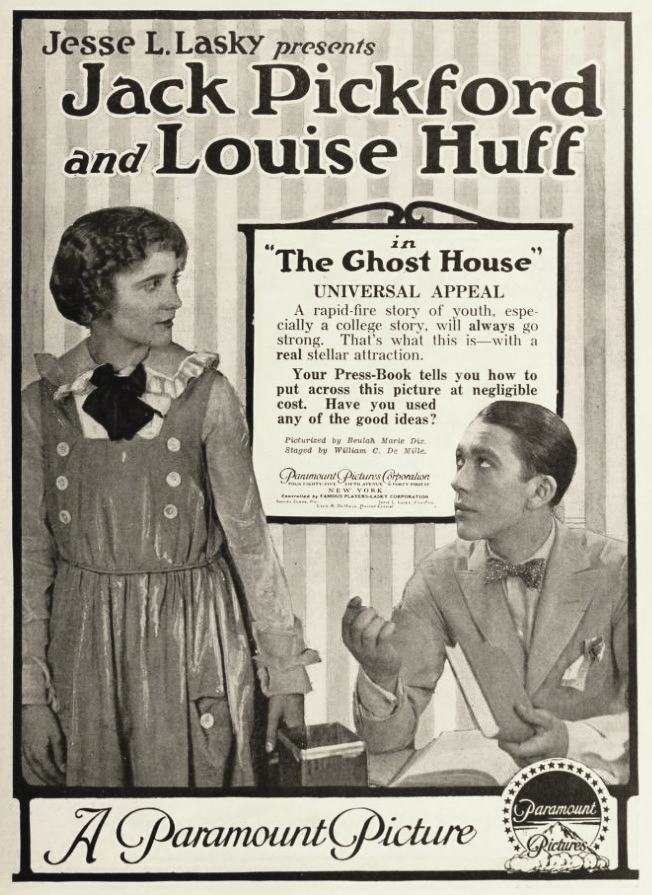
The old Atwell home is said to be haunted, and Jeremy Foster, the gardener--who is actually the head of a band of thieves that use the house for a hideout--does his best to keep the superstition alive. Despite the rumors, impoverished sisters Lois and Alice Atwell decide to move into the empty family home. They take possession the same night that Ted Rawson is ordered to explore the place as an initiation rite by his fraternity. That same night, Spud Foster, a member of his uncle's gang, hides there with his stolen loot. In the middle of the night, Lois apprehends Ted and takes him captive, believing that he's a burglar. The noise awakens Spud who, mistaking Lois for a ghost, flees the house. After much confusion, Lois' fears about Ted's character are allayed when he helps fight off the thieves; relieved, she confesses her love to the fraternity man.
View Details
Dir: William C. de Mille
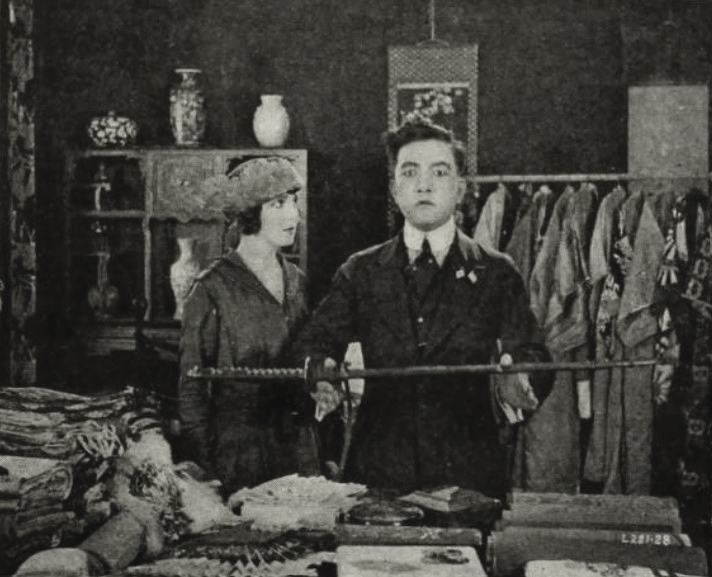
During the Great War, German and Japanese spies face off in the United States.
View Details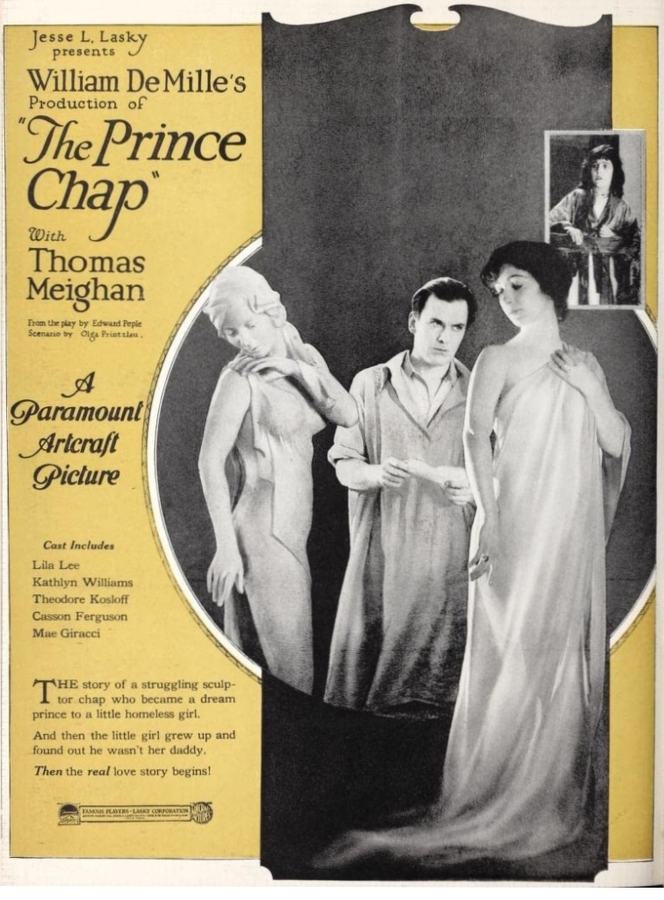
Dir: William C. de Mille
An artist in England is torn between an old flame and the now grown up little girl he has adopted.
View Details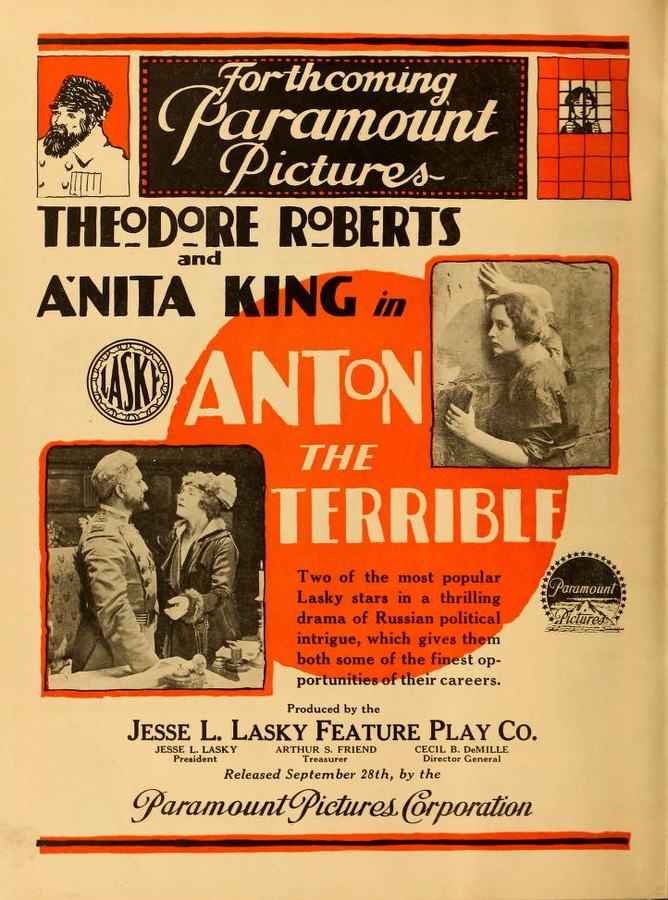
Dir: William C. de Mille
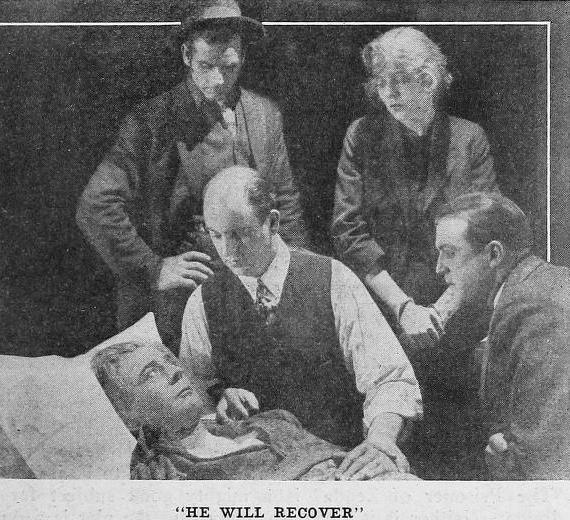
Based on the 1915 Colorado miners strike. Warren Harcourt, the coal company manager, comes to the scene. This causes a chain of events that will change the current status quo.
View Details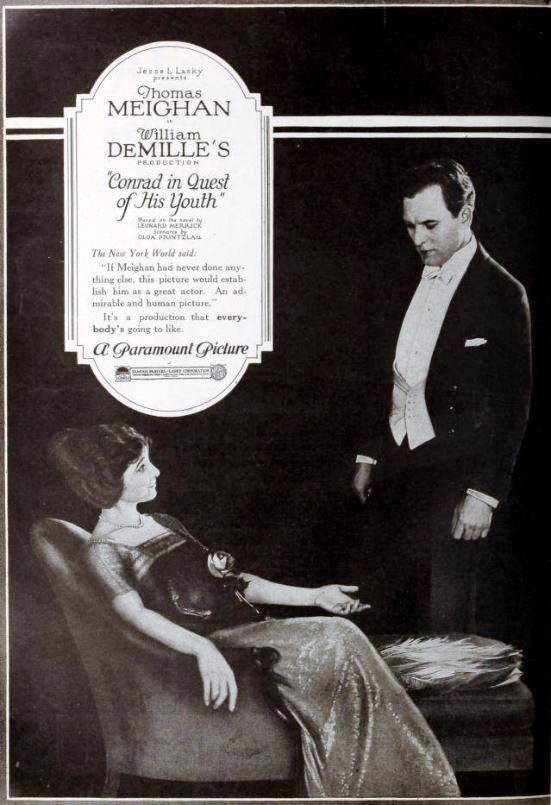
Dir: William C. de Mille
Conrad Warrener, a man of near middle-age, reflects nostalgically on the happy times of his youth and decides to recapture them. However, what he learns about the "second time around" is neither what he expected nor what he hoped for.
View Details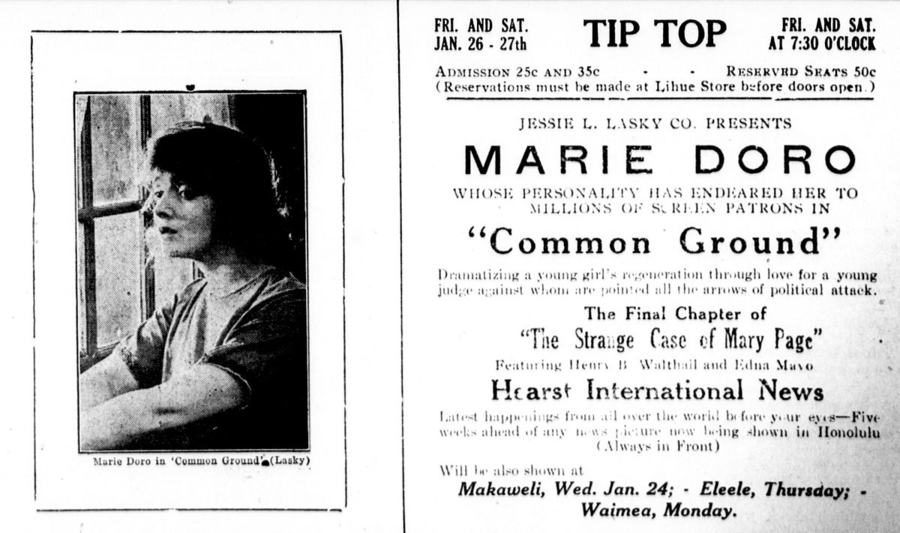
Dir: William C. de Mille
The Kid, a product of the slums, is employed at an artificial flower factory, as an expert "slipper-on." She possesses a monstrosity of a hat which is the envy of her companions wherever it appears, and she loves it. Judge Evans, a young man of unapproachable character, takes up his residence in the tenement district in order to unearth the man at the head of the vice ring composed of social and political parasites. In reality, he is the father of Doris Mordant, to whom Evans is engaged. Realizing that he must "get" the Judge or be ruined himself, Mordant, assisted by unscrupulous politicians, arranges a plot in which the Kid (whom the Judge has discovered in the tenement where he himself lives), evidently accosts a man on the street. She is taken into Judge Evans' court and to prove his assertion that "there is some good in all of 'em" the Judge tells the Kid to select five companions and he will send them all to his farm for three months. Mordant frames up a scheme to send with them a woman of the streets, and provides her with money and a camera. At the farm, the Kid discovers the girls plotting to secure a compromising picture of the Judge and the woman, but they persuade her to keep still by telling her they will "queer" Evans' engagement to Doris and then he will turn to her, and the Kid's love is so great, she finally acquiesces. Following his trial and disgrace, the Judge falls ill and the Kid cares for him. He learns to love the child of the slums, and her devotion to him is as pitiful as it is sincere. The Kid believes the Judge is pining for Doris, and with her companions, whom she forces into telling the truth, goes to the District Attorney's office and before Mordant, Doris, Evans and others, makes a clean breast of the while affair. Evans' love for Doris is dead and he turns to the Kid, declaring his love. She is taken to the home of the competent woman for one year. Every month the Judge receives a photograph which shows the metamorphosis of both hat and girl. At the end of the year Evans goes to claim as his own the girl who saved him from ruin, and finds her the embodiment of refinement and simplicity.
View DetailsAnalysis relative to Hashimura Togo
| Film Title | Atmosphere | Complexity | Similarity |
|---|---|---|---|
| The Clown | Gritty | High | 91% Match |
| The Honor of His House | Tense | Abstract | 86% Match |
| One More American | Gritty | Linear | 93% Match |
| The Ghost House | Ethereal | Linear | 96% Match |
| The Secret Game | Tense | Abstract | 87% Match |
This guide was algorithmically generated using the cinematic metadata of William C. de Mille's archive. Last updated: 6/27/2026.
Back to Hashimura Togo Details →