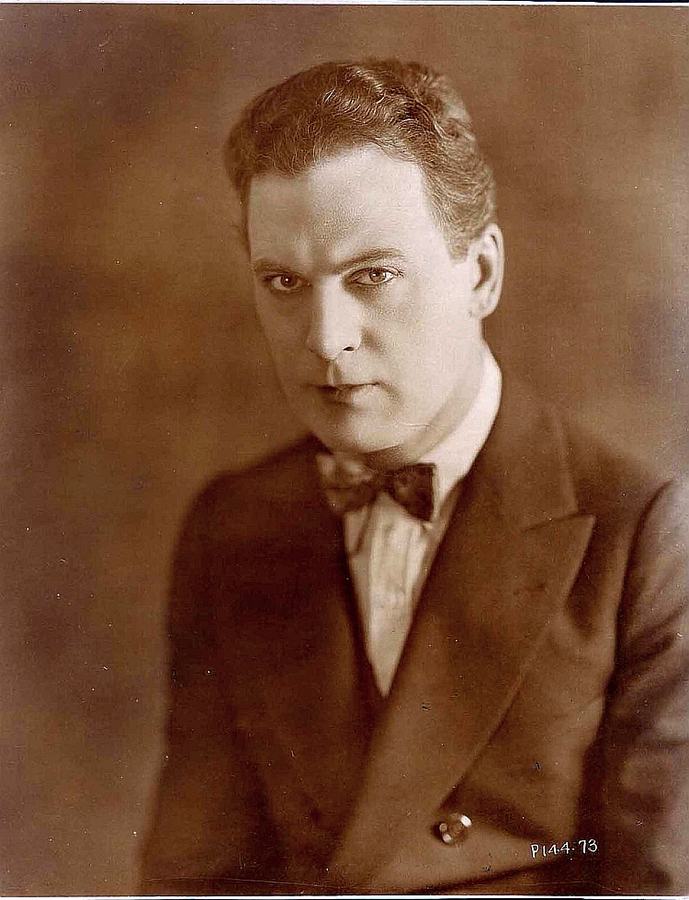
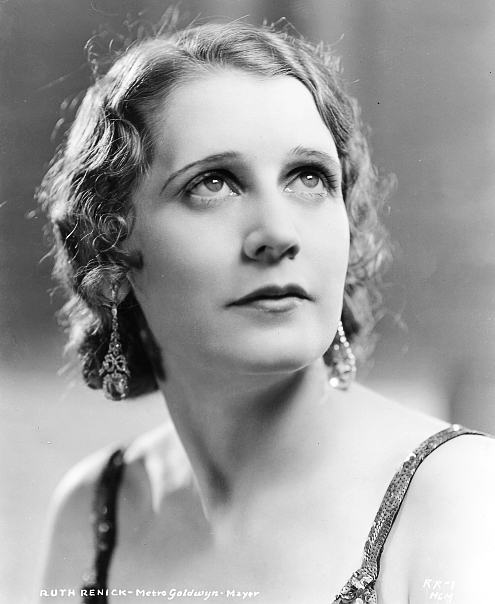
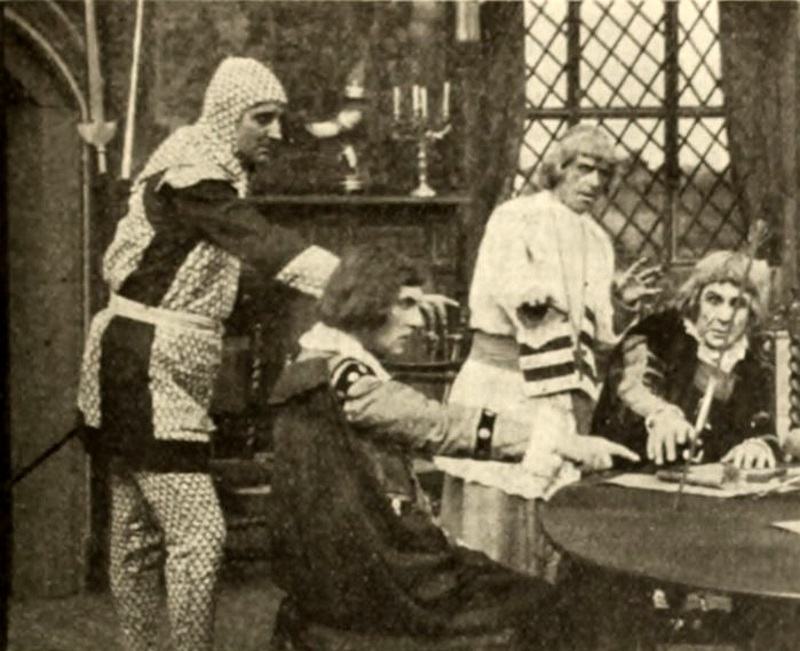
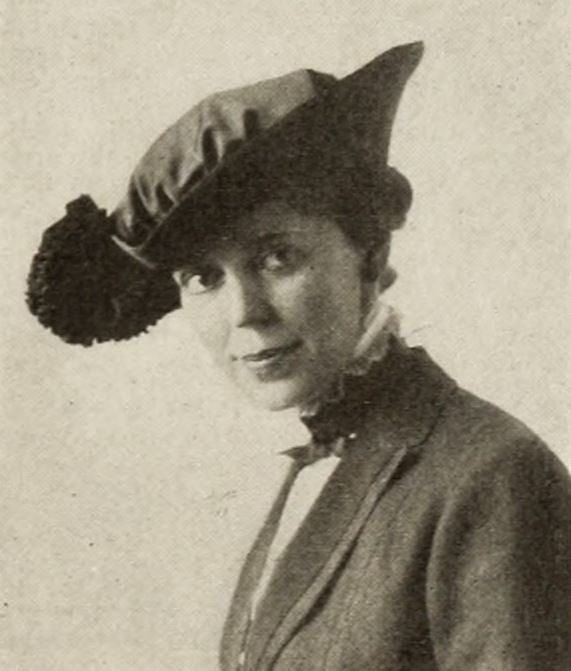
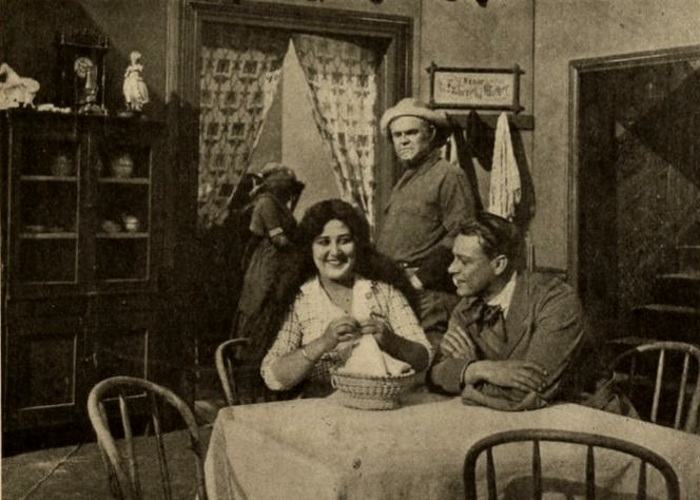
Conrad Warrener, a man of near middle-age, reflects nostalgically on the happy times of his youth and decides to recapture them. However, what he learns about the "second time around" is neither what he expected nor what he hoped for.
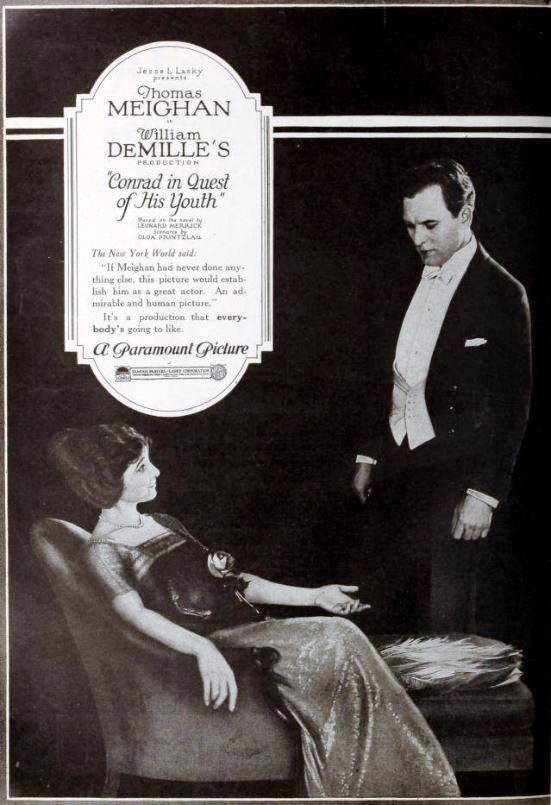
A flicker of nitrate sparks across the screen—there, in the trembling iris shot that opens Conrad in Quest of His Youth, you already sense the film’s dare: to make the viewer complicit in the grand self-swindle we call nostalgia. Director William C. deMille, armed with Olga Printzlau’s scalpel-sharp adaptation of Leo...
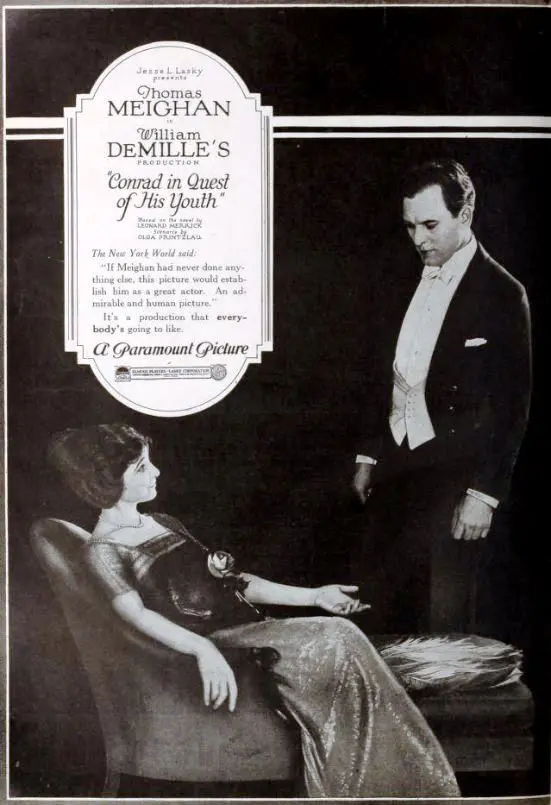
production_art
Comparing the cinematic DNA and archive impact of two defining moments in cult history.
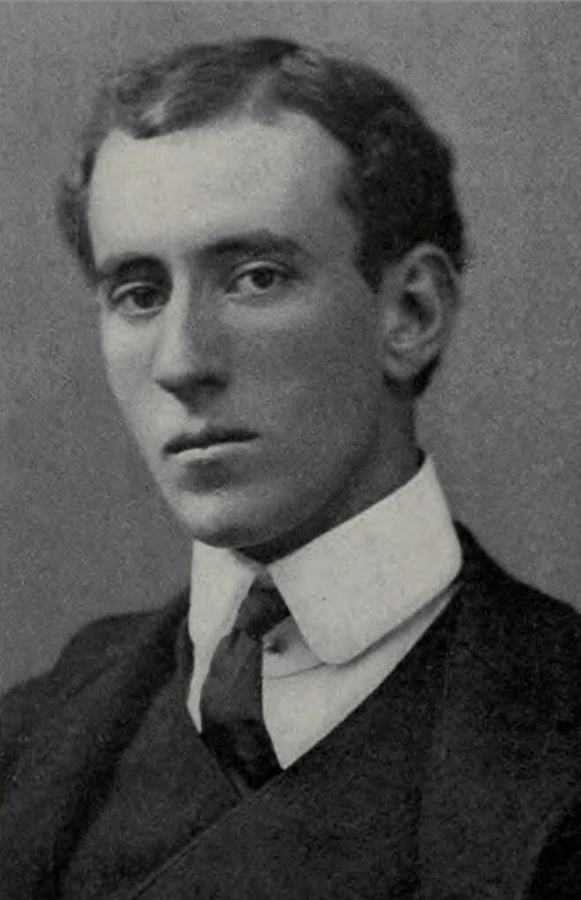
William C. de Mille
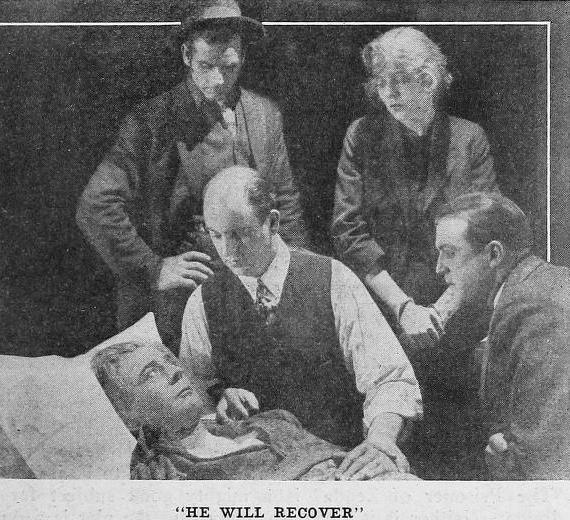
William C. de Mille
Community
Log in to comment.
" A flicker of nitrate sparks across the screen—there, in the trembling iris shot that opens Conrad in Quest of His Youth, you already sense the film’s dare: to make the viewer complicit in the grand self-swindle we call nostalgia. Director William C. deMille, armed with Olga Printzlau’s scalpel-sharp adaptation of Leonard Merrick’s elegiac novella, refuses to cushion the blow. Instead, every frame feels like a pressed violet yanked from a mildewed diary: beautiful, fragile, and exuding the fain..."
Clarence Burton
Olga Printzlau, Leonard Merrick
United States