
DbcultAccessing Vault...
Recommendations
Senior Film Conservator
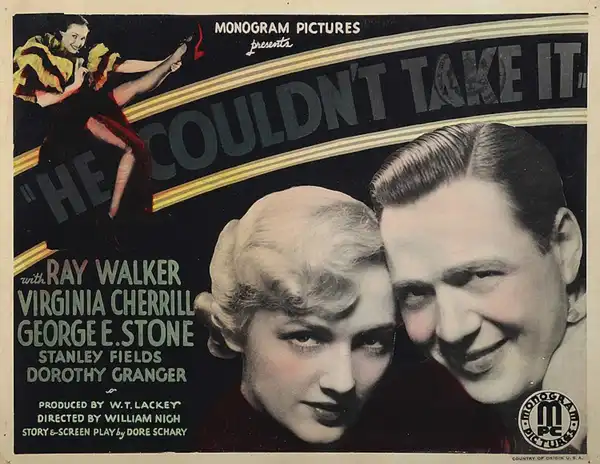
If the stylistic flair of William Nigh's work in He Couldn't Take It left an impression, the cinematic shorthand used by William Nigh is both ancient and revolutionary. We've prioritized films that capture the 1933 aesthetic with similar precision.
By merging stylistic flair with Comedy tropes, it to articulate the unspoken anxieties of United States's 1933 era.
Jimmy Kelly, who can't hold on to a job because of his hot temper, finds his calling as a process server. He serves process on a gangster and exposes a criminal conspiracy while trying to stop his long-suffering girlfriend from taking a vacation with her lecherous boss.
Based on the unique stylistic flair of He Couldn't Take It, our vault has identified these titles as the most compelling follow-up experiences for fans of Comedy cinema:
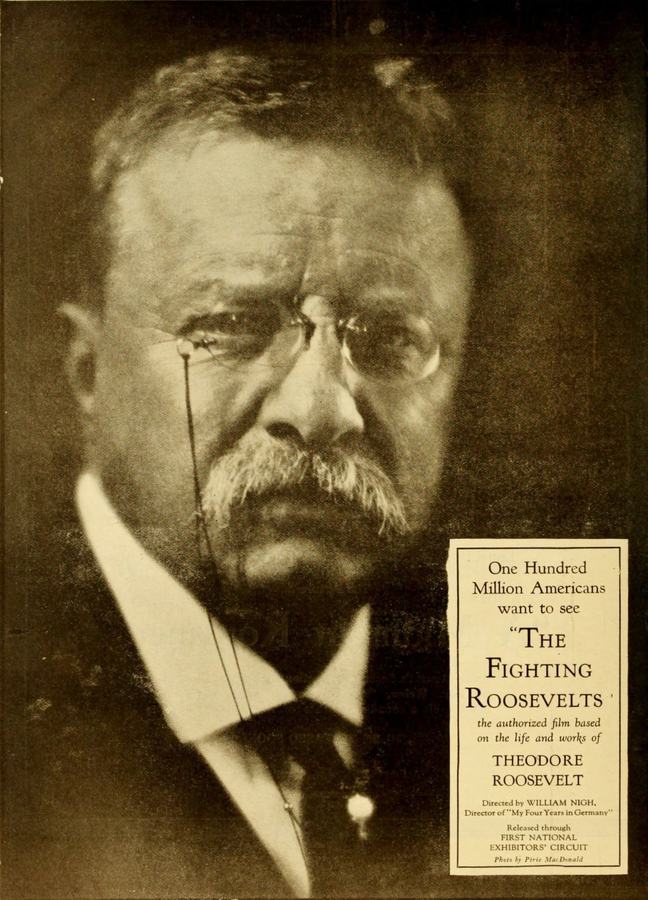
Dir: William Nigh
A dramatization of the life of Theodore Roosevelt leading up to his presidency of the United States. Included are depictions of his youth, his membership in the New York State Assembly, his days as a cowboy, police commissioner, Assistant Secretary of the Navy, and leader of the Rough Riders in the Spanish-American War.
View Details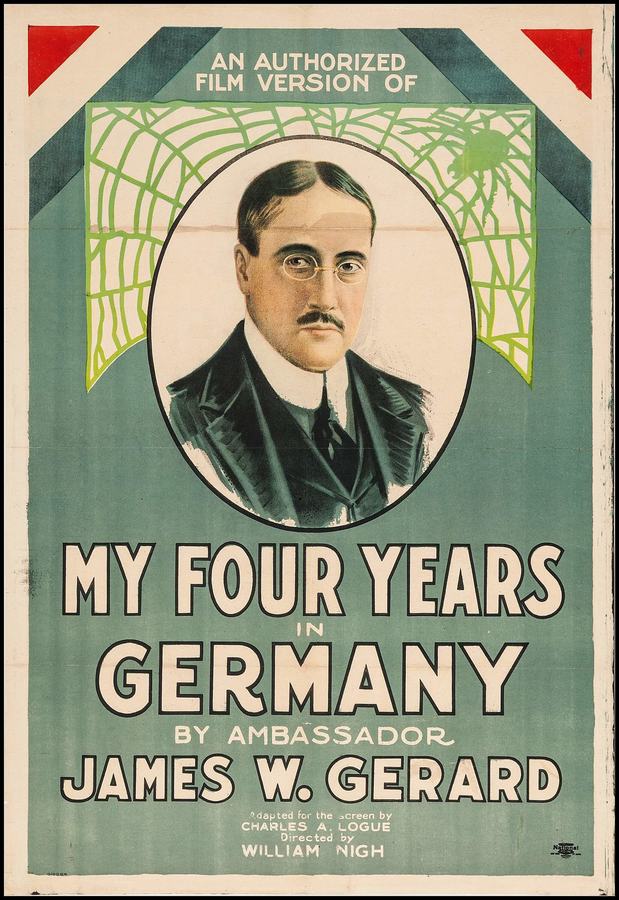
Dir: William Nigh
The experiences of the American ambassador to Germany, James Gerard, are recounted in this semi-documentary.
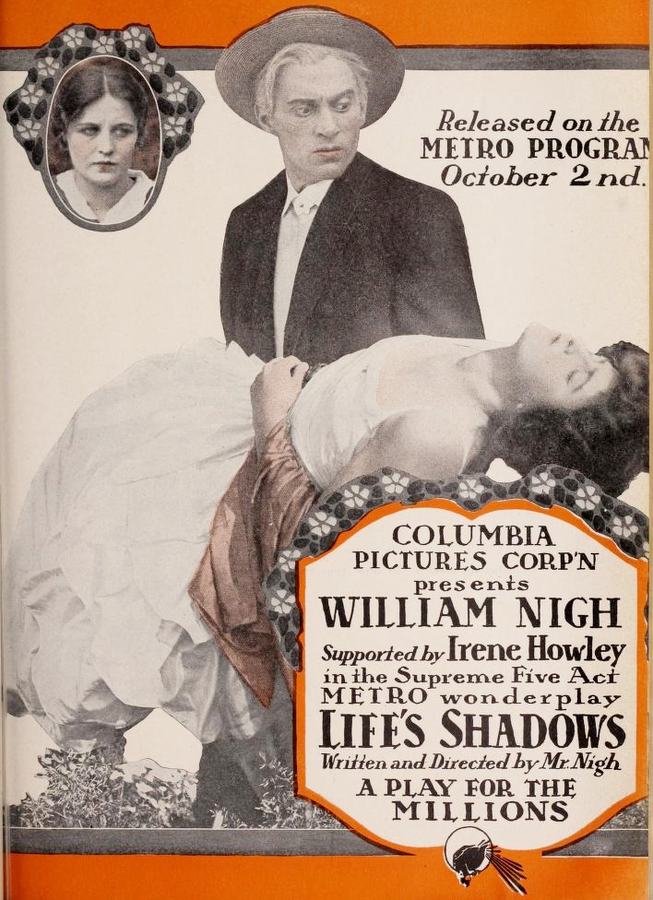
Dir: William Nigh
The townspeople of Purity despise Martin Bradley because of his heavy drinking, but he still does his best to make life better for the town. He helps to support two women who have been socially ostracized by the townspeople, and during the election campaign for mayor, exposes the corruption and dirty tricks of candidate James Durkel, resulting in the election of his opponent Chester Thorndyke. However, the voters of Purity insist that Thorndyake disavow his ties to Bradley, whom they regard as disreputable.
View Details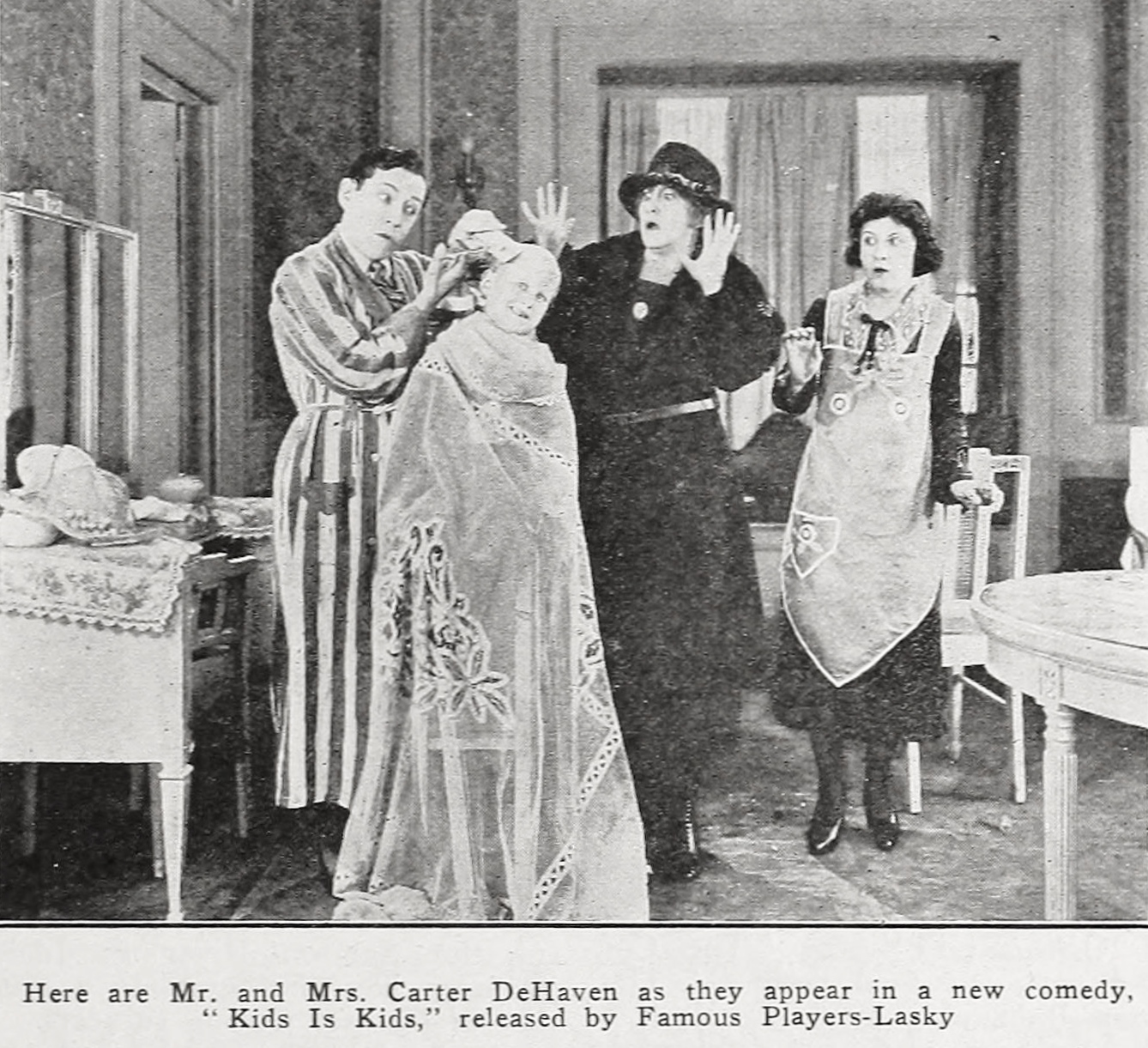
Dir: Charley Chase
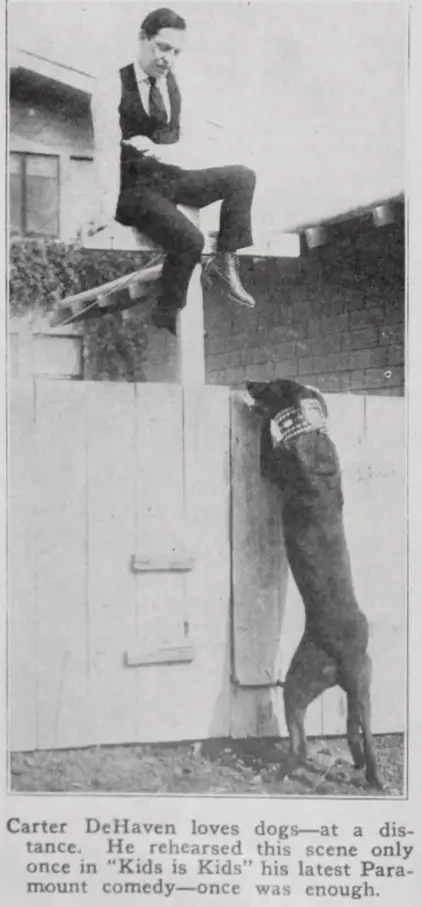
A young married couple volunteer to take charge of several orphans after the asylum has burned down. Of course they find their hands full with their troublesome charges.
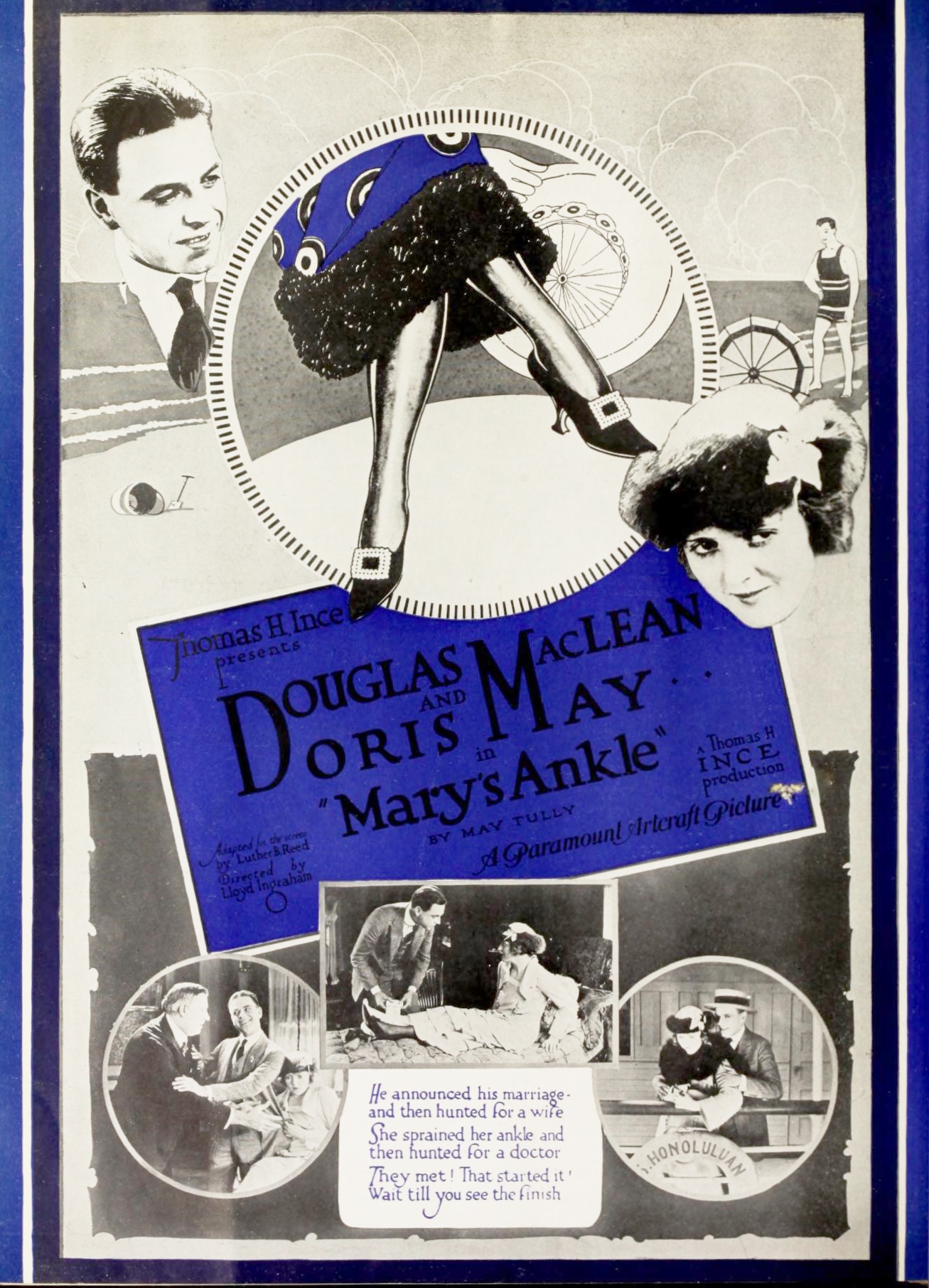
Dir: Lloyd Ingraham
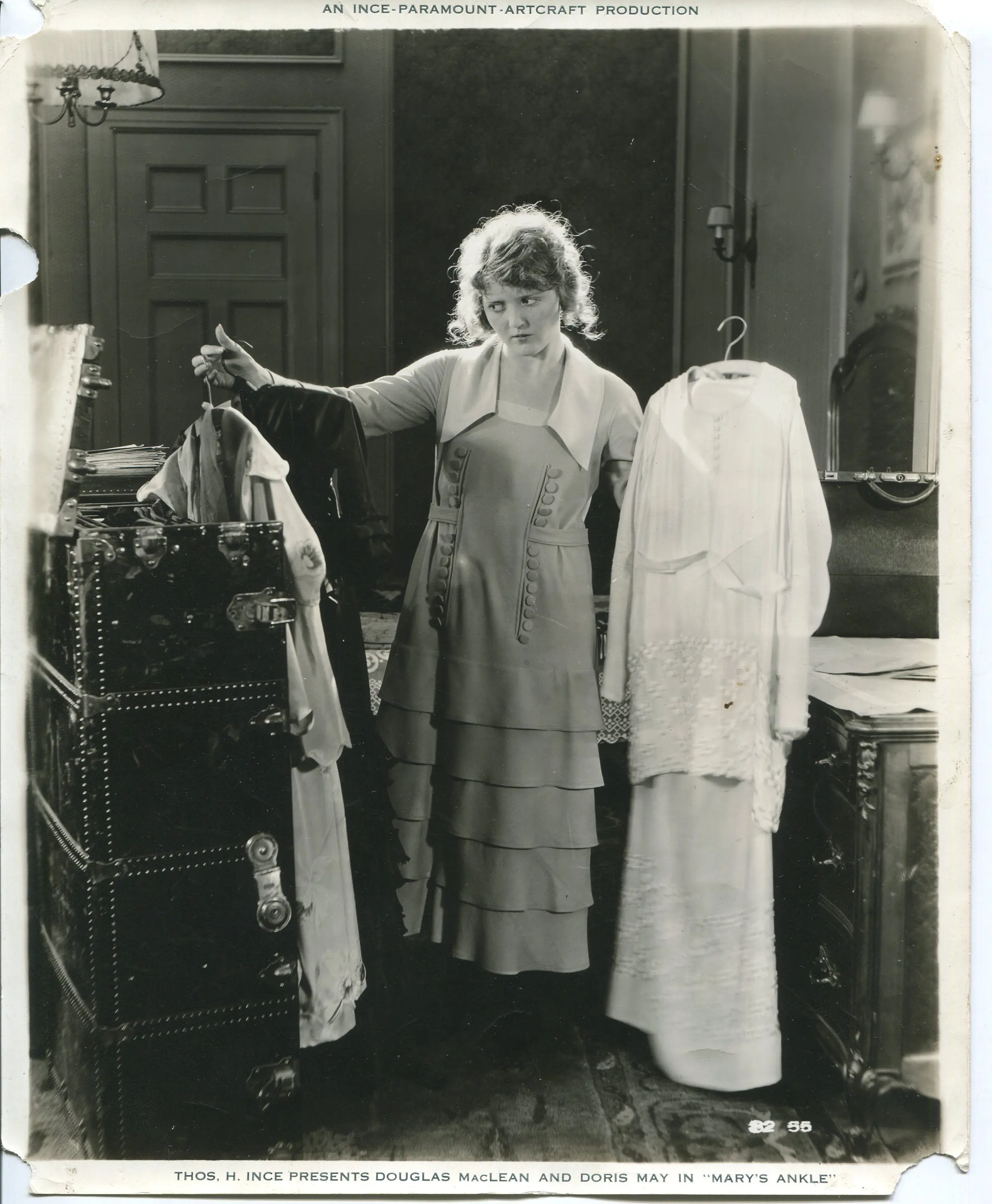
While walking along the street one day, Arthur P. Hampton, an impoverished young doctor, and his chums, Stub Masters and Johnny Stokes, are persuaded to part with their last remaining funds by tag day solicitor Mary Jane Smith, with whom the doctor promptly falls in love. Doc's friends then hit upon a get-rich-quick scheme. Knowing that his Uncle George has promised a large sum of money upon his nephew's marriage, they persuade Doc to send out fake wedding invitations naming Mary Jane as the blushing bride. Uncle George, elated at the good news, writes to Mary Jane's aunt, Angelica Burns, an old sweetheart, to invite Mary Jane and Angelica to be his guests on an ocean voyage. Meanwhile, Mary Jane pays a visit to the doctor's office and, upon seeing the wedding invitations, becomes so flustered that she trips and sprains her ankle. Doc comes to her rescue and then begs her to pose as his wife. She agrees, but at ship-side, Stub and Johnnie confess all to Uncle George, who flies into a rage until Doc announces that he and Mary Jane have chosen a wedding at sea.
View Details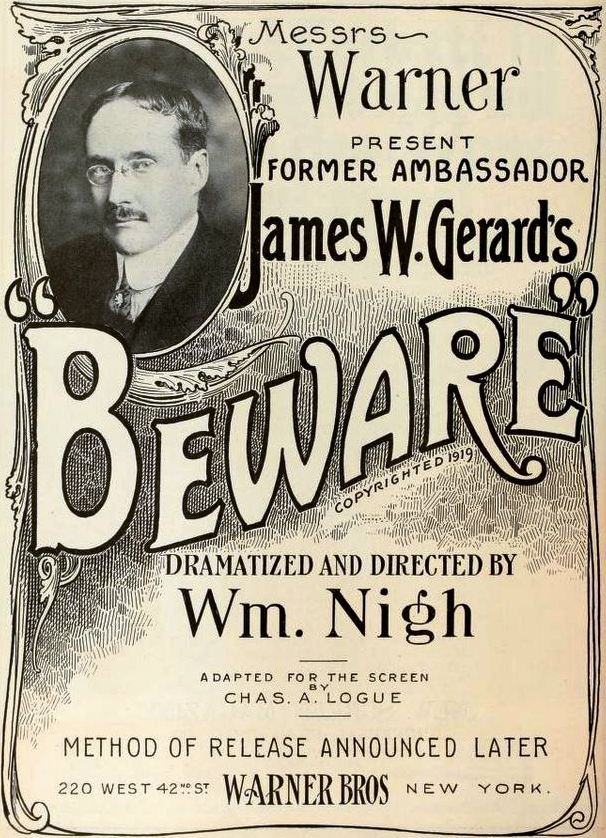
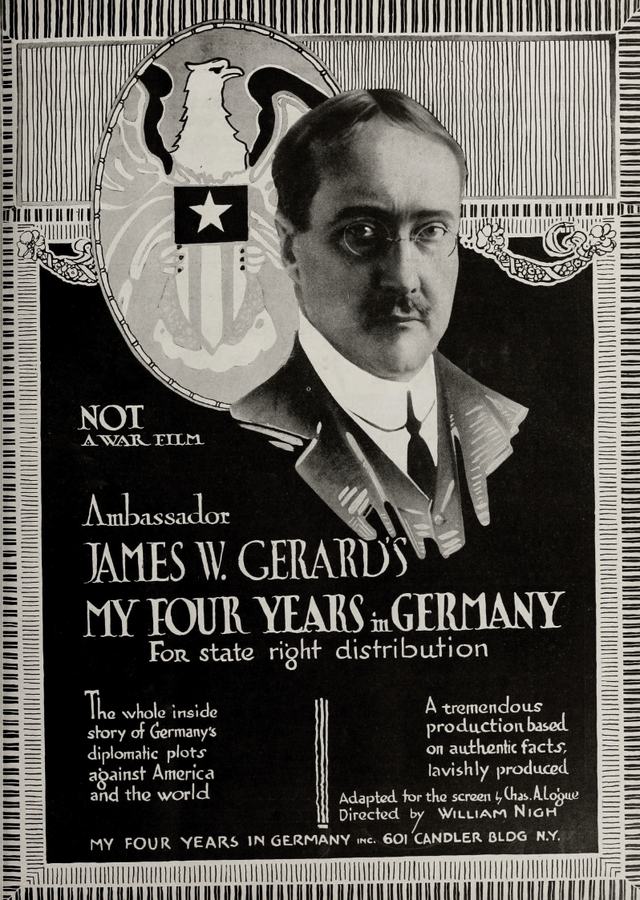
Dir: William Nigh
American ambassador to Germany James W. Gerard warns that Germany will rise again to power and an attempt at world domination unless safeguards are taken, in this documentary-style propaganda drama.
Dir: Maurice Campbell
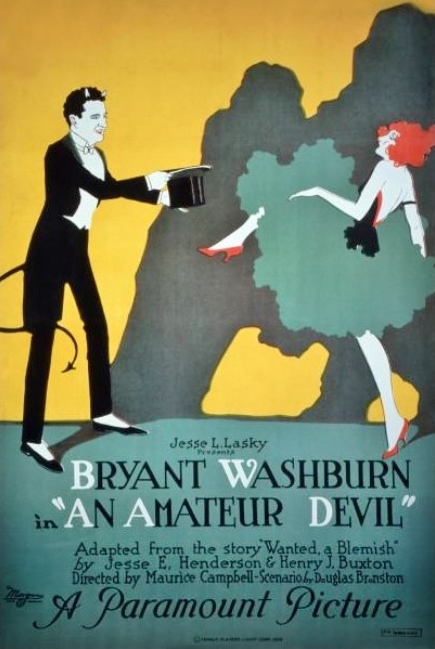
Carver Endicott, a young sophisticate, is rejected by his fiancée for being too foppish and dull. When she feigns an interest in his father, Carver attempts to disgrace his family name by working as a farmhand and later as a busboy in a hotel. However, the newspapers only praise him for his self-sacrificing principles; and finding that he cannot bring shame to the family through menial labor, he takes up with a notorious actress. But when this maneuver also fails, he returns to his former fiancée, who has no further complaint about his being an inexperienced dullard.
View Details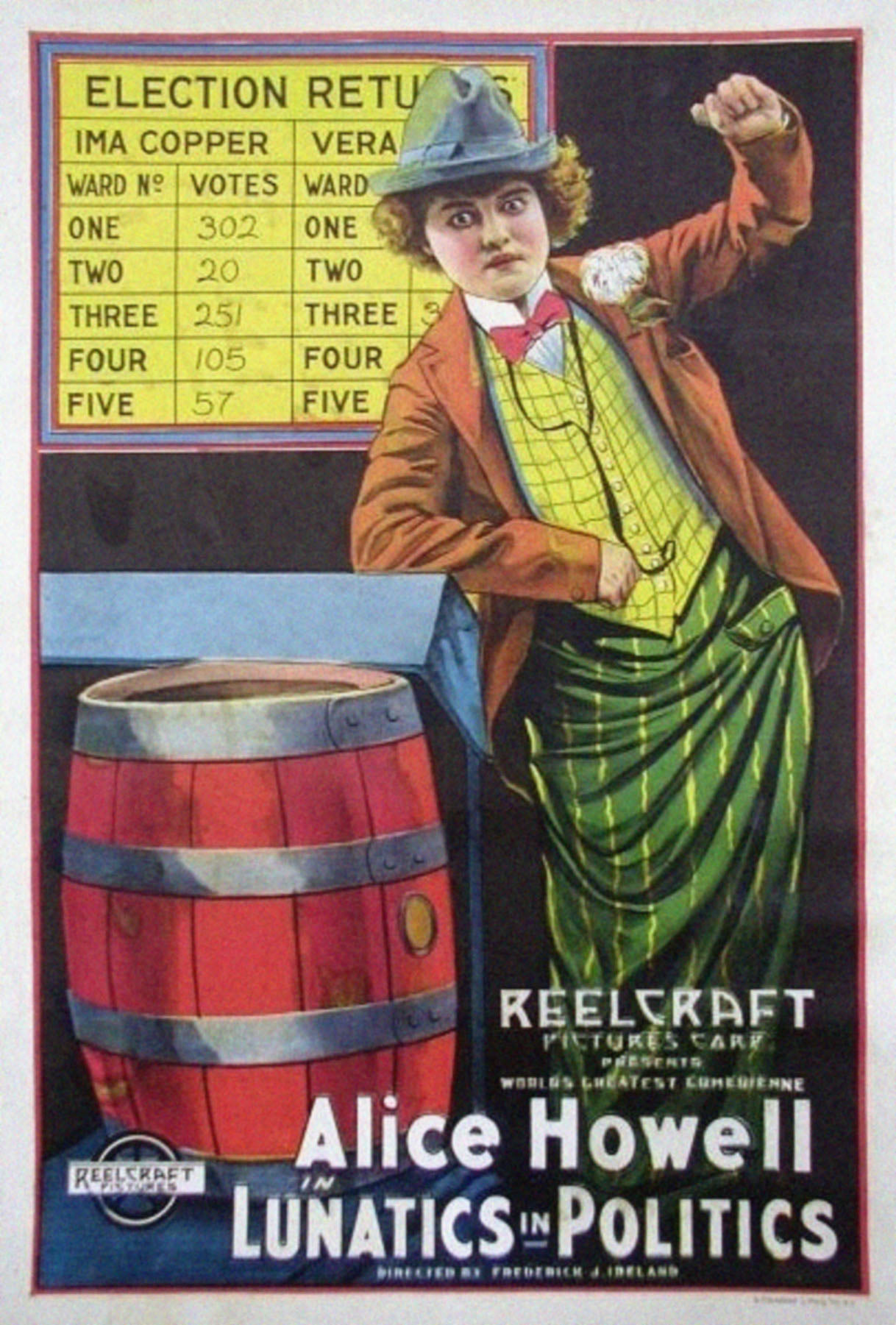
Dir: Richard Smith
Two female candidates for Chief of Police live across the hall from each other, and their political rivalry follows them home, leading to plenty of hi-jinks.
Dir: Reggie Morris
A fascinating piece of cinema that shares thematic elements.
View Details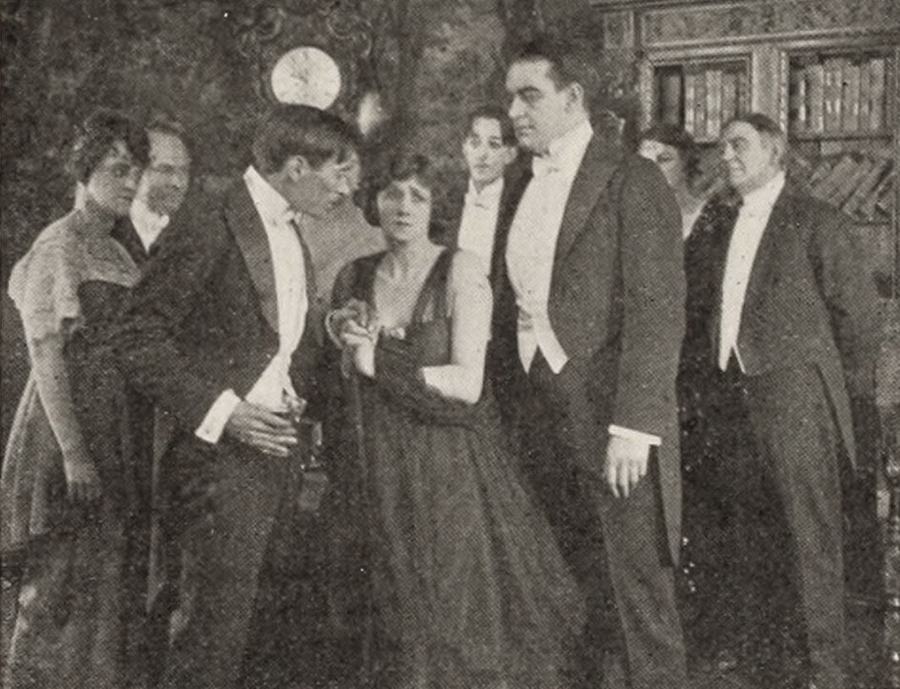
Dir: William Nigh
Marian Delmar's architect father has died without an estate, though she thinks he has left her a settlement of some sort. From the time of his death, a member of his profession, Varcoe, has sent her a monthly remittance with enables her to live decently and study painting. Then Varcoe dies, leaving no instructions regarding the remittance and no reason why his son Olin should continue it. John Hartfield, whose father has been a lawyer of doubtful integrity but unquestionable shrewdness, is now the one Marian turns to when her remittance fails to arrive. He subsequently informs her that the remittance seems to have been a matter of charity on the late Varcoe's part; incidentally, his son Olin is dying from his wild dissipation and morbid excesses. Marian's independent nature revolts at having been an object of charity, and against John's pleading she decides to pay the debt by nursing Olin back to health. She offers her services as nurse, and Olin exhibits a wicked joy at engaging her. All repair to the old Varcoe home on the St. Lawrence, where lives Mrs. Varcoe, whom her supposed son has never seen; she has been an invalid for 40 years, faithfully attended by the old family physician in a house with Indian servants, and strange furnishings that must have been the expression of a morbid brain. When Olin meets Mrs. Varcoe, whose son he is supposed to be, he seems to inspire her with fear and misgiving. She is immediately impressed with Marian, whose attentions are now directed to the old lady's health. The aged doctor's jealousy of Marian in her efforts to relieve Mrs. Varcoe creates frequent friction. Through the finding of certain plans in a secret compartment, John finds that Marian's father was the real brains behind the elder Varcoe's success; hence, the remittance by agreement. Olin's morbid nature drives him to take advantage of an Indian girl in his household, and the consequence is the exposure of the secret that he himself is the offspring of such an affair on his father's part. Meanwhile, John constantly tries to dissuade Marian from continuing in this atmosphere, but a strong affection has developed between Marian and the kind old lady that furnishes the incentive for her to remain. Olin is determined to have one more big fling before he passes away, and invites a number of his dissipated city friends to spend the weekend. Olin traps Marian in a secret passage, but another Indian and John rescue her and wound Olin. Olin crawls to the Indian huts on the estate where the remainder of his mother's tribe dwelt, and dies in the arms of his Indian grandfather. Marian and John determine to travel the road of life together, while the old doctor gives evidence that his devotion to his equally-venerable patient was not purely professional interest.
View DetailsAnalysis relative to He Couldn't Take It
| Film Title | Atmosphere | Complexity | Similarity |
|---|---|---|---|
| The Fighting Roosevelts | Gritty | Layered | 85% Match |
| My Four Years in Germany | Ethereal | Linear | 88% Match |
| Life's Shadows | Gothic | Abstract | 91% Match |
| Kids Is Kids | Tense | Layered | 94% Match |
| Mary's Ankle | Surreal | High | 86% Match |
This guide was algorithmically generated using the cinematic metadata of William Nigh's archive. Last updated: 6/26/2026.
Back to He Couldn't Take It Details →