
DbcultAccessing Vault...
Recommendations
Senior Film Conservator
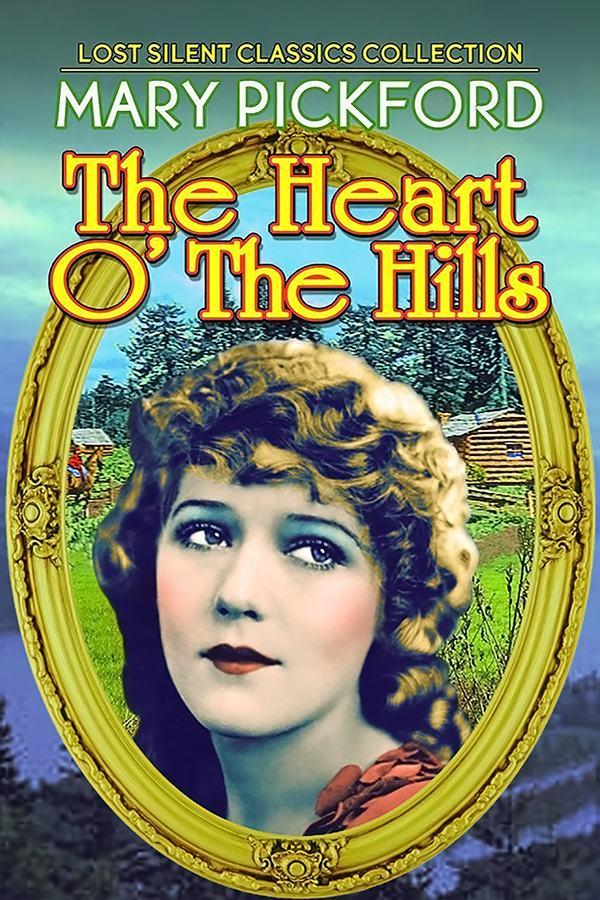
If the artistic bravery of Joseph De Grasse's work in Heart o' the Hills left an impression, the cinematic shorthand used by Joseph De Grasse is both ancient and revolutionary. We've prioritized films that capture the 1919 aesthetic with similar precision.
By merging artistic bravery with cult tropes, it to articulate the unspoken anxieties of United States's 1919 era.
Family tensions in the Kentucky hills are inflamed by an outsider's dishonest scheme to exploit the area for its coal.
Based on the unique artistic bravery of Heart o' the Hills, our vault has identified these titles as the most compelling follow-up experiences for fans of cult cinema:
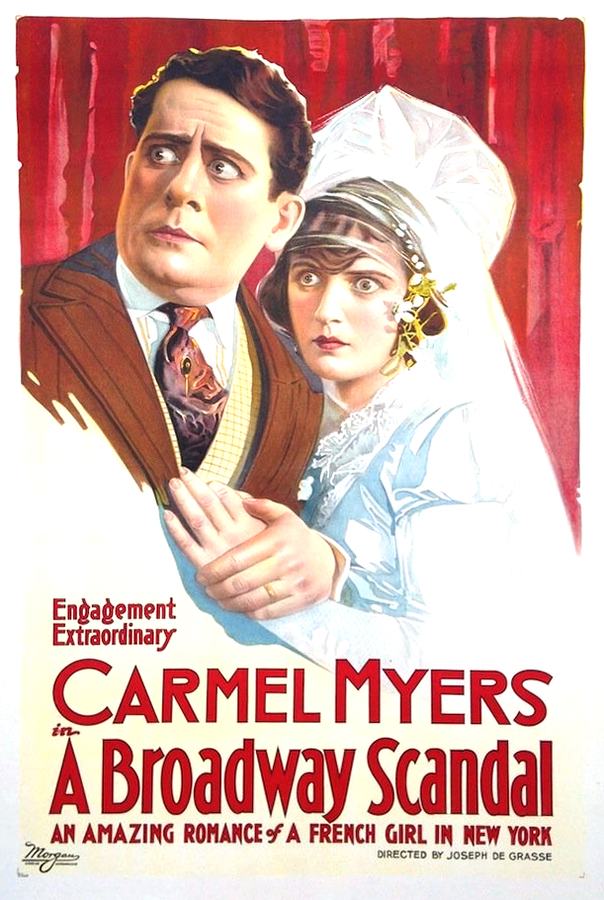
Dir: Joseph De Grasse
Nenette Bisson, who dances in her father's French restaurant in New York, takes a joy ride with "Kink" Colby in a stolen car, and is shot in the shoulder by a pursuing policeman. The driver leaves her at the hospital of David Kendall, with whom she falls in love, but he, believing French women to be frivolous, does not return her affections. Nenette's parents turn her out when they learn of her trouble with the police, after which she becomes a success on the stage. David serves overseas for two years during World War I and there learns to appreciate the valiance of French women. On his return, he proclaims his love for Nenette and helps her achieve a reconciliation with her parents.
View Details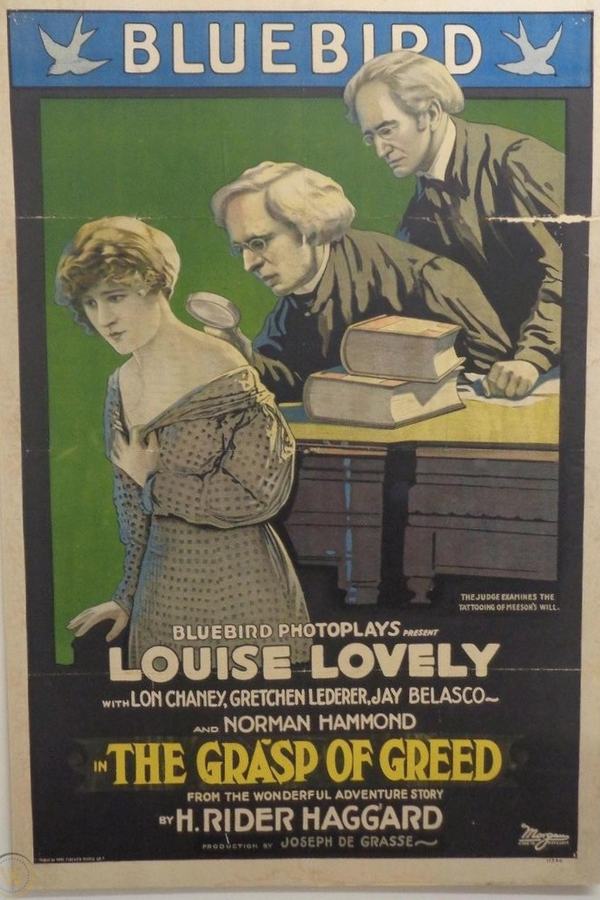
Dir: Joseph De Grasse
A young author is so overjoyed at selling her first book that she unknowingly signs over all her rights to the greedy publisher. Later, after the book becomes a best-seller, the publisher's nephew (who has fallen in love with her) tries to help her get her rights back.
Dir: Joseph De Grasse
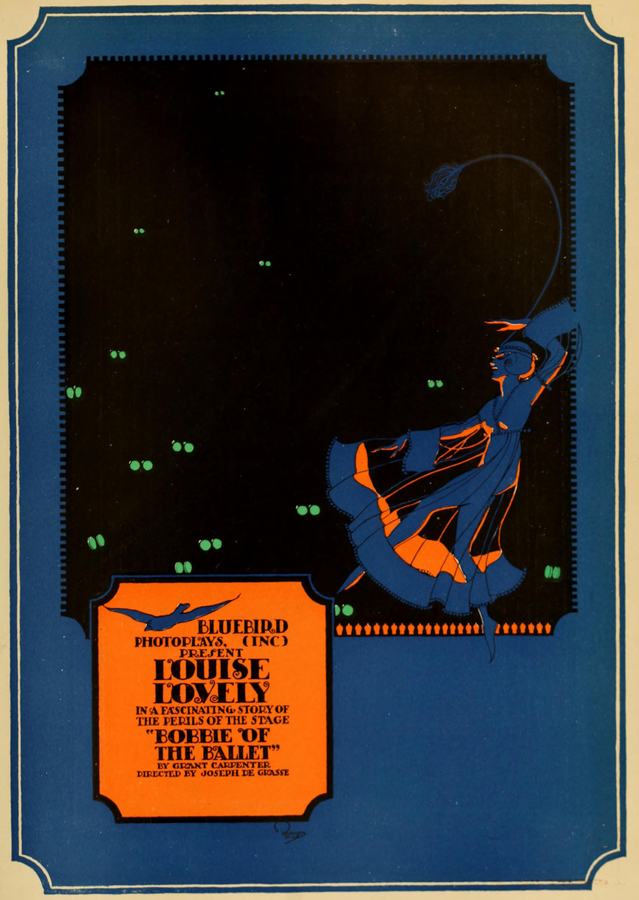
Young ballet dancer Bobbie Brent has lost her parents and must care for herself and her younger brother and sister. To keep the children, she pretends that they are her own children and not her siblings. Jack Stinson, her boyfriend, is aghast at this deception and breaks up with her. However, Jack's old girlfriend Velma is still jealous of Bobbie and comes up with a scheme to get rid of her once and for all so she can have Jack all to herself.
View Details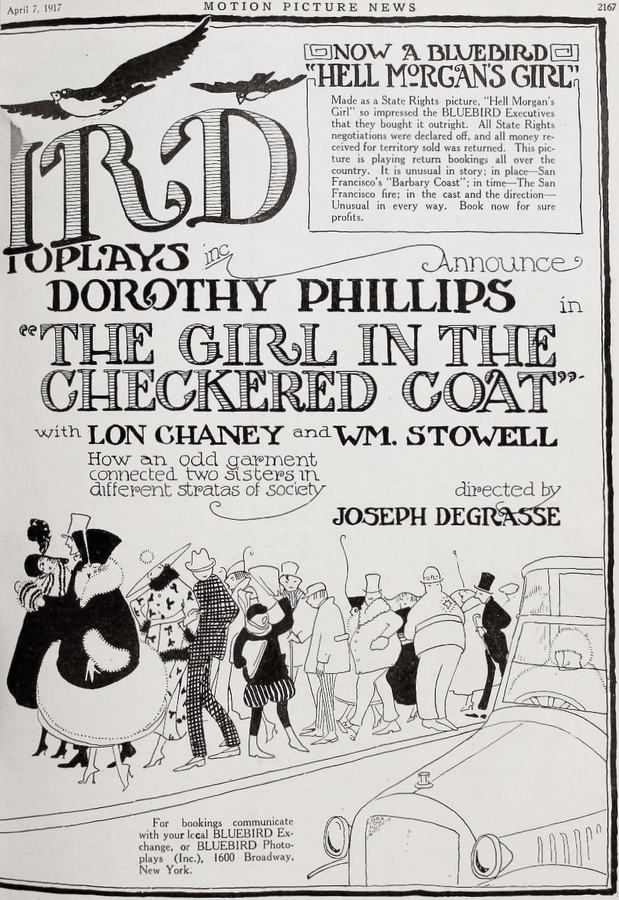
Dir: Joseph De Grasse
Mary and Fannie Graham are forced to live with their criminal father when their mother dies. Mary flees, but Fannie remains with her father and is reared as a thief, becoming known as "Flash" Fan.
Dir: Joseph De Grasse
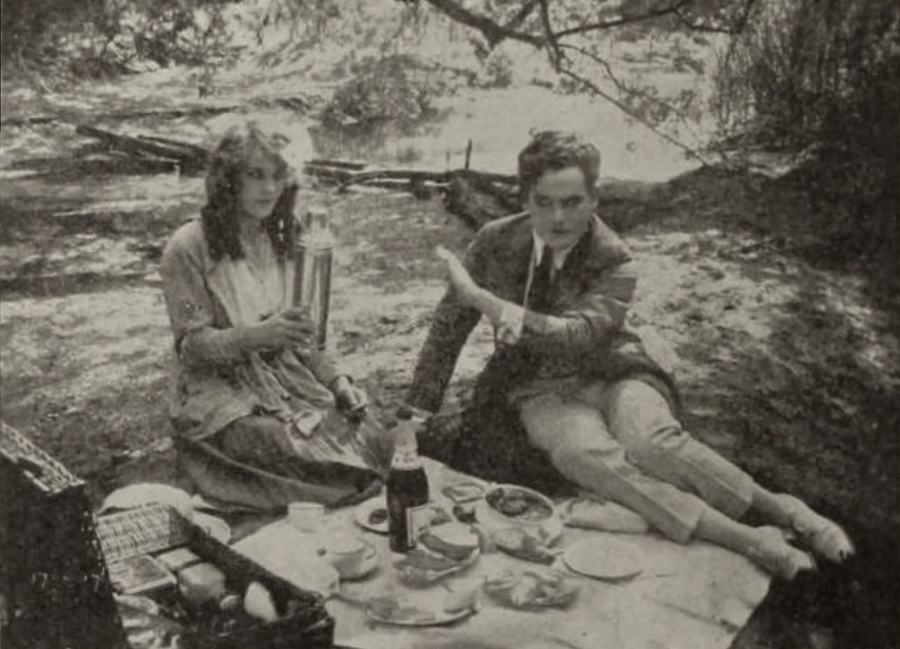
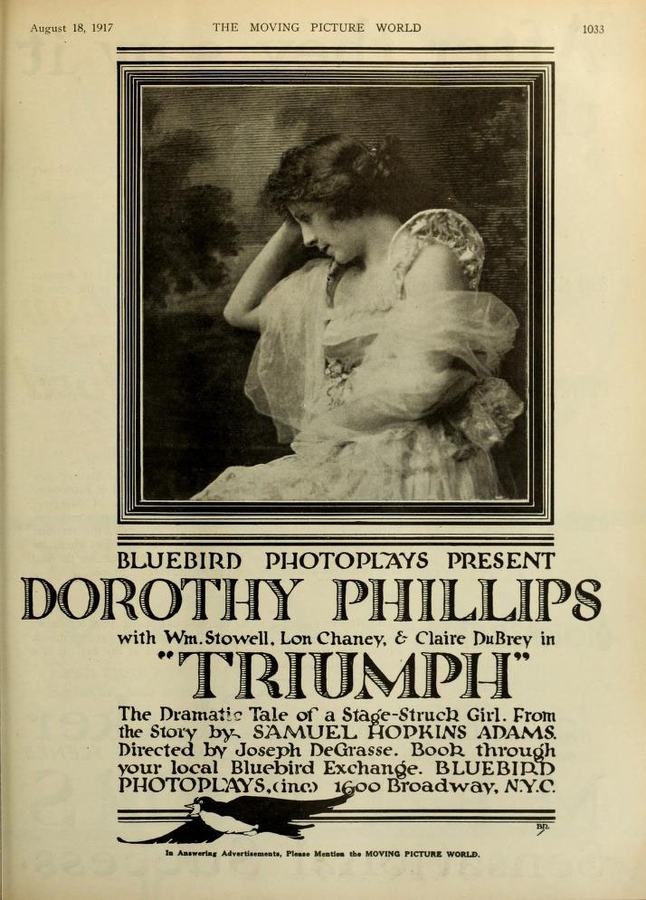
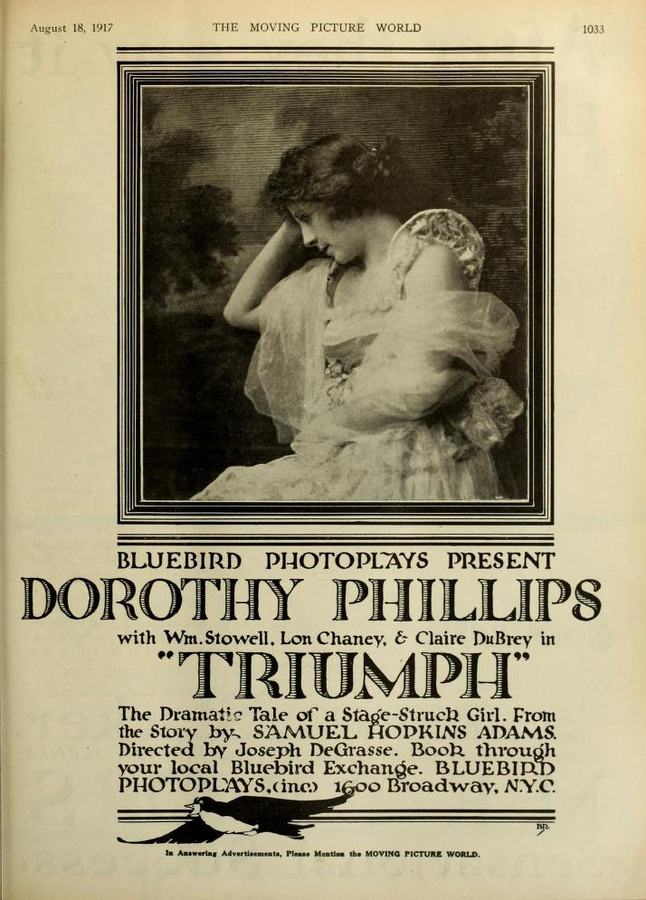
While awaiting the train to Broadway, Nell Baxter meets the leading man of a repertory company to whom she confides her ambitions. Upon arriving in the city, Nell attracts the lascivious eye of stage manager David Montieth, who eventually gives her the starring role in a play with the expectation that he will be favored with her affections. Nell, however, has fallen in love with playwright Paul Neihoff. On the afternoon that the show is to open, Montieth learns of Nell's romance and cancels the show. Nell goes to Montieth's apartment to plead with him to open the show, and he consents after setting Nell's virtue as the price of her ambition. When he attempts to collect, Nell stabs him and rushes to Neihoff's apartment. The playwright tells her to go to the theater as if nothing has happened, writes a letter confessing that he killed the manager, and then takes an overdose of a drug and dies. Word comes to Nell after the second act that Neihoff has sacrificed himself, and in the last act, she substitutes a real dagger for the fake one and stabs herself to death. It has all been a story, however, concocted by the leading man to cure Nell of her infatuation with the footlights, and no one has died.
View Details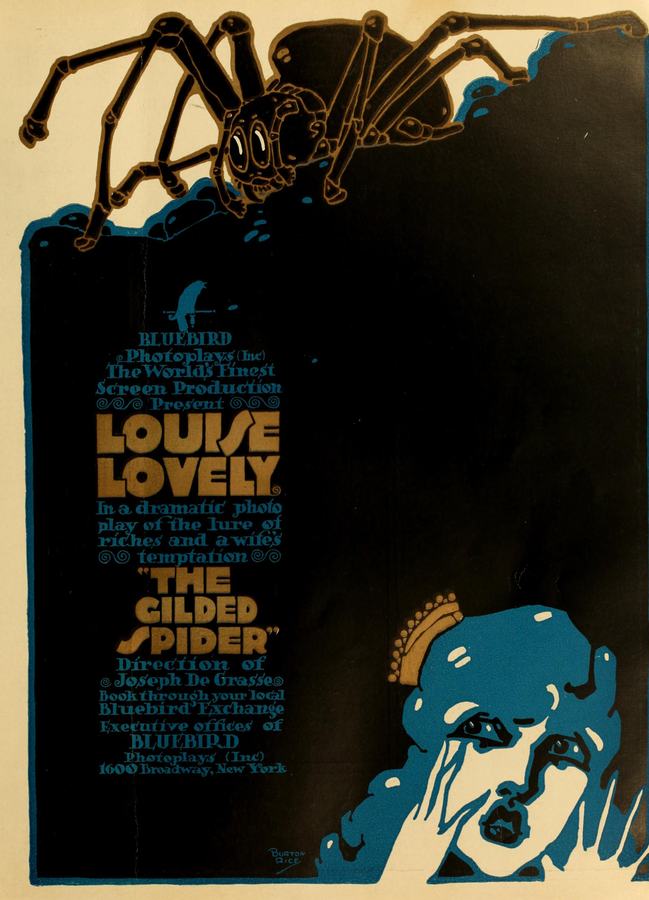
Dir: Joseph De Grasse
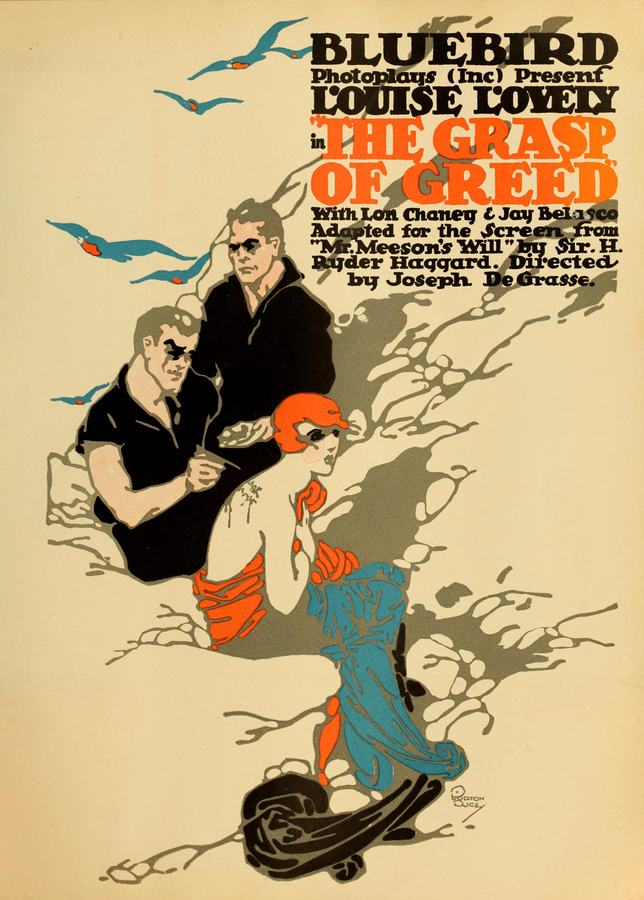
An unusual story about the crossing paths of the poor Italian family of sculptor Giovanni (Lon Chaney) and reckless American millionaire, Cyrus Kirkham (Gilmore Hammond). Louise Lovely plays two parts: Giovanni's wife Leonita, who comes to grief when Cyrus falls in love with her; and Giovanni's daughter Elisa, whose beauty brings a horrific resolution to the two families' woes.
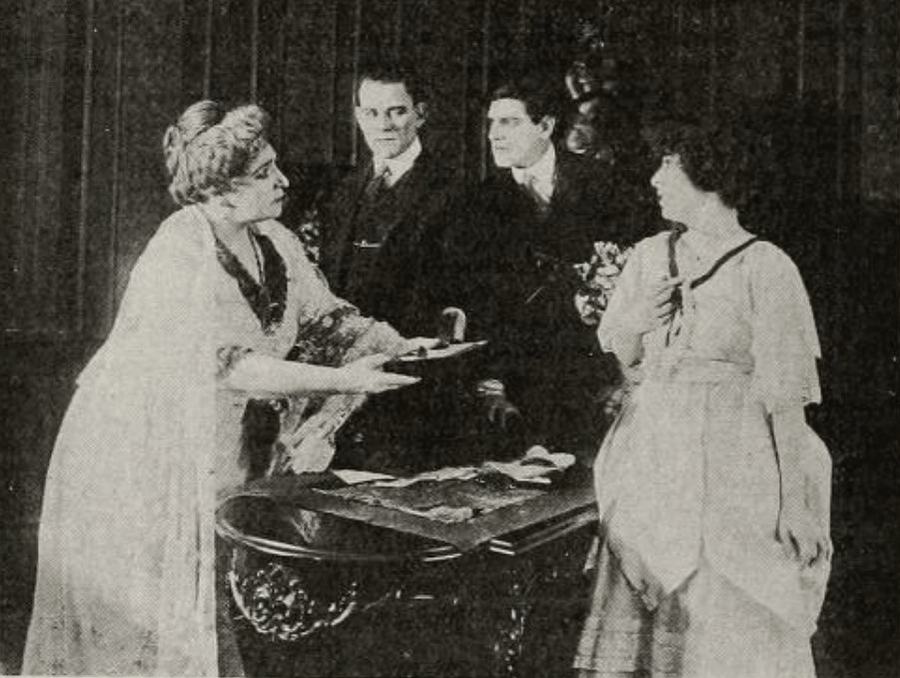
Dir: Joseph De Grasse
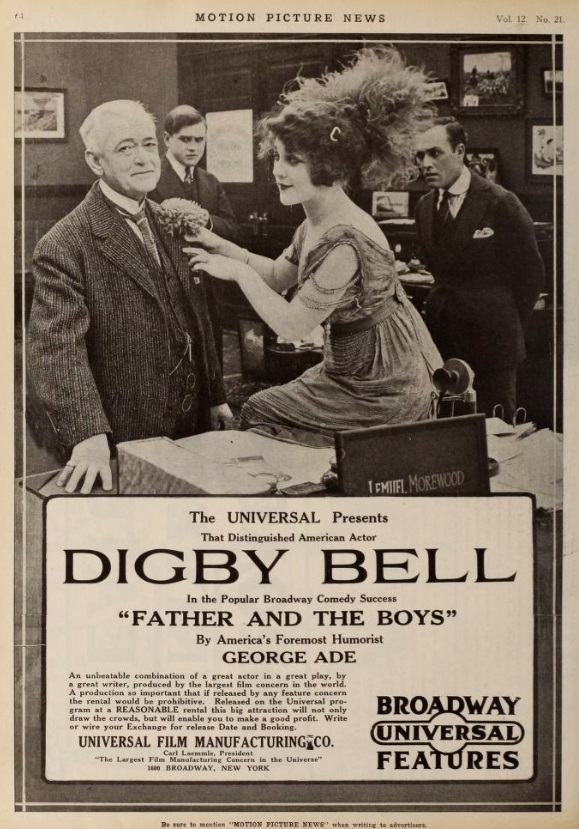
Lemuel Morewood is a wealthy businessman to whom riches bring no pleasure because he has entirely lost the sympathy of his sons, for whom he lives. Billy is society-mad and completely enthralled by Mrs. Bruce Guilford, a leader of the smart set. Tom thinks of nothing but sports; he is an amateur athlete of national prominence. Lemuel longs to see the boys interested in the business. He especially wants Tom to marry Frances Berkeley and Billy to marry Emily Donelson. But the boys will have none of them. Bessie Brayton is a Western orphan who has come to New York and taken up society entertaining for a living. Her only property is a half-interest in the Bluebird mine, which she supposes is worthless. One evening, the Morewoods employ Bessie to entertain at an exclusive dinner they are giving, and here she meets Major Bellamy Didsworth, who offers to sell her half-interest for her. Lemuel has run away from this dinner. But, goaded by Bessie's taunts that he is old-fashioned, he gets into his evening clothes and enters into the gambling that follows. Bessie encourages him and he cleans up on Didsworth, as the others look on, staggered by his plunging. Leaving them dazed, Lemuel makes a spectacular exit with Bessie to "blow his winnings." Lemuel keeps up the pace he has set. He goes to the races and there his conduct is so riotous, and his followers, Bessie and a sporting man, so conspicuous, that Mrs. Bruce Guildford is scandalized. She criticizes Lemuel to his son. Billy defends his father, and the quarrel results in a complete break. Bessie has a telegram from Didsworth saying he can get $1,000 for her stock. Lemuel suspects that Didsworth is planning to rob her and takes the matter into his own hands. He and Bessie go out to Nevada together. Lemuel's sons think he has run away to get married to Bessie, and they follow, with Emily, Frances, and Ford, the family lawyer. Out in Nevada, Lemuel and Bessie find that her half of the Bluebird is worth at least $75,000, and they discover that the other half is owned by Carl Higbee, Bessie's old sweetheart who disappeared in Alaska. On the way to Nevada, Tom becomes engaged to Emily and Billy to Frances, which is exactly contrary to what Lemuel planned. They arrive in time to stop the wedding, as they think, and are mortified to learn that they are all wrong, and that Bessie is to be married to Higbee. Lemuel is delighted that his sons are bringing the girls into the family, although they have shifted partners. Lemuel agrees to go back and help the boys run the business.
View Details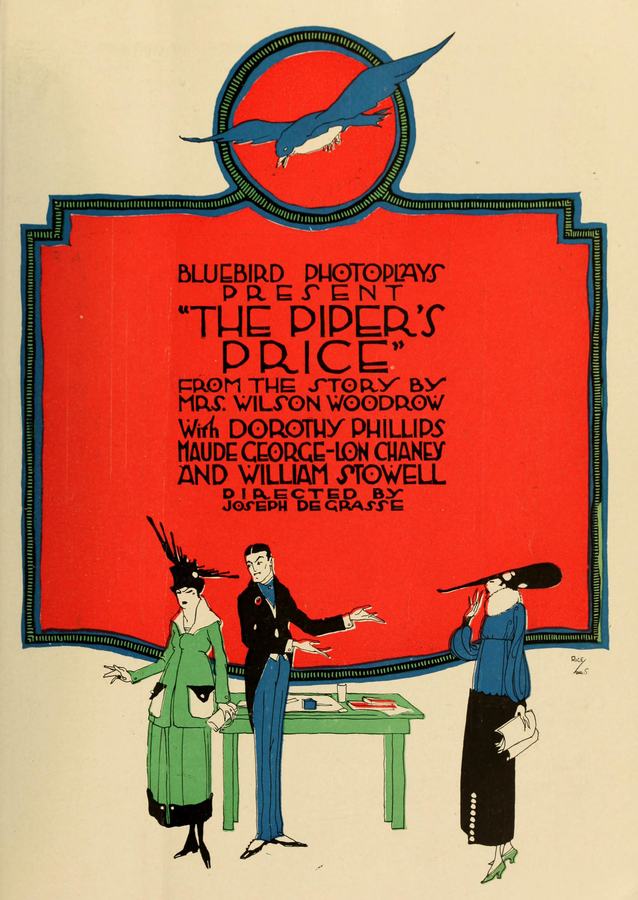
Dir: Joseph De Grasse
After divorcing his first wife and marrying a more gentle natured woman, Ralph Hadley finds himself again attracted to his ex-wife, a shrewd business woman. Trouble begins when he foolishly invites her to lunch, setting gossipy tongues-wagging. The news reaches his devoted wife who has discovered she is pregnant. She confronts the ex-wife who agrees to never see Ralph again and marries another admirer. Devasted, Ralph decides to kill himself ,luckily he is found in time by the doctor with the good news of the birth of his child. Ralph regains his senses and the couple are happily reunited.
Dir: Joseph De Grasse
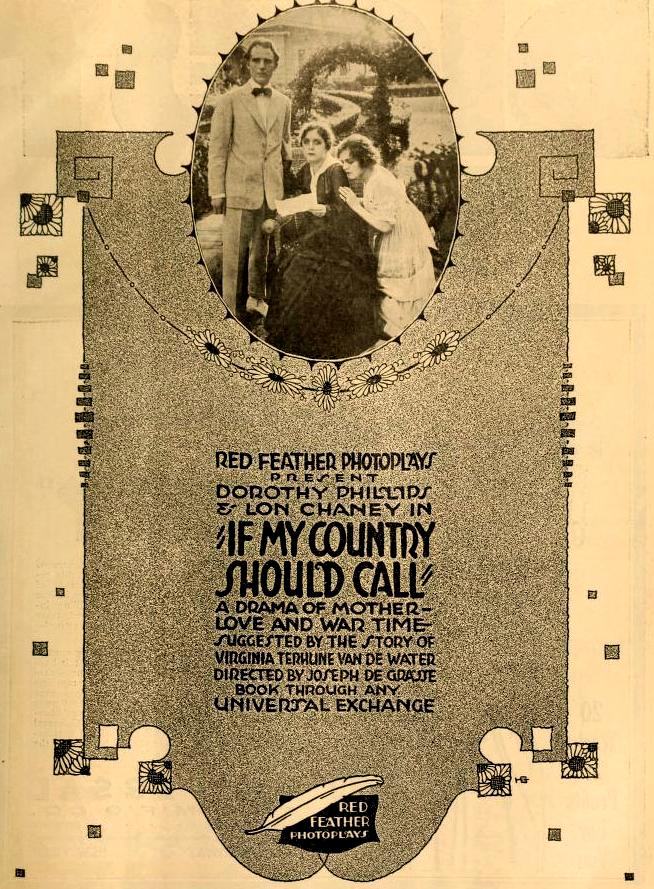
A pacifist mother tries to protect her son, whose patriotism makes him want to enlist in the army. Her uncle, a doctor, has invented a heart medication which mimics heart disease. Just a drop or ten in her son's drink should keep him home.
View Details
Dir: Joseph De Grasse
After discovering that Cyrus Peabody, the president of the bank, and his son Ernest have embezzled $35,000, their cashier, Paul Revere Forbes, threatens to expose them. In a rage, the two men strike him on the head and, persuaded that the busybody is dead, ask their broker to dump the body off in a deserted place. But the broker has an accident and is killed in the crash. The cashier, who was actually still alive, comes to and, while suffering a loss of memory, wanders off. Still believing their employee dead, the Peabodys accuse their cashier of having stolen the money. But Beatrice Forbes, Paul Revere's daughter, and her boyfriend, idle-turned-responsible Billy Winthrop, are on the alert.
View DetailsAnalysis relative to Heart o' the Hills
| Film Title | Atmosphere | Complexity | Similarity |
|---|---|---|---|
| A Broadway Scandal | Surreal | Dense | 94% Match |
| The Grasp of Greed | Gritty | Layered | 97% Match |
| Bobbie of the Ballet | Tense | Dense | 86% Match |
| The Girl in the Checkered Coat | Ethereal | Layered | 95% Match |
| Triumph | Ethereal | Layered | 93% Match |
This guide was algorithmically generated using the cinematic metadata of Joseph De Grasse's archive. Last updated: 8/17/2026.
Back to Heart o' the Hills Details →