
DbcultAccessing Vault...
Recommendations
Senior Film Conservator
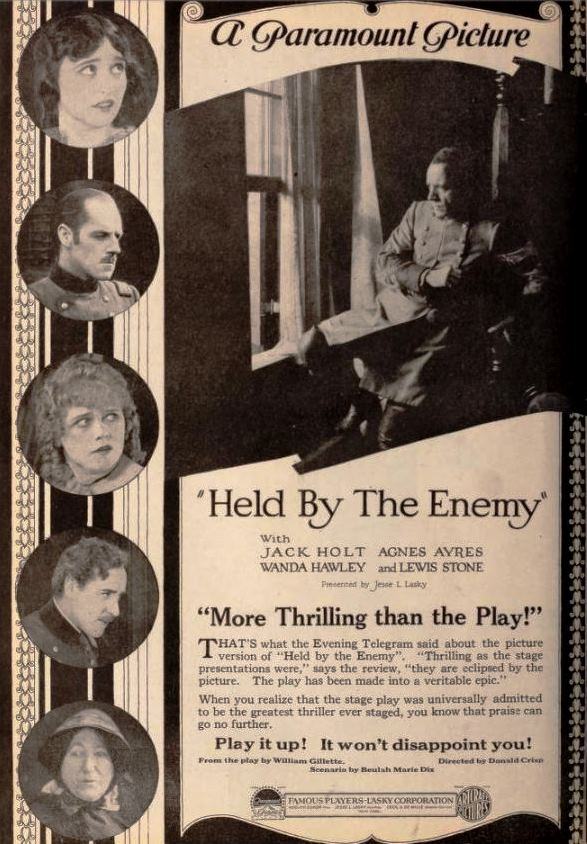
Since its 1920 debut, Held by the Enemy has maintained a nuanced performance status, you are likely searching for more films that share its specific artistic vision. We have meticulously scanned our vault to find hidden gems that resonate with this work.
The 1920 landscape was forever altered by the arrival of to push the boundaries of conventional storytelling.
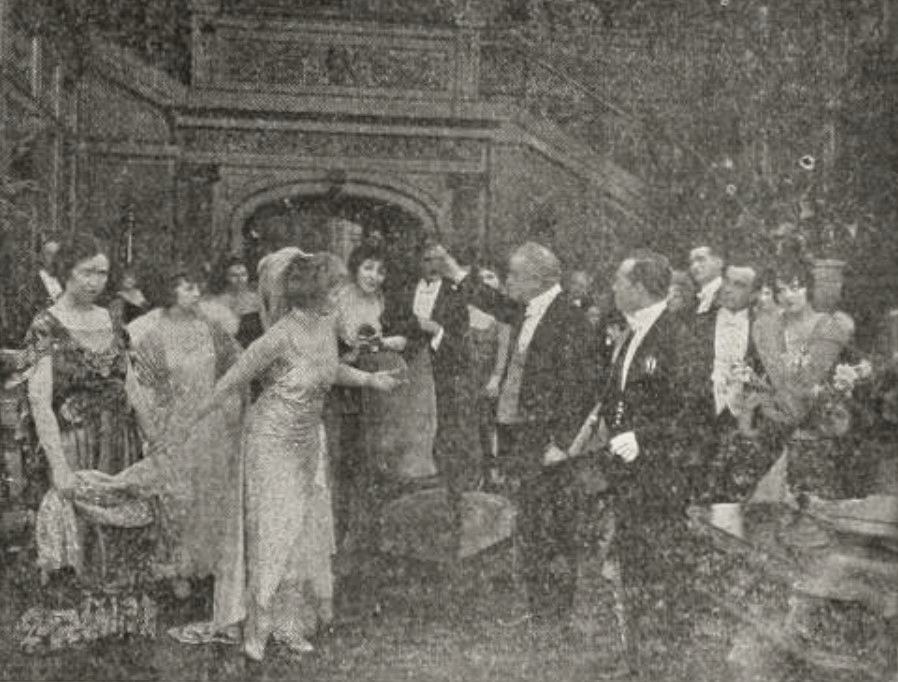
During the Civil War, young widow Rachel Hayne is among those "held by the enemy" when her old family home is within the lines occupied by the Northern troops. Protected by Colonel Prescott from looters and the unwelcome attentions of Surgeon Fielding, Rachel begins to fall in love with the gallant Yankee officer. Their romance is disrupted when Rachel's husband Gordon, long reported dead, is captured as a spy and condemned to death. When Gordon is wounded during an attempted escape, Rachel's loyalty impels her to try to save him by feigning his death. As Gordon's stretcher is carried through the hospital, Fielding demands an examination of the body, charging that Prescott is involved in a plot to smuggle the spy out of the hospital alive. General Stanton lifts the cover from the body, only to find that death has really come, freeing both Rachel and Prescott.
The influence of Donald Crisp in Held by the Enemy can be felt in the way modern War films handle nuanced performance. From the specific lighting choices to the pacing, this 1920 release set a high bar for atmospheric immersion.
Based on the unique nuanced performance of Held by the Enemy, our vault has identified these titles as the most compelling follow-up experiences for fans of War cinema:
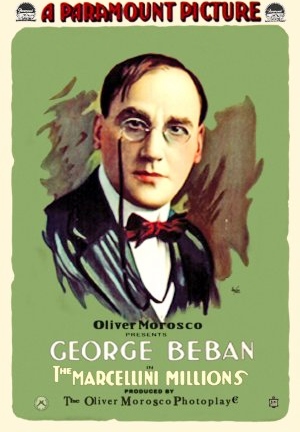
Dir: Donald Crisp
Marcellini, a successful wine dealer, has a sudden heart attack and dies. His will leaves his entire fortune to his only kin, a husband and wife who operate a small farm. Guido, the husband, agrees against his better judgment to move on to the Marcellino estate. Before he knows it he is up to his neck in marriage troubles, people trying to swindle him out of his inheritance and blackmail.
View Details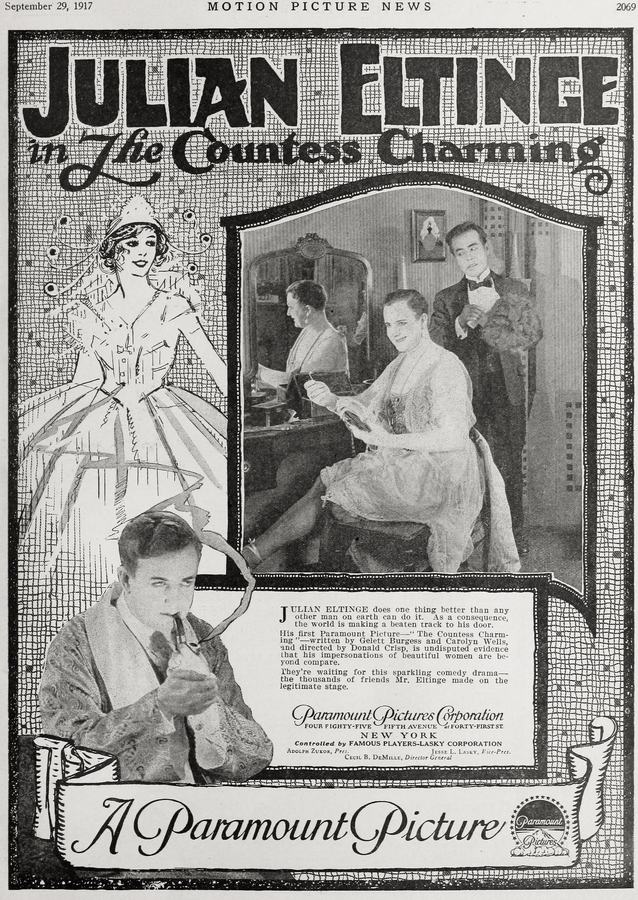
Dir: Donald Crisp
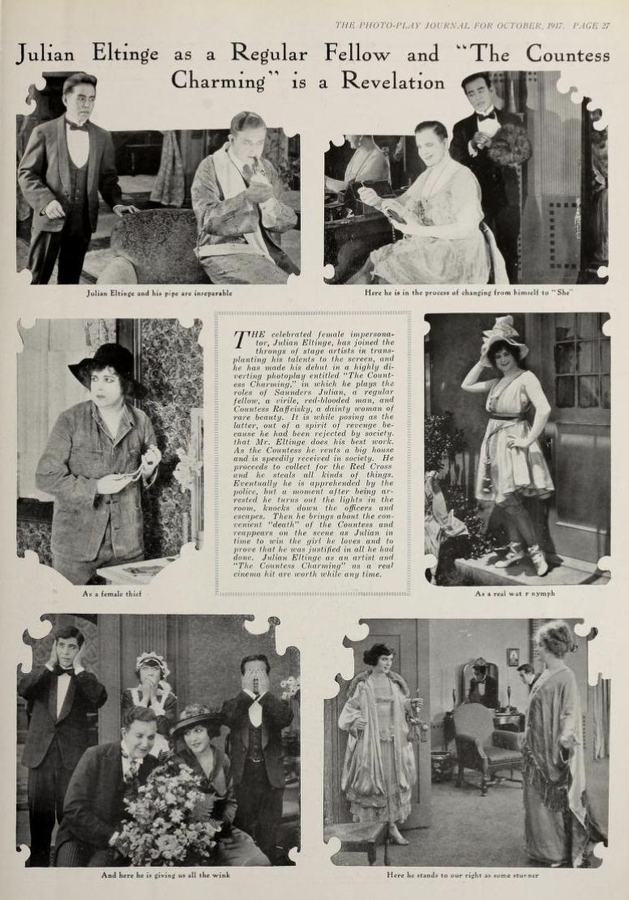
Wealthy young bachelor Stanley Jordan attends a Red Cross Benefit at the country club, where he meets and falls in love with Betty Lovering and unwittingly offends social leader Mrs. Vandergraft. Discovering that the Vandergrafts have initiated a campaign to ostracize him from the club, Jordan, incensed, decides to get even: he disguises himself as a Russian Countess and returns to the club, where he is wined and dined. As a member of society, he is welcomed into the homes of the rich, where he proceeds to steal their valuables and donate them to the Red Cross Fund. The series of thefts alarms the neighborhood, and a detective is hired. Just as the detective is closing in on the Countess, it is announced that the Russian has been a victim of assault and is lying on her deathbed. Betty, concerned, calls on the Countess, only to discover that she is none other than Stanley Jordan, the man she loves.
View Details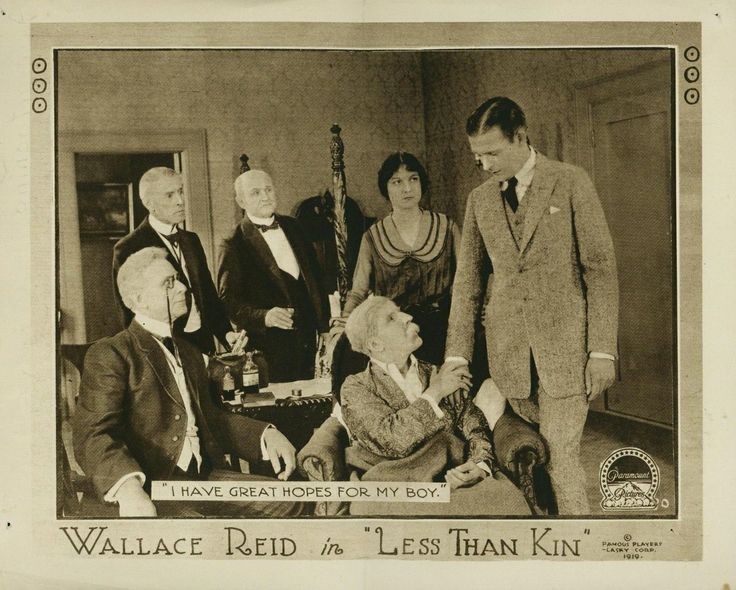
Dir: Donald Crisp
Lewis Vickers accidentally kills a man and goes to Central America. Here he meets Robert Lee, who bears a remarkable resemblance to him. Lee is a worthless young chap whose father is anxious to have him return to the United States. On his death bed Lee turns his papers over to Vickers and begs him to assume his name. Arriving in New York, Vickers goes to the Lee home as Robert Lee, and discovers that the dead man has willed him a badly blotted past that includes a wife and two children and a large collection of debts. He also finds a beautiful adopted daughter in the Lee household and promptly falls in love with her. The only way he can stand any chance of winning the girl is by telling the truth about himself. The arrival of his undesirable family and several of its friends and connections helps to bring out the truth, and the picture ends with a runaway marriage between Vickers and the adopted daughter.
View Details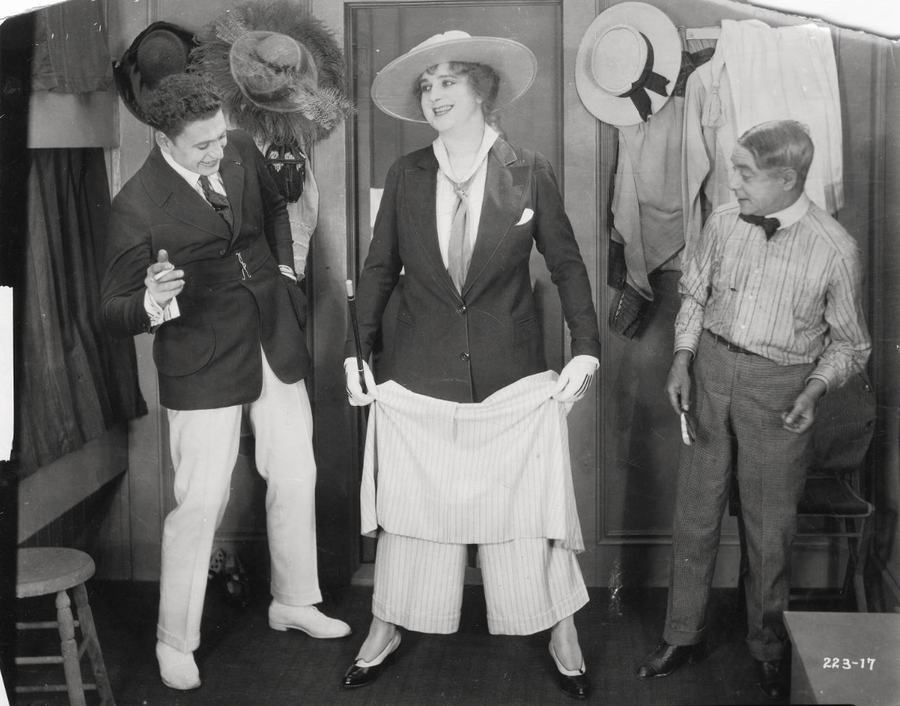
Dir: Donald Crisp
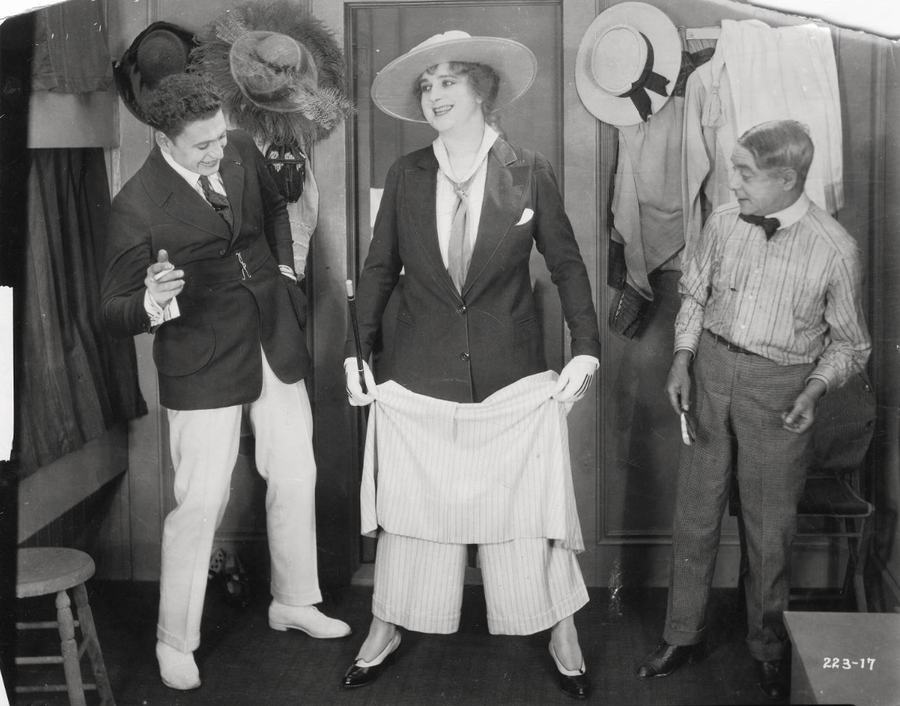
Newspaper publisher Temple Trask, who answers the "Letters to the Lovelorn" column under the nom-de-plume "Mrs. Carfax," becomes the hit of his college reunion when he revives his female impersonation act. Returning home, Temple meets Billy Wise, another college friend, who wagers one hundred dollars that Temple will not go into a restaurant dressed as a woman. He takes the dare, then sees Helen Scott in the restaurant and, although he is a cynic who does not like women because he knows too much about them, he falls in love. When he notices that Adrian Graw, a crook whom Temple knew when he was a cub reporter, is after Helen's fortune, Temple, impersonating Mrs. Carfax, accompanies Helen and her grandmother, Mrs. Keyes, aboard a steamer to protect them. On the voyage, Helen becomes good friends with Mrs. Carfax and falls in love with Temple. After Mrs. Carfax punches Graw during a struggle for Mrs. Keyes bonds, the police arrest Graw and his accomplice, Rena Varsey. Helen, astonished when Temple removes his wig, falls joyfully into his arms.
View Details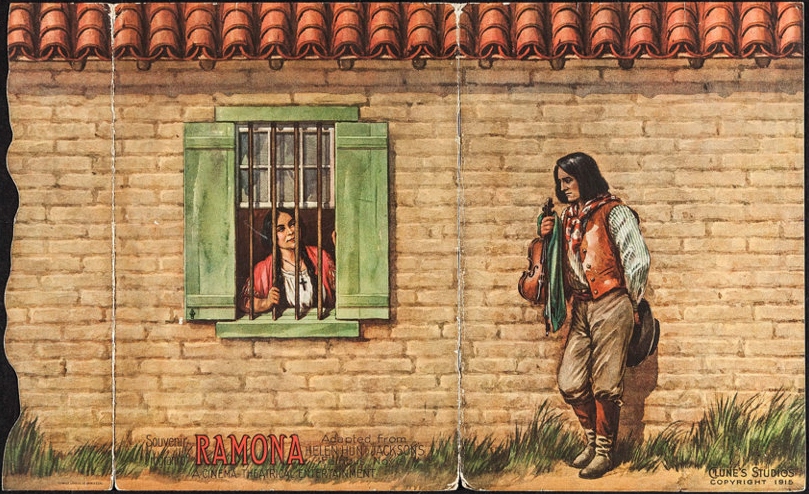
Dir: Donald Crisp
On the estate of Senora Moreno in Southern California, the senora's adopted daughter Ramona lives. She falls in love with Alessandro, an Indian of noble heritage. When her adoptive mother forbids their marriage, Ramona Alessandro elope, only to find bigotry, misfortune, and finally tragedy wherever they turn.
View Details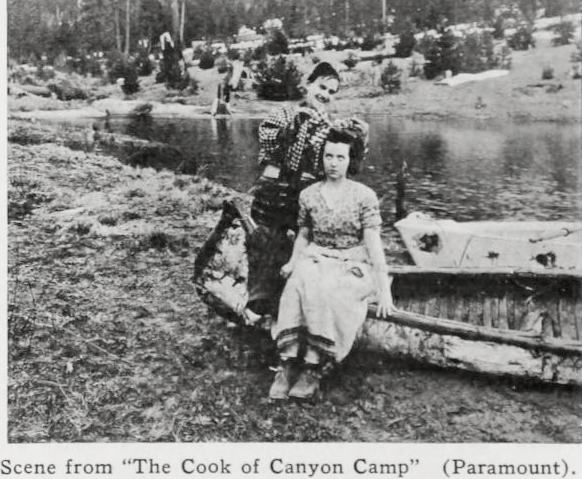
Dir: Donald Crisp
The most popular man in the lumber camp near Quebec is Jean, the cook, whose flapjacks are celebrated for their delectability. Jean's compassionate nature is aroused when a dejected stranger known as Silent Jack comes to the camp. Discovering Jack crying one day, Jean learns that his wife has left him. To reunite the couple, Jean pretends that he too is married and induces Jack to write an affectionate letter from him which he then presents to Mrs. Jack. The ruse reconciles the couple, but distresses Jean's sweetheart Marie when she learns that Jean already has a wife. Jean finally explains everything satisfactorily to Marie, and after the two are married, they leave for the city to open a flapjack palace financed by the grateful Jack.
View Details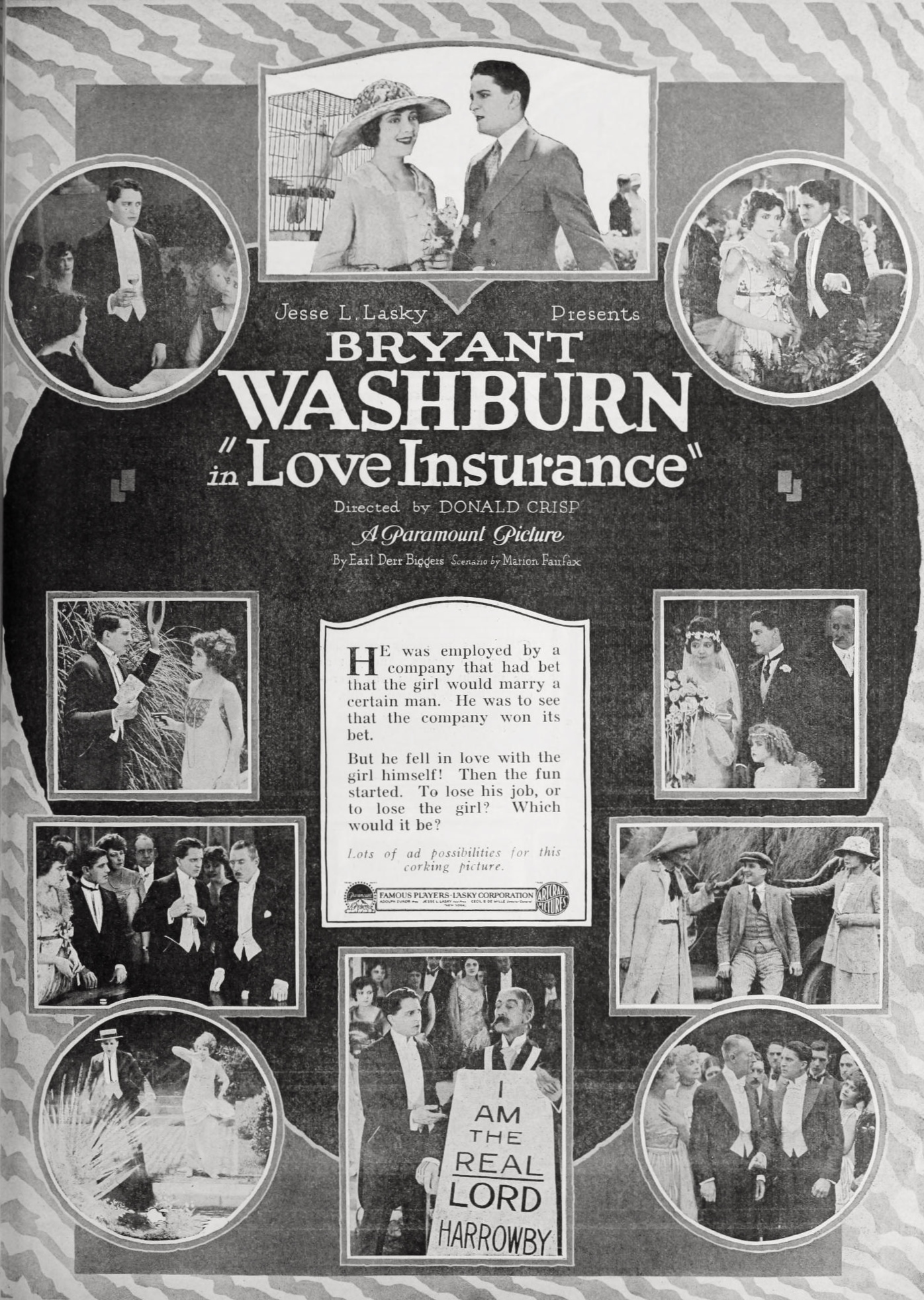
Dir: Donald Crisp
Posing as a nobleman, Allan Harrowby takes out a policy with Lloyd's to insure that his upcoming marriage will occur, Dick Minot, Lloyd's assistant manager in the U. S., travels to San Marcos, Florida to handle anything that threatens to disrupt the wedding. On the train, Dick falls in love with Cynthia Meyrick, then discovers she is Harrowby's bride-to-be, he subdues his feelings. After a blackmailing valet claims to be Harrowby's older brother, the real brother and heir, George Harrowby, arrives and accuses the valet of stealing his yacht. Cynthia's father forbids the marriage until George, who says his children in Chicago would laugh at him if he called himself "Lord," resigns his title in favor of Allan. Cynthia, however, indignant when she learns of the insurance policy, calls off the wedding and spurns Dick for his part in it. Later, Dick once again meets Cynthia on a train, and love blossoms without trouble.
View Details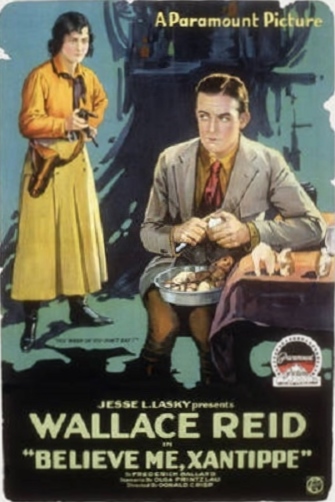
Dir: Donald Crisp
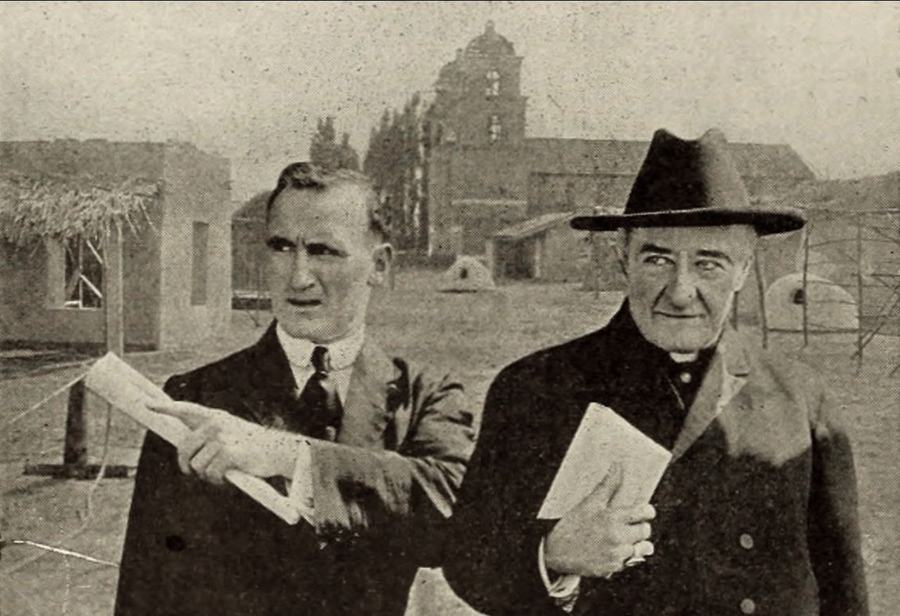
George MacFarland, a wealthy young man who loves adventure, bets his friends Thornton Brown and Arthur Sole $20,000 that he can commit a crime and elude the police for a year. After he forges a check, George heads West and does escape arrest for nearly a year, despite the proliferation of police circulars bearing his name and his favorite expression, "Believe me, Xantippe." In a Colorado hunting lodge, he meets Sheriff Kamman's pretty daughter Dolly, who recognizes and tries to arrest him. According to the terms of the bet, however, he must be captured by a genuine officer of the law, which Dolly is not. With the stroke of midnight, the year elapses and George wins the bet as well as the sheriff's daughter.
View Details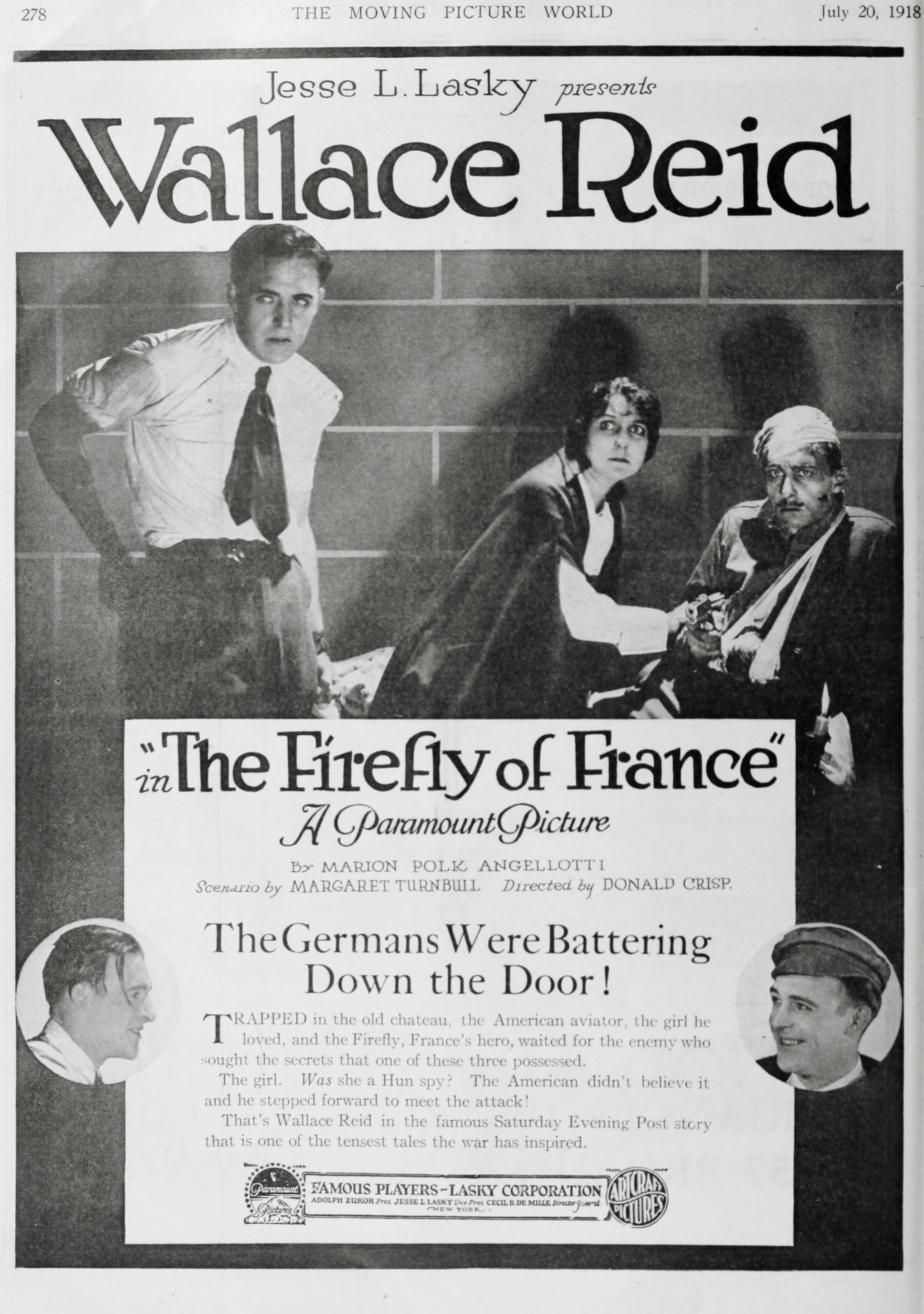
Dir: Donald Crisp
The Firefly of France, a famed Allied airman in the First World War, is lost while transporting valuable plans, and it is feared that he and the plans are now in the hands of the Germans. A member of the Lafayette Escadrille endeavors to find the Firefly and the plans, but encounters a mysterious girl and several German spies who want the same thing.
View Details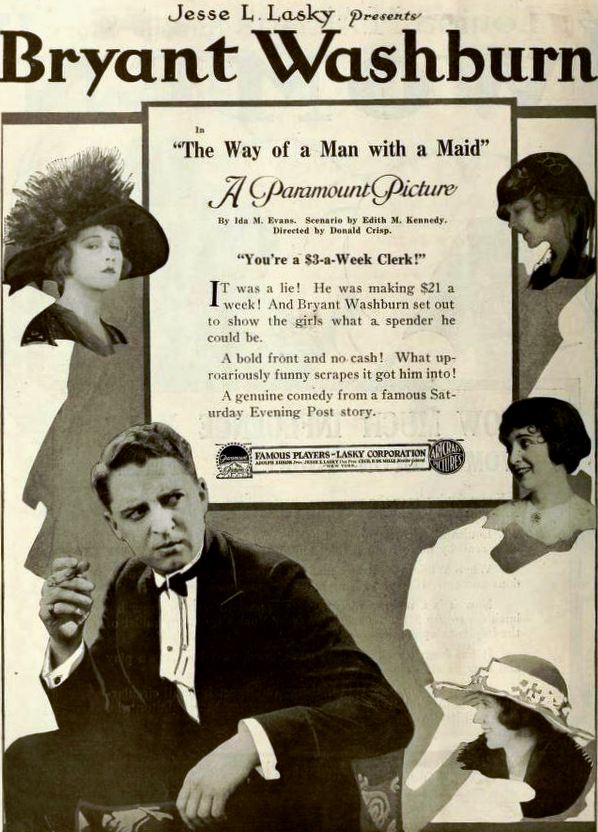
Dir: Donald Crisp
When shipping clerk Arthur McArney falls in love with pretty stenographer Elsa Owenson, he finds himself in stiff competition with a fat but wealthy broker named Sankey. Elsa's expensive tastes lead Arthur to spend a week's salary on an evening's entertainment, part with his watch to pay their taxicab fare, and borrow money from his friends to buy her extravagant gifts. Finally, Arthur is forced to take on odd jobs and night duty, which so impresses his employer, Hallet, that he gives the clerk a small raise. After Arthur spends $200 on the proper attire to wear to a lavish Halloween party, Hallet calls him to the office that evening, and Elsa attends the affair with Sankey. To reward his employee's dedication, Hallet promotes Arthur to the post of branch manager. Elsa accepts Arthur's marriage proposal with the promise that she will henceforth economize.
View DetailsAnalysis relative to Held by the Enemy
| Film Title | Atmosphere | Complexity | Similarity |
|---|---|---|---|
| The Marcellini Millions | Ethereal | Layered | 90% Match |
| The Countess Charming | Tense | Linear | 92% Match |
| Less Than Kin | Tense | Linear | 98% Match |
| The Clever Mrs. Carfax | Surreal | Layered | 98% Match |
| Ramona | Ethereal | Layered | 86% Match |
This guide was algorithmically generated using the cinematic metadata of Donald Crisp's archive. Last updated: 6/22/2026.
Back to Held by the Enemy Details →