
DbcultAccessing Vault...
Recommendations
Senior Film Conservator
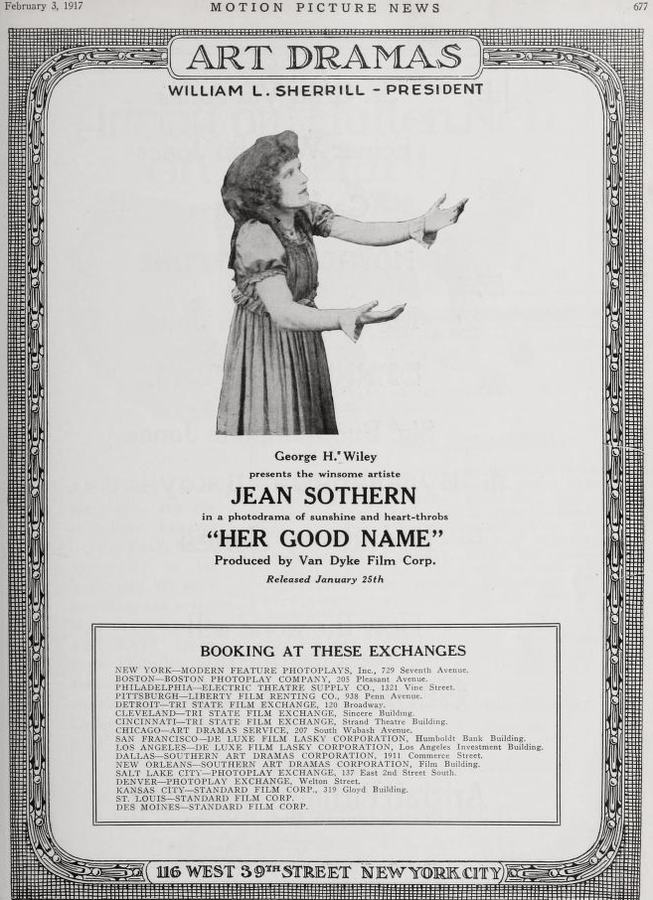
Looking back at the 1917 milestone that is Her Good Name, the cinematic shorthand used by George Terwilliger is both ancient and revolutionary. Dive into this collection and find the spiritual successors to George Terwilliger's vision.
As George Terwilliger's most celebrated work, it defines to articulate the unspoken anxieties of United States's 1917 era.
Based on the unique unique vision of Her Good Name, our vault has identified these titles as the most compelling follow-up experiences for fans of cult cinema:
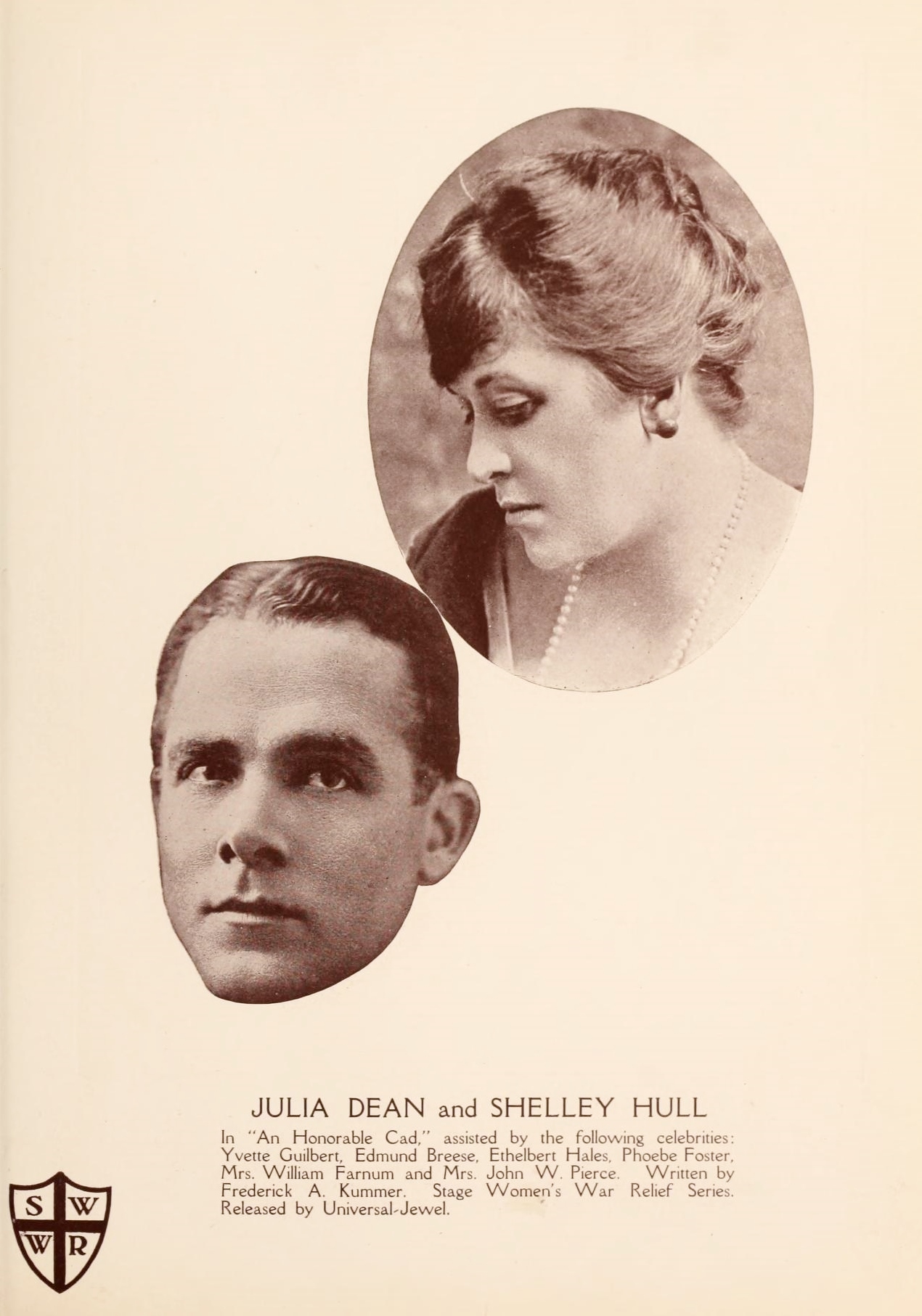
Dir: George Terwilliger
A fascinating piece of cinema that shares thematic elements.
View Details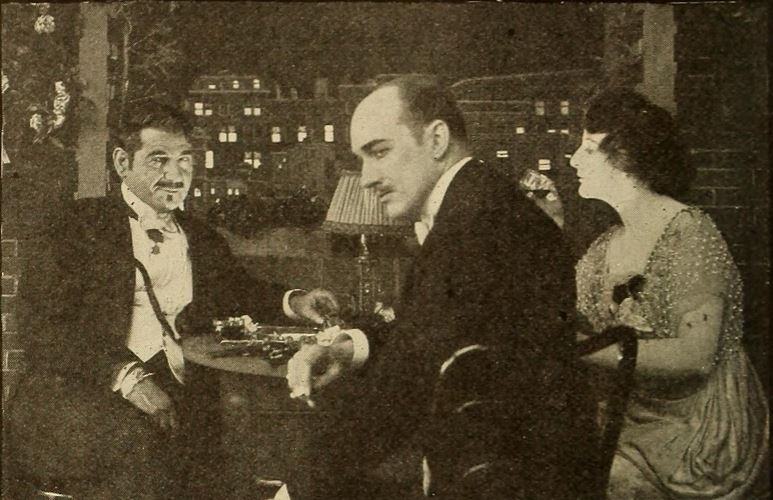
Dir: George Terwilliger
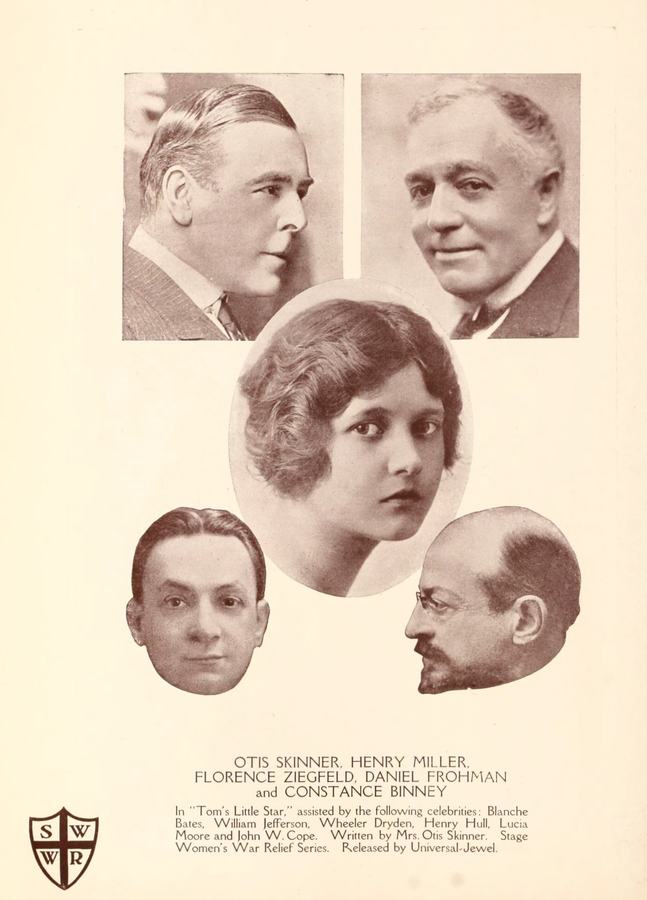
Episode 1: "The Jade Necklace" Dorothy Desmond, an inexperienced Kentucky girl whose father, an editor, had been shot at his desk by a political opponent, and whose mother had dropped dead of shock, found herself left virtually penniless. She believed she had a gift for writing and came to New York to seek a position on a newspaper. She was assigned to Chinatown to get an opium den story. She missed her escort and bravely and foolishly went to Chinatown alone. She yielded to the invitation of a Chinaman to enter his shop and inspect some beads, and he was at the point of attacking her when a storm of revolver shots broke, and a tong war was on. At the crack of the first pistol the Chinese shopkeeper desisted from his evil designs and shoved Dorothy into a secret room, the door of which he closed and locked on the outside. The girl was mad with fear. To her through the deadening walls came the sounds of the shooting. Then the shots ceased as suddenly as they had begun, and she heard faintly the gongs of police ambulances and patrols. Had she been liberated she would have seen white-jacketed emergency surgeons and orderlies picking up dead and wounded Chinamen and putting them into the wagons, while blue-coated officers with busy clubs rounded up other Chinamen, dragging them from all sorts of odd holes and corners and packing them into patrol wagons. "Worst tong fight in years," a sergeant observed pleasantly to a newspaper man. "Seven dead already, and some of the wounded sure to die. These Chinks shoot mighty straight for heathen. In the dark, too. What always puzzled me was how one tong could spot the other tong when they get mixed up in one of these nasty little wars. All Chinks look pretty much alike to me. You can never find out what started one of those shooting festivals. They won't tell a white man a thing. We can take our fill of guessing, though. Maybe it was a woman taken away from a member of one tong by a member of another. Maybe it was opium, maybe, you can think up a whole lot of maybes if you try, but what's the use"?
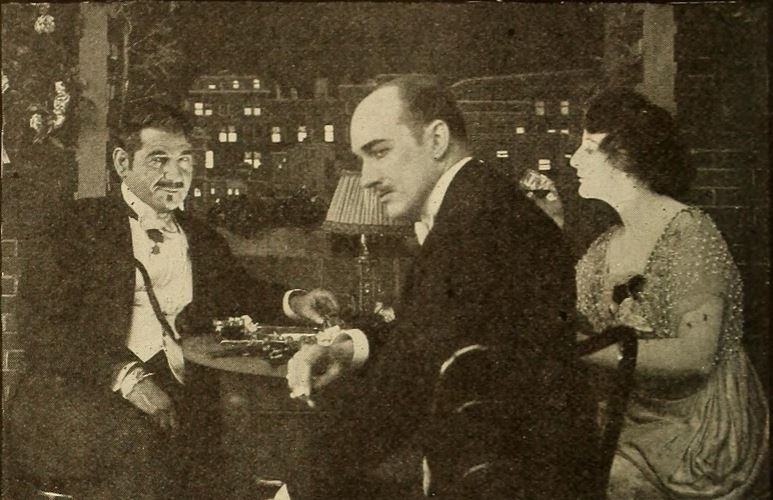
Dir: George Terwilliger
A fascinating piece of cinema that shares thematic elements.
View Details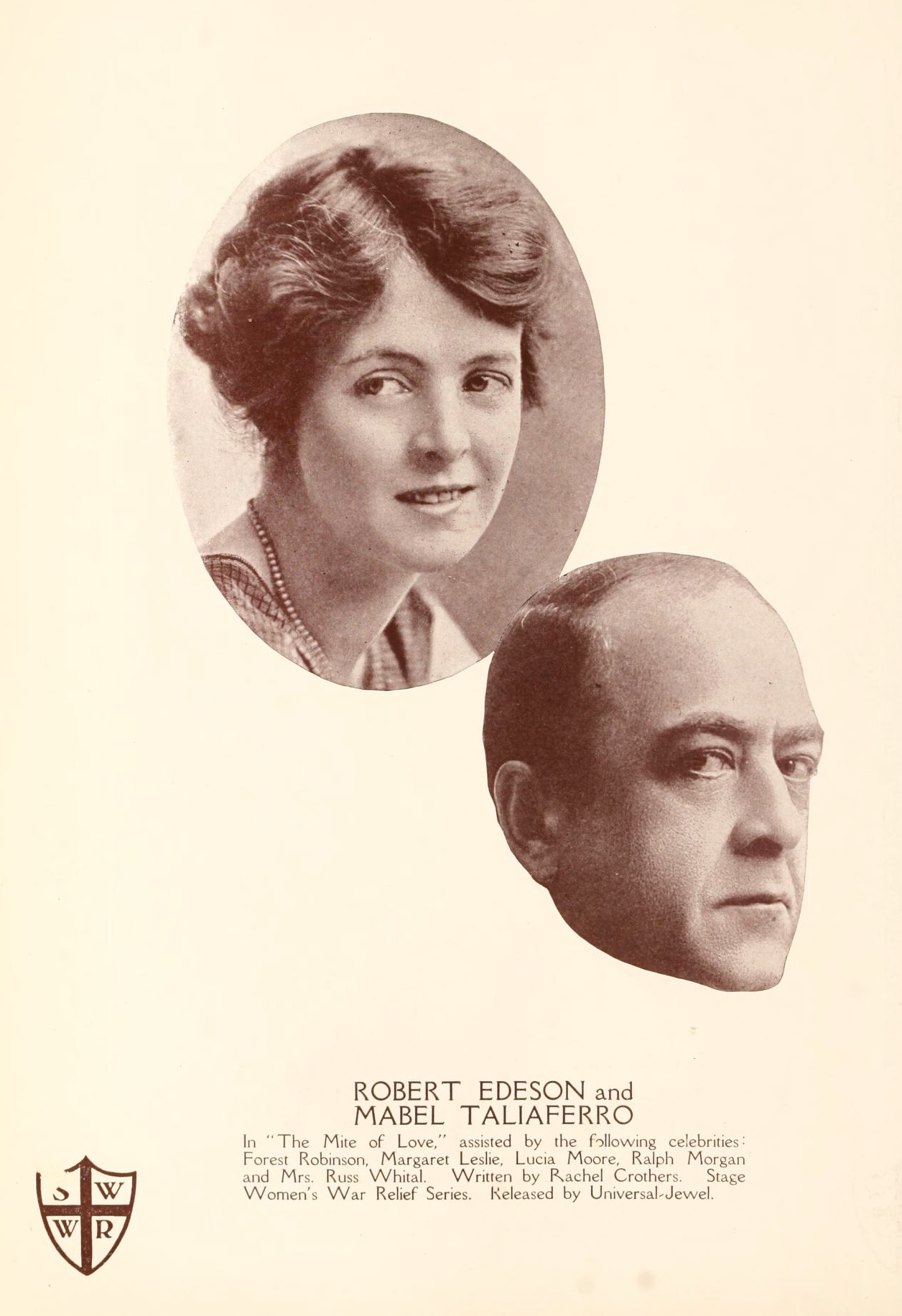
Dir: George Terwilliger
A fascinating piece of cinema that shares thematic elements.
Dir: George Terwilliger
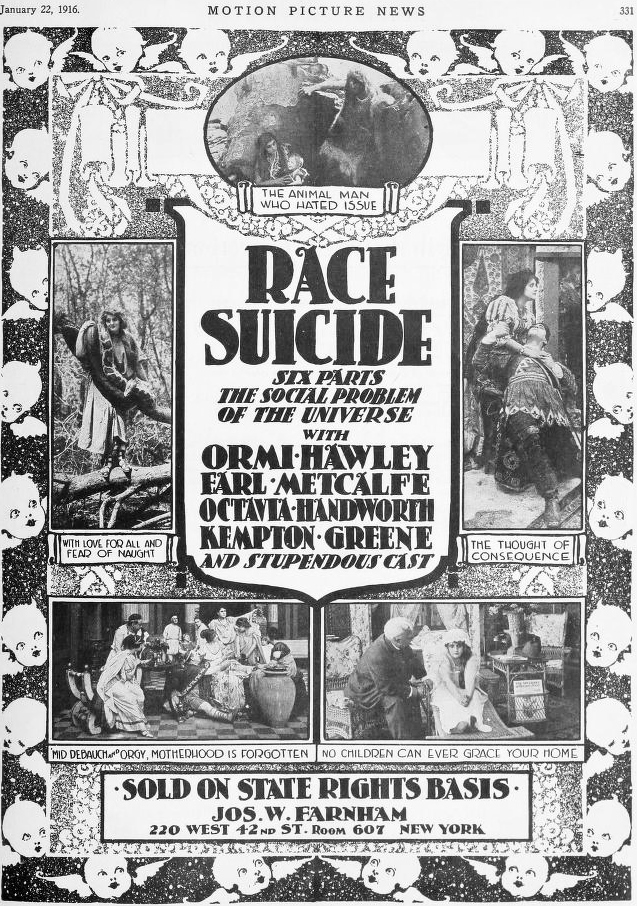
Following a prologue which shows that animals frequently desert their young, a jilted prehistoric suitor murders the child of the woman he loves. During the age of the Roman Empire, a soldier has a brief affair with a shepherdess, and long after he has left, she has their child. The shepherdess looks for the father, but returns brokenhearted after finding him with another woman, and then dies while saving her child from a poisonous snake. During the Elizabethan era, a wayward son seeks spiritual redemption through war, and is killed in battle. In modern times, a young, impoverished husband refuses to start a family, despite the pleadings of his wife. Then, when he finally starts earning enough money to consider children, his wife has an accident that makes it impossible for her to become pregnant.
View Details
Dir: George Terwilliger
A fascinating piece of cinema that shares thematic elements.
Dir: George Terwilliger
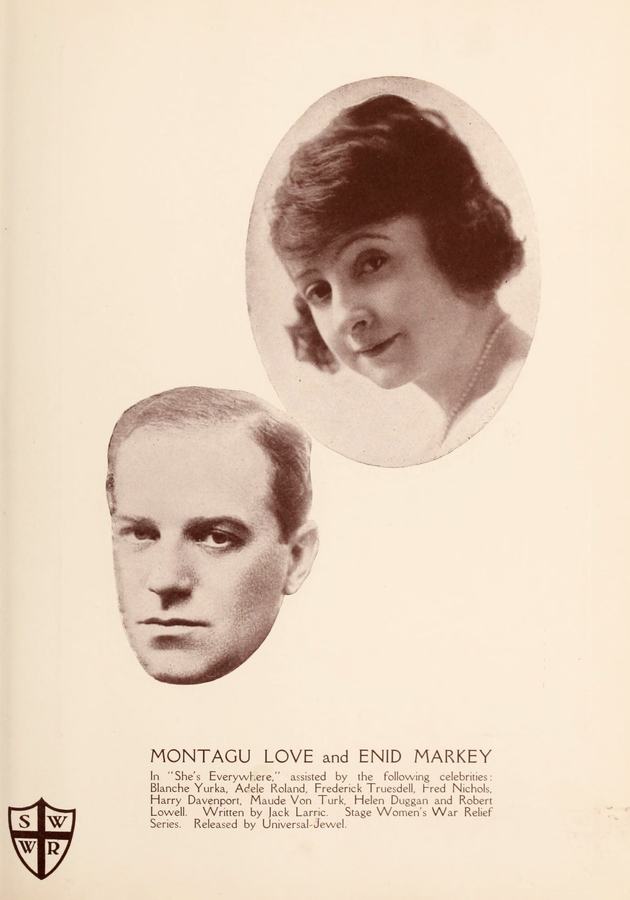
A nervous business man is pursued by what he thinks are visions of the same girl in many places. The latter turns out to be an authoress who changes jobs frequently in order to get literary material.
View Details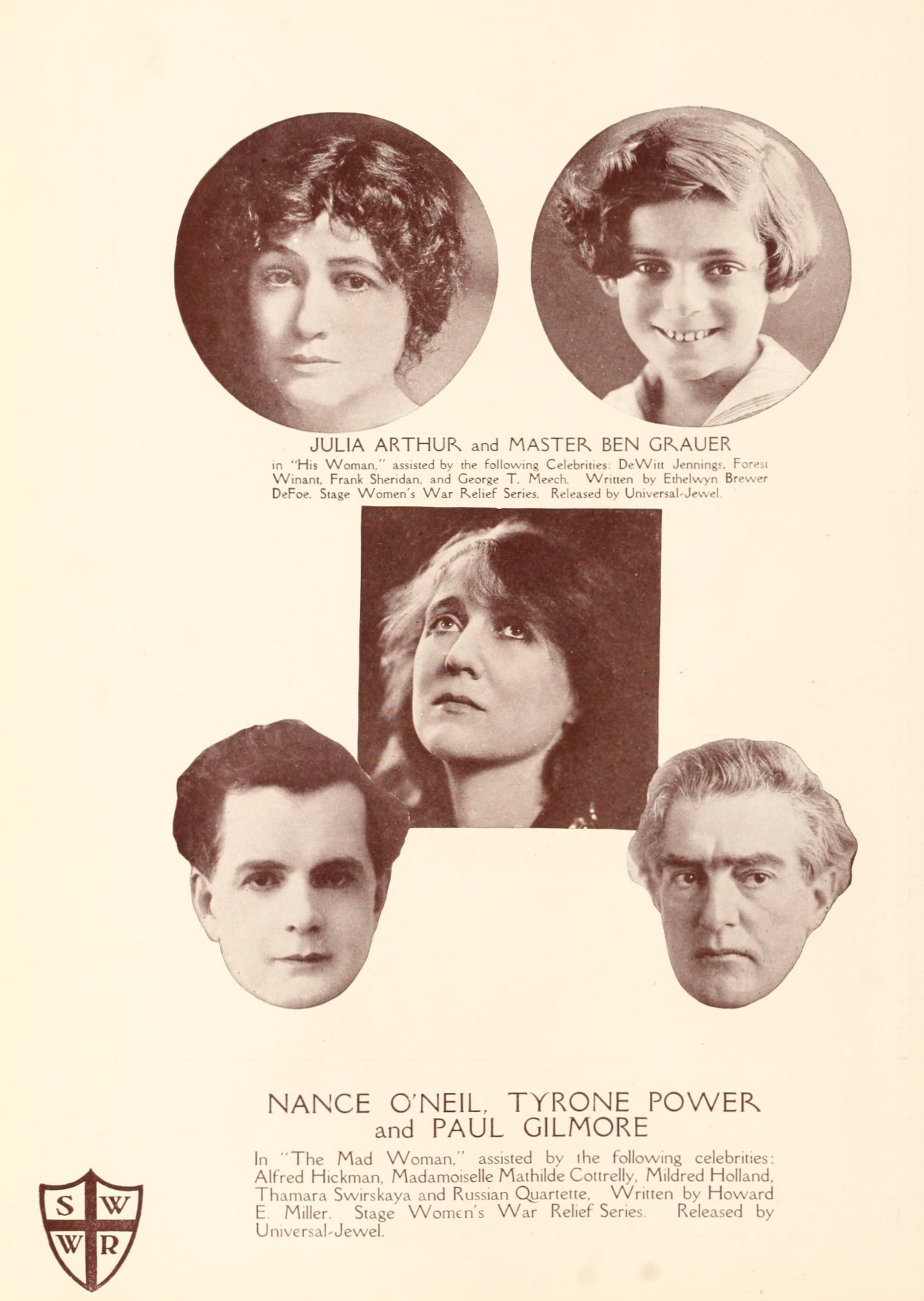
Dir: George Terwilliger
A fascinating piece of cinema that shares thematic elements.
Dir: George Terwilliger
A fascinating piece of cinema that shares thematic elements.
View Details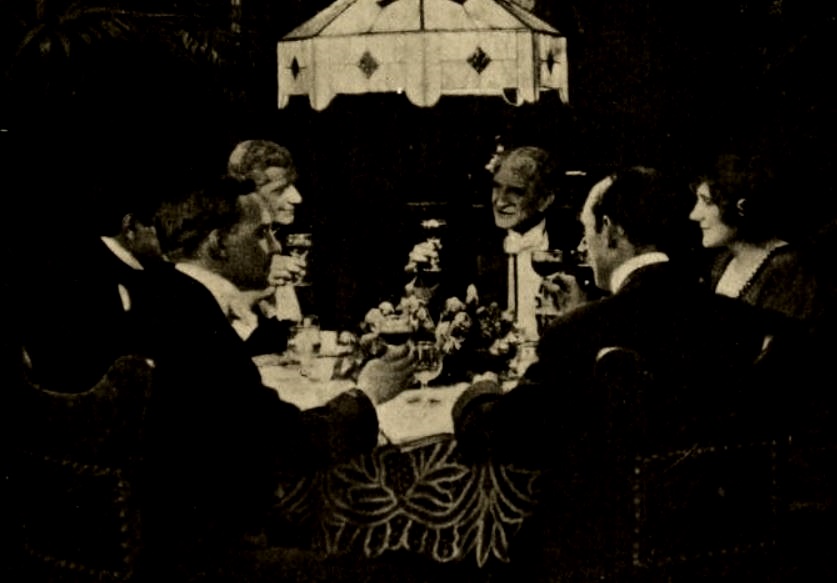
Dir: George Terwilliger
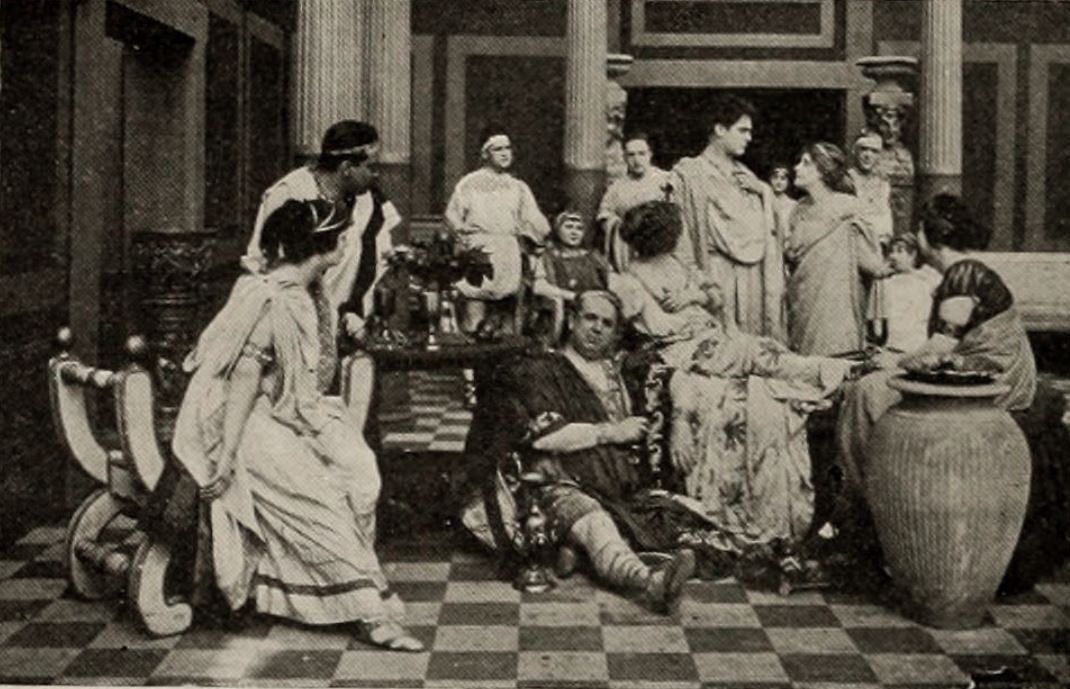
Matthew and Reginald Crosby, two brothers, and their cousin, James Thedford, manage an industrial conglomerate. Reginald marries an actress and gives so many lavish and ostentatious parties that one of them leads to a strike after being reported by labor editor Oscar Lackett. The strike leaders are fiery orator Jem Burress, German immigrant Louis Stolbeck, and Stolbeck's feisty daughter Louise, who is also Jem's girlfriend. John Stedman, a labor lawyer, lends moderation to the cause and thus impresses Matthew and Reginald's sister, Grace Crosby, who joins the workers. When Jem, jealous of Louise's infatuation with John, attempts to discredit him with the union members, Louise goes to John's apartment to warn him, but Grace arrives at the same time to accept John's marriage proposal. To prove her devotion to John and the cause, Grace summons her brothers to John's apartment, and when everyone converges, they finally resolve the strike.
View DetailsAnalysis relative to Her Good Name
| Film Title | Atmosphere | Complexity | Similarity |
|---|---|---|---|
| An Honorable Cad | Surreal | Dense | 85% Match |
| Perils of Our Girl Reporters | Gothic | Linear | 94% Match |
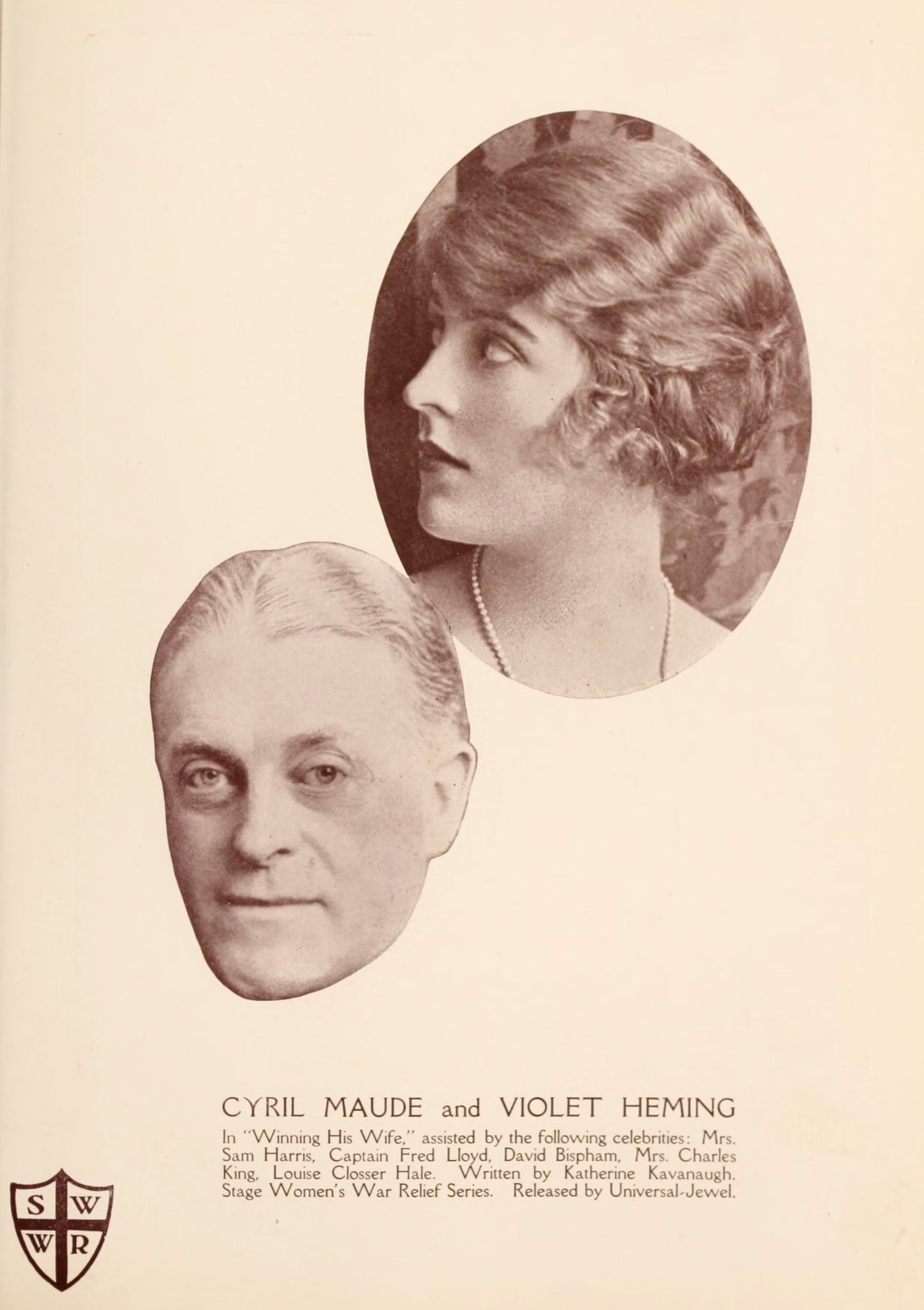
| Winning His Wife | Surreal | Dense | 85% Match |
| The Mite of Love | Surreal | Linear | 88% Match |
| Race Suicide | Ethereal | Linear | 88% Match |
This guide was algorithmically generated using the cinematic metadata of George Terwilliger's archive. Last updated: 8/17/2026.
Back to Her Good Name Details →