
DbcultAccessing Vault...
Recommendations
Senior Film Conservator
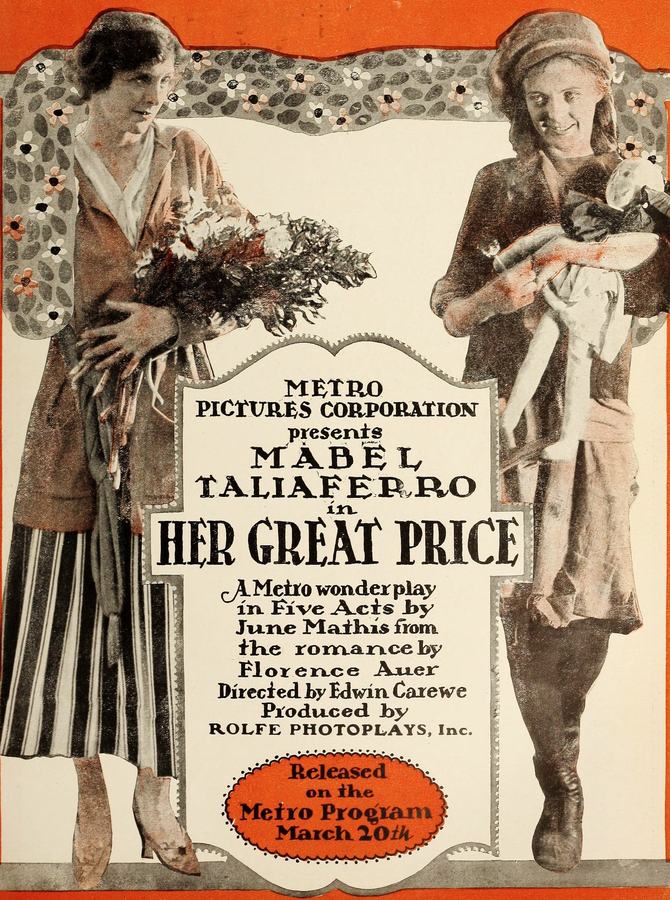
For cinephiles who admire the cult status within Her Great Price, the specific cult status of this work is a gateway to a broader cult world. We've prioritized films that capture the 1916 aesthetic with similar precision.
At its core, Her Great Price is a study in to create a dialogue between the viewer and the cult status.
Before the guests arrive for a party in her apartment, Agnes Lambert, a writer of unsalable fiction, starts revising one of her stories because she realizes that it lacks drama and emotion. Later, she begins a romance with Tom Leighton, but although Tom loves her, he is already engaged to Ruth Beresford, who was recently blinded in an explosion. Aware of the impossibility of their affair, Agnes decides to commit suicide, but when Ruth, whose vision has been restored by an operation, discovers that Tom no longer loves her, she frees him to marry his new sweetheart. Tom goes to Agnes, but arrives too late, and finds her dead. Then, guests knock at Agnes' door, ready for a party, and, having just finished revising a story in which she stars as a woman who commits suicide because she wrongly believes that a love affair has failed, Agnes rises from her typewriter to greet them.
Based on the unique cult status of Her Great Price, our vault has identified these titles as the most compelling follow-up experiences for fans of cult cinema:
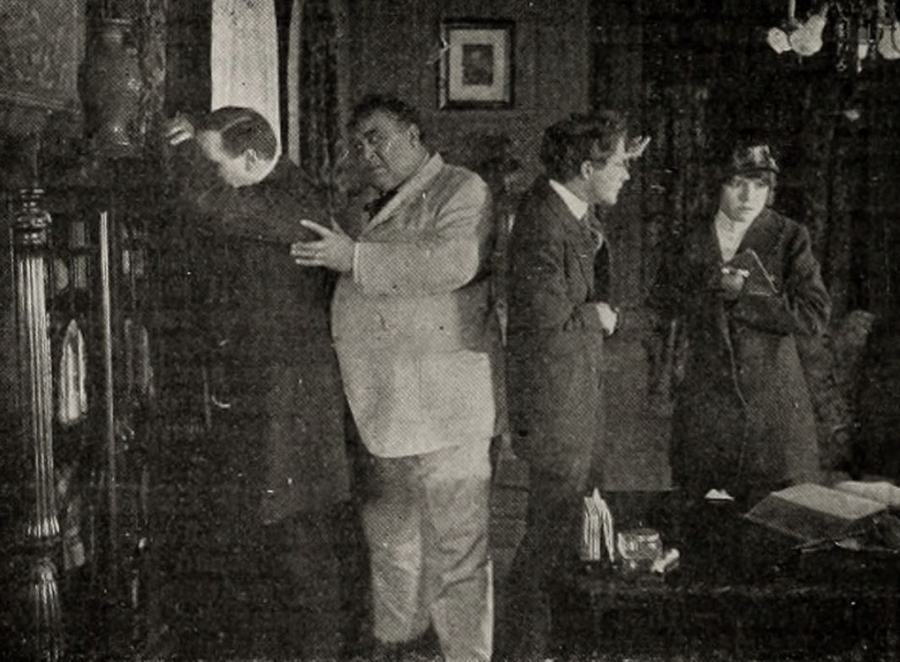
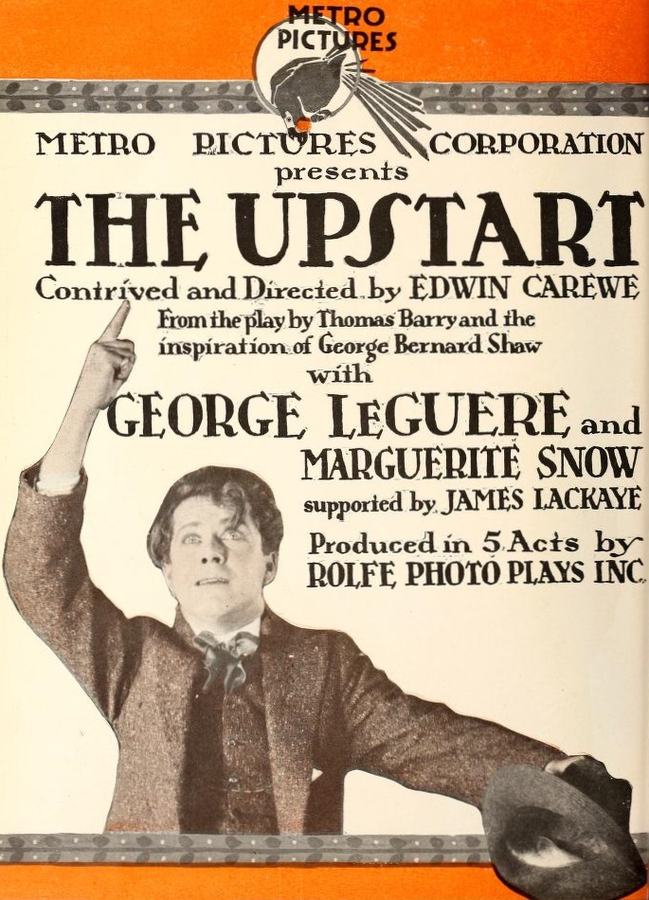
Dir: Edwin Carewe
One day Coventry Petmore leaves his wife and child to go out in the world and fight the social evils of divorce and loveless marriage. Circumstances lead him to the home of Judge Mitchell, where the judge's son, a minister, and his wife Beatrice reside. The minister does not believe in expressing affection to his wife, and Beatrice becomes enamored of her chauffeur Larry Price. Petmore encourages Beatrice to tell the minister that she is running away with Price, then surreptitiously coaches the minister to give a response that Petmore believes will win Beatrice back. The plan backfires, however, and only a rainstorm and car trouble prevent Beatrice and Price from running off. Getting wind of Petmore's role in the affair, the judge has him ejected from the household, and Petmore returns home to discover that his wife has run away with her chauffeur. Petmore's conviction in his theories remains unshaken, however.
View Details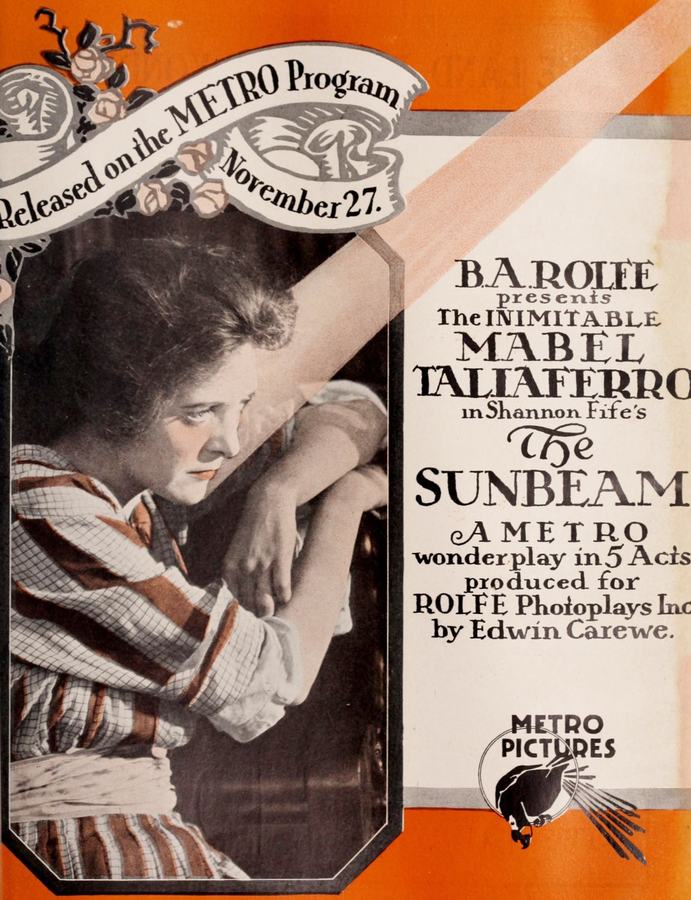
Dir: Edwin Carewe
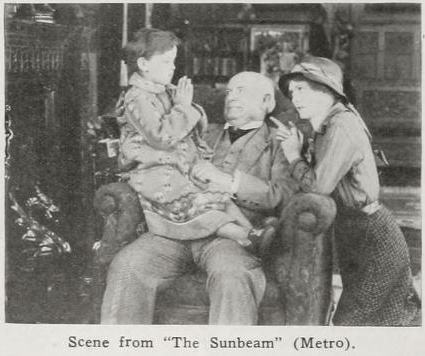
Big-hearted Prue, living in the slums, and Danny O'Maddigan, a reformed crook, want to buy a birthday cake for Prue's 75-year-old grandmother. They live across the hall from Ellen Rutherford, the destitute widow of Steven Rutherford, Jr., who was disinherited by his father, a wealthy candy manufacturer. Prue, who works at the candy factory, gives Ellen the money that was meant for her grandmother's cake so Ellen will be able to care for her son Bobby. Frustrated over the loss of the money, Danny steals the price of a cake from the factory's safe, leaving the safe's door open in his haste to depart. Danny's former gang arrives and cleans out the safe, and Danny is convicted of the crime and sent to prison for four years. While Danny is in prison, Bobby is struck by his grandfather's car and slightly injured. Stricken with remorse, Mr. Rutherford effects a reconciliation with his daughter-in-law and promises to use his influence to bring about Danny's release from prison.
Dir: Edwin Carewe
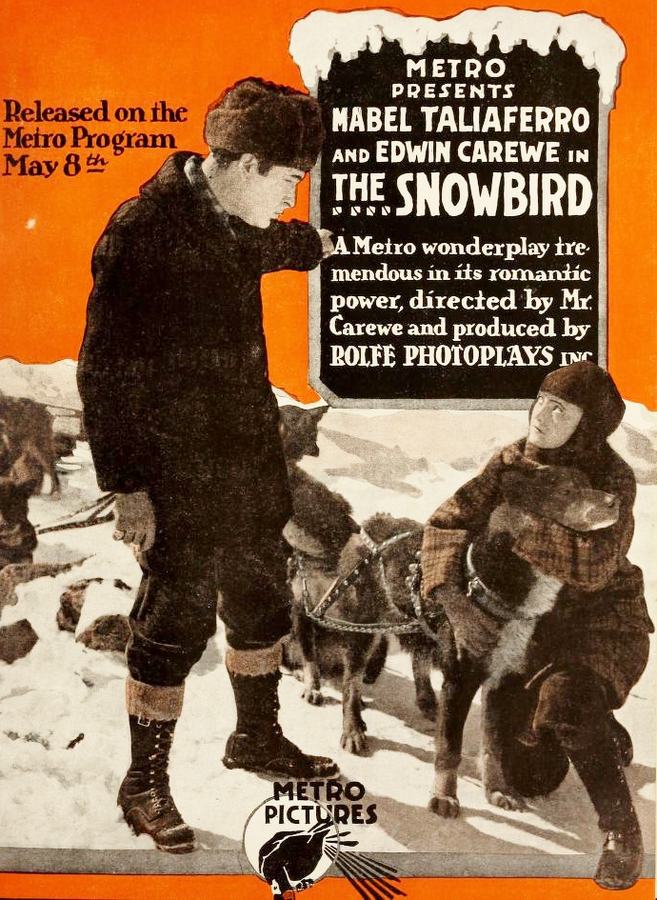
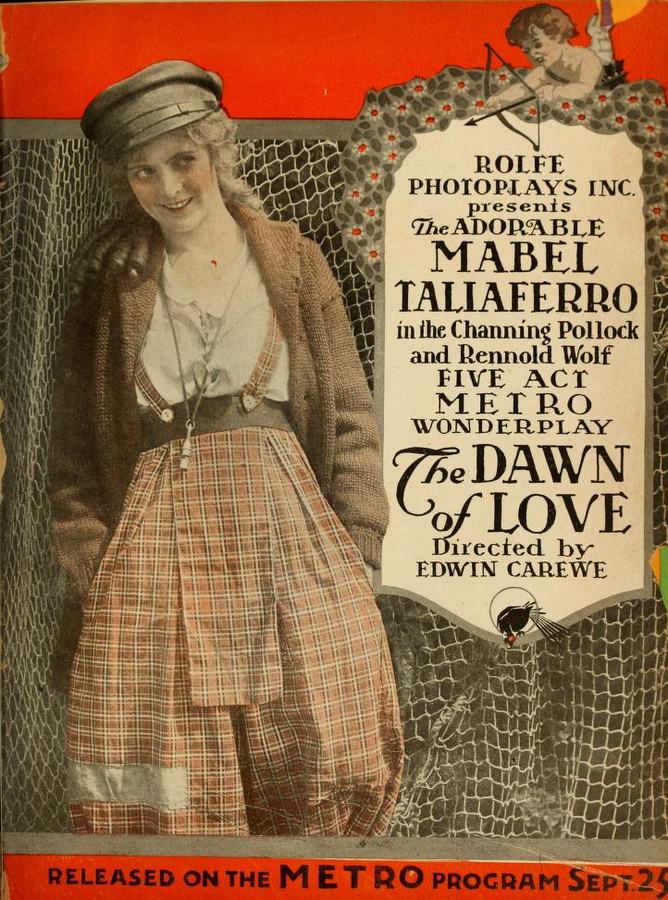
John Wheeler, a traction magnate, becomes heavily involved and is obliged to sell a large timber tract he owns in the Hudson Bay district. He owns the property jointly with Henri Corteau, and the deed is filed in the office of Magistrate Le Blanc, at Chalet. Bruce Mitchell, a wealthy young man about town, who is infatuated with Lois Wheeler, the madcap daughter of Wheeler, readily agrees to take over the property. In the northland the elder Corteau has died suddenly, and the Magistrate's office, together with the Wheeler-Corteau deed, is destroyed by fire. The Magistrate receives word of the transfer between Wheeler and Mitchell and he sends for Jean Corteau, the son and heir of the late Henri Corteau, and asks him for the deed his father held, telling him he wishes to make a copy of it. When he adds that it is the only copy in existence, Jean walks out, saying he intends to keep the land himself. Meantime Mitchell has pressed his suit for the hand of Lois, and she takes a violent dislike to him. She resents it because he tries to make plain that her father is under obligations to him. Soon afterward Mitchell goes to Wheeler and wants to know why the deed has not arrived. Wheeler hopelessly shows him a letter from the Magistrate, telling of Jean's action. Mitchell threatens to jail Wheeler, accusing him of obtaining money under false pretenses. Lois overhears the threat and also Mitchell's offer to let the matter drop if Lois will marry him. Lois agrees to this proposal providing her father's innocence cannot be proved. Lois goes to the northland and seeks out Jean. He will not see her, saying he will not have any dealings with women. The next day she sets out, dressed in boy's clothes, on a dog sled for Jean's home in the forest. Pierre, a guide, accompanies her. They arrive in sight of Jean's cabin at nightfall, when Pierre attempts to force his attentions upon Lois. She flees and seeks refuge in Jean's cabin, stumbling in his door in a faint. Later, she tells Jean she has become lest from a lumber camp, and asks if she may remain a while with him. He tells her he has always wanted a boy companion and helper, and that since she came like a "wounded snowbird" to his cabin, she may stay. Although Jean is brutal and primitive in many ways Lois soon finds he has a gentle nature. The next day Jean discovers Lois is a girl, when her fair falls out from under her cap. She confesses her identity and he is angry. But he consents to her remaining, and he fetches some of his mother's clothes for her. Her one desire to get the deed is realized when she is dressing and finds the document hidden away behind a small mirror on the wall. That night she urges Jean to drink heavily, hoping to get away. He becomes fascinated with her and tells her he is going to save her father. He reaches for the deed and finds it gone. Her manner betrays Lois, and she confesses having the paper. Meanwhile Mitchell and Wheeler have come north in search of Lois. Pierre tells Mitchell she is living with Jean. In a jealous rage he goes to seek out Lois. He has Wheeler arrested and then sets out for Jean's cabin. Arrived there he sarcastically accuses Lois of a common liaison with Jean. Jean demands that Mitchell apologize. He refuses and they fight. Both are seriously wounded. Mitchell staggers out of the cabin in the snow. Lois, left with the unconscious Jean, decides to steal the deed and leave. On the edge of a cliff Lois sees Mitchell fall to his death. Then a vision of Jean left alone in his helpless condition comes to her. She turns back and joins Jean. She nurses him back to strength and they go to the aid of Wheeler, intending to marry and live in New York. But after they are wed they hearken to the call of the north, and go back to the life where their love was born.
View Details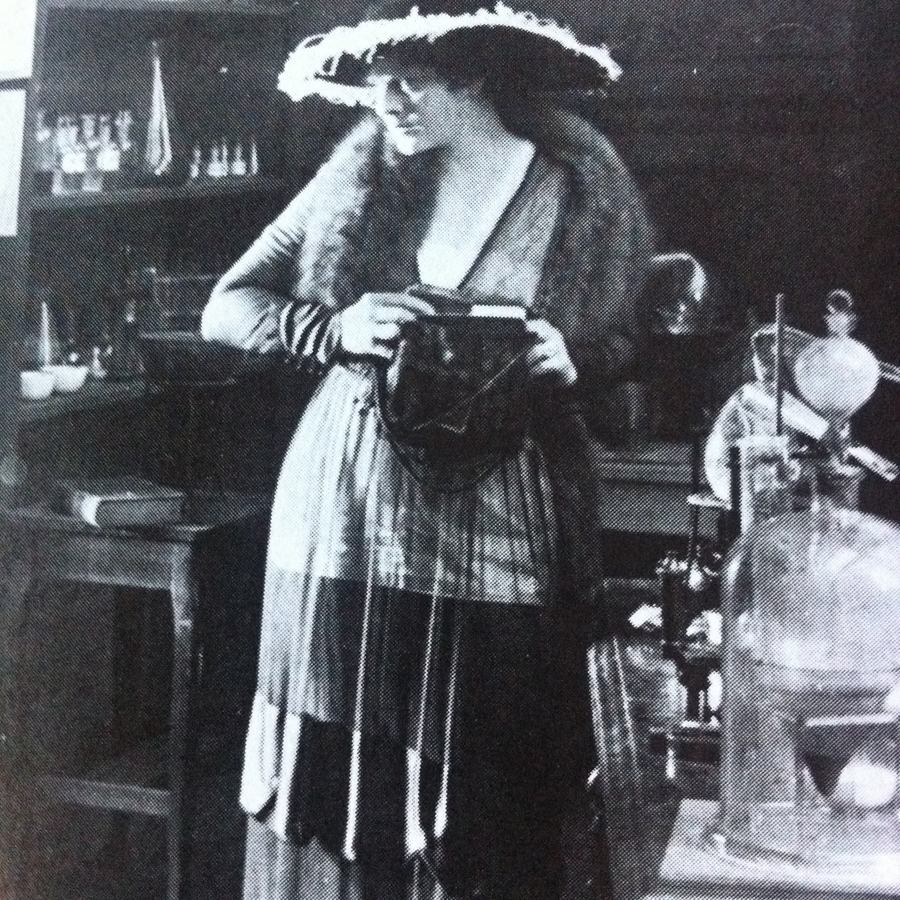
Dir: Edwin Carewe
Actress Jane Carleson has three admirers: Henry Strong (a millionaire), Hamilton Ross (a chemist), and Murray Campbell (a district attorney). When Jane weds Campbell, Ross writes an anonymous letter to Campbell, warning him that Strong is after his wife. Ross smears the flap of the envelope with poison. However, Strong is the one who opens the envelope, and dies from the poison. Since Campbell and Strong had quarreled just before the arrival of the letter, Campbell is convicted of the murder. Jane must expose the true murderer and save her husband.
Dir: Edwin Carewe
Unknown to his daughter Jacqueline, Miles Allen, in the guise of a fisherman, smuggles silk and fur into the country. Customs officer John Lang comes to investigate, and he and Jacqueline quickly fall in love. Ward Jennings, the owner of Miles' boat, also loves her, but Miles refuses to let him marry her, so Ward gets revenge by revealing Miles' smuggling operation to Coast Guard officers, who kill Miles in a struggle at his home. Jacqueline mistakenly blames John for her father's death and goes to Ward for help. She then learns the truth about Ward; they fight on a cliff-top and he falls to his death. John comes to comfort Jacqueline, and they begin making plans for their life together.
View Details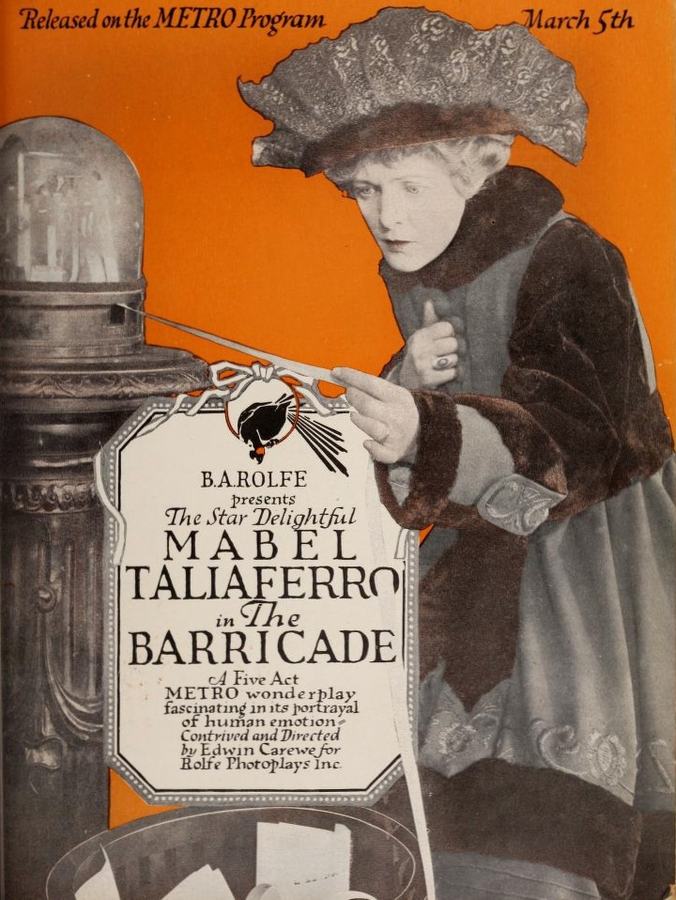
Dir: Edwin Carewe
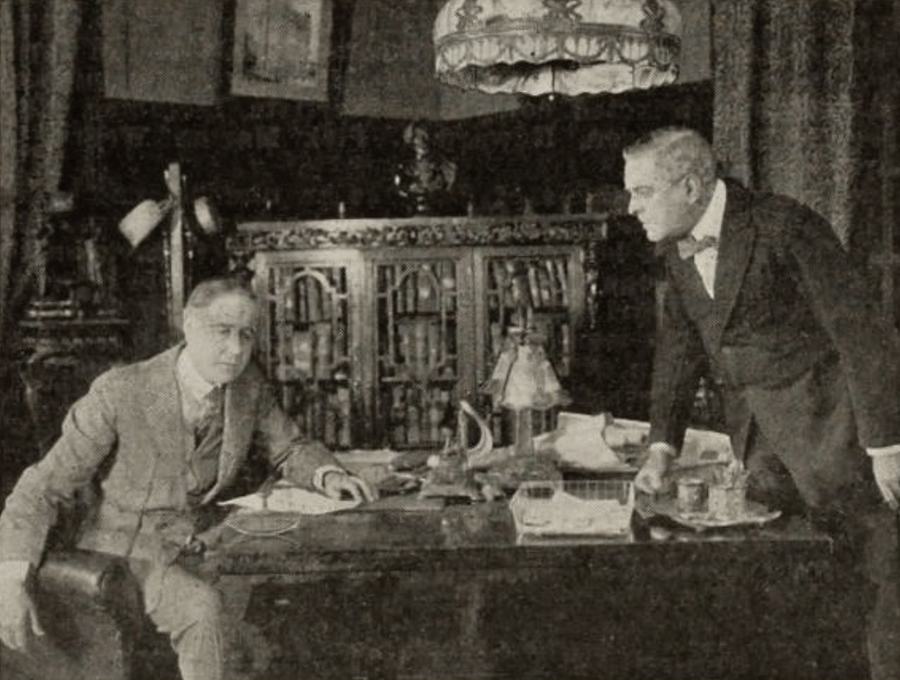
Unnerved by the superiority of John Cook, the new president of the Securities Company, Wall Street business leader Amos Merrill begins to speculate with the trust funds in his control, ultimately losing all the funds. Amos, faced with discovery and disgrace, lies to his daughter Hope that Cook has ruined him; soon after, Hope meets Cook and conceives a plot for revenge. In the meantime, Cook has protected the frail Merrill from prosecution and paid back his debt after sending him away on a vacation to recover his health. Hope, knowing nothing of this, marries Cook and makes his life unbearable, finally conspiring with his business rival Gerald Hastings to ruin her husband and gain control of his funds. When Amos returns from his vacation, he is stunned at what Hope has done and reveals that his lie has resulted in a terrible mistake. Hope begs forgiveness from Cook and they go West together to begin a new life.
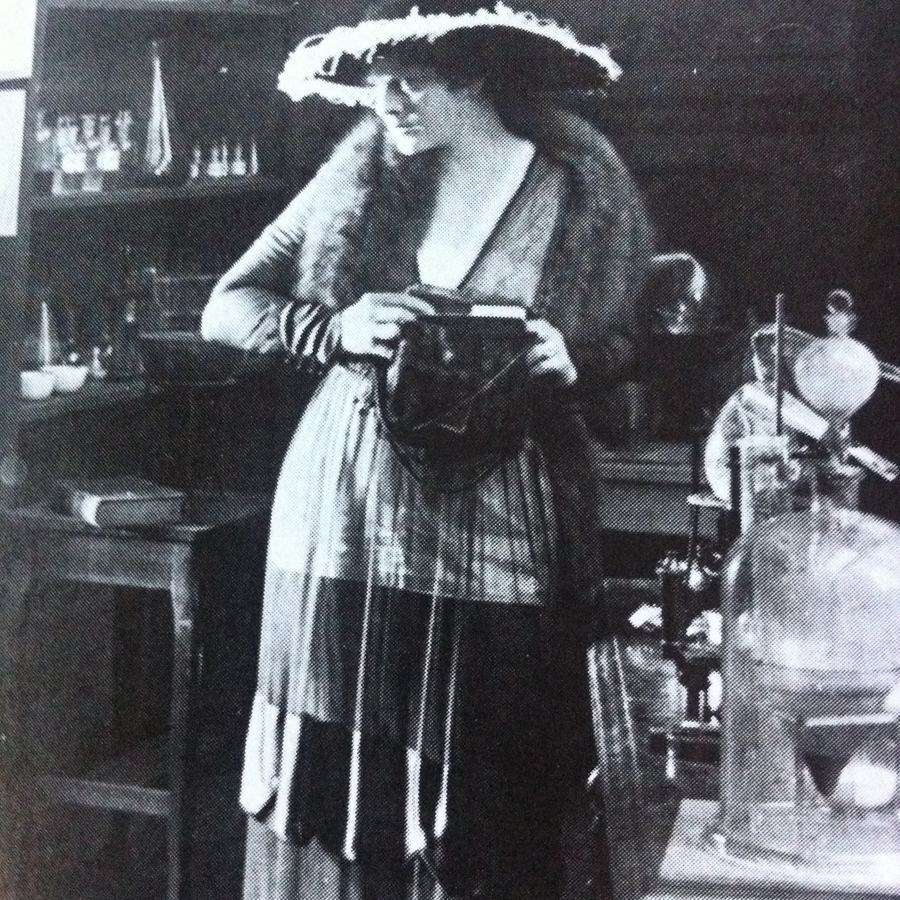
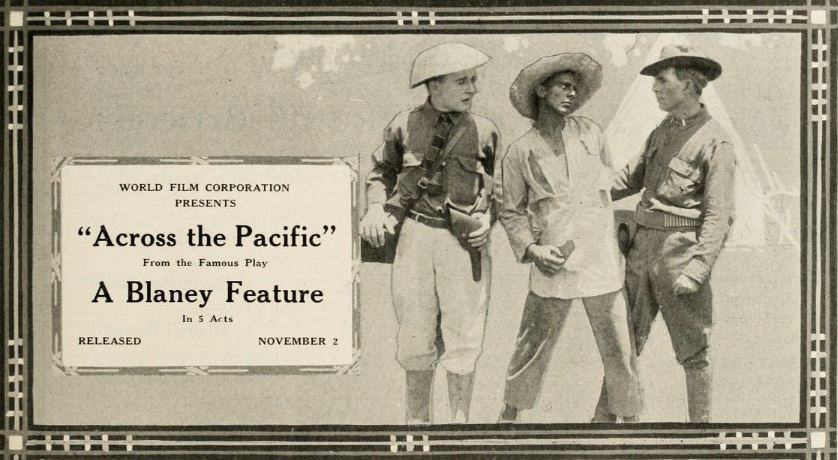
Dir: Edwin Carewe
The Escott family, on their way to Montana, is attacked by Indians. Army Lt. Joe Lanier afterwards finds little Elsie Escott, the only survivor, and brings her to his mother, who takes in the girl and raises her. Joe later leaves the army and becomes a successful miner, and over the years as he sees Elsie grow into a woman, he falls in love with her. Soon, however, a handsome stranger named Bob Stanton becomes his rival for Elsie's affections, and when Joe becomes jealous Elsie gets angry and makes plans to elope with Stanton. However, a war with Spain complicates everything.
View Details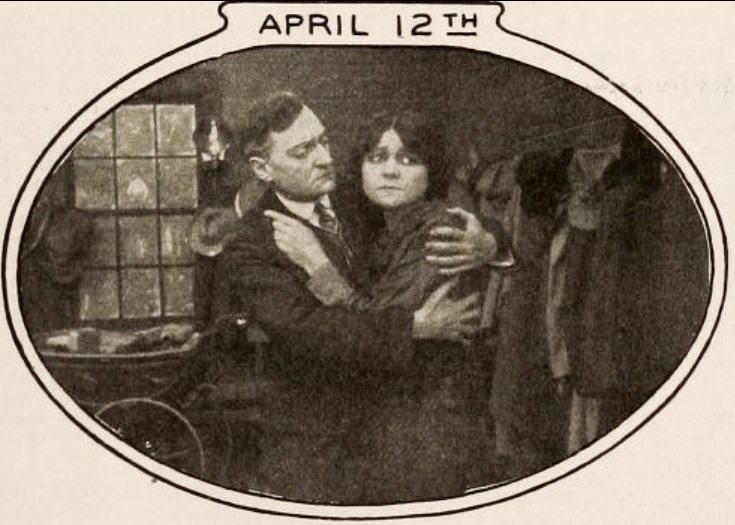
Dir: Edwin Carewe
Margaret Primrose is not permitted to see Ted North, who loves her, by her father, whom Ted's father ruined. To spite Ted, Primrose forces Margaret to marry Weston, a dissolute young millionaire, and Ted, heartbroken, goes West. Weston neglects Margaret and continues drinking. Seven years later, the Westons move West on the advice of his doctor to improve his health. Ted, meanwhile, has adopted the small daughter of a cattle rustler who was lynched by Ted's cowboys. When he spots a runaway horse and lassoes its rider, Margaret, they embrace, but realizing the impropriety, they bid each other goodbye. Weston resumes drinking and takes an interest in Molly, the proprietress of a dance hall. When Molly's sweetheart, "Quick Foot Jim" learns that Molly and Weston are planning to elope, he kills Weston. After Ted is convicted of the murder, based on circumstantial evidence, Jim abducts Molly. When Margaret learns the truth, a posse is organized to find Jim. No information has been located concerning the film's ending.
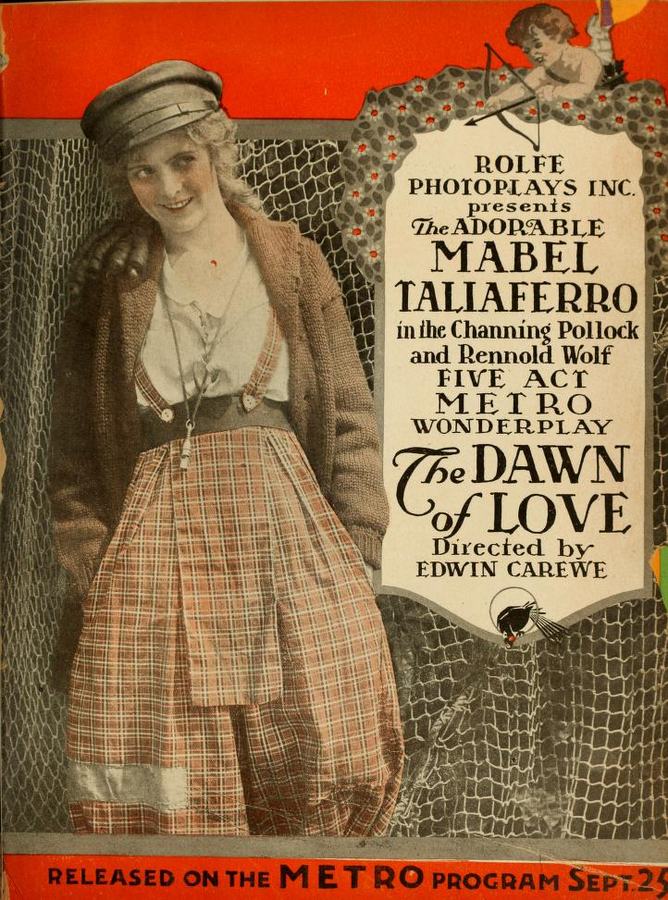
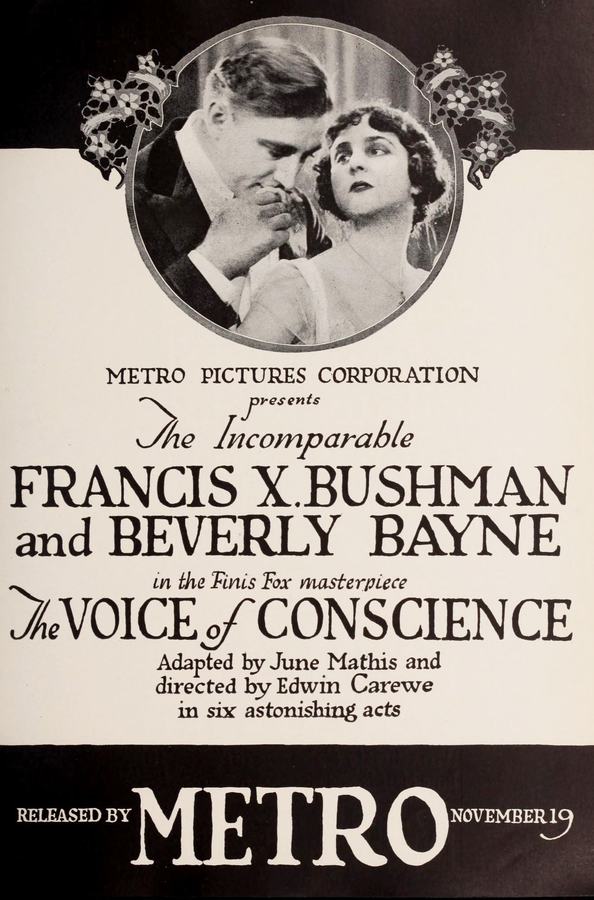
Dir: Edwin Carewe
A daughter is grief-stricken by the loss of her father. His male friend becomes her guardian, and she is taken to live with the friend's mother. Time passes and romance blossoms in the girl's heart for her guardian. However, a love rival arrives from the city and catches his eye, and the drama unfolds.
View Details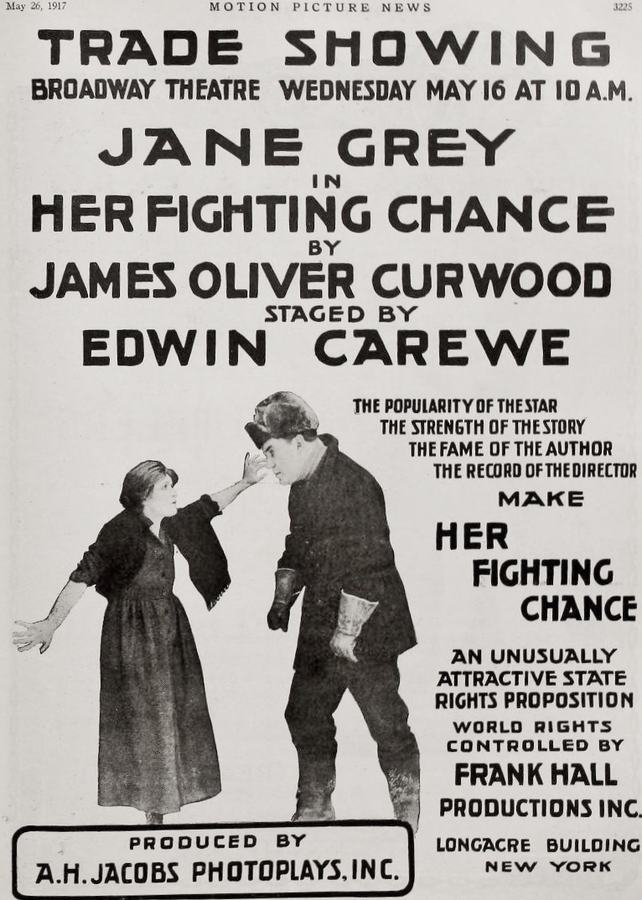
Dir: Edwin Carewe
Corporal Blake is sent to apprehend the murderer of François Breault. All evidence points to Jan Thoreau as the guilty man. Blake arrives at Thoreau's cabin while he is away and is greeted by his wife Marie. Posing as a friend of her husband, Blake learns that Thoreau and Breault had quarreled shortly before the murder. This, together with Breault's dying accusation that Thoreau was his murderer, seems undeniable evidence. Blake, fascinated by Marie, agrees to let Thoreau escape, providing that she become his mistress. After much anguish, she consents. When Thoreau arrives, Blake arrests him, but during the night Marie helps him escape. Blake goes in pursuit. Meanwhile, officers at the post have received the dying confession of Pastamoo that he committed the murder. They hurry to Thoreau's cabin where the chase has led pursuer and pursued around in a circle and back to the cabin. Blake mistakes another officer for Thoreau and fires at him. The officer returns the shot, killing Blake. Thoreau and Marie then learn that they are free from suspicion.
View DetailsAnalysis relative to Her Great Price
| Film Title | Atmosphere | Complexity | Similarity |
|---|---|---|---|
| The Upstart | Ethereal | Layered | 93% Match |
| The Sunbeam | Ethereal | Layered | 95% Match |
| The Snowbird | Surreal | Linear | 98% Match |
| The Final Judgment | Surreal | Dense | 97% Match |
| The Dawn of Love | Ethereal | Linear | 89% Match |
This guide was algorithmically generated using the cinematic metadata of Edwin Carewe's archive. Last updated: 8/16/2026.
Back to Her Great Price Details →