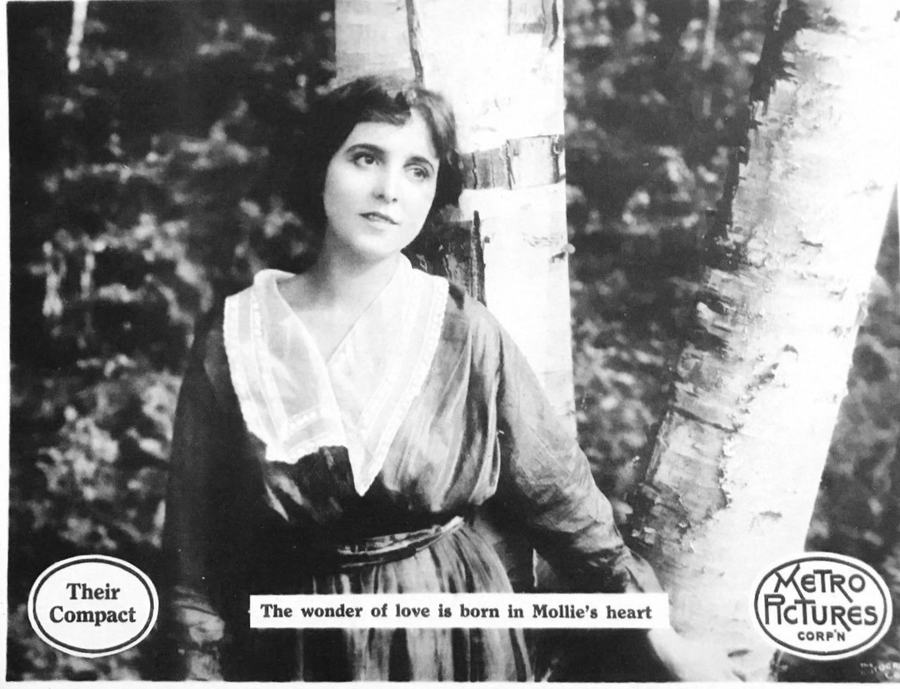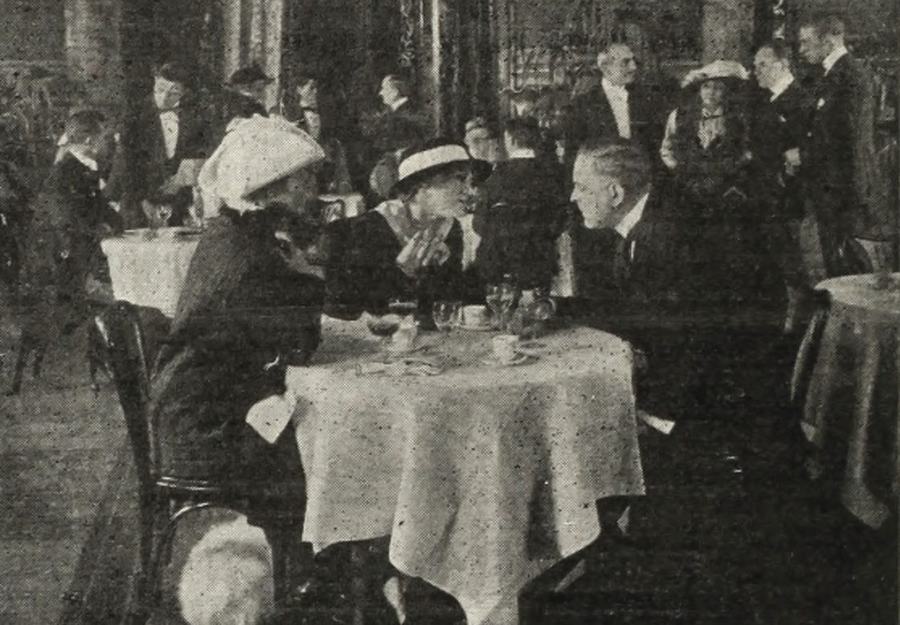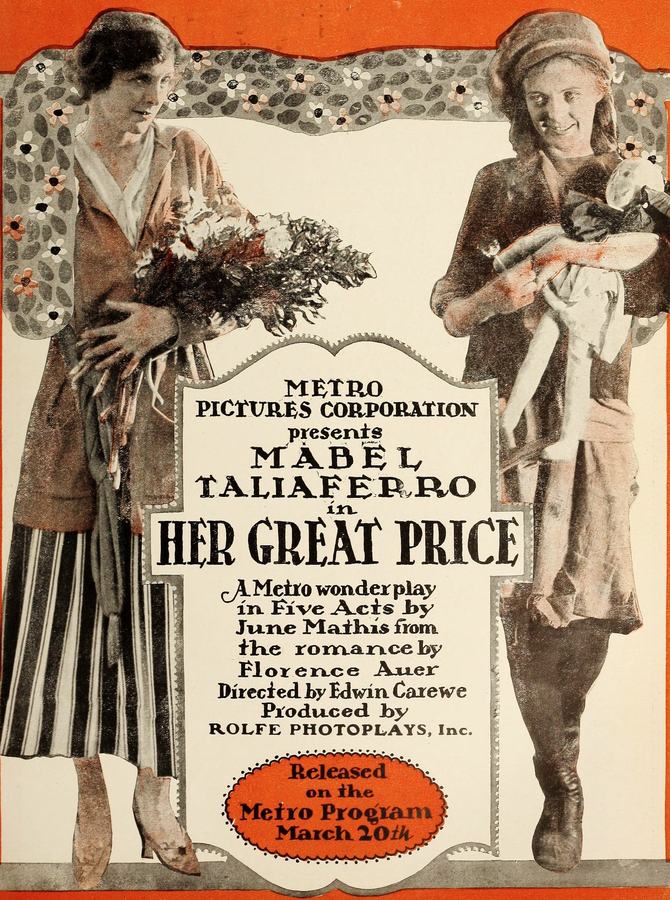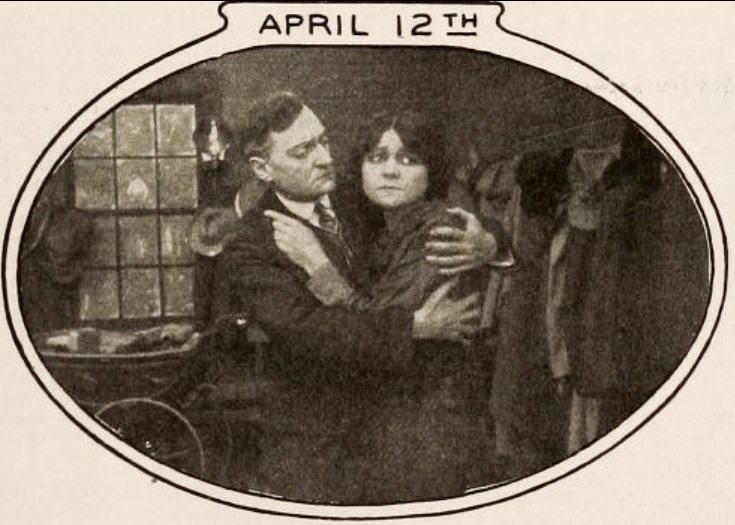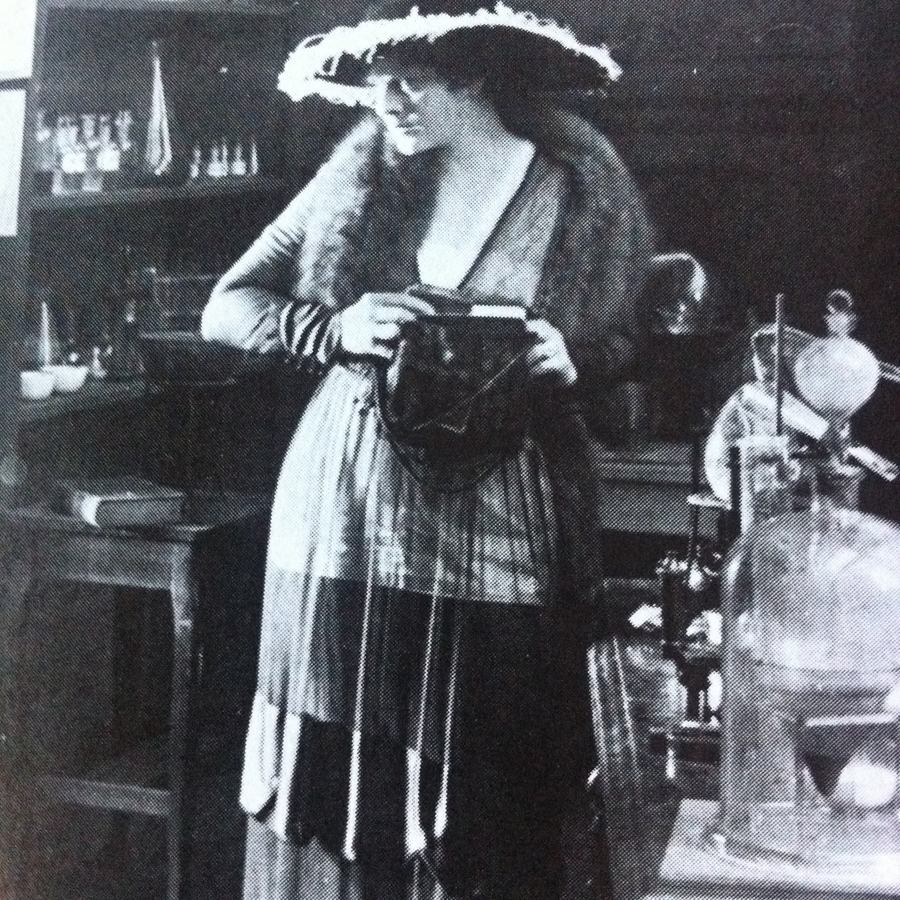
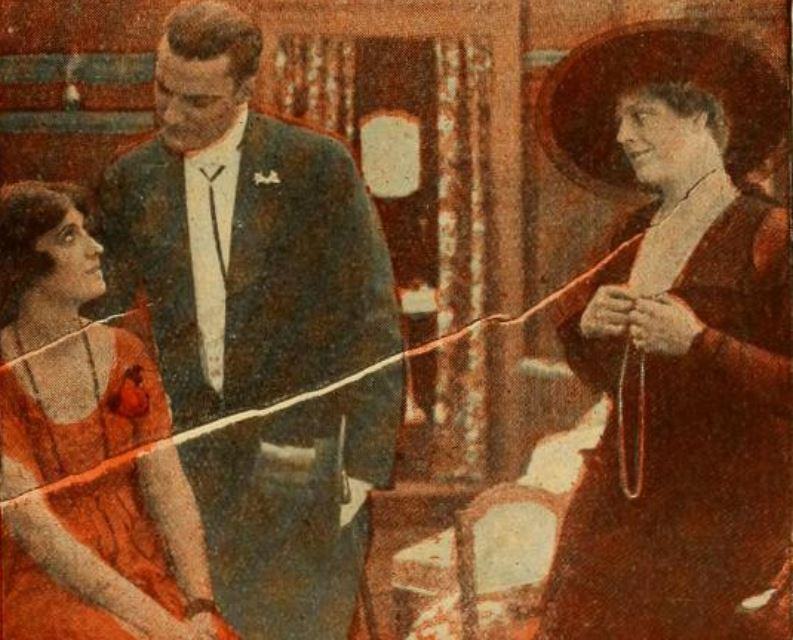
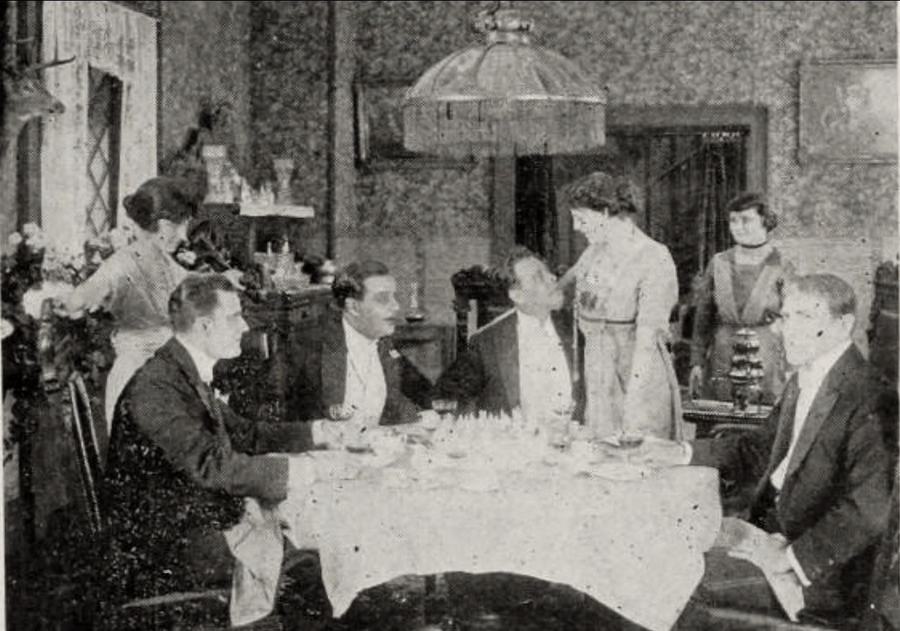
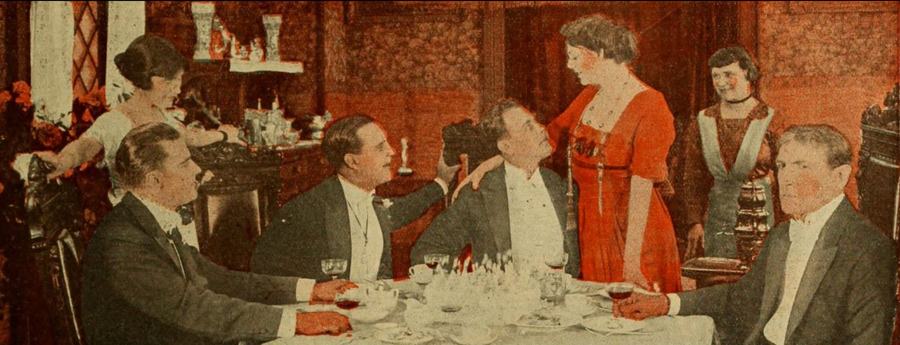
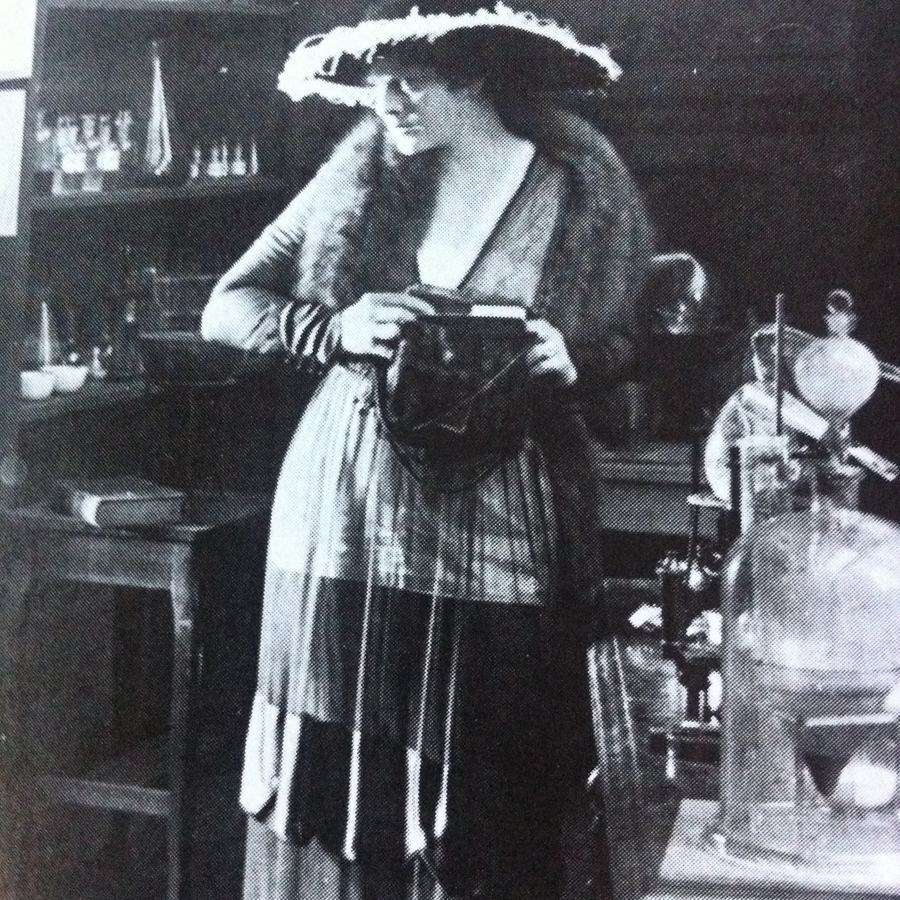
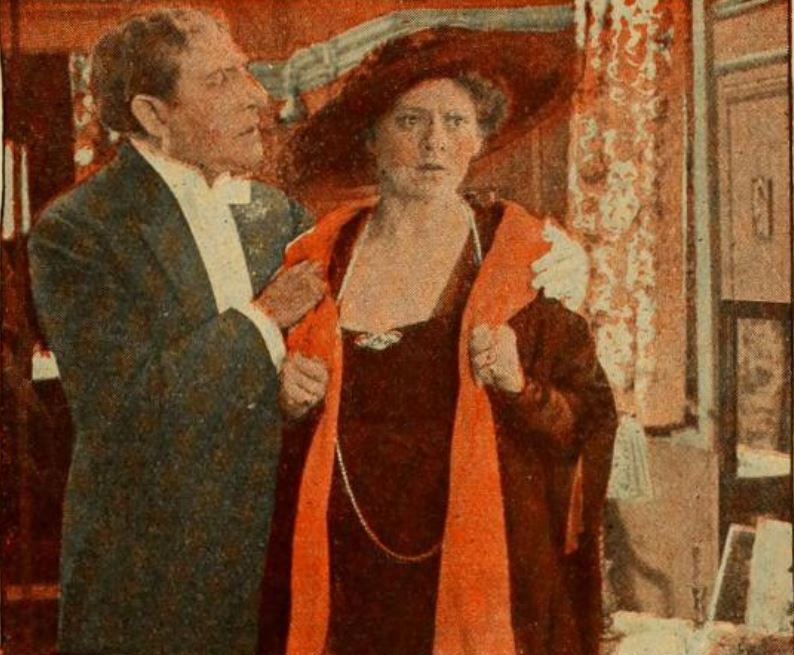
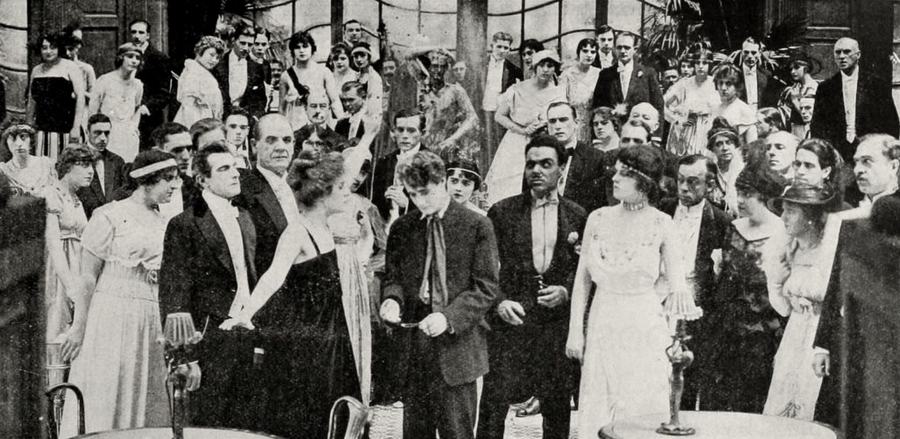
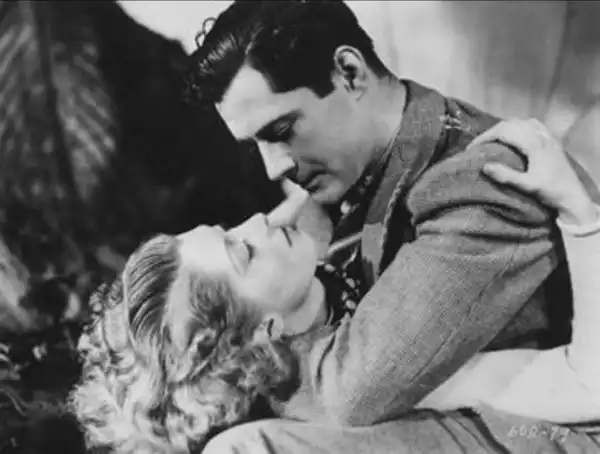
Actress Jane Carleson has three admirers: Henry Strong (a millionaire), Hamilton Ross (a chemist), and Murray Campbell (a district attorney). When Jane weds Campbell, Ross writes an anonymous letter to Campbell, warning him that Strong is after his wife.
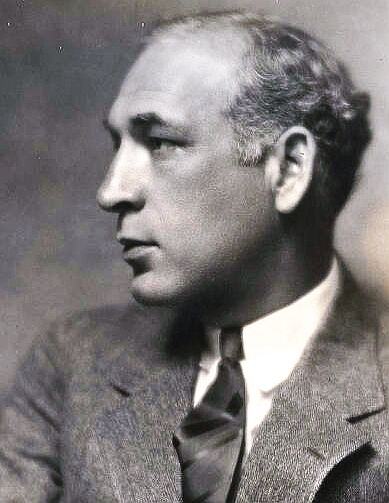
George Scarborough
United States
The celluloid arrives like a glass negative soaked in laudanum: every frame of George Scarborough’s scenario trembles with the phosphorescence of guilt. From the first iris-in on Jane Carleson’s dressing-room mirror—its oval halo flickering between candescent gold and bruised mauve—we sense the film’s intent to poison...
still_frame
still_frame
still_frame
still_frame
still_frame
Comparing the cinematic DNA and archive impact of two defining moments in cult history.
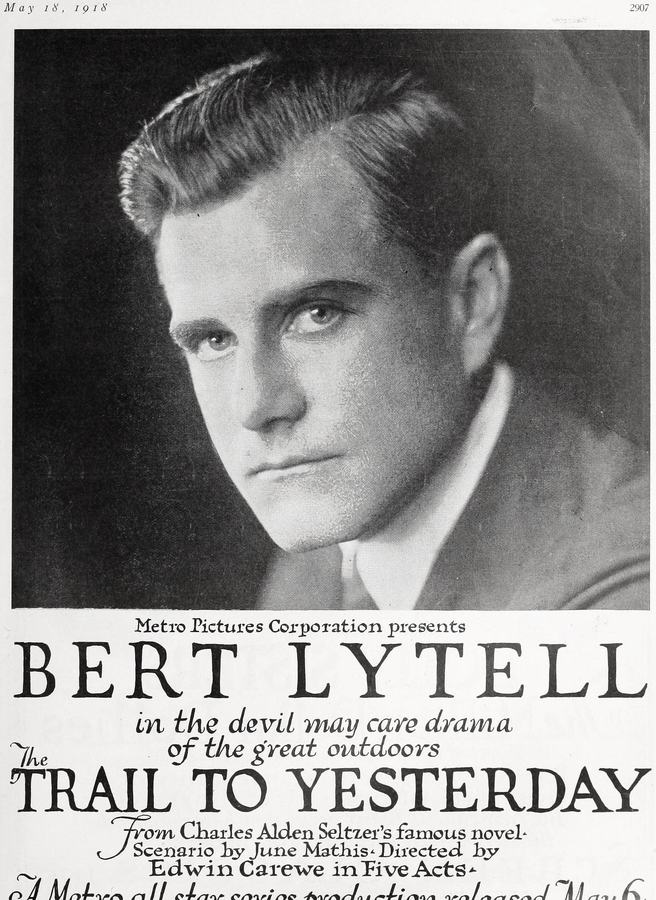
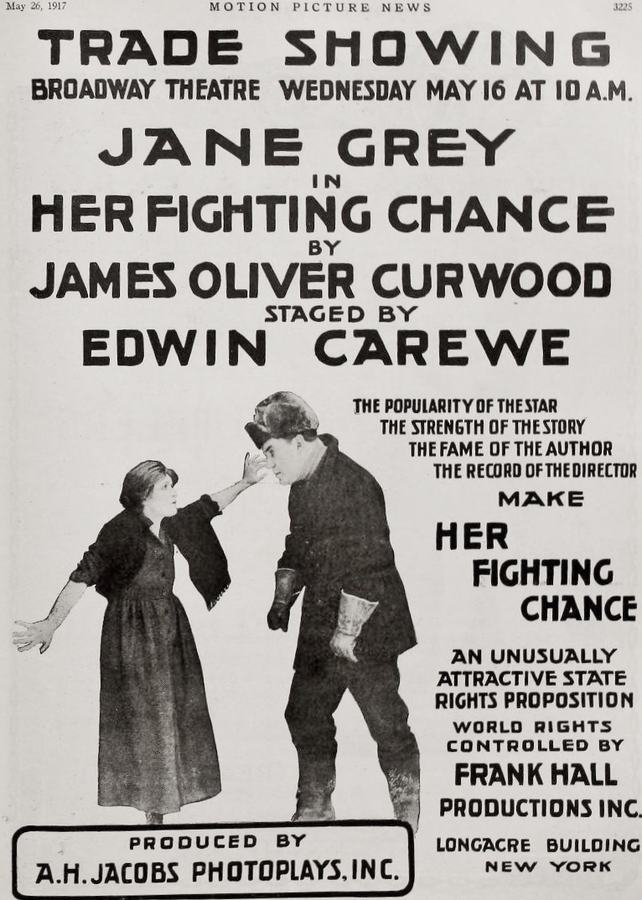
Edwin Carewe
Edwin Carewe
Community
Log in to comment.
" The celluloid arrives like a glass negative soaked in laudanum: every frame of George Scarborough’s scenario trembles with the phosphorescence of guilt. From the first iris-in on Jane Carleson’s dressing-room mirror—its oval halo flickering between candescent gold and bruised mauve—we sense the film’s intent to poison beauty itself. Ethel Barrymore, regal even when silent, lets her eyes conduct a muted symphony; one glance at the poisoned epistle and the camera cuts to an extreme insert of the ..."
Deep dive into the cult classic
Discover similar cinematic experiences
A Directorial Spotlight on Edwin Carewe