
DbcultAccessing Vault...
Recommendations
Senior Film Conservator
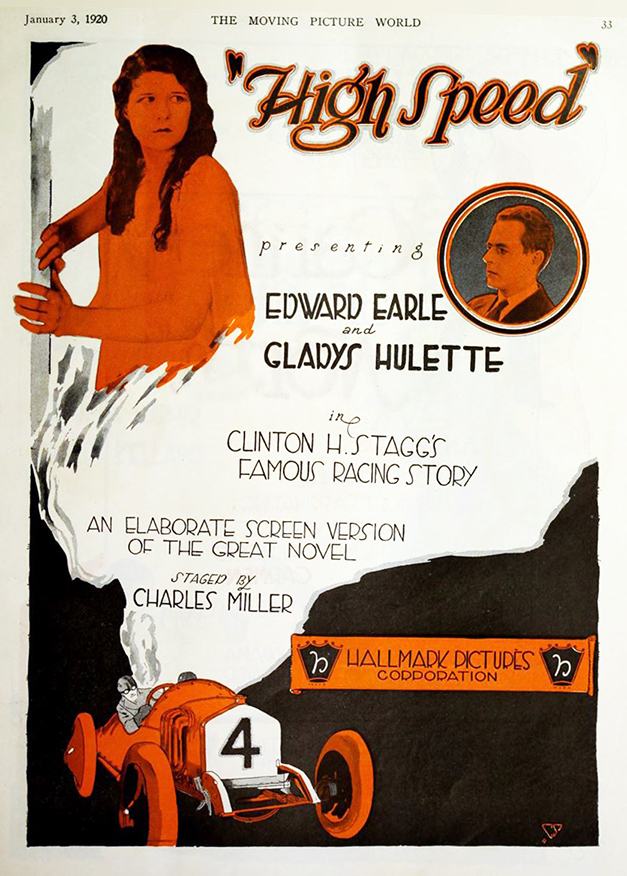
As a cultural touchstone of United States, High Speed resonates with its nuanced performance, audiences who connected with its message often look for similar thematic gravity. We've assembled a sequence of films that complement the tone of High Speed perfectly.
For many, the first encounter with High Speed is to establish Charles Miller as a true visionary of the 1920s.
Billy Brice has been disqualified from the race track. He becomes sweetheart to a car manufacturer's daughter. Billy helps deal with the man's disgruntled ex-employees and hopes to clear his name so that he may race again.
High Speed was a significant production in United States, showcasing the immense talent of Ralph De Palma, Matthew Betz, Gladys Hulette. It continues to be a top recommendation for anyone studying Drama history.
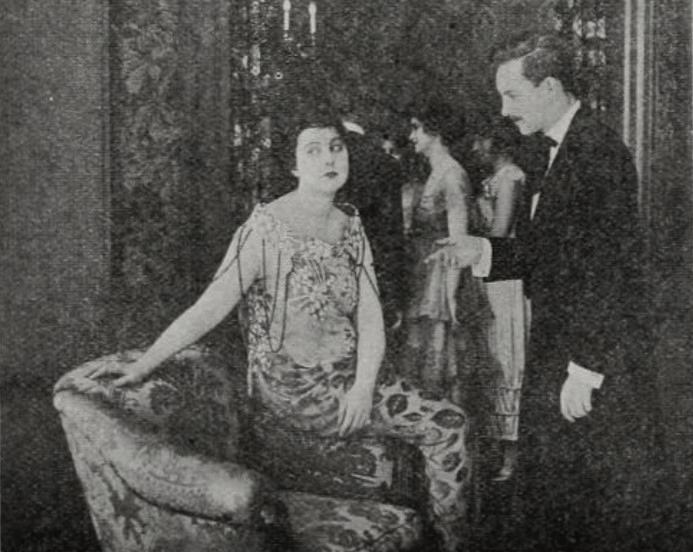
Based on the unique nuanced performance of High Speed, our vault has identified these titles as the most compelling follow-up experiences for fans of Drama cinema:
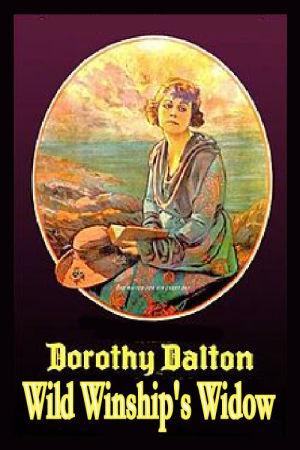
Dir: Charles Miller
Widow Catherine Winship treasures the memory of her late husband so greatly that she has given up her life to the adoration of his memory, spending her days strewing flowers on his grave. Catherine's idealism is rudely shattered, however, when she discovers a package of love letters in a secret drawer in Winship's desk. Deciding to throw aside her widow's weeds, Catherine's next hurdle is to choose a spouse from the many male admirers who are pursuing her. Among her suitors are the sentimental bore Archibald Herndon and Morley Morgan, a determined young man. After many misadventures, Morley finally beats out Herndon and marries Catherine in an impromptu ceremony at a hunting lodge.
View Details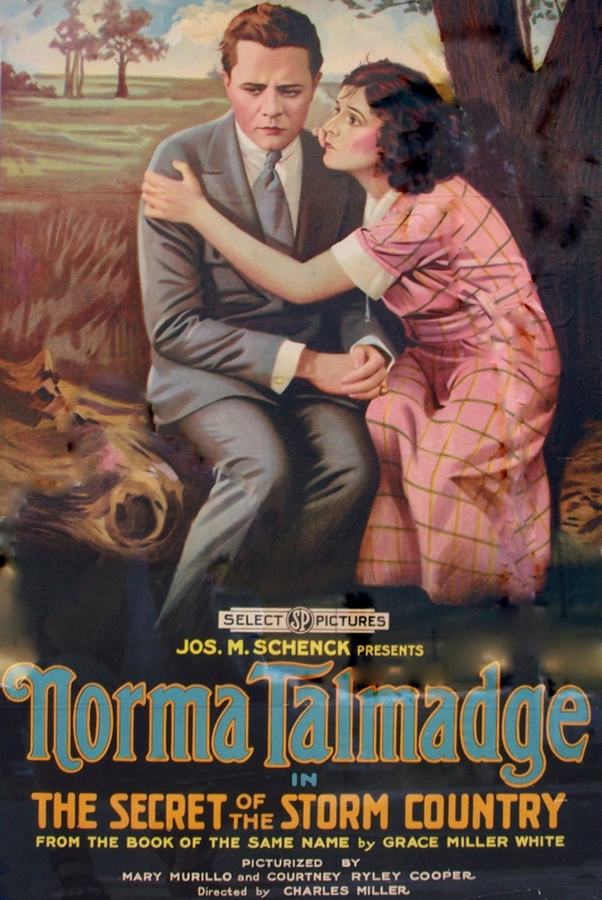
Dir: Charles Miller
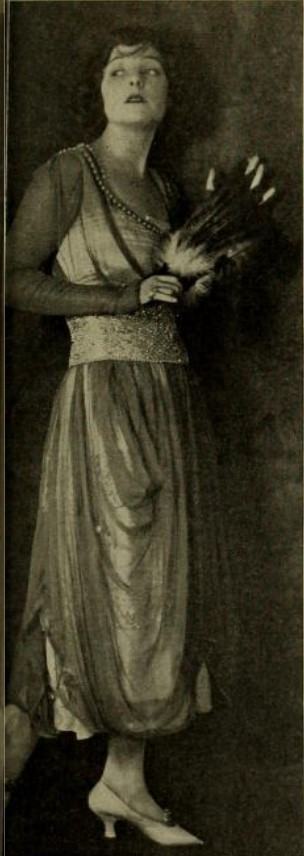
Rejected by the townspeople because her father is a squatter, Tess Skinner nevertheless wins the love of the wealthy Frederick Graves, who secretly marries her. When Frederick's mother insists that he marry heiress Madelene Waldersticker, he lacks the courage to admit that he is already married and instead acquiesces to his mother's wishes. For her husband's sake, Tess conceals his crime of bigamy. When her baby is due, Tess is summoned before a council of churchmen and banished from the church because she refuses to name her betrayer. Left alone upon the death of her father, Tess is shielded by Mr. Young, a middle-aged admirer who offers her and her baby the protection of his home. Several years later, Frederick dies of a heart attack and Tess rewards her faithful friend by becoming his wife.
View Details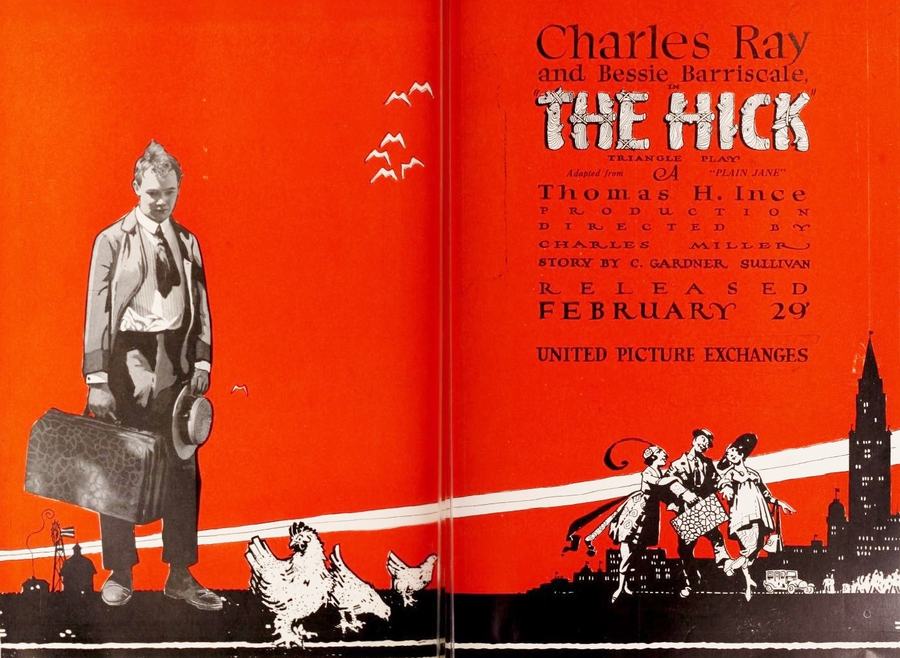
Dir: Charles Miller
John Adams is working his way through college. Jane is the little slavey in his boarding house. John at first has no idea of falling in love with Jane, but she is completely gone on him from the beginning. In fact, he has his eyes on Ethelda Rathbone, a young college girl. There came a time when John wanted to attend a ball at which Ethelda was to be present, but he hadn't a dress suit. Jane chanced to become aware of this, and with her scanty savings rented him one. Of course she couldn't tell him she did that, but she pretends that it was left there by a former boarder. So he goes to the ball. But boys will be boys, and his classmates rip the coat up his back, and he is compelled to come home without having seen Ethelda at all. Jane takes the suit back to the dealer, unaware that it is ruined. When the dealer discovers it, he demands payment. There follows a scene in the street in which she is humiliated. It was then that old Frederick Verstner, the town photographer and a man of considerable means, came to the crowd. Hearing her pitiful story, he made good the amount to the dealer. Shortly after this, Jane went to Verstner's to have her picture taken that she might give it to John. A newspaper in New York was offering a prize for the most beautiful photograph of a college girl, and Verstner's was crowded with girls from the school. Verstner took a picture of Jane, and, by loosening out her tresses and placing something filmy about her shoulders, he made her look beautiful. Through a course of circumstances, and without Jane's knowledge, this photograph is sent along with the others to the paper. And it wins the prize. Jane is, of course, as much surprised as the rest. And so is John. Verstner adopts the girl, educates her and makes her the most popular girl in the place. And then comes a great awakening for John.
View Details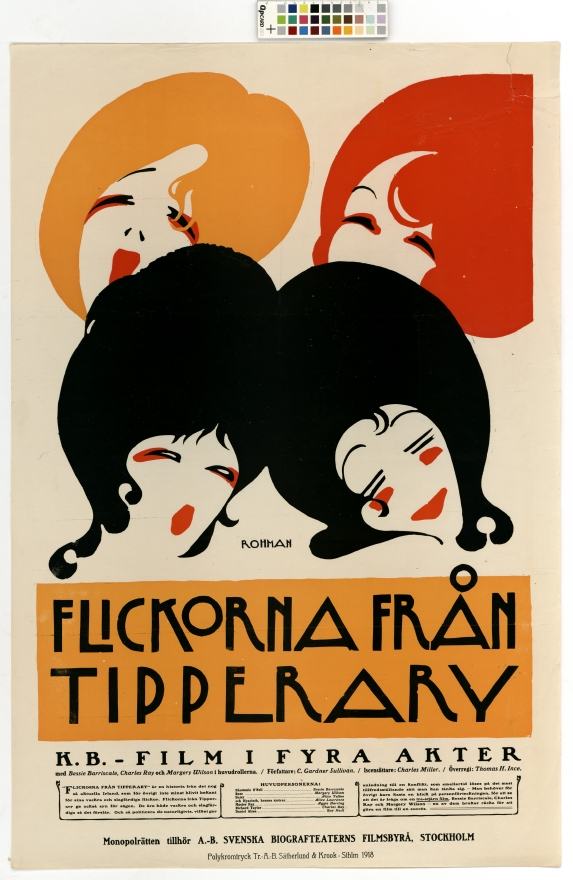
Dir: Charles Miller
When a distant Irish relative dies, a young American travels to Ireland to obtain his inheritance. He gets far more than he bargained for when a beautiful Irish colleen catches his eye.
View Details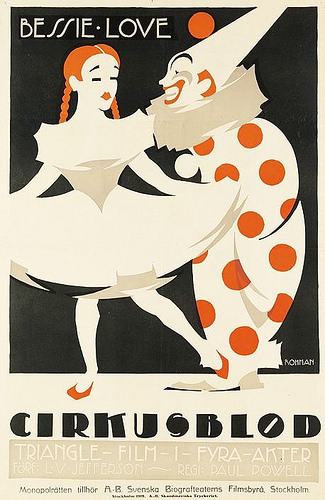
Dir: Charles Miller
Janet sets out to find her circus ringleader father, who her mother abandoned believing him to be unfaithful. Along the way, Janet and her friend Peter join Colonel Simmonds's circus, she as a trick horse rider and he as a clown, but Janet cannot help but wonder why she finds Simmonds so familiar.
View Details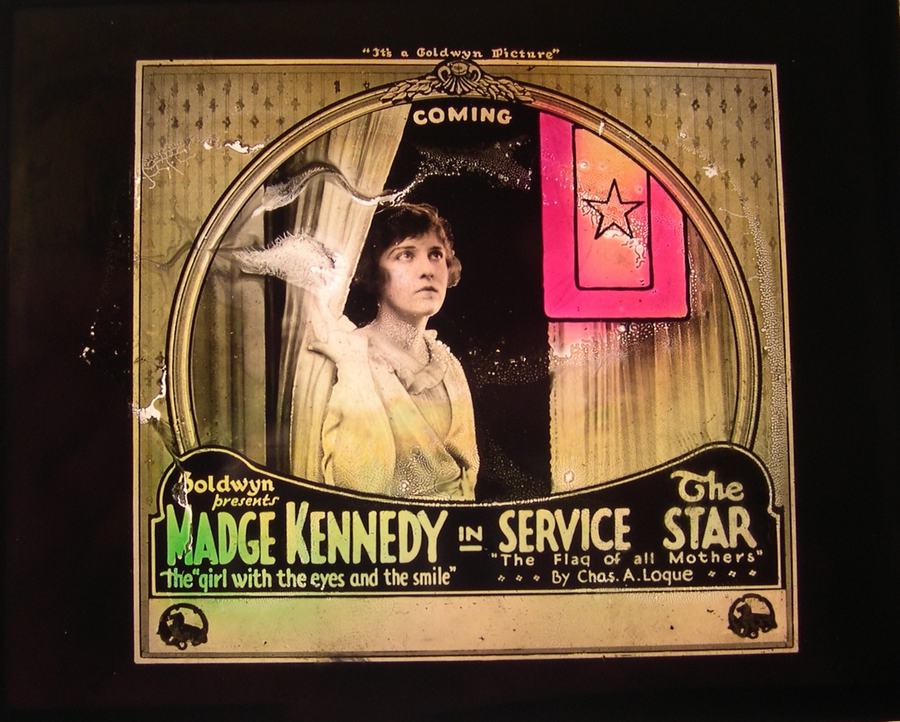
Dir: Charles Miller
A homely young girl, lonely and unhappy because she alone of all the girls in her town does not have a soldier sweetheart, pretends to be the fiancée of a famous combat aviator. When the flyer's mother learns of the "engagement," she accepts the girl as her future daughter-in-law, just in time for complications to arise in the form of the truth.
View Details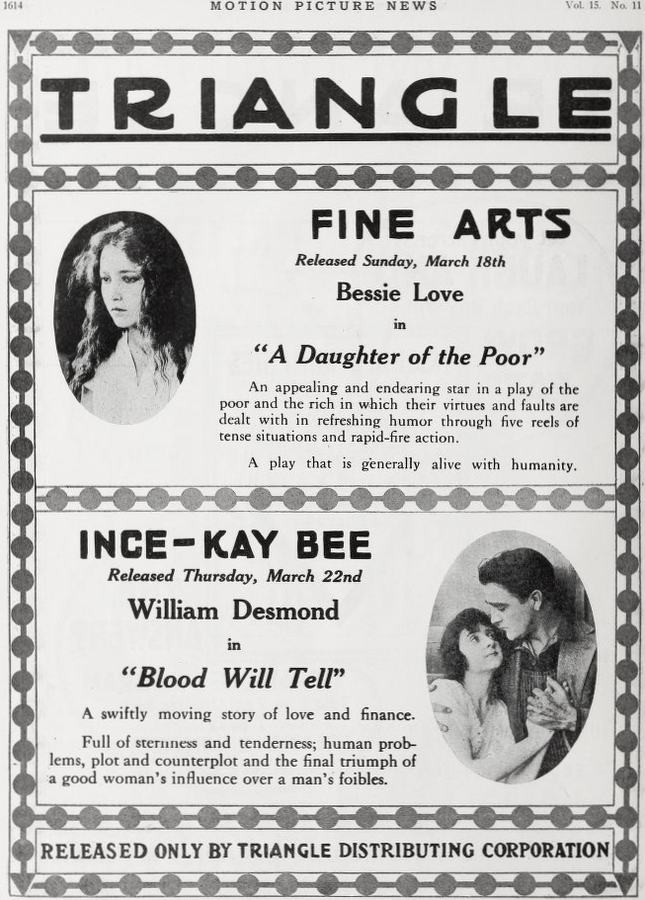
Dir: Charles Miller
Young Samson Oakley III is the only son of Samson Oakley II, the distinguished head of a prominent Wall Street firm. When he is expelled from college--although for an offense he didn't commit--his angry father puts him on a small allowance and basically exiles him. However, when he marries a chorus girl, his father disinherits him altogether. Desperately trying to make some money, the young man discovers he has an innate talent as a safecracker. His newfound skill is put to the test, though, when he discovers that several of his father's crooked colleagues are plotting to take over his father's firm by spreading false rumors about his death and stealing some valuable securities.
View Details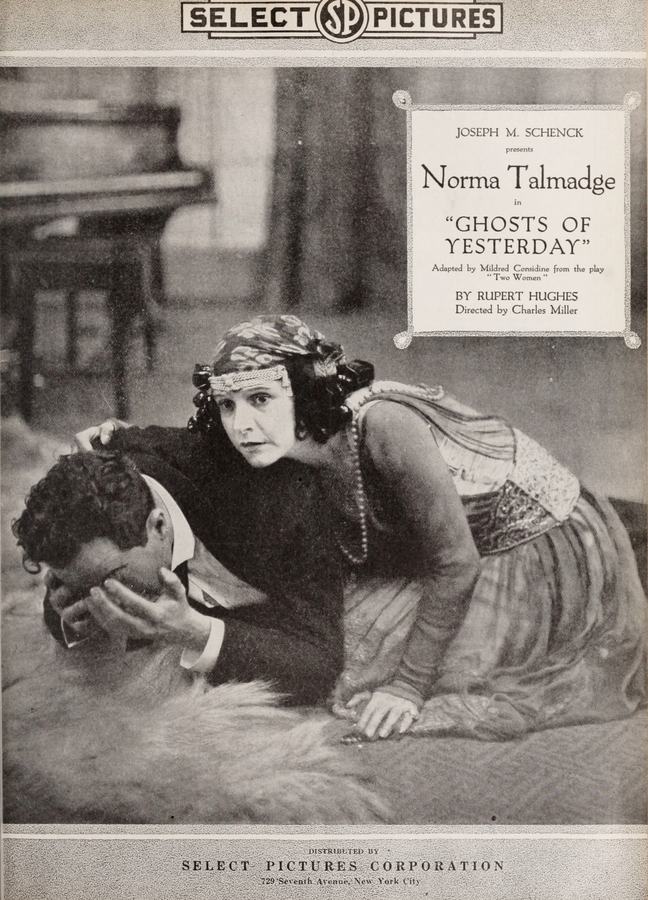
Dir: Charles Miller
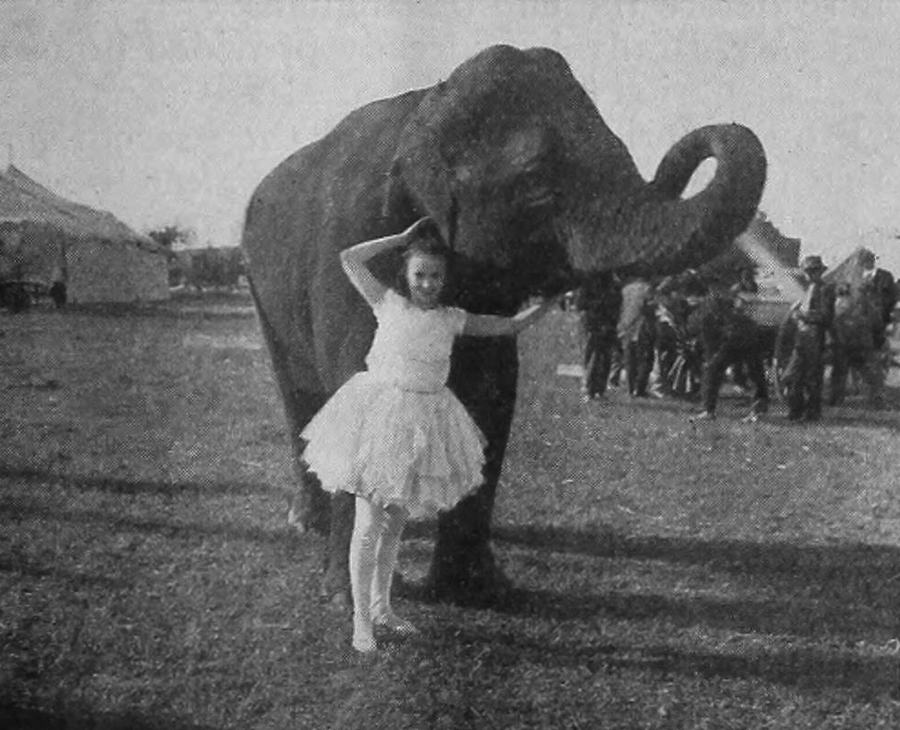
After his wife/model dies of starvation with her portrait unfinished, an impoverished artist meets another woman with a striking resemblance to her.
View Details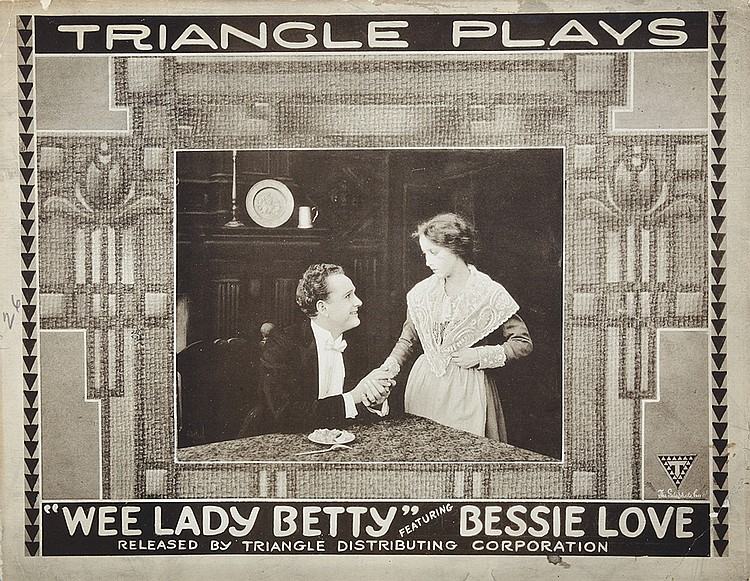
Dir: Charles Miller
Wee Lady Betty rules the O'Reilly castle with a stern hand and a big heart until she learns that Roger, the O'Reilly heir, is coming to take possession of his estate. Unable to provide for her aged father, Betty conceives of a scheme. Feigning to leave the castle, she returns after dark with her father and installs him in the haunted chamber. The next day when Roger arrives with his mother, he is met by villagers angry at Betty's banishment. In the guise of a maid, Betty shows the O'Reillys through the castle, laying special emphasis on the haunted chamber. That night, while bringing food to her father, Betty hears Roger opening the chamber door. Attempting to frighten him away, she jumps behind a suit of armor, but he shoots at the "ghost." Meanwhile the villagers storm the castle and Roger goes to appease them. Betty saves Roger by commanding them to leave, and her future at the castle seems secure when she and Roger embrace.
View Details
Dir: Charles Miller
Jim Morrison, an English army officer who comes from a very old and prominent family, marries the ravishingly beautiful but unscrupulous Cleo, who has no qualms about using her sexual allure to get the luxuries she wants but that her husband can't provide. When Jim is sent off to war, Cleo embarks on a series of affairs, one of which results in her becoming the love slave of a German spy--the very spy that her husband has been assigned to track down.
View DetailsAnalysis relative to High Speed
| Film Title | Atmosphere | Complexity | Similarity |
|---|---|---|---|
| Wild Winship's Widow | Tense | Dense | 95% Match |
| The Secret of the Storm Country | Gothic | Linear | 95% Match |
| Plain Jane | Tense | Dense | 91% Match |
| A Corner in Colleens | Surreal | Dense | 93% Match |
| The Sawdust Ring | Tense | Dense | 92% Match |
This guide was algorithmically generated using the cinematic metadata of Charles Miller's archive. Last updated: 6/25/2026.
Back to High Speed Details →