
DbcultAccessing Vault...
Recommendations
Senior Film Conservator
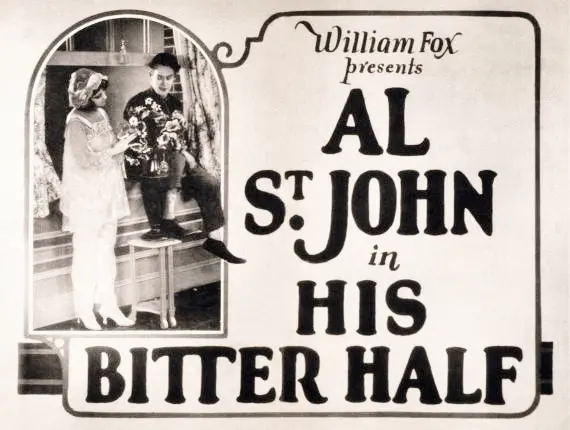
For cinephiles who admire the unique vision within His Bitter Half, the specific unique vision of this work is a gateway to a broader Comedy world. We've prioritized films that capture the 1924 aesthetic with similar precision.
At its core, His Bitter Half is a study in to create a dialogue between the viewer and the unique vision.
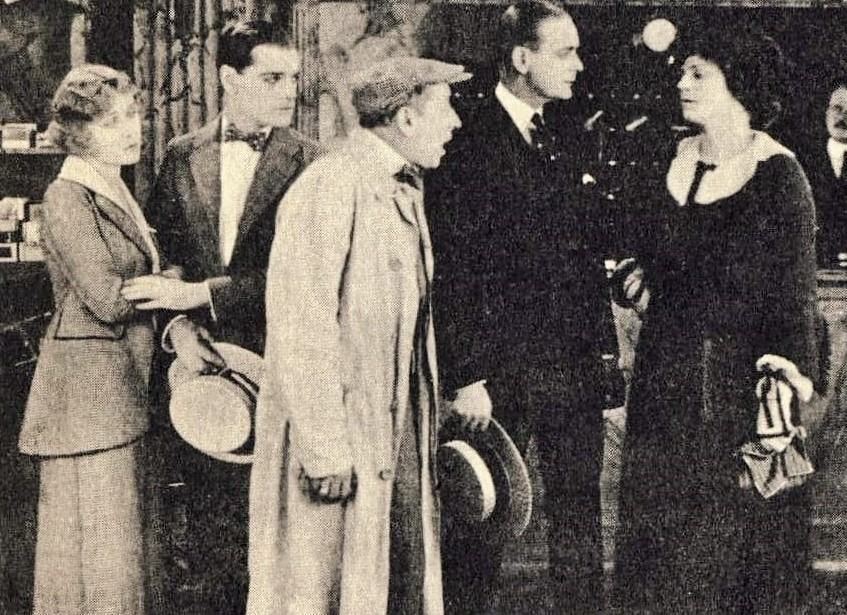
Al is supposed to be the rightful heir to a hotel in a town so dead that the inhabitants go to sleep standing up save when the director calls them into action. A rascally lawyer forces the dastardly hotel keeper to give him a half share in the business in return for his promise of secrecy, but in some untold way the rightful heir comes into his own.
His Bitter Half was a significant production in United States, showcasing the immense talent of Al St. John. It continues to be a top recommendation for anyone studying Comedy history.
Based on the unique unique vision of His Bitter Half, our vault has identified these titles as the most compelling follow-up experiences for fans of Comedy cinema:
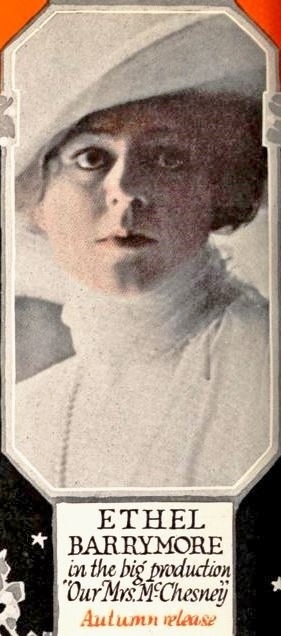
Dir: Ralph Ince
Mrs. Emma McChesney is a determined and successful traveling saleswoman for T. A. Buck's Featherbloom Petticoat Company. When Buck dies and his son, T. A. Buck, Jr., takes charge, the company suffers and Emma nearly accepts a job offer from Buck's rival, Abel Fromkin. On her last sales trip, however, she learns that her son Jack has married chorus girl Vera Sherwood, and because Buck demonstrates such concern for the boy, Emma decides to remain with him. Distraught that Jack has married so young, Emma sends the bride away to boarding school while Jack takes a job with the company. Later Emma discovers that the firm is approaching bankruptcy, so she invents a new skirt which, as modeled by Vera and promoted by Jack, rocks the fashion world and saves Buck's company. Having fallen in love with Emma, Buck proposes and she accepts.
View Details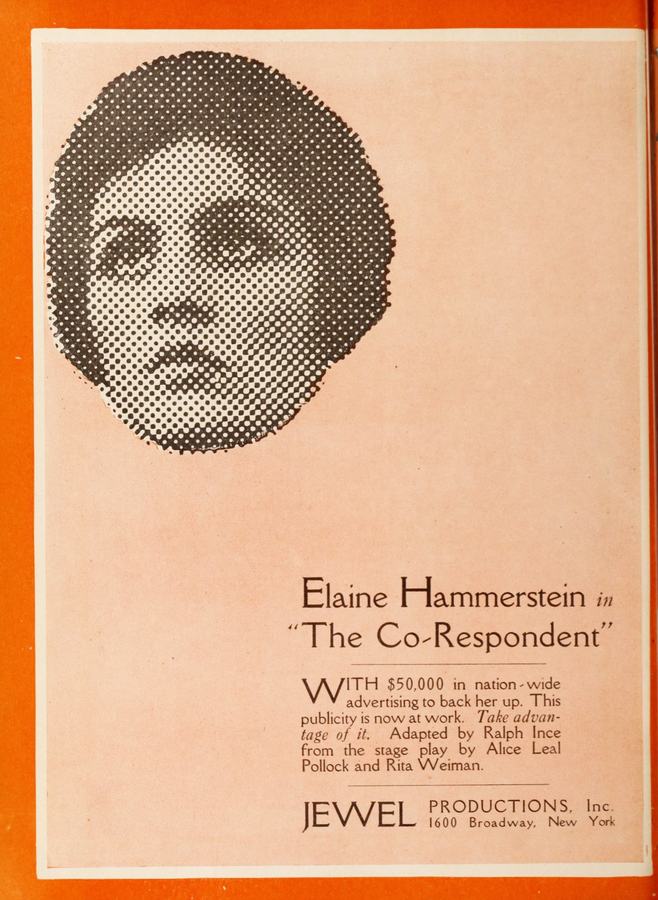
Dir: Ralph Ince
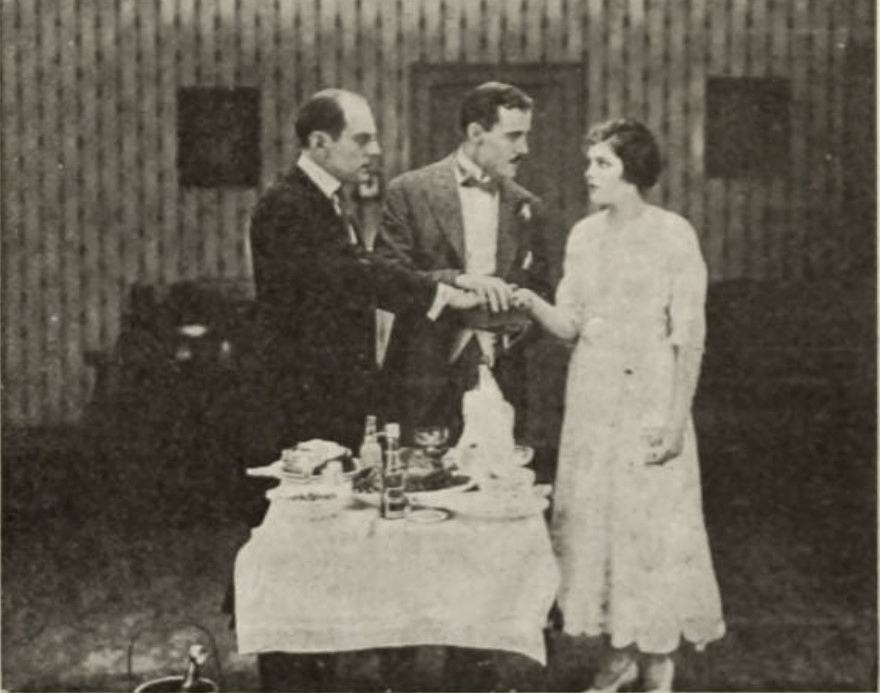
Ann Gray annoys her narrow-minded New England aunt by writing stories on an old typewriter her father left her, and selling them to the "New York Ledger." Longing for attractions available only outside her small town, Ann elopes with visiting dissolute multi-millionaire Howard Van Kreel, who identifies himself as Robert Gordon, but she leaves when detectives from his wife interrupt their mock marriage ceremony. In New York, Ann distinguishes herself as a reporter for the "Ledger" and falls in love with managing editor Richard Manning. After the paper publishes a rumor about the Van Kreels' approaching divorce suit involving an unnamed co-respondent, Van Kreel threatens to sue for libel and ruin Manning's career unless the co-respondent is named. Manning sends Ann to investigate, and she discovers that she is the co-respondent. After some deliberation, Ann tells Manning the truth. Although he does not want to print the story, Ann, who reminds him of his record of publishing the truth, writes it. After Manning thrashes Van Kreel and makes him apologize to Ann, Manning has his assistant prepare an announcement of his upcoming marriage to Ann.
View Details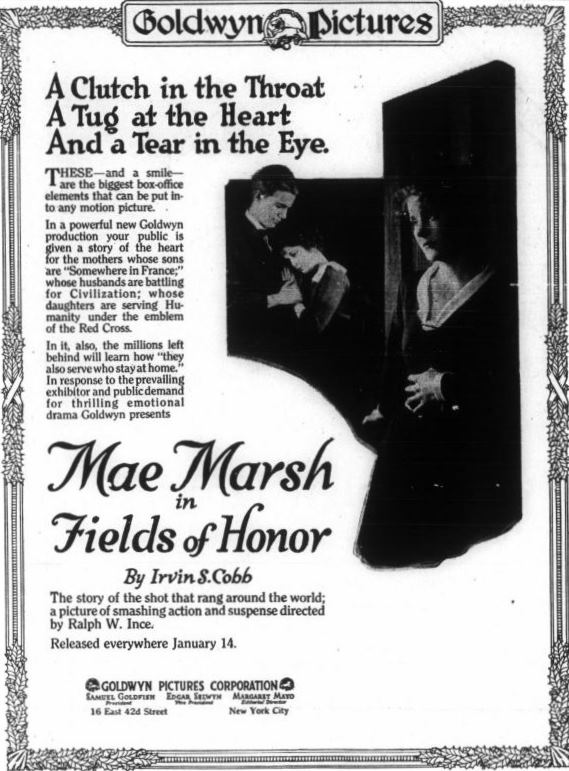
Dir: Ralph Ince
Marie Messereau, with her sister Helene and brother Paul, emigrates from France to America, the land of promise, accompanied by Helene's German fiancé, Hans Grossman. The four find employment, and all goes well until Paul and Hans are called back to Europe to fight in World War I. Robert Vorhis falls in love with Marie, but because a rejected suitor tells him that Marie's reputation is stained, he accompanies his parents to California to forget her. Helene contracts tuberculosis, and when Marie, in seeking the location of a hospital for consumptives, asks several men their address, she is arrested for street walking. Robert's father, Judge Vorhis, acquits her, but upon returning home, she discovers that Paul and Hans have been killed in battle and that her sister has committed suicide. Broken, Marie decides to return to France and is about to sail when Robert, who has been unable to forget her, rushes up the gangplank and takes her in his arms.
View Details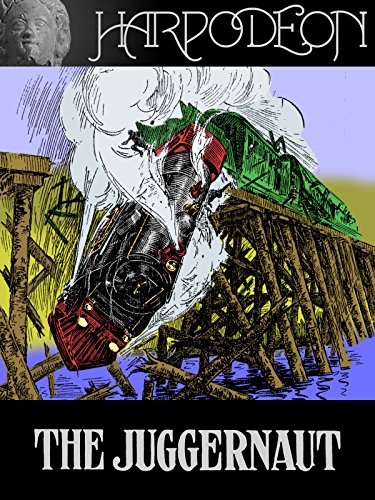
Dir: Ralph Ince
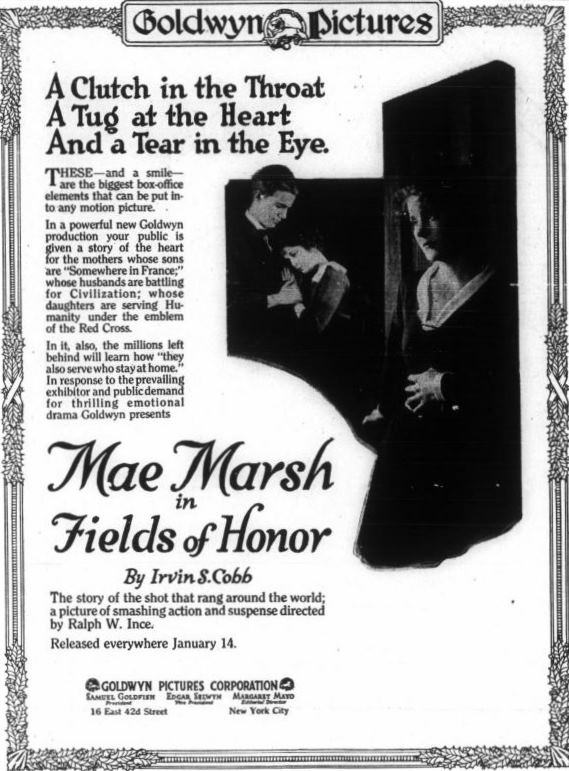
This silent film presents drama to prevent a train from falling from a damaged railroad bridge.
View Details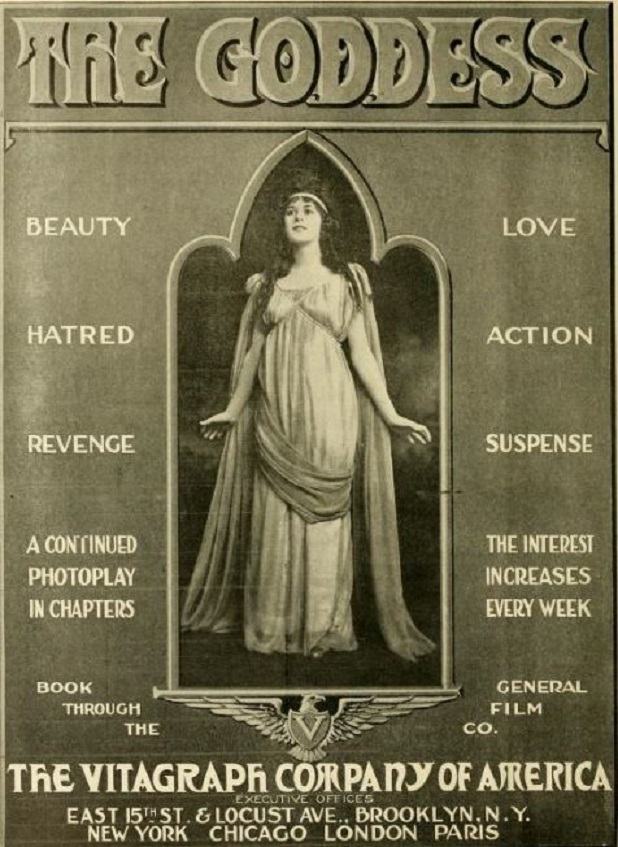
Dir: Ralph Ince
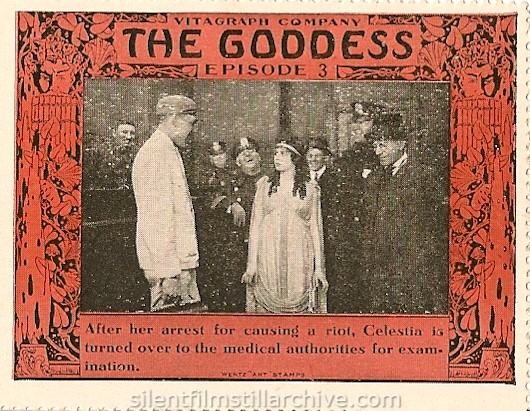
A young girl is reared on a desert island by natives and led to believe that she is a goddess. One day an outsider comes to the island, and persuades her to accompany him to preach about the kindness and love she has experienced. She agrees, but she's soon confronted by the problems and travails of the "outside" world.
View Details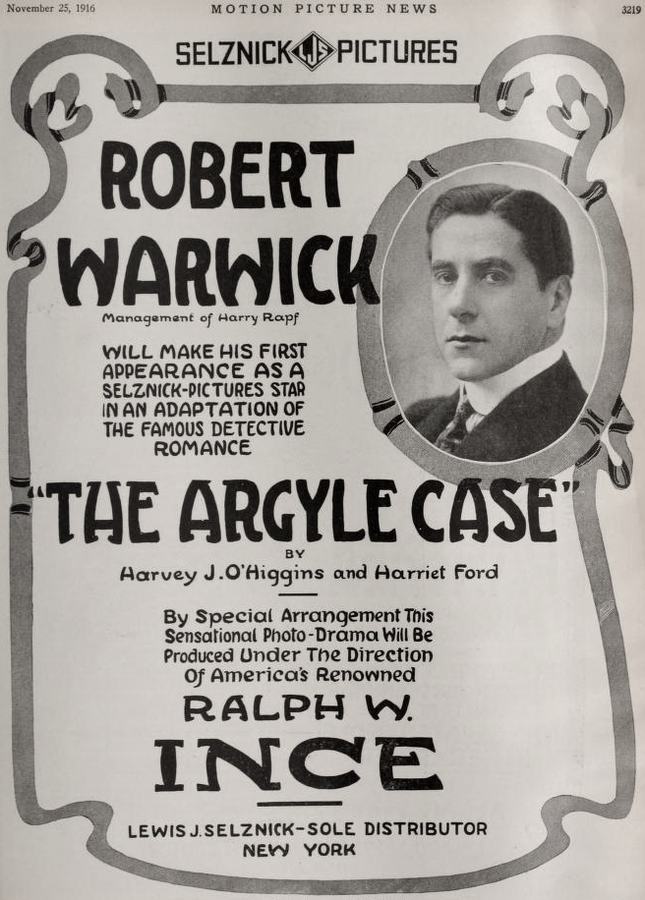
Dir: Ralph Ince
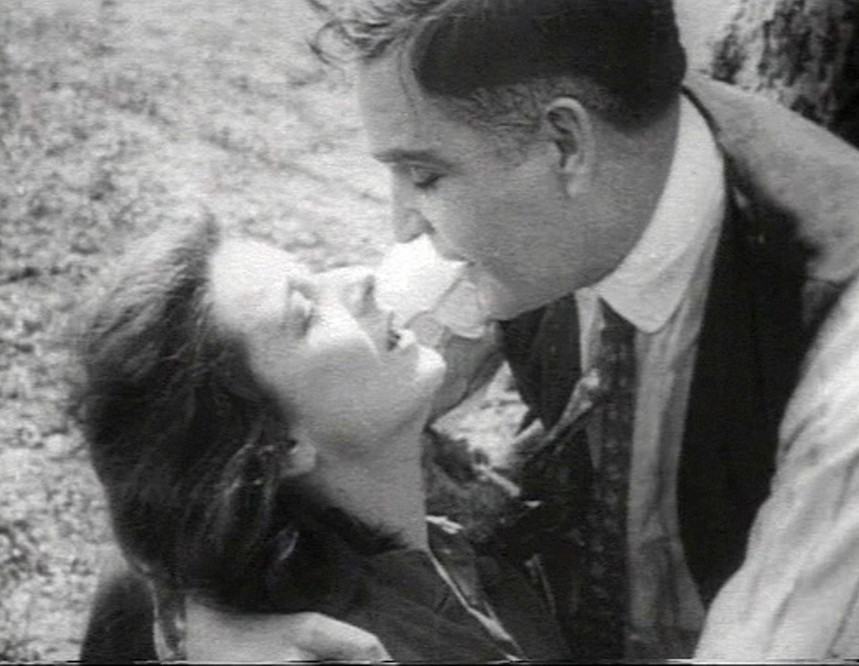
The story is that of the mysterious murder of John Argyle, a multi-millionaire, in the library of his home. Circumstances point toward Argyle's adopted daughter Mary, who is the beneficiary under his will, Argyle having quarreled with his son Bruce. Just as the case begins to look black for Mary, Asche Kayton, a great private detective, is called in by Bruce and takes hold of the investigation. His methods are scientific and swift and the trail leads to a den of counterfeiters, where, by use of the dictograph and other modern devices, the real murderer is run to his lair. Kayton falls in love with Mary, who is finally vindicated. Kayton's reward is the girl.
View Details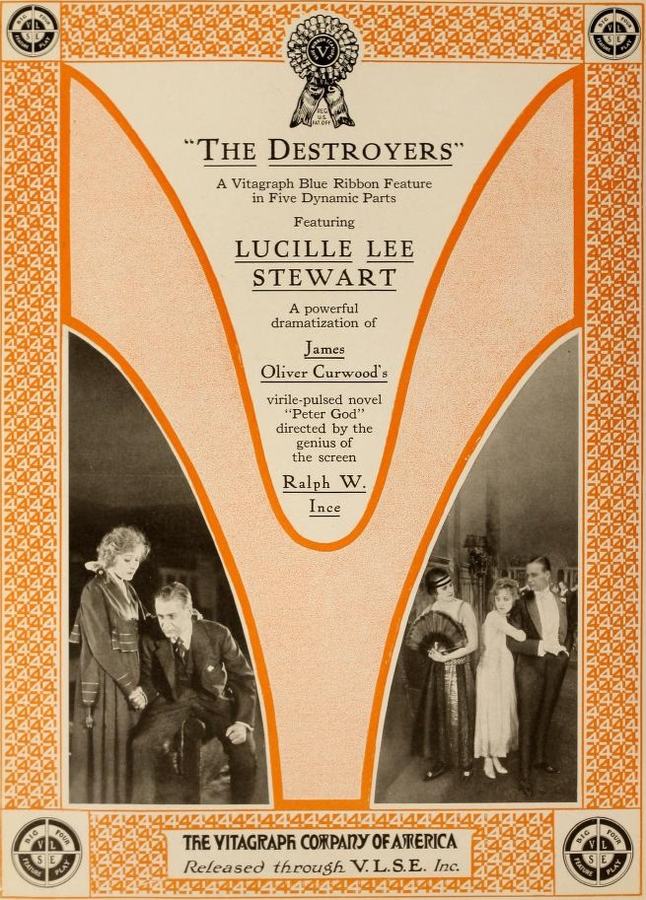
Dir: Ralph Ince
Canadian Mountie Philip Curtis is telling Josephine McCloud, with whom he is in love. about a hermit who once saved his life and nursed him back to health. Josephone remains impassive until Philip tells her the hermit's name: Peter God. At the mention of his name, Josephine begs Philip to find Peter and take him a letter she had written to him. Puzzled but not wanting to deny anything to the woman he loves, he sets out to find Peter, but when he does he discovers that Josephine has a connection to Peter that Philip knew nothing about.
View Details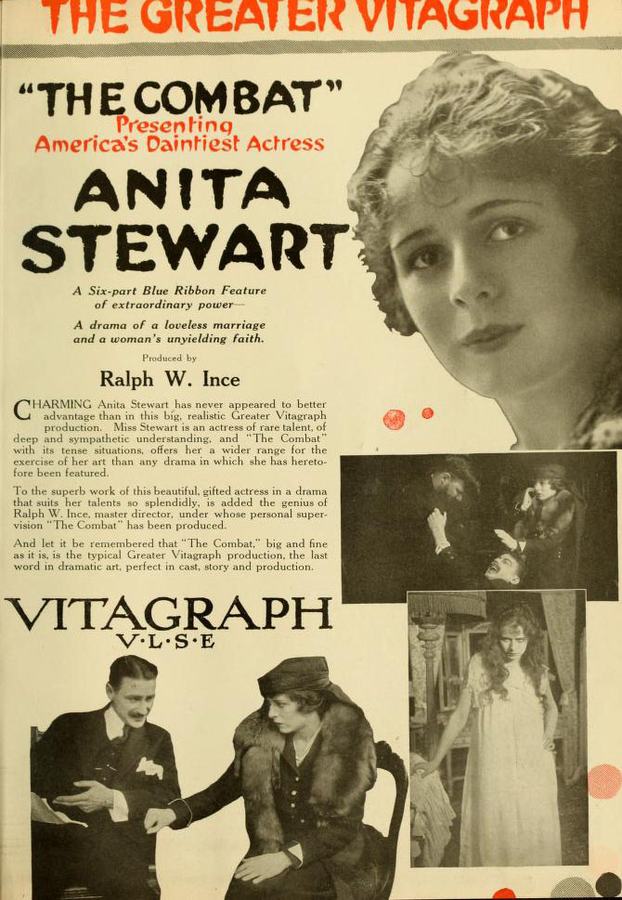
Dir: Ralph Ince
Mrs. Fleming, in secret financial distress, counts upon a brilliant match for her daughter as a way out of her difficulty. Muriel, however, in ignorance of her mother's plight, is attached to Grayson Burton, but when they tell Mrs. Fleming of their love she becomes infuriated and refuses her consent on account of his poverty. Nevertheless, Burton and Muriel secretly marry and he leaves to seek his fortune in the gold fields of the Northwest. He has two partners, Slade, a renegade lawyer from New York, and Rollins, an Englishman. The men strike it rich and Graydon writes Muriel that he is coming to claim her. Slade attempts to rob his partners during the night and is surprised by Rollins, whom Slade kills with Burton's gun. Slade escapes, but returns with police, who arrest Burton on Slade's charge. Seeing that everything is against him in court, Burton escapes and seeks refuge in the wilderness of the mountains, where he becomes a hunted outlaw. Meanwhile the train on which Graydon was supposed to leave is wrecked, and Graydon is reported to be among the dead. Muriel is grief-stricken and decides to keep her secret. Later Philip Lewis, a wealthy lawyer, becomes infatuated with her, and her mother practically coerces the girl into marrying him because of his wealth, finally telling her of their predicament. Soon after her marriage her mother dies. Graydon meanwhile grows desperate and eventually escapes. He starts for New York to claim his wife. Muriel's husband has been appointed district attorney. While Muriel is attending an opera her spying maid steals her secret marriage certificate and sells it to Slade, who has returned to New York and resumed his blackmailing law practice. He writes Muriel a threatening letter and asks her to come to his home to see him that evening. Graydon arrives in New York and sees Slade. He plans to go to his home the same evening and force him to confess to the crime of which he is believed guilty. As he stands outside the French window he is amazed to see his wife there and Slade threatening her. Stepping into the room suddenly, he surprises both, and Slade confesses his guilt. While Muriel talks to Graydon, telling him of her life, Slade seizes a gun. In a fight that follows Muriel kills Slade, fearing her husband's life is in danger and intending only to frighten him by the shot. She escapes and Graydon assumes the blame. Lewis, her husband, prosecutes the case and determines to get a trace of the mysterious veiled woman who ran from the house the night of the murder. He gets a clue to his own wife and grills her until she confesses. Angered and jealous, he prosecutes Graydon knowing he is innocent. Muriel, conscious-stricken, starts for the courtroom to confess, but arrives there after he has been convicted. Lewis promises to pardon the man when made Governor if she will keep her silence. He is elected but refuses to keep his promise. At the last moment when Muriel is determined to kill herself, he weakens and issues the pardon. She then rejoins her true husband.
View Details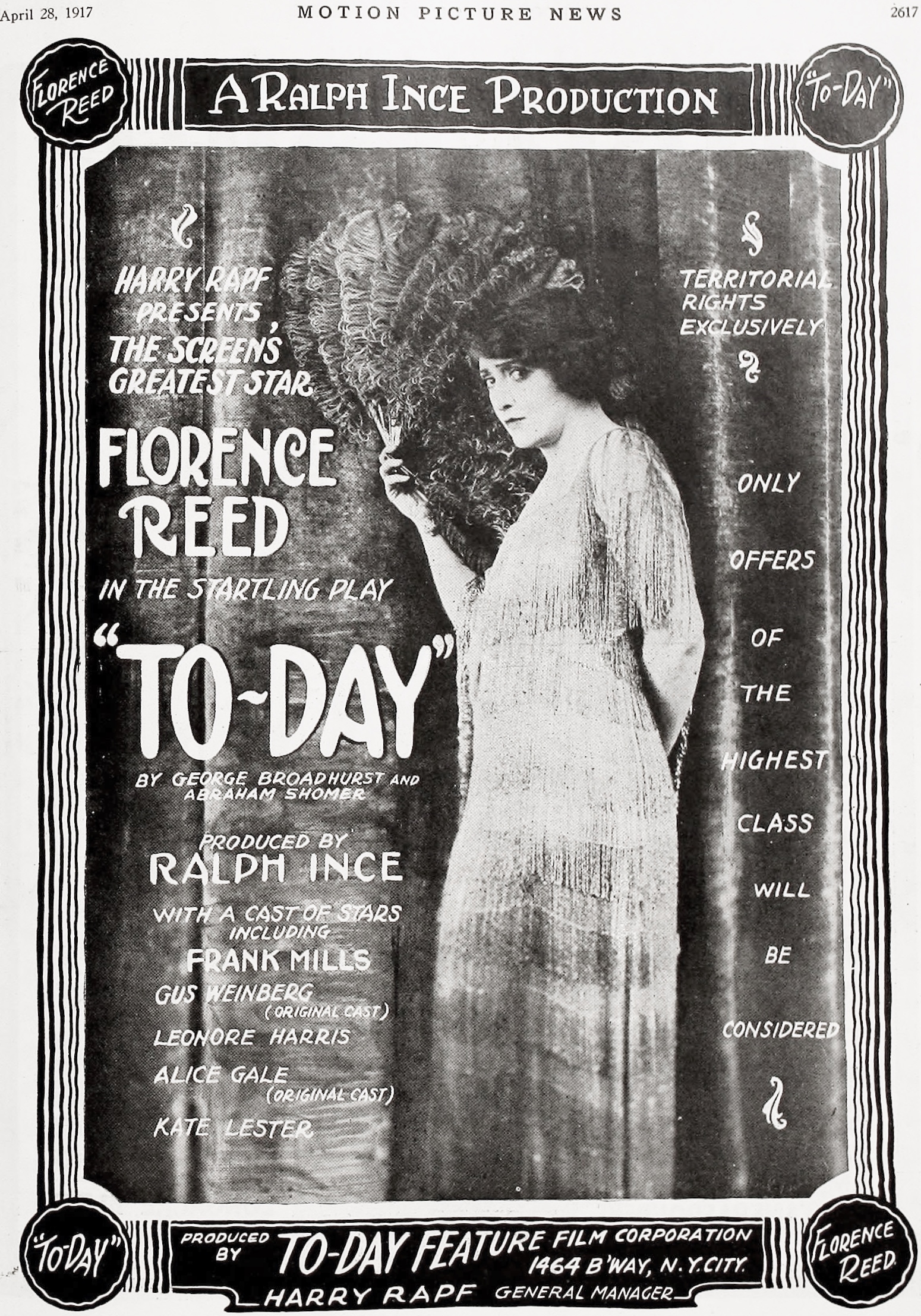
Dir: Ralph Ince
When her husband Fred goes bankrupt, Lily Morton is forced to give up the trappings of wealth and move into a humble home while Fred attempts to fight his way back to prosperity. Resentful of her modest circumstances, Lily accepts her friend Marion Garland's offer to introduce her to Mrs. Farington, a woman who will pay handsomely for Lily's escort services. Lily goes to work for Mrs. Farington while her unsuspecting husband struggles to regain his former wealth. While managing an apartment house for one of his wealthy clients, Fred visits Mrs. Farington, a tenant, and, noticing a framed picture of Lily, asks to be introduced to the girl. Mrs. Farington arranges the rendezvous, and when Lily arrives, she is confronted by her enraged husband who chokes her to death. At this moment, Lily awakens from her nightmare, and chastened for her superficiality, begs Fred for forgiveness.
View Details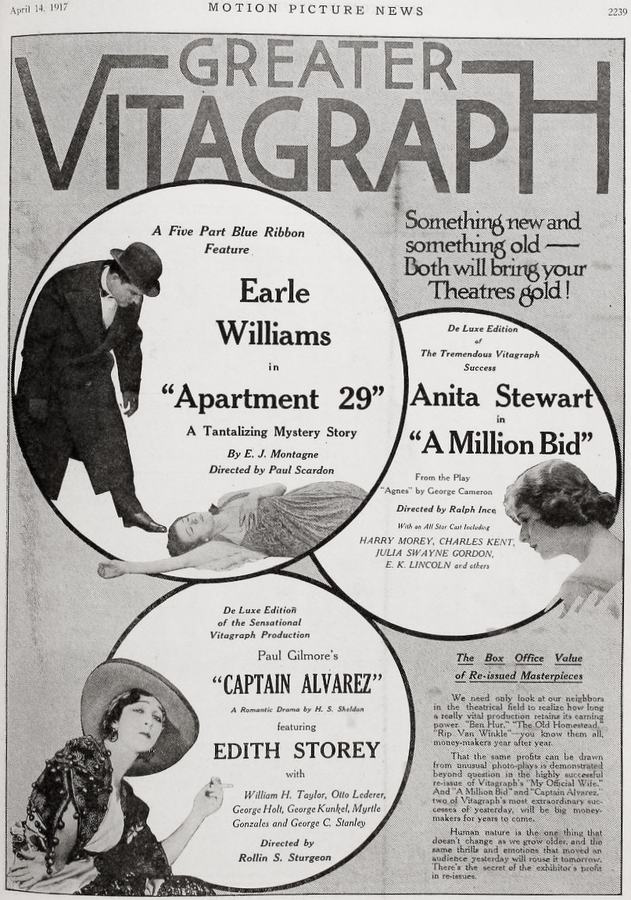
Dir: Ralph Ince
The story concerns a mercenary and managing mother and her daughter, Agnes. The young lady loves a youthful doctor, but a match is frustrated by the mother, who seeks to marry the daughter to the highest bidder. The mother's extravagance ruins the father, who, being in ill health, succumbs to heart failure. With poverty staring them in the face, the mother takes Agnes abroad, finally forcing her into a marriage with an Australian millionaire. To do so, the mother intercepts all letters between Agnes and the young doctor, with the result that each feels that the other has ceased to care. The millionaire and his young wife, while on their honeymoon on his yacht, are shipwrecked. He is dealt a terrible blow on the head, and it completely destroys his memory. The young wife is saved and returns to America, while her husband is picked up by a French fisherman. His memory gone, he does not recall his previous existence in America. Agnes and the doctor renew their love affair and finally marry, excellent proof having been furnished that her former husband had drowned in the shipwreck. There is no opposition to the marriage now, as the mother also had perished in the catastrophe. Five years later, the young doctor has become a famous brain specialist. To him, Agnes' former husband comes for an operation in the hope of restoring his lost memory. The two men, never having met, fail to learn they are both married to the same woman. She discovers it, however, and with her happiness at stake, does not tell her surgeon-husband the truth, but attempts to dissuade him from operating on her first husband, fearful that the operation will prove successful and her first husband regain his lost memory and recognize her as his wife. The humanity in the surgeon surmounts his wife's pleas, but the patient fails to withstand the operation and Agnes' happiness is assured, despite the terrible situations which confronted her.
View DetailsAnalysis relative to His Bitter Half
| Film Title | Atmosphere | Complexity | Similarity |
|---|---|---|---|
| Our Mrs. McChesney | Ethereal | Dense | 89% Match |
| The Co-respondent | Tense | Dense | 89% Match |
| Fields of Honor | Gothic | High | 90% Match |
| The Juggernaut | Tense | High | 90% Match |
| The Goddess | Ethereal | Linear | 93% Match |
This guide was algorithmically generated using the cinematic metadata of Ralph Ince's archive. Last updated: 6/23/2026.
Back to His Bitter Half Details →