
DbcultAccessing Vault...
Recommendations
Senior Film Conservator
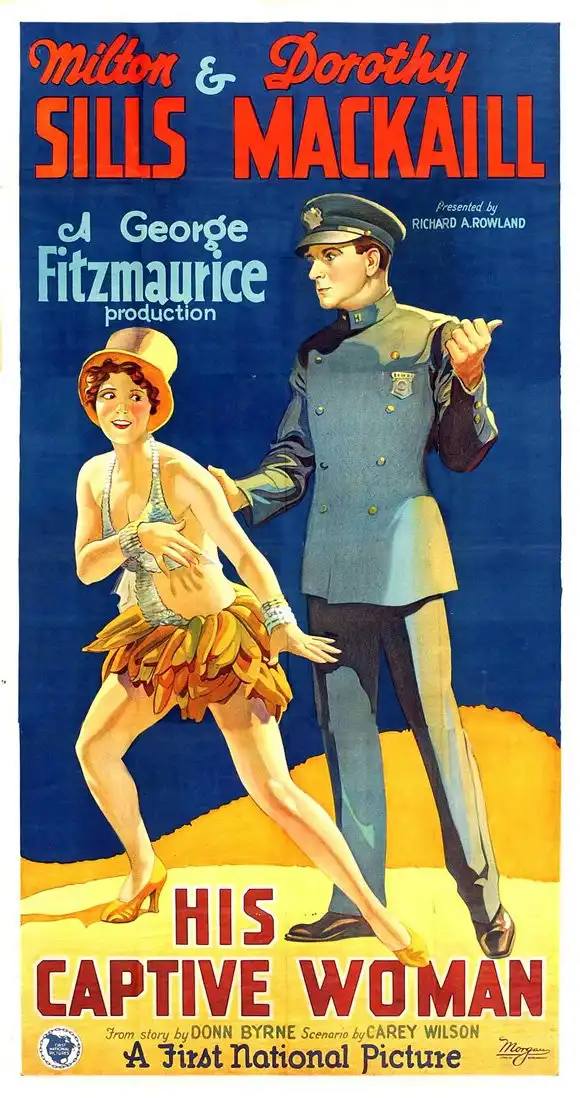
Navigating the complex narrative architecture of His Captive Woman is a character-driven intensity experience, the legacy of His Captive Woman is a beacon for those seeking the unconventional. Unlock a new level of cinematic understanding with these Crime alternatives.
The artistic audacity of His Captive Woman ensures it to sustain a sense of mystery that persists after the credits roll.
A cabaret dancer, kills her sugar-daddy and escapes to a South Seas island on the yacht of a wealthy admirer, but is captured by the detective trailing her.
Critics widely regard His Captive Woman as a cult-favorite piece of Crime cinema. Its character-driven intensity is frequently cited as its strongest asset, solidifying its place in United States's film legacy.
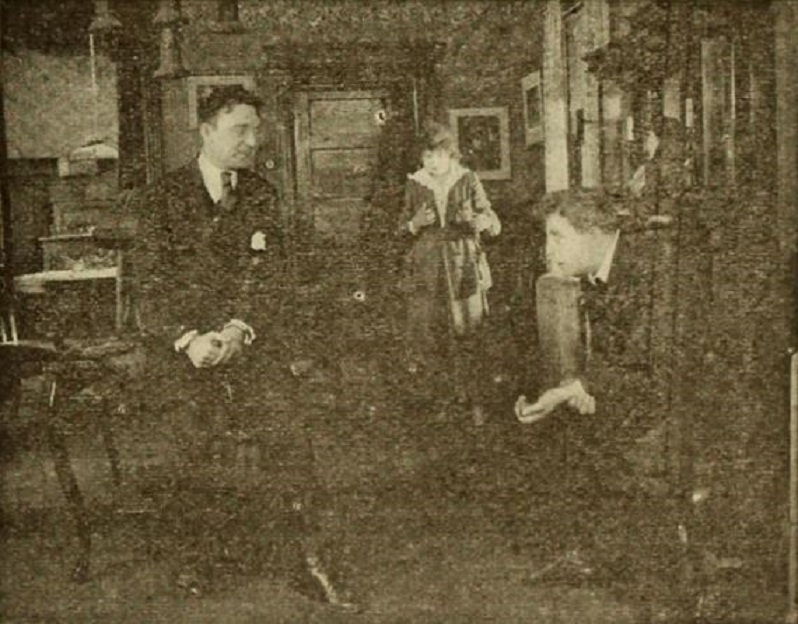
Based on the unique character-driven intensity of His Captive Woman, our vault has identified these titles as the most compelling follow-up experiences for fans of Crime cinema:
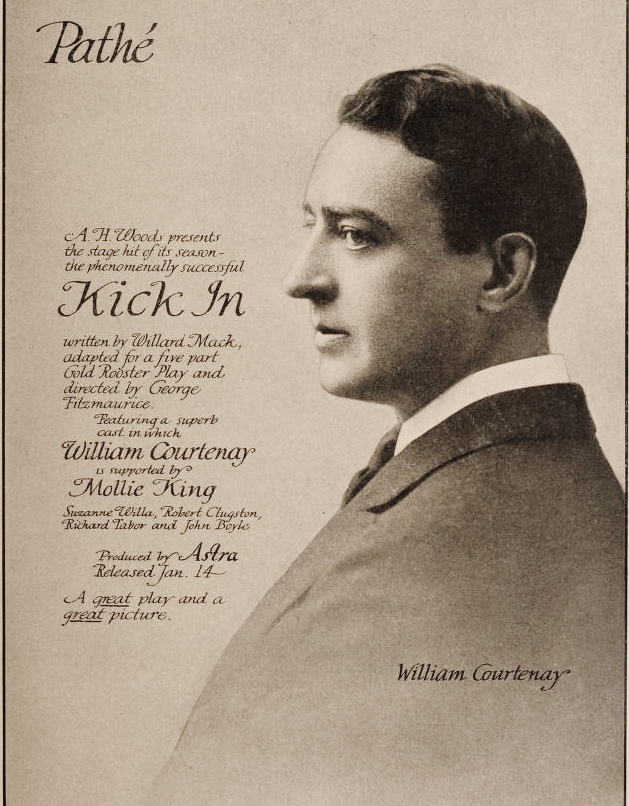
Dir: George Fitzmaurice
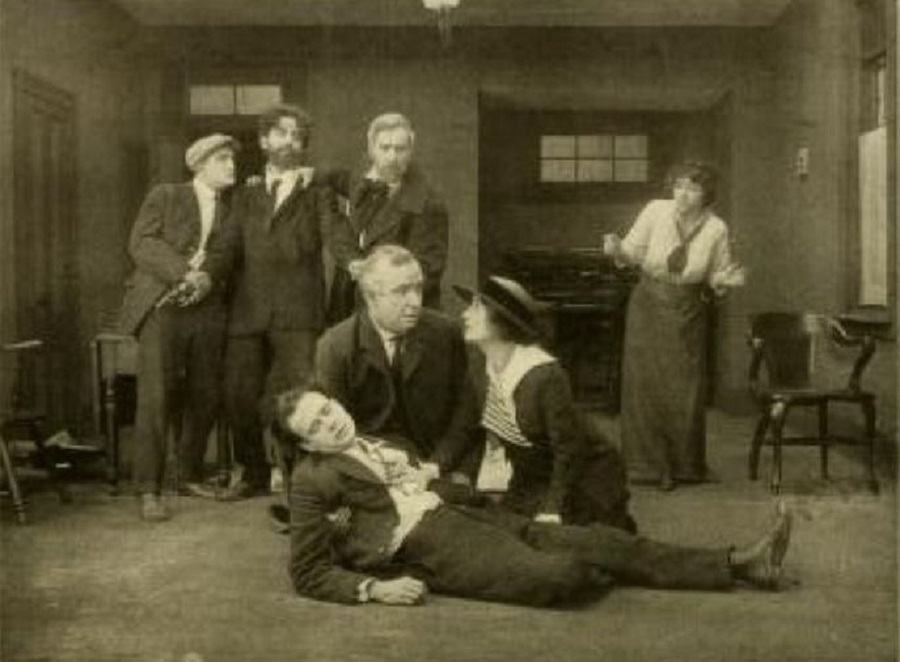
"Chick" Hewes, a street urchin of the East Side, and his pal, Benny, following their early teachings, become crook gangsters. The police pursue them during a bold robbery; Benny is caught and Chick takes refuge in Molly Carey's flat above the crooks' quarters. Finally trapped, "Chick" is "sent up" and Molly's promise to wait for him is the one ray of sunshine in his gloomy existence. Given freedom and a chance, Chick happily married to Molly, leads the straight and narrow path. Back to his old tricks, Benny, wounded in a necklace robbery, eludes the police with his loot and makes his way to his former pal's flat. Although realizing the danger to his home, Chick, for the sake of his boyhood pal, conceals Benny in the attic, but without a doctor's care the wound proves fatal. With the help of his old pals, the body is disposed of, but the police suspect and watch Chick's flat constantly. Later, to his surprise, Chick discovers that Molly's brother, a drug victim, had, unobserved, taken the stolen necklace from the wounded Benny. They decide to tell the authorities, but before they have an opportunity, Molly's brother is arrested. Trying to square things, Chick is double crossed by a detective, who tries to arrest him for the robbery, but is prevented by Molly's quick action. While on their way to make a clean breast of everything a police official, disguised as a chauffeur, ensnares and takes them to police headquarters. Faced with the seriousness of the penalty, Chick asks for leniency for Molly, about to become a mother. The chief, having the necklace and realizing what conviction means, is softened by the news that he himself is the father of a baby boy and for the sake of the young couple's happiness, he releases them.
View Details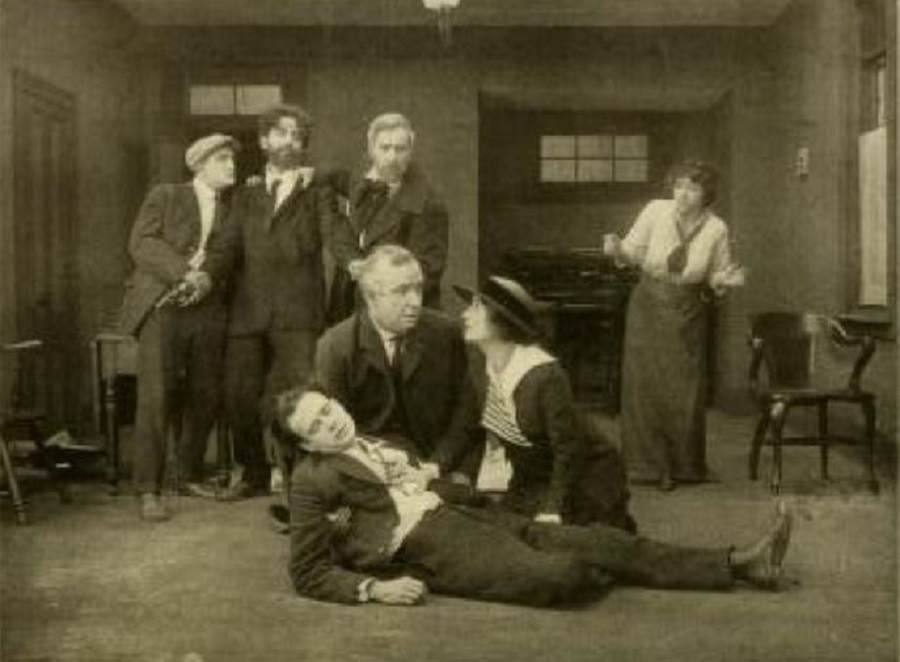
Dir: George Fitzmaurice
Prologue: John J. Haggleton is the oil king of the world. In his first years while fighting bitterly for success his methods are unscrupulous. His wife suffers as a result and learns to hate his dishonesty. One day, finding written proof of a plot to burn up the oil refinery of a competitor, she leaves him, taking her baby boy and the condemning documents. Lawrence, a competitor of Haggleton, shoots himself as a result of Haggleton's manipulations and another, Moran, ruined, falls into misery. Haggleton's wife dies in poverty, leaving her boy, Philip, in the care of a poor old man named Gentle, who brings him up under an assumed name so that the boy shall never know his father's name. Gentle keeps the documents incriminating Haggleton. The story proper opens in Moran's home. Moran, who is now working in a miserable East Side bakery with his daughter, Jenny, a woman of the streets who has been ruined by Lawrence's son, but who has reformed, is in love with Philip Ames, who is really the son of Haggleton. He in turn is in love, not with Jenny, but with Margaret Lawrence, daughter of the man who committed suicide. She is a nurse in a hospital. Haggleton comes to visit the tenement in which the Morans live and there meets his son, who is calling on Moran. Haggleton does not reveal his identity. He discovers through Gentle the identity of his son and of the hatred his son has been taught to bear against the oil king. Haggleton is struck by the boy's speeches and when shown the horrible conditions of the people living in the tenement, he offers to help them with money, but his son refuses the money, saying that a man in order to make charity effective must not merely hand money to poor people but must understand them as well. Haggleton, in an effort to win back his son, decides to try living as a laborer. He sends orders for his yacht to sail, spreading the rumor that he is on board for a long cruise. Then he starts life over in a tenement without a penny. Haggleton starts work as a kneader in Moran's bake-shop and after studying conditions begins to build up an electrical bakeshop, which will later become a real bread trust. As they prosper, the home of Moran becomes happier, but Moran, inflamed by socialistic ideas, spread about by a few bakers who are thrown out of work by the electrical machinery, nurses anarchistic hatred against men such as Haggleton who ruined him. He doesn't know, however, that Jackson is Haggleton. To this argument Haggleton explains to him that his bread trust may be hurting a few bakers, but benefits the whole East Side. Haggleton learns of the engagement of Philip with Margaret Lawrence. He tries to withhold this marriage as he has much greater plans in mind for his son, and in so doing discloses his real identity. Moran, infuriated, tries to shoot Haggleton, but Philip, who has learned to love him in the past months, stands between Moran and his father and receives the shot. He is taken to the Haggleton home on Fifth Avenue and nursed there by Margaret Lawrence. When his health is restored, Margaret announces her intention of leaving the house, for she thinks she can never bear to marry a son of the man who ruined her father. She is stubborn in her pride, but finally yields when Jenny comes to her and tells her that her own destroyer was none other than Margaret's brother. Margaret softens and henceforth Haggleton, Margaret and Philip devote their lives and huge fortune to the development of really useful charity.
View Details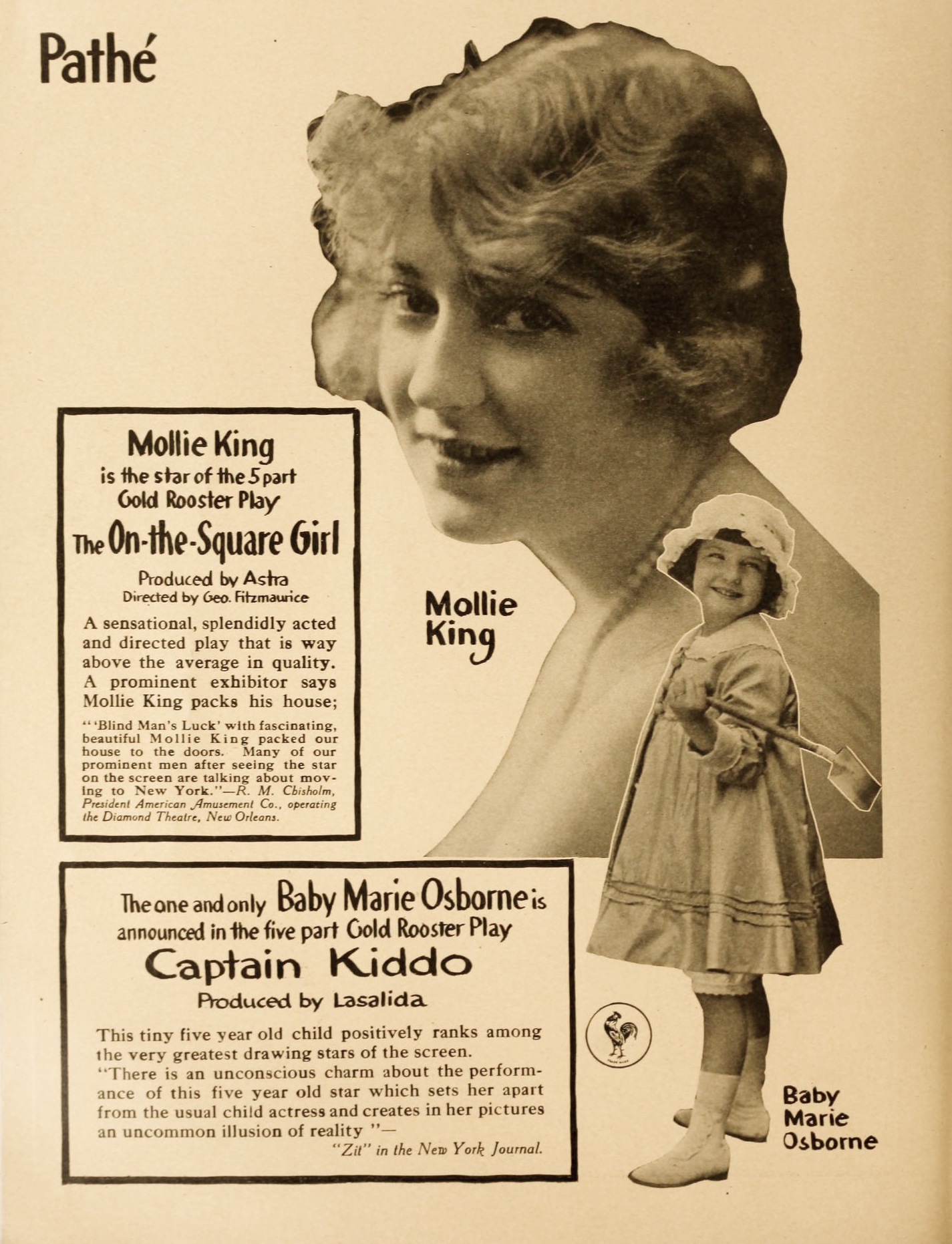
Dir: George Fitzmaurice
In order to send her invalid mother to a sanitarium in the North, Anne Blair, a dressmaker's model, accepts money from the wealthy, lascivious Thomas Brockton. With the aid of the dressmaker, Brockton attempts to seduce Anne, but she resists him with force. During the struggle, Anne stabs Brockton and flees to the North to avoid arrest. Upon her arrival, Anne discovers that her mother has died. Overcome with grief, she wanders blindly into the icy wilderness, but Richard Steel, a portrait painter, rescues her and soon falls in love with her. Through a series of letters, Anne discovers that Brockton is her father, but remains silent to protect her mother's name. After learning of her liaisons with a certain actor, Steel terminates his engagement to Inez Brockton, Brockton's other daughter. When Brockton visits Steel to demand an explanation, he runs into Anne, who tells him that she is his daughter. Ashamed and repentant, Brockton bestows his blessings on the new couple.
View Details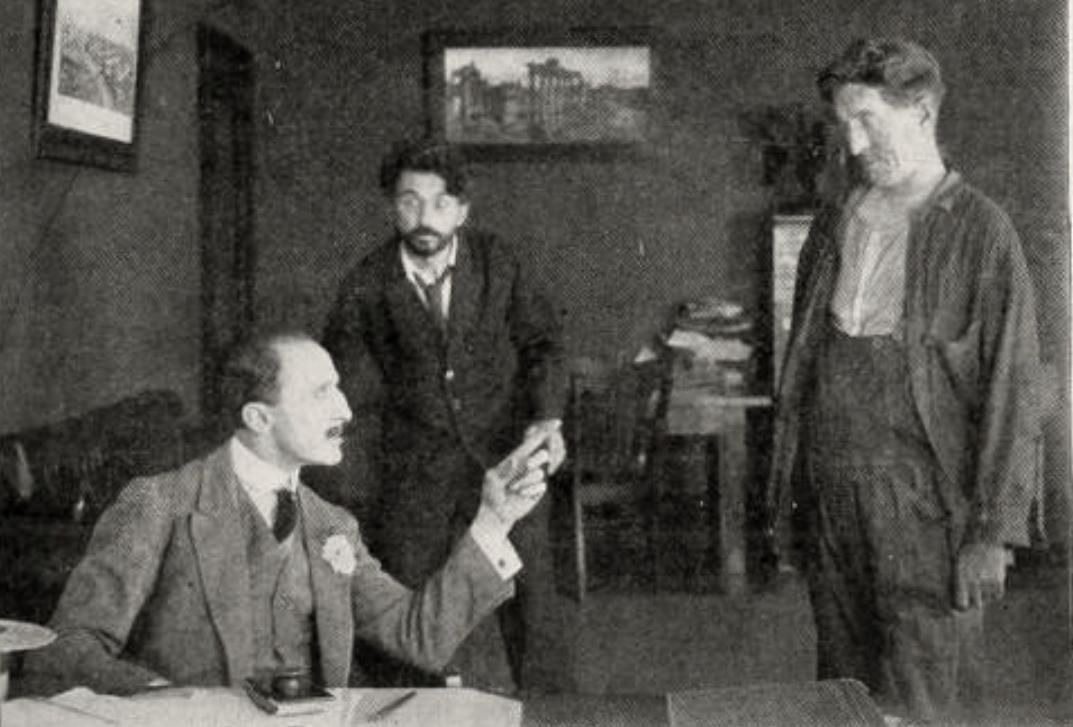
Dir: George Fitzmaurice
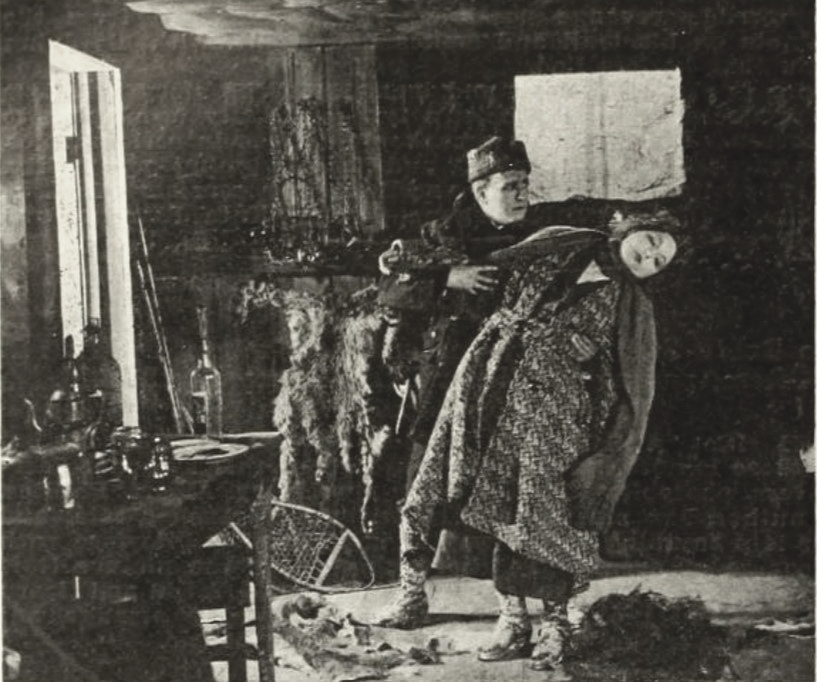
Marsh, a draughtsman in the gun factory of John Durant, is swindled by Edward Pinkney, Durant's general manager, out of the huge royalty to be paid should a gun of Marsh's invention prove a success. Pinkney loves Maisie, but is far outrivaled by Lieut. Somers, U.S.N. Somers also has invented a gun which he gives to be cast by the Durant Iron Works, and which, if successful, will do Pinkney out of his expected graft on the Marsh invention. Pinkney takes good care that the Somers gun is "killed" in the making. He then misrepresents Somers to Maisie and her father, and though Maisie loves the Lieutenant, she feels she must give him up. Accompanied by her mother and Pinkney, she goes in the Durant yacht for a cruise in Turkish waters, formally engaging herself to Pinkney. The Durant yacht hits a mine, and in the rush to leave her, Maisie is trapped in the wireless room. With the water surging up about her shoulders, and every means of escape barred she sends out the S.O.S. signal taught her by Lieut. Somers. The lieutenant, aboard a U.S. cruiser, protecting American interests in Turkey, gets the signal, and arrives at the side of the doomed ship just in time to make a sensational rescue. Here follow a mass of complications as the plot gradually resolves itself to its end.
View Details
Dir: George Fitzmaurice
Rozika is a Hungarian girl who can sing quite nice. She goes to the place known as the United States with her brother whose name happens to be Young Carl. Rozika marries a chap named Trevor and a predicament ensued after the Great War comes knocking at the door.
View Details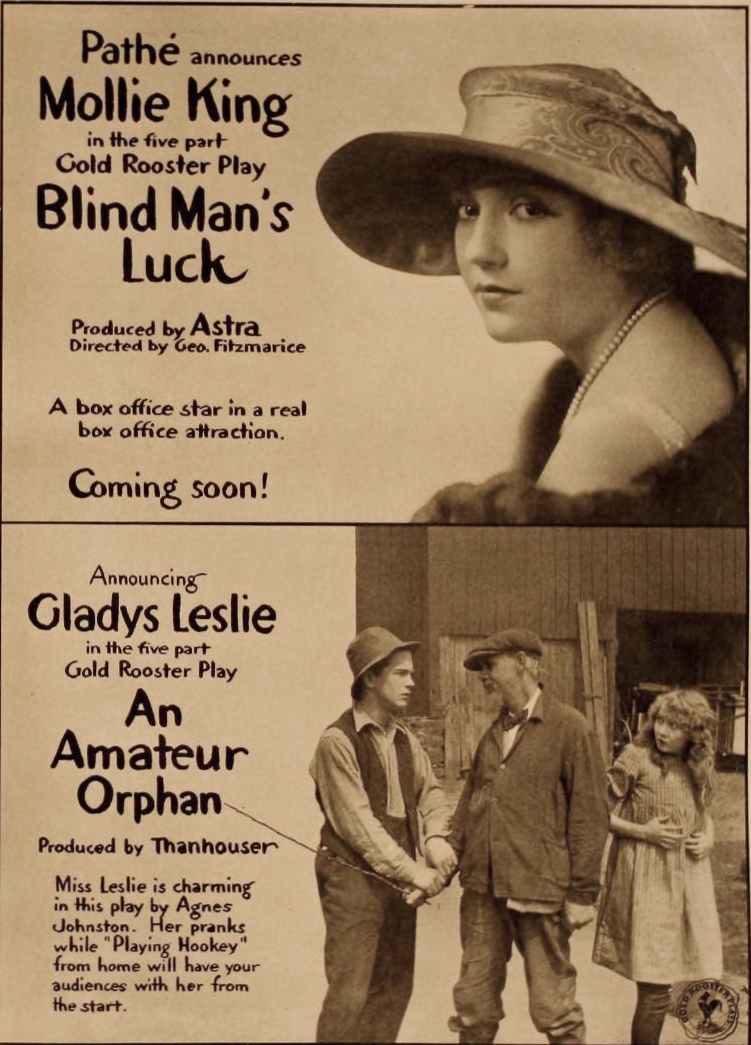
Dir: George Fitzmaurice
Suspected of smuggling, Eileen Caverly boards the Connecticut Limited, followed by a detective who is trailing her. Also on the train is Bob Guerton, banished from his father's household for stealing to pay his wine bills. Bob is accompanied by Helen Raymond, whom he married while in a drunken stupor. Helen, becoming disgusted at his actions, confides in Eileen and when the train is wrecked and Helen killed, Eileen poses as Bob's wife to avoid the detective. Bob, injured, is brought to the hospital accompanied by Eileen. His mother visits him and, learning that they were married by a Justice of the Peace, forces them to be married by a minister. With Eileen's support, Bob becomes successful and they are blessed with a son. A reconciliation with Bob's father is effected and all goes well until Cromwel Crow, Eileen's former guardian and a smuggler, is released from jail. Crow visits Eileen and demands $5000 for his silence. Bob hears his wife struggling, enters her room and in the ensuing fight, Crow is killed. Eileen's secret dies with her adversary, freeing her to continue her life.
View Details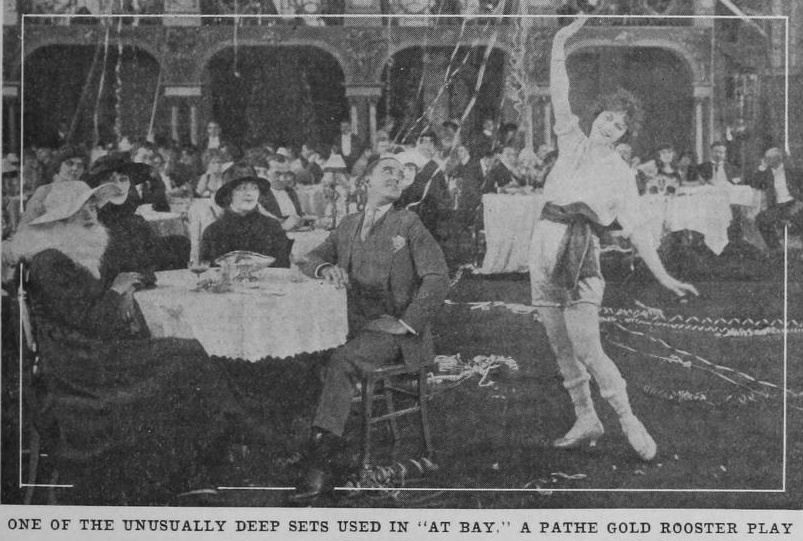
Dir: George Fitzmaurice
District Attorney Graham starts a crusade against the city's gambling houses. Judson Flagg, a lawyer, owns a notorious joint and knows that nothing can stop Graham once he gets his hand in. He then enters the fight armed with every weapon an unscrupulous man can employ. Through Mrs. Cuyler Hastings, a society woman who owes him a gambling debt, Flagg introduces Joe Hunter, his aide, to Aline Graham, daughter of the District Attorney. Hunter, polished, dashing and handsome, is seemingly devoted to Aline, and manages to marry her secretly. Later, in a raid on Flagg's place, Hunter shoots Graham and runs to Aline with the plea that unless she gives him money he will divulge the whole affair, saying that the marriage was a fake to aid some political enemies of her father. He leaves with her necklace, but she writes to him at Flagg's office begging him not to desert her. The gambler gets the letter and arranges an interview before a cunningly concealed camera, with the hope of getting her in a compromising position. How she is finally rescued and her fair name saved makes a charming ending to this drama.
View Details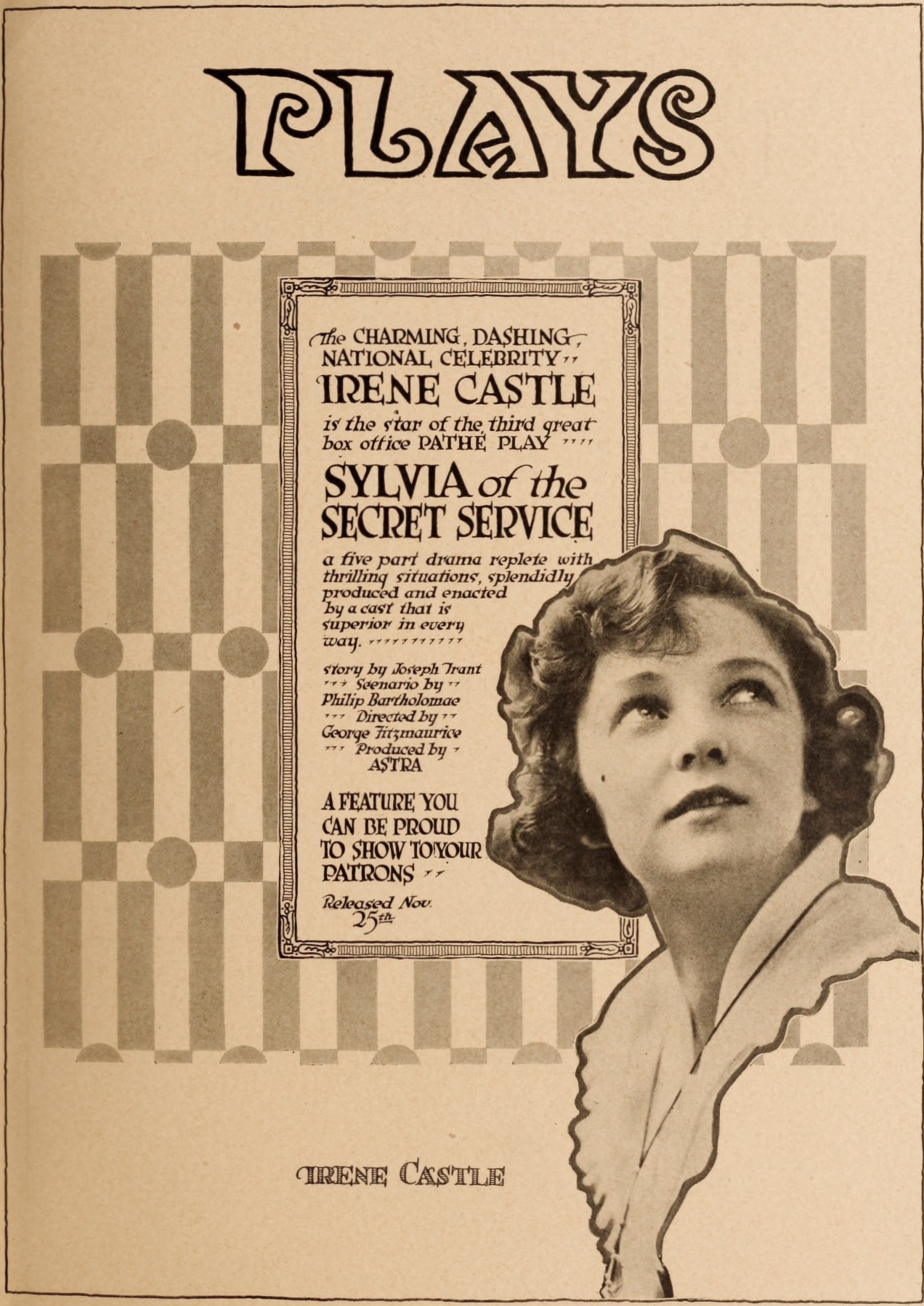
Dir: George Fitzmaurice
During World War I, a group of German saboteurs plot to blow up an ammunition dump in New York City. A secret agent sets out to stop them.
View Details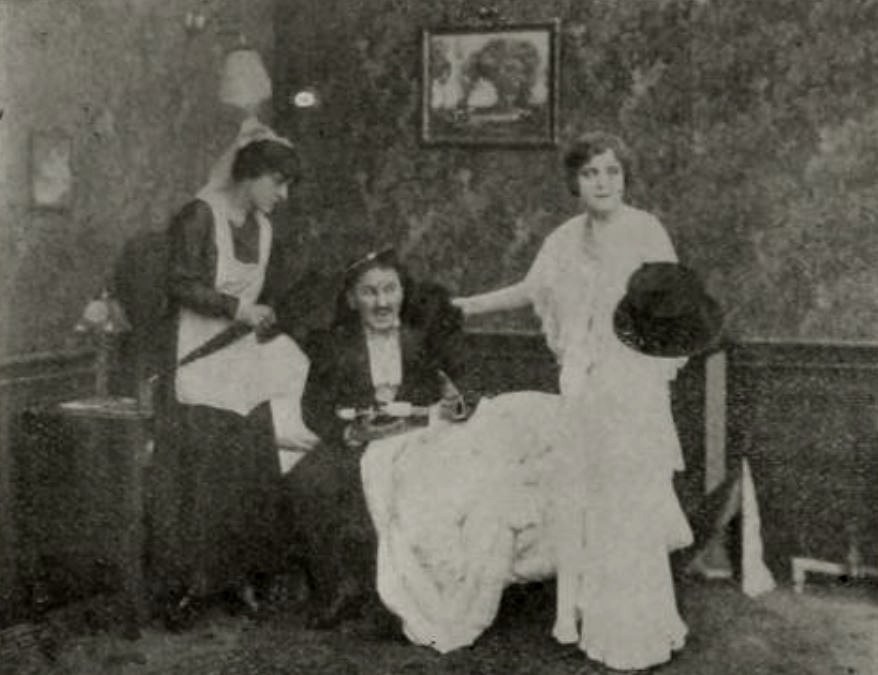
Dir: George Fitzmaurice
Larry Brice and his friend Rolliston are suburbanites. Rolliston invites Larry to stay downtown with him and take in the cabarets which Larry, with a pang of misgiving, consents to do, 'phoning home the usual excuse about business. The two friends "do" the various roadhouses, acquiring liquid refreshments and sundry joys en route, winding up finally in a Long Island Palace of Joy. When the confetti-throwing stage is reached, Larry, with splendid aim, bounces a ball of serpentine off the bald head of excitable "Sammy," director of the Italian orchestra. With murder afore-thought, the sensitive musician follows the devious route of the paper missile, arriving at the table of the two friends where reconciliation, wine and spaghetti supplants manslaughter. Larry 'phones his wife, Hetty, that business continues to press, forgetting, however, to shut out the strains of music from the telephone booth. She goes to bed disgusted and some hours later hears her husband arrive with "Sammy" in tow, insisting that the latter take the guest's bedroom. Then Larry promptly falls asleep, awakes in time for the 7:46 and hurries to the office without telling Hetty of his new-found acquaintance. Meanwhile, Carrie, the maid, dirty, slangy, lazy and incompetent, finds the bed disordered, and lifting the covers, screams at the apparition of the sleeping Sammy. Hetty guesses the truth. Sammy forthwith takes his departure, but gets only to the street, where the small boys pelt him unmercifully. Sammy returns and refuses to budge until a suit of clothes is provided. And Hetty, with a wife's freedom, expresses herself clearly to Larry over the telephone, causing that gentleman to rush out. C.O.D. a suit of street clothes for Sammy. In the interim, the suffragette club meets at the Brice home. And then things happen rapidly. The carrier arrives with the clothes; the maid refuses to accept the C.O.D.; Sammy frantically pursues him, beats him up, takes the clothes and is in the act of stealing softly into the house when the suffragettes discover him. He is mauled by four husky women, the constable is called and Hetty again rushes to the rescue, explaining to her friends that Sammy is no burglar. With suggestively-raised eyebrows, the suffragettes march home, making divers and sundry remarks concerning Hetty's conduct. While that unfortunate young woman is carried half fainting to her room, the constable arrives and arrests Sammy. From this plight, Larry, who has just arrived home, saves him. Sammy insists upon staying for supper and Hetty announces the expected arrival of her mother. This causes Larry to hurry Sammy out of the house. They meet Rolliston and in his big racer make another night of it among the roadhouses. In the meantime little Mrs. Rolliston visits Hetty with the information that her husband is also missing, and suggests that Hetty take vengeance. To this end Mrs. Rolliston addresses a love note to Hetty, purporting to come from "Jack," and while concocting their plot are interrupted by the arrival of Larry and Sammy. Hetty slips into a clothes closet, while Mrs. Rolliston slips out of the door. The latter promptly tells her husband, who 'phones Larry of the proposed joke, but forgets to tell him of the letter. When Larry meets Hetty in the dining room, she drops the fake note and he, in a sudden fit of jealousy, creates a family row. Upstairs Sammy has found a pair of Larry's pajamas and goes into the guest's room where the apparition of mother-in-law in bed causes him to flee softly to the nearest room, which chances to be Larry's. That young man meanwhile has gone to Rolliston for an explanation of the note. Hetty, anxious to make up, goes to Larry's room, put her arms around him, and to her horror discovers Sammy. A few minutes later when Larry is returning from Rolliston's, he is made suddenly aware of a terrific racket from the upper bedrooms of his home. Fearing for his wife he rushes up the steps, only to find that Sammy had gotten into mother-in-law's room and had been dealt with in the approved fashion. This settles Sammy, who hurries back to his beloved Broadway, swearing that the commuter's life is no life for him.
View Details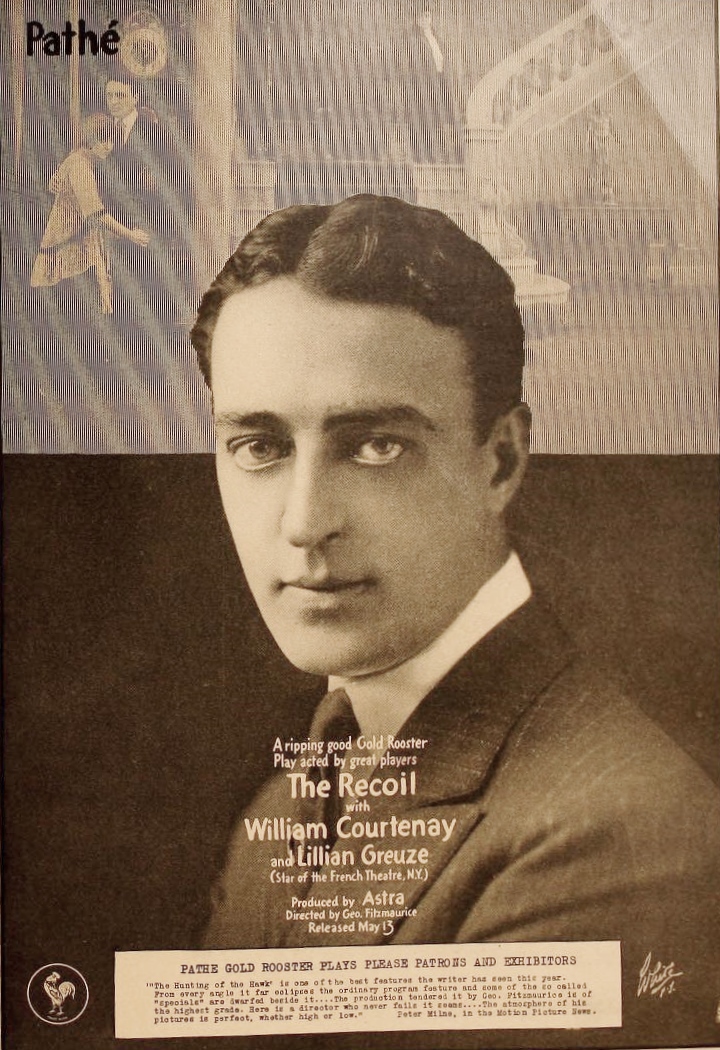
Dir: George Fitzmaurice
When Richard Cameron, a secret service agent tracking down international spies, is kidnapped by the enemy, Mirian Somerset, to whom Richard has been surreptitiously married, believes that he is dead. Mirian then acquiesces to her mother's wishes and marries the rich and dissipated Charles Van Horn in order to recoup her family's fortune. When Richard suddenly returns, Van Horn finds Mirian with him and, enraged, attacks him. In the struggle that follows, Mirian strikes Van Horn, accidentally killing him. Richard, who must return to his mission overseas, is forced to leave Mirian alone. When her brother Page is arrested for Van Horn's murder on circumstantial evidence, Mirian is torn between fear of revealing her own crime and horror at her brother's conviction. Just before the boy is sent to the electric chair, however, Richard appears with the governor's pardon and Page is freed, restoring peace to Mirian's turbulent life.
View DetailsAnalysis relative to His Captive Woman
| Film Title | Atmosphere | Complexity | Similarity |
|---|---|---|---|
| Kick In | Gothic | High | 86% Match |
| The Money Master | Gothic | Dense | 95% Match |
| The On-the-Square Girl | Gothic | Linear | 92% Match |
| Via Wireless | Surreal | Dense | 95% Match |
| Arms and the Woman | Surreal | Dense | 88% Match |
This guide was algorithmically generated using the cinematic metadata of George Fitzmaurice's archive. Last updated: 8/16/2026.
Back to His Captive Woman Details →