
DbcultAccessing Vault...
Recommendations
Senior Film Conservator
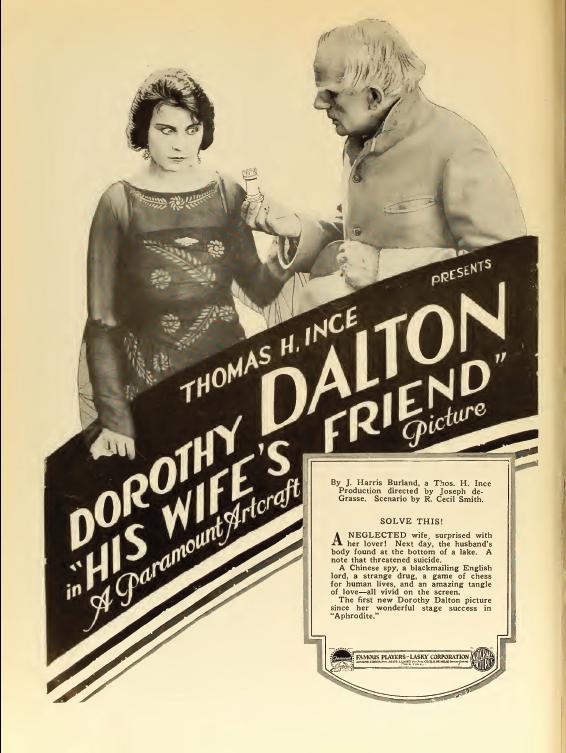
Ever since His Wife's Friend hit screens in 1919, fans have sought that same cult status, the search for similar titles reveals the deep impact of Joseph De Grasse's direction. These recommendations provide a deep dive into the same stylistic territory occupied by His Wife's Friend.
Whether it's the cult status or the thematic depth, this film to capture the existential zeitgeist of 1919.
Unhappily married to Sir Robert Grimwood, an older man whose only passion is chess, Lady Marion finds solace in the arrival of her old suitor, John Heritage. Soon after Heritage's departure, Sir Robert's body is found floating in the lake. Subsequently, a suicide note is delivered to Lady Marion, charging that her husband's death was caused by Marion's love for Heritage. Lord Waverly, the owner of an adjacent estate, orders his servant Ling Foo to steal the letter, and then demands that Marion meet him or he will expose the scandal behind her husband's death. Arriving at the appointed rendezvous, Marion is assaulted by Waverly. Heritage comes to her rescue and Waverly, in a dazed state, falls to his death over a cliff. Through a series of deductions, Heritage discovers that the bizarre deaths were caused by Ling Foo who years earlier had sworn revenge on Sir Robert for the death of his son. Lady Marion then burns the incriminating letter, destroying the last barrier between herself and Heritage.
The influence of Joseph De Grasse in His Wife's Friend can be felt in the way modern cult films handle cult status. From the specific lighting choices to the pacing, this 1919 release set a high bar for atmospheric immersion.
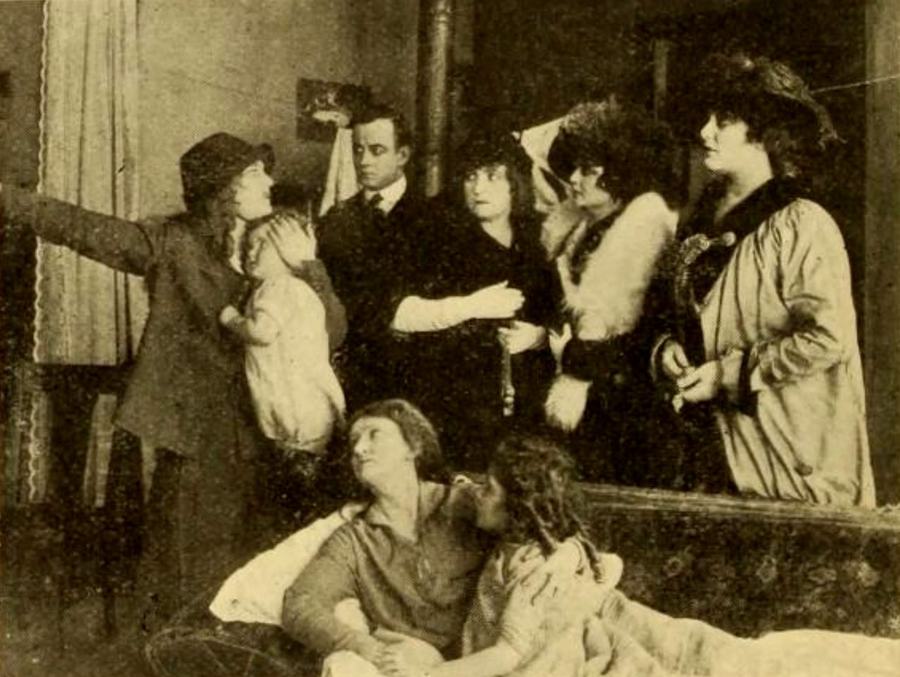
Based on the unique cult status of His Wife's Friend, our vault has identified these titles as the most compelling follow-up experiences for fans of cult cinema:
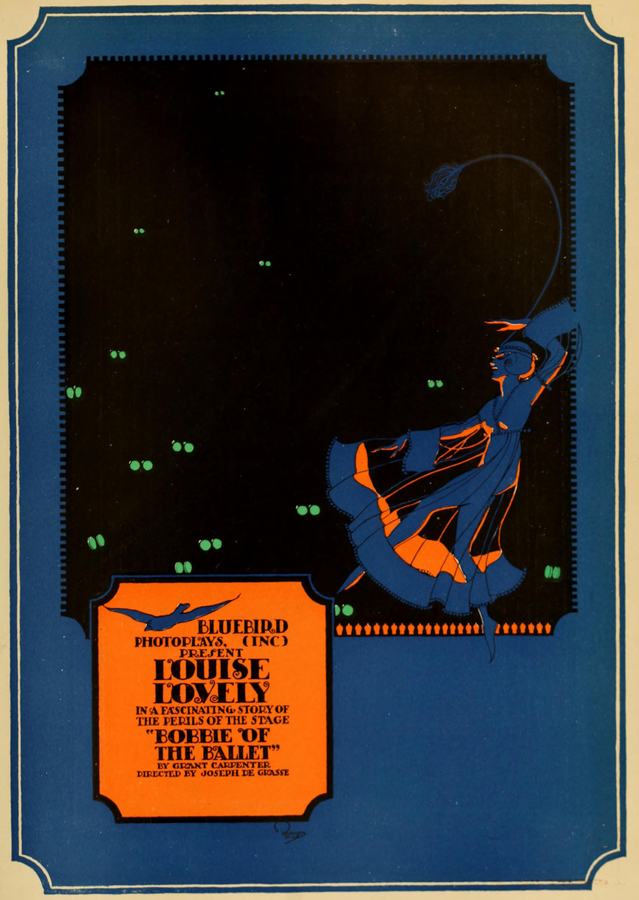
Dir: Joseph De Grasse
Young ballet dancer Bobbie Brent has lost her parents and must care for herself and her younger brother and sister. To keep the children, she pretends that they are her own children and not her siblings. Jack Stinson, her boyfriend, is aghast at this deception and breaks up with her. However, Jack's old girlfriend Velma is still jealous of Bobbie and comes up with a scheme to get rid of her once and for all so she can have Jack all to herself.
View Details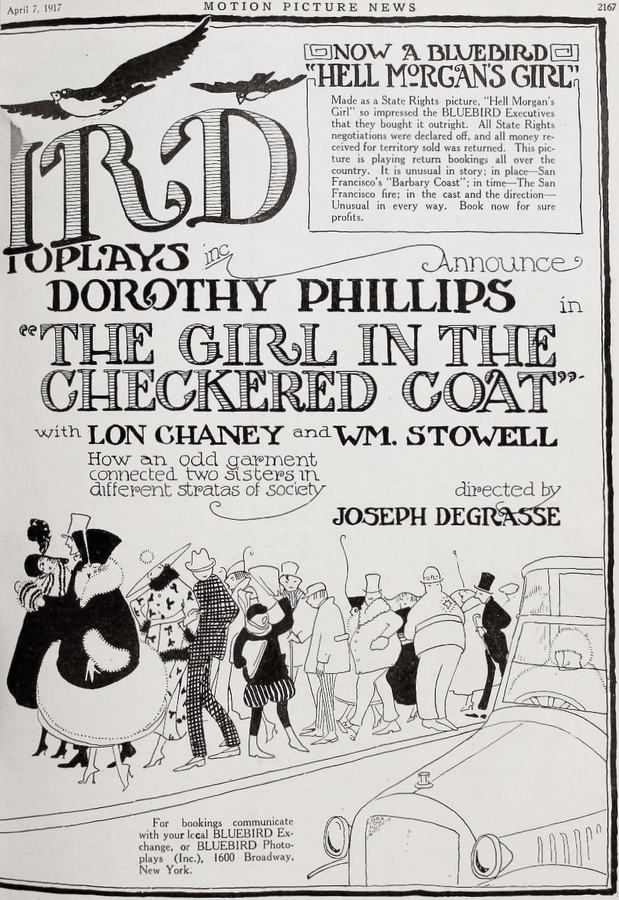
Dir: Joseph De Grasse
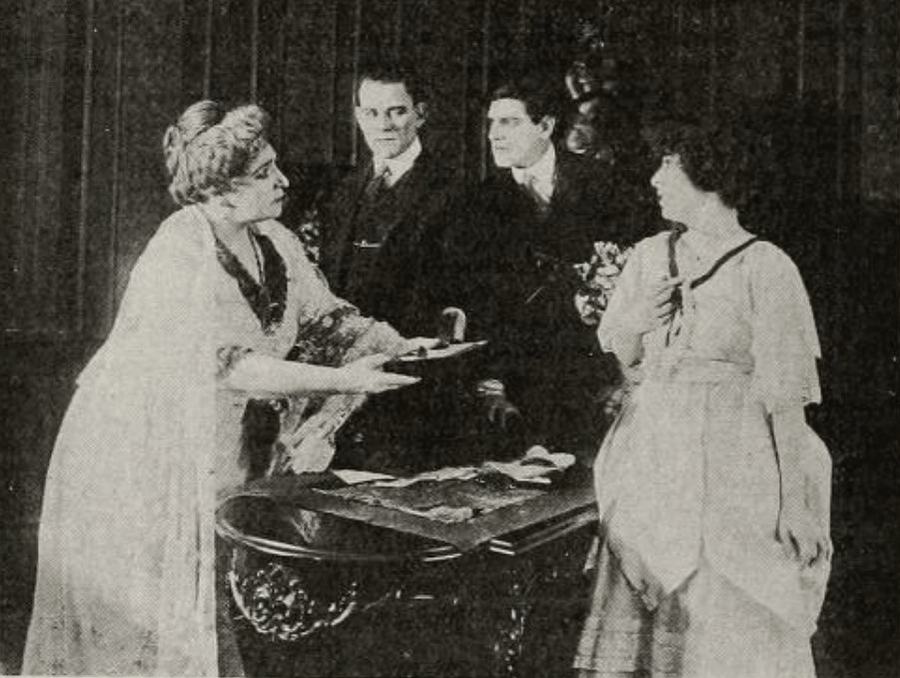
Mary and Fannie Graham are forced to live with their criminal father when their mother dies. Mary flees, but Fannie remains with her father and is reared as a thief, becoming known as "Flash" Fan.
View Details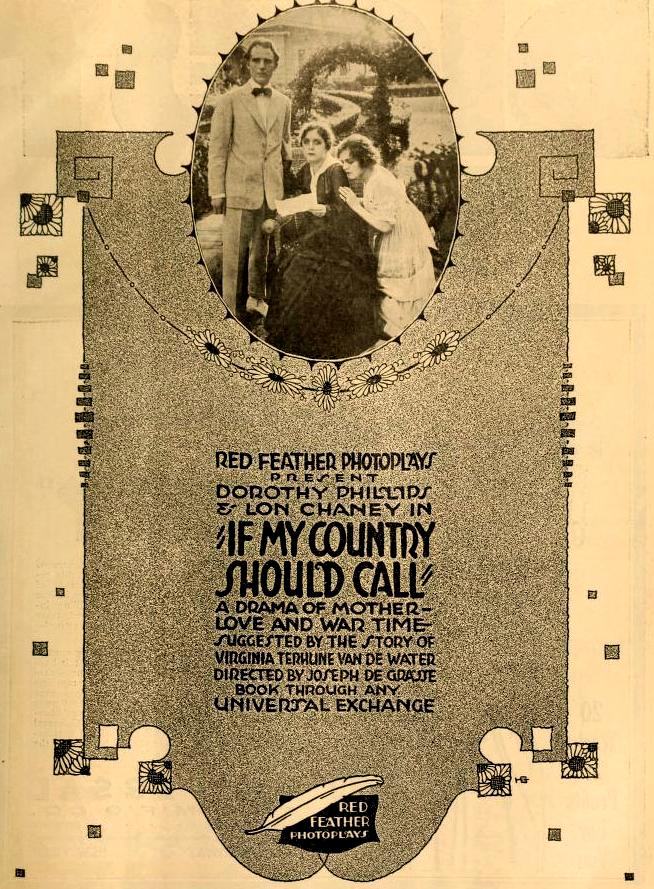
Dir: Joseph De Grasse
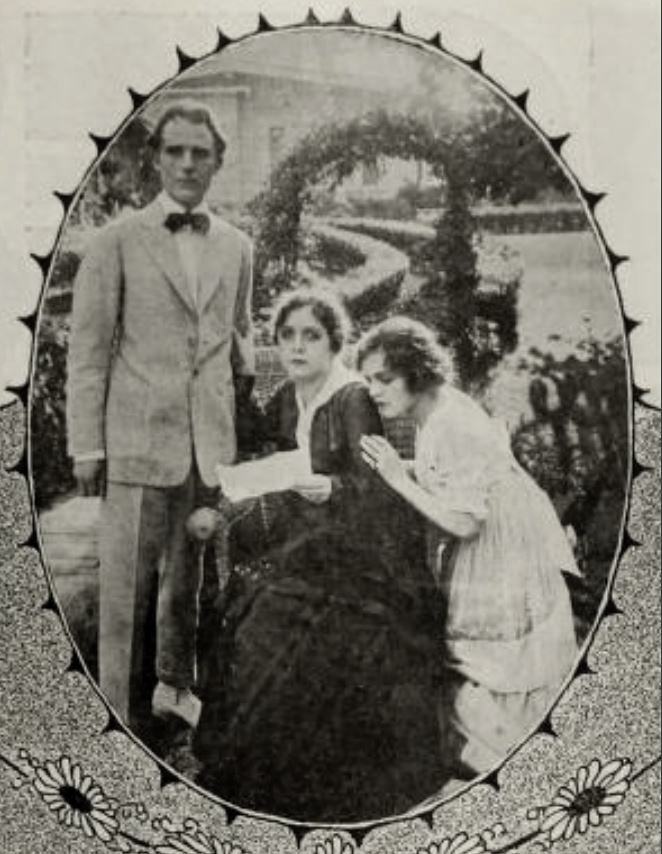
A pacifist mother tries to protect her son, whose patriotism makes him want to enlist in the army. Her uncle, a doctor, has invented a heart medication which mimics heart disease. Just a drop or ten in her son's drink should keep him home.
View Details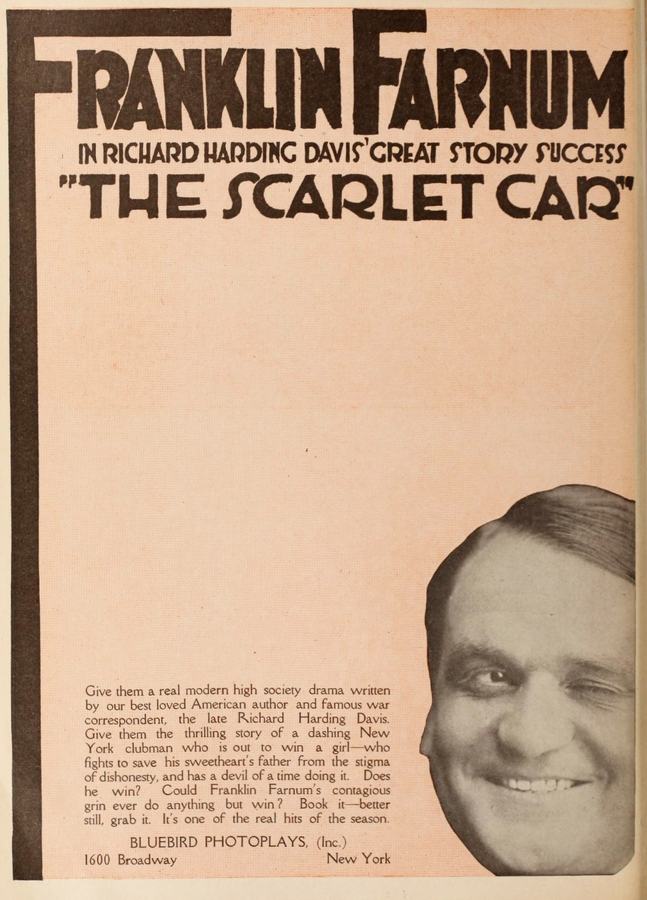
Dir: Joseph De Grasse
After discovering that Cyrus Peabody, the president of the bank, and his son Ernest have embezzled $35,000, their cashier, Paul Revere Forbes, threatens to expose them. In a rage, the two men strike him on the head and, persuaded that the busybody is dead, ask their broker to dump the body off in a deserted place. But the broker has an accident and is killed in the crash. The cashier, who was actually still alive, comes to and, while suffering a loss of memory, wanders off. Still believing their employee dead, the Peabodys accuse their cashier of having stolen the money. But Beatrice Forbes, Paul Revere's daughter, and her boyfriend, idle-turned-responsible Billy Winthrop, are on the alert.
View Details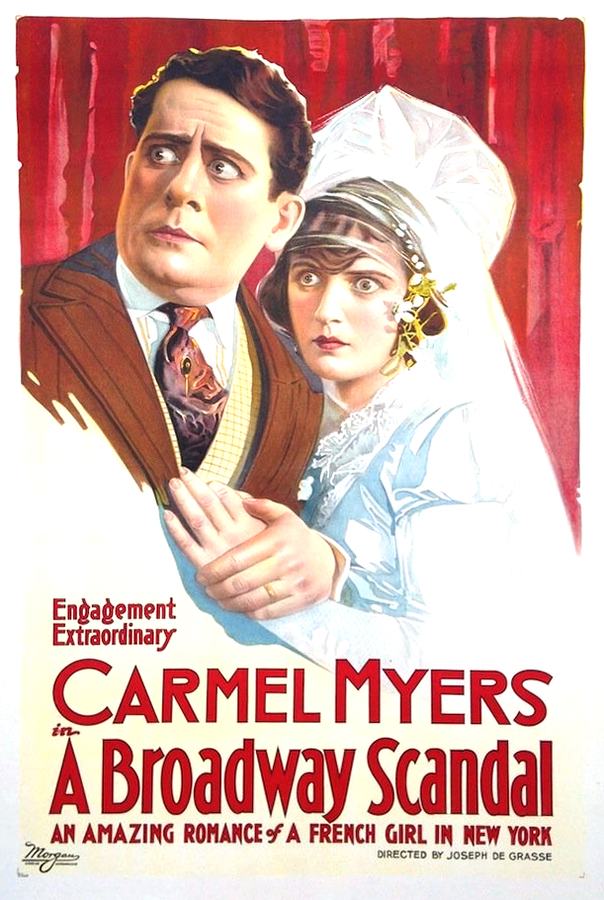
Dir: Joseph De Grasse
Nenette Bisson, who dances in her father's French restaurant in New York, takes a joy ride with "Kink" Colby in a stolen car, and is shot in the shoulder by a pursuing policeman. The driver leaves her at the hospital of David Kendall, with whom she falls in love, but he, believing French women to be frivolous, does not return her affections. Nenette's parents turn her out when they learn of her trouble with the police, after which she becomes a success on the stage. David serves overseas for two years during World War I and there learns to appreciate the valiance of French women. On his return, he proclaims his love for Nenette and helps her achieve a reconciliation with her parents.
View Details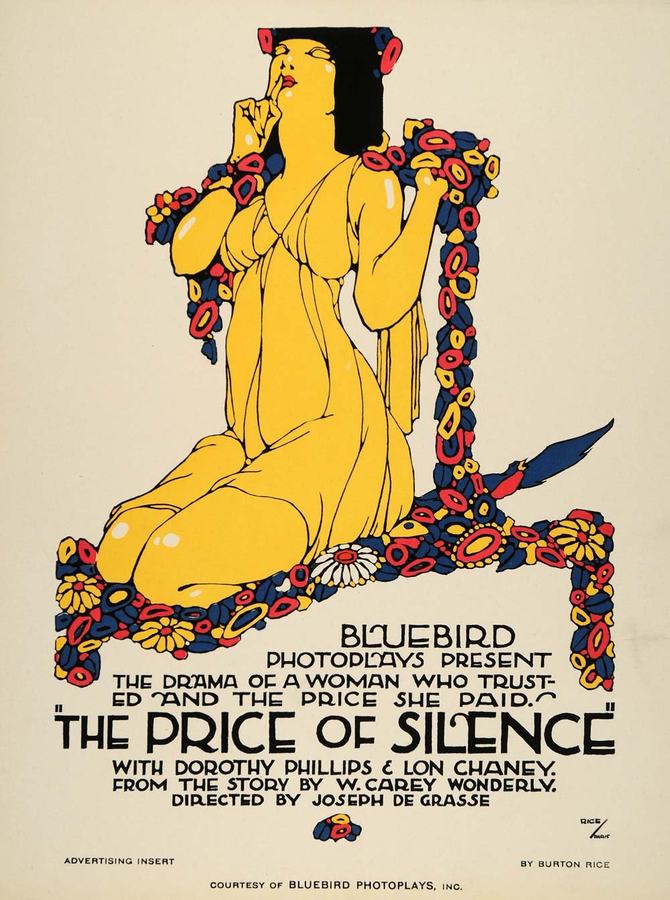
Dir: Joseph De Grasse

A woman gives up her illegitimate child, and then marries without telling her new husband about the child. A copy exists in the Archives du Film du CNC according to the American Silent Feature Film Survival Database.
View Details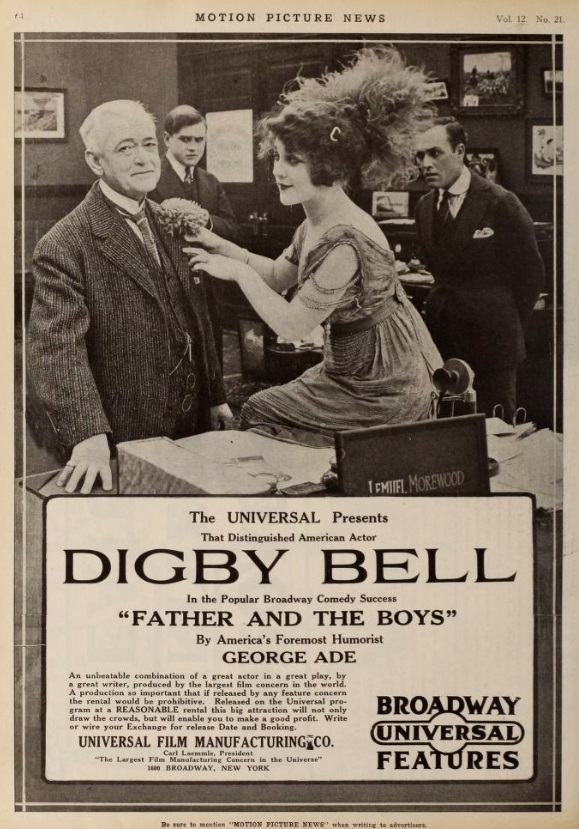
Dir: Joseph De Grasse
Lemuel Morewood is a wealthy businessman to whom riches bring no pleasure because he has entirely lost the sympathy of his sons, for whom he lives. Billy is society-mad and completely enthralled by Mrs. Bruce Guilford, a leader of the smart set. Tom thinks of nothing but sports; he is an amateur athlete of national prominence. Lemuel longs to see the boys interested in the business. He especially wants Tom to marry Frances Berkeley and Billy to marry Emily Donelson. But the boys will have none of them. Bessie Brayton is a Western orphan who has come to New York and taken up society entertaining for a living. Her only property is a half-interest in the Bluebird mine, which she supposes is worthless. One evening, the Morewoods employ Bessie to entertain at an exclusive dinner they are giving, and here she meets Major Bellamy Didsworth, who offers to sell her half-interest for her. Lemuel has run away from this dinner. But, goaded by Bessie's taunts that he is old-fashioned, he gets into his evening clothes and enters into the gambling that follows. Bessie encourages him and he cleans up on Didsworth, as the others look on, staggered by his plunging. Leaving them dazed, Lemuel makes a spectacular exit with Bessie to "blow his winnings." Lemuel keeps up the pace he has set. He goes to the races and there his conduct is so riotous, and his followers, Bessie and a sporting man, so conspicuous, that Mrs. Bruce Guildford is scandalized. She criticizes Lemuel to his son. Billy defends his father, and the quarrel results in a complete break. Bessie has a telegram from Didsworth saying he can get $1,000 for her stock. Lemuel suspects that Didsworth is planning to rob her and takes the matter into his own hands. He and Bessie go out to Nevada together. Lemuel's sons think he has run away to get married to Bessie, and they follow, with Emily, Frances, and Ford, the family lawyer. Out in Nevada, Lemuel and Bessie find that her half of the Bluebird is worth at least $75,000, and they discover that the other half is owned by Carl Higbee, Bessie's old sweetheart who disappeared in Alaska. On the way to Nevada, Tom becomes engaged to Emily and Billy to Frances, which is exactly contrary to what Lemuel planned. They arrive in time to stop the wedding, as they think, and are mortified to learn that they are all wrong, and that Bessie is to be married to Higbee. Lemuel is delighted that his sons are bringing the girls into the family, although they have shifted partners. Lemuel agrees to go back and help the boys run the business.
View Details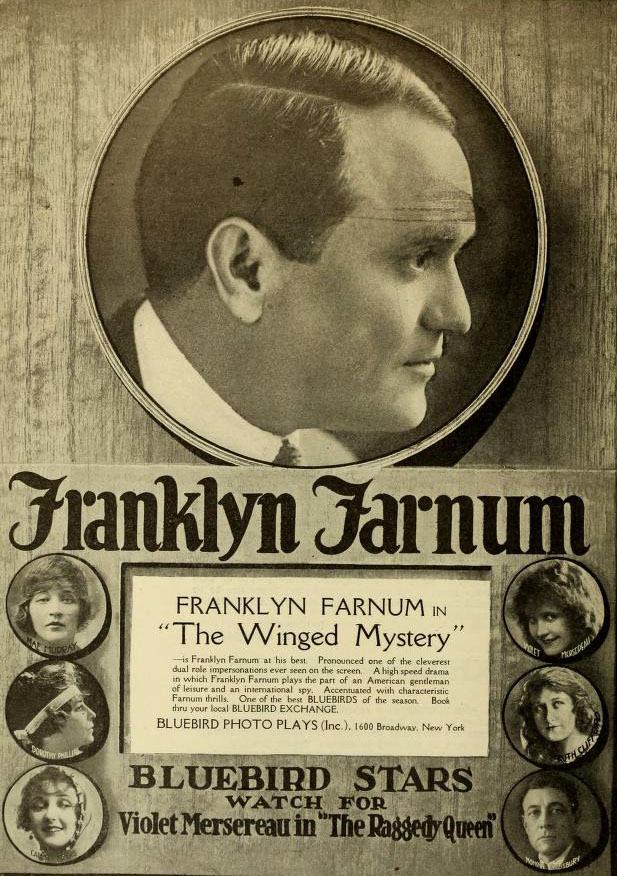
Dir: Joseph De Grasse
Louis and August Siever, twin sons of a German father and American mother, are traveling through Europe when war breaks out. August joins the Kaiser's army, while Louis, a loyal American, is trapped in Berlin for a year while he tries to prove his citizenship. After a violent confrontation with Louis, August steals his brother's passport and leaves for New York City with Gerda Anderson, a German spy. Louis also returns to the U.S., and sometime later is invited to a weekend party on Long Island by his wealthy friends, the Waynes. When August and Gerda learn of the event, they rent a nearby house and invite all of the Waynes' guests, including Louis, to a "mystery" party. Upon their arrival, the women are held prisoner and ransom notes are sent to their husbands via carrier pigeon. Shirley Wayne and Louis track down and are captured by the kidnappers. Meanwhile, Mortimer Eddington, an amateur detective, devises a method to trace the pigeons back to the house. Before Shirley and Louis come to harm, police officers arrive and demand the Germans' surrender.
View Details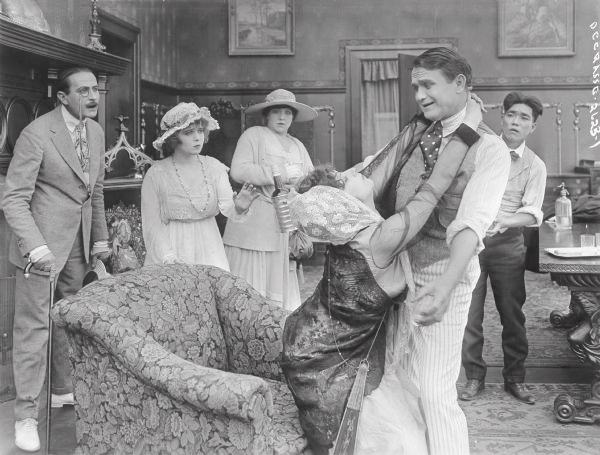
Dir: Joseph De Grasse
"Coyote" Crosby, owner of the "Big Star" ranch is in a feud with "Horned Toad" Smith, an Arizona bad-man, who claims Crosby's house is on his land, "Horned Toad" draws first and kills "Coyote" The first news of the killing reaches Dorothy Stewart, "Coyote's" niece and Teddy Crosby's cousin, and she sends for Teddy to inform him that "Coyote's" will specifies that they must marry to inherit the ranch. This pleases Teddy, who now receives word from two lawyers, Teck and Kikal, executors of his uncle's will, to meet them at a hotel, These men are crooks and try to frighten Teddy so that he will sell the ranch cheap. They tell him a wild and weird take about "Horned Toad" and Teddy, all his life aching for such an experience, refuses to sell and declares he is leaving on the first train for the West. Paprika, a black-eyed, young woman, who has a claim against Teddy's uncle, comes to New York to force Teddy to settle with her. She just misses him at his apartment and goes to Dorothy*n home, where Herbert Wendling a fortune hunter and suitor for Dorothy's hand, learns enough from Paprika to allow him to intimate to Dorothy and her mother that Paprika has been mixed up in Teddy's life, Dorothy refuses to believe the story, but her mother is skeptical. When they hear from Herbert that Paprika went West on the same train with Teddy, they immediately start for the ranch to protect Dorothy's interests. Arriving in the feet, Teddy starts looking around the town, in his evening clothes, in which he was dressed when put on the train by his intoxicated friends, and wine a full outfit of Western togs from a cowboy who in turn dons the formal costume. Teck and Nikal have informed "Horned Toad" that Teddy is wearing evening clothes, "Horned Toad" finds the cowboy with the said outfit and is about to shoot, but the cowboy is too quick and Teddy barely saves "Horned Toad's" life. Neither knowing the other, Teddy and "Horned Toad" become bosom friends. Upon finding Paprika comfortably settled at the ranch, Dorothy, her mother and Herbert are about to leave for the East, when "Horned Toad's" gang raids the place. Herbert is frightened and in attempting to hide, becomes involved in a ludicrous situation with Paprika. Teddy seeing this and learning of the suspicion against himself, turns the tables on Herbert. It is the Fourth of July and Teddy insists on going to town for fireworks, ignoring the warning from "Horned Toad" that the ranch must be surrendered in twelve hours. Teck and Nikal plot to get Dorothy to sign over her interest in the ranch, and to have "Horned Toad" kill Teddy. They send a gang of Mexicans to capture Dorothy; they storm the house and, discovering the wine cellar get very drunk. Pedro, the leader steals Dorothy, while Herbert flees and goes to tell Teddy of the trouble. Teddy rescues her in a spectacular manner, but they are captured by "Horned Toad's" men, Teddy is tied to a tree and "Horned Road" heats a branding iron to brand him. Dorothy is allowed to return to the ranch where she tells the cowboys of the incident and they swoop down on "Horned Toad's" men, but are held at bay. The Mexicans go to Teck and Nikal for their money and, upon being refused because of not delivering the girl, they mob the lawyers, who take refuge in jail. At daybreak the cowboys defeat "Horned Toad's" gang and, to their surprise, find "Horned Toad" wrapped in a blanket playing poker with Teddy. Teddy has won all "Horned Toad's" clothes and his claim to the Big Star ranch. Teddy likes "Horned Toad" and gives him the job as foreman of the ranch. Teddy and Dorothy marry and also do "Horned Toad" and Paprika, who formerly were sweethearts. Herbert speeds Eastward, very glad to be out of the terrible West.
View Details
Dir: Joseph De Grasse
After divorcing his first wife and marrying a more gentle natured woman, Ralph Hadley finds himself again attracted to his ex-wife, a shrewd business woman. Trouble begins when he foolishly invites her to lunch, setting gossipy tongues-wagging. The news reaches his devoted wife who has discovered she is pregnant. She confronts the ex-wife who agrees to never see Ralph again and marries another admirer. Devasted, Ralph decides to kill himself ,luckily he is found in time by the doctor with the good news of the birth of his child. Ralph regains his senses and the couple are happily reunited.
View DetailsAnalysis relative to His Wife's Friend
| Film Title | Atmosphere | Complexity | Similarity |
|---|---|---|---|
| Bobbie of the Ballet | Tense | Dense | 86% Match |
| The Girl in the Checkered Coat | Ethereal | Layered | 95% Match |
| If My Country Should Call | Gritty | Linear | 96% Match |
| The Scarlet Car | Gritty | Layered | 91% Match |
| A Broadway Scandal | Surreal | Dense | 94% Match |
This guide was algorithmically generated using the cinematic metadata of Joseph De Grasse's archive. Last updated: 6/25/2026.
Back to His Wife's Friend Details →