
DbcultAccessing Vault...
Recommendations
Senior Film Conservator
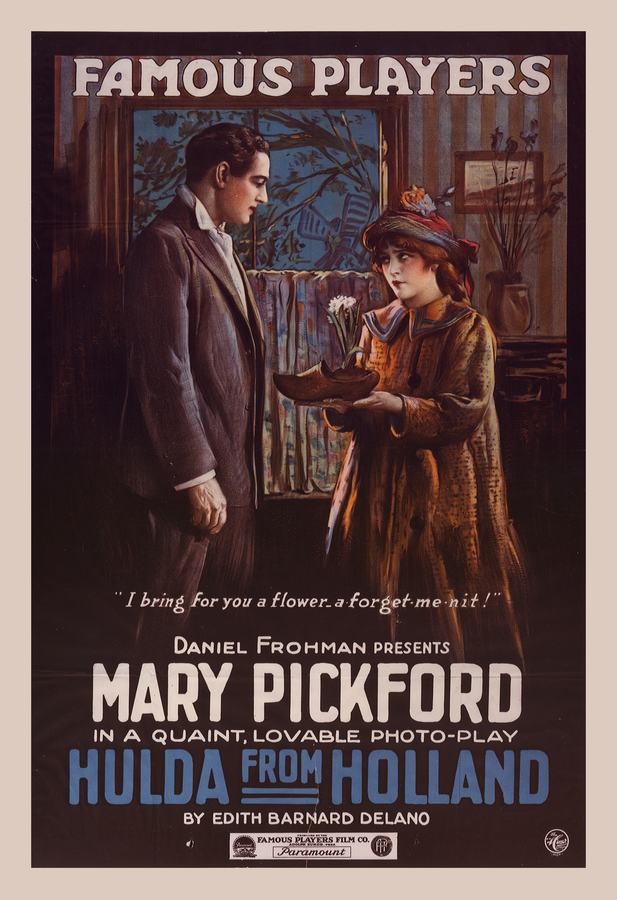
The evocative power of Hulda from Holland (1916) continues to haunt audiences with its cult status, its status as a United States icon makes it a perfect starting point for discovery. The following gems are essential viewing for anyone captivated by Hulda from Holland.
The visceral impact of Hulda from Holland (1916) stems from to serve as a cornerstone for cult enthusiasts worldwide.
Hulda, a plucky Dutch girl, brings her three little brothers from Holland to America to live with their rich Uncle Peter. Hulda finds love with a poor artist.
Critics widely regard Hulda from Holland as a cult-favorite piece of cult cinema. Its cult status is frequently cited as its strongest asset, solidifying its place in United States's film legacy.
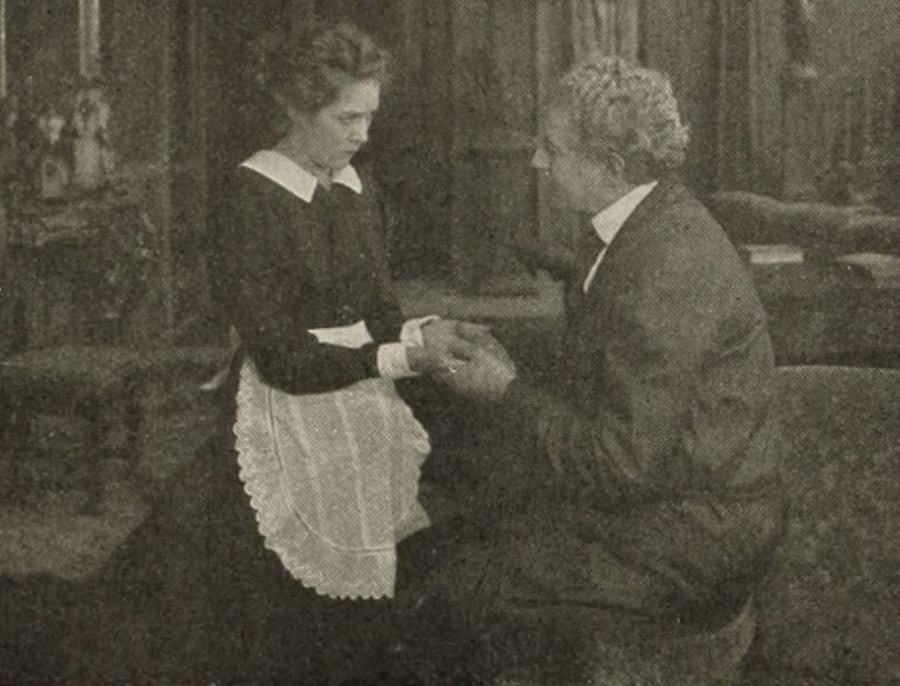
Based on the unique cult status of Hulda from Holland, our vault has identified these titles as the most compelling follow-up experiences for fans of cult cinema:
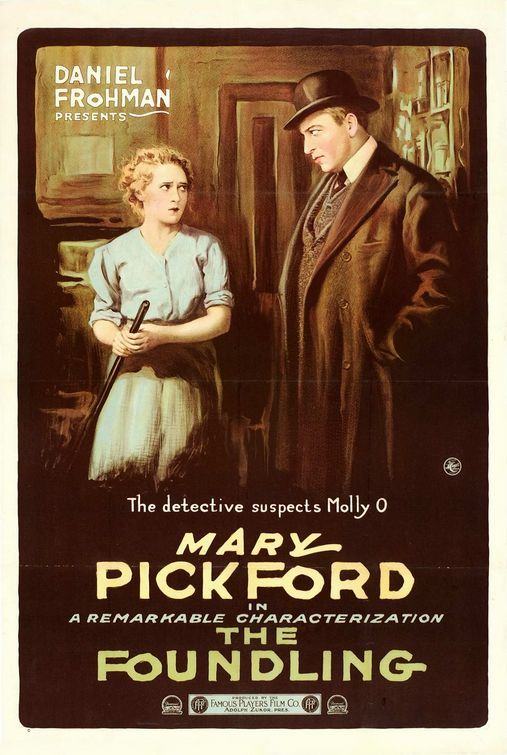
Dir: John B. O'Brien
Rich artist David King sends his infant daughter Molly to an orphanage, then years later regrets it and tries to find her. She's sent to slave at a boarding house, and the mistress of the orphanage passes her niece off as Molly.
View Details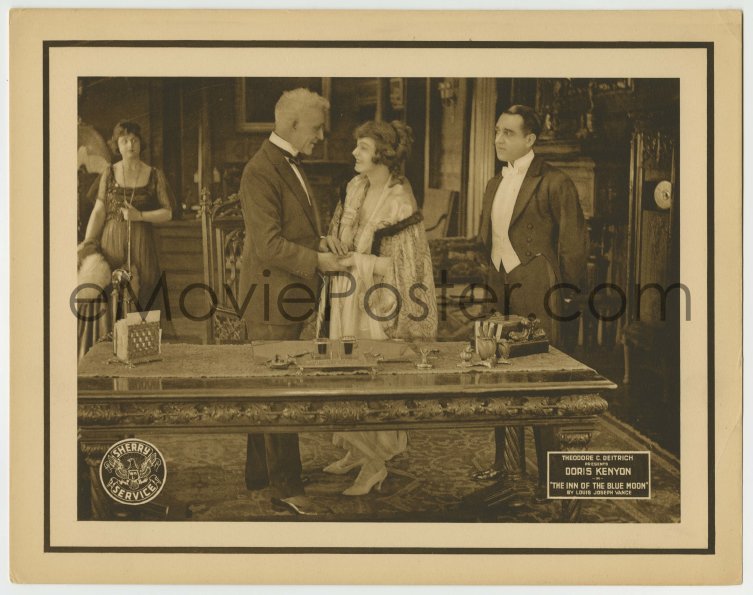
Dir: John B. O'Brien
When the marriage of Justus and Dorothy Druce fails, their daughter Dorothy goes with her mother to the Catskills, while her twin sister Justine settles in New York with Justus. Years later, Justine becomes engaged to Charlton Sloane, who offers to help Justus out of his financial difficulties by pawning the Druce family jewels. Justus' niece Adelaide, bitterly disappointed in her love for Charlton, convinces her uncle that the young man stole the jewels, prompting Justine to seek the services of Warde MacMahon, a young lawyer vacationing in the Catskills. When Warde's car overturns, Dorothy tends to his injuries in her childhood hideaway, "The Inn of the Blue Moon," and the two fall in love. Dorothy and Justine finally meet, and following several adventures involving their identities, Charlton's name is cleared, the daughters are married to their prospective suitors, and the long separated parents are reunited.
View Details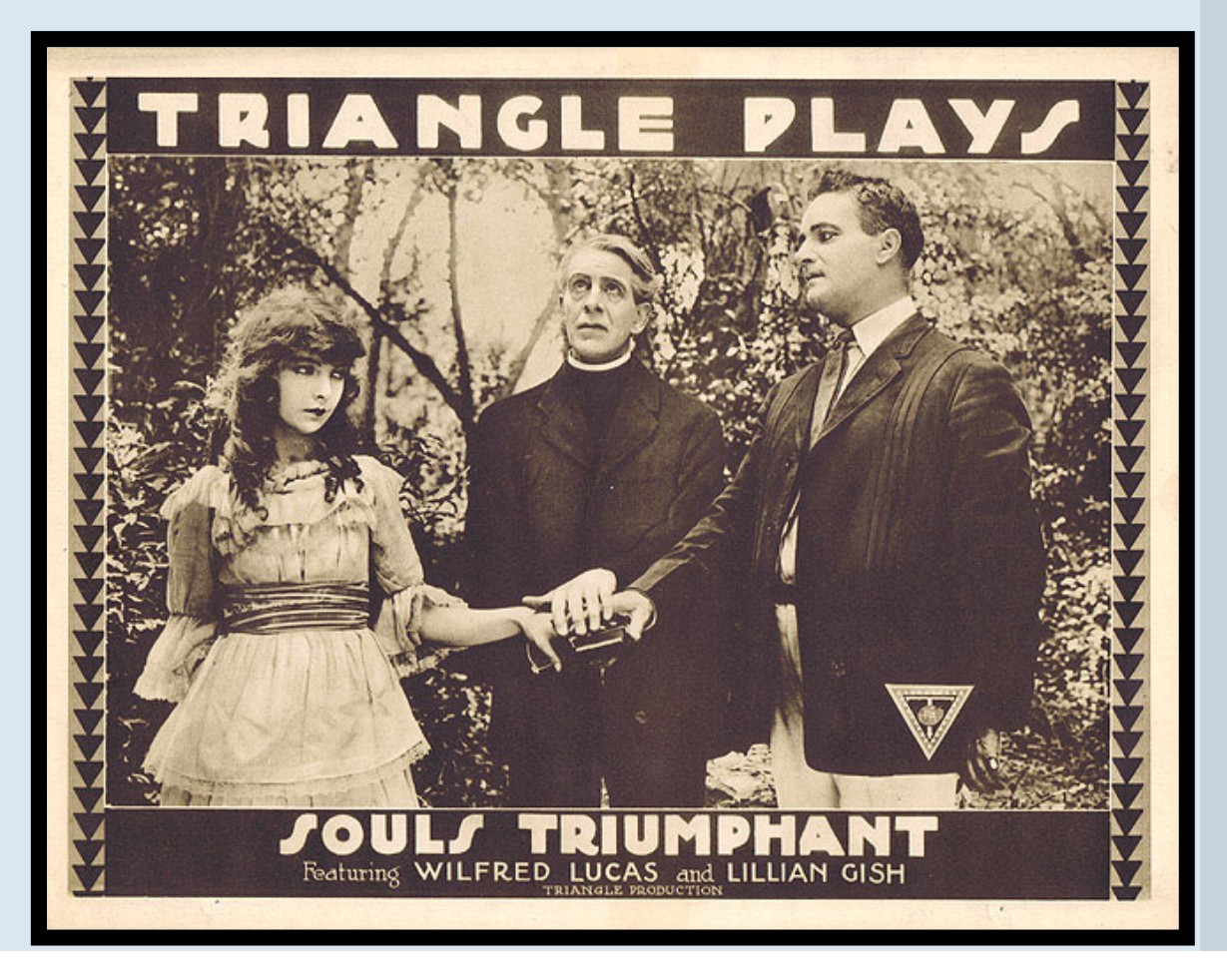
Dir: John B. O'Brien
Robert Powers devotes himself to a life of dissipation until he meets Lillian Vale, the daughter of the curate of St. Anthony's church. Lillian marries Powers, determined to reform him. Years later, the happiness of their home threatened by the appearance of Hattie Lee, one of Powers' former lovers. While Lillian is at her father's deathbed, Powers is lured away by Hattie Lee one night. That evening, the house catches fire and when he returns, the place is in ashes. Frenzied with the belief that his son has perished in the flames, Powers goes to beg the forgiveness of his wife and discovers that she has saved the child's life. Her all-forgiving nature and the love of their son causes Powers to rise from his past life with a triumphant soul.
View Details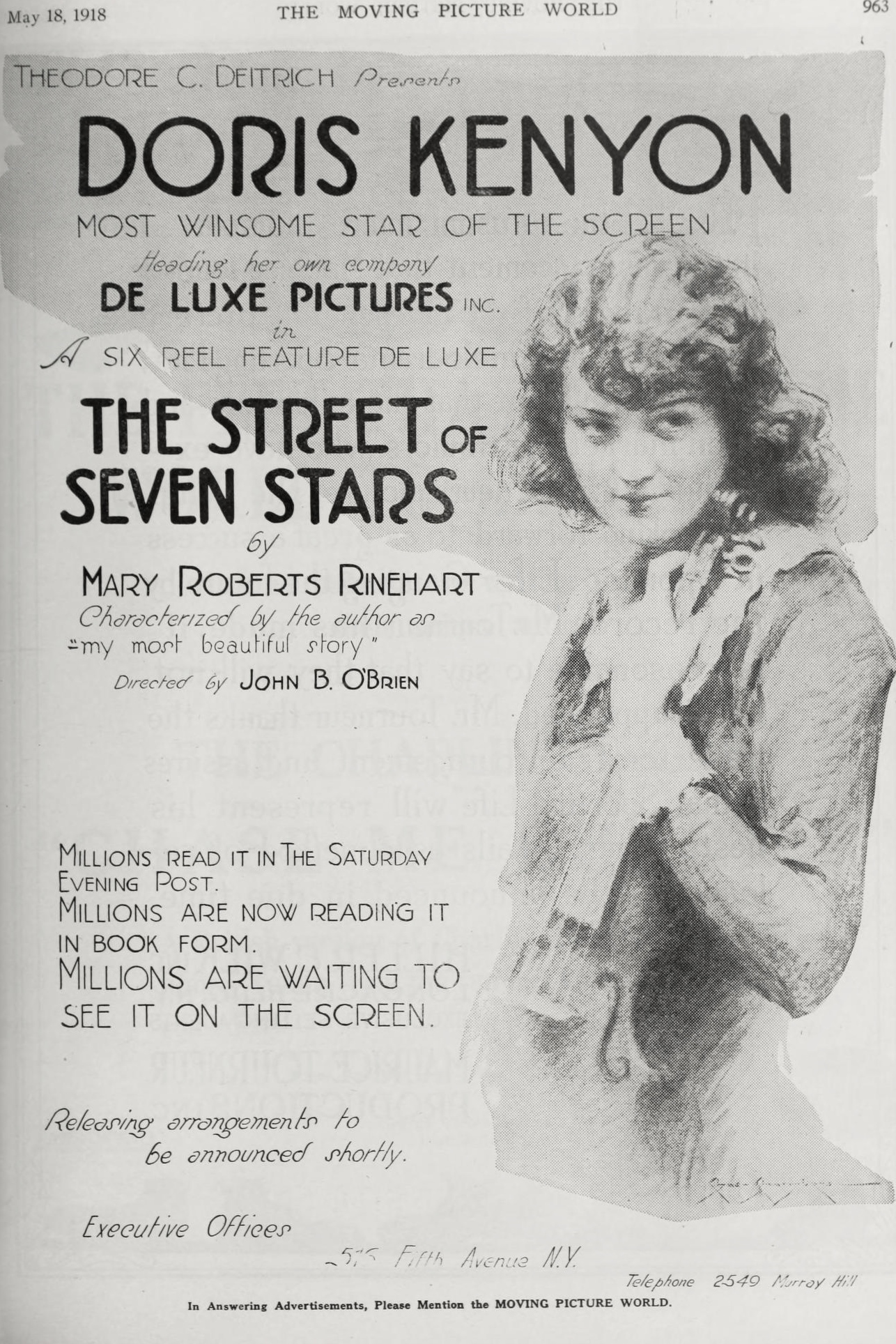
Dir: John B. O'Brien
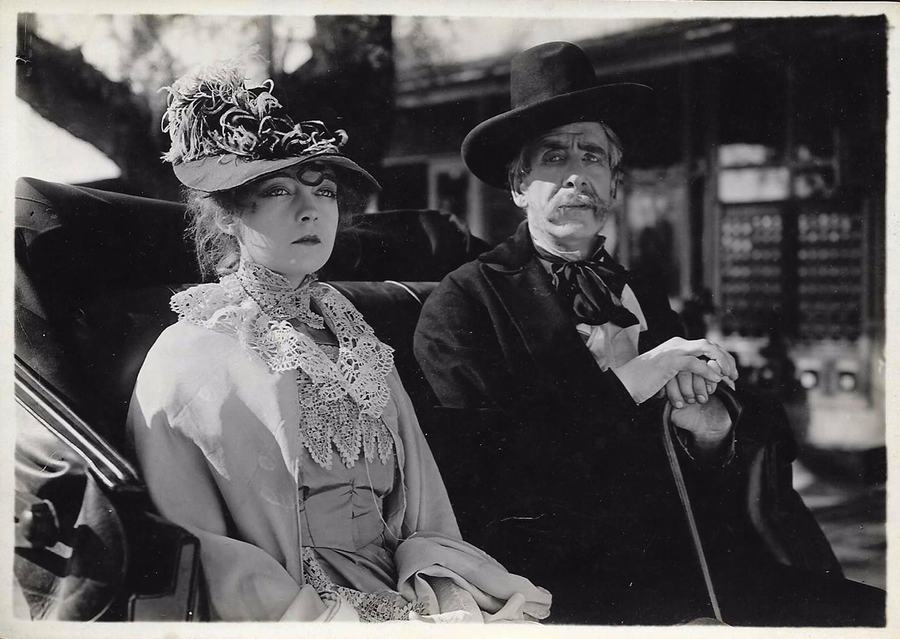
Harmony Wells, a gifted violinist, moves to Paris to complete her musical education. Her money soon disappears, and she is forced to live in an inexpensive pension house, where she meets Dr. Peter Byrne, a promising American surgeon who has come to Paris to study. The doctor falls in love with Harmony and proposes, but although she returns his love, she refuses him, determined to pursue her career. One of Peter's patients, a crippled child named Jimmy, who is dangerously ill, asks Harmony to brighten his hours by playing for him. Realizing that the boy is about to die, Harmony seeks out his mother, a dancer who deserted him for the vaudeville stage, but the woman arrives at her son's bedside too late. Shortly before Harmony's debut, she visits Jimmy's grave, where she meets the grief-stricken mother, who advises her to "play for your own children as you played for my little boy." Rushing back to Peter, Harmony accepts his proposal of marriage.
View Details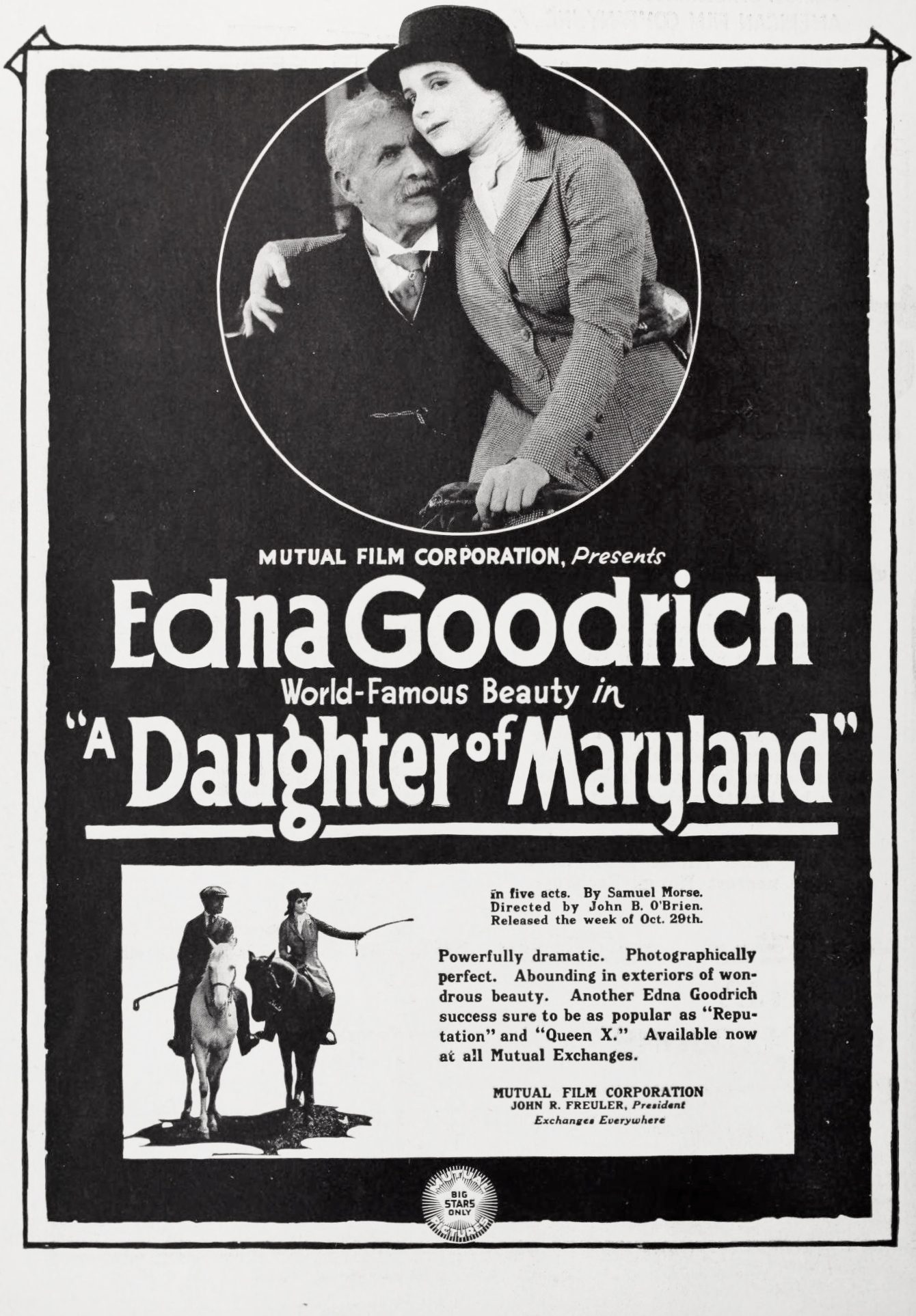
Dir: John B. O'Brien
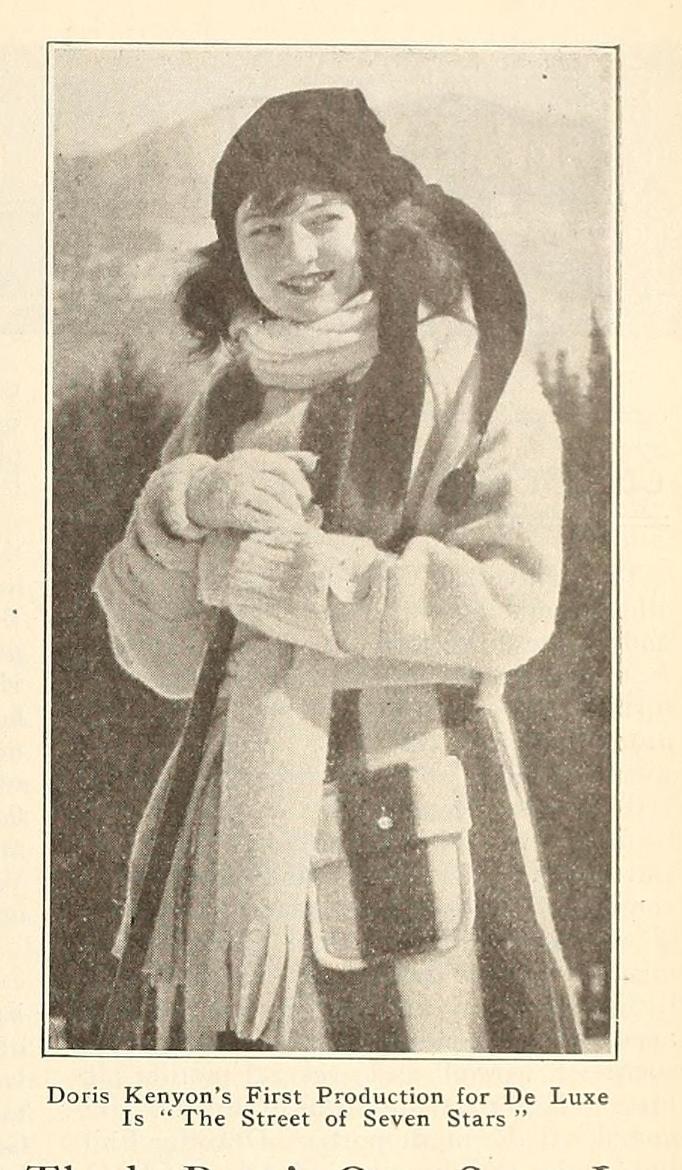
Beth Treadway, a high-spirited young Southern woman, lives with her father, Major Treadway, and her Aunt Sarah on the Treadway estate, Headland Hall, in Maryland. Beth is being courted by Rippley, a Southerner with questionable morals, when John Standish comes from New York to landscape the grounds of Headland Hall. Standish arouses Beth's antagonism until he rescues Haskell, a hermit living on Treadway land, from a fire. Beth dresses Standish's wounds and eventually comes to admire him. Meanwhile, she learns that Rippley has compromised Dorothy Pennell, the overseer's daughter, and tricks him into marrying Dorothy. Their marriage is short-lived, however, when Rippley is caught by the Major while robbing his safe and kills the old man. At first, Haskell is charged with the murder, but when a piece of Rippley's pajamas is discovered in the Major's hand, he is accused of the crime. Rippley resists arrest and in the ensuing melee is killed by Standish.
View Details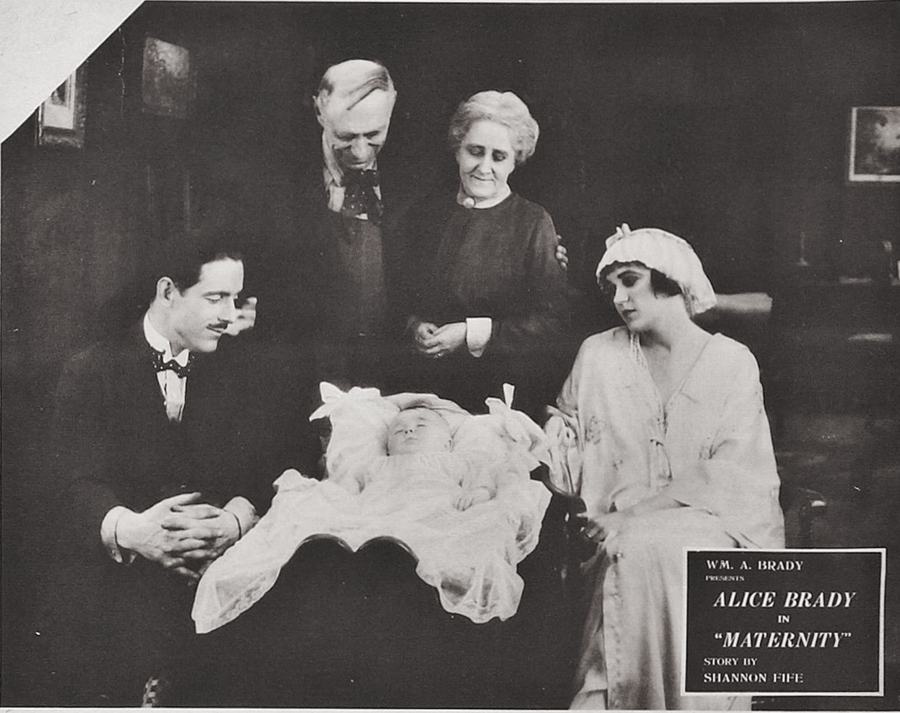
Dir: John B. O'Brien
A woman overcomes her fear of childbirth and embraces motherhood.
View Details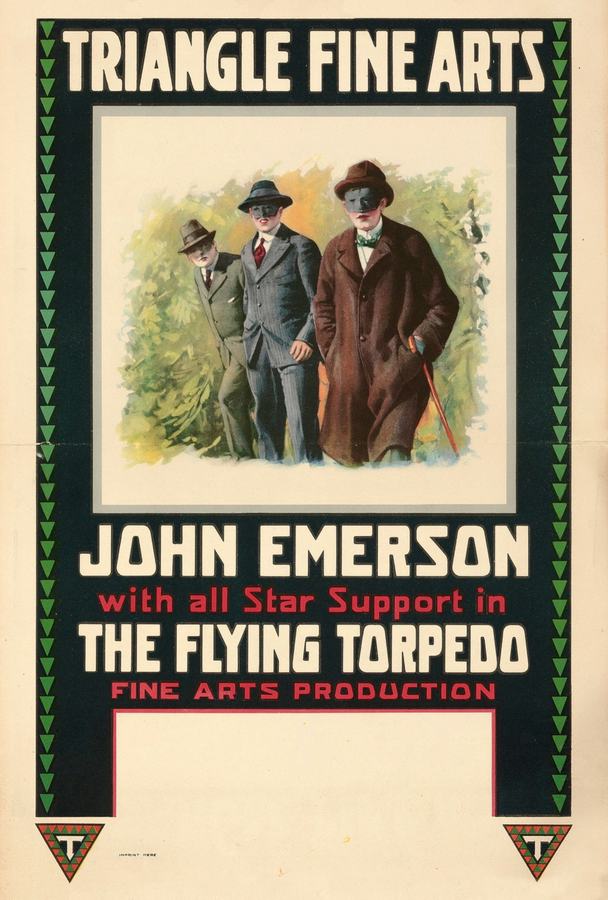
Dir: John B. O'Brien
In the future (1921), an alliance of several foreign countries plot to attack the US. American officials, coming to the realization that the country is basically defenseless, offer $1,000,000 to anyone who can come up with a weapon to defeat the invaders. Winthrop Clavering, a writer and inventor, hears of the reward and tells his friend Bartholomew Thompson, a scientist and inventor who has been working on developing flying torpedo. However, enemy agents have also heard about Thompson's project, and set out to kill him and steal his plans.
View Details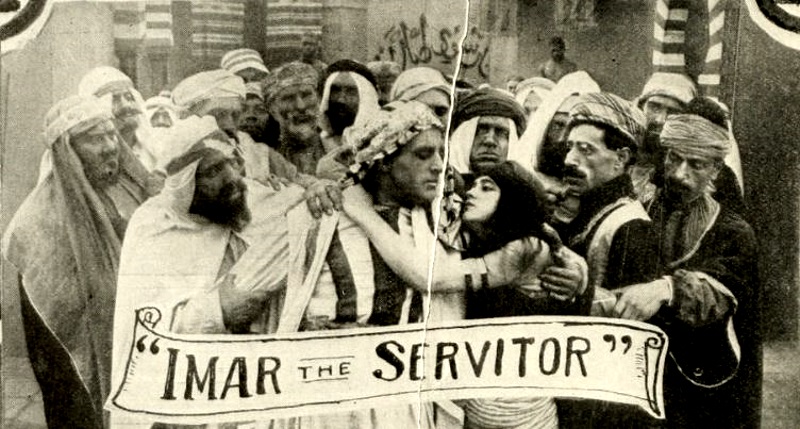
Dir: John B. O'Brien
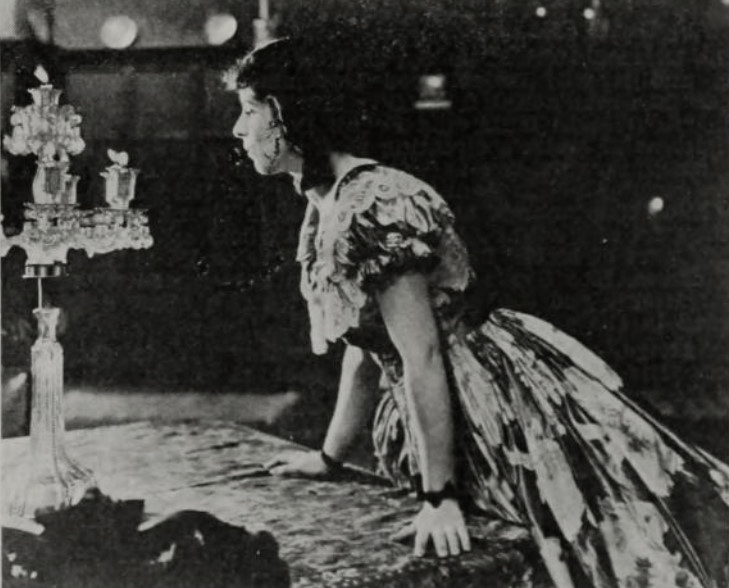
Imar the Servitor rescues an American tourist who has lost his way in the desert and the two men become friends. Before he leaves, the American gives his friend a picture of his fiancée. When the tourist returns home, he discovers that his girlfriend has married a horseman, both of whom have journeyed to the Arabian desert. Imar's master attacks the trader's wife. Her husband then accuses her of infidelity and starts to beat her. Imar recognizes her from the picture given to him by his American friend and rescues her. They both traverse the desert and meet her former fiancé, who has been sent for. Her husband and Imar's master are slain, leaving the three friends free of any retribution.
View Details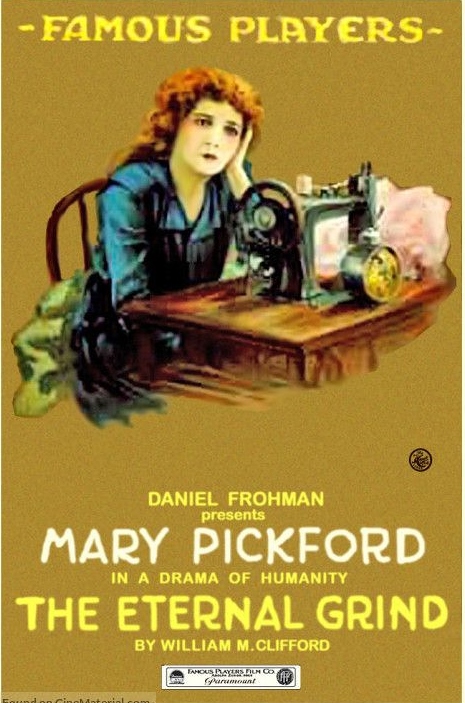
Dir: John B. O'Brien
Owen and Ernest Wharton, sons of sweatshop owner James Wharton, become interested in two of their father's employees. Owen, a settlement worker, falls in love with Mary, while Ernest, a full time womanizer, makes her sister Amy his mistress. Another sister, Jane, grows increasingly consumptive, but when Mary asks James for some money for Jane's treatment, he refuses. Hearing of the trouble, Ernest offers money to Mary, but only if she too agrees to be his mistress. Enraged, Mary forces him at gunpoint, to marry Amy. Then Owen, knocked unconscious in an accident, calls out for Mary. James begs her to see Owen, but before agreeing to go, Mary makes him promise to improve sweatshop conditions. Finally, Owen recovers and he and Mary plan their marriage. Meanwhile, marriage has turned Ernest into a devoted husband, and James keeps his word about shop conditions.
View Details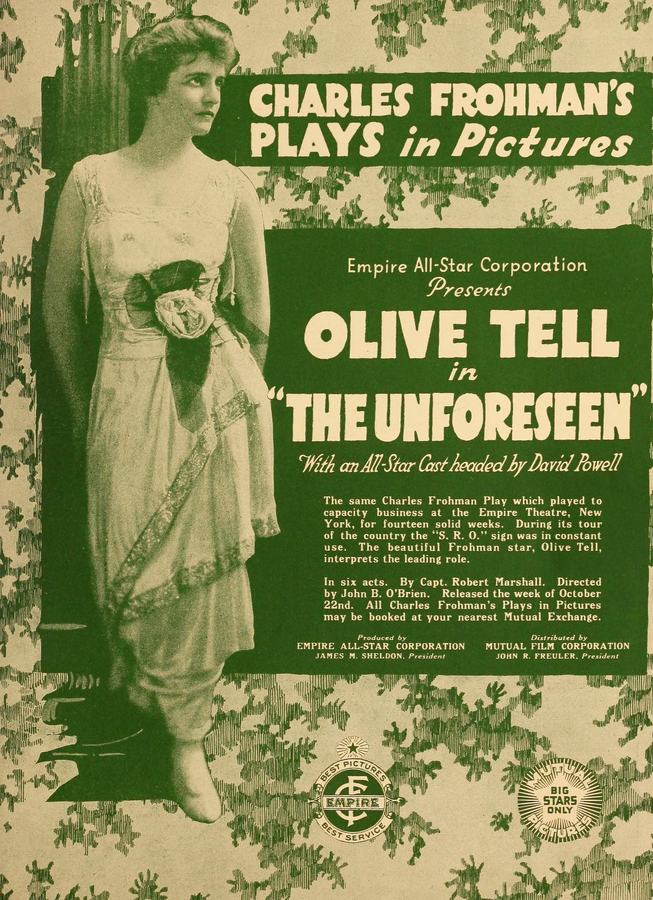
Dir: John B. O'Brien
On the eve of her elopement with Henry Traquair, Margaret Fielding is accidentally discovered in Traquair's apartments by his friends, Captain Richard Haynes and Walter Maxwell. Because the conditions, though innocent, appear compromising, Traquair introduces Margaret as his wife. An hour before the time set for the wedding, Traquair receives a telegram announcing the failure of his bank and his financial ruin. He declines to proceed with the marriage and Margaret returns home; despondent over his financial losses, Traquair ends his life. During the next three years, Maxwell loses his sight, meets Margaret, and marries her, unaware that she was Traquair's "wife." They are very happy until Haynes visits and remembers Margaret from Traquair's apartment. She denies being involved in the incident, but when Maxwell's sight is restored he also recognizes Margaret. He packs his things and is about to leave when Haynes rushes in with a letter written by Traquair just before he died, which has followed Haynes half around the world and now establishes Margaret's innocence.
View DetailsAnalysis relative to Hulda from Holland
| Film Title | Atmosphere | Complexity | Similarity |
|---|---|---|---|
| The Foundling | Surreal | Linear | 88% Match |
| The Inn of the Blue Moon | Gothic | Layered | 90% Match |
| Souls Triumphant | Ethereal | Layered | 85% Match |
| The Street of Seven Stars | Ethereal | Layered | 91% Match |
| Daughter of Maryland | Surreal | Layered | 85% Match |
This guide was algorithmically generated using the cinematic metadata of John B. O'Brien's archive. Last updated: 6/20/2026.
Back to Hulda from Holland Details →