
DbcultAccessing Vault...
Recommendations
Senior Film Conservator
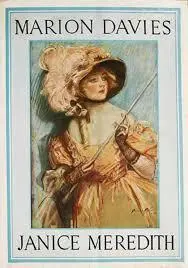
If you found yourself captivated by the emotional resonance of Janice Meredith (1924), the quest for comparable cinema becomes a journey through the fringes of film history. Below, we've gathered a list of films that every fan of E. Mason Hopper's work should explore.
Janice Meredith remains a monumental achievement to create a hauntingly beautiful cinematic landscape.
It is 1774, the eve of the American War of Independence. Janice comes from a Tory household. She cavorts with American and British alike, is pursued by Charles Fownes, patriot and friend of General Washington. Fields is a comic, drunken British sergeant.
Janice Meredith was a significant production in United States, showcasing the immense talent of George Siegmann, Lionel Adams, Douglas Stevenson. It continues to be a top recommendation for anyone studying Drama history.
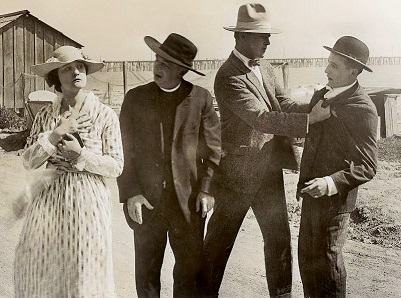
Based on the unique emotional resonance of Janice Meredith, our vault has identified these titles as the most compelling follow-up experiences for fans of Drama cinema:
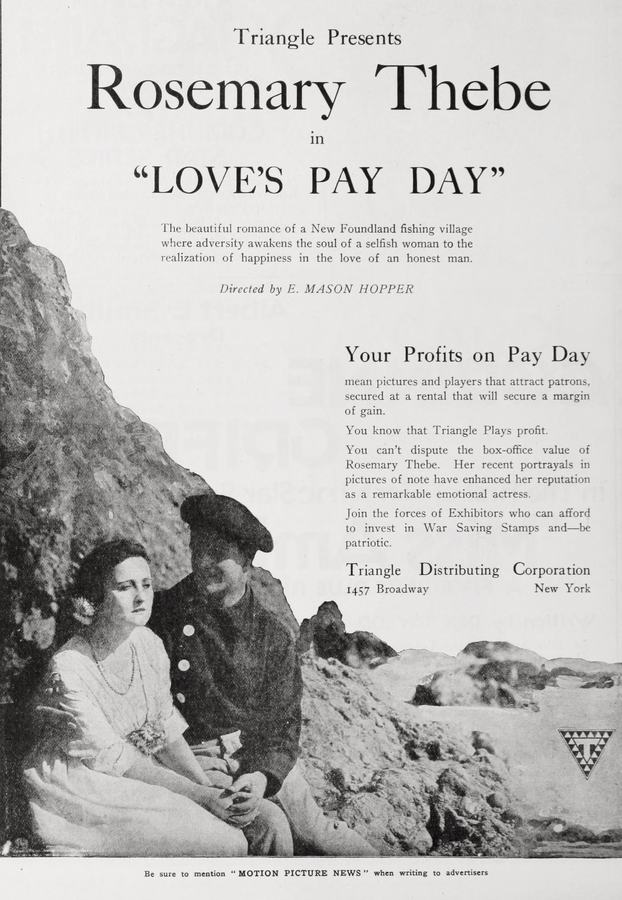
Dir: E. Mason Hopper
Representing a large New York fish packing concern, George Wilton travels to the Newfoundland fishing village of Hearts Desire to purchase a packing plant, but he soon learns that the plant's owner, Jean Laroque, has no intention of selling. Wilton promises Jean's restless young fiancée, Judith Bretans, that he will finance her move to New York City provided she give him the deed to the plant. On the night of the wedding, Judith secures the papers from her new husband, and when Jean realizes that he has lost the plant to Wilton, he denounces Judith and leaves town. As the new owner, Wilton operates the plant with such cruelty that the outraged fishermen decide to revolt and are about to attack the building when Jean appears. Although he succeeds in dispersing the mob, Wilton is killed, and Judith, who has realized her foolishness, is reunited with her husband.
View Details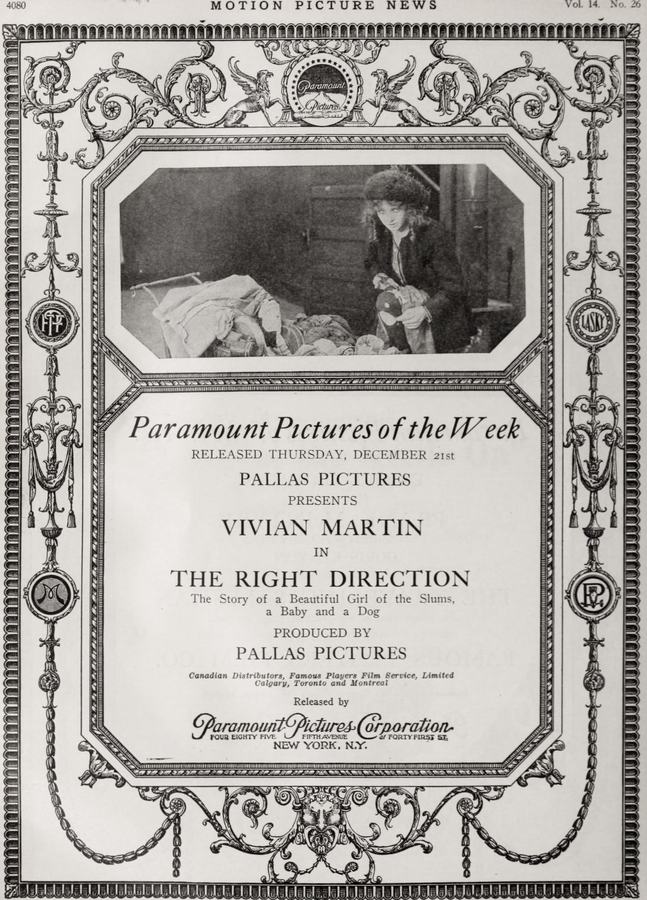
Dir: E. Mason Hopper
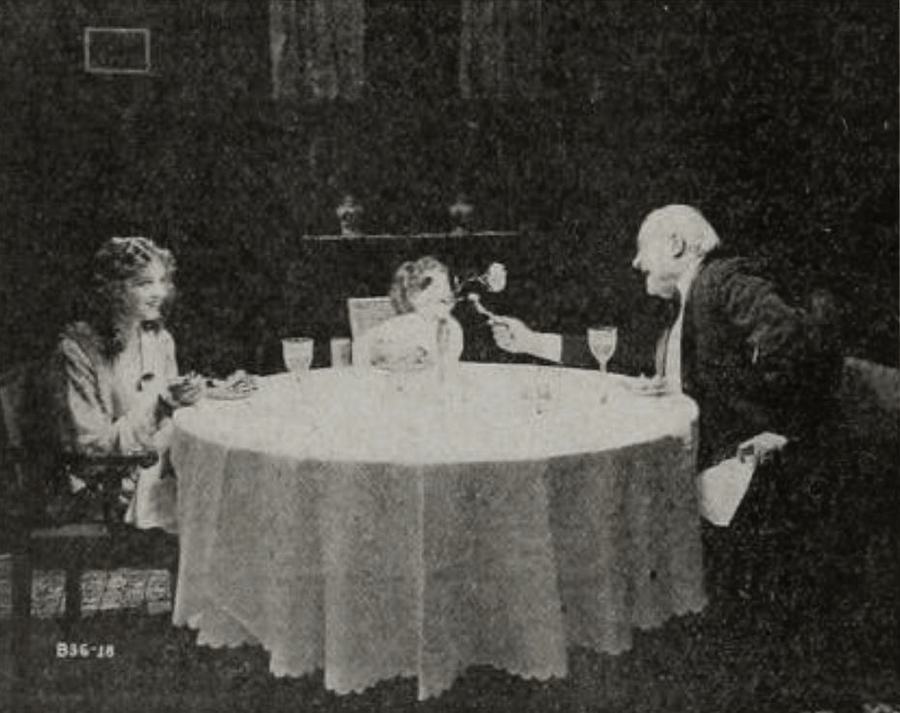
Young Polly Eccles is raising her sickly young brother Billy. When her doctor advises taking Billy away from their dank slum, she packs them both up and they head for California. While hitchhiking there, they are picked up by Kirk Drummond, who just happens to be driving to California himself. Upon their arrival, Kirk's wealthy father John is horrified that he has hooked up with a "lower-class" woman like Polly and does everything he can to make life miserable for her so she will leave. However, an incident occurs at the mine John's father owns that could turn out badly for all concerned.
View Details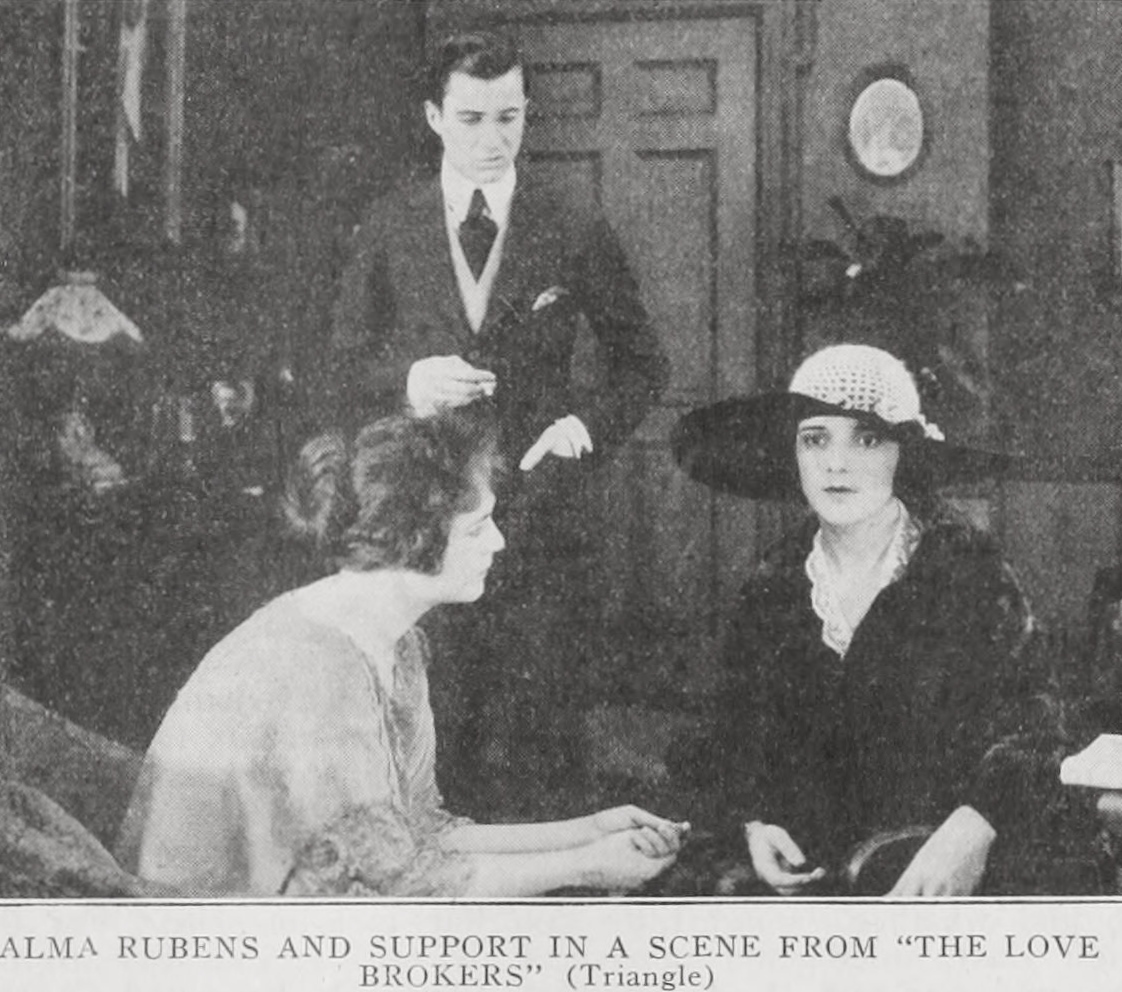
Dir: E. Mason Hopper
Charlotte Carter, a young songwriter, moves to New York and settles in the city's Bohemian quarter. When Peter Ladislaw, one of her admirers, confesses that he has forged a number of checks and is in danger of arrest, the good-hearted girl promises to help him. Olga Grey, a dishonest schemer, convinces Charlotte to marry wealthy arts patron Gerard Townshend, who has been injured in an auto accident and is near death. Charlotte consents and the two are wed, but following an operation, Gerard recovers. Ashamed, Charlotte confesses that she married Gerard for his money, and he forgives her. Olga and Peter try to frame them for a divorce, but the couple, now deeply in love, rid themselves of the crooks and begin their marriage again.
View Details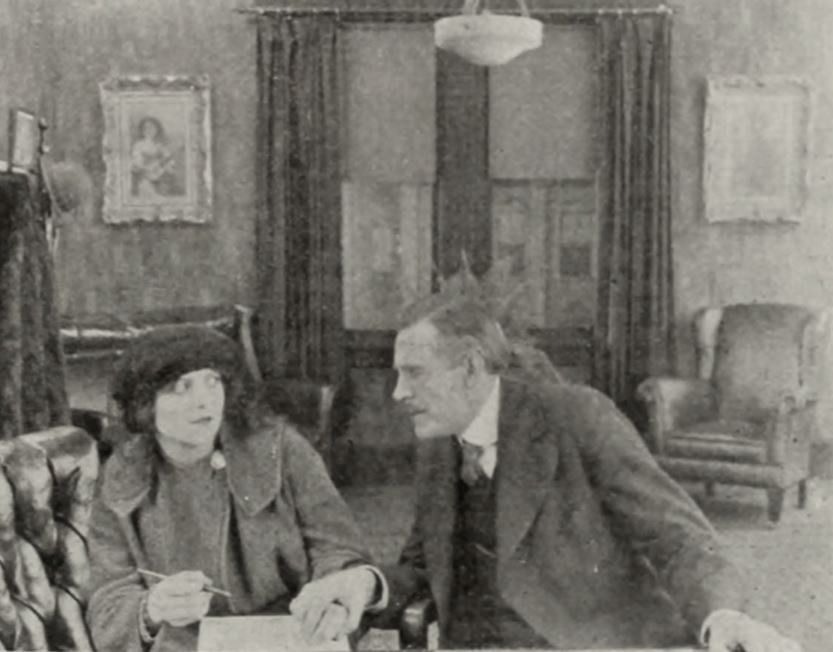
Dir: E. Mason Hopper
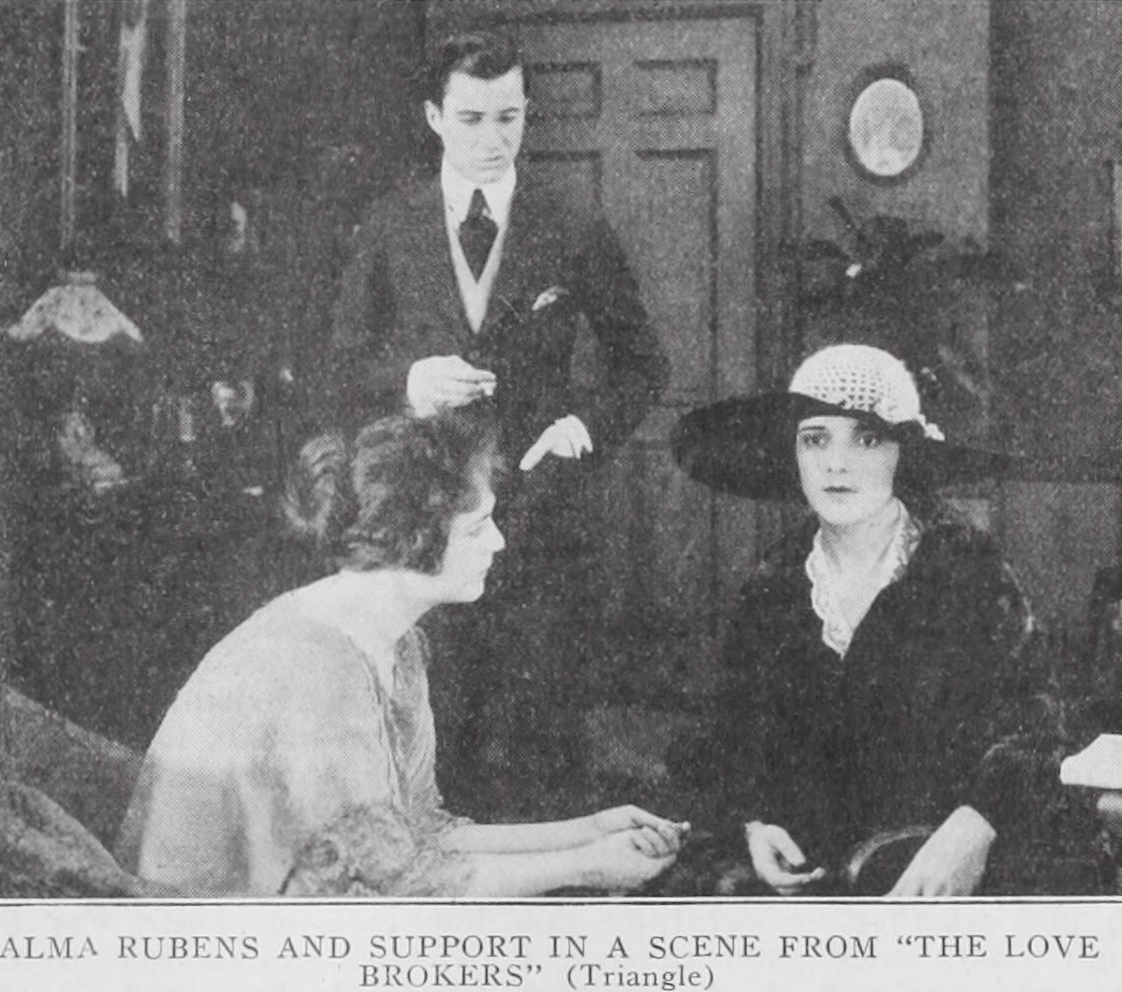
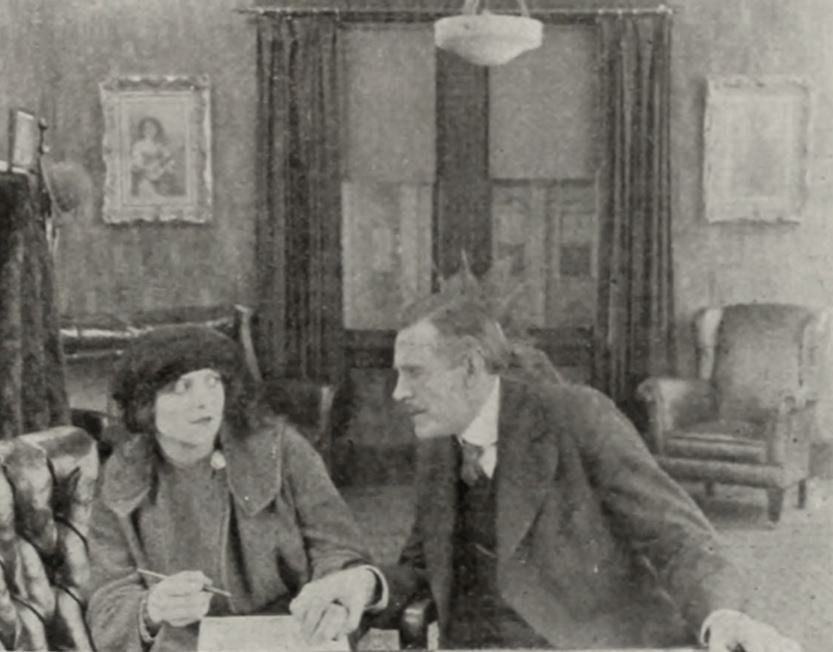
Florence Burgess, a singer in the Cafe Fanchon, supports her lame sister, Frances, but keeps her struggle secret. Oscar Morse, a theatrical manager, is attracted by Florence's beauty and talent, and offers her an engagement. When they meet he demands the usual payment his girls have to make, and is refused. The café has been closed, she is out of work and decides to trick Morse. She gets him drunk, and he signs a paper she has substituted for the contract he planned. Florence the next day admits her deception and Morse, fearing publicity, accepts the situation and stars Florence in "The Green Goddess." She makes a big success, her stage name being Flo Burke. At a little country hotel where she has gone to rest after the first year's work, she meets Fenton, the minister, whose efforts closed the Fanchon, but he does not recognize her. He tells the story of his mission work, she becomes interested, they fall in love, he not knowing that she is the actress, Flo Burke, the register showing Miss F. Burgess. She finally keeps her secret, saying she is the sister of the actress. Fenton is preaching, Florence hears him, determines to give up the stage, but Morse demands the payment of a large forfeit, and she is bound to the stage. Frances, who has been sent to a sanatorium, starts with her sister for New York, the train is wrecked, and Fenton, when the bodies are brought in, finds one bearing cards which tell him it is Flo Burke. Another woman, not dead, has cards of Florence Burgess. Florence sees in a paper in the hospital the announcement of the death of Flo Burke, and sees that it means her escape from the stage. She marries Fenton, but is full of remorse over her deception, and plans to use her money, which had come to her through her own will, which had left it to her sister, for the work of Fenton. Morse goes to the church rectory to see Fenton about a problem play, sees Florence, she denies knowing him, he returns to his office, finds a diary she had kept, and it reveals her secret. He returns, demands full payment of the contract forfeit, and Florence is up against a dilemma. If she gives the money to Morse, she must explain to her husband; if she gives it to her husband Morse will drag her back to the stage. Seeking a way out of the labyrinth, she promises Morse to read the play, and advises Fenton to favor it for production by Morse. He comes to the house, meets Fenton instead of Florence, who overhears her husband praising the play, and decides to give her husband the money. Morse flies into a rage, threatens to denounce her, but Fenton stops him; there is a fight, Morse accidentally shoots himself with his own pistol, and with her husband's love safe Florence feels that she has escaped from the labyrinth.
View Details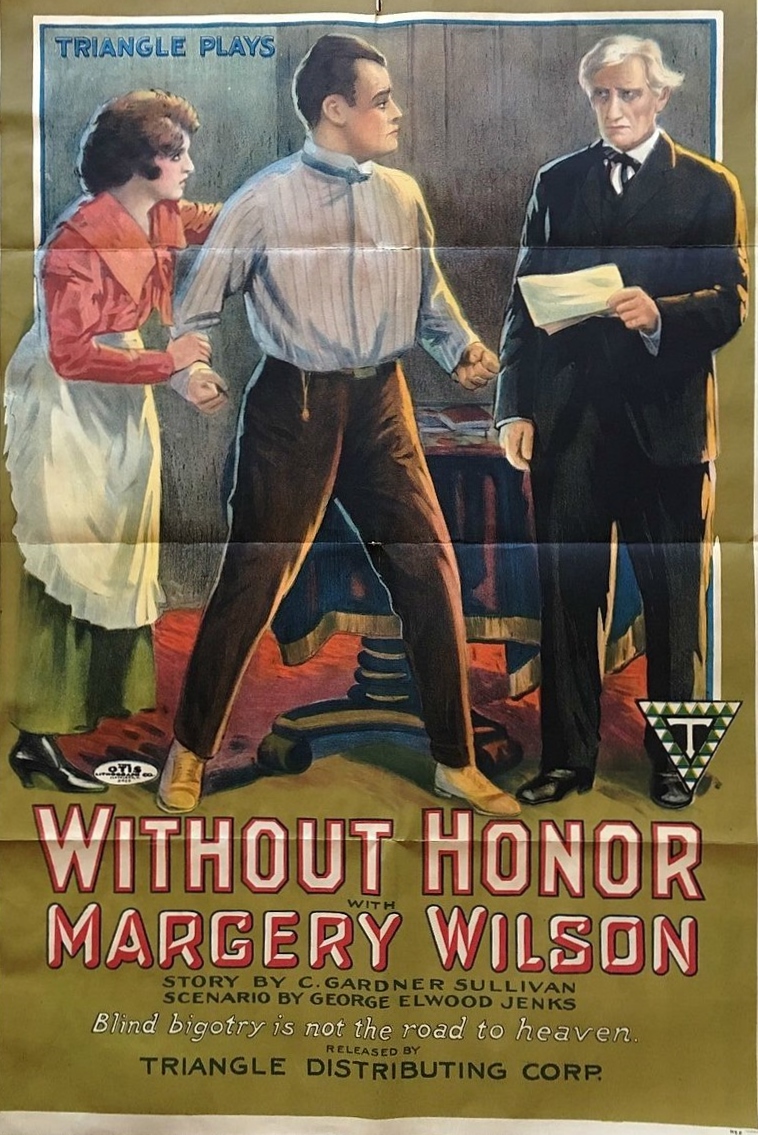
Dir: E. Mason Hopper
Weak-willed Roy Hanford, driven from his father's house by the coldness of his stone-hearted wife and the sanctimonious attitude of his father, the deacon, flees to the city. There he is befriended by Breeze Ballard, a salesman for the Ajax Hardware Company who arranges for Roy to work in the office. Roy falls in love with the firm's secretary, Jeanie MacGregor, and the two are married. A year later, Roy is happy with his wife and newborn child when his father appears, accompanied by an officer carrying a warrant that charges Roy with bigamy. To save himself from the penitentiary, Roy denies the marriage and deserts Jeanie. Jeanie follows her drunken husband, who falls from a cliff and dies. She then becomes a target for the hypocritical deacon who attempts to rally the villagers to drive her from town. The deacon is defeated by the appearance of Breeze, who produces proof of Jeanie's marriage and pledges his own love to her.
View Details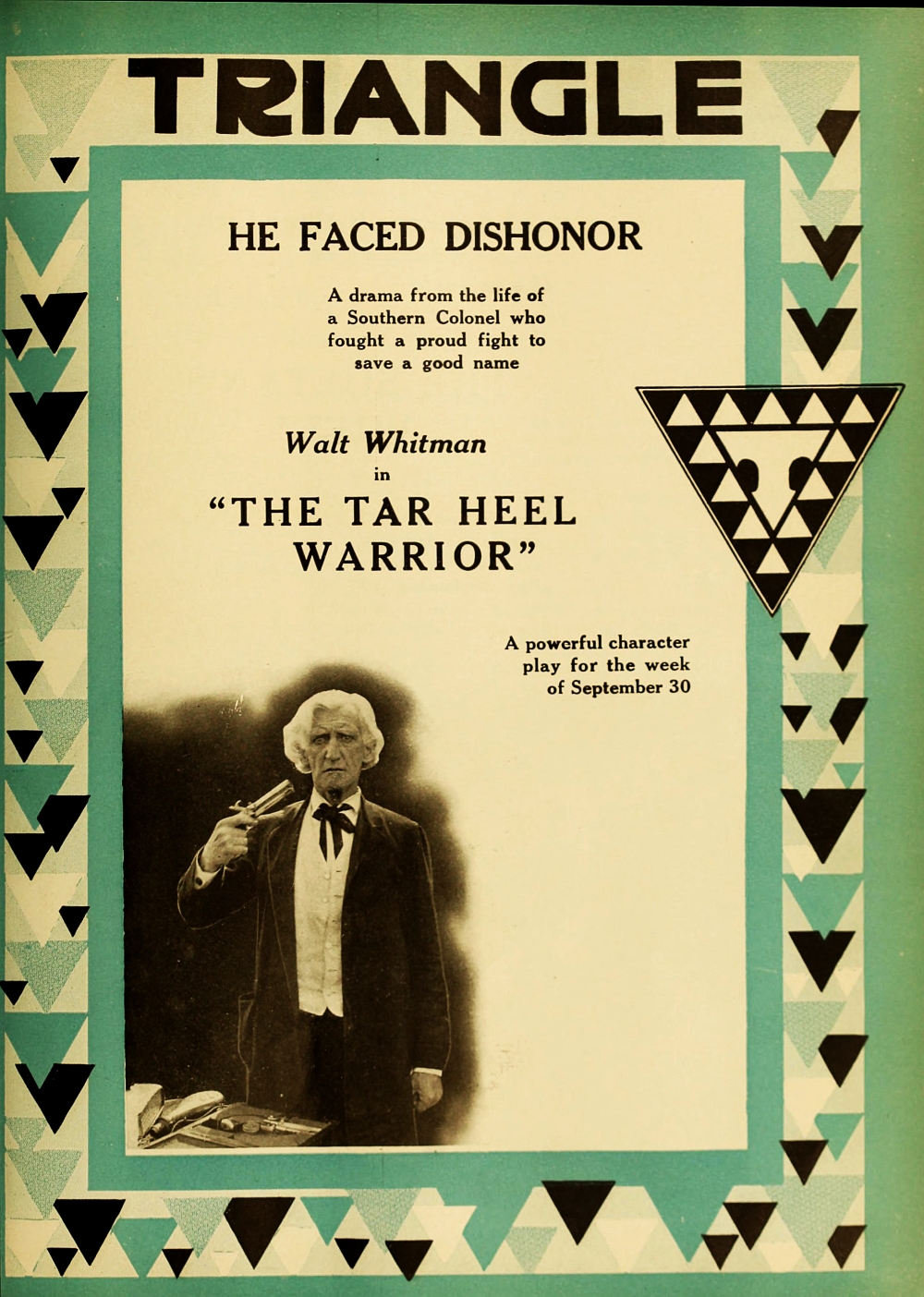
Dir: E. Mason Hopper
Colonel Dabney Mills, whose Southern plantation is heavily mortgaged, makes a trip to New York hoping to borrow money from James Adams, his granddaughter Anna Belle's husband. When the colonel arrives, he learns that Adams's entire capital is tied up in a big stock deal, and that he is therefore unable to lend the colonel any assistance. While Adams is away, one of his business partners entrusts the colonel with $5,000 to retain for his grandson-in-law. Desperate, the colonel speculates in cotton on the tip of an old friend and loses the money. Conscience-stricken, the colonel returns to his plantation determined to take his life, but Adams, successful in his deal, arrives just in time to prevent the tragedy.
View Details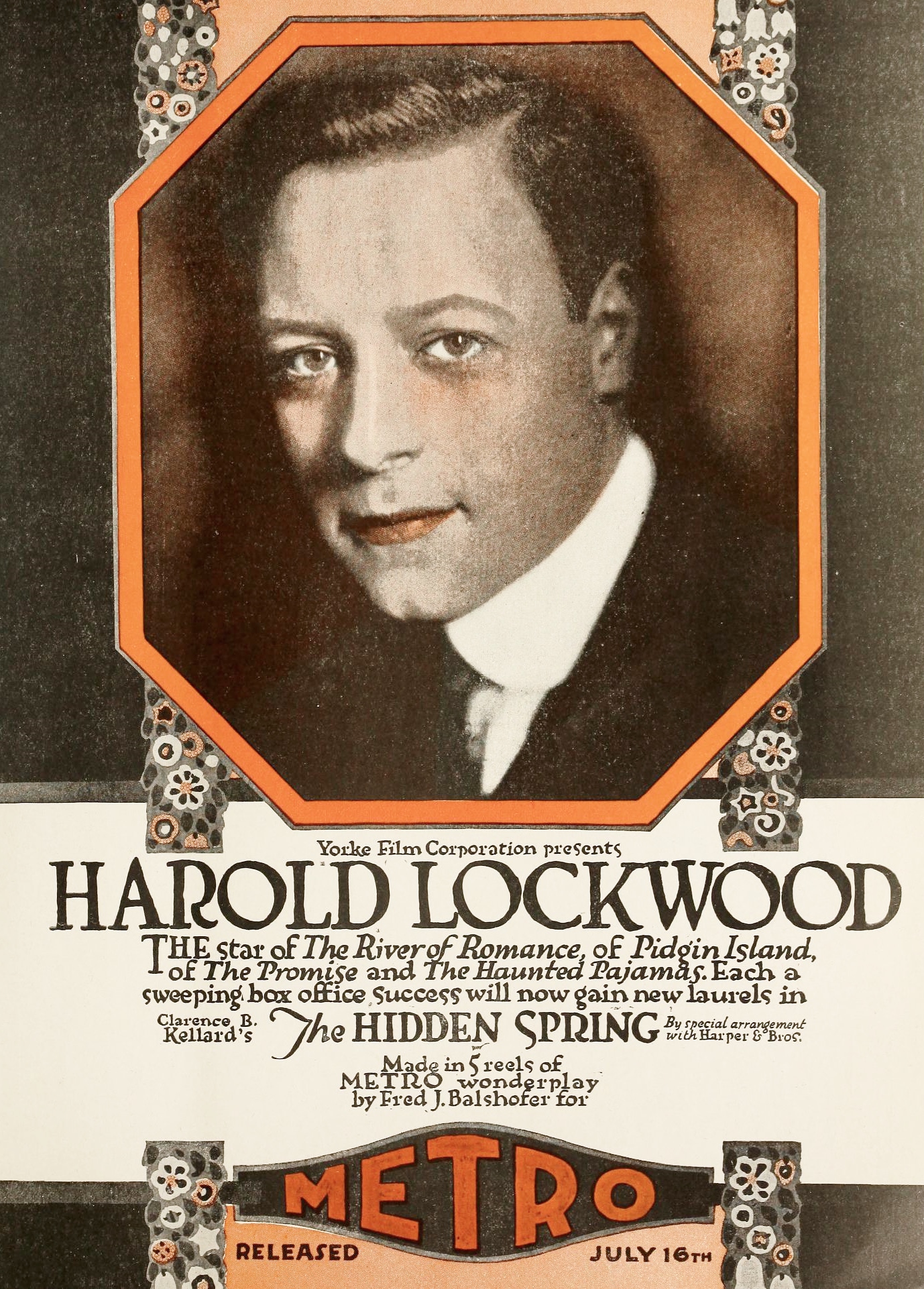
Dir: E. Mason Hopper
Quartus Hembly, a man without a conscience, is the ruler of the town of Copper City, having made himself rich at the expense of his workers. When Donald Keith, a young lawyer, arrives in town, a hidden spring within him is touched after Hembly viciously kicks his dog. Keith refuses to leave town and warns Hembly that he will fight to see that the people get their rights. Keith's only ally is Thora Erickson, the daughter of Hembly's henchman. Keith's opportunity to topple Hembly presents itself when he rescues Bill Wheeler, who, out of gratitude, confesses that it was Hembly who dynamited the log jam years earlier. With the lawyers and the courts in the palm of his hand, Hembly is acquitted, but the townspeople are so outraged that they capture Hembly and tie him to the whipping post. He is rescued by Keith, who forces a full confession for all Hembly's crimes and then allows him to leave town. Keith is then made district attorney, Thora becomes his bride, and Copper City becomes a decent place in which to live.
View Details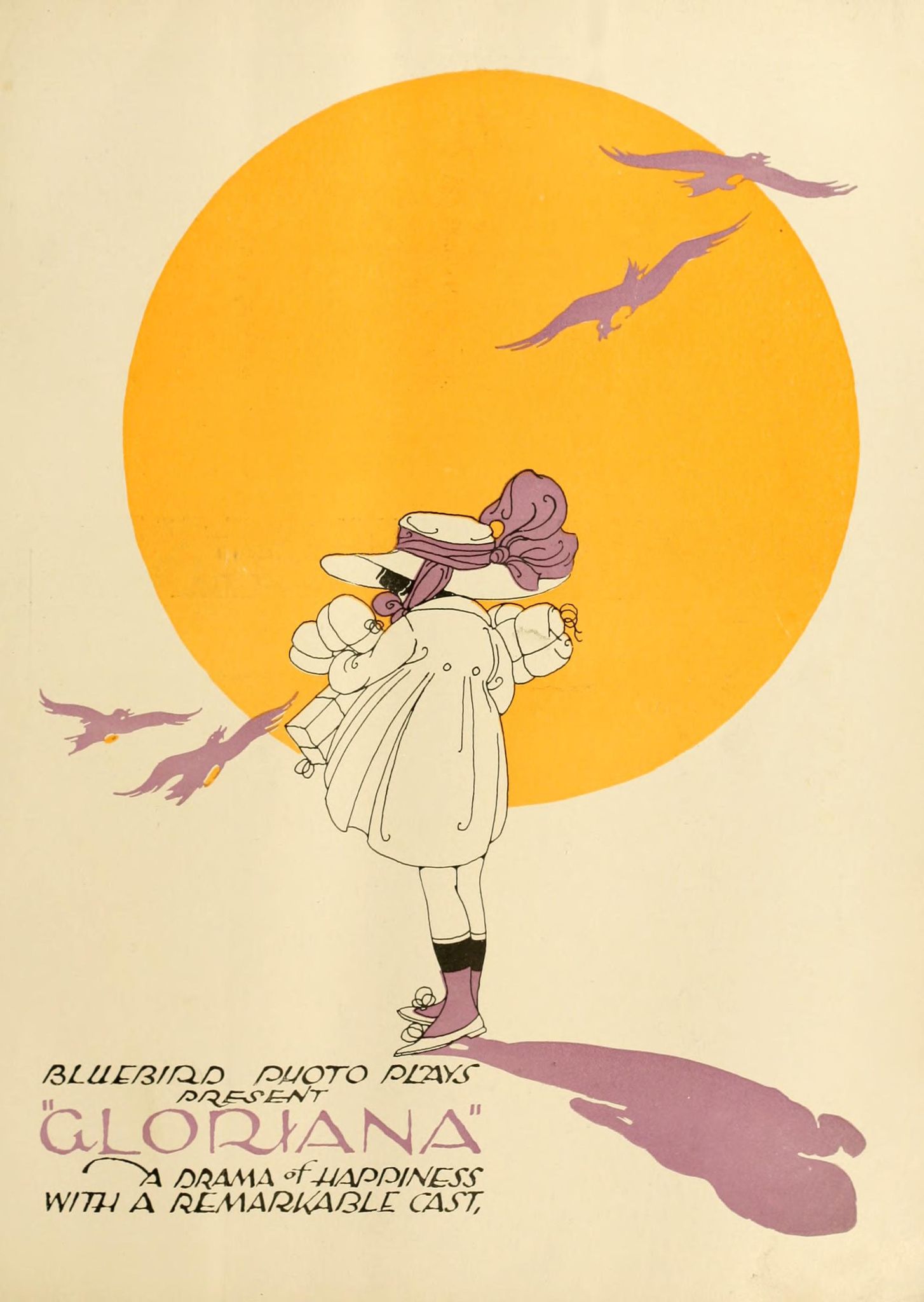
Dir: E. Mason Hopper
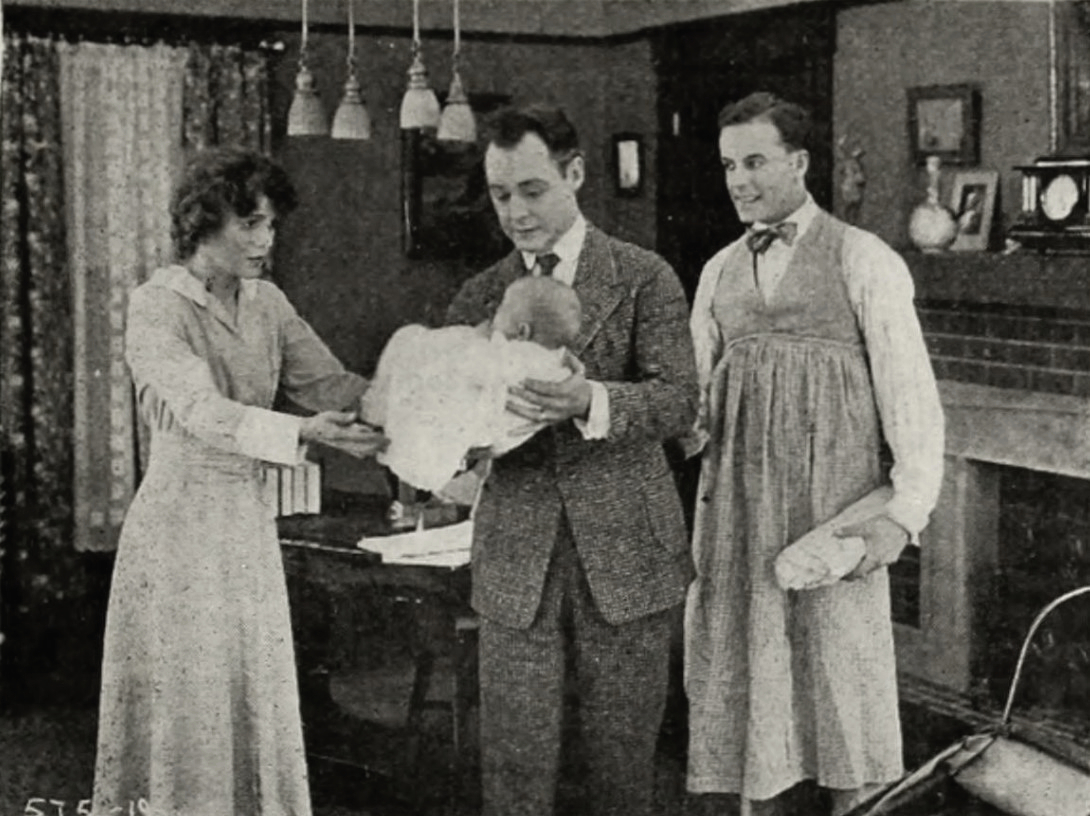
Dr. Manning cherishes Gloriana, his newly-adopted young daughter, but Mrs. Manning, who directs overseas charity projects, has as little concern for Gloriana as she does for the poverty-stricken people in her own city. After listening to her new mother philosophize about the importance of charity, Gloriana takes some money from Mrs. Manning's desk and gives it to Miriam, her impoverished governess. Mrs. Manning at first accuses Miriam of theft, but when Gloriana confesses, Mrs. Manning suddenly realizes that she has been blind to the poverty that surrounds her, and she vows to start devoting her energy into helping those who are closer to home.
View Details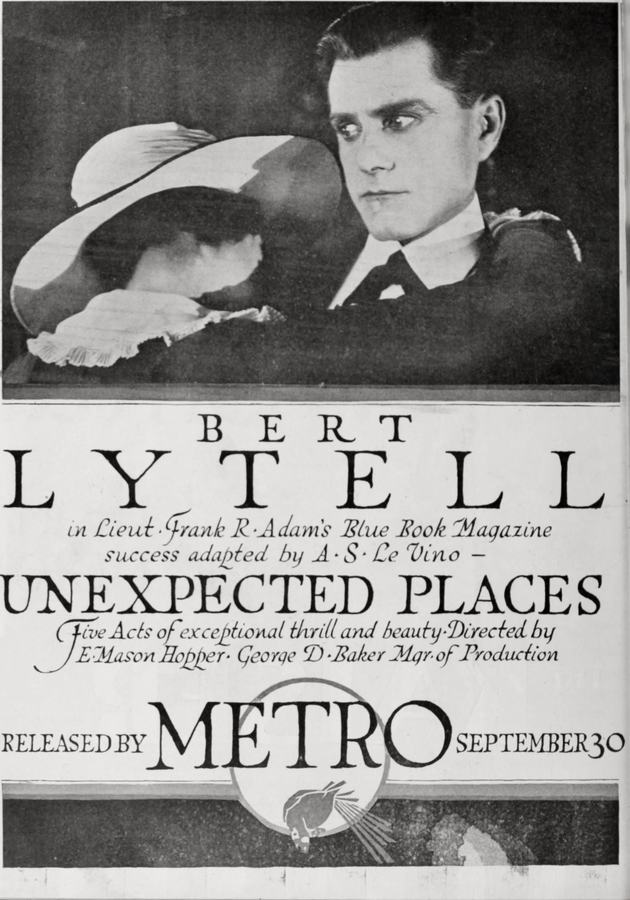
Dir: E. Mason Hopper
The valet of Lord Harold Varden, on a secret mission to our Government, has been murdered. Dick Holloway, a reporter, detailed to the story, calls on Lord Varden just as the latter feels the effects of poison administered to him. He takes the place of the nobleman when his American cousins come for him, and not only saves his lordship's papers, but captures the spies detailed to get them.
View Details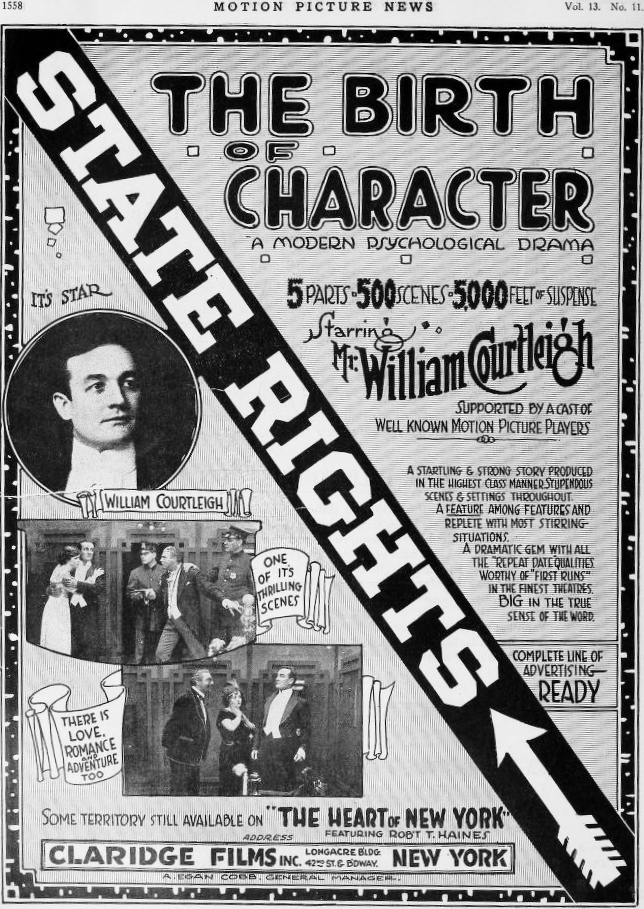
Dir: E. Mason Hopper
An alchemist, about to be burned at the stake, tells his captors that some day the teachings of the alchemists will be generally believed. The alchemist taught that the human character goes through a process of evolution and in the effort to conquer conditions about him, man finds his birth of character. Harry is in love with Grace. She is the good influence in his life. His companions influence him in the other direction. Large losses at cards make him desperate so that at a dance he is momentarily tempted to steal a diamond-studded hair ornament. The impulse immediately and he returns it, explaining that it dropped to the floor and he picked it up. Unfortunately a witness to both the impulse and the quick wit in pulling himself out of the dilemma was Darby, a master criminal. Later Harry is dragged to a gambling joint by his friends; the place is raided through Harry's bitter rival, Arthur Vane, from whom he rescues Alice, a girl who assists her father in the management of the place. All the boys are arrested except Harry, whom Alice saves by means of a secret door. He thus meets her father, who proves to be Darby. This leads Harry to his becoming the tool of Darby, and he is on the downward path. Harry and Grace become engaged. She does not know the life into which he is drifting. A dealer in objects shows them a valuable necklace. This latter is procured by Harry in a successful burglary. He is then sent to a fashionable house party by Darby to see what loot may be obtained there. Grace is a visitor at the same house party, and it is she who shoots him, not knowing his identity. Discovering who it is she saves him; the wound if only a scratch, but with scorn tells him she never wants to see him again. Harry then determines to make a man of himself, surrenders, and is imprisoned to pay the penalty of his crime. As an ex-convict he is welcomed only in the underworld. Alice, because she has fallen in love with him, unselfishly determines to help him, goes to Grace, pleads with her to overlook the past and give Harry a chance. Grace finally agrees to do so, and Alice sends Harry to her. He obtains a position and is rapidly demonstrating a real character. Refusing to have anything further to do with crooked work, he is threatened and only saved from trouble by the unselfish Alice. However, he repays this sacrifice with an open and cruel snub when with Grace he meets her on the street. Her love turns to hate. The master willingly lures him to his den, Alice maneuvers to lure Grace to the underworld, also so that she may be a witness to the punishment of her ungrateful lover. The situation works up to the dramatic climax where Darby is about to kill Harry when the police, summoned by Grace through a ruse, break in and she and Harry are saved.
View DetailsAnalysis relative to Janice Meredith
| Film Title | Atmosphere | Complexity | Similarity |
|---|---|---|---|
| Love's Pay Day | Gritty | Linear | 85% Match |
| The Right Direction | Gothic | High | 96% Match |
| The Love Brokers | Gothic | Linear | 85% Match |
| The Labyrinth | Gritty | Linear | 91% Match |
| Without Honor | Gothic | Abstract | 87% Match |
This guide was algorithmically generated using the cinematic metadata of E. Mason Hopper's archive. Last updated: 6/27/2026.
Back to Janice Meredith Details →