
Film History
The Gilded Saboteur: Why the 1920s High-Society Rebellion is the Secret Blueprint for Cult Defiance
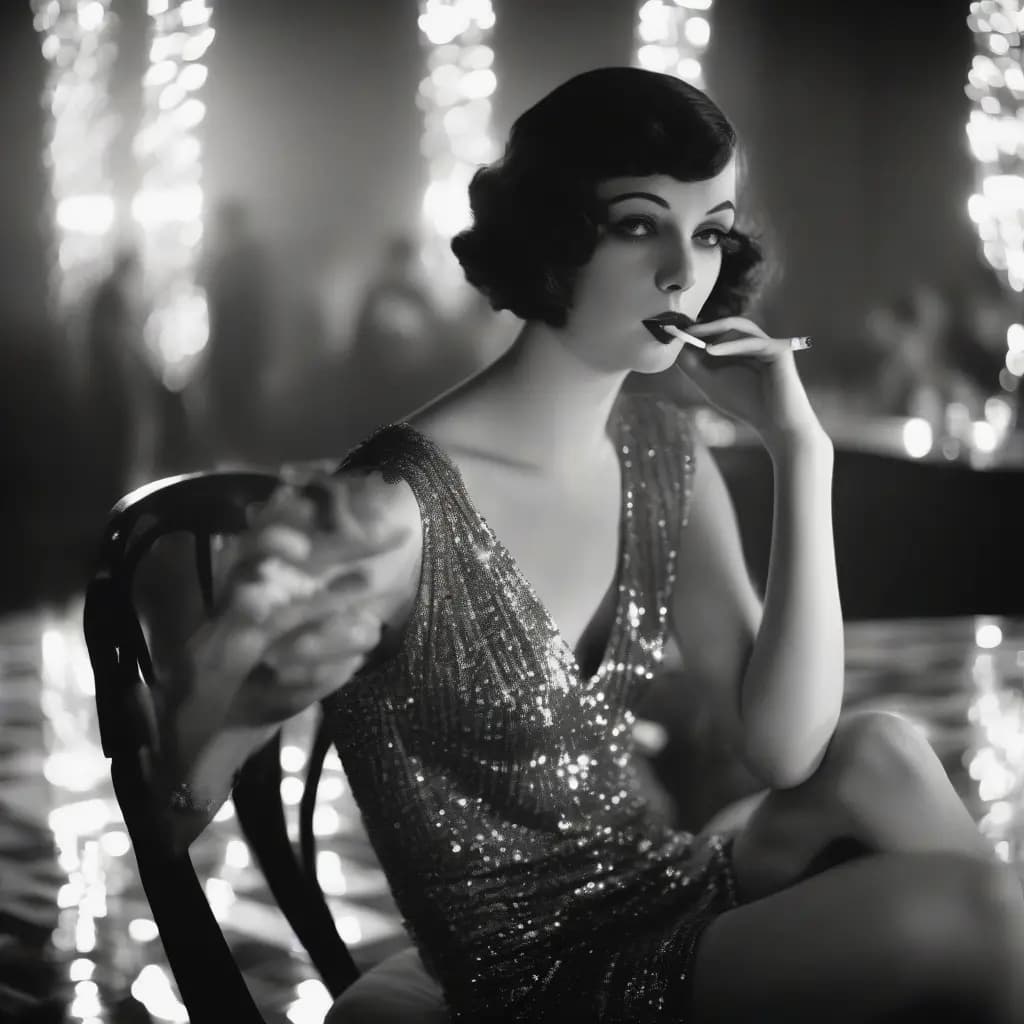
“Long before the punk era, the bored heiresses and cardsharps of the silent screen were dismantling the status quo from within the velvet-lined cages of the elite.”
There is a specific, feverish brand of madness that only occurs when the walls of a mansion begin to feel like the bars of a cell. We often look to the gutters of cinema to find our first cult rebels—the monsters, the tramps, the back-alley killers. But as a historian who has spent far too many hours huffing the ghost of nitrate in the Dbcult archives, I’ve realized that the true genetic code of the transgressive cult hero was actually written in the ballrooms of the 1910s and 20s. It wasn't the man with the knife who first taught us to hate the system; it was the bored debutante with the poisoned gaze and the cardsharp with a silk-lined pocket.
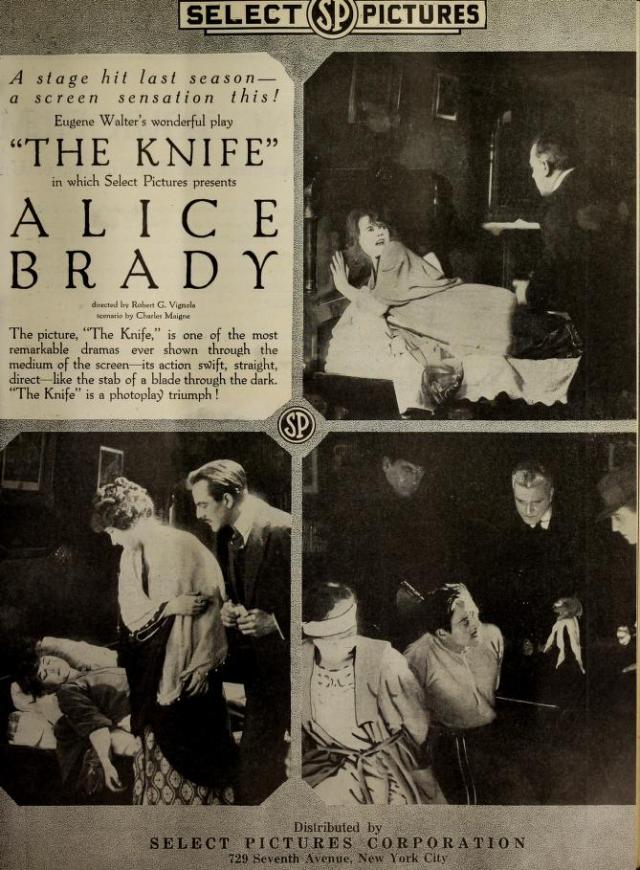
The 1920s high-society drama is frequently dismissed as mere escapism for the masses, a shimmering mirage of pearls and champagne. Yet, if you look beneath the surface of films like Playthings of Passion or The Butterfly Girl, you find something far more sinister and far more relevant to the modern cult mindset. These aren't just stories of wealth; they are blueprints for the rejection of the 'acceptable' self. They are the first flickers of the 'Gilded Saboteur'—the character who has everything and realizes that 'everything' is exactly what is killing them.
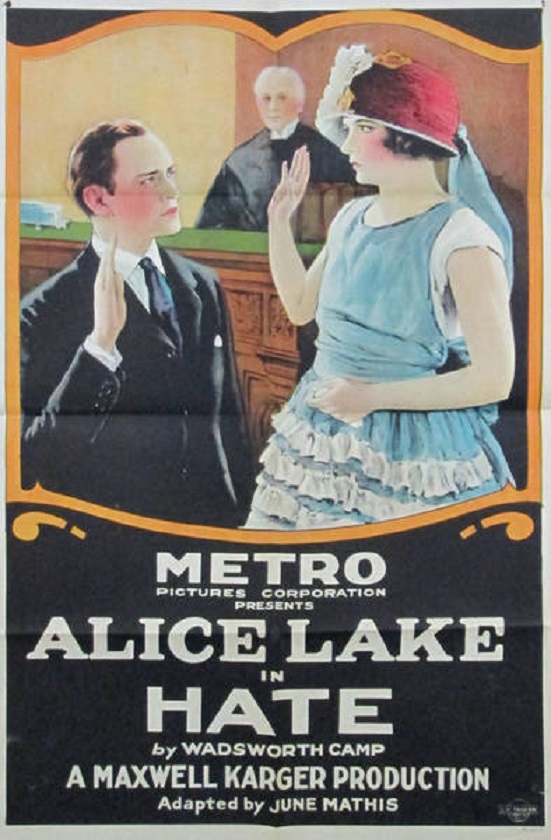
The Anatomy of the Unresponsive: Alienation in the Ballroom
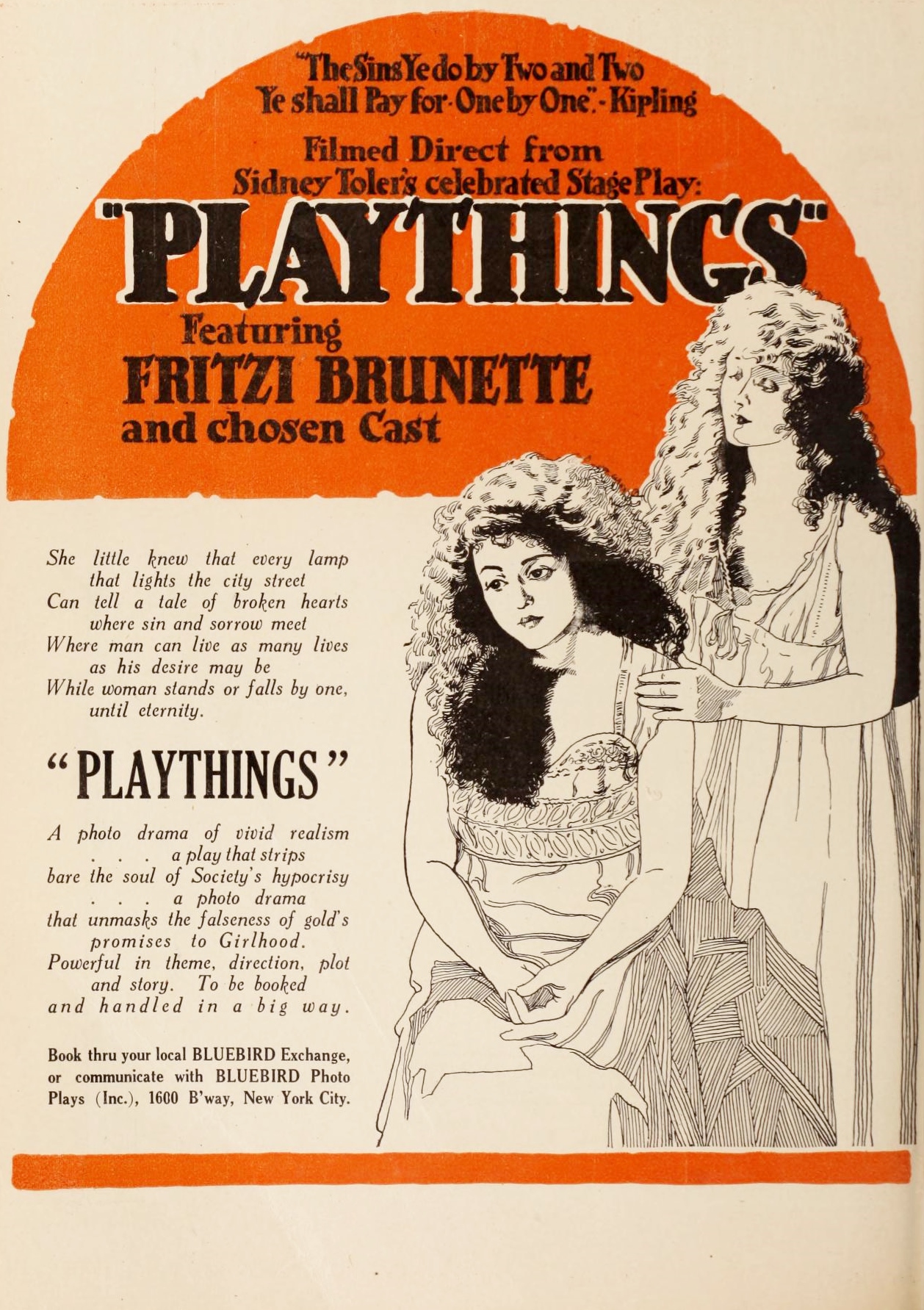
Consider the emotional landscape of Playthings of Passion (1920). Helen Rowland, the protagonist, is described as 'unresponsive' to her wealthy husband. In the context of the era, this was a moral failing, a sign of a woman who had lost her way in the vapid swirl of social events. But through the lens of cult cinema history, Helen’s coldness is a radical act of withdrawal. She is the ancestor of the modern alienated anti-hero, the one who looks at the feast provided by the patriarchy and chooses to starve.
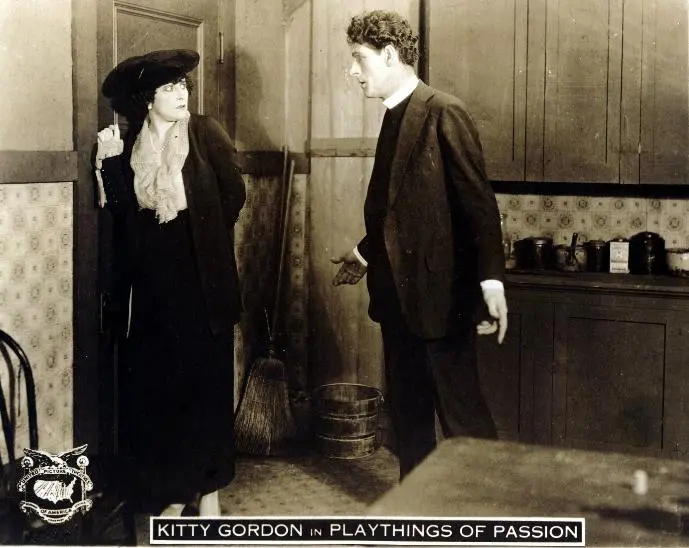
This 'unresponsiveness' is a recurring motif in the early cult of the socialite. It’s a refusal to perform the expected joy of the upper class. When we watch Helen drift through lavish parties while her husband funds missionaries, we aren't seeing a melodrama; we are seeing the birth of the 'cool'—that detached, nihilistic stance that would eventually define the cult stars of the 60s and 70s. The high-society setting provides the perfect sterile environment for this rot to take hold. It is the original 'white room' of psychological horror.
The Gilded Saboteur doesn't want your money; they want to see the chandelier fall, just to hear the sound of the glass shattering.
The Cardsharp and the Casino: Infiltrating the Elite
While some were opting for emotional withdrawal, others were engaging in active parasitism. The cardsharp is perhaps the most vital archetype in the cult of the social outlaw. In Korol Parizha (The King of Paris, 1917), we see Rascol Venkov and Roger Brémond systematically looting the casinos of the elite. This isn't just crime; it’s a performance of class warfare. By mastering the games of the rich, they expose the arbitrary nature of the wealth they are stealing.
The Mask of the Gentleman
The cardsharp operates on the principle of the 'fluid self'—a core tenet of cult cinema. To survive, they must be more 'gentlemanly' than the gentlemen themselves. They weaponize the tuxedo. This subversion of the social uniform is exactly what makes characters like Roger Brémond so magnetic to a cult audience. He is an infiltrator, a virus in a velvet suit. We see this echoed in the way The Square Deceiver (1917) plays with identity, as a multimillionaire tries to find someone who loves him 'for himself alone' by stripping away his status. The obsession with the 'true self' vs the 'social mask' began here, in the tension between the bank account and the soul.
- The Cardsharp: The infiltrator who proves class is a performance.
- The Bored Heiress: The emotional nihilist who refuses to participate.
- The Fallen Aristocrat: The one who finds freedom in the gutter.
The Butterfly’s Decay: Vanity as a Transgressive Path
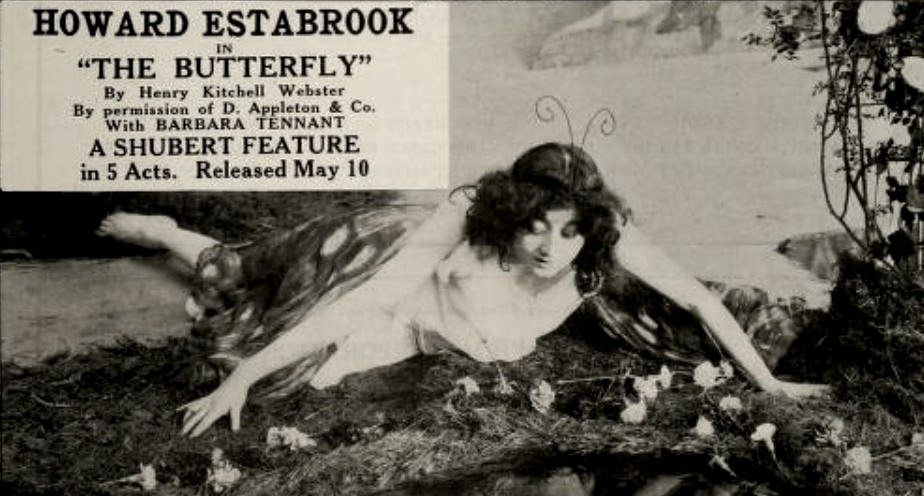
In The Butterfly Girl (1921), Edith Folsom’s ambition is to have 'a score of admirers at her feet.' On the surface, it’s a cautionary tale about vanity. But for those of us who look at cinema with a bit more grit in our eyes, Edith is a proto-femme fatale. She leaves her local boyfriend for the city, not out of necessity, but out of a hunger for spectacle. She wants to be the center of a cult of personality. This drive for self-mythologization is what separates the cult protagonist from the standard hero. They don't want a happy ending; they want a legendary one.
This same hunger for more than the 'prescribed life' drives the narrative of Her Great Chance (1918), where a department store clerk falls for 'Broadway’s million-dollar kid.' The film highlights the clash between the 'East Side crucible'—the gritty reality of the working class—and the lavish parties of the elite. When these worlds collide, it isn't just romance; it's a structural failure. The cult appeal lies in that collision, the moment where the 'million-dollar kid' is revealed to be as hollow as the clerk is desperate.
The Allegorical Nightmare: Madame Jealousy and the Fractured Psyche
If you want to see where the visual language of the psychological cult film truly began, look no further than Madame Jealousy (1918). By personifying emotions like Charm, Valor, and Jealousy within a high-society framework, the film moves away from realism and into the realm of the surreal. It suggests that the socialites we see on screen are not people, but archetypes trapped in a grand, ritualistic play. This is the ancestor of the 'Midnight Movie' logic—where the world is governed by symbolic forces rather than logic.
When Jealousy arranges for Charm to find an old photograph of her husband's former love, it isn't just a plot point; it’s a psychic assault. The film uses the trappings of wealth to heighten the sense of vulnerability. In a world where everything is perfect, a single photograph can be a lethal weapon. This fragility is what makes the 1920s socialite such a compelling cult figure; they are always one scandal away from total annihilation, and there is a voyeuristic thrill in watching that descent.
The Legacy of the Gilded Outcast
Why does this matter to us today at Dbcult? Because the 'Gilded Saboteur' didn't disappear when the talkies arrived. They just changed clothes. The bored, unresponsive Helen Rowland became the detached heroines of European arthouse cults. The cardsharps of Korol Parizha became the smooth, dangerous criminals of 1970s neo-noir. The 'million-dollar kid' became the hollowed-out celebrities of the digital age.
We return to these silent films because they capture the first time cinema realized that the greatest horrors aren't found in the woods or the shadows, but in the brightly lit rooms where we are forced to pretend we are happy. The rebellion of the 1920s high-society outcast was a rebellion against the performance of the self. And in a world that is increasingly obsessed with the performance of the 'perfect life' on social media, these nitrate ghosts are more relevant than ever. They were the first to realize that sometimes, the only way to find yourself is to set the ballroom on fire.
Next time you watch a modern cult masterpiece about a wealthy family tearing itself apart or a socialite losing their mind, remember the pioneers. Remember the 'unresponsive' wives and the cardsharps in the casinos. They were the original architects of our obsession with the transgressive. They were the ones who taught us that the most dangerous place on earth is the dinner party where no one is telling the truth.
Community
Comments
Log in to comment.
Loading comments…