
Film History
The Silk-Gloved Saboteur: How the Silent Era’s High-Society Outlaws Scripted the Modern Cult of Transgression
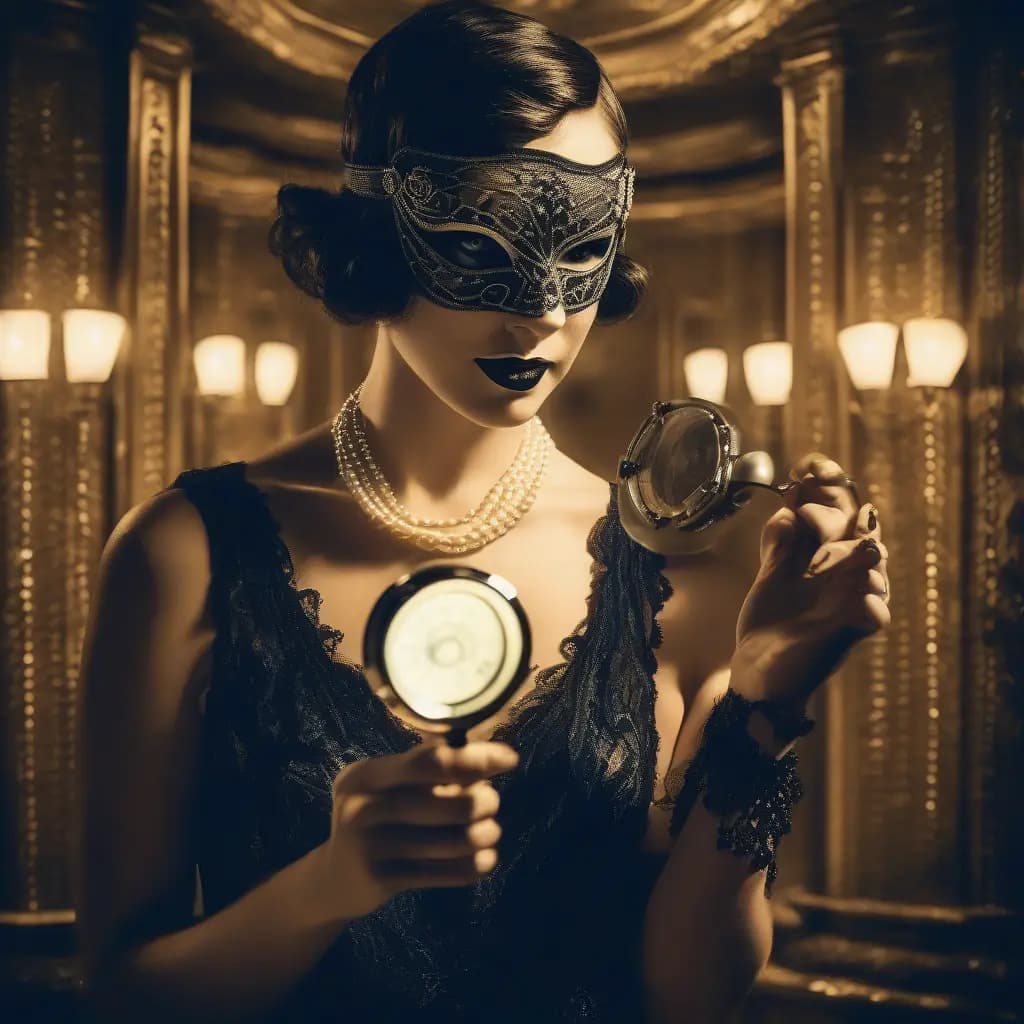
“Long before the anti-heroes of the 1970s, the silent era birthed a breed of silk-clad rebels and master thieves who turned high-society etiquette into a weapon of class warfare.”
There is a persistent, lazy myth in film history that the silent era was a time of monochromatic morality, where heroes wore white hats and heroines were perpetually tied to railroad tracks. But if you dig into the nitrate archives of the 1910s and 20s, you find something far more dangerous. You find the 'Gentlewoman Thief.' You find the socialite who would rather marry a gangster than a banker. You find the seeds of what we now call 'cult cinema'—a medium defined not by mass appeal, but by its devotion to the transgressive, the weird, and the socially radioactive. These weren't just movies; they were blueprints for a century of cinematic rebellion.
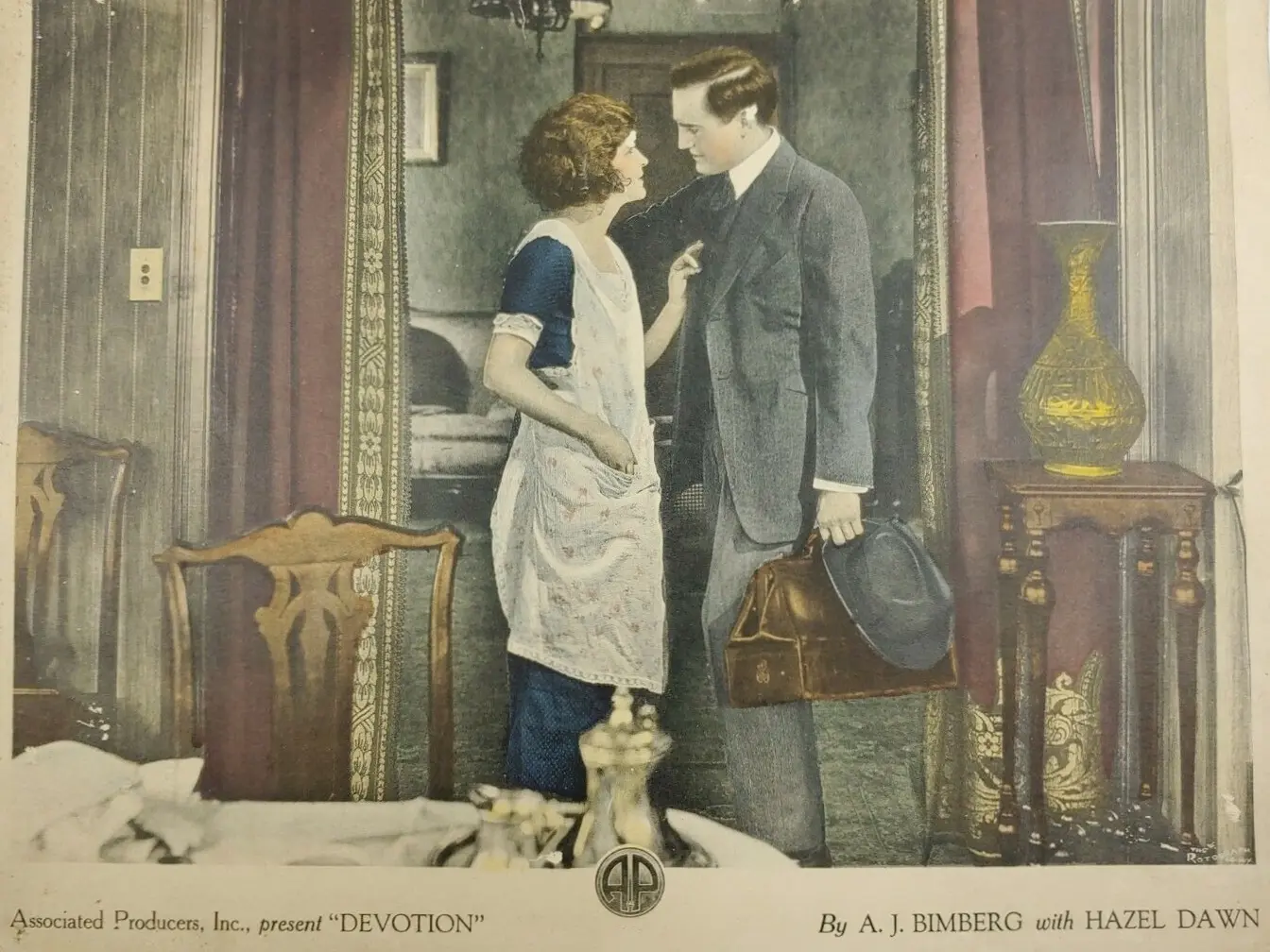
The Master Thief in Pearls: Subverting the 1910s Social Order
Consider the 1919 Pearl White serial The Lightning Raider. While White is often remembered for her 'damsel in distress' tropes, this particular outing presented a 'master thief' who was as daring as she was sophisticated. This wasn't a character motivated by desperation, but by a calculated, almost aesthetic desire to disrupt the status quo. When she encounters a young millionaire while fleeing a crime scene, the tension isn't just romantic—it’s ideological. She represents the first iteration of the 'cool criminal,' an archetype that would later evolve into the hyper-stylized outlaws of Jean-Pierre Melville or the neon-soaked thieves of Michael Mann.
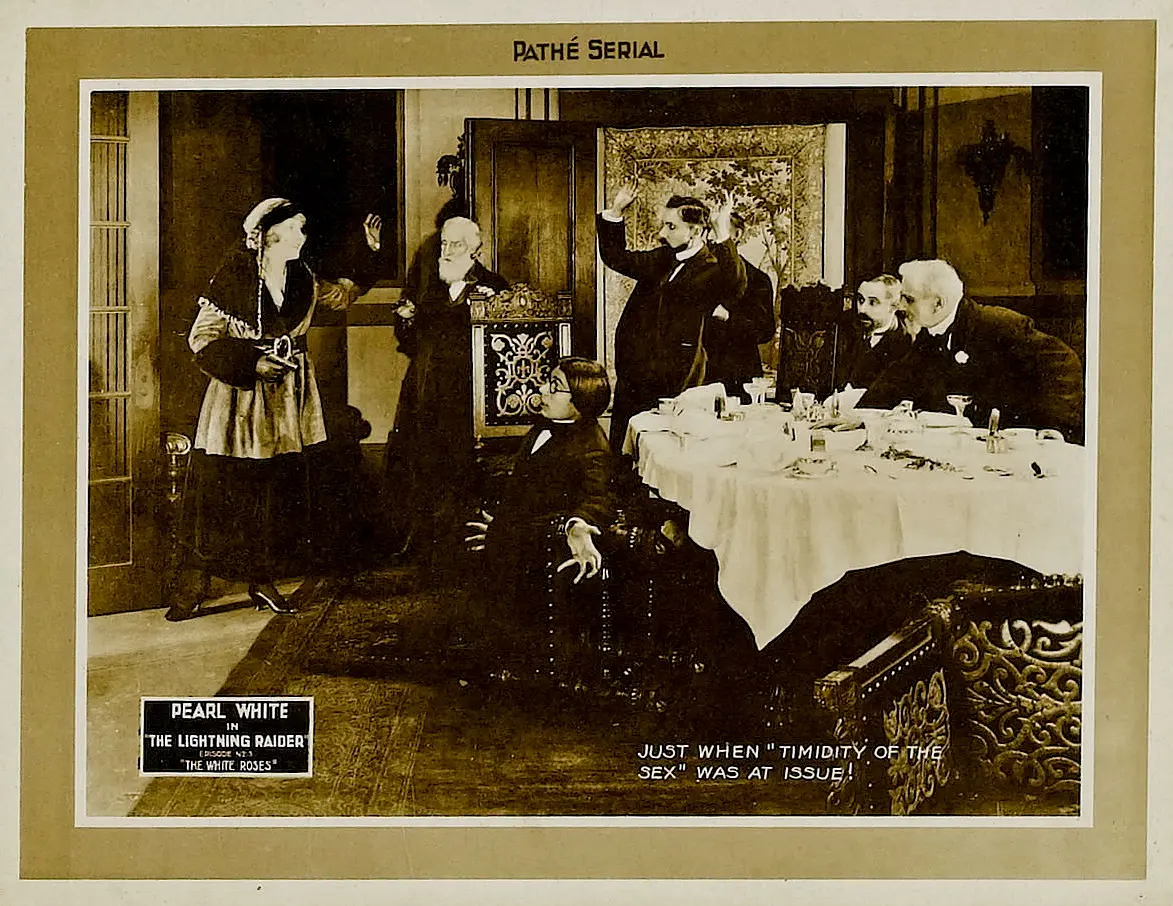
The cult appeal here lies in the friction between the character’s high-society appearance and her low-society actions. In the silent era, 'class' was a visual language. To see a woman in silk and pearls picking a lock was a radical act of semiotic warfare. It suggested that the masks of the aristocracy were just that—masks. This theme of 'The Masquerade' is a cornerstone of cult devotion, where the audience is 'in' on the secret identity of the protagonist, creating a bond of shared transgression that the 'normal' characters in the film cannot perceive.
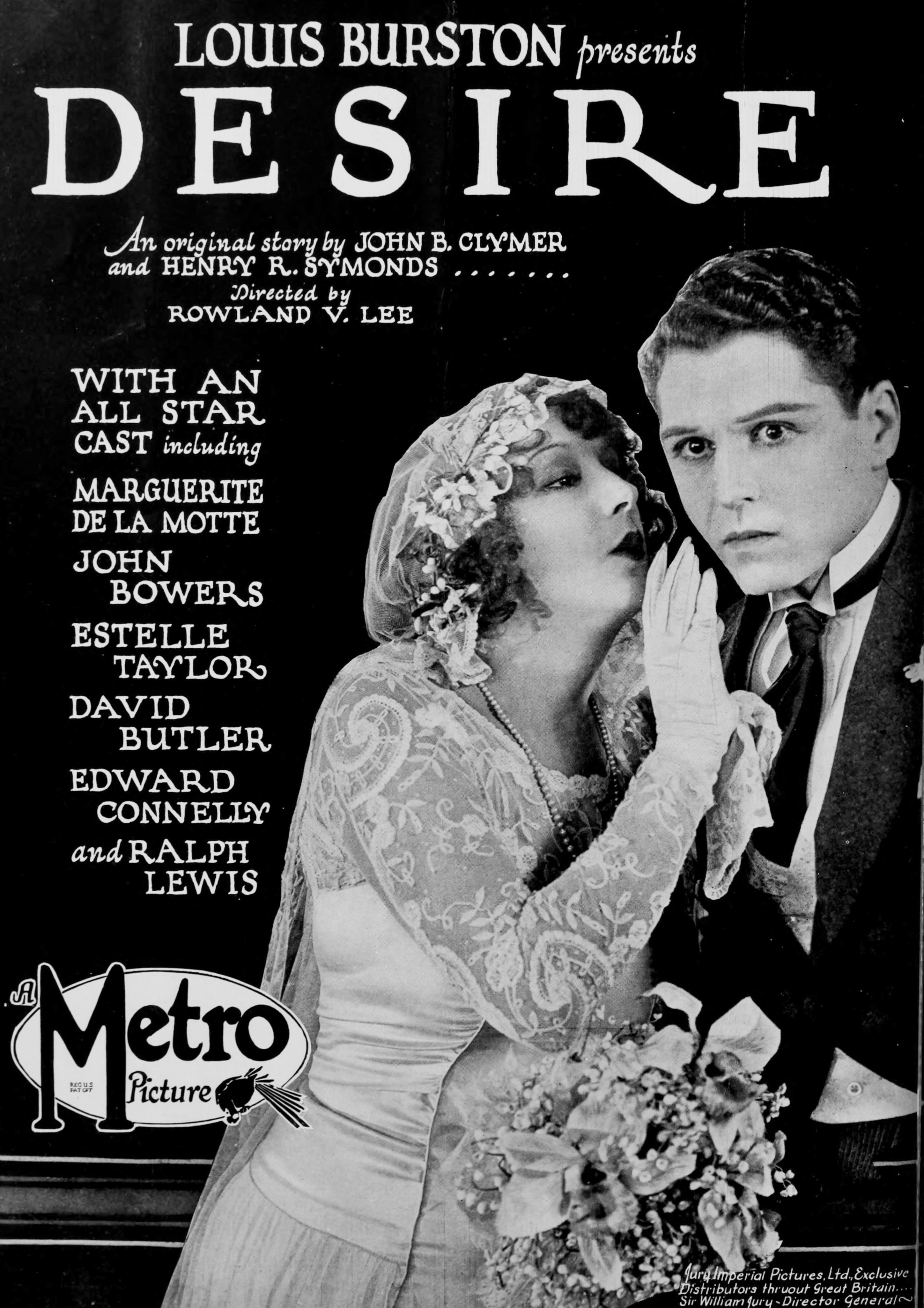
The Inheritance Trap: Marriage as a Radical Act
If the master thief represented the active rebel, the 'Transgressive Debutante' represented the systemic one. In The Exciters (1923), we see Ronnie Rand, a woman forced into a corner by a patriarchal inheritance law: marry before 21 or lose everything. Her solution? She marries Pierre Martel, a member of a gang of thieves. This isn't a 'rehabilitation' story where she saves him; it’s a story where she finds him to be the only 'real man' in a world of cardboard-cutout aristocrats.
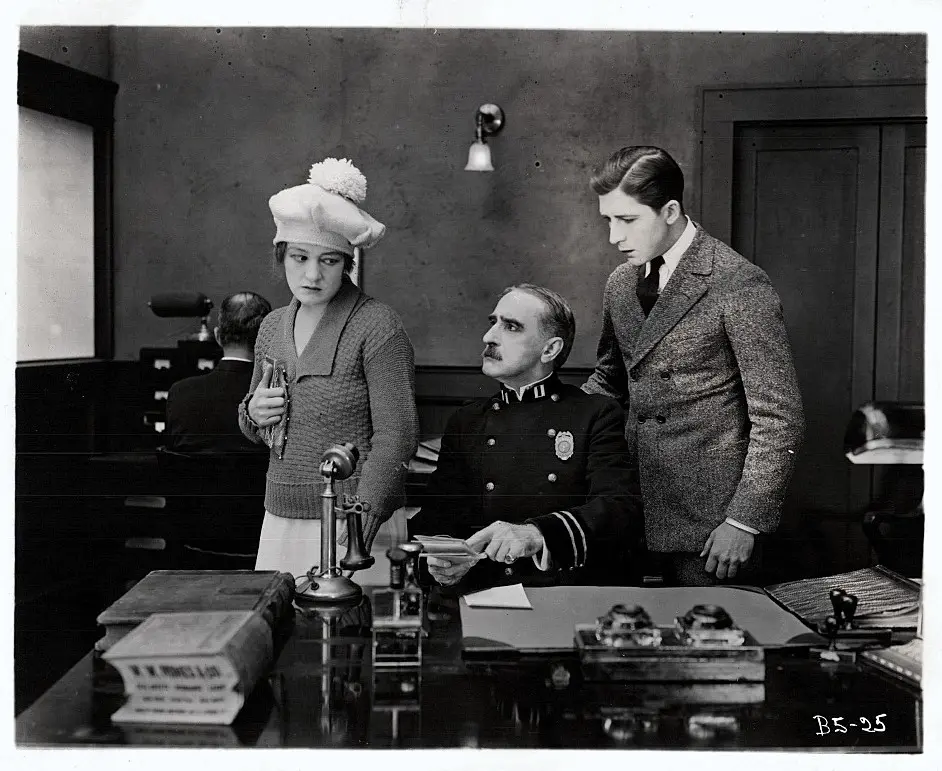
The cult protagonist is almost always defined by their refusal to play the game by the established rules, opting instead to burn the board and start a new one in the shadows.
This narrative choice—choosing the 'criminal' over the 'civilized'—is the exact moment the proto-cult film separates itself from the mainstream melodrama. In The Talk of the Town (1918), Genevra French rebels against a strict environment after reading a book on 'How to Attract the Opposite Sex.' It’s a comedic framing, but the underlying pulse is one of liberation. These films spoke to an audience that was beginning to feel the suffocating weight of post-WWI Victorian hangovers. They were looking for an exit, and the cinema provided it in the form of the elegant outlaw.
Global Paranoia and the Diplomatic Femme Fatale
Cult cinema often thrives on the 'Grand Conspiracy'—the idea that the world we see is merely a stage for hidden powers. We see the genesis of this in Elusive Isabel (1916). The plot involves a conspiracy to take over the world during a diplomatic visit to the United States. It’s a precursor to the labyrinthine spy thrillers of the Cold War and the paranoid techno-thrillers of the 90s. Isabel herself is the 'Elusive' force—a woman who operates in the liminal spaces of international power.
What makes Elusive Isabel a proto-cult masterpiece is its scale. It moves beyond the personal melodrama of the era and into the realm of the geopolitical. It treats the world as a chessboard, a recurring motif in the 'obsessive' style of filmmaking that cult audiences adore. This film didn't just want to tell a story; it wanted to build a world of secret meetings, coded messages, and high-stakes betrayal. It’s the same DNA you find in the fanatical devotion to The Prisoner or The X-Files.
The Aesthetic of the Slum and the Palace
Visual contrast is the lifeblood of cult aesthetics. In Crooked Streets (1920), a secretary travels to China on an expedition for antique vases, only to be drawn into the Shanghai slums. The juxtaposition of the 'civilized' Westerner and the 'exotic' (and often dangerously stereotyped) underworld created a visual friction that silent audiences found intoxicating. For the modern cult historian, these films are a goldmine of 'The Other'—showing how early cinema used foreign locales to project the internal desires and fears of its characters.
- The use of deep shadows to hide the 'Raider's' face.
- The focus on tactile objects: pearls, vases, marriage certificates, and bank vaults.
- The 'Gaze' of the female protagonist as she observes a world she is about to disrupt.
Domestic Gothic: The Marriage as a Prison Cell
Not all silent outlaws were thieves of property; some were thieves of their own lives. In Life's Whirlpool (1917), Esther Carey is trapped in a marriage with a 'cold, heartless man.' This domestic horror—where the home becomes a site of psychological warfare—is a direct ancestor to the 'female gothic' cult films like Possession or The Brood. The transgression here isn't a crime against the state, but a crime against the 'sacred' institution of marriage.
Similarly, What Wives Want (1923) explores the 'neglected wife' trope, but with a sharper edge. When Claire Howard succumbs to the attentions of her husband’s business partner, the film navigates the murky waters of infidelity and social ostracization. These 'Social Problem' films of the silent era were the 'exploitation' films of their day. They promised a glimpse into the forbidden, the 'behind-closed-doors' reality of the upper class. For the cult viewer, this voyeurism is essential; we want to see the rot beneath the gilding.
The Legacy of the Silk-Gloved Saboteur
Why do these films matter to us now, a century later? Because they prove that the 'cult' mindset—the desire for stories that challenge, subvert, and aestheticize the margins—is as old as the medium itself. When we watch a modern transgressive masterpiece, we are seeing the echoes of The Lightning Raider. When we cheer for a female anti-hero who burns down her world to escape a bad marriage, we are seeing the spirit of Life's Whirlpool.
The silent era was not a time of innocence; it was a time of experimentation. Directors were figuring out how to visualize desire, rebellion, and class warfare without the aid of dialogue. This forced them to rely on the 'Icon'—the visual shorthand of the mask, the gun, the pearl necklace, and the shadow. These icons became the vocabulary of cult cinema. They are the reasons we still obsess over these flickering ghosts. They didn't just capture a moment in time; they captured the eternal human urge to be the 'Lightning Raider' in our own lives, stealing back our agency from a world that wants to keep us in the dark.
As we continue to unearth these 'lost' masterpieces from the nitrate vaults, we must view them not as curiosities, but as the foundation of our cinematic religion. The silk-gloved saboteurs of the 1920s didn't just break into bank vaults; they broke into the future, leaving behind a trail of broken rules and beautiful, transgressive shadows for us to follow.
Community
Comments
Log in to comment.
Loading comments…