
Film History
The Boredom of the Bourgeoisie: How Silent Era Heiresses Scripted the Modern Cult Rebel
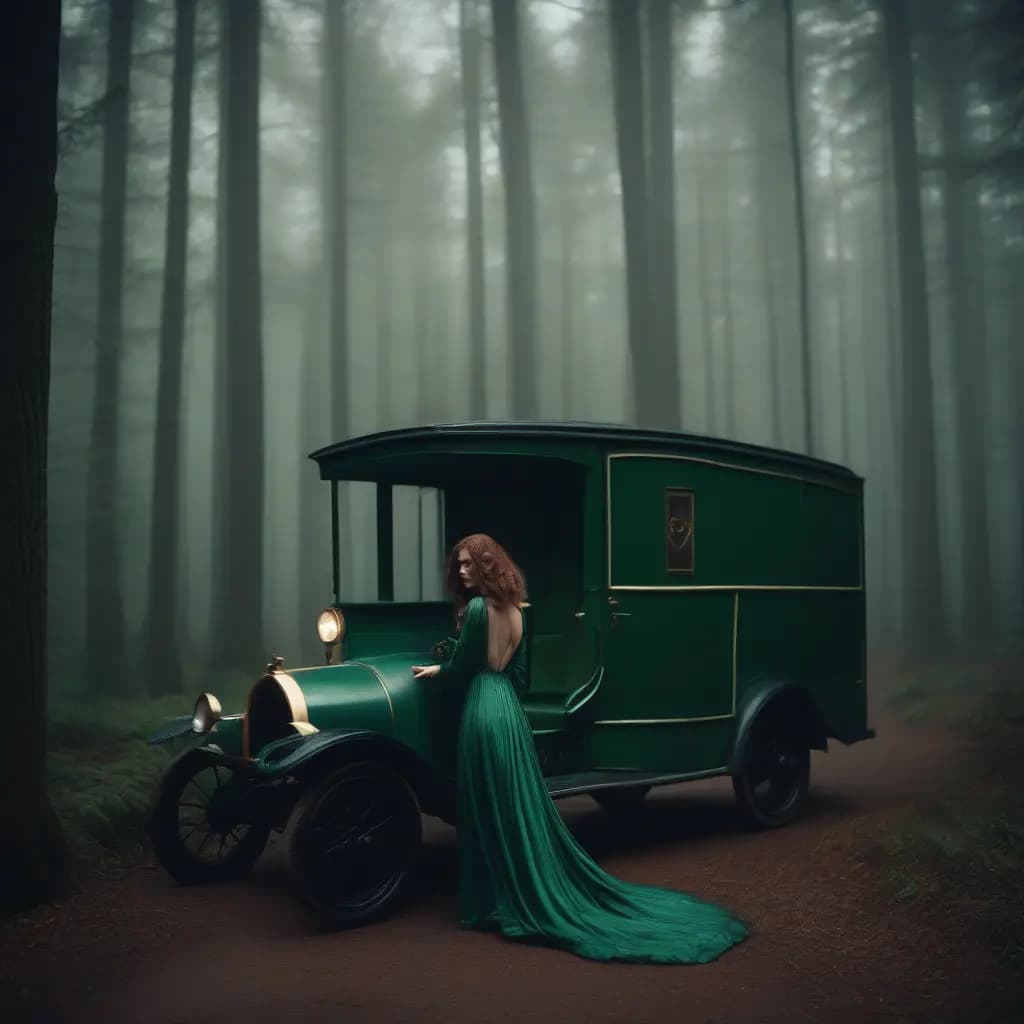
“Long before the punks of the 70s, the silent era's bored heiresses were burning down the drawing room. Discover how 1910s social rebellion birthed the transgressive cult hero.”
There is a persistent, lazy myth that the cinema of the 1910s was a polite affair of flickering tea parties and moralistic finger-wagging. We tend to view these early reels through a sepia-toned haze of innocence, assuming that the 'transgressive' spirit of cult cinema only arrived with the arrival of the midnight movie or the grindhouse explosion. But if you peer into the shadows of the nitrate archives, you find something far more volatile. Long before the leather-clad rebels of the 1970s or the neon-soaked outcasts of the 80s, the blueprint for the cult protagonist was being drafted by a very specific, very dangerous figure: the bored heiress.
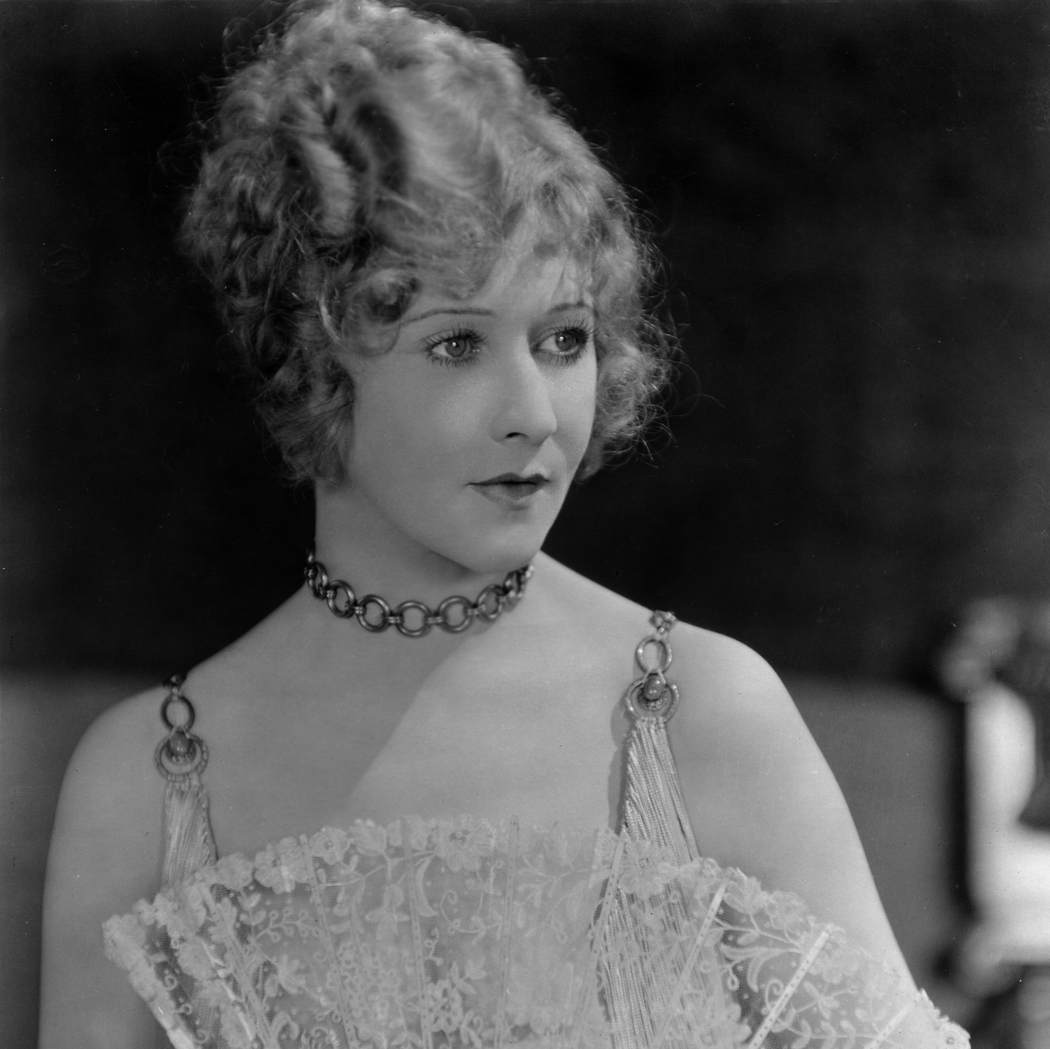
This wasn't just a character trope; it was a cinematic manifesto. In an era where the walls of Victorian propriety were finally cracking, filmmakers began to explore a terrifying new reality—the woman who possessed everything and found it utterly hollow. These films, often masked as 'cautionary tales' to appease the burgeoning censorship boards, were actually the first deep dives into the psychology of the social defector. They gave us protagonists who didn't just break the rules; they rejected the very architecture of their existence. This is where the 'cult of the outsider' truly began.
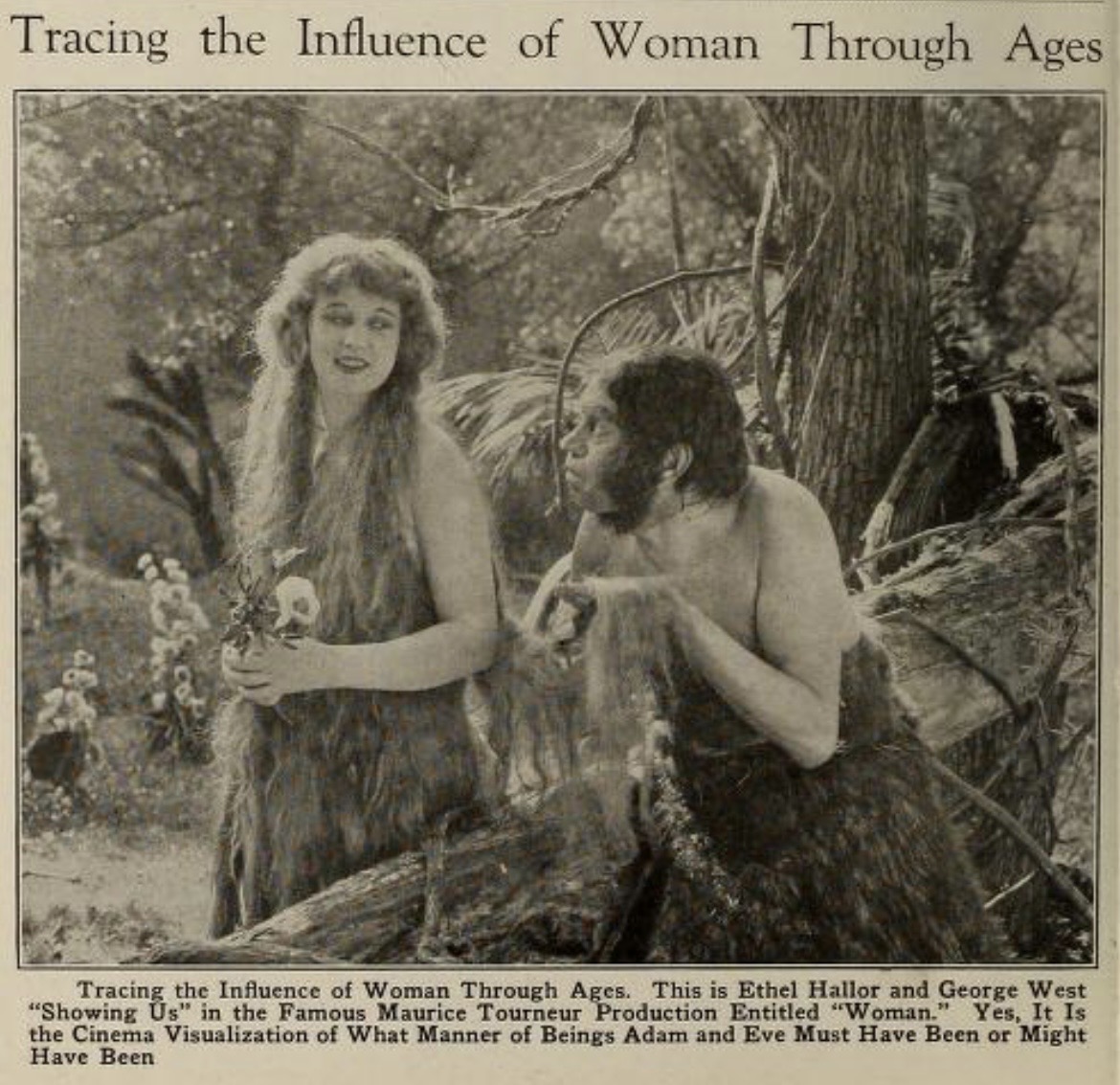
The Green Van and the Great Escape: Diane Westfall’s Radical Departure
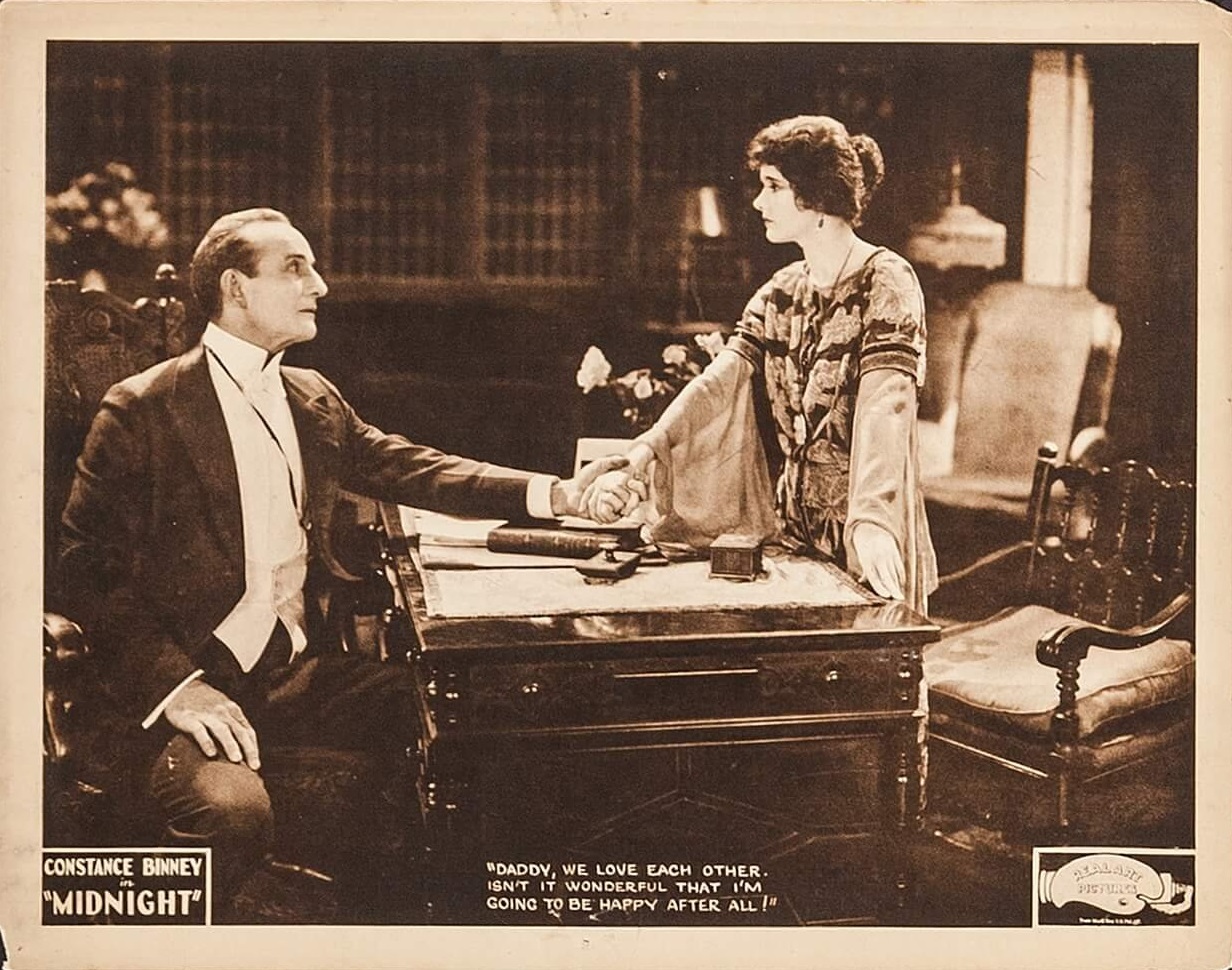
Consider the sheer audacity of Diane of the Green Van (1919). On the surface, it’s an adventure yarn, but beneath the plot lies a visceral rejection of the Gilded Age. Diane Westfall is a wealthy heiress, a woman destined for a life of curated boredom and strategic marriage. Instead of accepting her inheritance, she hops into a green van and disappears into the wild. This isn't a vacation; it’s an act of class treason.
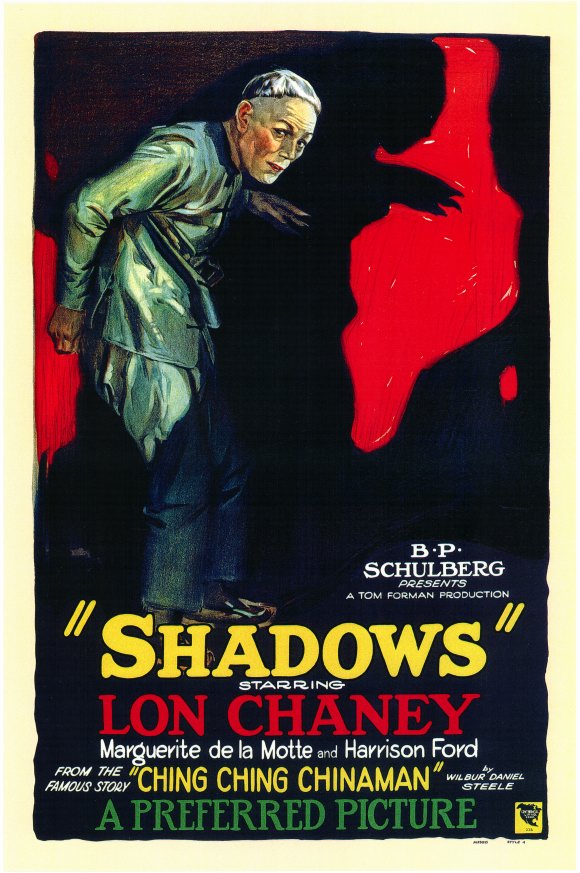
What makes Diane a proto-cult figure is her indifference to the safety of her status. The film presents her pursuit not as a whim, but as a survival mechanism against the suffocating weight of expectation. In the 1910s, for a woman to choose the 'green van'—a mobile, liminal space—over the anchored mansion was a radical visual metaphor for the fluid identity that would later define underground cinema. She is pursued by men who want to control her or her money, but her true enemy is the stasis of the drawing room. This theme of 'escaping the gilded cage' is the direct ancestor of every road movie that has ever earned a devoted following for its portrayal of the 'unbound' spirit.
Fires of Rebellion: The Fear of the Proletarian Purgatory
While some heiresses ran toward the wilderness, others were defined by their terror of the 'drab and loveless' life of the working class. Fires of Rebellion (1917) offers a fascinating, if morally complex, look at this anxiety. Madge Garvey is a woman trapped in a factory environment, but she possesses the soul of a rebel. When she refuses the marriage proposal of factory foreman John Blake, she isn't just rejecting a man; she is rejecting a destiny of 'degeneration' into the grey machinery of industrial life.
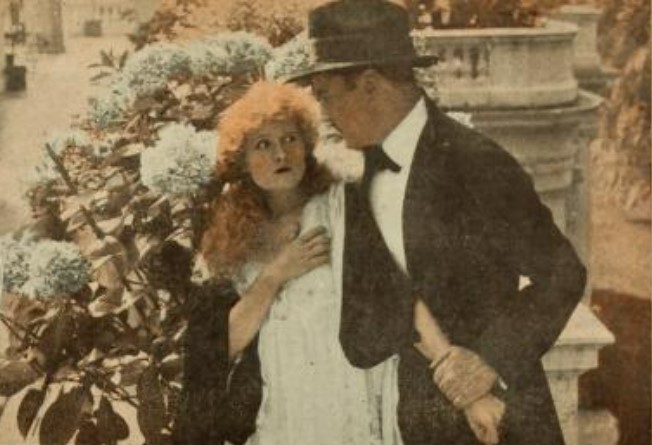
"She dreaded the drab and loveless factory life that she saw all around her... fearing that he will degenerate into the same type of man."
This fear of the 'average' is a cornerstone of the cult mindset. The cult protagonist is often someone who would rather burn out in a blaze of transgressive glory than fade away in a predictable, 'honest' life. Madge’s rebellion is rooted in a visceral disgust for the mundane. In the context of 1917, this was a powerful statement on the psychological toll of the industrial revolution. It suggested that there was a 'fire' in certain individuals that could not be quenched by the promise of a steady paycheck or a respectable marriage. This character type—the one who looks at a 'normal' life and sees a prison—is the same one we worship in films like *Fight Club* or *The Graduate*.
The Decadent Decay: Hedda Gabler and the 'Degenerate' Daughter
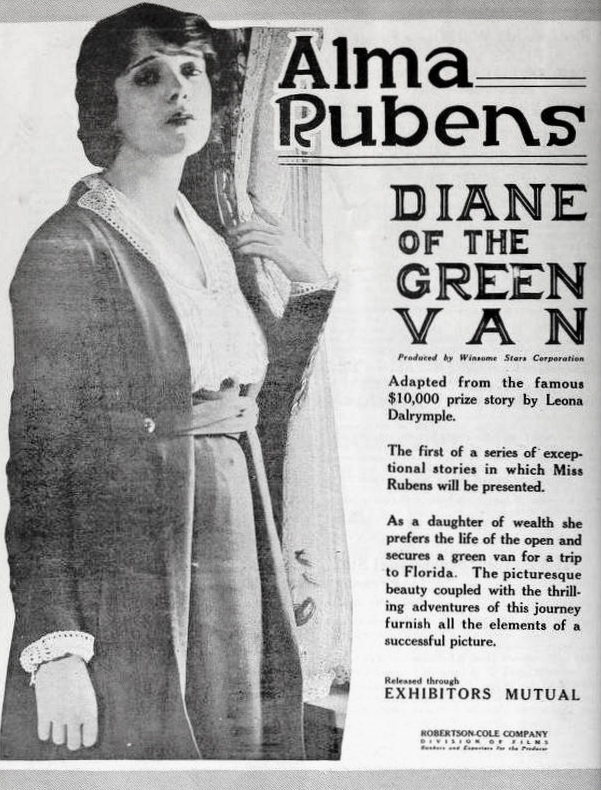
If Diane Westfall represents the escape and Madge Garvey represents the refusal, then the 1917 adaptation of Hedda Gabler represents the implosion. Described in contemporary notes as the 'degenerate daughter of a drunken, dueling father,' Hedda is perhaps the most sophisticated anti-heroine of the silent era. She doesn't want to save the world; she wants to manipulate it because she is bored to the point of madness.
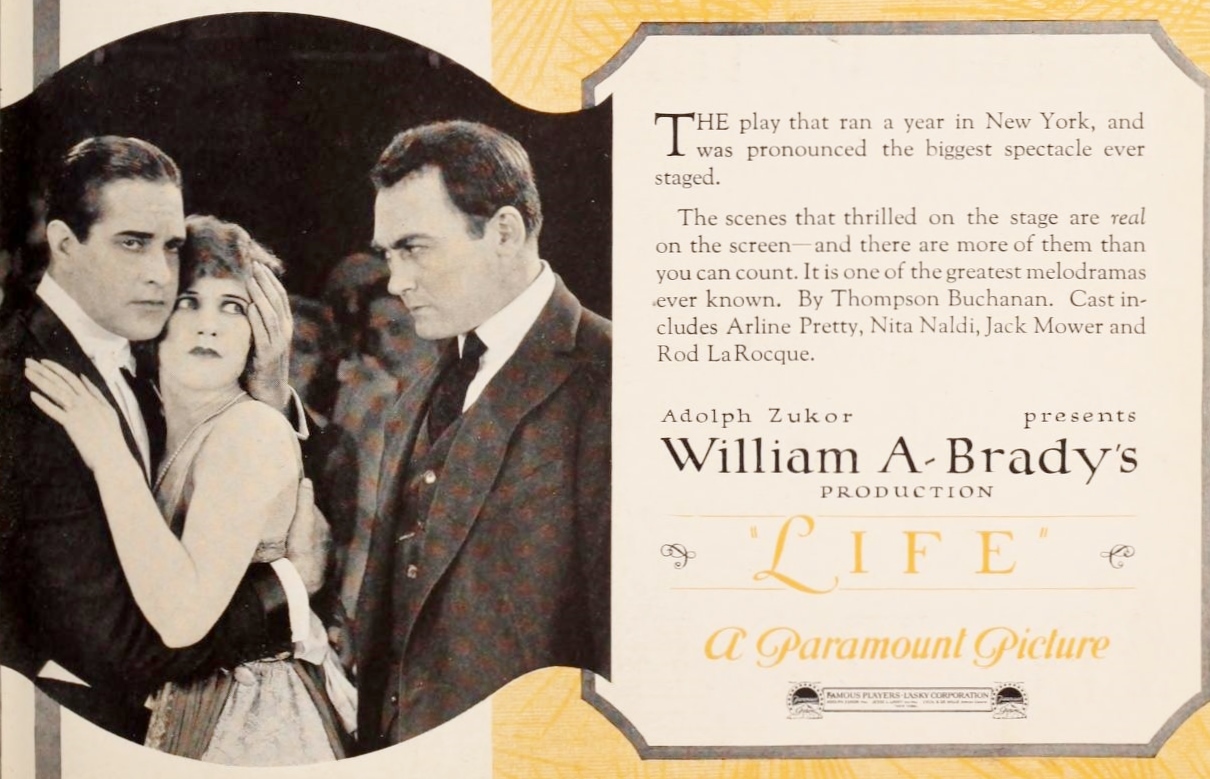
Hedda’s 'uncanny affection' for her father’s pistols is a dark, fetishistic element that feels shockingly modern. She is a woman who finds beauty in destruction and power in the 'aesthetic' act of suicide. This is high-level transgressive cinema. Hedda Gabler isn't a victim of her circumstances; she is a predator of her own boredom. By centering a film on a woman so thoroughly detached from traditional morality, the silent era was experimenting with the 'unlikable protagonist' long before it became a staple of art-house and cult circles. Her story is a precursor to the 'femme fatale' of noir, but with a more existential, nihilistic edge that resonates with the darker corners of film history.
The Beauty Market and the Commodity of the Soul
The Transactional Rebellion
In The Beauty Market (1919), we see the rebellion take a more transactional turn. The story of a young woman who agrees to marry for money, only to be thwarted by her own burgeoning sense of love and a dark secret, highlights the commodification of the female body in high society. These films were obsessed with the idea that the 'civilized' world was actually a marketplace of souls.
This critique of the 'market'—whether it be the marriage market or the labor market—is a recurring theme in the 'Social Problem' films of the era. They used the heiress as a proxy for the audience's own anxieties about their value in a rapidly changing world. When a protagonist in Caught in the Act (1918) escapes from her boarding school to seek 'excitement,' she isn't just being a 'rebellious teen'; she is rejecting the curriculum of her own domestication. She visits a 'mending shop' and interacts with journalists and commoners—crossing the class lines that were meant to keep her safe and sterile.
- The rejection of the 'selected' suitor in favor of the 'forbidden' lover.
- The use of disguise to move through the 'underworld' of the city.
- The thrill of the 'secret' life versus the public performance of wealth.
The Architecture of the 'Social Outcast'
What we often miss in our analysis of these films is how they utilized the physical spaces of the 1910s to communicate their subversive messages. The contrast between the 'wild country' of L'ira (The Wrath, 1918) and the 'modest home' where bandits are entertained by violin music creates a visual language of transgression. In these spaces, the rules of the city don't apply. Smuggling reigns, and the daughter of the house dances for the outlaws. This isn't just a setting; it’s a sanctuary for the deviant soul.
Even in more 'traditional' dramas like The Deceiver (1920), the focus on 'false principles' and the 'futility of ambition' serves to deconstruct the American Dream before it was even fully codified. The film presents a man seeking self-aggrandizement at the cost of honor, only to realize his emptiness. While the moral ending was required by the times, the bulk of the film is a fascinating study in the 'villainous' protagonist—the person who operates entirely outside the social contract. This focus on the internal rot of the 'successful' man is a direct line to the cynical, disillusioned heroes of the 1970s New Hollywood era, which itself was a massive contributor to the cult canon.
The Legacy of the Nitrate Rebel
Why does any of this matter to the modern cult film enthusiast? Because it proves that the 'cult mindset'—the devotion to the outsider, the celebration of the transgressive, and the rejection of the mainstream—is not a modern invention. It is the very foundation of the cinematic medium. The silent era was a time of immense experimentation, not just with technology, but with the limits of what a character could be.
When we watch a contemporary film about a woman rejecting her society to find a 'truer' self in the gutter or the wilderness, we are watching the ghost of Diane Westfall. When we see a protagonist look at a factory and see a soul-crushing machine, we are seeing the echo of Madge Garvey. These early 'misfit reels' provided the DNA for everything that followed. They taught us that the most interesting stories aren't about the people who fit in, but about the ones who are 'caught in the act' of being themselves, regardless of the cost.
The next time you dive into a midnight movie or a forgotten piece of exploitation cinema, remember that the first sparks of that fire were lit in the 1910s. The bored heiress, the factory rebel, and the degenerate daughter were the original architects of our cinematic obsession with the fringe. They burned down the drawing room so that we could have the underground. And in the flickering light of those early nitrate flames, we can still see the blueprint for every rebel that has ever graced the screen.
Community
Comments
Log in to comment.
Loading comments…