
DbcultAccessing Vault...
Recommendations
Senior Film Conservator
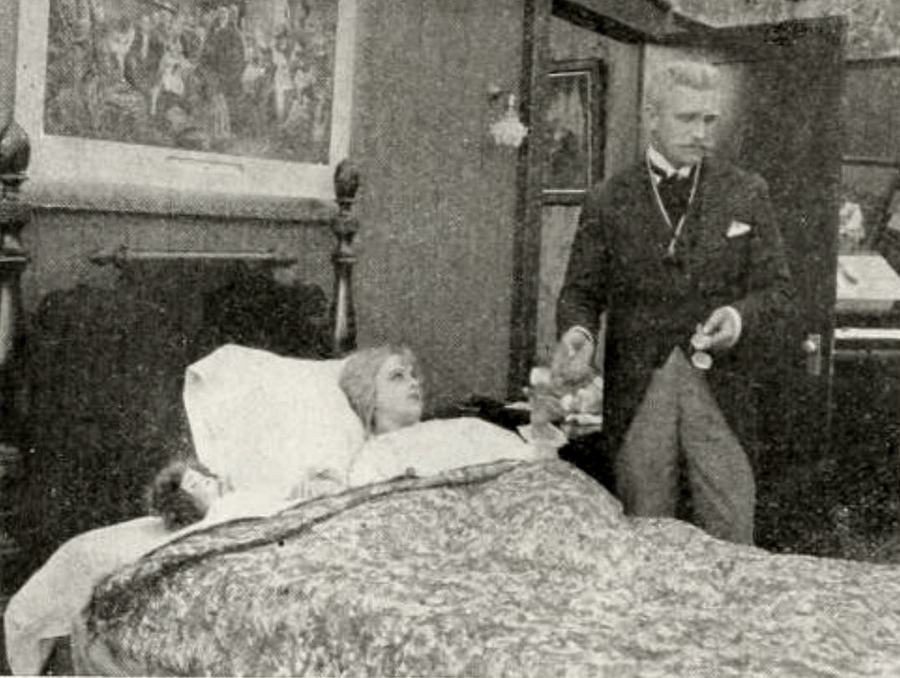
For those who were mesmerized by Jewel, a true cult masterpiece from 1915, its influence on cult cinema remains a vital reference point for fans today. This list serves as a bridge to other cult experiences that are just as potent.
The legacy of Jewel is built upon its ability to blend thematic complexity with stunning visual execution.
Mrs. Forbes, longtime housekeeper at the country mansion of disappointed, embittered aristocrat Mr. Evringham, who is almost a luxurious recluse, is worried: the household has been turned upside-down by the advent of the wife of Evringham's dead son Lawrence, who has arrived with her daughter Eloise. The mother is a schemer who, reduced to her last penny, is pulling every wire to induce wealthy young Dr. Ballard to marry Eloise. It looks as if she is going to succeed and the need for success is imperative because Mr. Evringham is set against his female dependents, whom he might expel from his home at any moment. Then word comes from another son, Harry Evringham, who writes that he and his wife must make a business trip abroad and he asks his father to take Jewel, the child he has never seen, into his home until they return in six weeks. Old Mr. Evringham reluctantly agrees to his son's request. He hates children and is gruff, unresponsive, and self-centered. The only reason he agrees to take the child is because his daughter-in-law, the widow, tries to get him to refuse. He hates this daughter-in-law; therefore takes Jewel in to spite her. Upon her arrival, Jewel meets with a very cool reception. She finds that, according to the Christian Science teachings with which she is familiar, that she has entered a household of hatred and discord. She puts the scriptures and Mrs. Eddy's teachings to practical use and proves to all scoffers that she has found and can demonstrate the truth. Jewel takes a strong liking to her bluff, stern, old grandfather and he finds his heart softening under her influence. She cures herself of a fever which she says came o because a shadow of hatred passed over her for the house's inmates. She wins the heart of the grim housekeeper when she redeems her drunkard son from the grip of the liquor demon, she converts Eloise to the truth of Divine Science, and she proves to everyone that Science can win in spite of all. She reaps a harvest of good from a bleak, barren soil, uniting the strained and jarring household by chain after chain of love.
Based on the unique cinematic excellence of Jewel, our vault has identified these titles as the most compelling follow-up experiences for fans of cult cinema:
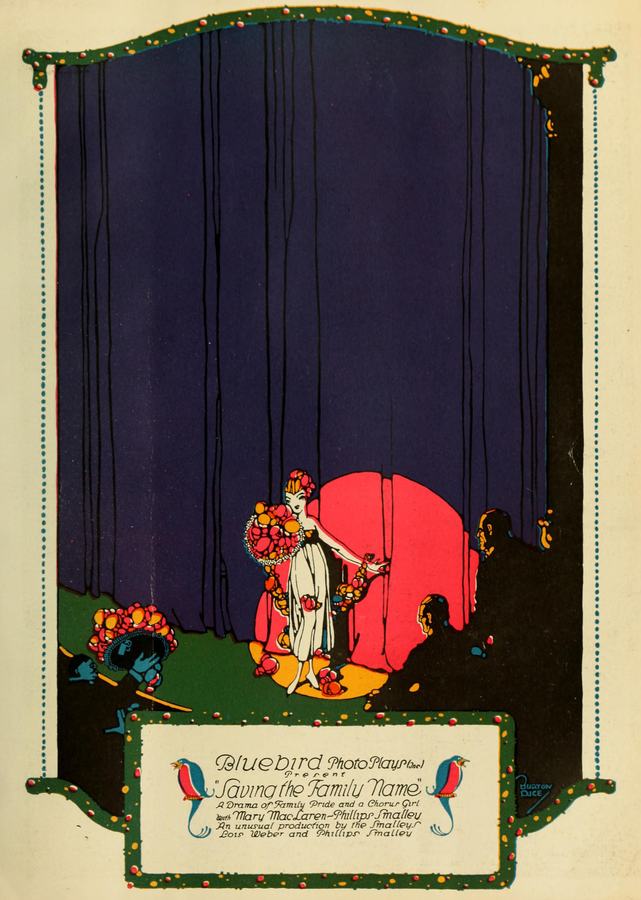
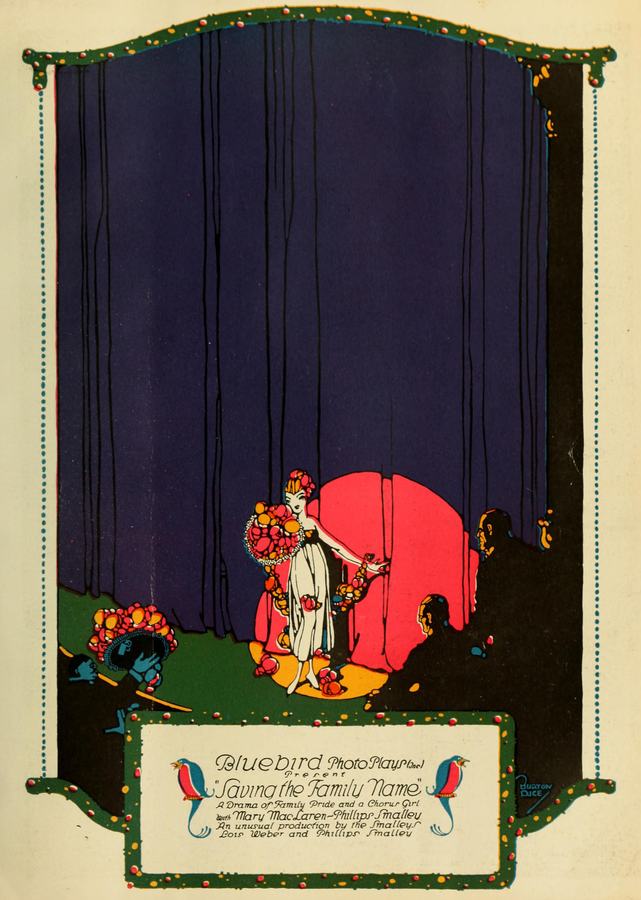
Dir: Phillips Smalley
Wally Dreislin commits suicide because his family disapproved of his romance with chorus girl Estelle Ryan, the newspapers, delighting in all the details of the affair, turn Estelle into a national celebrity. Fame only increases her power to attract men, and she soon is involved in a romance with Jansen Winthrop, another young man from a wealthy family. Jansen's alarmed mother then begs Robert, her other son, to end the relationship. Obediently, Robert kidnaps Estelle and takes her to a remote hunting lodge with plans to keep her there until she agrees to leave Jansen. After several weeks, however, Robert realizes that Estelle's reputation as a vamp has been completely engineered by the press. As a result, Robert sends for Jansen to retrieve his sweetheart, but when he arrives, Estelle announces that she has fallen in love with her abductor, and then begins a romance with him.
View Details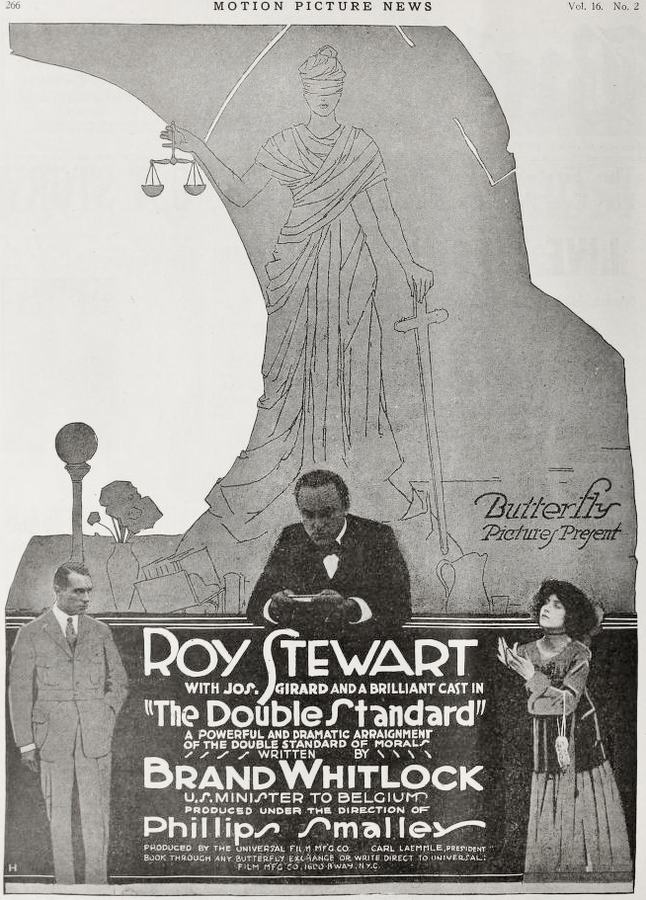
Dir: Phillips Smalley
Newly elected police court judge John Fairbrother is impassioned when it comes to the laws affecting the dives and cabarets of the city, and promises equal justice for all. The source of his crusading passion is the loss of his own sister to the lure of the notorious Johnson Café years earlier. His wife Grace's two prominent brothers, newspaper editor George Ferguson and Episcopal Bishop William Ferguson, worked hard to elect Fairbrother to office, and although they are initially puzzled by the judge's intent to shut down dance halls and cabarets, they agree to stand behind him after he confides to them about his fallen sister. However, on the day when Fairbrother takes his seat on the bench, he is called upon to sentence Mace and Lily, two young women arrested for disorderly conduct during a police raid on the same Johnson's Café that claimed the purity and ultimately the life of his sister. Lily is a brazen city girl, while Mace is a shy "country mouse" who fell into bad company. When the judge demands to know the names of the men who accompanied Mace and Lily at the time of their arrest and are therefore guilty of the same charge, the arresting detectives shock him with the revelation that one is Charles Ferguson, the son of the editor, and the other is the nephew of the bishop. Enforcing his principles, Fairbrother demands that the young men be sentenced with the women. This causes much consternation, but the judge devises a fair method for solving the double standard. He declares all four defendants guilty, but then suspends their sentences pending good behavior. He convinces Mace to return home to the country, and secures an office job for Lily. Discovering that the young ladies' apartment building is owned by his wife's family, Judge Fairbrother realizes that the roots of evil sometimes grow close to home.
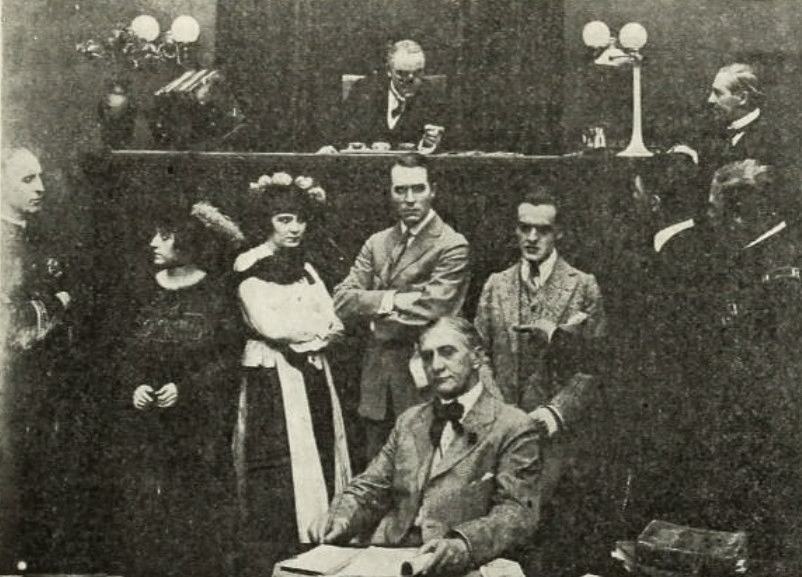

Dir: Phillips Smalley
Fenella, a poor Italian girl, falls in love with a Spanish nobleman, but their affair triggers a revolution and national catastrophe.
View Details
Dir: Phillips Smalley
Olaf writes his memoirs, before his execution. He tells of his life as a struggling farmer when Renie, stranded in the village, stays one night in his home and Olaf falls in love with her. Later, two men take rooms in the house, and Olaf, to get all their money, kills one of them and wounds the other, Paul. Paul is convicted of the murder and goes to jail, while Olaf, guiltily feeling the "eye of God" upon him, leaves his farm and starts wandering. Meanwhile, Renie, who had been Paul's fiancée, vows to find the real murderer. She once again meets Olaf, whom she has always suspected, and pretends to love him. Then she accuses him of the murder and keeps on accusing him until he, worn down, finally confesses, thereby freeing Paul.
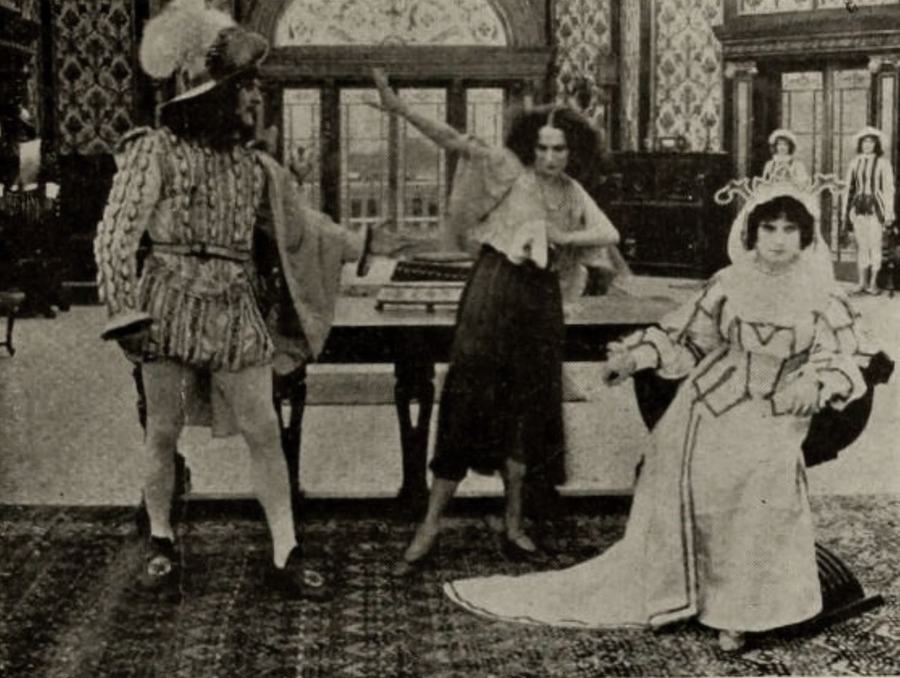
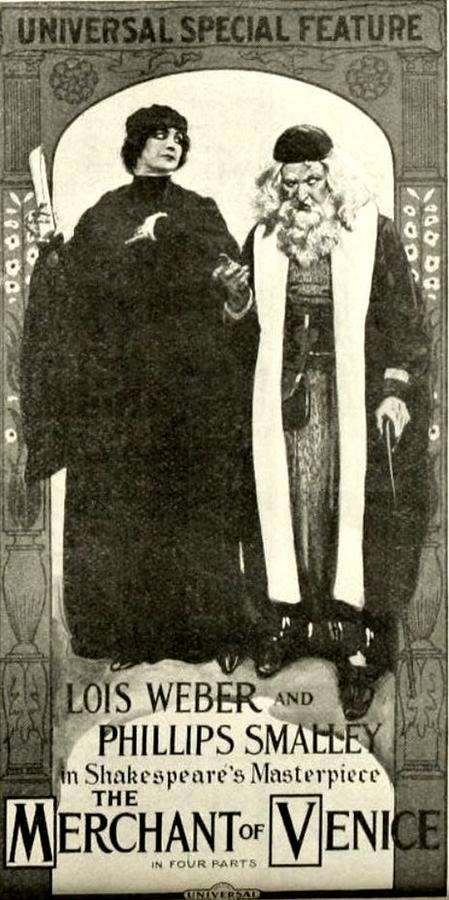
Dir: Phillips Smalley
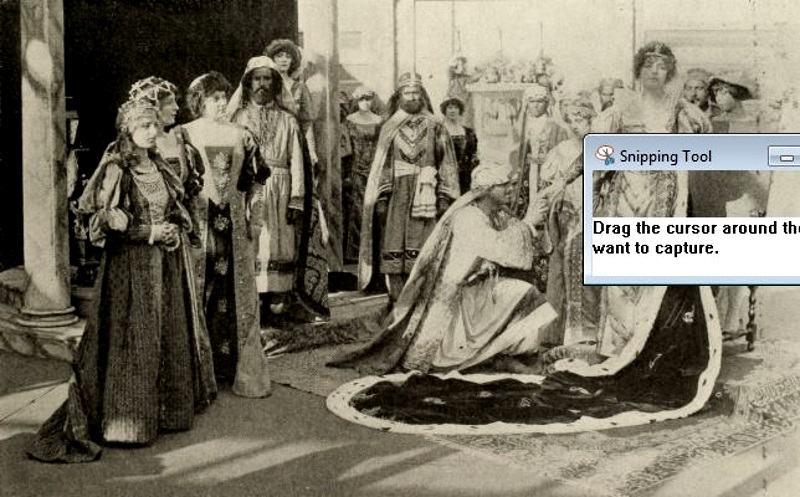
A rich merchant, Antonio is depressed for no good reason, until his good friend Bassanio comes to tell him how he's in love with Portia. Portia's father has died and left a very strange will: only the man that picks the correct casket out of three (silver, gold, and lead) can marry her. Bassanio, unfortunately, is strapped for cash with which to go wooing, and Antonio wants to help, so Antonio borrows the money from Shylock, the money-lender. But Shylock has been nursing a grudge against Antonio's insults, and makes unusual terms to the loan. And when Antonio's business fails, those terms threaten his life, and it's up to Bassanio and Portia to save him.
View Details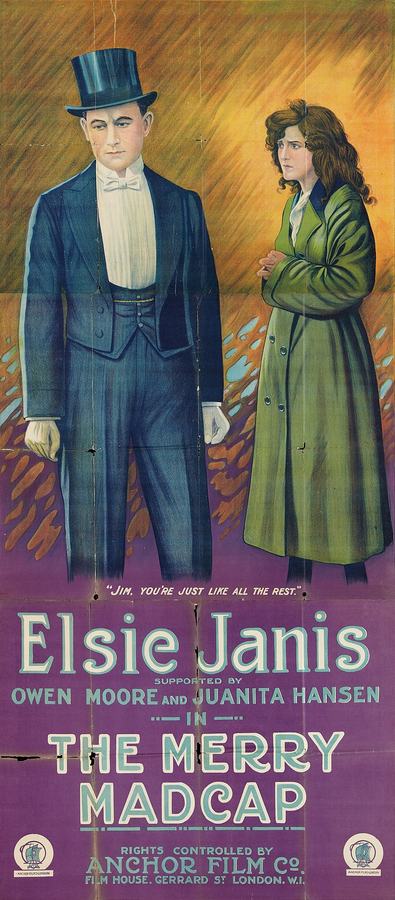
Dir: Phillips Smalley
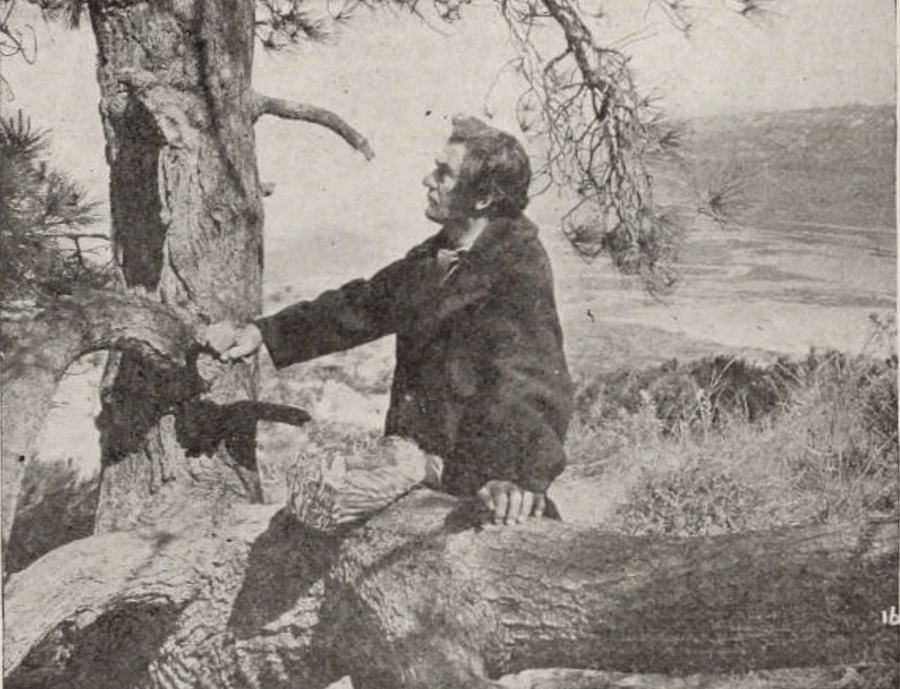
When Betty arrives from the Convent to visit her uncle's family they are careful to hide all the extreme low-necked gowns and other worldly things lest they shock the devout convent girl. Instead of shocking, Betty finds them fascinating and they install in her a desire to learn more about the fascinations of the world. When Jim Denning proposes to her, she says she loves him but she must see the world first. Angrily he leaves her as she sits beside the fireplace, whose dreamy flames inspire her to tempt a knowledge of things unknown to her. Out into the world she goes, where she sees and learns many things but with pangs and heartache. At a vital moment when she is about to faint dead away, the faithful Jim arrives and catches her in his arms. Betty awakens to find it has all been just a dream, and faithful Jim has no problem convincing her of the full meaning of a home and that the world and its false promises are not for her.
Dir: Phillips Smalley
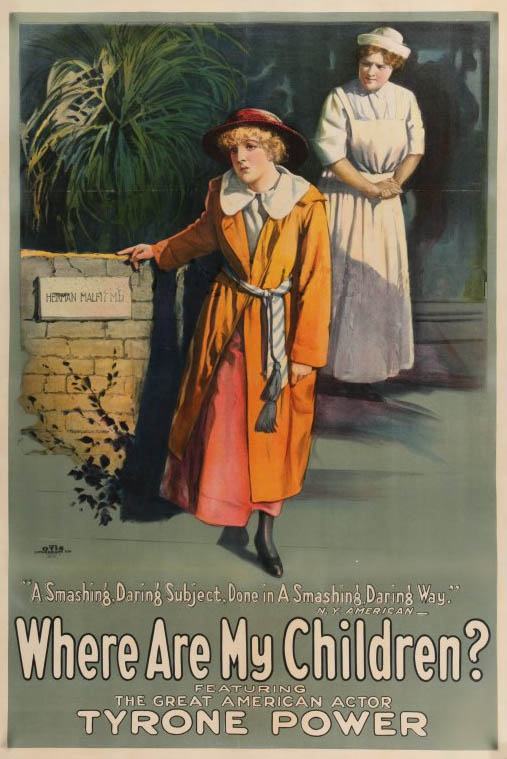
A District Attorney's outspoken stand on abortion lands him in trouble with the local community.
View Details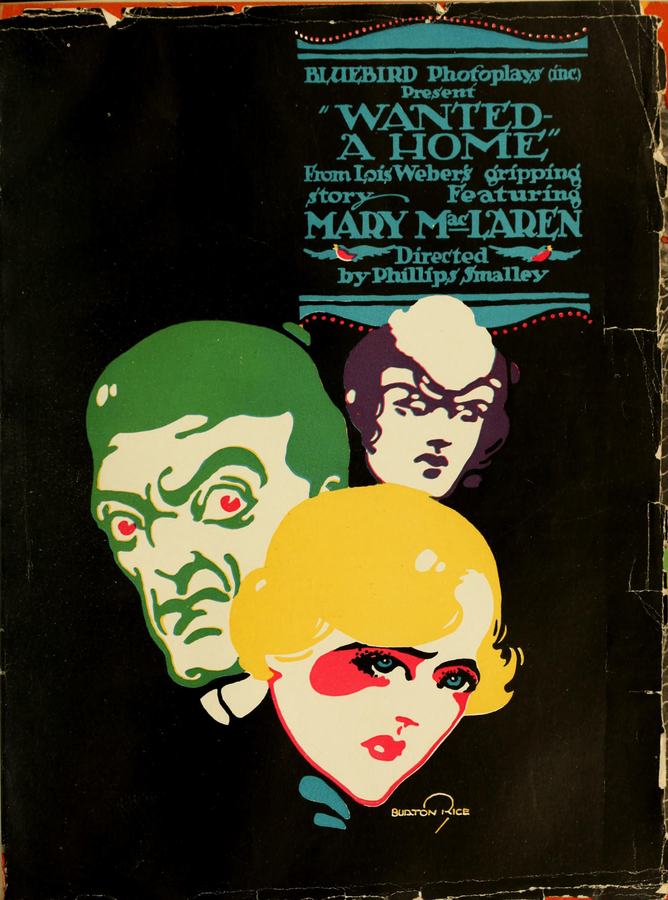
Dir: Phillips Smalley
Homeless Mina Rogers is desperate for a job, is briefly employed as a housemaid for three nurses. When she loses the job, she decides to impersonate one of the nurses to take a job at the home of wealthy invalid Harvey Gorman. There, she comes under the control of Gorman's male nurse Roberts, who, discovering her deception, forces her to aid in his plan to acquire the money that Gorman plans to leave to his ranch foreman Cal Morgan. While Roberts begins poisoning Gorman with arsenic, Mina is instructed to seduce Cal into proposing to her, a plan that fails only because the jealous daughters of the ranch's housekeeper expose Mina's charade. When it is learned that Gorman is being poisoned, Mina is suspected, but a letter is eventually discovered that incriminates Roberts. Dr. Prine, Gorman's doctor, has fallen in love with Mina and, after hearing the story of her miserable childhood, forgives her impersonation.
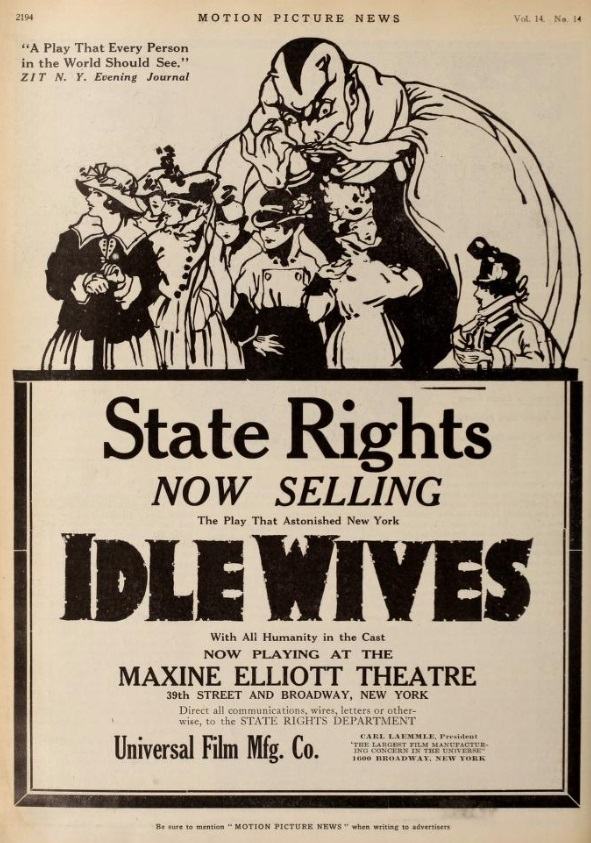
Dir: Phillips Smalley
John Wall meets his new sweetheart and takes her to the movies; his neglected wife Anne follows them there. Molly, disobeying her parents, meets her boyfriend at the same theater. A working man with his wife and children, all obsessed with the sordidness of their lives, also attend the movie, as does a dishonorable young man. They watch a film called 'Life's Mirror' in which they see their own lives turned into dramas, complete with possible "final curtains.": Molly, who refuses to listen to her parents, sees her motion-picture surrogate give birth to an illegitimate child after she is abandoned by her boyfriend; Anne Wall, tired of the phoniness of John's wealthy family and friends, deserts him and their children to return to the slums and do charity work for the needy. After the movie, John, sadder but wiser, leaves his sweetheart and goes home with Anne, Molly decides to apologize to her parents, the working man's family realizes that they must look to the future, and the young man promises to lead a more responsible life.
View Details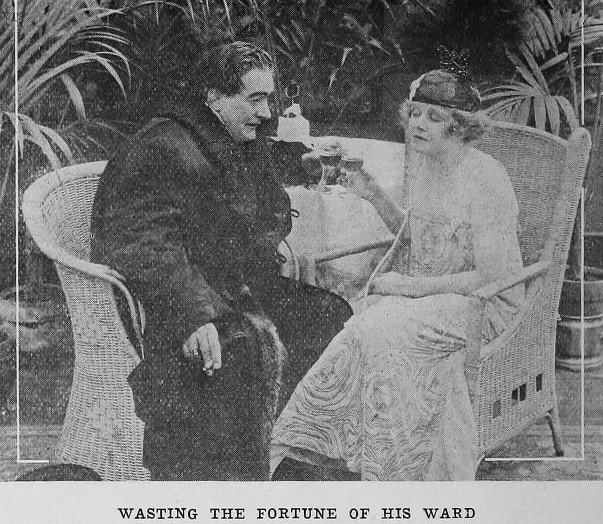
Dir: Phillips Smalley
John Needham is the last of a long line of profligate Englishmen and just in the nick of time to save him from beggary, comes word that he has been appointed guardian of Thomas Creighton, and placed in charge of the millions which have been left as the heritage of the boy. Packing young Creighton off to a boarding school, Needham takes possession of the Creighton estate and begins a life of riotous dissipation. Several years elapse, until one morning Needham receives a letter from America stating that young Creighton is coming home to demand possession of his estate and will require an accounting for every penny. Joseph Norbury lives in a quiet English village and reads the news that Needham has been appointed executor of the Creighton estate. Norbury's wife remarks that with his mustache off. Norbury could easily be taken for Needham. In after years Norbury moves to London, where he and Needham met at the same club and become fast friends. When Needham learns that he is to be called to account for his stewardship, he realizes that imprisonment faces him and to avoid disgrace, he undertakes to devise measures to commit murder. Having sent to the Creighton country seat the servants from the Creighton townhouse, he invites Norbury to visit him. During the evening, Needham contrives to drop poison into the wine which Norbury drinks and after Norbury falls dead upon the floor, Needham changes clothes with the corpse. The murderer then goes to Norbury's home and undertakes to pass himself off as Norbury. The papers next morning relate how John Needham has been found a suicide in the Creighton mansion. Upon discovery of the corpse, Parks, who has been Needham's valet, refuses to believe that the dead man was his master, and through this suspicion and some good detective work by Parks, Needham is subsequently accused of the crime. Taking advantage of momentary opportunity, Needham drinks some of the same poison which he had given to Norbury and dies.
View DetailsAnalysis relative to Jewel
| Film Title | Atmosphere | Complexity | Similarity |
|---|---|---|---|
| Saving the Family Name | Ethereal | Abstract | 93% Match |
| The Double Standard | Surreal | High | 89% Match |
| The Dumb Girl of Portici | Surreal | Dense | 92% Match |
| The Eye of God | Ethereal | Dense | 90% Match |
| The Merchant of Venice | Ethereal | Dense | 89% Match |
This guide was algorithmically generated using the cinematic metadata of Phillips Smalley's archive. Last updated: 8/17/2026.
Back to Jewel Details →