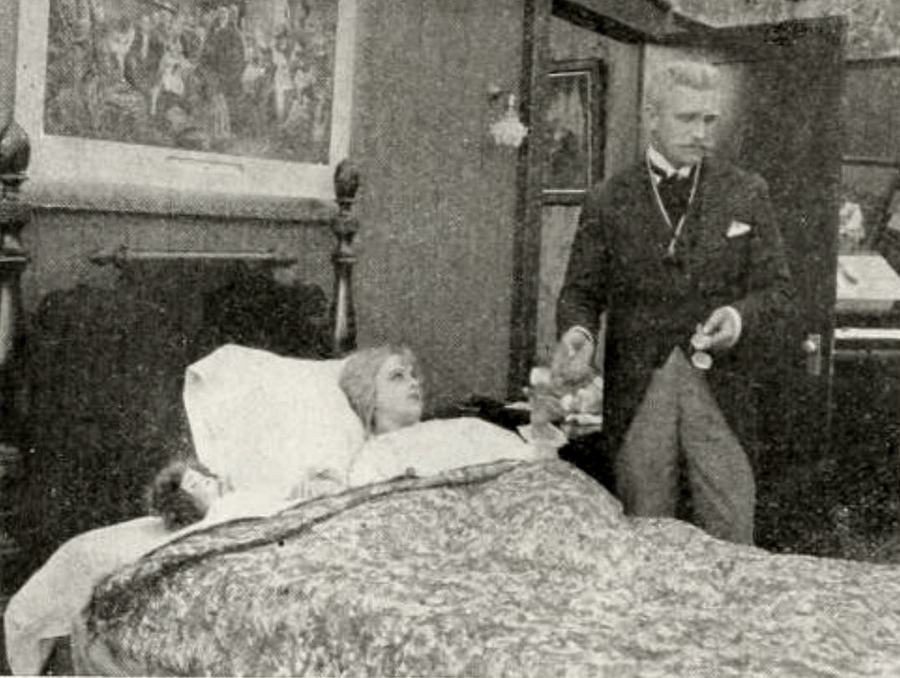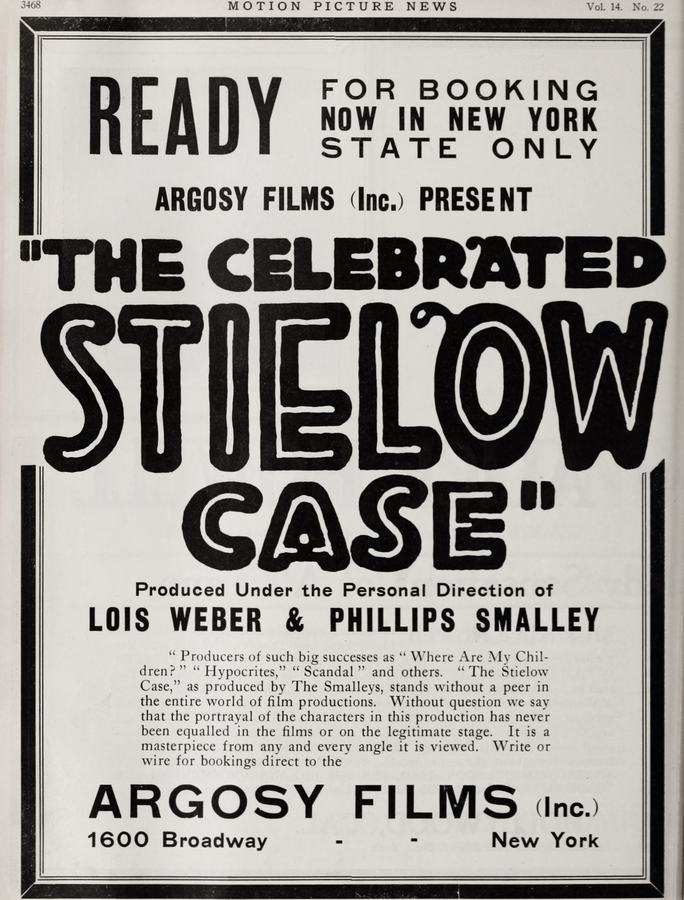
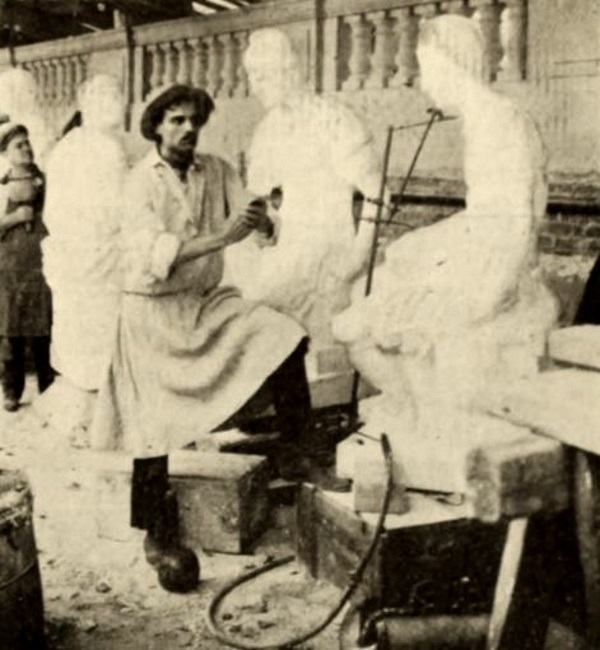
Inspired by the true story of immigrant Charlie Stielow who was currently on death row for a double murder. The movie was released 2 years before the conclusion of his case, and was purposely made to sway public opinion about the death penalty.
United States
The Intersection of Celluloid and the Scaffold In the annals of early American cinema, few figures loom as large or as ethically formidable as Lois Weber. With The Celebrated Stielow Case, Weber did not merely direct a motion picture; she orchestrated a cinematic intervention. Released in 1916, while the actual Charle...
Comparing the cinematic DNA and archive impact of two defining moments in cult history.
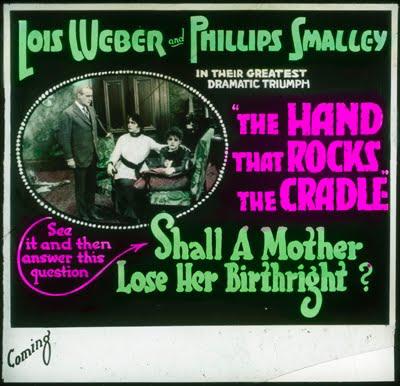
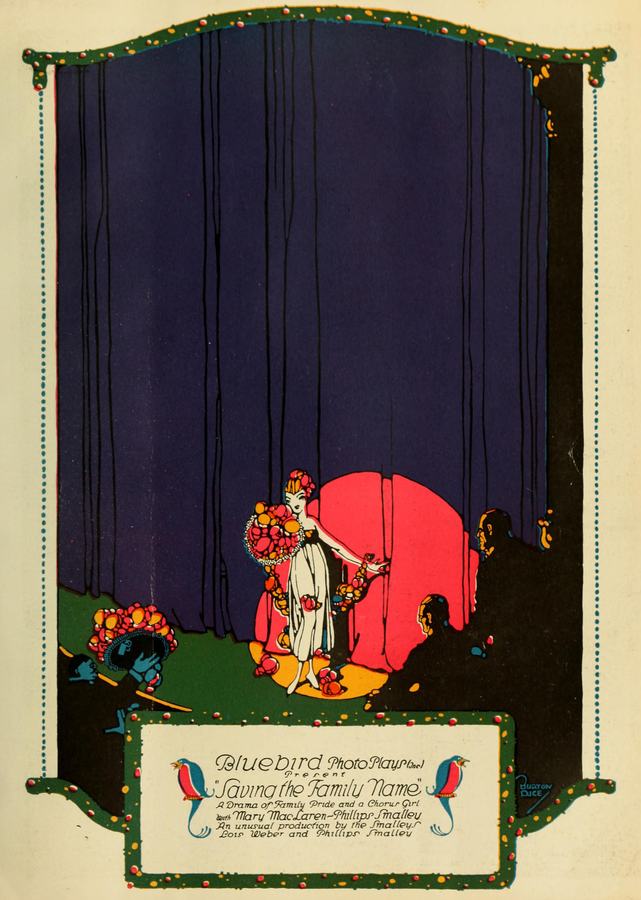
Phillips Smalley
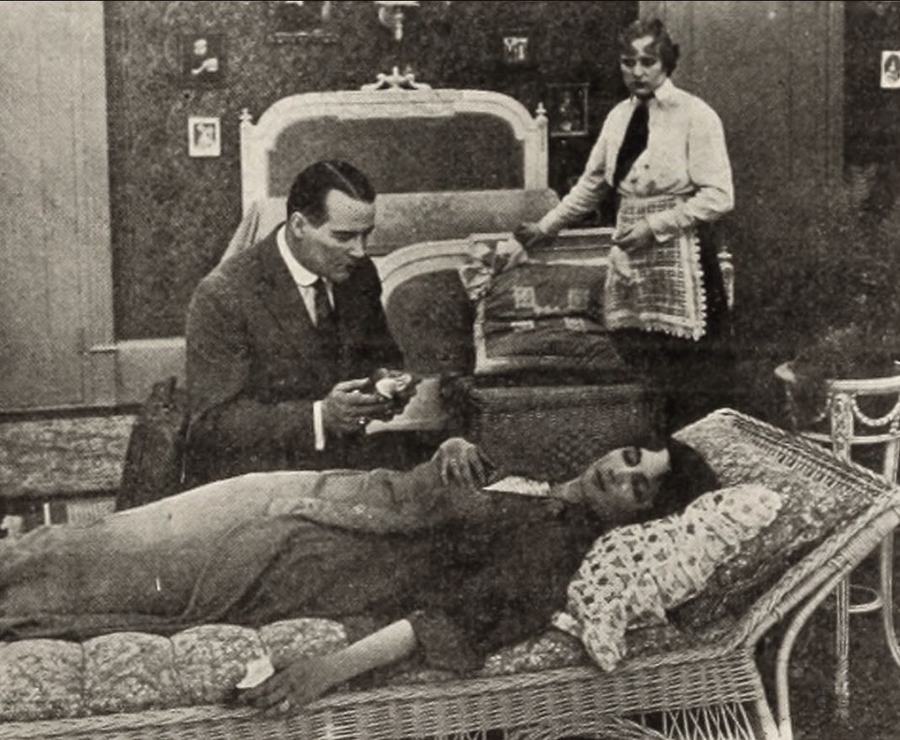
Phillips Smalley
Community
Log in to comment.
" The Intersection of Celluloid and the Scaffold In the annals of early American cinema, few figures loom as large or as ethically formidable as Lois Weber. With The Celebrated Stielow Case, Weber did not merely direct a motion picture; she orchestrated a cinematic intervention. Released in 1916, while the actual Charles Stielow was still fighting for his life on death row, the film represents a daring fusion of reportage and advocacy. It is a work that eschews the escapism found in contemporarie..."

Deep dive into the cult classic
Discover similar cinematic experiences
A Directorial Spotlight on Phillips Smalley