
DbcultAccessing Vault...
Recommendations
Senior Film Conservator
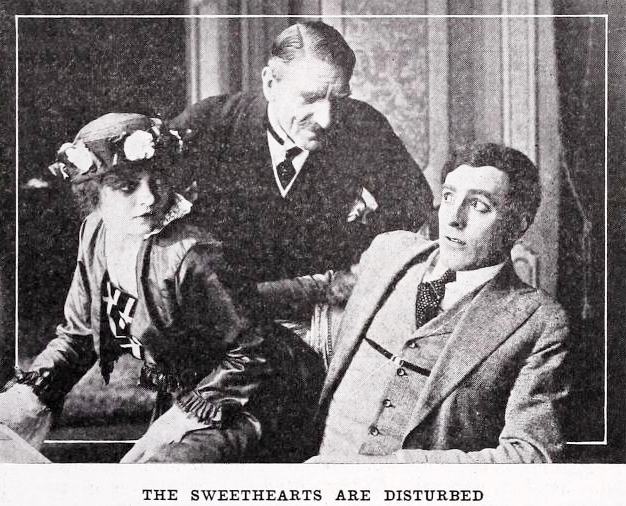
The cult sensibilities displayed in John Glayde's Honor are unparalleled, the emotional payoff of the 1915 classic is what fans crave in similar titles. Our criteria for this list were simple: only the most stylistic flair and relevant titles.
The cultural footprint of John Glayde's Honor in United States to define the very concept of stylistic flair in modern film.
John Glayde is a stone-hearted man intent on wealth to elevate his family, losing his wife to another man in the process.
The influence of George Irving in John Glayde's Honor can be felt in the way modern cult films handle stylistic flair. From the specific lighting choices to the pacing, this 1915 release set a high bar for atmospheric immersion.
Based on the unique stylistic flair of John Glayde's Honor, our vault has identified these titles as the most compelling follow-up experiences for fans of cult cinema:
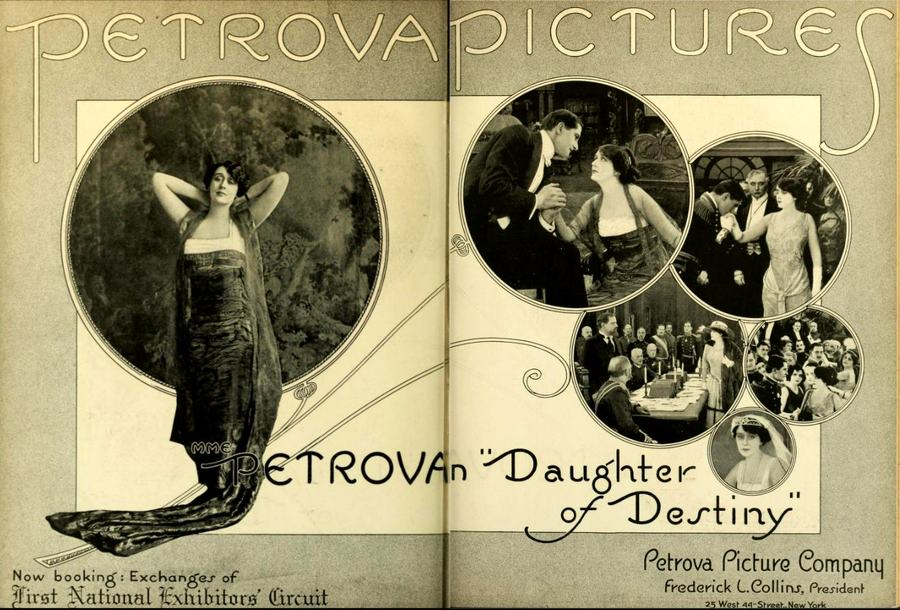
Dir: George Irving
Married to a spy who seeks to induce her to betray her country, the daughter of the American Ambassador to Belmark welcomes the news of her husband's death not knowing that he has merely staged a deception. She becomes the morganatic wife of Prince Leopold, of Belmark, but renounces the marriage that war may be avoided, only to learn that the new alliance means a still greater war. She persuades Leopold to renounce the compact, then saves his life by throwing herself between him and an exploding bomb, but the story does not end there.
View Details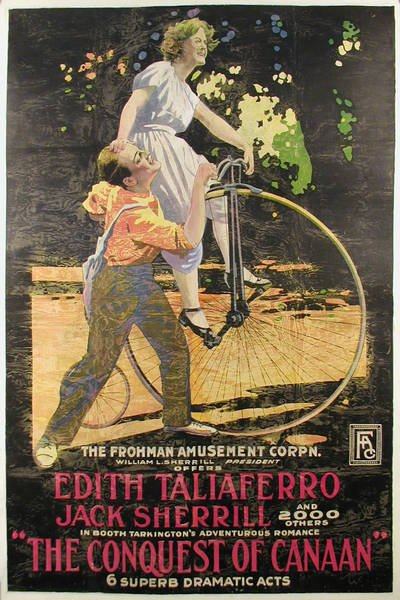
Dir: George Irving
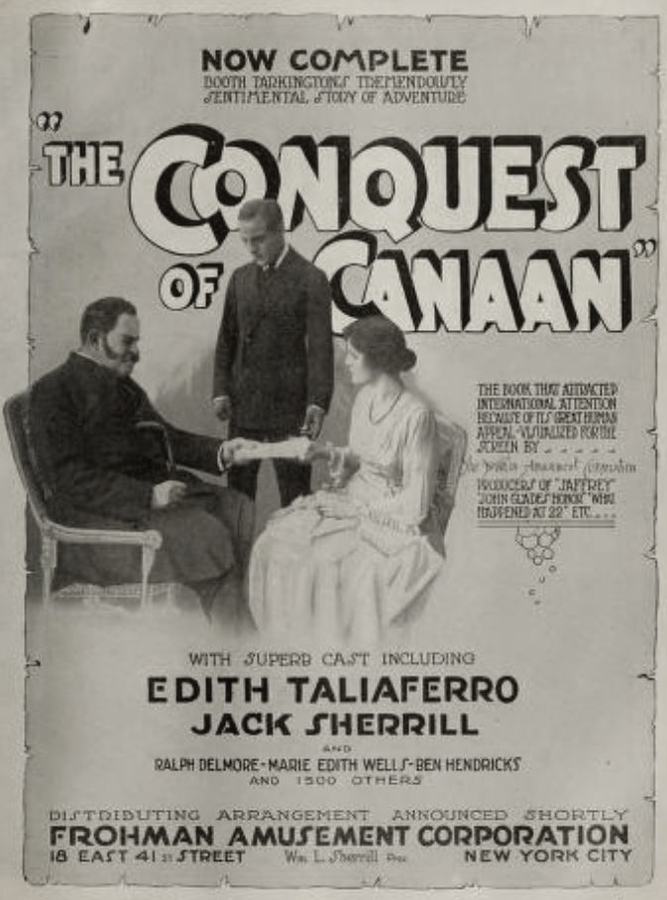
Ne'er-do-well Joe Louden scandalizes his small town and especially the proper Judge Pike. But through the love of young Ariel Taber, Joe shows the town who the real scoundrel is.
View Details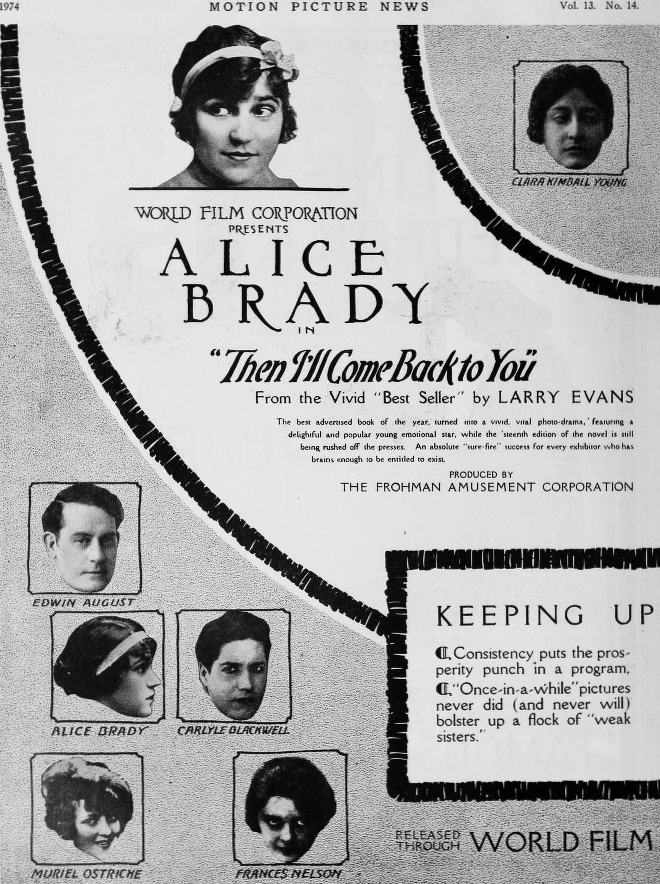
Dir: George Irving
Mountain boy Steve O'Mara, living in the Adirondack Mountains, who loves to fight, is taken in by a well-to-do family after the death of his foster father. Steve is attracted by a young girl, Barbara, who is visiting his family, but she is repelled by his violent behavior. He fights another boy over her affections and then vows not to return until he corrects his ways and makes good. Ten years pass, and Steve has become a road construction engineer with the East Coast Railroad Company. He is trying to complete a railroad being built through his home town. Barbara is now engaged to Archie Wickersham, who for financial reasons is trying to prevent the railroad from being completed. After several delays, Steve brings his rival's unscrupulous business practices to light. When Barbara witnesses the fight that ensues between Steve and her fiancé, she runs off and gets lost in the forest. After a search party is formed, Steve finds her and she realizes that she loves him. Harrigan, one of her fiancé's henchmen, witnesses this tender scene and shoots Steve. Barbara then draws Steve's pistol and shoots Harrigan dead. Only wounded, Steve finally is embraced by Barbara.
View Details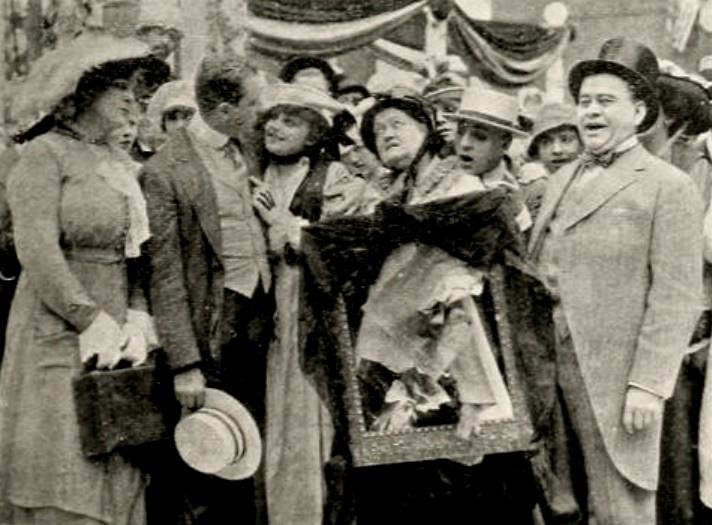
Dir: George Irving
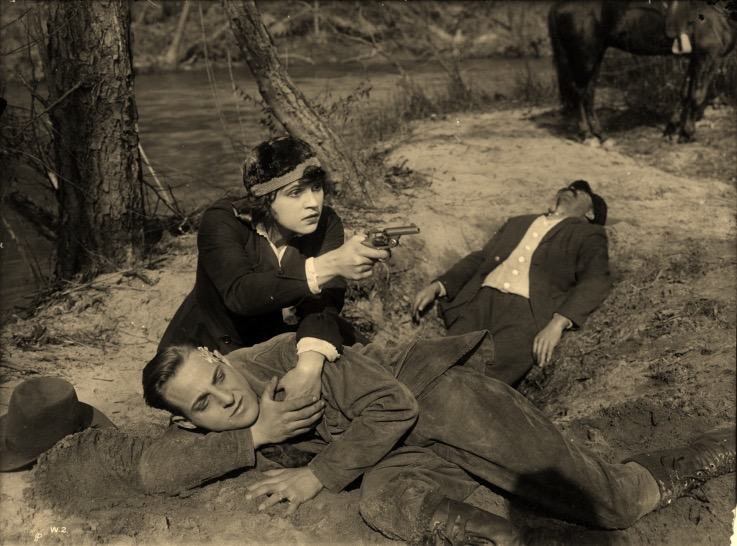
Edward Swinger contrives to win the hand of the lovely Caroline Pickering by selling her father his business - a business that doesn't actually exist.
View Details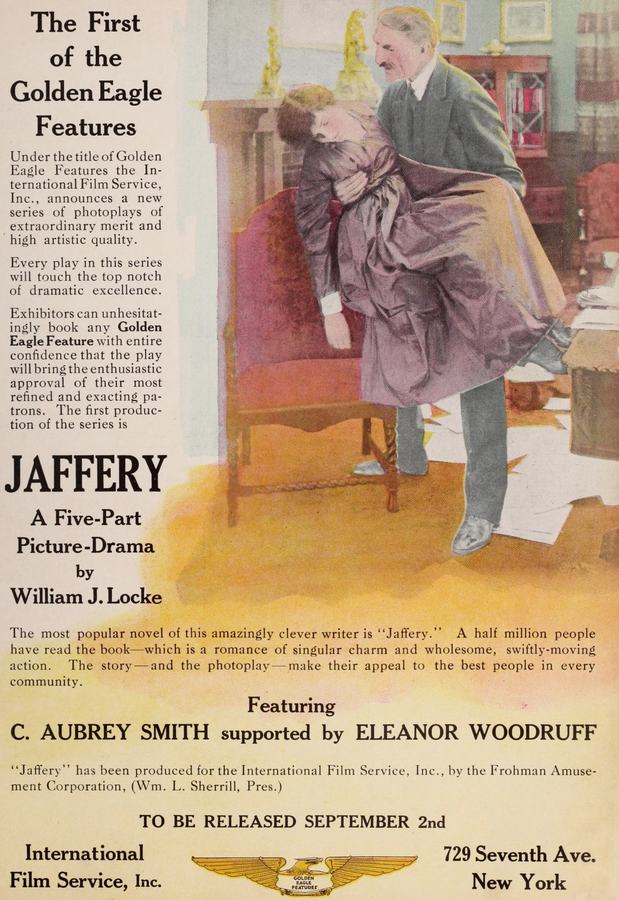
Dir: George Irving
Jaffery Chayne is the spectacular one of four chums, the others being Hilary Freeth, a literary man, Adrian Boldero, a short story writer, and Tom Castleton, a playwright. The story opens with Tom Castleton going on a voyage for his health and leaving with his friend, Adrian, the manuscript of the first novel he ever attempted. Shortly after Castleton's trip, he dies at sea and when word is received by Adrian of his friend's death, the temptation to secure the girl he loves by publishing his friend's novel and taking the money and credit from it is so strong that he succumbs and becomes the "literary lion of the hour." Jaffery returns to London with the widow of his associate, who is an Albanian chieftain's daughter, the last one of her tribe. Jaffery arrives in London with this strange woman and she is introduced into the household of Hilary Freeth and meets Jaffery's friends. Adrian brings his sweetheart, Doria, and when she is introduced to Jaffery, it is a case of love, on Jaffery's part, at first sight, he having no eyes for Liosha, the widow desperately in love with him. Doria, however, marries Adrian, supposed to be the great author, and Jaffery leaves Liosha in London and then goes on another expedition. On his return he finds Adrian dead. His love for the wife, Doria, is as strong as ever and he tenderly cares for her and takes charge of Adrian's affairs. When Jaffery and Hilary are appointed the legal executors of Adrian's estate they find the original novel in Castleton's handwriting and nothing that could be made into a second novel from the pen of Adrian. They realize that Adrian has stolen his fame and fortune and that his conscience really has killed him. Jaffery realizes that the knowledge of this will probably be the death blow to Doria, who has always worshiped Adrian as a genius, so he takes the papers home and puts them out of sight in his desk and then begins to go through his own experiences and from them he writes a novel, signs it with Adrian's name and gives it to the publishers as the second work of the literary genius. The novel does make a tremendous sensation. When Jaffery proposes marriage to Doria she refuses him. The former starts on a long voyage. Liosha begs to go, too. Jaffery consents. The result is the strengthening of the love of Liosha for Jaffery. Doria learns the perfidy of her late husband and offers to be the wife of Jaffery in gratitude for his self-sacrifice. Jaffery, however, discovers he loves Liosha and Doria releases him.
View Details
Dir: George Irving
A fascinating piece of cinema that shares thematic elements.
View Details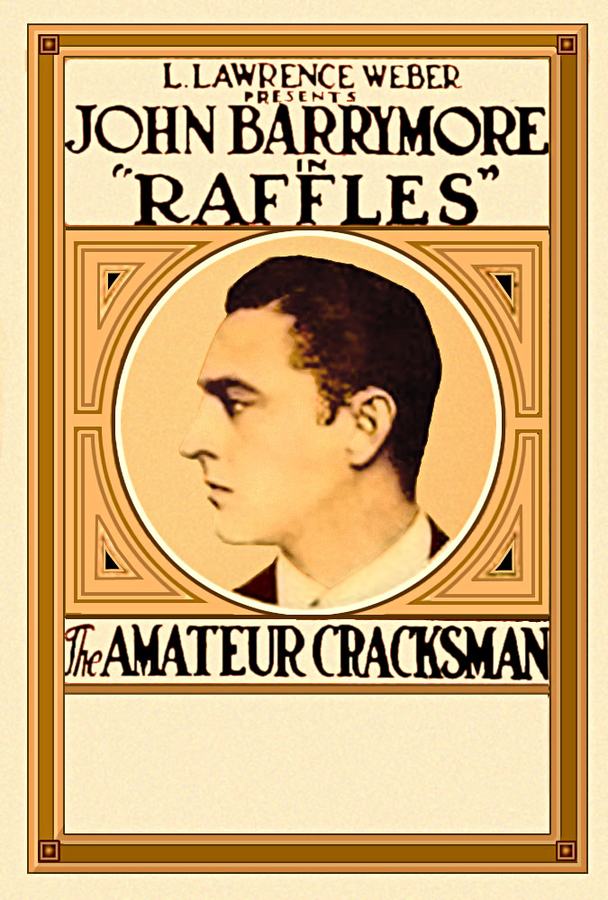
Dir: George Irving
Gentleman burglar Raffles tries to get his hand on a priceless pearl.
View Details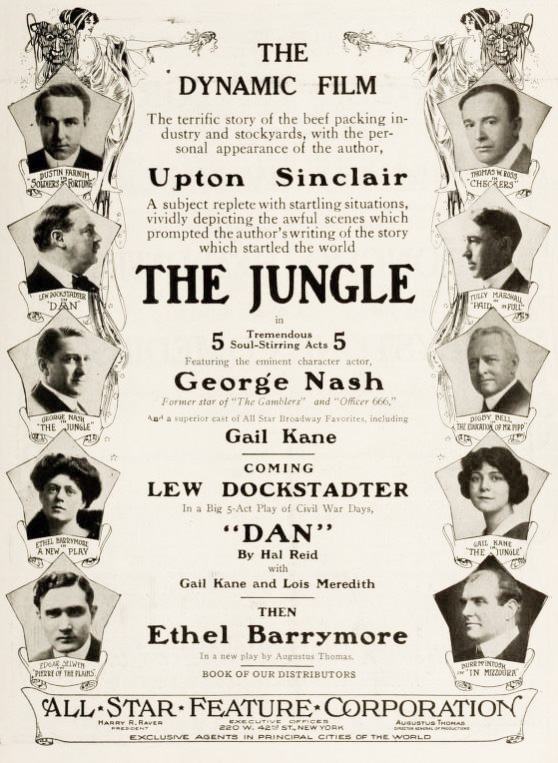
Dir: George Irving
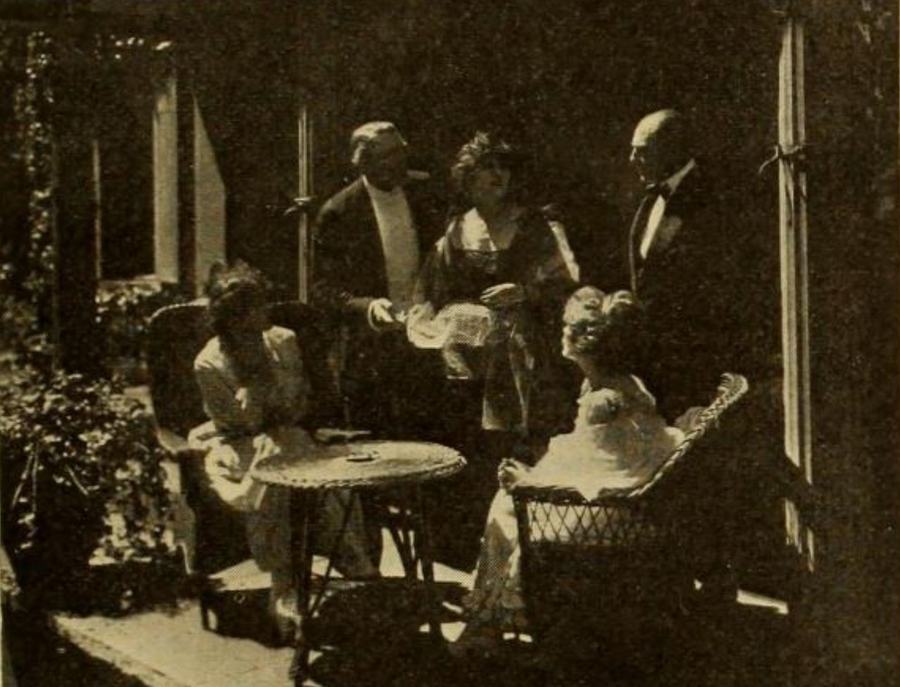
Loyal slave of the aristocratic Dabney family, Dan is overjoyed when Raoul becomes engaged to Northerner Elsie Hammond and his sister Grace becomes engaged to Elsie's brother John. When the Civil War breaks out, the heartbroken Hammonds return North and John joins the Union army. Raoul joins the Confederacy, but his vindictive overseer, Jonas Watts, becomes a Union officer. Watts takes Grace prisoner, but before he can act on his desires, John rescues her. He then encounters Raoul and is obliged to arrest him, but Dan comes to his aid by throwing red peppers into his captors' eyes. When John is arrested by Confederates, Raoul frees him for Grace's sake, but when his superiors discover his treason, he is sentenced to death. Stonewall Jackson, a family friend, tries to obtain a stay of execution for Raoul, but in the meantime, Dan visits him and convinces his master to blacken his face and take the slave's place. He does, and Dan is executed. After the war, Raoul and Elsie, and John and Grace marry and settle on the Dabney estate.
View Details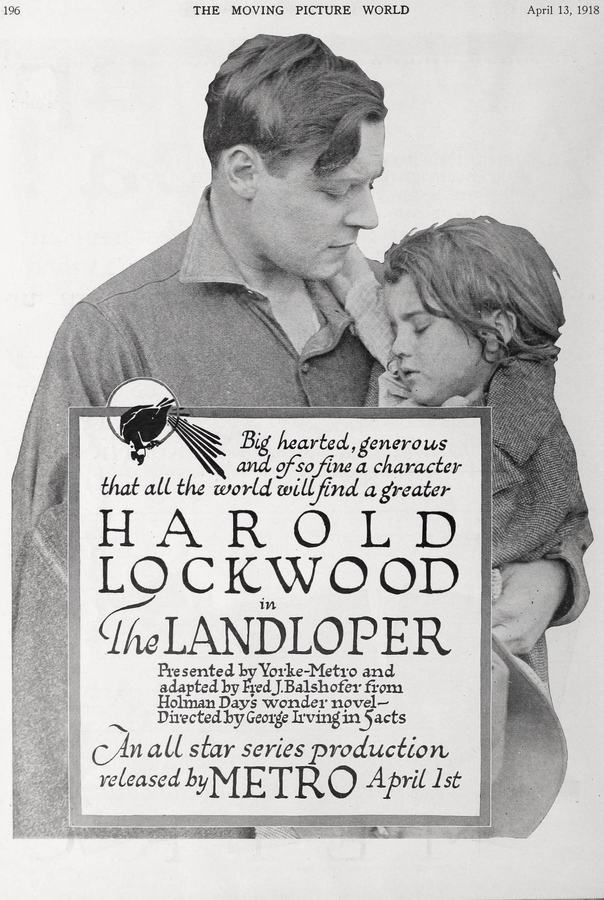
Dir: George Irving
At a lavish luncheon in Palm Beach, Walker Farr, a wealthy and idle young man, bets that he can live in perfect contentment as a penniless hobo and sets out to prove it. On the road, Walker meets Kate Kilgour and her fiancé, Richard Dodd, but upon his arrival in the town of Marion he learns that she is being forced into the marriage by her mother, who owes Richard $5,000. Walker helps a deformed but cheerful river man named Etienne Pickerone to retrieve the body of a woman who has drowned herself, and after reading the note found on her clothing, he goes directly to her house and adopts her little girl Rose-Marie. For a time, Walker works as an ice wagon driver to support the child, but a typhoid epidemic caused by contaminated drinking water strikes the town, and Rose-Marie dies. Having learned that Col. Simon Dodd, Richard's uncle and a corrupt local official, is responsible for the epidemic, Walker leads an election campaign that results in Dodd's defeat. After Kate settles her debt with Richard, which leaves her free to marry Walker, the "hobo" discloses his real identity, and all ends happily.
View Details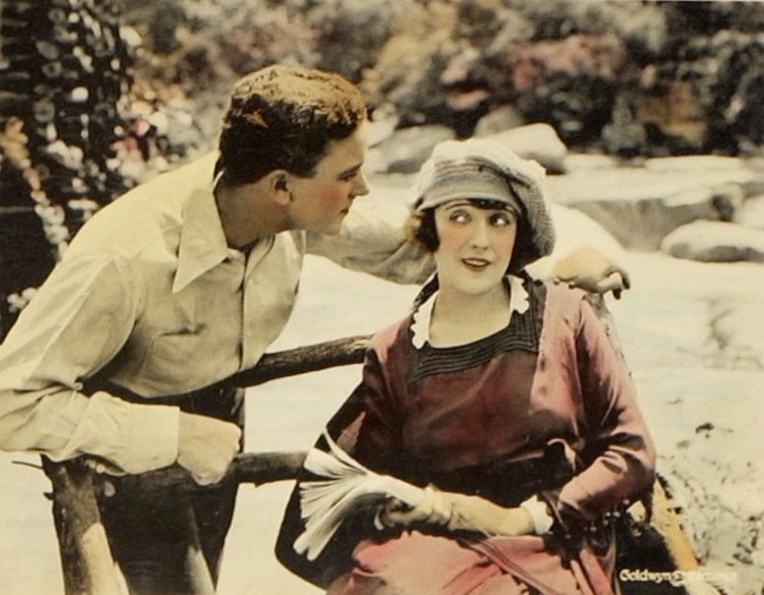
Dir: George Irving
Daughter of an Eastern lumber king, Stephanie Trent travels in the guise of a schoolteacher to the logging village of Trentsville to search for "a real man." There she meets Jimmy Raymond, a young novelist posing as a local while writing his story. When Stephanie comes to Jimmy's cabin to report a supposed plot against him, he acts as though he intends to assault her. She nearly throws herself out the window but is stopped by Jimmy, who explains that he is working on a novel and merely wanted to determine a young girl's reactions. In retaliation, she orders that he be kidnapped and held in a nearby cabin, but remorsefully nurses him back to health when he is shot trying to escape. They meet again at a hearing in the city, where her father has filed an injunction to prevent publication of Jimmy's novel, and she consents to his proposal of marriage.
View DetailsAnalysis relative to John Glayde's Honor
| Film Title | Atmosphere | Complexity | Similarity |
|---|---|---|---|
| Daughter of Destiny | Ethereal | Abstract | 91% Match |
| The Conquest of Canaan | Tense | Dense | 95% Match |
| Then I'll Come Back to You | Ethereal | High | 86% Match |
| Just Out of College | Tense | Abstract | 91% Match |
| Jaffery | Gritty | High | 87% Match |
This guide was algorithmically generated using the cinematic metadata of George Irving's archive. Last updated: 6/21/2026.
Back to John Glayde's Honor Details →