
DbcultAccessing Vault...
Recommendations
Senior Film Conservator
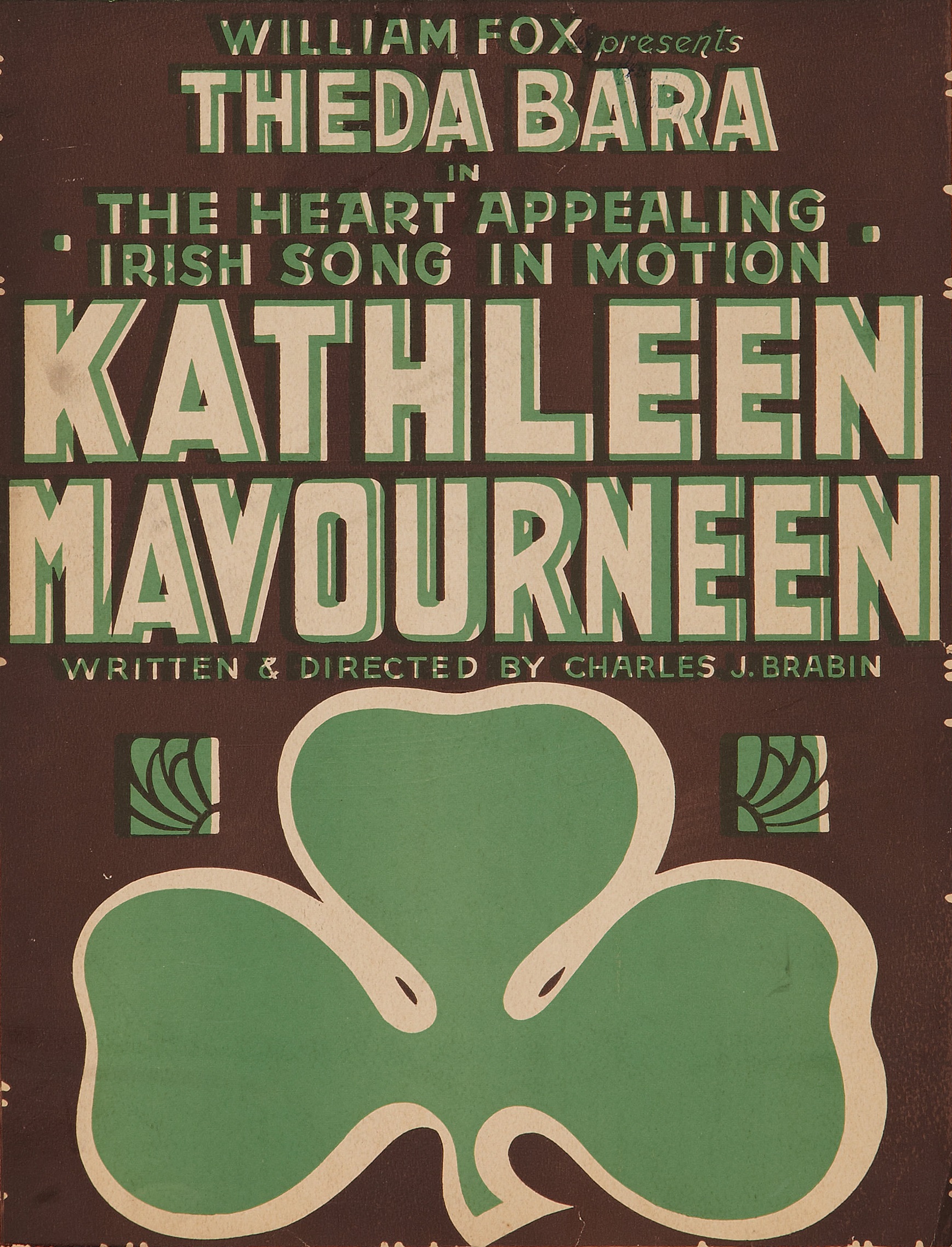
The artistic legacy of Charles Brabin was forever changed by Kathleen Mavourneen, the thematic layers of this 1919 classic invite a wider exploration of the genre. This list serves as a bridge to other cult experiences that are just as potent.
The vintage appeal of Kathleen Mavourneen to reinvent the tropes of cult cinema for a global audience.
Kathleen, the daughter of a poor tenant farmer, dreams of her wedding with her beloved Terrence. The dream is interrupted when the Squire of the estate takes an interest in Kathleen and forces her father to allow him to marry her to forgive the father's debt. Unfortunately the Squire loses interest in Kathleen once a potential gravy train arrives in the person of the exceedingly wealthy Lady Clancarthy. To be rid of Kathleen the Squire abandons her in the forest where she is beset upon by ruffians, but is rescued by Terrence, who is framed for murder for his troubles.
Based on the unique artistic bravery of Kathleen Mavourneen, our vault has identified these titles as the most compelling follow-up experiences for fans of cult cinema:
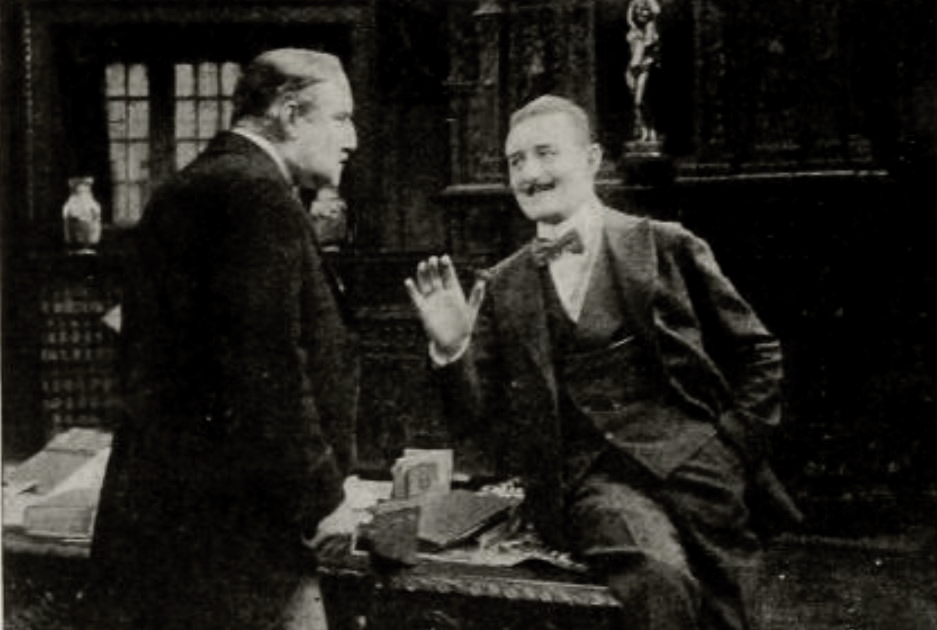
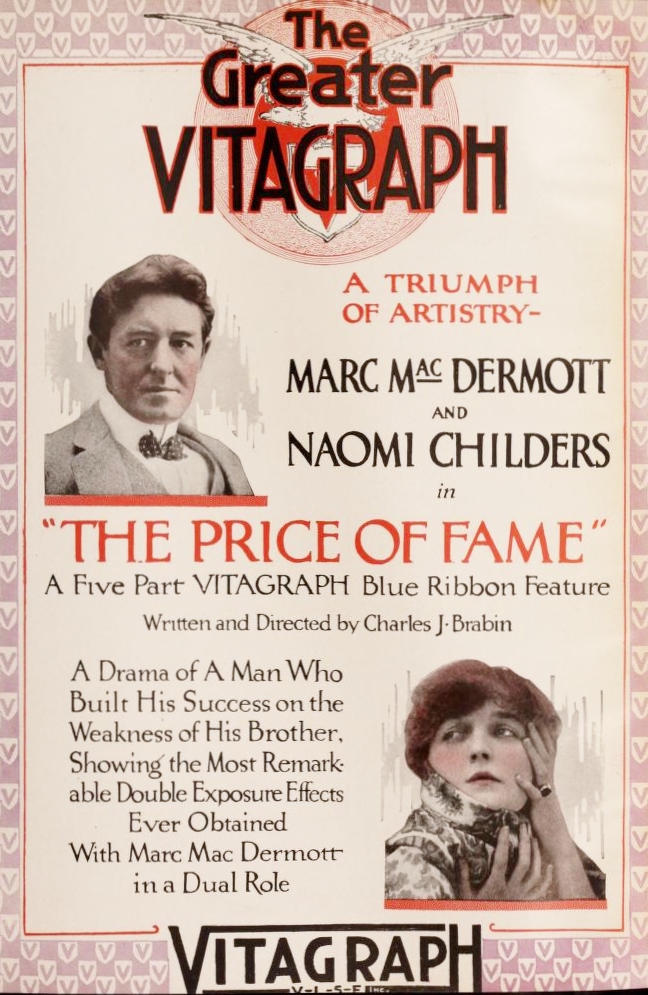
Dir: Charles Brabin
They were twins, and the passing years had in the sifting melting-pot of life. William looms brilliantly, a success, while John is deep in the discouraging shadows, a failure. Another span of fleeting years, and William attains the summit of a meteoric career; he is a candidate for the United States Senate. John (under an assumed name so that his brother is spared the relationship of the black sheep) holds a modest newspaper position in the same city where William's campaign is centered. William falls sick and John, taking advantage of their resemblance, addresses an important meeting and sweeps the audience into frenzied enthusiasm. Sensing in John that which she has always missed in William, the latter's sweetheart confesses her love, thinking, of course, that she is speaking to William. Soon John finds himself facing the fact that he loves his brother's sweetheart. Fate's law is Heaven's justice; William is found dead by John, and what would have been his brother's now becomes John's, as a reward to his genius.
View Details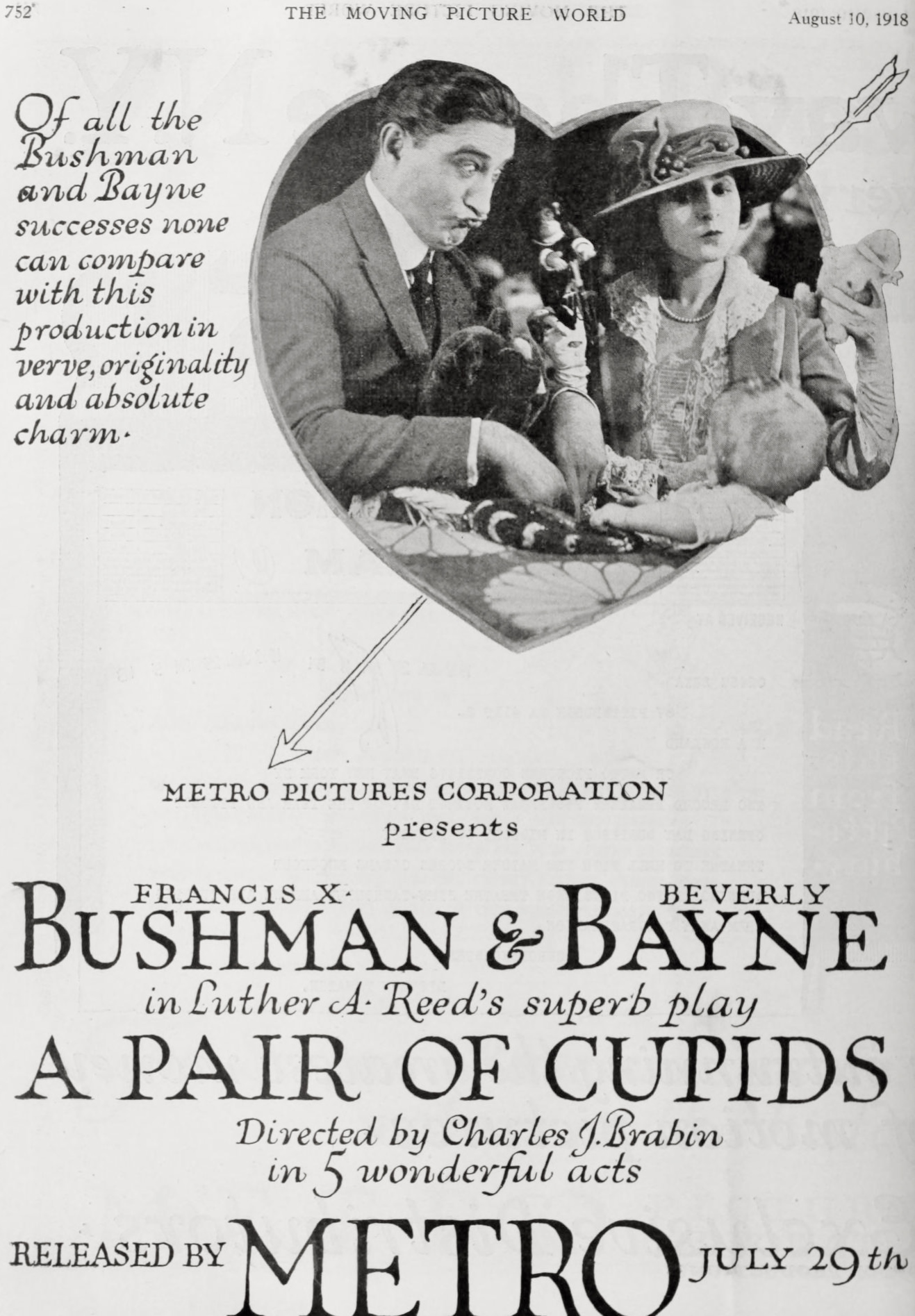
Dir: Charles Brabin
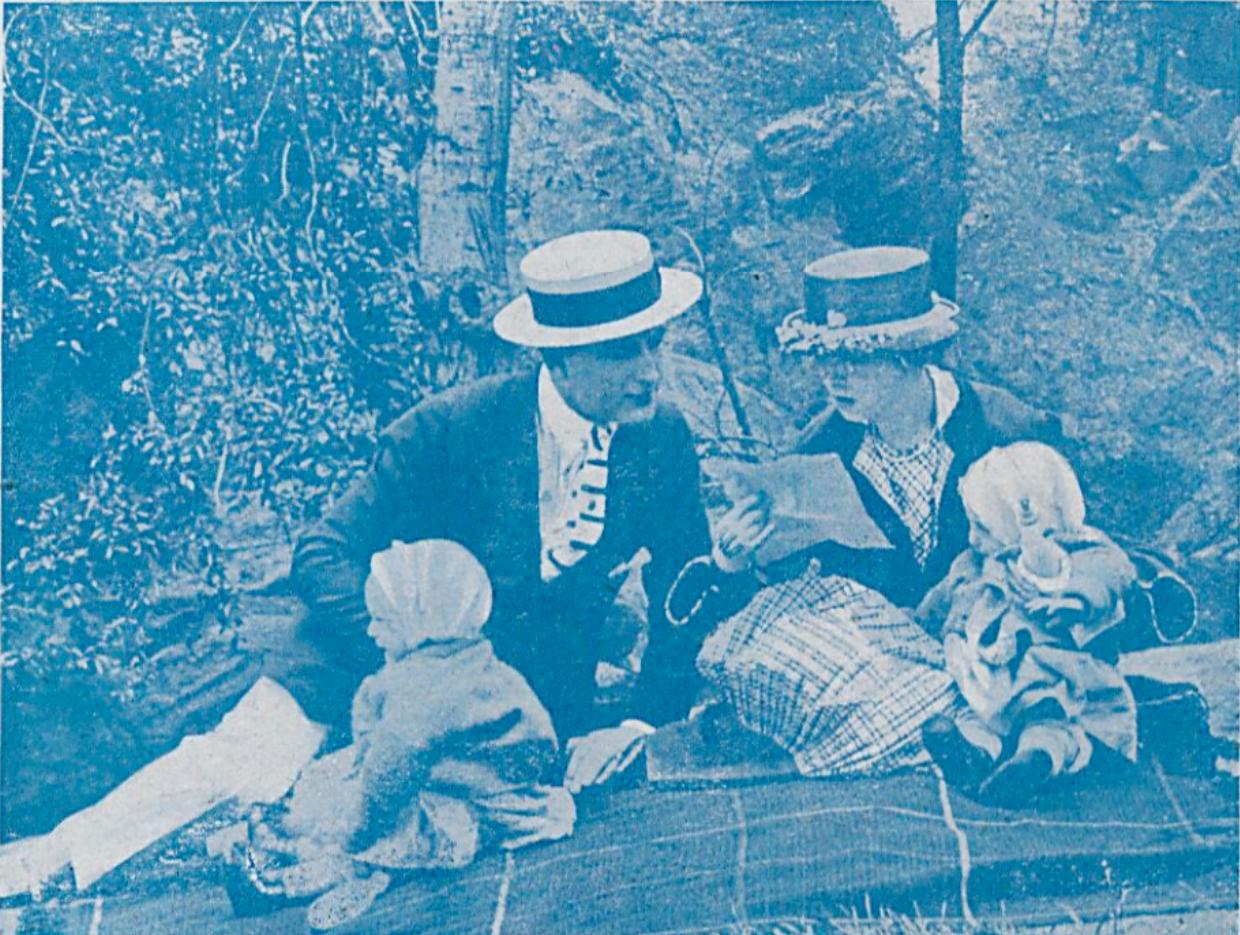
Henry Burgess favors a match between his ward, Virginia Parke, and his nephew, Peter Warburton, but she is only interested in her poodle, Frou Frou, and Peter devotes all of his attention to his business. To bring them together, Uncle Henry rents twin babies of the laundrywoman, Bridget McGroghan, placing one on Peter's doorstep and the other on Virginia's. Each discovering that the other has a baby, Peter and Virginia soon begin to share their views on child rearing and matrimony, and are about to become engaged when the babies disappear. Michael McGroghan, the twins' father, hires a pair of crooks to kidnap the babies so that he may collect the $25,000 bond that has been put up by Henry for their safe return. Peter, however, tracks down the kidnappers, and after the infants are returned to their grateful mother, he and Virginia look forward to having their own babies.
Dir: Charles Brabin
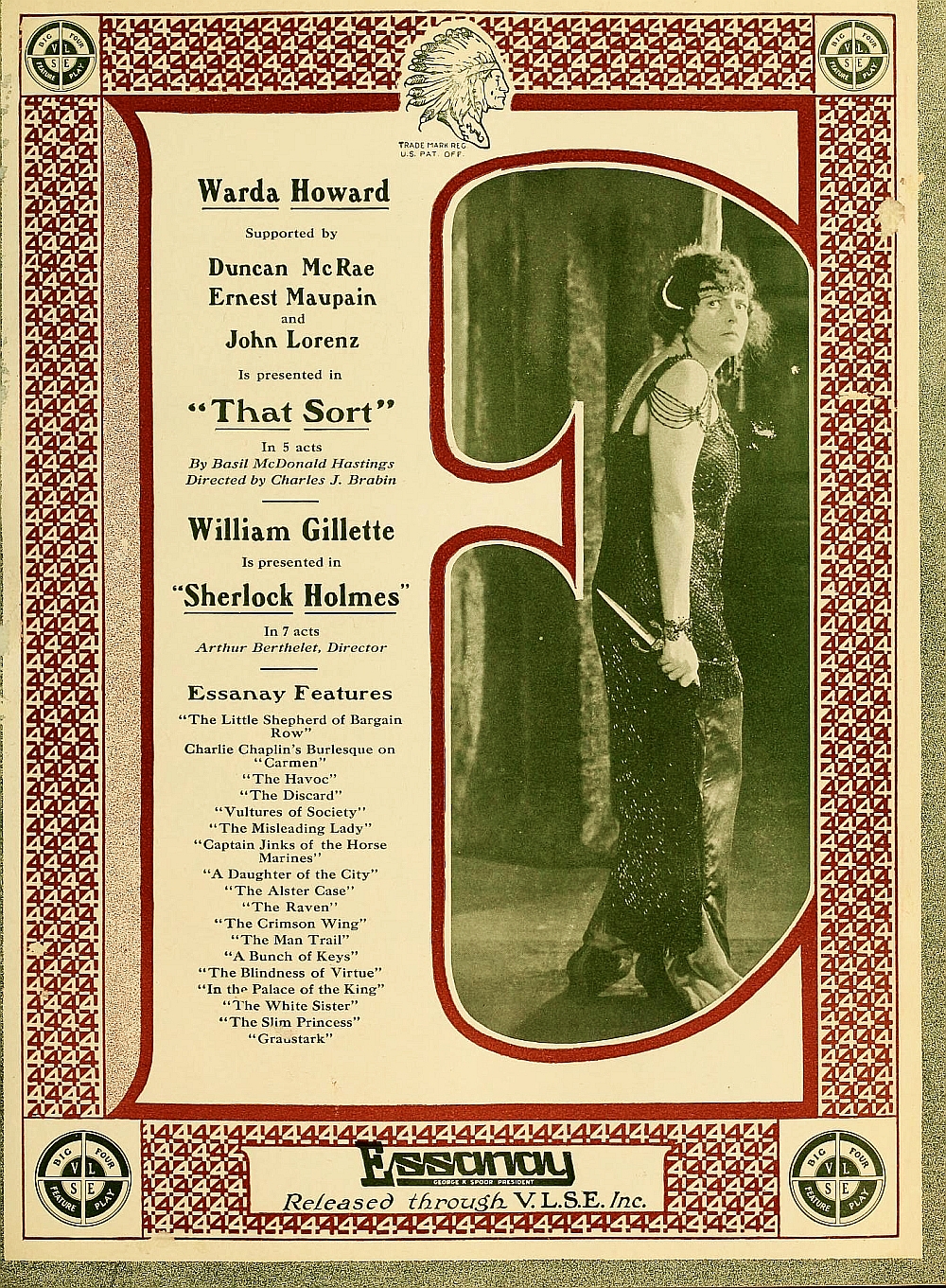
John Heppell, a wealthy young man about town, falls in love with Diana Laska, a noted actress, and marries her. After their child is born he tires of her and goes back to his old way of living. Infuriated at his neglect, Diana leaves him and goes abroad with Philip Goodier. He also tires of her in time, and she becomes a notorious character on the continent. Finally she awakens to the evil of her life and tries to reform. She finds her path strewn with thorns as the world holds her for what she has been. A longing is kindled in her heart for her daughter. Her first husband has remarried and refuses to permit her to see her. Sick of life, she attempts suicide. She is attended by Doctor Maxwell. He instills hope into her by promising to aid her in her attempt to see her daughter. Maxwell is an old friend of Heppell and partly by persuasion and partly by threats Diana Laska is received into the Heppell home as the governess for Heppell's son by his second wife. She meets her daughter only to find that she is engaged to Philip Goodier, the man who had cast her off. Horrified, she tells the Heppells her daughter must not marry him. Goodier denounces Diana, while admitting his relations with her, but cannot understand why she should have an influence over the Heppells. Finally, Diana tells him that the girl to whom he is engaged is her daughter. He consents to break the engagement only on condition that she leave the house and never see her daughter again. The woman who has developed under Doctor Maxwell's influence, then makes the supreme sacrifice of giving up her daughter to save her from her own shame. And through this sacrifice she wins atonement for her sins.
View Details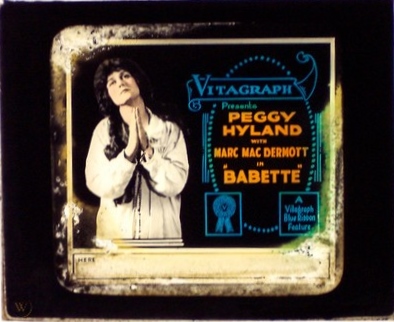
Dir: Charles Brabin
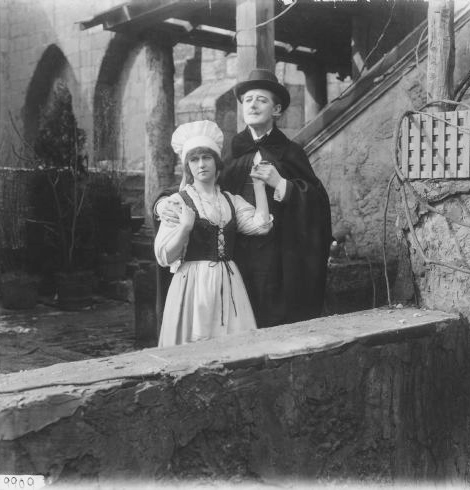
Babette is living with her father, the jailer and hangman in the castle-jail at La Fourche. Raveau, a criminal, comes to the castle and meets her. Her sweetness and purity cause him to realize his form of life is an empty shell. He even restores a necklace purloined from a tourist. Later he and Babette realize their love for each other. Their wedding is celebrated with much pomp. Guinard, a detective, turns up. Realizing his danger, Raveau convinces his wife that their friends are planning to separate them, and gets her to escape with him. They elude Guinard. In Montmartre, Raveau and Babette are like two doves. He again takes up art. But his work is not up to date and he finds the purse growing slimmer. When Babette shyly confesses that there will be another mouth to feed, and that she has given much of their store to Fifine, a "Quarter" girl, whose husband is just coming from prison, Raveau realizes how desperate is his need. He tries once more to sell his wares, without success. An appeal to an old partner brings a turn-down. Raveau then steals banknotes from a man in the post office. Guinard turns up after the baby is born. Without letting Babette know of his crime, Raveau parts from her, saying he has a commission which may take him away for a long time, but in the Commissionaire's office he learns his prosecutor is the husband of a woman to whom he had restored the money won at a gaming salon just before his marriage. The man refuses to recognize Raveau as the thief and he returns to Babette to say he has passed up the commission and will stay with her always, and Babette is happy in her husband's love, ignorant of his sacrifice for her.
Dir: Charles Brabin
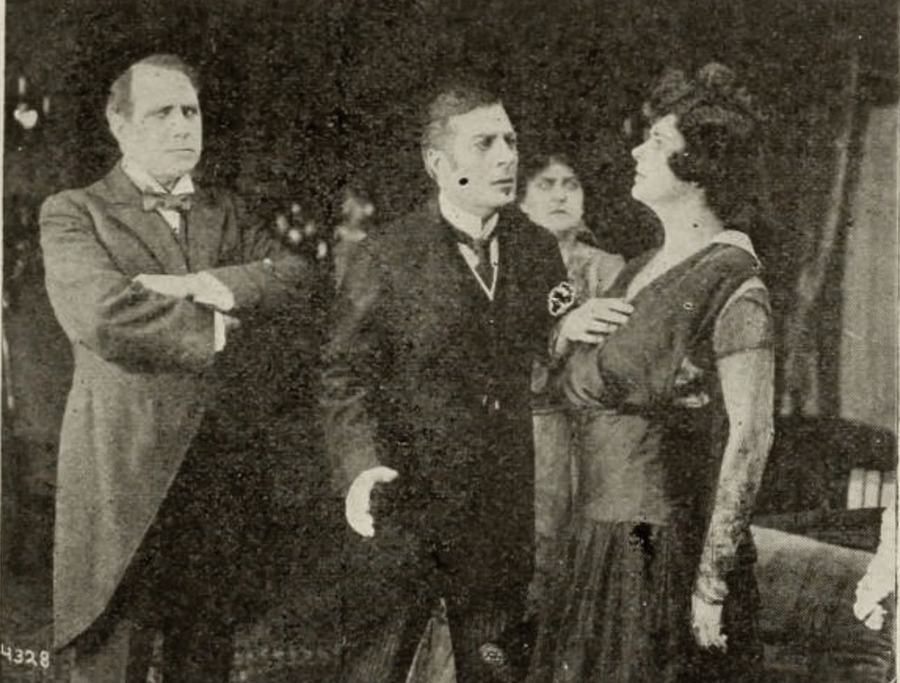
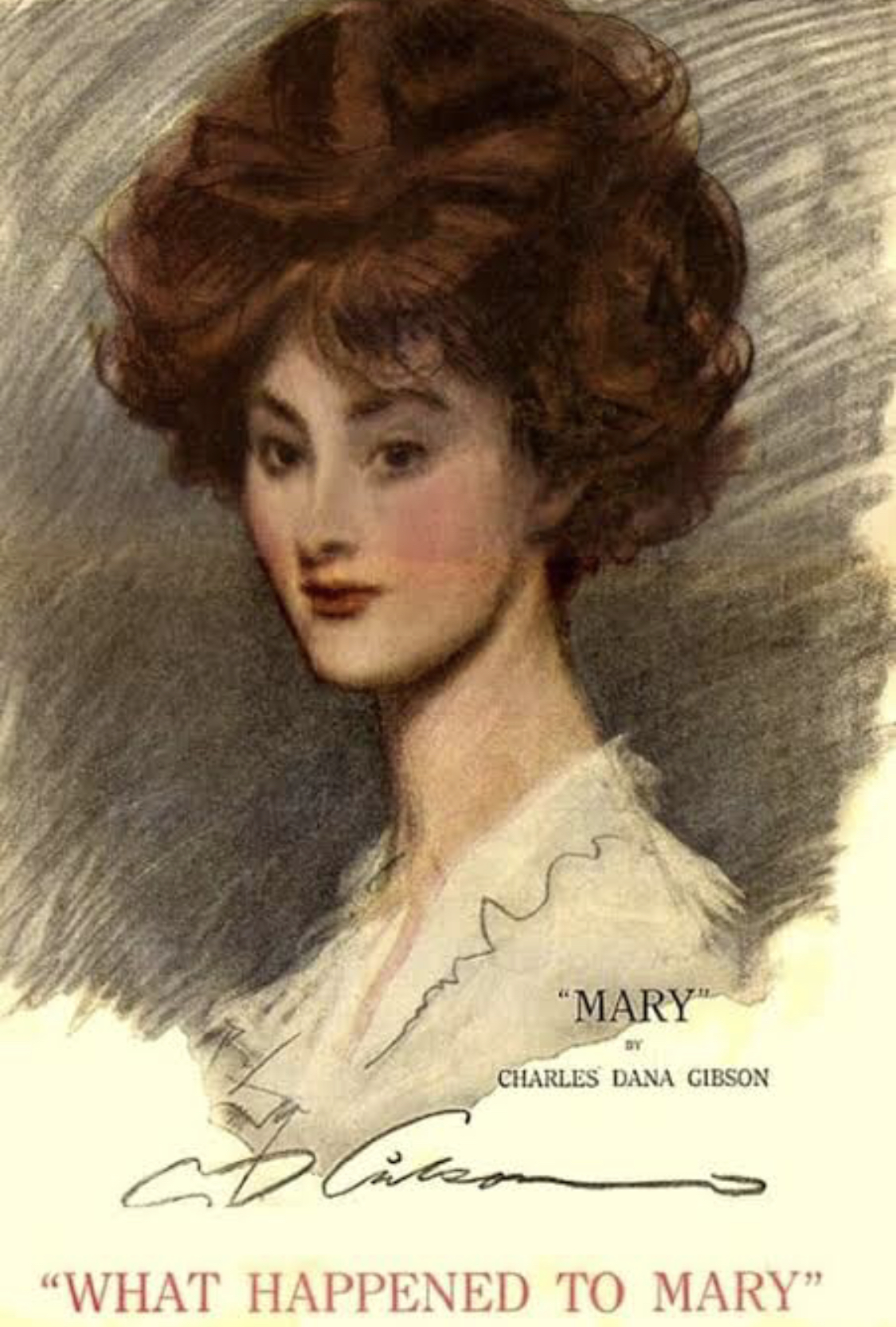
The forerunner of all serials, "What Happened to Mary" was a series of 12 monthly one-reel episodes, each a complete entity in itself, revolving its immediate dramatic and melodramatic problems within the framework of a single episode and designed more for story and suspense situations than action. Episode Titles (q.v.): #1: "The Escape from Bondage"; #2: "Alone in New York"; #3: "Mary in Stage Land"; #4: "The Affair at Raynor's"; #5: "A Letter to the Princess"; #6: "A Clue to Her Parentage"; #7: "False to Their Trust"; #8: "A Will and a Way"; #9: "A Way to the Underworld"; #10: "The High Tide of Misfortune"; #11: "A Race to New York"; #12: "Fortune Smiles."
View Details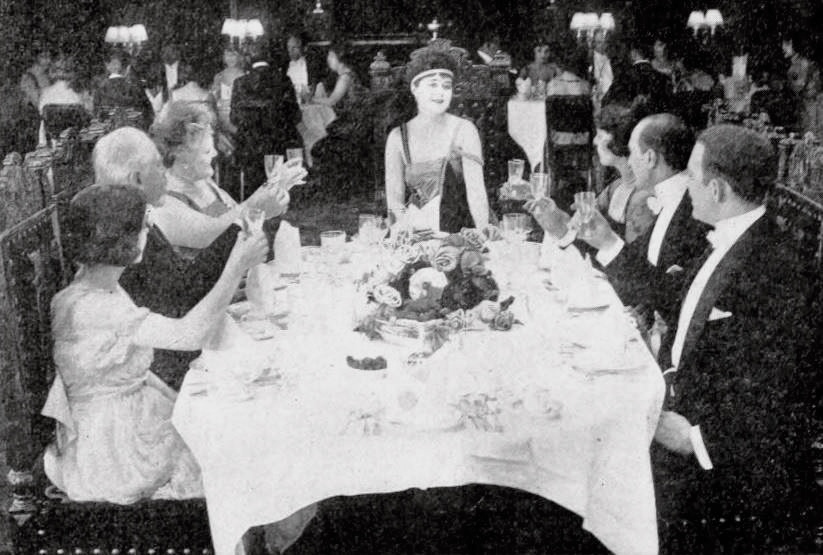
Dir: Charles Brabin
Beatrix marries Herbert Buchanan while under his hypnotic trance, although she really loves Harry Faring. When Herbert learns of his wife's love for Harry, he disappears with Kansas, a tramp. Soon after, Beatrix falsely identifies a body at the morgue as her husband's and marries Harry, but when Herbert, still alive though ill and demented, appears at her door with Kansas, she confesses her lie to her new husband. Kansas' plans to blackmail Beatrix are ruined when Harry visits the two tramps, and Herbert, now dying of tuberculosis, pleads with Kansas to leave the couple in peace. Kansas agrees, and after Herbert's death, Beatrix and Harry return to a normal life.
Dir: Charles Brabin
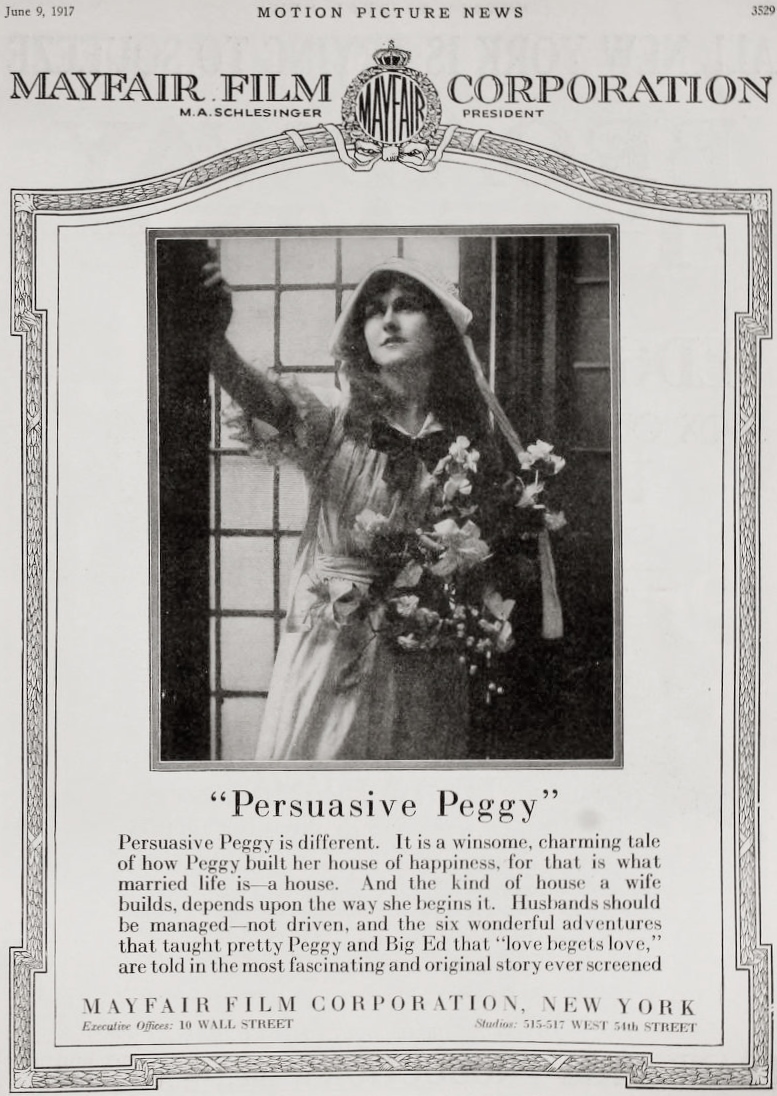
Informed by her husband Ed that they will not be honeymooning at Niagara Falls as promised, but rather at the County Fair, newlywed Peggy decides it is time to assert her independence and steals away to the falls alone, leaving her bewildered husband to follow. After the honeymoon, Ed takes his bride to the home that had been his mother's, and Peggy redecorates the entire house in her husband's absence. Gradually, Ed learns to submit to his wife's modern attitudes until he discovers that her continual visits to the city have not been to the dentist's, as she had said, but to the studio of portrait painter Perry Pipp. Ed angrily confronts Peggy with her deception, forcing her to return home to her parent's house. Later, when Ed learns that Peggy has been posing for a portrait as a birthday surprise, he begs his wife's forgiveness, which she bestows, along with the information that a baby is on it's way.
View Details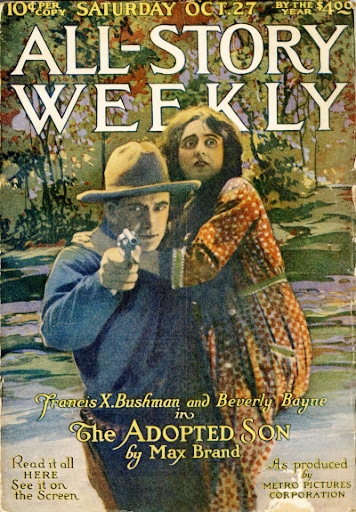
Dir: Charles Brabin
A feud has existed between the McLanes and the Conovers in the Tennessee mountains for many years. "Two Gun Carter" leaves Texas after a shooting fray and arrives just in time to witness George Conover's death at the hands of Henry McLane. Carrying young Conover's body to his family, Carter is very moved by their grief that he agrees to become their adopted son and subsequently falls in love with Marian Conover. In an attempt to put an end to the feud, Carter suggests a duel between himself and Henry McLane, but Henry refuses, and so, to uphold his family honor, Tom McLane, the clan leader, accepts the challenge. In the midst of the match, news arrives that Henry has abducted Marian. Carter rushes off and rescues Marian just as Henry and his horse plunge over the edge of a cliff. Carter then demands that an end be put to the feud as he himself was a born McLane and now plans to marry Marian Conover.
Dir: Charles Brabin
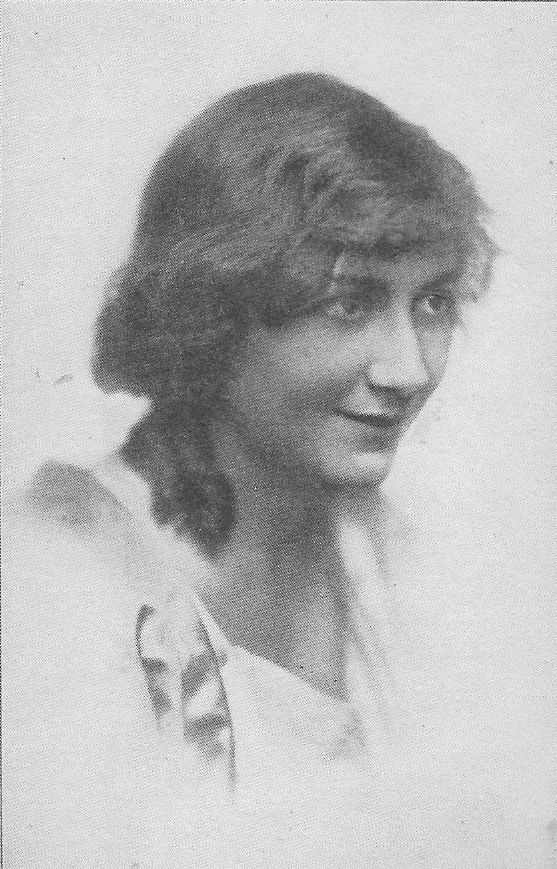
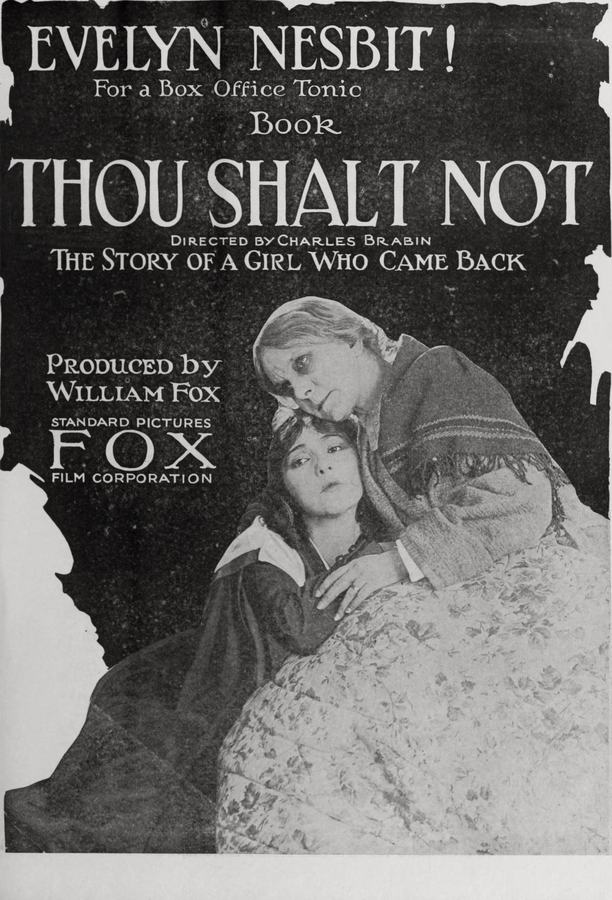
Ruth, the belle of Bedford village in New England, is loved by the minister, but she becomes infatuated with Alec Peters, the brakeman on the train which she rides to school. After her parents order her to stop seeing Peters, he promises to marry her, and they elope to New York. They never marry, so when he tires of her, he throws her out. Penniless, Ruth is forced to survive on the streets. In Bedford her mother becomes deathly ill from worrying. The minister finds Ruth at a charity home and begs her to return. Her parents gladly forgive her, but the community will not tolerate her presence. The minister urges Ruth to rejoin the choir, but they refuse to sing with her. Although the minister preaches charity to all and relates the story of Christ's forgiveness of Magdalene, the gossip and ill feeling persist. Rather than serve bigots, the minister leaves town with Ruth to start their lives anew.
View Details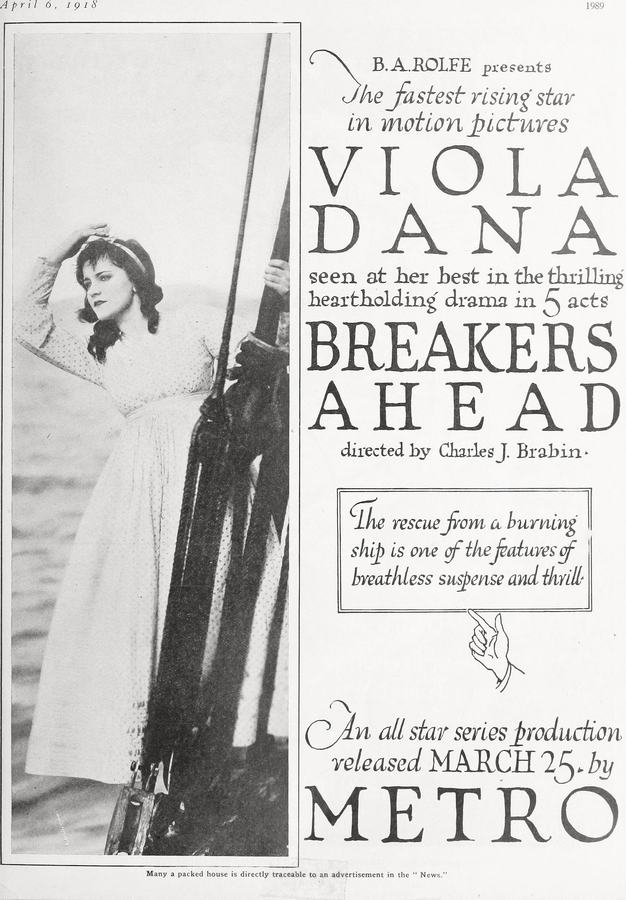
Dir: Charles Brabin
After young Ruth Bowman's mother dies, the child is raised by Agatha Pixley, and in time, the girl falls in love with Agatha's son, Eric. While Eric is at sea with Captain Scudder on a boat owned by Jim and Hiram Hawley, a jealous villager spreads the tale that Ruth is illegitimate, and the townspeople inevitably snub her. Jim Hiram sets his boat on fire after its arrival in port so that he can collect insurance money, and Ruth, believing that Eric is on board, tries to rescue him. When Ruth and Eric escape safely, Captain Scudder reveals that he, Ruth's long-lost father, was legally married to her mother, which re-establishes Ruth's good name and enables her to marry Eric.
View DetailsAnalysis relative to Kathleen Mavourneen
| Film Title | Atmosphere | Complexity | Similarity |
|---|---|---|---|
| The Price of Fame | Ethereal | Layered | 89% Match |
| A Pair of Cupids | Gritty | Linear | 85% Match |
| That Sort | Gritty | Linear | 92% Match |
| Babette | Tense | Dense | 97% Match |
| What Happened to Mary | Ethereal | Linear | 94% Match |
This guide was algorithmically generated using the cinematic metadata of Charles Brabin's archive. Last updated: 8/16/2026.
Back to Kathleen Mavourneen Details →