Summary
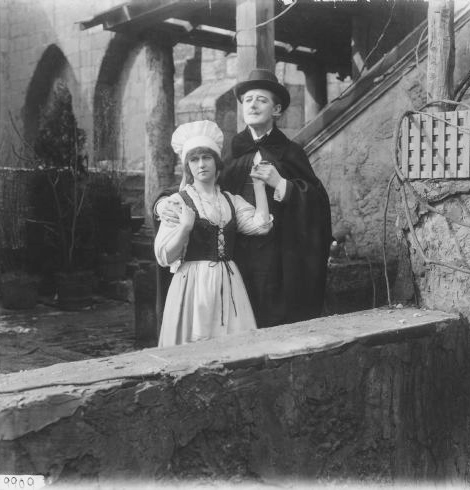
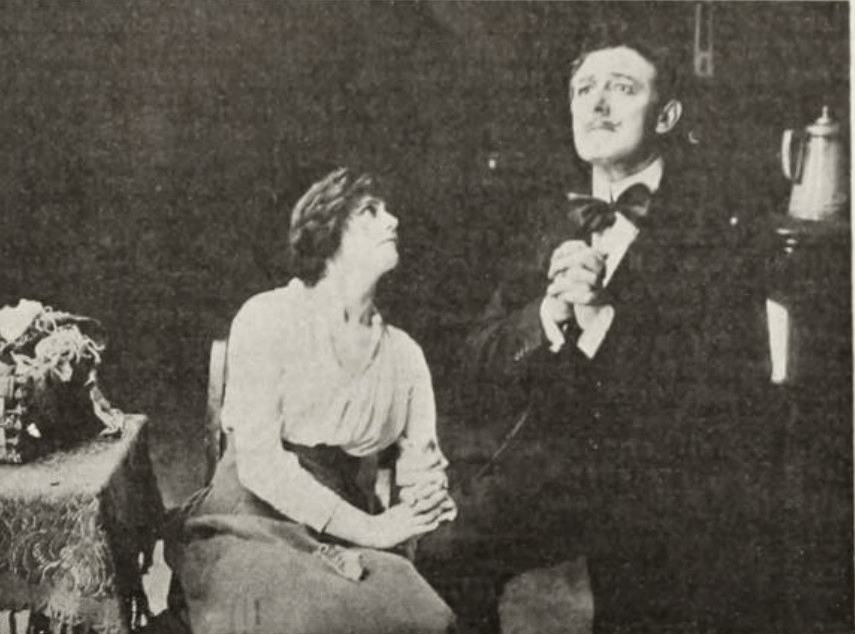
Within the formidable embrace of La Fourche's castle-jail, where her father metes out grim justice as both keeper and executioner, the ethereal Babette exists, a beacon of untainted grace. Her cloistered world is abruptly breached by Raveau, a seasoned criminal whose cynical veneer begins to fracture under the sheer force of her inherent goodness. Witnessing her unblemished spirit, Raveau experiences a profound internal reckoning, a revelation that his life of transgression is but an arid husk. This spiritual metamorphosis is underscored by a tangible act: the return of a pilfered necklace, a testament to his burgeoning conscience. Their burgeoning affection blossoms into a fervent love, culminating in a wedding of considerable fanfare. Yet, the shadows of Raveau's past loom, manifesting in the persistent figure of Detective Guinard. Perceiving the imminent threat, Raveau, with a desperate ruse, convinces Babette that their idyllic union is being sabotaged by jealous acquaintances, spiriting her away to a clandestine escape. In the bohemian labyrinth of Montmartre, they forge a new existence, a haven of tender intimacy, where Raveau tentatively re-embraces his artistic aspirations. However, the capricious currents of artistic fashion and the relentless erosion of their finances soon expose the fragility of their newfound peace. The revelation of Babette's pregnancy, coupled with her selfless, if naive, generosity towards a struggling "Quarter" girl, Fifine, whose husband is soon to be released from prison, plunges Raveau into a vortex of existential dread. His desperate attempts to market his art prove futile, and even an appeal to an erstwhile associate yields only a curt dismissal. Driven to the precipice, Raveau succumbs to his old habits, orchestrating a swift theft of banknotes from a post office. Post-natally, the specter of Guinard reappears. Shielding Babette from the grim truth of his crime, Raveau feigns a lucrative, long-term artistic commission, bidding her a sorrowful farewell. At the Commissionaire's office, a twist of fate intervenes: the assigned prosecutor is none other than the husband of a woman Raveau had, in a moment of pre-marital rectitude, returned gambling winnings to. Recognizing the profound irony and Raveau's unspoken plea, the man, with a silent understanding, declines to identify him as the thief. Thus absolved, Raveau returns to Babette, declaring the "commission" abandoned, choosing instead an eternal presence by her side. Babette, enfolded in his unwavering love, remains blissfully unaware of the profound sacrifice that secured their future.
Synopsis
Babette is living with her father, the jailer and hangman in the castle-jail at La Fourche. Raveau, a criminal, comes to the castle and meets her. Her sweetness and purity cause him to realize his form of life is an empty shell. He even restores a necklace purloined from a tourist. Later he and Babette realize their love for each other. Their wedding is celebrated with much pomp. Guinard, a detective, turns up. Realizing his danger, Raveau convinces his wife that their friends are planning to separate them, and gets her to escape with him. They elude Guinard. In Montmartre, Raveau and Babette are like two doves. He again takes up art. But his work is not up to date and he finds the purse growing slimmer. When Babette shyly confesses that there will be another mouth to feed, and that she has given much of their store to Fifine, a "Quarter" girl, whose husband is just coming from prison, Raveau realizes how desperate is his need. He tries once more to sell his wares, without success. An appeal to an old partner brings a turn-down. Raveau then steals banknotes from a man in the post office. Guinard turns up after the baby is born. Without letting Babette know of his crime, Raveau parts from her, saying he has a commission which may take him away for a long time, but in the Commissionaire's office he learns his prosecutor is the husband of a woman to whom he had restored the money won at a gaming salon just before his marriage. The man refuses to recognize Raveau as the thief and he returns to Babette to say he has passed up the commission and will stay with her always, and Babette is happy in her husband's love, ignorant of his sacrifice for her.
Review Excerpt
"
The flickering shadows of early cinema often reveal narratives of stark emotional power, and Babette, a cinematic gem from 1917, stands as a testament to this enduring truth. It is a film that, despite its vintage, speaks with a resonant clarity about the transformative potency of love, the relentless grip of circumstance, and the profound, often unspoken, sacrifices that underpin human connection. Directed with a sensitivity that belies the rudimentary techniques of its era, it cr..."