
DbcultAccessing Vault...
Recommendations
Senior Film Conservator
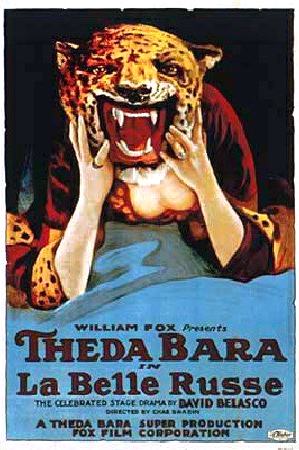
Delving into the atmospheric depths of La belle Russe reveals a master at work, the artistic provocations of La belle Russe demand a follow-up of equal intensity. These hand-selected movies are designed to satiate your craving for cult quality.
The enduring power of La belle Russe lies in to transcend the limitations of its 1919 budget and technology.
Geraldine and Beatrice are the twin daughters of Hatherly, a Church of England parson in a small village. Beatrice, the more impulsive and frivolous of the two, elopes to London with a ne'er-do-well. However, when he deserts her, she returns home only to be renounced by her father, who is so scandalized that his health breaks. After his death, Geraldine, the proper daughter, goes to live with an aunt. She meets and weds Philip Calthorpe, but his titled family immediately disinherits him for marrying a girl of genteel poverty; the loss of his allowance forces him to join the army. Meanwhile, Beatrice learns to live by her wits as she travels around European cities. Returning to London, she becomes the hostess at Renard Duval's gambling house and earns the exotic sobriquet "La Belle Russe" ("the beautiful Russian"). She soon runs away to France with wealthy artist Robert St. Omar and gives birth to a daughter, but after a few years, when St. Omar loses everything, Beatrice deserts him and their child and returns to Duval. St. Omar then places their daughter in a French convent, returns to London, and wounds Duval in a duel. Thinking he has killed the gambler, he enlists in the army and is sent off to India. Later, he regains his wealth and becomes engaged to an heiress. However, Beatrice shoots St. Omar just before his wedding, and although he recovers, the heiress wants nothing more to do with him. Meanwhile, Geraldine, forced to go to work, is injured in a fire in a shirtwaist factory and, thinking she may die, entrusts her husband's photograph and letters to her sister. When Lady Calthorpe, now remorseful over the way she treated her son, advertises to find her daughter-in-law, Beatrice assumes her sister's place. Philip Calthorpe, who has been serving in the army in India, returns home and fails to recognize that Beatrice is impersonating his wife. However, St. Omar, who had befriended Philip in the army, unmasks Beatrice, and Philip Calthorpe orders her out of the house. Calthorpe reunites with Geraldine, who has now recovered from her injuries, and St. Omar reclaims his daughter from the convent.
The influence of Charles Brabin in La belle Russe can be felt in the way modern cult films handle unique vision. From the specific lighting choices to the pacing, this 1919 release set a high bar for atmospheric immersion.
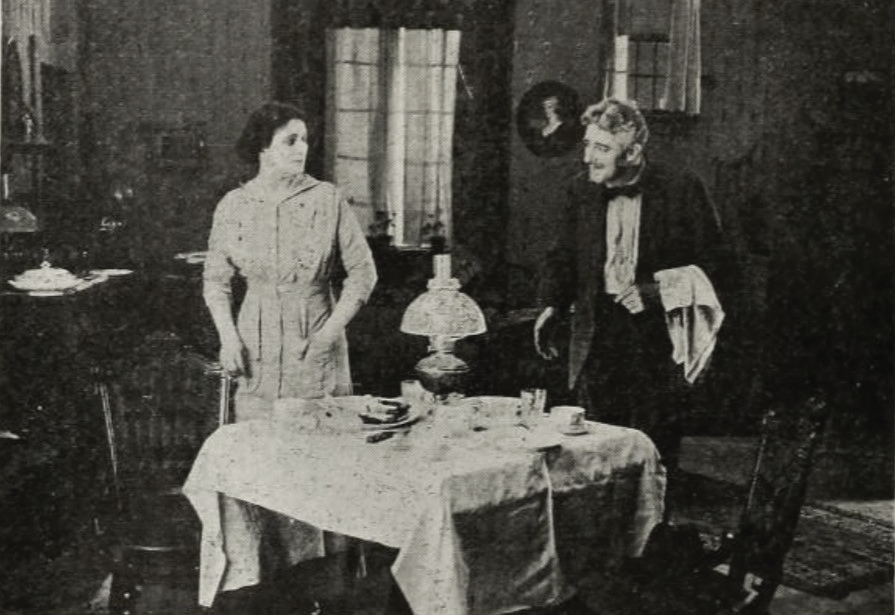
Based on the unique unique vision of La belle Russe, our vault has identified these titles as the most compelling follow-up experiences for fans of cult cinema:
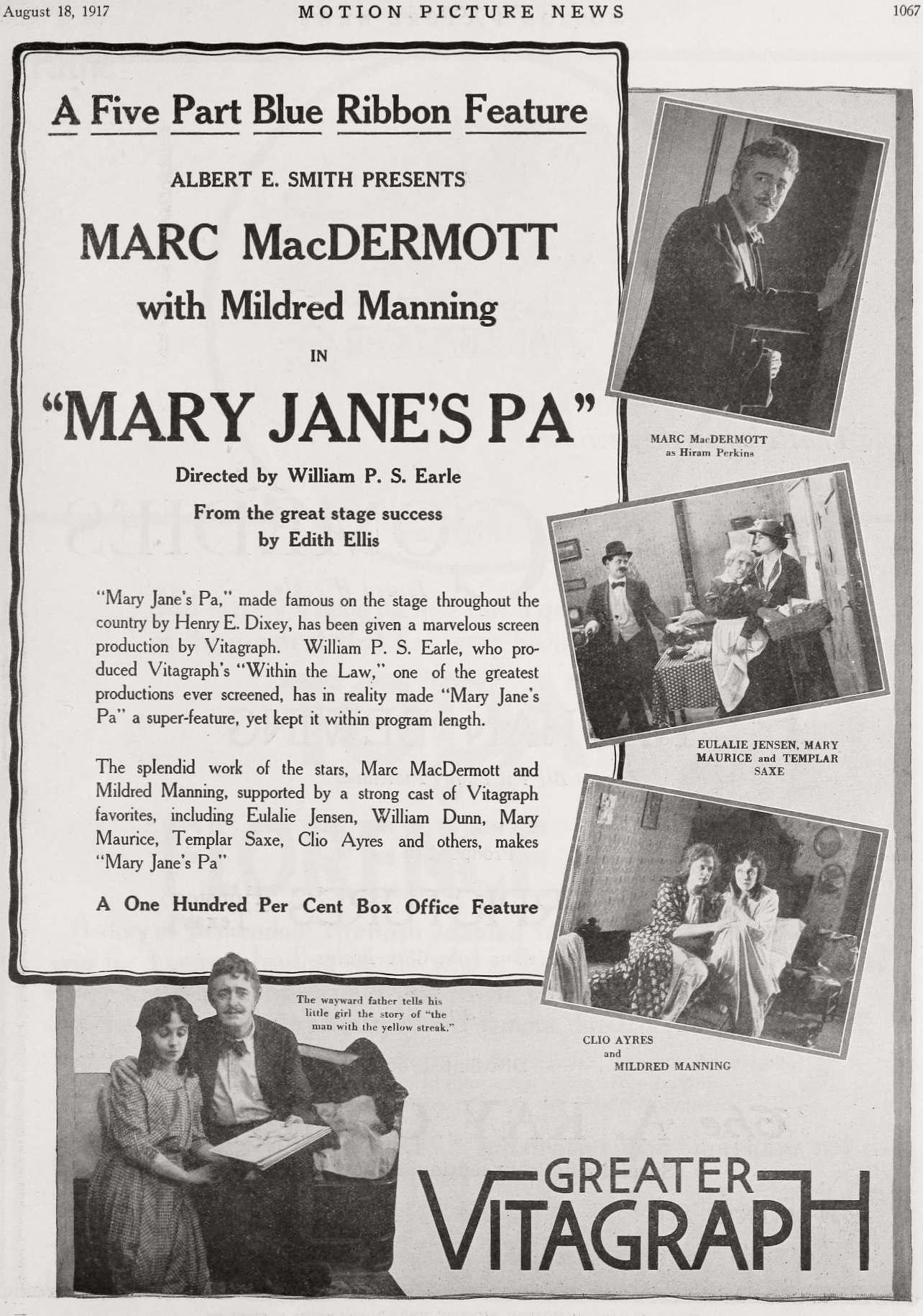
Dir: Charles Brabin
After wandering the world for fifteen years, Hiram Perkins returns home to find his wife running a small town newspaper to support their two daughters. With pity in her heart, Mrs. Perkins allows her husband to stay in the house providing that he not disclose his identity. Mrs. Perkins is waging a battle against the re-election of Joel Skinner for a seat in the assembly, and when she learns that Skinner has mistreated old Mrs. Miller, she is determined to expose his actions. Rome Preston, running in opposition to Skinner, requests that she stop the story, but Mrs. Perkins refuses and so Preston disables the press. With Hiram's help, Mrs. Perkins prints the story and Skinner is defeated. In revenge, Skinner's men burn the press and demand that Hiram be tarred and feathered. At this moment, Mrs. Perkins acknowledges that Hiram is her husband and all is forgiven as the Perkins family is reunited.
View Details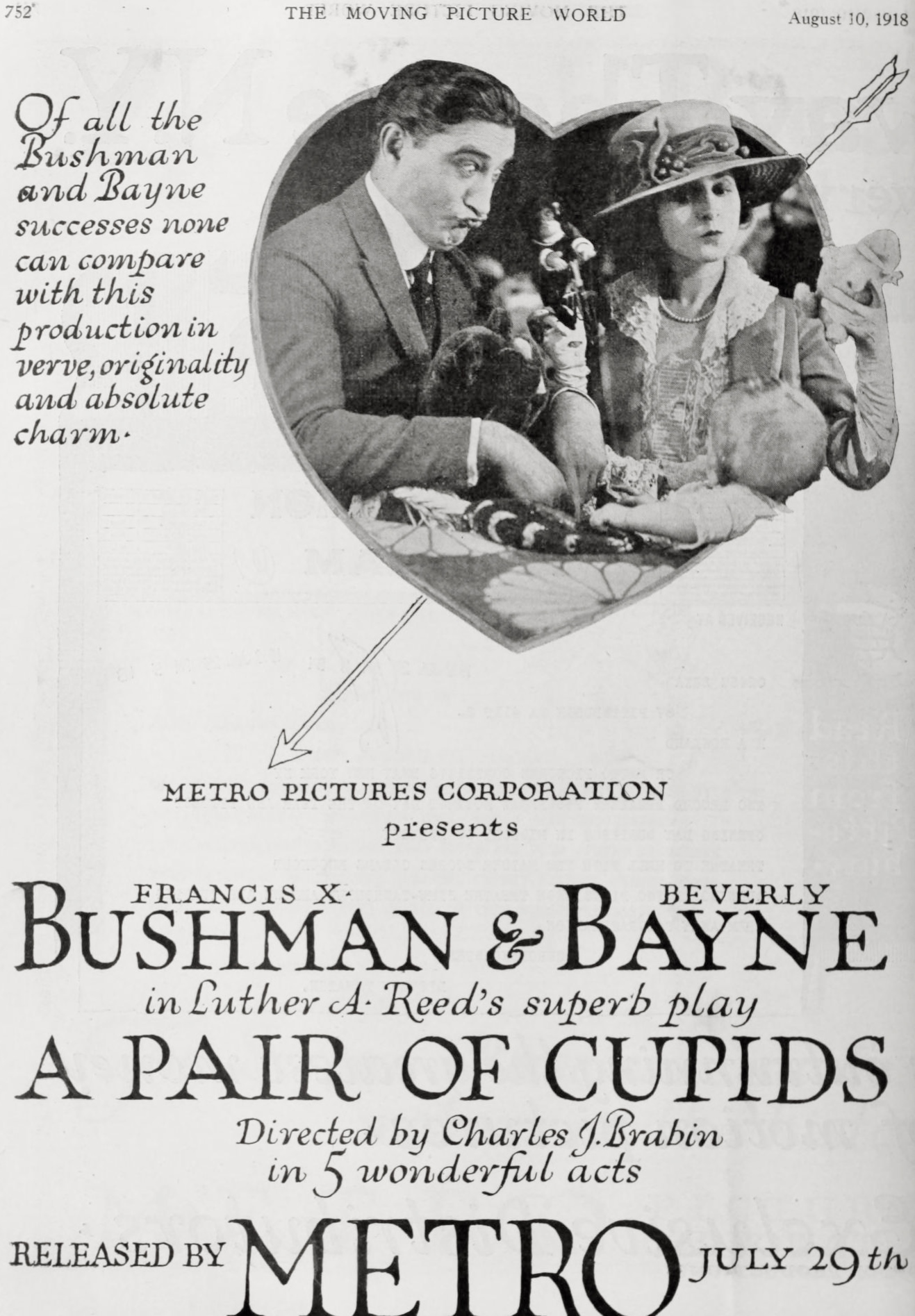
Dir: Charles Brabin
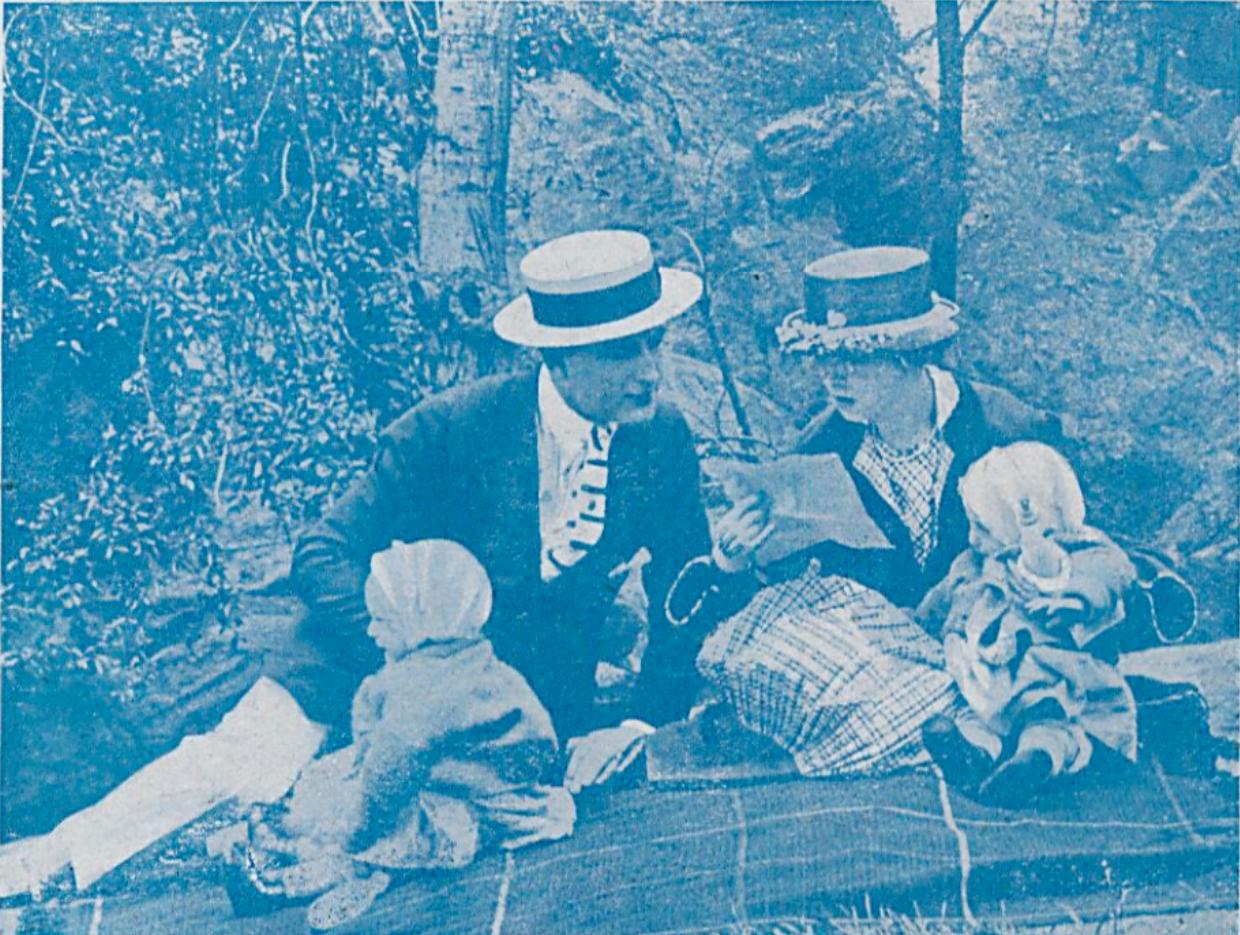
Henry Burgess favors a match between his ward, Virginia Parke, and his nephew, Peter Warburton, but she is only interested in her poodle, Frou Frou, and Peter devotes all of his attention to his business. To bring them together, Uncle Henry rents twin babies of the laundrywoman, Bridget McGroghan, placing one on Peter's doorstep and the other on Virginia's. Each discovering that the other has a baby, Peter and Virginia soon begin to share their views on child rearing and matrimony, and are about to become engaged when the babies disappear. Michael McGroghan, the twins' father, hires a pair of crooks to kidnap the babies so that he may collect the $25,000 bond that has been put up by Henry for their safe return. Peter, however, tracks down the kidnappers, and after the infants are returned to their grateful mother, he and Virginia look forward to having their own babies.
View Details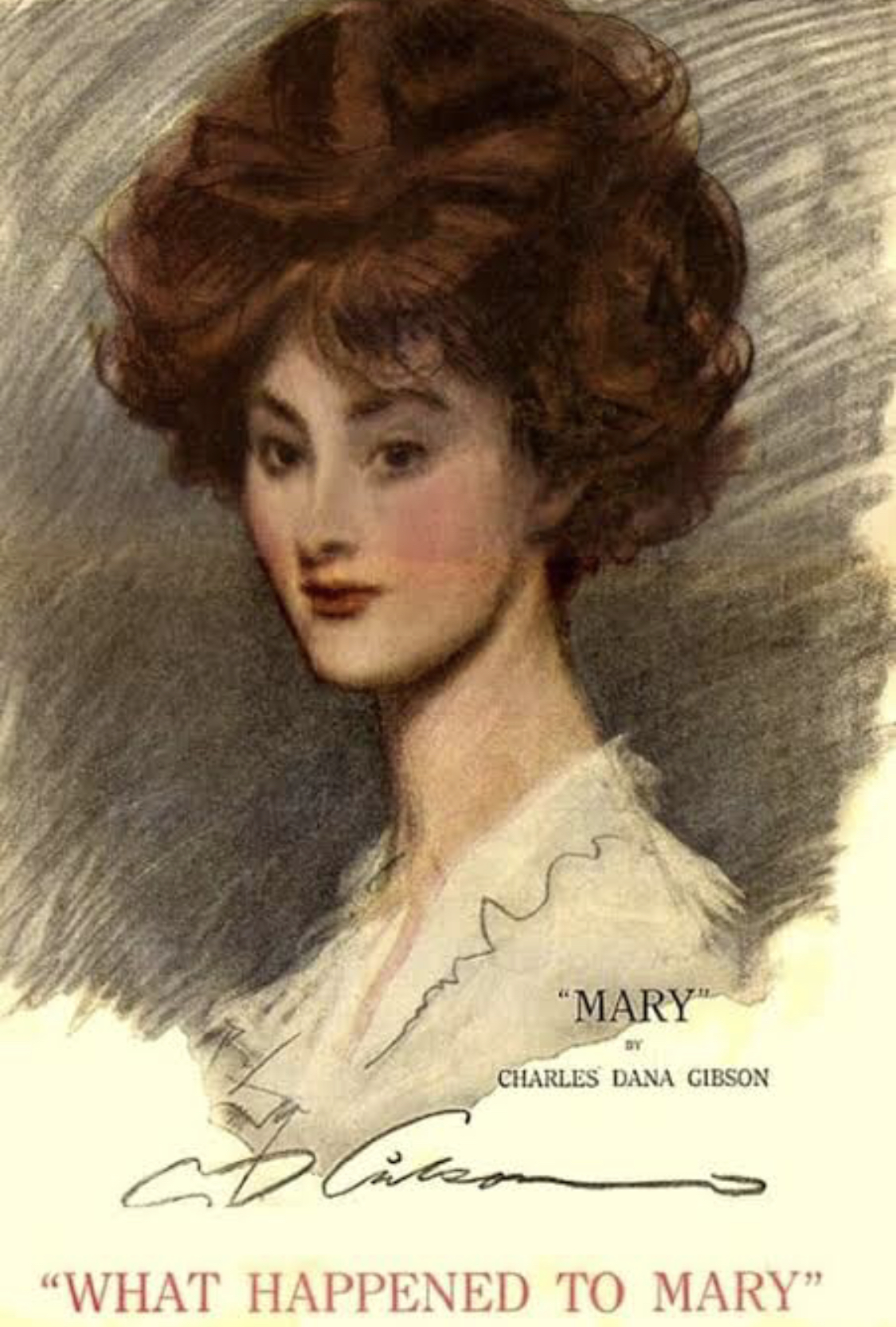
Dir: Charles Brabin
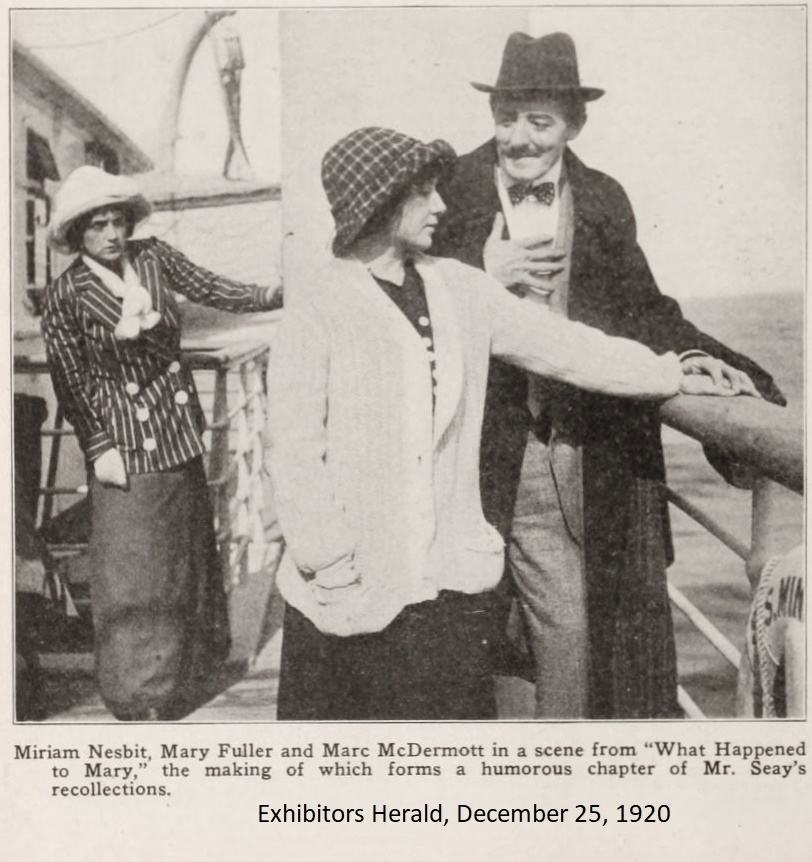
The forerunner of all serials, "What Happened to Mary" was a series of 12 monthly one-reel episodes, each a complete entity in itself, revolving its immediate dramatic and melodramatic problems within the framework of a single episode and designed more for story and suspense situations than action. Episode Titles (q.v.): #1: "The Escape from Bondage"; #2: "Alone in New York"; #3: "Mary in Stage Land"; #4: "The Affair at Raynor's"; #5: "A Letter to the Princess"; #6: "A Clue to Her Parentage"; #7: "False to Their Trust"; #8: "A Will and a Way"; #9: "A Way to the Underworld"; #10: "The High Tide of Misfortune"; #11: "A Race to New York"; #12: "Fortune Smiles."
View Details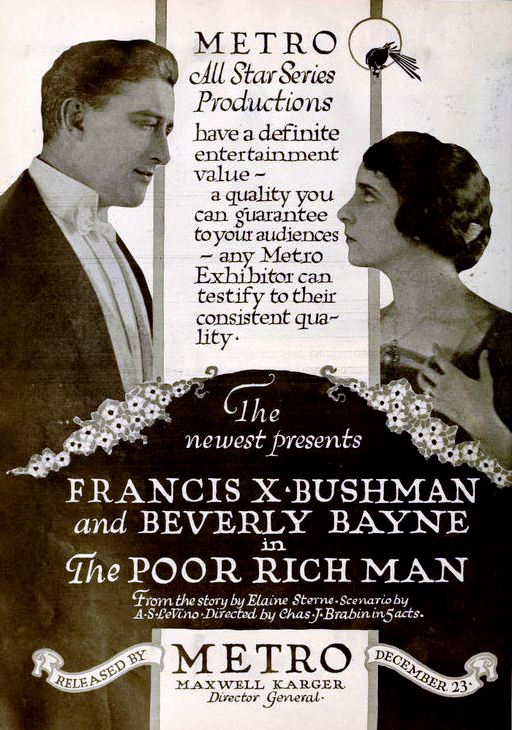
Dir: Charles Brabin
The son of millionaire James Carter, Vantyne deliberately shuns work, which sickens his father, he decides to test his son's ability to become self-sufficient. Carter, Sr. has his lawyer report that he has been killed on a hunting trip, and at the reading of the will, Van learns that, unless he can support himself within six months with only an old farmhouse left to him as working capital, he will lose the family fortune to his cousin Teddy Brown. Van immediately gets busy and, with the help of Arizona Brown, a visiting Westerner with whom he has fallen in love, turns the old farm into a thriving and very fashionable resort. His chance of becoming a millionaire fading fast, Teddy arranges with actress Edith Trentoni to ruin the hotel's reputation by means of a kitchen strike and a jewel robbery. He succeeds, but old Carter finally appears to turn the villain out and proclaim Van and Arizona a successful team.
View Details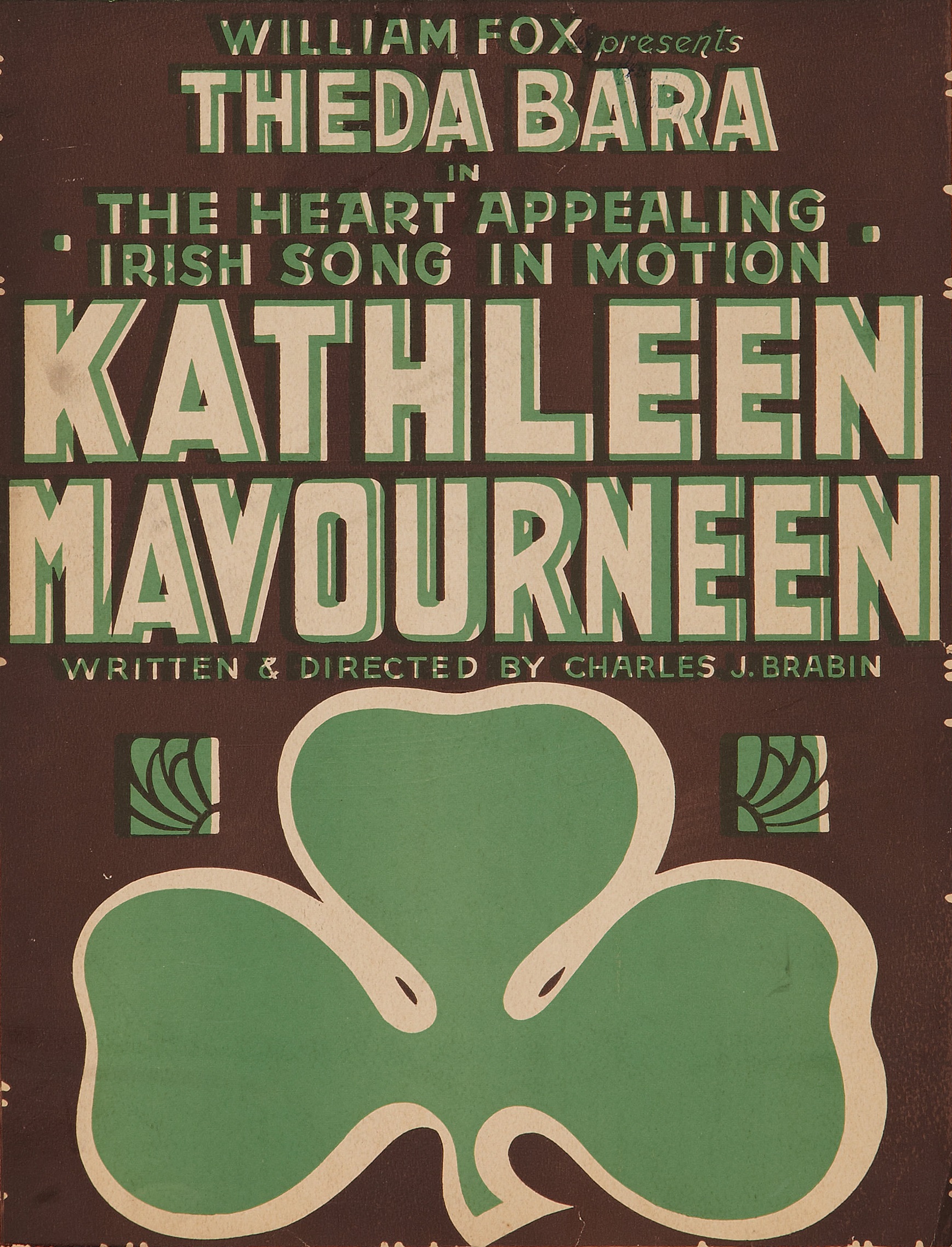
Dir: Charles Brabin
Kathleen, the daughter of a poor tenant farmer, dreams of her wedding with her beloved Terrence. The dream is interrupted when the Squire of the estate takes an interest in Kathleen and forces her father to allow him to marry her to forgive the father's debt. Unfortunately the Squire loses interest in Kathleen once a potential gravy train arrives in the person of the exceedingly wealthy Lady Clancarthy. To be rid of Kathleen the Squire abandons her in the forest where she is beset upon by ruffians, but is rescued by Terrence, who is framed for murder for his troubles.
View Details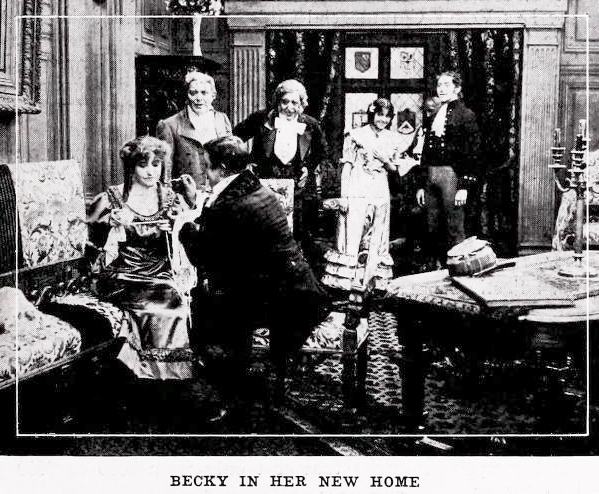
Dir: Charles Brabin
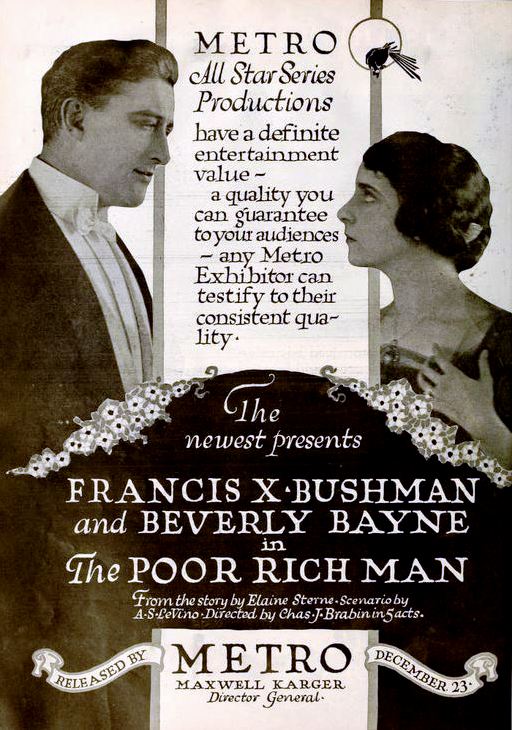
Becky, a child, is left an orphan by the death of her father and is consigned to the tender mercies of the Misses Pinkertons, who conduct a fashionable school for girls. Becky feels keenly the semi-charitable nature of her life, and, when kindly-hearted Amelia Sedley invites her home, she eagerly accepts. It is then that Becky, the child, becomes Becky, the adventuress, cold, calculating and selfish. With the entrance of Becky into the peaceful Sedley home comes misfortune. Sedley goes bankrupt. Old man Osborne promptly breaks the engagement between Amelia and his son, George. Becky lays her traps for Joseph Sedley, Amelia's brother, and nearly succeeds in her designs on that self-satisfied young man. Urged by his faithful friend, Captain Dobbin, George marries Amelia. This change throws Becky into new surroundings. She goes to Queen's Crawley and enters the most active sphere of her existence. Her adventures with old Pit Crawley, her marriage to Rawdon Crawley, their poverty Becky's flirtation with Lord Steyne and her subsequent separation from Rawdon, the Battle of Waterloo and the death of George Osborne are all faithfully portrayed incidents of Thackeray's novel.
View Details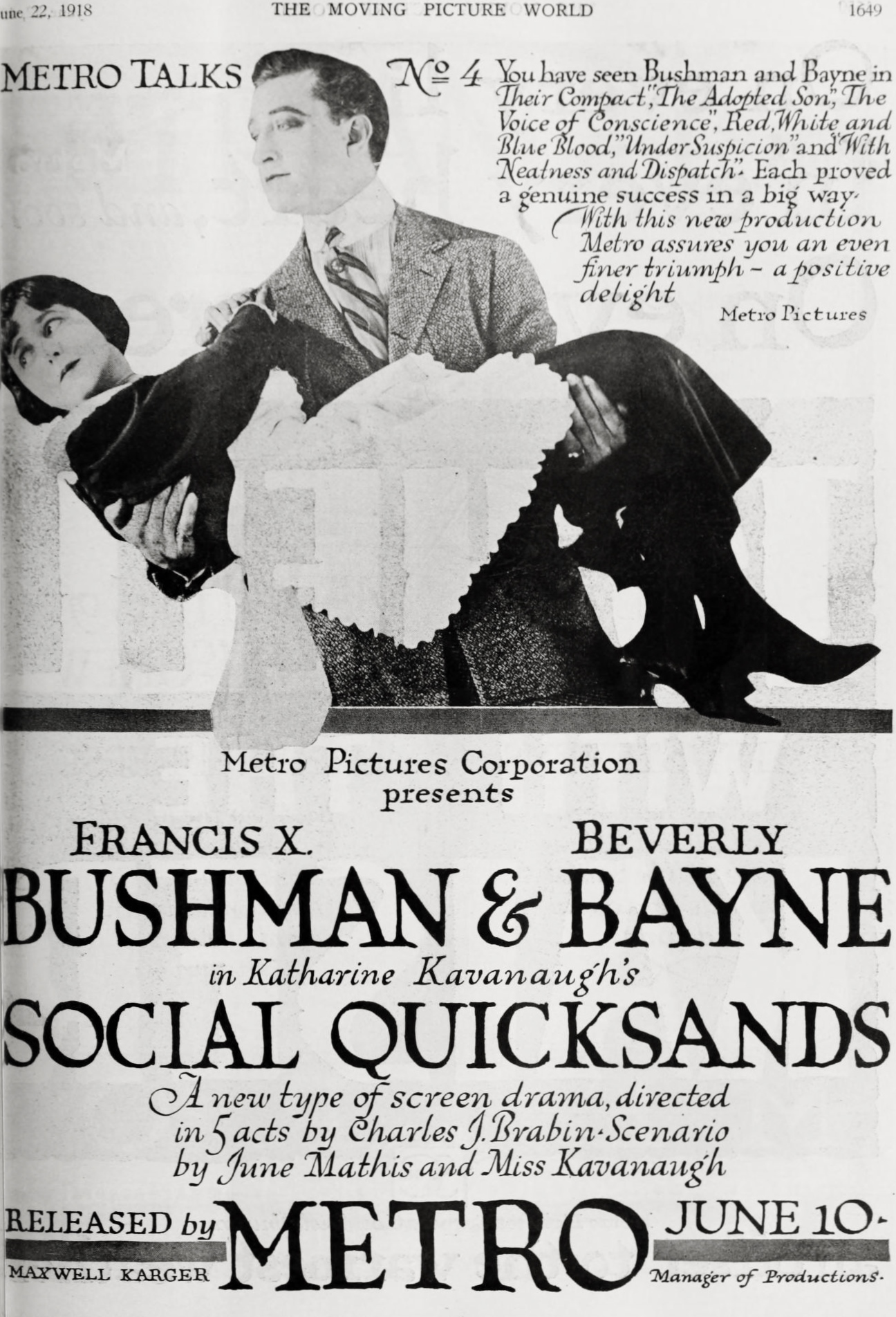
Dir: Charles Brabin
Claiming that he has no need for social butterflies, Warren Dexter refuses to attend a reception at which he was to meet debutante Phyllis Lane. Humiliated, Phyllis makes a wager that she will lead Warren to the altar within the month. To gain his attention, she faints on his doorstep and then realizes that he is not at home. Peering through the window, Phyllis spies a woman stealing the silver, whereupon she enters the house and forces Mollie, the burglar, to exchange clothing with her. When Warren arrives, Phyllis feigns a guilty look and explains that her father and brother force her to steal. Hoping to reform the attractive "crook," Warren offers her a position as his maid and soon falls in love with her. Later the crooks again try to rob him, and after Phyllis helps him to foil their plan, he proposes. Upon learning her true identity, Warren is greatly offended, but Phyllis easily convinces him that her love is genuine.
View Details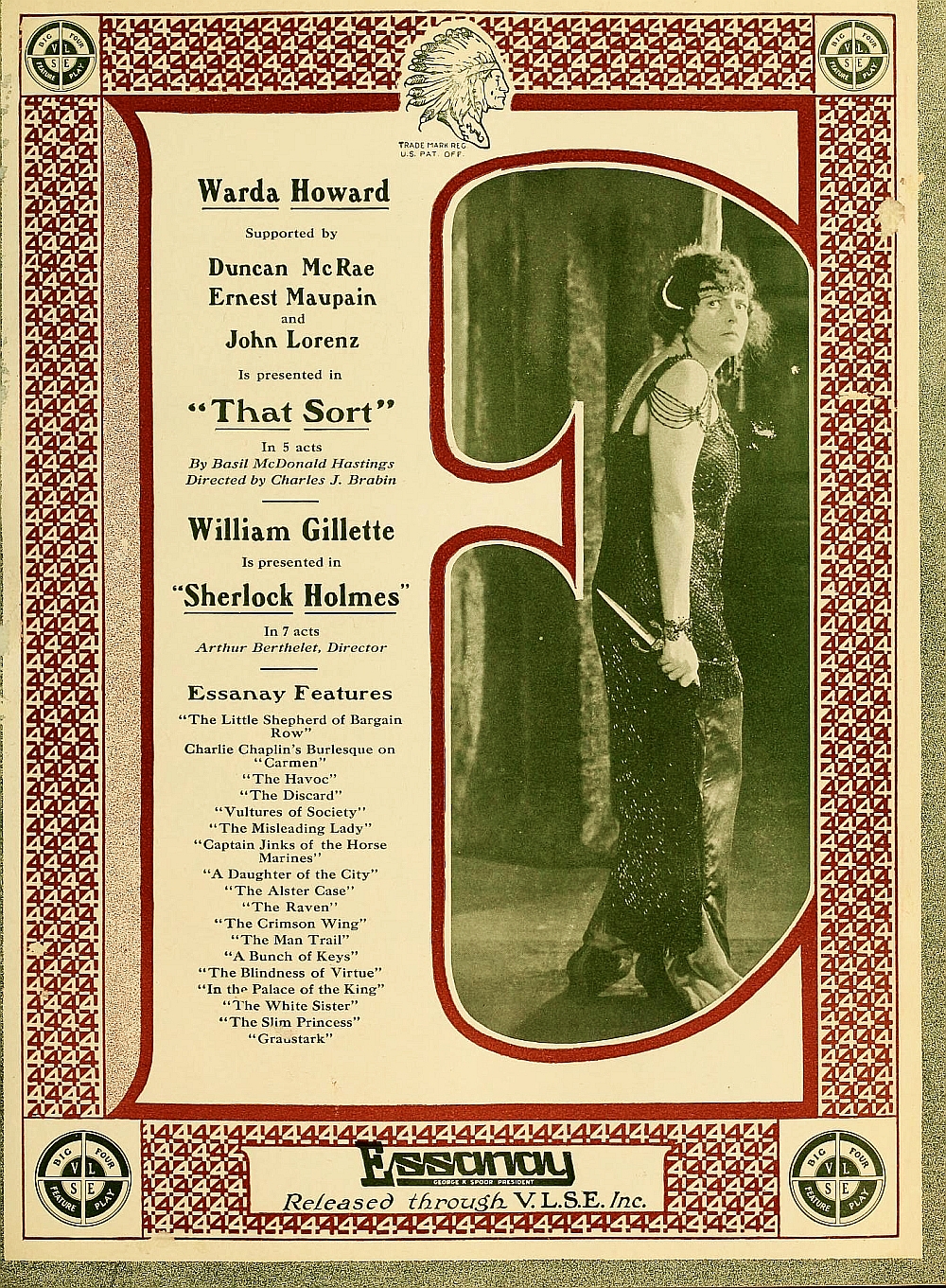
Dir: Charles Brabin

John Heppell, a wealthy young man about town, falls in love with Diana Laska, a noted actress, and marries her. After their child is born he tires of her and goes back to his old way of living. Infuriated at his neglect, Diana leaves him and goes abroad with Philip Goodier. He also tires of her in time, and she becomes a notorious character on the continent. Finally she awakens to the evil of her life and tries to reform. She finds her path strewn with thorns as the world holds her for what she has been. A longing is kindled in her heart for her daughter. Her first husband has remarried and refuses to permit her to see her. Sick of life, she attempts suicide. She is attended by Doctor Maxwell. He instills hope into her by promising to aid her in her attempt to see her daughter. Maxwell is an old friend of Heppell and partly by persuasion and partly by threats Diana Laska is received into the Heppell home as the governess for Heppell's son by his second wife. She meets her daughter only to find that she is engaged to Philip Goodier, the man who had cast her off. Horrified, she tells the Heppells her daughter must not marry him. Goodier denounces Diana, while admitting his relations with her, but cannot understand why she should have an influence over the Heppells. Finally, Diana tells him that the girl to whom he is engaged is her daughter. He consents to break the engagement only on condition that she leave the house and never see her daughter again. The woman who has developed under Doctor Maxwell's influence, then makes the supreme sacrifice of giving up her daughter to save her from her own shame. And through this sacrifice she wins atonement for her sins.
View Details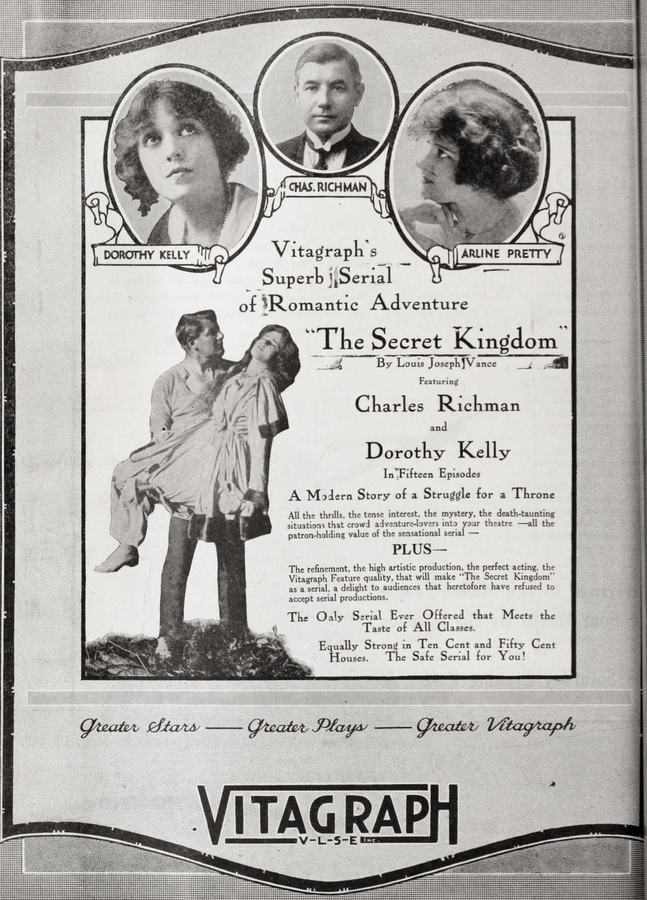
Dir: Charles Brabin
Episode 1: "Land of the Intrigue" Taking advantage of his monarch's lack of funds. Prime Minister Simond of Alania, who secretly aspires to the throne, induces him to pass an obnoxious tax bill. Then, with his sovereign unpopular, Simond feels it a good time to strike, so he causes the assassination of the King, Phillip II and Queen Alize, while they are hunting in the royal forests. Capt. Barreto, Commander of the Alanian palace guard, and a loyal friend of Phillip II, realizes Simond's dastardly plan, and when he hears him issue an order for the apprehension of the little Crown Prince, the only obstacle remaining in his path to the throne, he dashes off with him to America, with the aid of Juan, a fisherman. Barreto makes arrangements with Juan to keep in communication with his brother, Lieut. Jarreto. Simond proclaims himself Prince Regent, and with a bold bid for popularity, rescinds the obnoxious tax bill, his first official act.
View Details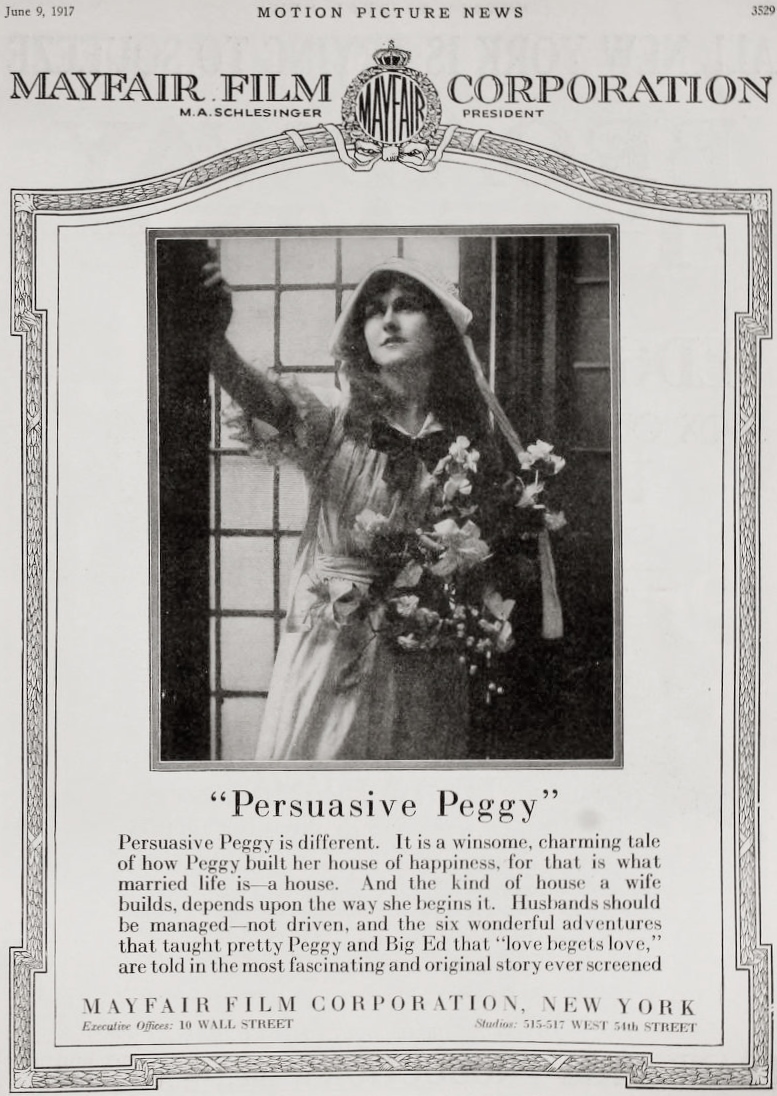
Dir: Charles Brabin
Informed by her husband Ed that they will not be honeymooning at Niagara Falls as promised, but rather at the County Fair, newlywed Peggy decides it is time to assert her independence and steals away to the falls alone, leaving her bewildered husband to follow. After the honeymoon, Ed takes his bride to the home that had been his mother's, and Peggy redecorates the entire house in her husband's absence. Gradually, Ed learns to submit to his wife's modern attitudes until he discovers that her continual visits to the city have not been to the dentist's, as she had said, but to the studio of portrait painter Perry Pipp. Ed angrily confronts Peggy with her deception, forcing her to return home to her parent's house. Later, when Ed learns that Peggy has been posing for a portrait as a birthday surprise, he begs his wife's forgiveness, which she bestows, along with the information that a baby is on it's way.
View DetailsAnalysis relative to La belle Russe
| Film Title | Atmosphere | Complexity | Similarity |
|---|---|---|---|
| Mary Jane's Pa | Surreal | Dense | 97% Match |
| A Pair of Cupids | Gritty | Linear | 85% Match |
| What Happened to Mary | Ethereal | Linear | 94% Match |
| The Poor Rich Man | Gritty | High | 96% Match |
| Kathleen Mavourneen | Tense | Dense | 85% Match |
This guide was algorithmically generated using the cinematic metadata of Charles Brabin's archive. Last updated: 8/17/2026.
Back to La belle Russe Details →