
DbcultAccessing Vault...
Recommendations
Senior Film Conservator
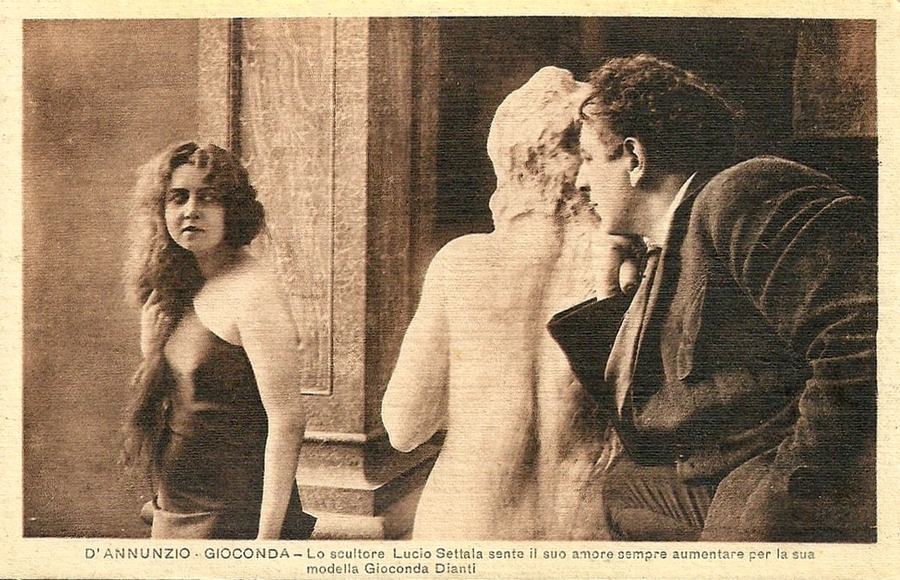
Delving into the atmospheric depths of La Gioconda reveals a master at work, the artistic provocations of La Gioconda demand a follow-up of equal intensity. These hand-selected movies are designed to satiate your craving for cult quality.
The enduring power of La Gioconda lies in to transcend the limitations of its 1916 budget and technology.
The convalescence of an injured artist is hampered by the sudden reappearance of his seductive old flame Gioconda, who is apparently intent on destroying him and his marriage.
The influence of Eleuterio Rodolfi in La Gioconda can be felt in the way modern cult films handle stylistic flair. From the specific lighting choices to the pacing, this 1916 release set a high bar for atmospheric immersion.
Based on the unique stylistic flair of La Gioconda, our vault has identified these titles as the most compelling follow-up experiences for fans of cult cinema:
Dir: Eleuterio Rodolfi
A fascinating piece of cinema that shares thematic elements.
View Details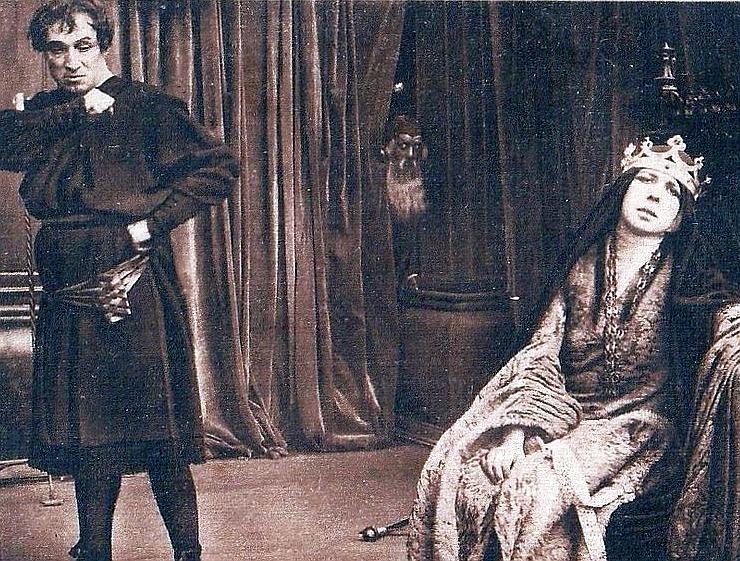
Dir: Eleuterio Rodolfi
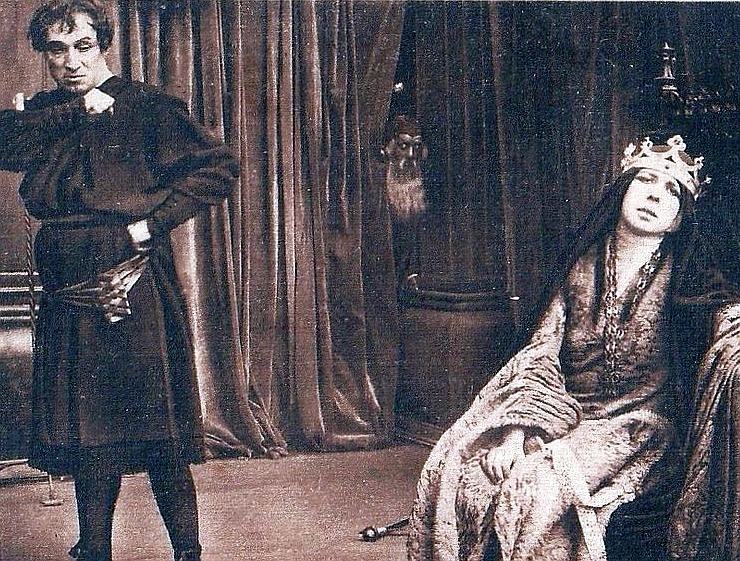
Hamlet suspects his uncle has murdered his father to claim the throne of Denmark and the hand of Hamlet's mother, but the prince cannot decide whether or not he should take vengeance.
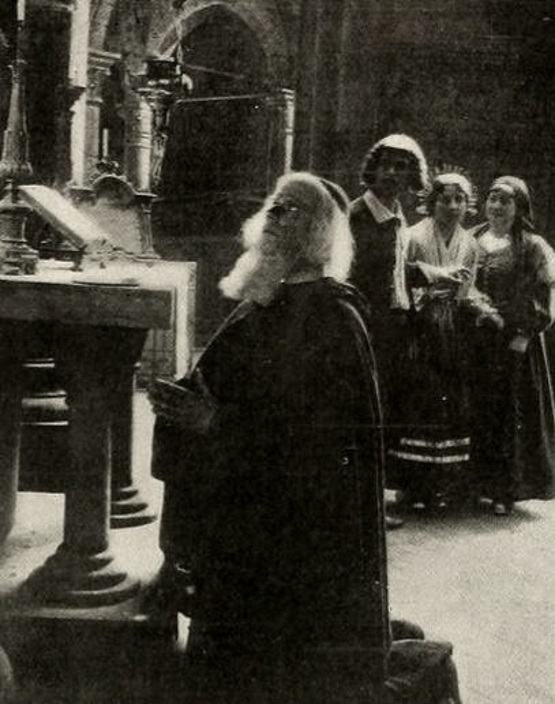
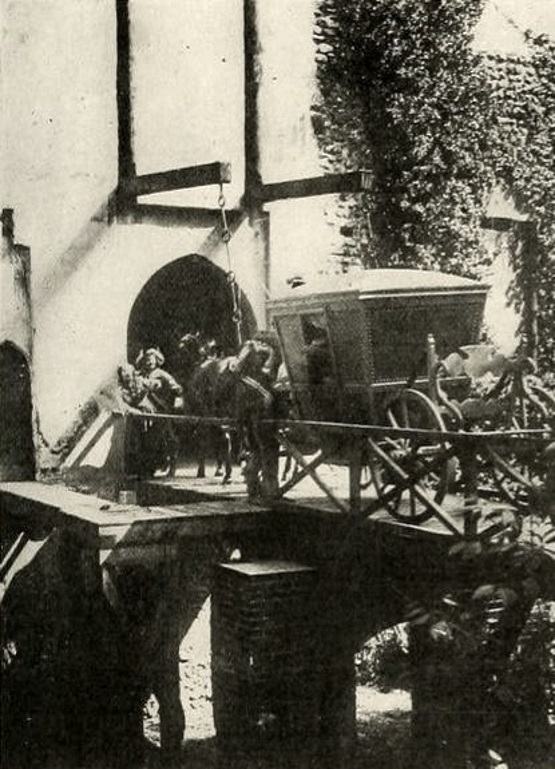
Dir: Eleuterio Rodolfi
Literary adaptation: A couple is prevented from marrying by a local tyrant and they are not reunited until after a number of misfortunes including pestilence.
View Details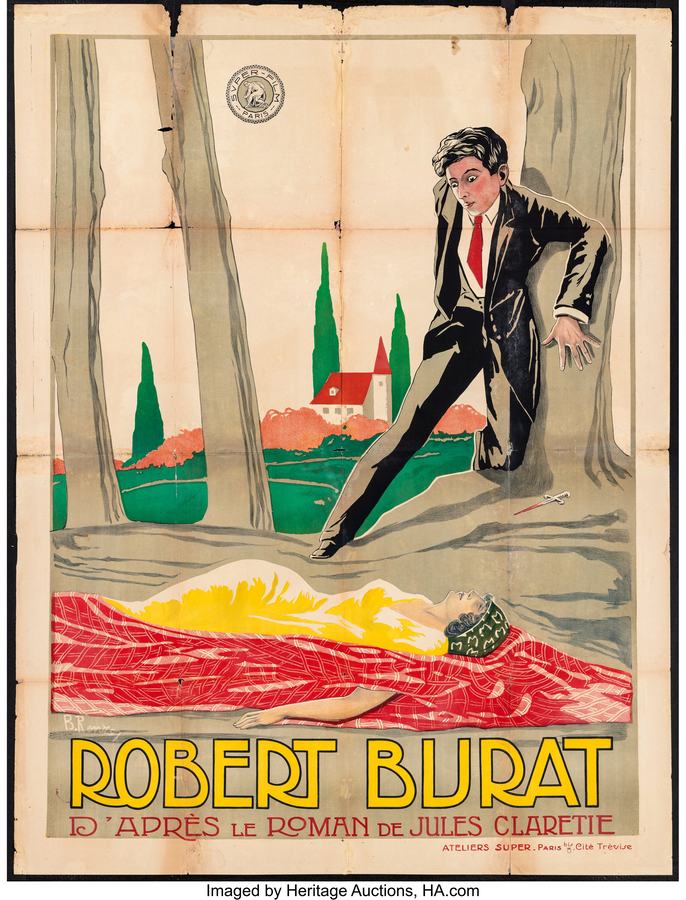
Dir: Eleuterio Rodolfi
A fascinating piece of cinema that shares thematic elements.
View Details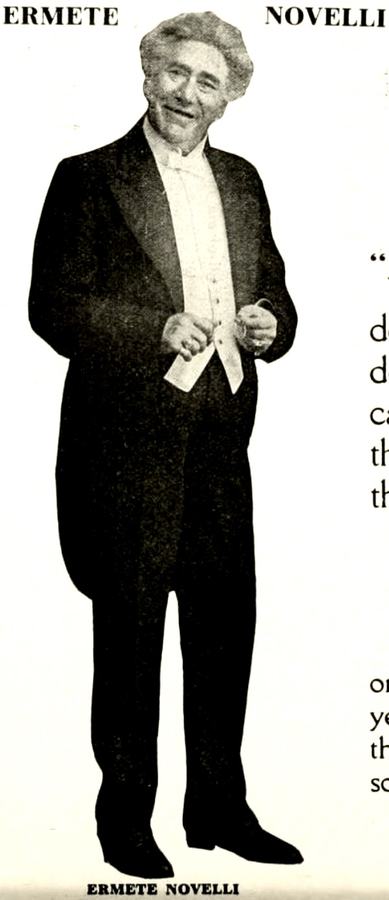
Dir: Eleuterio Rodolfi
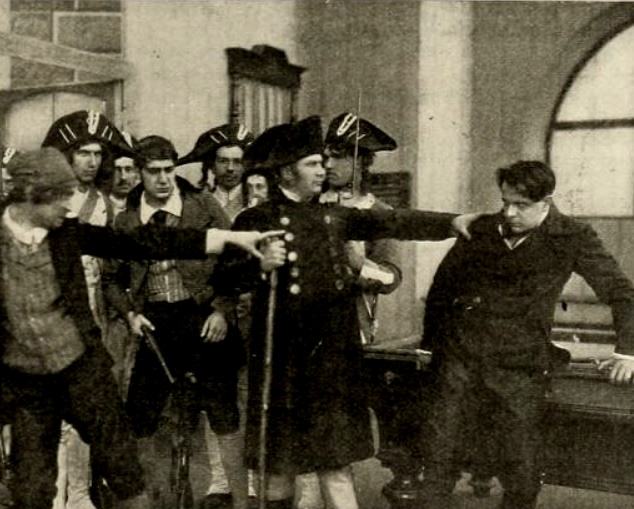
The character of Michael Perrin is most wonderfully portrayed by Ermete Novelli, the greatest of great actors, the idol of the European stage. We see him loudly applauded by his ardent admirers before he retires to assume the disguise of his famous role. The first scene opens in the humble abode of the poor parish priest Michael Perrin, who is bidding farewell to his sister and her daughter, Theresa. He takes them to the stagecoach and after many tears and embraces, finally sees them off on their return to Paris, and then wends his way homeward. It is several months later, while Michael is in the schoolroom of the church, engaged in teaching the little children to master the first stroke of the pen, the villagers are aroused by the approaching Republican troops. In a short time they enter the schoolroom and, regardless of Father Perrin's pleadings, they turn him and the children out and set fire to the old church. Alone and homeless, Michael decides to take shelter with his sister in Paris. His joy at meeting Theresa is darkened when he learns that his sister is dead. While his niece is showing him the little cross left by her mother, Bernard, her betrothed, enters, and with jesting words of congratulation the old man blesses them. Unfortunately, Theresa is out of work, and in order to maintain her uncle and herself, she is obliged to part with her little cross. Bernard having sold it, is on his way home when he meets Grussac, an old comrade, who makes an appointment to visit him the next day. Unknown to her uncle, Theresa does some sewing at night. He discovers her little secret the next morning, when he finds her asleep over her work, the little lamp still burning on the table. Michael determines to seek employment, and by accident learns that the Minister of Police is Fouche, an old schoolmate of his. With great confidence he goes to the Police Department, where he is received with joy by Fouche. As the minister is summoned to Napoleon's office he commits his secretary to find employment for Michael, "You must wander around the city and dine in the best restaurants in Paris. Every morning at nine o'clock report to me, and for this you will receive Frs. 20 per day." This is Michael's position. In the meantime Grussac having kept his appointment, has succeeded in winning over Bernard to sign his name to a Royalist conspiracy, and quickly departs upon the entrance of Michael. Eagerly Theresa and Bernard listen to the old parson's excited snatches of talk between which he searches from pocket to pocket for the first Frs. 20 piece given him. That night, during a supper given by the conspirators, Perrin unexpectedly comes in. The conversation between Grussac and Bernard is overheard by a waiter, who immediately informs Napoleon of the plot against him. Michael, upon arriving home, sits down to prepare his report, which he hands in the next morning. The Police Department is in a state of great fear as the note of warning has safely reached Napoleon. At first no attention is paid to Michael. What, then, is the surprise and joy of Fouche and his secretary, when they read the names of the conspirators on the reverse side of Michael's report. "Citizen Perrin, you have saved the country," they tell him. Michael listens to their loud praises entirely mystified, for he is unaware that he has written his report on a compromising sheet of paper neglectfully left by Grussac. Unaware of these events, the conspirators are holding their last meeting. Bernard is appointed to execute the plot, but he refuses, and while he is struggling with his fellow conspirators, the police enter. Bernard escapes, and by Theresa immediately dispatches a letter to Fouche disclosing the plot. The two conspirators arrested are taken to the Police Department and Father Perrin is left alone to question them. "You wanted to kill Bonaparte? To become murderers? But did you think of your family, of your mother? Do you weep? Are you repentant? Then go and embrace your mother," and he lets them go free by means of a secret passage. Theresa has just delivered to Fouche Bernard's letter. When it is learned what Michael has done their dismay is boundless. All hope seems lost, when a message is given to the bewildered Michael from the conspirators. In appreciation of his leniency they have abandoned their plot and have taken advantage by leaving the country. They only express their regret that so generous a man should act the part of a spy. It is then the truth flashes upon the unsuspecting parson. His indignation is finally appeased by the diplomatic Fouche, who writes an authorization to have the old church rebuilt. Michael in his great joy forgets the incidents of his eventful day as a spy, and leaves with Theresa and Bernard, who has also been arrested, a contented man. We see him again in later years still pursuing his good and noble work as the first teacher to the little children.
Analysis relative to La Gioconda
| Film Title | Atmosphere | Complexity | Similarity |
|---|---|---|---|
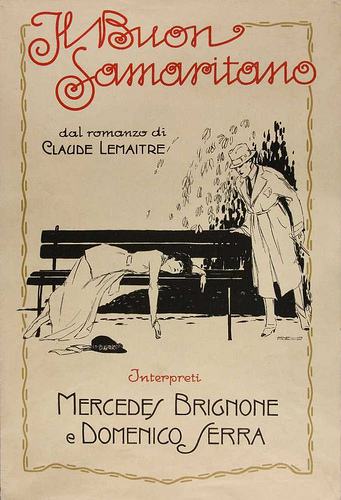
| Il buon Samaritano | Surreal | Abstract | 92% Match |
| Hamlet | Surreal | Layered | 94% Match |
| The Betrothed | Gritty | Layered | 91% Match |
| Roberto Burat | Surreal | Layered | 86% Match |
| A Spy for a Day | Surreal | Layered | 95% Match |
This guide was algorithmically generated using the cinematic metadata of Eleuterio Rodolfi's archive. Last updated: 8/16/2026.
Back to La Gioconda Details →