
DbcultAccessing Vault...
Recommendations
Senior Film Conservator
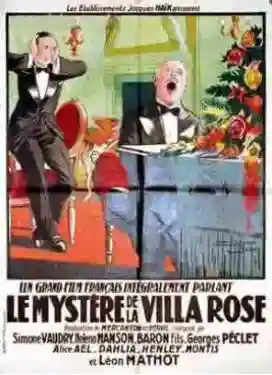
The evocative power of Le mystère de la villa rose (1930) continues to haunt audiences with its stylistic flair, its status as a France icon makes it a perfect starting point for discovery. The following gems are essential viewing for anyone captivated by Le mystère de la villa rose.
The visceral impact of Le mystère de la villa rose (1930) stems from to serve as a cornerstone for Mystery enthusiasts worldwide.
Critics widely regard Le mystère de la villa rose as a cult-favorite piece of Mystery cinema. Its stylistic flair is frequently cited as its strongest asset, solidifying its place in France's film legacy.
Based on the unique stylistic flair of Le mystère de la villa rose, our vault has identified these titles as the most compelling follow-up experiences for fans of Mystery cinema:
Dir: René Hervil
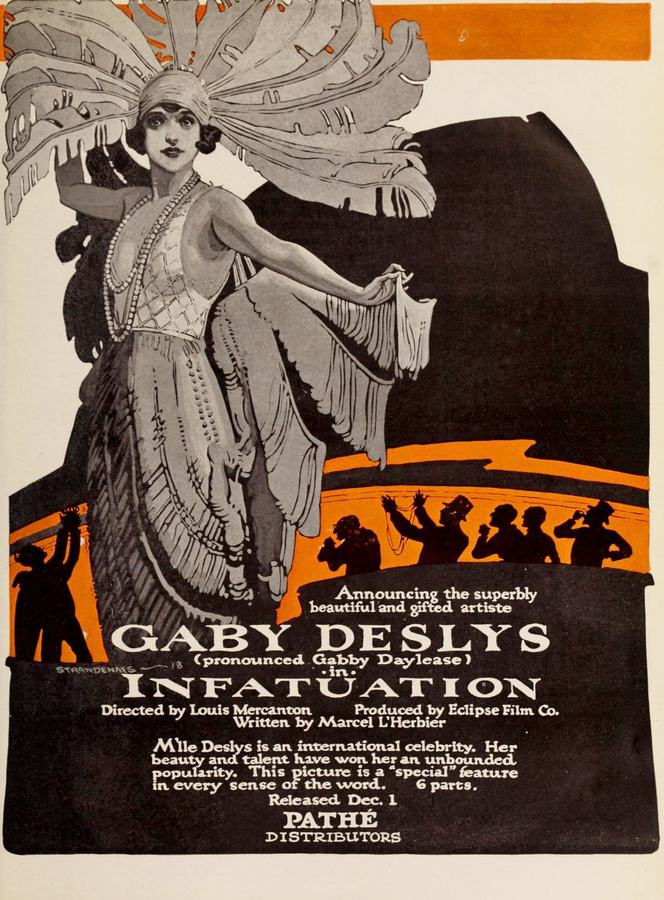
Flora Nys, a poor flower girl of Paris faces hard times. Her rent overdue, Le Baron, the landlord, oppresses her and puts before her a shady proposition. Indignantly she orders him out of her room. When she takes up her flowers, preparatory to going forth to sell them, she discovers that Le Baron has trampled on them. Tempted by her poverty she steals a fur in a department store. Le Baron sees her and follows her into the street where the girl, conscience-stricken, throws it away. Le Baron picks it up and follows her to the home of Paul Bernard, an actor, who every year gives a Christmas party to certain poor children of Paris. Bernard redeems the fur and, attracted by Flora's loveliness, asks her to become his wife. In time, Flora becomes an expert dancer and leading woman at Bernard's theatre. Gray Stanton, a wealthy rounder, attracts Flora. He endeavors to entice her away from her husband in which task he is assisted by Le Baron, who harbors revenge. On the night of the opening of a new production, Flora deserts the theatre, influenced by a trumped up story regarding Stanton's injury. She discovers the lie and returns to Paris to discover that her husband is suffering from an attack of brain fever occasioned by her flight. She devotes her time in efforts to bring back his memory and finally when another Christmas rolls around she dons her old clothes and sits before the open fire place as she did when Bernard first met her. This has the desired effect. Bernard's memory is restored and he readily forgives the past when he learns the unhappy story of Stanton from his wife's own lips. Motion Picture News, December 14, 1918
View Details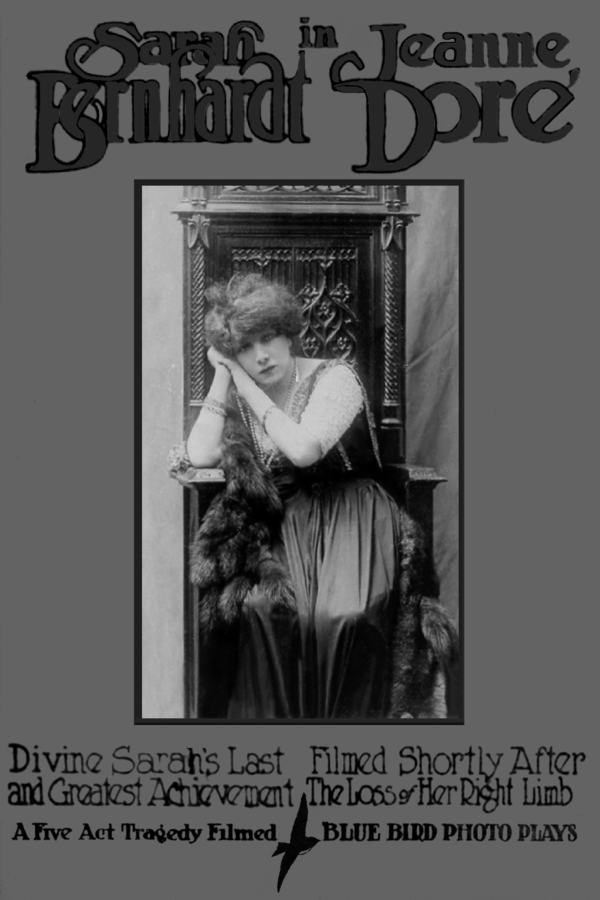
Dir: René Hervil
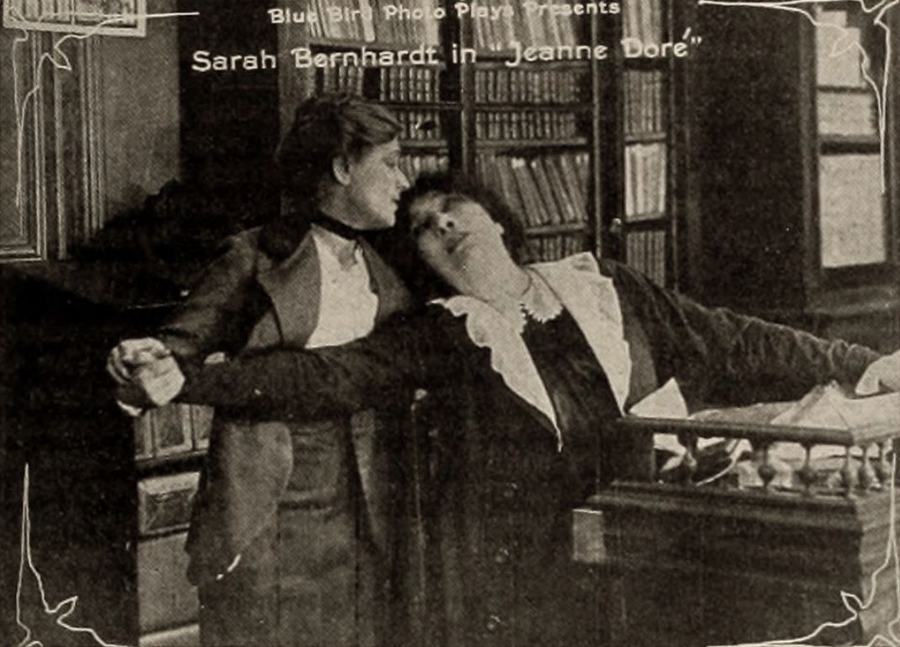
Jeanne Doré's profligate husband is hopelessly addicted to gambling, and is threatened with expulsion from his club because of his heavy indebtedness to another gambler member. Confessing his disgrace to his wife (Mme. Bernhardt), she offers to save him from disgrace by selling her jewels. With the money thus obtained he goes to his club, determined to pay his debts and live up to the pledge he has made to his wife to gamble no more. However, the lure of the roulette wheel overcomes his resolve; he loses all his money on "just one more turn of the wheel," and rather than face his disgrace, commits suicide. Left with her young son to support, Jeanne Doré is forced to sell her remaining possessions and live as best she can until her husband's uncle takes pity upon her and buys for her a small stationery shop in Paris. Here mother and son prosper until the boy reaches early manhood. One day he falls suddenly and violently in love with a married woman, who comes to his mother's shop to make purchases. An intrigue with the unscrupulous female leads the young man to murder the same uncle who had befriended himself and mother. The youth, with the assistance of Jeanne Doré, makes good his escape. Well clear of immediate capture, the boy comes back to the scene of his crime and succeeds in his efforts to once more affect a liaison with his mistress. By accident he is discovered and captured, thrown into jail, is tried and convicted of the murder and sentenced to the guillotine. Even in these desperate straits he seeks to gain some response to his affection for the woman, who promptly spurned and repudiated him. He prevails upon his devoted mother to become a messenger in his service and her appeals, likewise, fall upon deaf ears. Instead of telling the boy that her quest has been fruitless, Jeanne Doré goes to the prison herself, on the evening before the boy's neck is to be given to the knife, and poses as the woman he had expressed himself, to his own mother, as the one he most wished to see. The boy goes to the guillotine, and the final scene depicts the devoted mother in the extreme agony of watching, from a window across the street, the execution of her son.
View Details
Dir: Marcel Perez
Ralph Barr refuses to lend more money to Trent, who has been rejected by Judith Reynard and is now engaged to Barr. When Trent insults Judith, Barr threatens to kill him. Then Trent calls on Barr, threatening to kill himself and make it appear that Barr killed him if Barr will not lend him the money. Later it seems that Trent has committed suicide and Barr is suspected of the murder, but disappears. A series of complications follows which make it appear that Barr did kill Trent, but it turns out that he was killed from a shot behind the portieres. Another murder takes place and more mystery develops. Finally it is determined that Barr is not guilty, and Judith's loyalty saves him.
View Details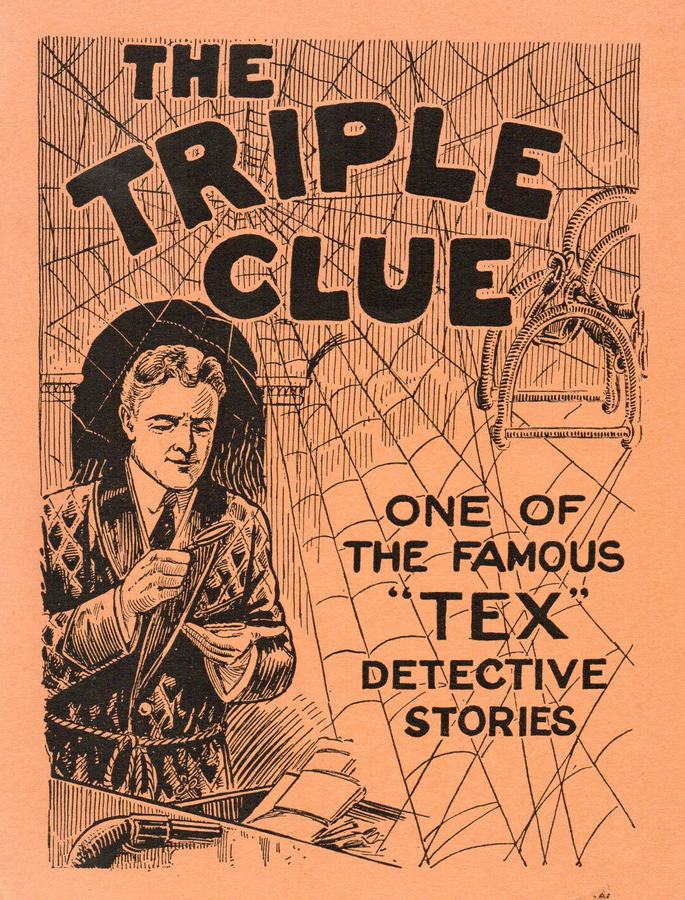
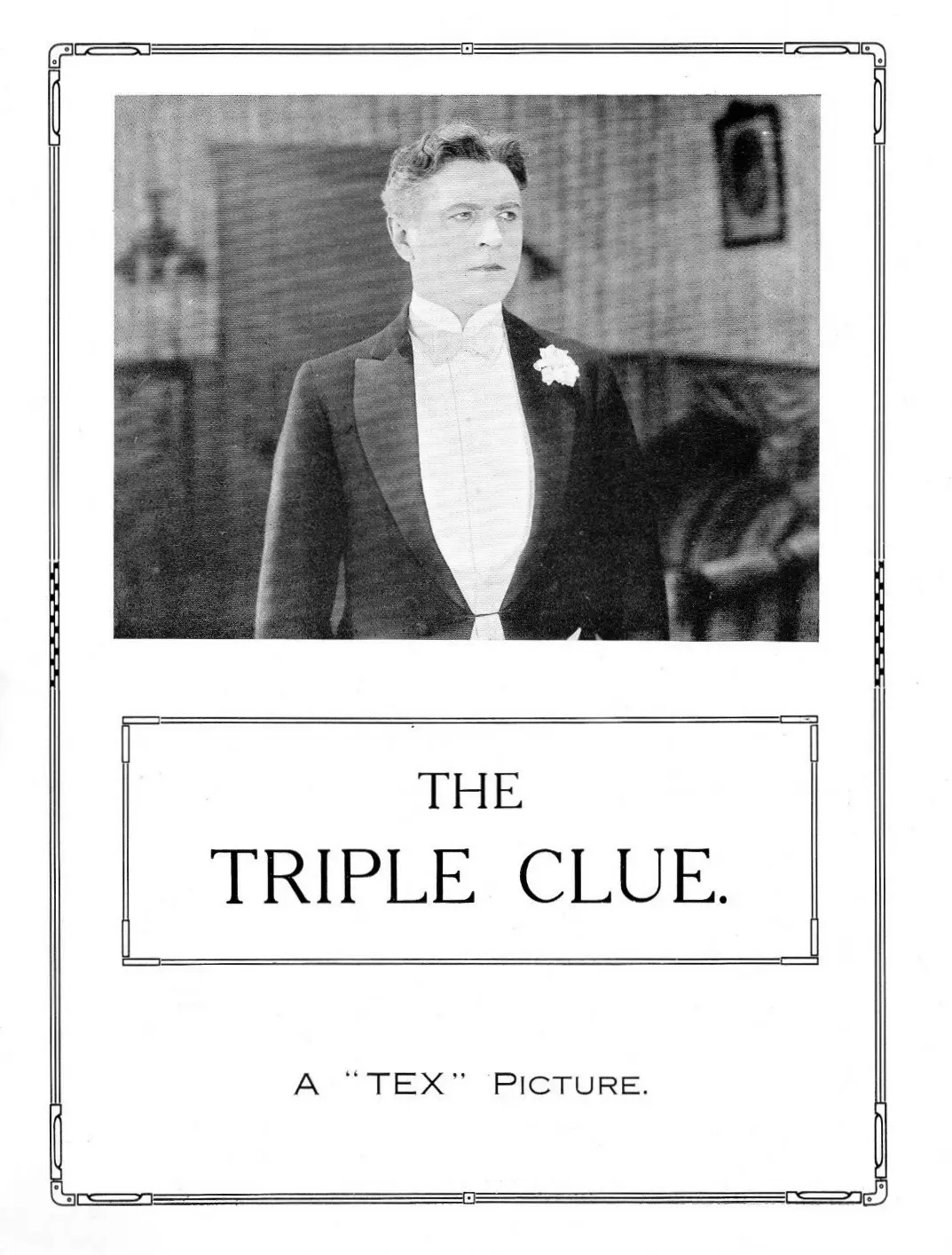
Dir: Tom Collins
Tex clears an innocent man who has been found guilty of murdering a man who was molesting his sweetheart. One of the 'Tex' detective series.
View Details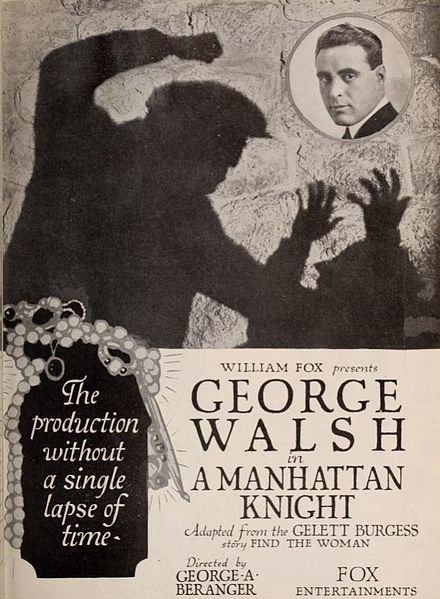
Dir: George Beranger
John Fenton visits a fortune-teller to gain insight into his parentage. While there, a police raid occurs, and he climbs the fire escape to the apartment above. There he finds a girl standing over the body of a young man who has just shot himself. The girl, Belle Charmion, explains that her half brother, Gordon Brewster, had stolen some jewels from their uncle and, fearing that the police would capture him, had attempted suicide. Fenton conceals the brother in another room and impersonates him when the police arrive. Later, he and Belle take Brewster to his uncle's home. In the excitement, the jewels have been forgotten, and Fenton returns to search for them. By this time, the family butler, who is a member of an underworld gang, has tipped off his friends, who then steal the Fenton jewels. At the butler's home, a scuffle ensues; Fenton recovers the jewels and learns that he is actually a distant relative of the Charmions, having been kidnapped in infancy by a crook. With both mysteries thus resolved, Belle and Fenton become engaged.
View Details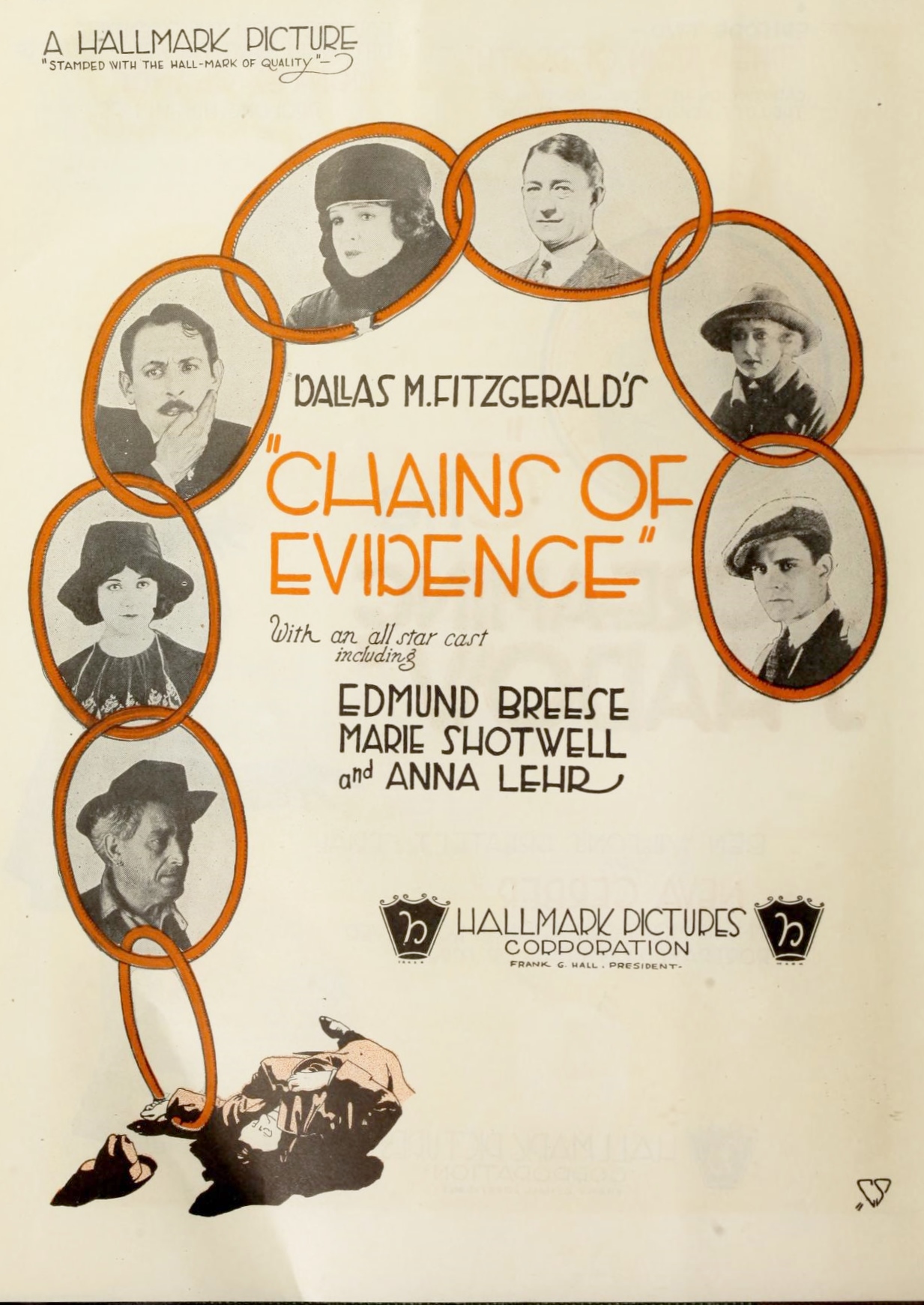
Dir: Dallas M. Fitzgerald
Edith Sturgis, the daughter of a judge, returns from studies abroad to find her widowed father remarried. The new Mrs. Sturgis does not reveal that she has a son Dick, once unjustly jailed by Judge Sturgis, but now working as a reporter while still maintaining an association with the Brownlow gang. Quarrelling with her stepmother, Edith leaves home, meets Dick and falls in love. While Dr. and Mrs. Allen (whom Edith met on the steamer) are visiting in the Sturgis home, the doctor's valuable radium is stolen from the safe, and Judge Sturgis is found murdered. Dick, though with Edith at the time, is accused of the crime. Finally, an old shoemaker confesses that he entered the house to steal the radium, with which to cure his crippled son, and witnessed the judge's slaying by the Brownlow gang. Dick is freed and finds happiness with Edith, and the doctor helps the crippled boy.
View Details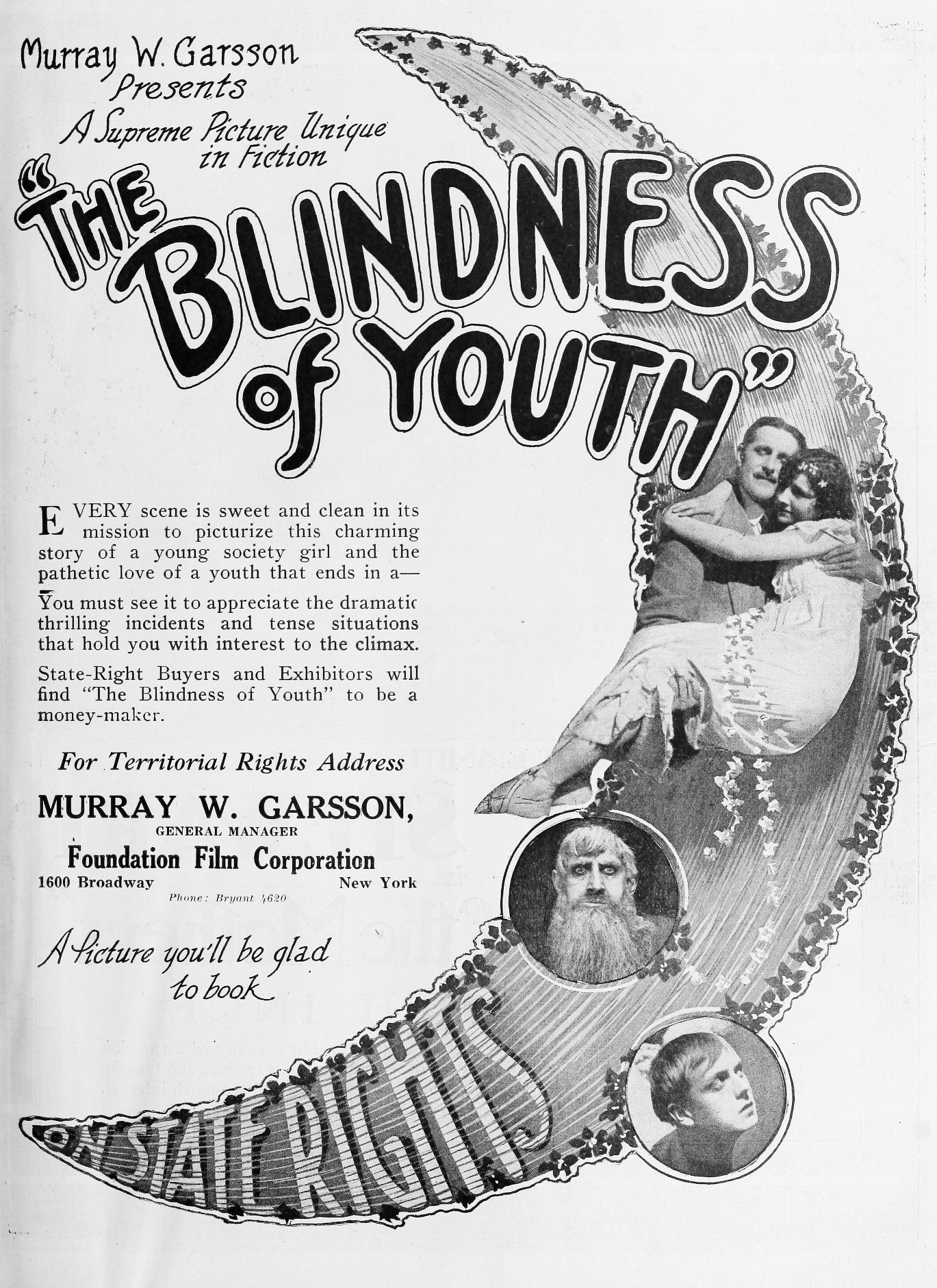
Dir: René Hervil
A fascinating piece of cinema that shares thematic elements.
View Details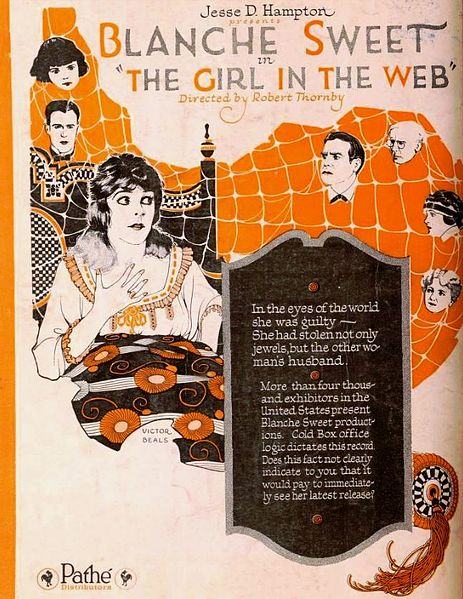
Dir: Robert Thornby
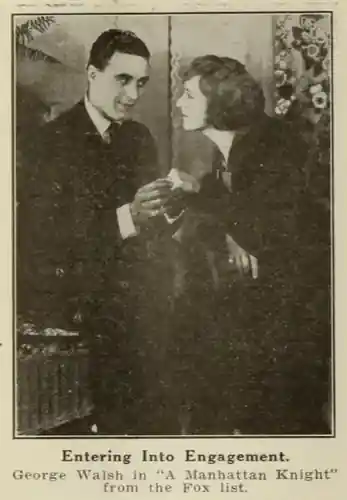
When Mrs. Chapman Price, the daughter of wealthy socialite Mrs. Janney, quarrels with her husband over her mounting gambling debts, he packs his suitcase and moves out. Desperate to pay off her debts, Mrs. Price rifles her mother's safe but discovers that its contents are missing. The blame points to Chapman Price and Esther Maitland, Mrs. Janney's private secretary. When the Price baby is kidnapped and held for ransom, Esther is suspected of that crime, too. Only Dick Ferguson, a neighbor, believes in Esther's innocence. After several misadventures, Esther discovers that the kidnapping was perpetrated by the detective whom Mrs. Price hired to unravel the burglary, which was committed by Ferguson's servant. Thus cleared, Esther joins the man who believed in her, and the Prices are reconciled.
View Details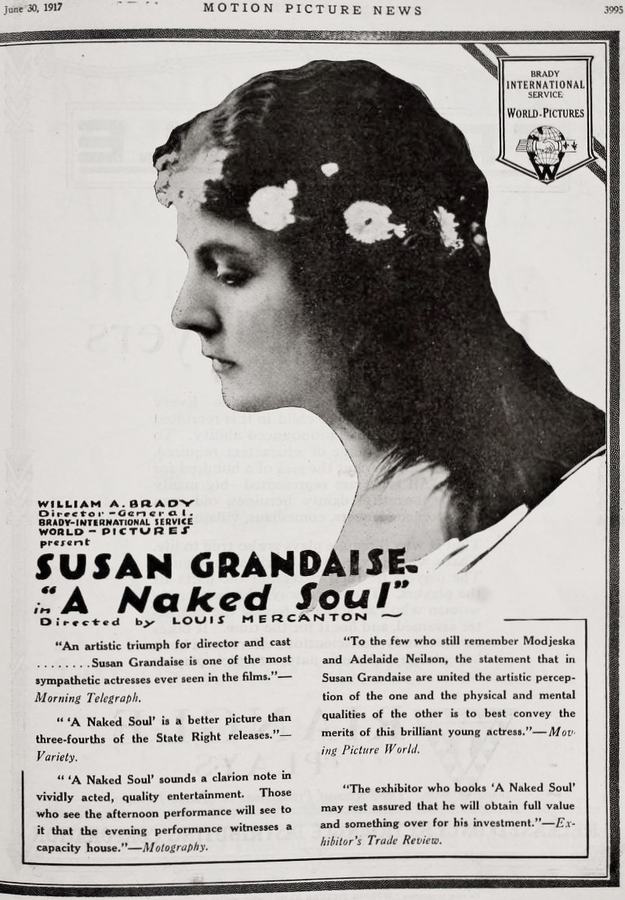
Dir: René Hervil
Susan Daubray's father, a judge, insists upon her reading law. Her brother, Robert, is her only real companion. She has a kind friend in Daddy Dorand, a goatherd on a neighboring island. Prince Michael of Sylvana is visiting the Duke of Valdimere, whose castle is near Susan's home. Susan meets the Prince and they become close friends. The Prince is called to Paris to meet Princess Sonia. He writes to Susan, but his letter is intercepted by the Duke, who disapproves of the acquaintance. Susan, unable to bear the sorrow of the loss of her friend, goes to the Duke's castle to learn the reason why the Prince does not write. While in the castle she faints and a ring which the Prince had given her is taken from her finger by the Duke and returned to its original owner, the Prince. The Prince thinks that Susan has forgotten him and he consents to marry the Princess. A baby is born to Susan and she is told by her father to leave his house. She goes with the goatherd to live. Her brother, who has gone to America, returns and, learning of the Prince's deceit, seeks him out an in a fight and he, the brother, is thrown over a balcony and killed. The Prince then learns of the intercepted letter and finds Susan and they are reconciled. Susan, after the reconciliation, is content to die in her happiness and drowns herself.
View Details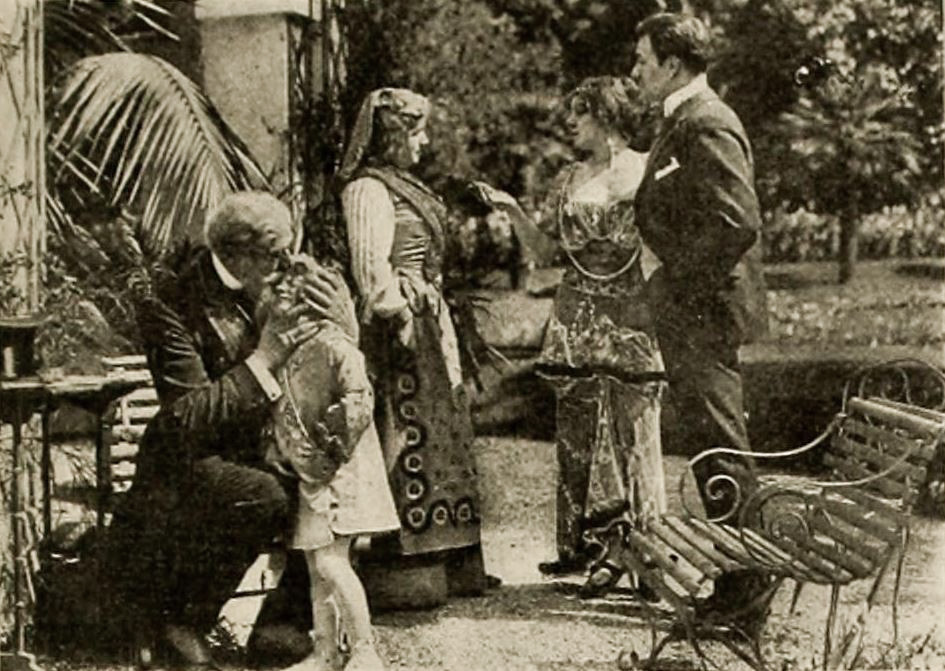
Dir: René Hervil
Fabio Romani is the husband of beautiful Nina, an Italian girl. They have a charming daughter, Stella by name, and their life in Naples on Romani's great estates is one of love and happiness. Both husband and wife are fond of Guido Ferrari, who is a constant visitor at their home, and whose friendship for Fabio has been lifelong. A great cholera plague ravages the populace of Naples and Fabio one day decides to go to town in spite of the danger, on an errand of importance. On his return he is seized with the cholera, and drops to the street. He is picked up by the hooded doctors, pronounced dead, and, as a precaution against infection, his body is immediately placed on a cheap wooden casket and buried in the long disused Romani family vault. After some hours of apparent death his body stirs. He breathes, feels, moves and his casket slips from the niche and falls to the floor of the vault, taking with it a coffin that had lain undisturbed for many centuries on a lower tier. Romani struggles to his feet and the truth dawns on him. He immediately plunges into the casket now broken open and finds tremendous riches in gold, silver and diamonds with a note stating that they had been placed there by a pirate many generations ago. Almost overcome by his adventure, and suffering an agony of mental torture, Fabio's hair turns white in a single hour. He finally breaks free of the tomb and rushes through the garden to his mansion. From behind an ornamental column he sees his old friend Guido embracing his wife and determines upon a horrible revenge. He hurries to the nearest town, buys a pair of green spectacles and a suit of clothes. Armed with almost inexhaustible riches of the treasure chest, he assumes the name of Count Oliva and after a lapse of time, returns to the scene of his misfortunes. He succeeds in obtaining an introduction to Guido and in course of time the two become fast friends. He professes himself to be an old friend of the dead Count Romani's father. In course of time he meets his faithless wife and soon becomes an almost daily visitor at his own home. At this time his child Stella is taken sick and dies. Before the little girl passes away, Fabio makes himself known to her. The wealth of Fabio dazzles Nina and, being faithless, selfish and mercenary, he has but little difficulty in laying the foundation of his vengeance. Guido leaves town for a period and during the interval, Fabio receives the consent of Nina to become his wife and to jilt Guido. Fabio then announces a grand dinner in honor of Guido's return and, at the psychological moment, announces to the assembled guests the engagement of himself and Nina. Guido, stung to the quick, strikes Fabio and a duel follows, in which Guido is mortally wounded. Before he expires, Fabio removes his green glasses and reveals his identity to the dying Guido. The night of the wedding arrives with its hundreds of guests. On that night just before the supper, Fabio takes Nina by the hand and leads her to the vault, telling her that he will show her the source of his fabulous wealth and the ever mercenary Nina follows to the door of the vault where she hesitates. Fabio seizes her and throws her through the open door and then follows himself. Safely in the vault, he discloses his identity and the shock drives Nina insane. The sight of the once beautiful woman now a crazed being with distorted face, playing among the jewels in the treasure chest, almost causes Fabio's cold heart to relent. Suddenly the earth moves beneath them. There is a rush and roar of crashing pillars, a mighty stone hurtles through the roof of the tomb, striking Nina and killing her instantly. Fabio, believing it the vengeance of the Gods, rushes from the mined vault in panic. Thus is the Vendetta accomplished.
View DetailsAnalysis relative to Le mystère de la villa rose
| Film Title | Atmosphere | Complexity | Similarity |
|---|---|---|---|
| Infatuation | Gothic | Abstract | 90% Match |
| Jeanne Doré | Tense | Dense | 96% Match |
| The Way Women Love | Tense | Linear | 93% Match |
| The Triple Clue | Surreal | Dense | 86% Match |
| A Manhattan Knight | Ethereal | Linear | 96% Match |
This guide was algorithmically generated using the cinematic metadata of René Hervil's archive. Last updated: 8/16/2026.
Back to Le mystère de la villa rose Details →