
DbcultAccessing Vault...
Recommendations
Senior Film Conservator
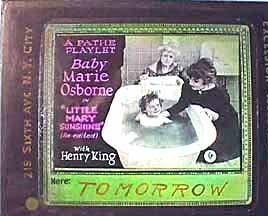
Ever since Little Mary Sunshine hit screens in 1916, fans have sought that same artistic bravery, it's essential to look at the contemporaries that shared this artistic bravery. Prepare to discover your next favorite movie in our hand-picked collection.
Whether it's the artistic bravery or the thematic depth, this film to leave an indelible mark on the history of United States film.
Just after Bob's fiancée breaks off their engagement, he meets young Mary, whose mother has just died, and the two of them comfort each other.
Critics widely regard Little Mary Sunshine as a cult-favorite piece of cult cinema. Its artistic bravery is frequently cited as its strongest asset, solidifying its place in United States's film legacy.
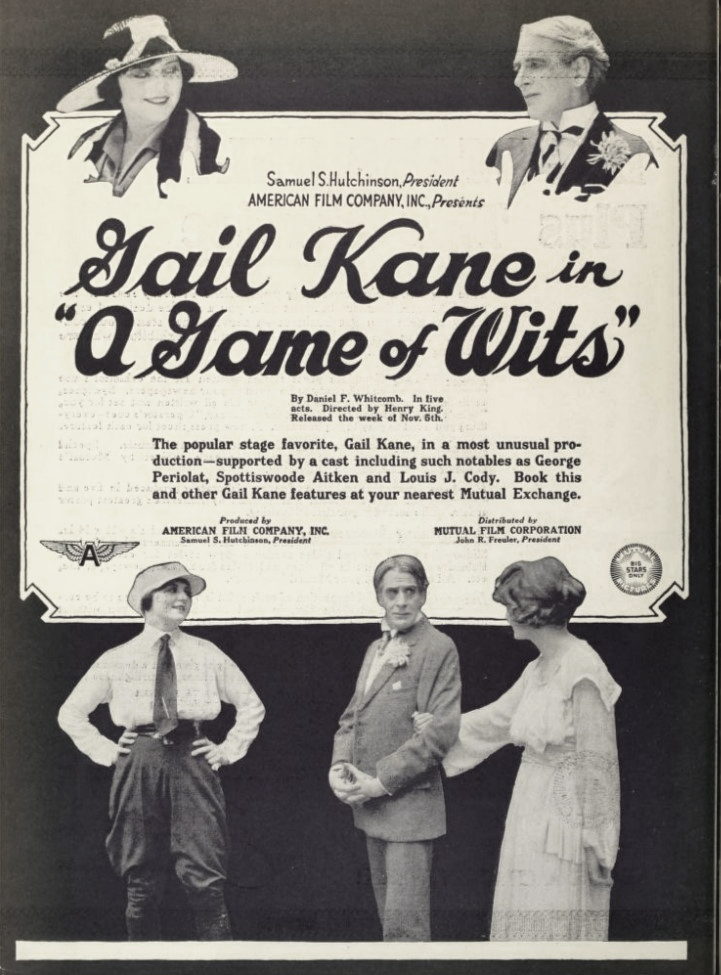
Based on the unique artistic bravery of Little Mary Sunshine, our vault has identified these titles as the most compelling follow-up experiences for fans of cult cinema:
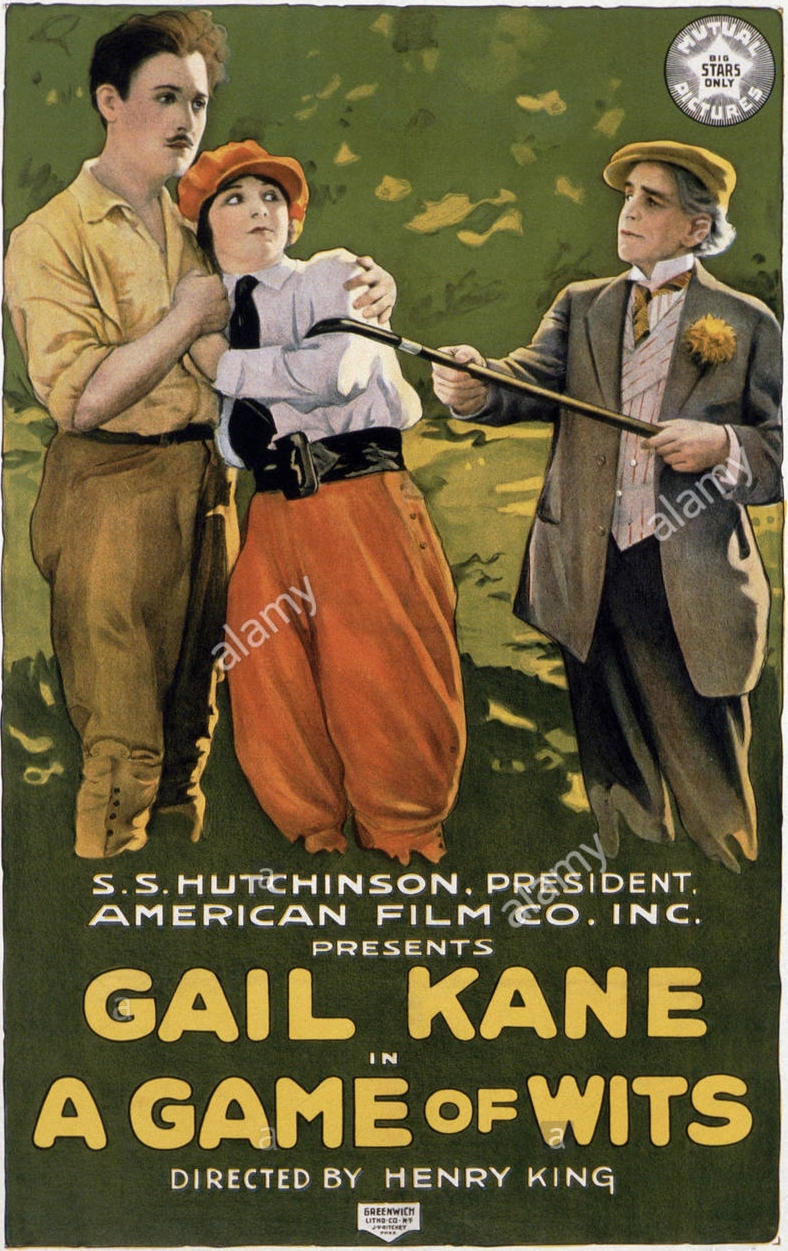
Dir: Henry King
Jeanette Browning overhears Silas Stone, an aged Wall Street wolf, demanding her as his wife in payment for saving her father from financial ruin. Upon her acceptance of Stone's proposal, her father receives a check to cover his shortage. She then conceives of a plan to make Stone break their engagement so that she can sue him for breach of promise. Stone is invited to the mountains to visit the Brownings, and Jeanette pairs her youthful strength against the old man's advanced age. After tiring him out with dances, midnight suppers, swims and horseback riding, Jeanette plays her trump card when she introduces Stone to her brother Larry, the shame of the family because of his insanity which she claims to have inherited as well. Horrified, Stone attempts to steal away but is caught by Larry. Jeanette feigns despair at the loss of his love and threatens to sue for breach of promise. After Stone patches her broken heart with a check for $100,000, Jeanette confesses to her father that "brother Larry" is actually her sweetheart whom she pressed into service to frustrate the crafty old man.
View Details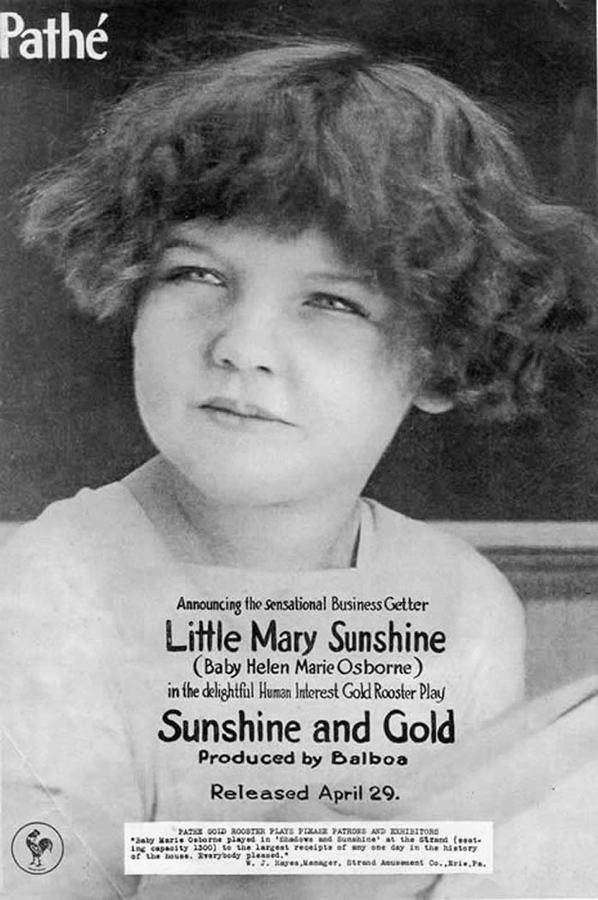
Dir: Henry King
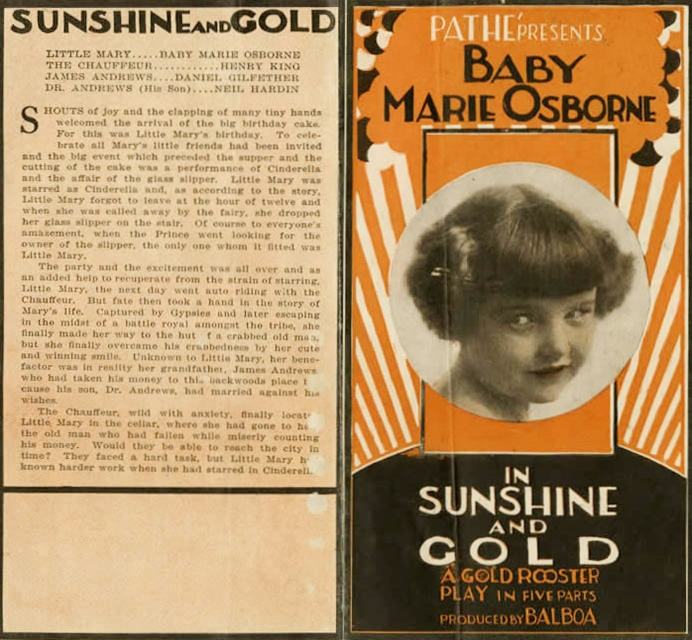
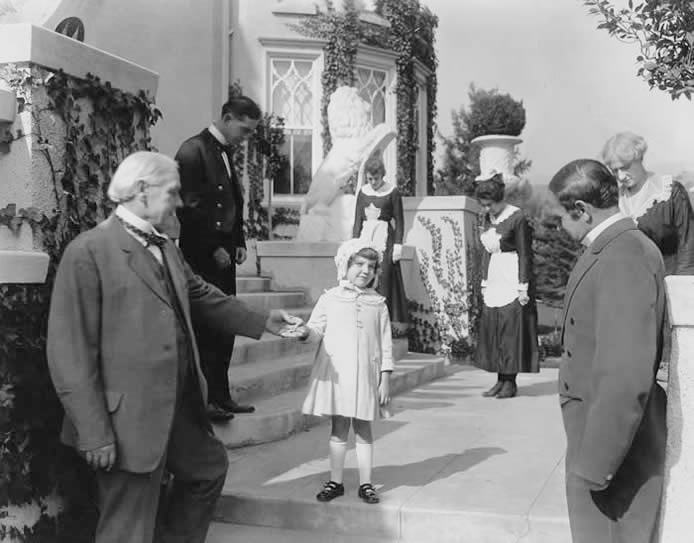
Shouts of joy and the clapping of many tiny hands welcomed the arrival of the big birthday cake. For this was Little Mary's birthday. To celebrate all Mary's little friends had been invited and the big event which preceded the supper and the cutting of the cake was a performance of Cinderella and the affair of the glass slipper. Little Mary forgot to leave at the hour of 12, and when she was called away by the fairy she dropped her glass slipper on the stair. Of course, to every one's amazement, when the Prince went looking for the owner of the slipper, the only one whom it fitted was Little Mary. The party and the excitement was all over, and, as an added help to recuperate from the strain of starring. Little Mary the next day went auto riding with the chauffeur. But fate then took a hand in the story of Mary's life. Captured by Gypsies and later escaping in the midst of a battle royal amongst the tribe she finally made her way to the hut of a crabbed old man, but she finally overcame his crabbedness by her cute and winning smile. Unknown to Little Mary, her benefactor was in reality her grandfather, James Andrews, who had taken his money to this backwoods place because of his son, Dr. Andrews, who had married against his wishes. The chauffeur, wild with anxiety, finally located Little Mary in the cellar, where she had gone to help the old man, who had fallen while miserly counting his money. Would they be able to reach the city in time? They faced a hard task, but Little Mary had known harder work when she had starred in Cinderella.
View Details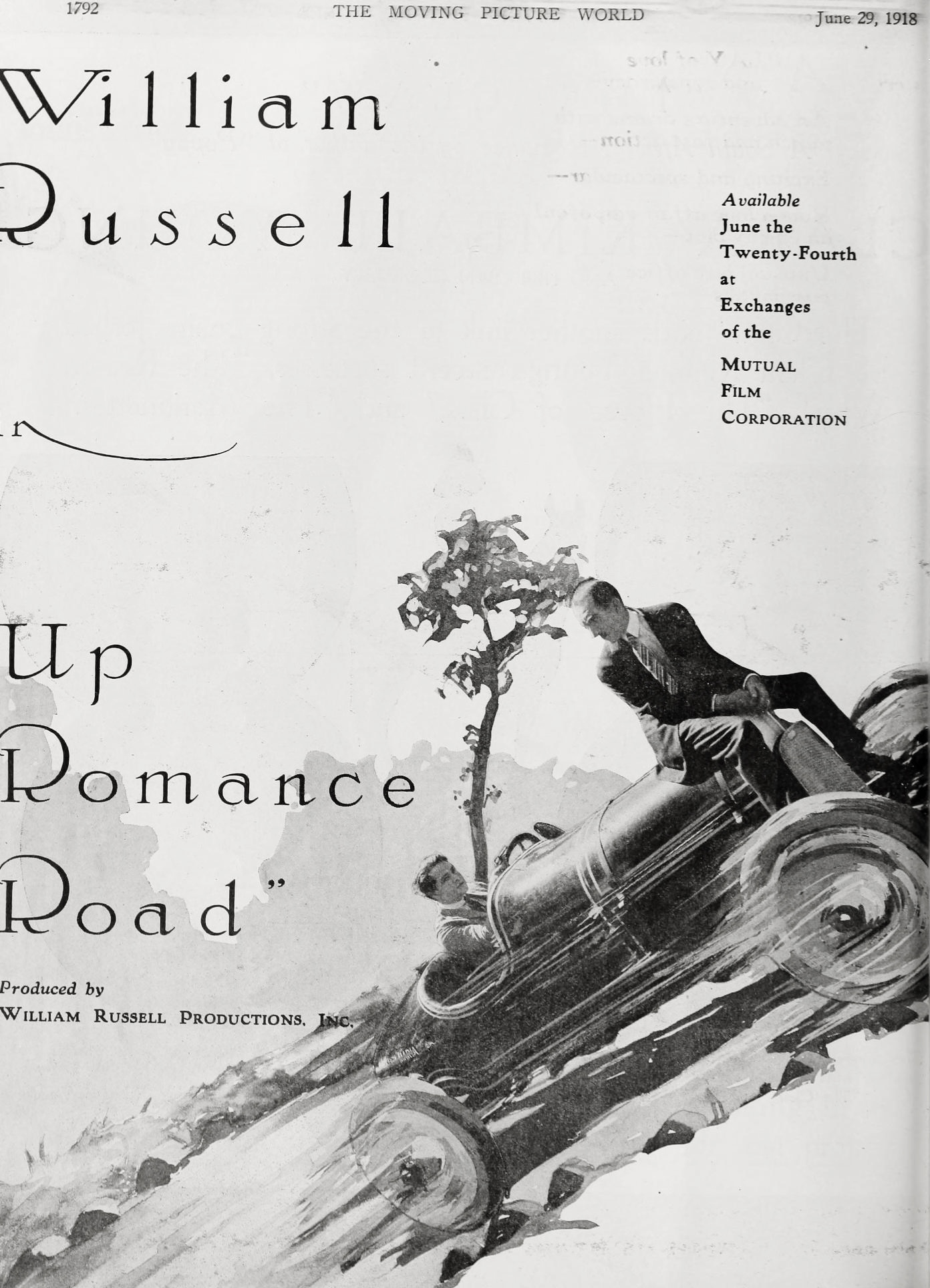
Dir: Henry King
Gregory Thorne and Marta Milbanke are engaged. Their fathers are millionaire ship owners. Gregory's efforts to inject a little excitement into their engagement life are fruitless, but when Mr. Milbanke receives an anonymous letter which threatens disaster to his home and fortune if he permits a shipload of supplies for the Allies to leave the docks the young man sees an opportunity for creating what he longs for and tells Mr. Milbanke that he knows who has written the letter but that he will not divulge the man's identity. Gregory, who suspects Count Hilgar Eckstrom, is told that he must terminate his engagement with Marta. But this is what Gregory wants, so he plans to abduct his sweetheart. Gregory's men clash with Eckstrom's gang, who has also come to kidnap Marta, and the disturbance results in the arrival of the police. Marta by mistake, allows herself to be carried off by Eckstrom's men and is taken a prisoner. Gregory, following, is also made a captive, and the young people are held as hostages. How Gregory outwits Eckstrom and places him and his gang in the hands of the law brings about a startling climax.
View Details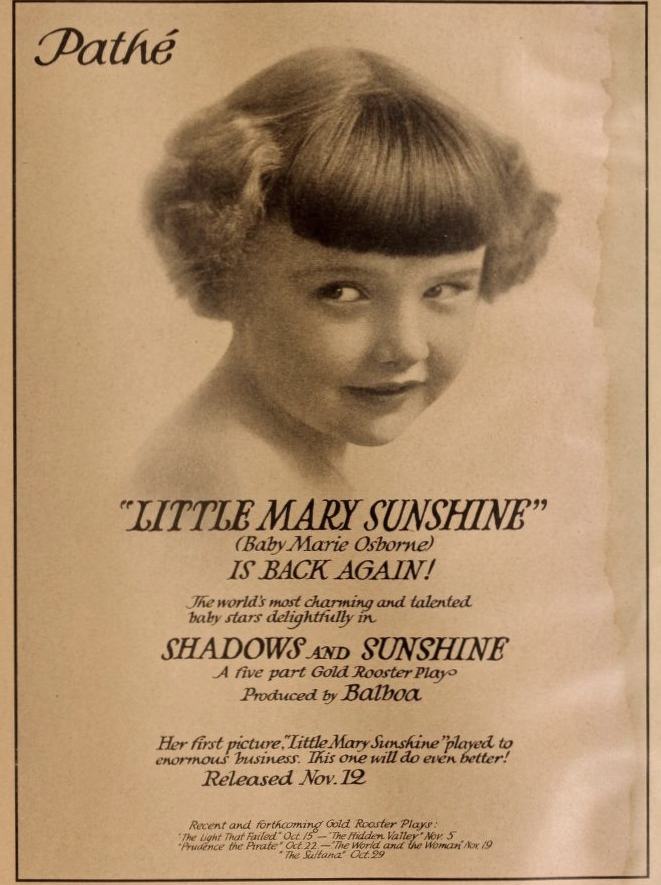
Dir: Henry King
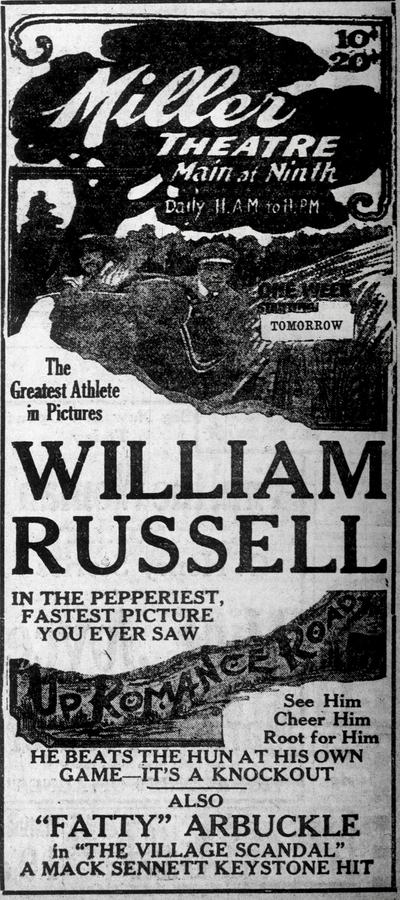
A fascinating piece of cinema that shares thematic elements.
View Details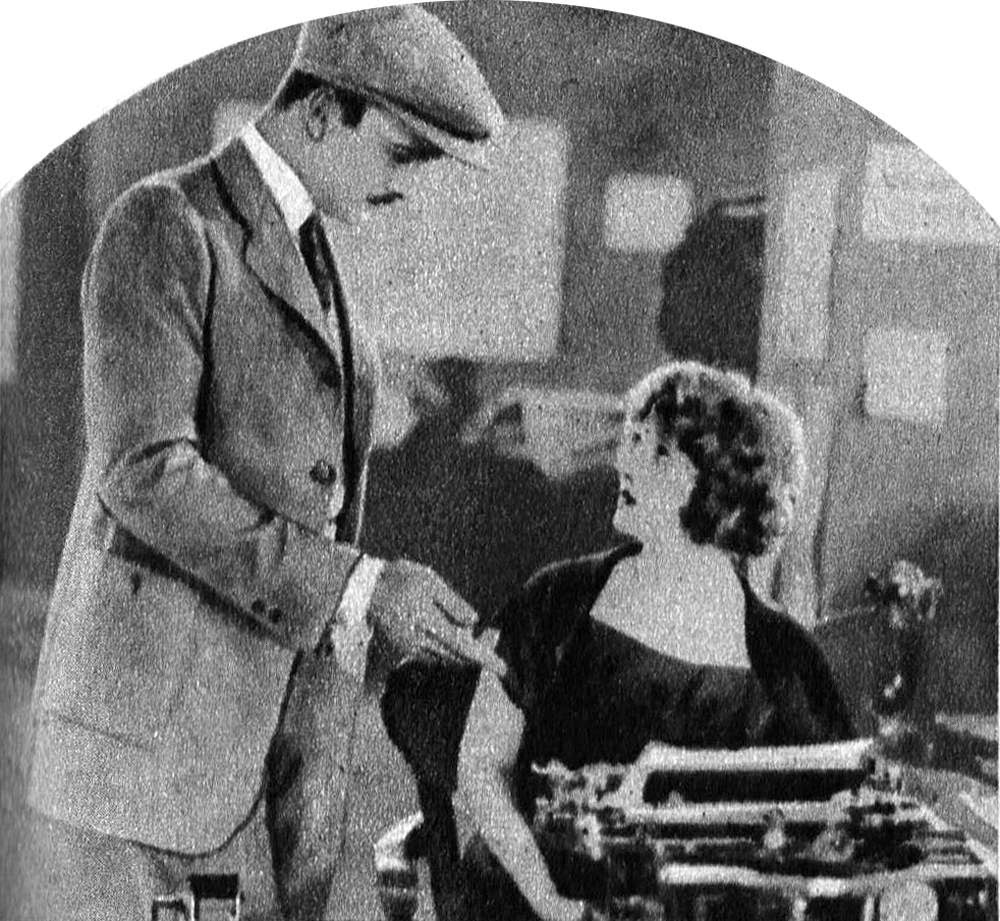
Dir: Henry King
Run out of town when he exposes crooked politician Jarvis McVey in the pages of his newspaper, Burton Grant asks his daughter Sylvia to turn the Daily News over to his dynamic young city editor, Frank Summers. Having inherited her father's journalistic talents, however, Sylvia fires Frank and takes charge of the paper herself, decorating the city room with bows and printing several rather silly "scoops." In the meantime, Frank learns that McVey and the president of the railroad have become involved in a dishonest scheme concerning the city franchise, and when Sylvia hears this, she publishes an extra, stating that McVey should be tarred and feathered. Sylvia's father arrives just in time to prevent the angry townspeople from carrying out her suggestion and then compels McVey to leave town. Grant orders Sylvia to return to school, but she decides to become Mrs. Frank Summers instead.
View Details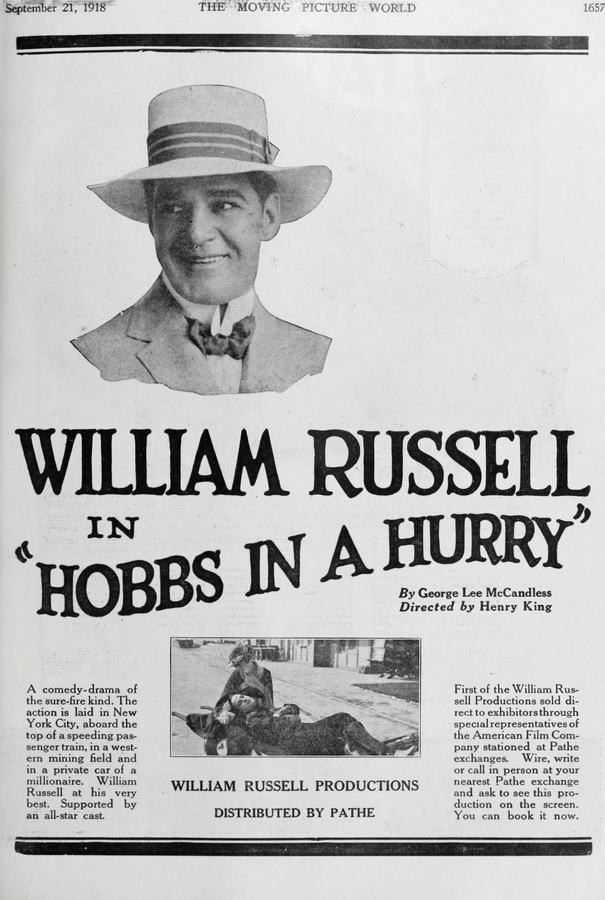
Dir: Henry King
Millionaire J. Warren Hobbs, Sr., sends his lively young son to New Mexico to buy back a mine he previously had thought worthless but since has discovered is rich in tungsten deposits. Lord Willoughby, the mine owner's twin brother, suggests to Hobbs's business rival, Rufus Renshaw, that he buy the mine, after which Willoughby, Renshaw and Renshaw's daughter Helen, the sweetheart of Hobbs, Jr., catch a westbound train. Angered when Helen scorns his advances, Lord Willoughby disguises himself as his brother and sells Renshaw the mine; meanwhile, Hobbs, Jr. purchases it from its real owner, Louis Willoughby. Soon after Renshaw discovers that Lord Willoughby tricked him, Hobbs, Jr. learns that the mine is worthless after all and sells it to Renshaw in return for the old man's permission to marry Helen. Having successfully tricked the whole party, Hobbs and his fiancée make a quick exit.
View Details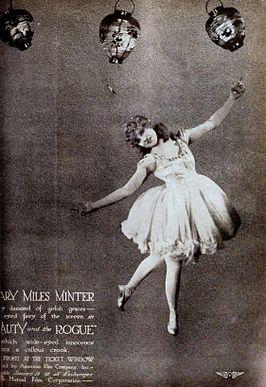
Dir: Henry King
Roberta Lee, who is concerned with reforming ex-convicts, convinces her wealthy father to hire ex-robber "Slippery" Bill Dorgan as a gardener in their home. Bill tries at first to reform himself, but soon yields to temptation and steals Roberta's jewels. To avoid publicity, Roberta takes a trip to the country, where she meets Richard Van Stone who, under an assumed identity, is conducting business for her father. Taken with Roberta, Richard unwittingly buys Roberta's own brooch from Slippery Bill, presents it to her, and is arrested for the robbery. When Roberta is kidnapped, Bill rescues her and returns the jewels, after which she drops the robbery charges and marries Richard.
View Details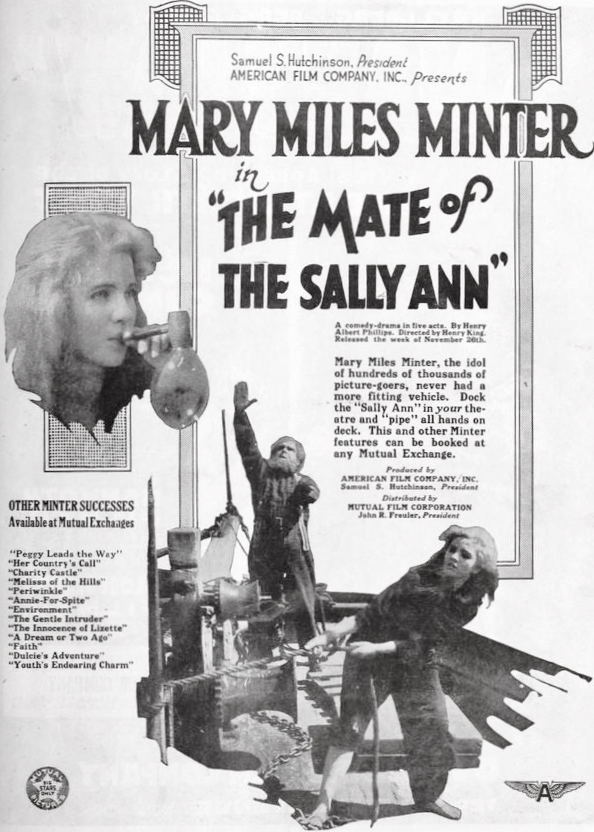
Dir: Henry King
Old Captain Ward, who hates society, lives in the hulk of his ship with his granddaughter Sally, whom he prevents from meeting people. Because Sally's mother died in childbirth without revealing the name of Sally's father, the captain continually vows to avenge her death. When Sally finds Teddy, a lame dog, she smuggles it aboard, but it runs away, and she follows it to a beautiful house belonging to the famous Judge Gordon. Hugh Schuyler, the judge's young friend, and Sally fall in love. After the captain chases Hugh away, Sally attends the judge's party, dressed in fine clothes which the judge bought, but the captain finds her and takes her away. When the judge visits the captain and confirms his suspicion that Sally is his daughter, the captain attempts to kill him. Sally intercepts a blow, and awakens to find that the judge has proven that he secretly was married to her mother, but because of illness, had lost contact with her. Sally accepts Hugh's proposal, and they sail away with the judge, the captain, and Teddy and his family.
View Details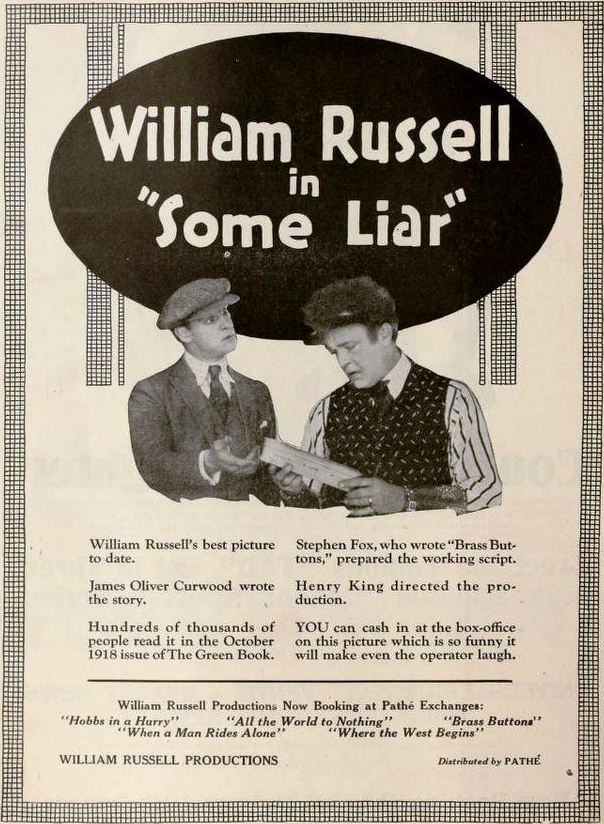
Dir: Henry King
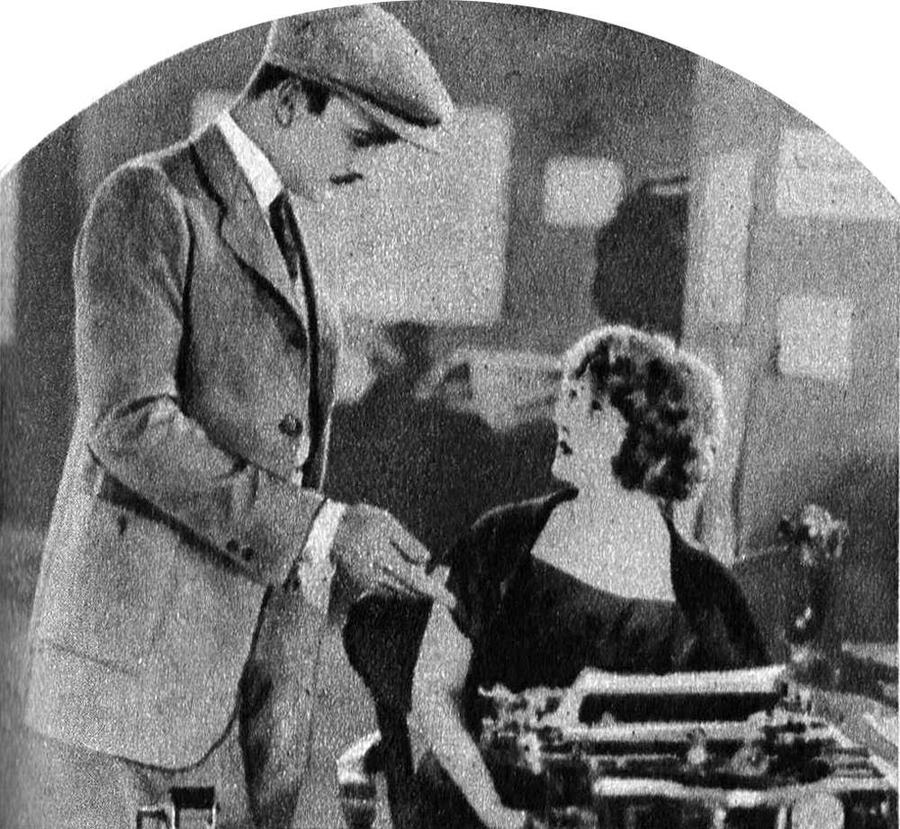
Traveling salesman and teller of tall tales Robert Winchester McTabb arrives in Yellow Jacket, Arizona selling coffins and cradles with his motto that he "catches 'em coming and going." Celie Sterling believes McTabbs lies about his prowess and promises to buy a coffin if he will kill the man she wants to occupy it--Sheldon Lewis Kellard, who has papers which jeopardize her father's reputation. Celie refuses to comply with Kellard's desires in order to gain the papers. Meanwhile, High Spade McQueen is angered by McTabb and threatens to kill him. McTabb agrees to kill Kellard, although his cowardliness makes him stay close to Celie for protection. When McTabb buys two horses, he is accused of being a horse thief by a posse, until he proves his innocence. McTabb tells Celie he has killed Kellard, when McQueen has actually beaten him to it. Celie recognizes that McTabb is a liar, but she forgives him after he promises never to lie again.
View Details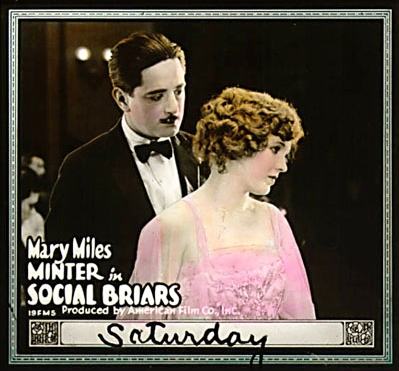
Dir: Henry King
Iris Lee is reared in the small town of Dalton by her deceased mother's friend, Martha Kane; when she reaches adulthood, Martha's son Jim falls in love with her. When she fails to return his affections, Mrs. Kane treats her so coldly that Iris decides to leave the stuffy little village for the metropolis. On her journey, she accepts a ride with Jack Andrews, but after he attempts to kiss her, she leaps from the car and walks the rest of the way. While singing in the choir of a large metropolitan church, she is discovered by Jack's wealthy father Peter, who recommends her as a soloist. Light-opera star Helen Manning, who has helped Iris to cultivate her voice, quarrels with her theatrical manager, and Iris is offered her position. On opening night, Jack bursts into her dressing room and drunkenly offers to take her home. Distressed, Iris returns to the village, but Jack, who remorsefully has given up drinking for a job in his father's firm, follows her to Dalton. Finally convinced of his love, Iris agrees to marry him.
View DetailsAnalysis relative to Little Mary Sunshine
| Film Title | Atmosphere | Complexity | Similarity |
|---|---|---|---|
| A Game of Wits | Surreal | Linear | 94% Match |
| Sunshine and Gold | Tense | Linear | 96% Match |
| Up Romance Road | Gothic | Abstract | 90% Match |
| Shadows and Sunshine | Gritty | Abstract | 95% Match |
| Powers That Prey | Gritty | High | 97% Match |
This guide was algorithmically generated using the cinematic metadata of Henry King's archive. Last updated: 6/23/2026.
Back to Little Mary Sunshine Details →