Summary
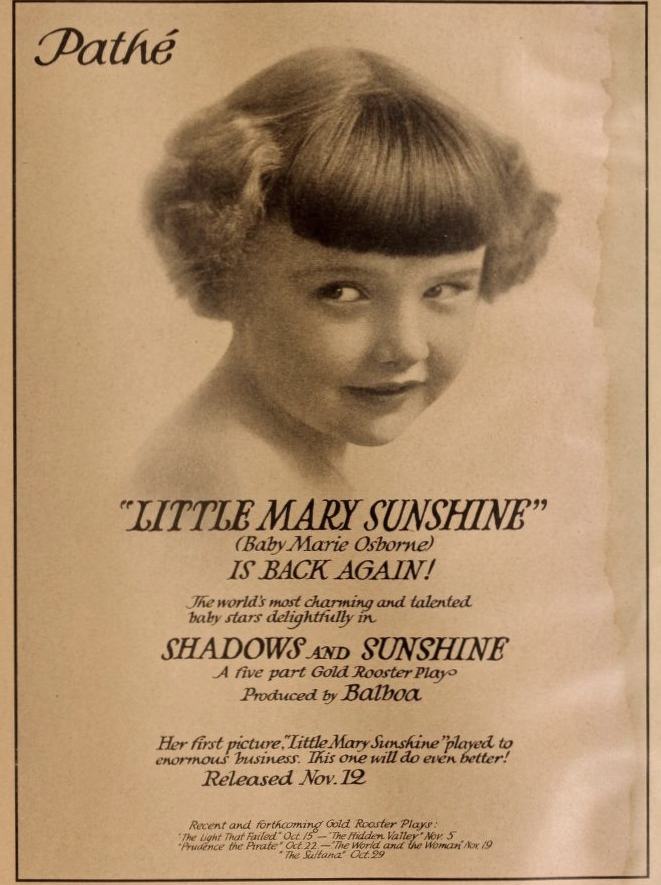
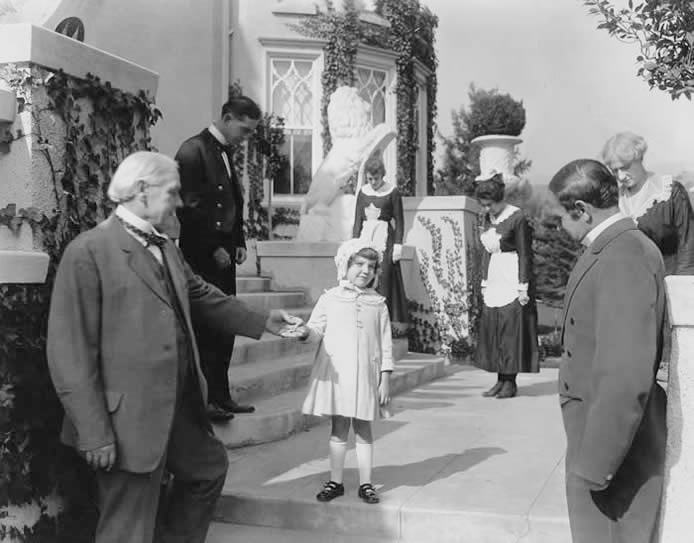
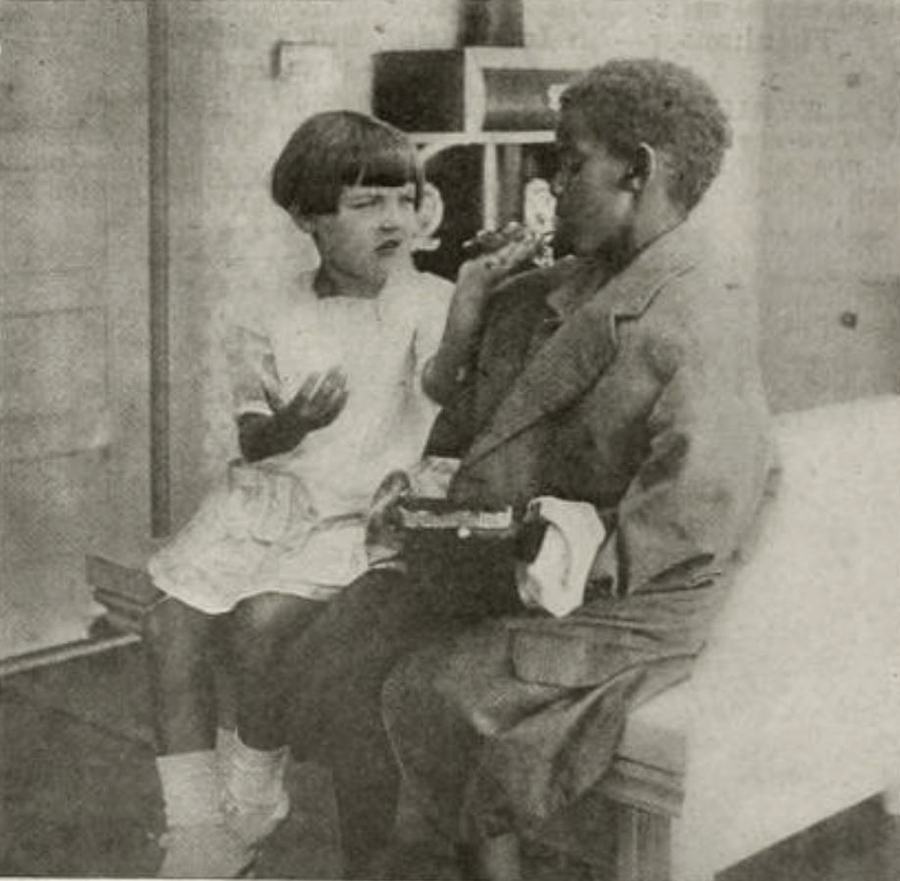
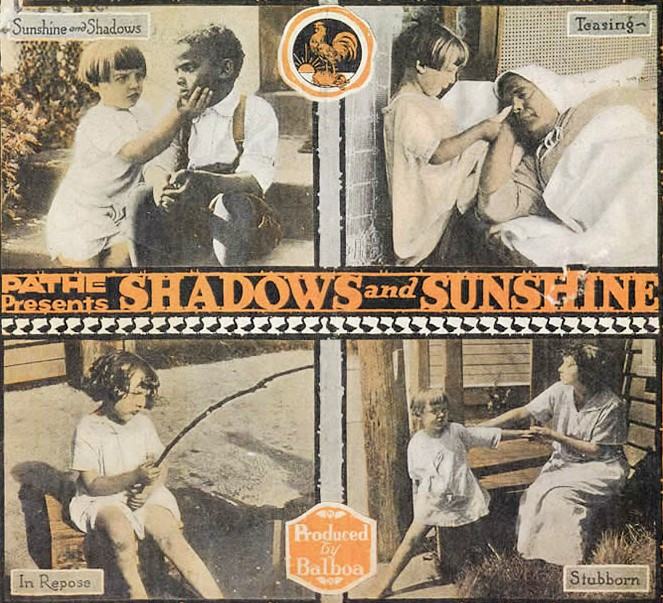
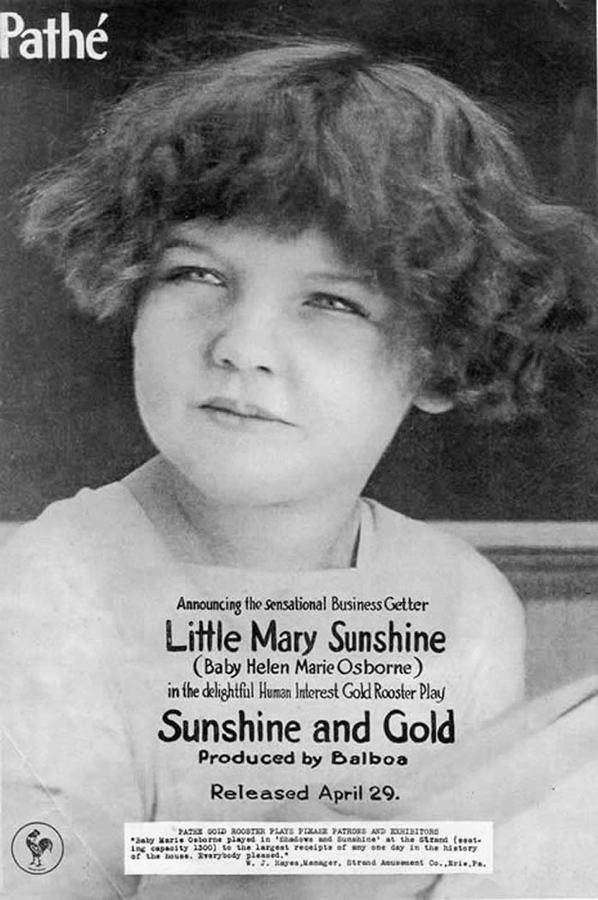
In an era often characterized by its stark melodramas, "Shadows and Sunshine" emerges as a poignant, if ultimately conventional, exploration of innocence besieged by hardship and the redemptive power of unwavering spirit. The narrative unfurls with the introduction of Little Blossom, portrayed with affecting fragility by Marie Osborne, a child of the urban squalor, whose very existence is a testament to resilience amidst abject poverty. Her only solace, a flickering flame in a world of encroaching darkness, is found in the gruff but secretly tender embrace of Mrs. O'Malley, a character imbued with a formidable, almost granite-like stoicism by Mollie McConnell, whose initial harshness belies a deep reservoir of empathy. The film meticulously charts Blossom's perilous journey through a landscape riddled with moral ambiguities and socio-economic stratification. Her path intersects with the conflicted aspirations of young Henry, a role handled with compelling internal struggle by Henry King, whose youthful idealism is constantly tested by the pragmatic demands of survival. As Blossom navigates the treacherous currents of deceit and societal indifference, personified by the subtly menacing machinations of Daniel Gilfether's character, the narrative frequently plunges into the 'shadows' of human malevolence and despair. Yet, it is in these moments of profound adversity that the 'sunshine' of human connection and burgeoning hope, often catalyzed by the quiet strength of Lucy Payton's supportive presence or the unexpected kindness from Leon Pardue's earnest portrayal, manages to pierce through the gloom. The film culminates not in a simplistic triumph, but in a hard-won, deeply felt affirmation of enduring goodness, a testament to the idea that even the most desolate lives can find their own radiant dawn.
Review Excerpt
"
Unveiling the Enduring Radiance of 'Shadows and Sunshine'
In the sprawling tapestry of early cinematic endeavors, where flickering images often spoke volumes more than any spoken word, there exists a particular kind of resonance in films that dared to grapple with the profound dichotomies of the human experience. 'Shadows and Sunshine' (1916) stands as a testament to this ambitious spirit, a silent melodrama that, even over a century later, manages to captivate with its earnest portray..."