
DbcultAccessing Vault...
Recommendations
Senior Film Conservator
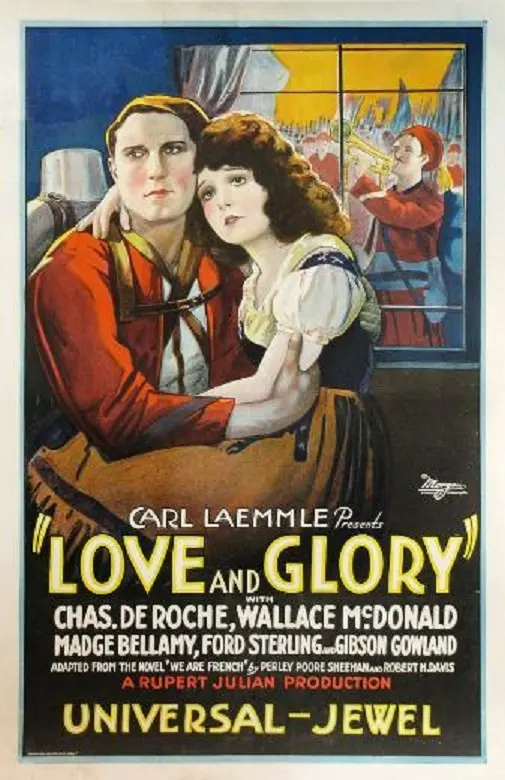
Ever since Love and Glory hit screens in 1924, fans have sought that same nuanced performance, the search for similar titles reveals the deep impact of Rupert Julian's direction. These recommendations provide a deep dive into the same stylistic territory occupied by Love and Glory.
Whether it's the nuanced performance or the thematic depth, this film to capture the existential zeitgeist of 1924.
During an uprising in Algeria in 1869, two Frenchmen--Anatole, the brother of Gabrielle, and Pierre, her sweetheart--join the colors and are later reported dead. Gabrielle is kidnapped and taken to Paris, and the soldiers return. Fifty years pass, and on the way to Paris to be decorated the brother dies, but the lover is reunited with his youthful sweetheart.
The influence of Rupert Julian in Love and Glory can be felt in the way modern Drama films handle nuanced performance. From the specific lighting choices to the pacing, this 1924 release set a high bar for atmospheric immersion.
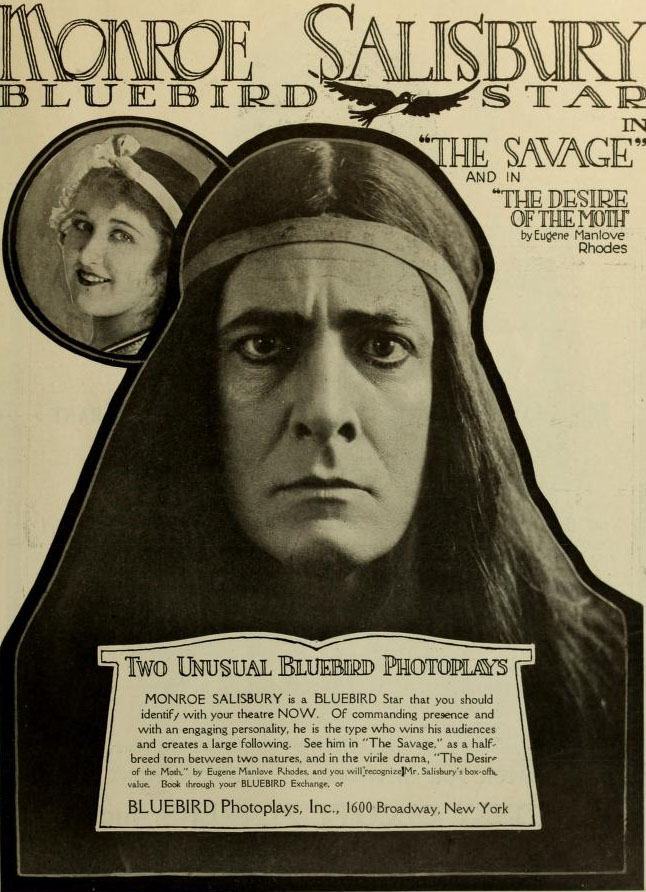
Based on the unique nuanced performance of Love and Glory, our vault has identified these titles as the most compelling follow-up experiences for fans of Drama cinema:
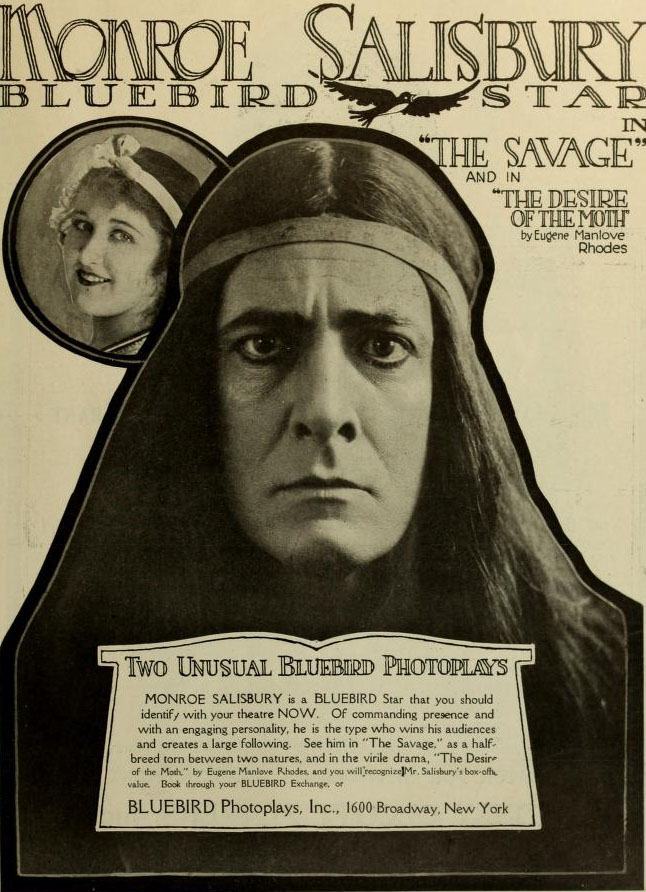
Dir: Rupert Julian
When Marie Louise, the daughter of the town factor, returns home from school, Julio Sandoval, a reckless young half-breed ruled by his animal instincts, develops a passion for the girl, even though she is engaged to Captain McKeever of the mounted police. Meeting Marie when she is alone in the woods one day, the half-breed carries her to his cabin on the mountain top where he collapses from an attack of mountain fever brought on by overexertion. Taking pity on Julio, Marie nurses him back to health, and when the rescue party arrives, she does not betray him. Upon her return to town, Marie learns that McKeever has been taken prisoner by the outlaw Joe Bedotte. Marie pleads with Julio to rescue the captain, and in gratitude, he goes to the mountains, frees the captain and surrenders his own life as a consequence.
View Details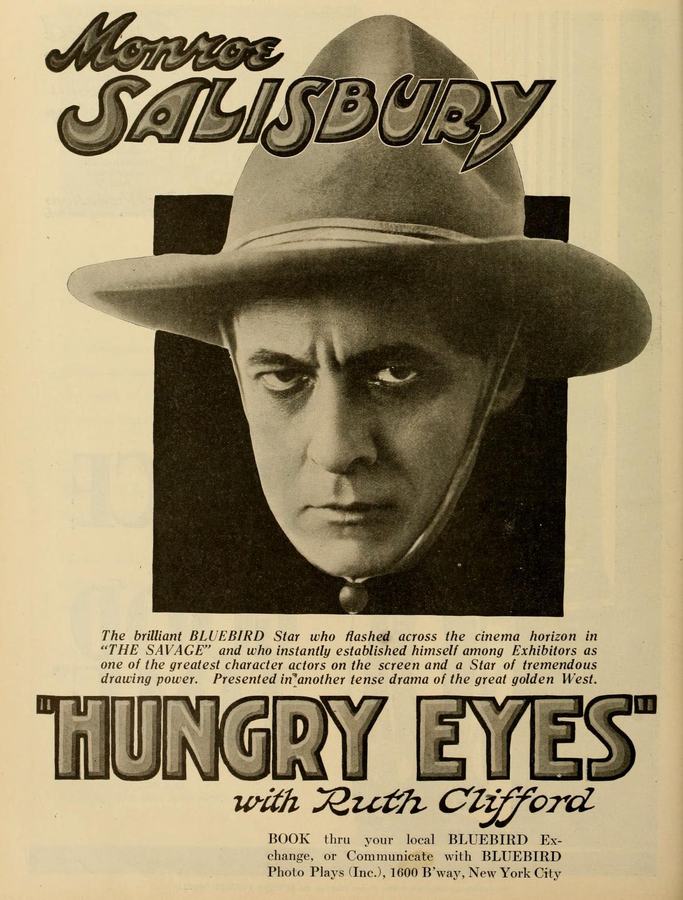
Dir: Rupert Julian
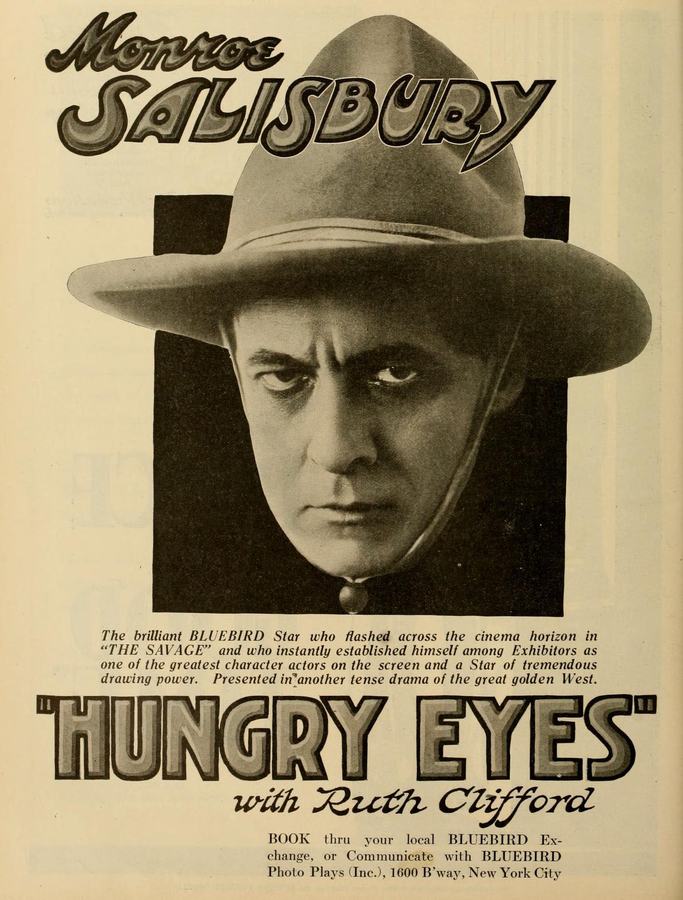
Ex-convict Dale Revenal arrives at Dudley Appleton's ranch bearing a letter of introduction from John Silver, Appleton's old friend. Appleton hires Dale, who, through his winning manner, soon wins the respect of the ranch hands and the love of the ranch owner's daughter Mary Jane. Believing himself unworthy of her, Dale tells Mary Jane that he has a wife and child in Arizona, and she reluctantly agrees to marry Jack Nelda, a local rancher. Nelda realizes that Mary Jane is still in love with Dale and plots with Bessie Dupont and her brother Pinto to kill him. Bessie, however, warns Dale, but when he confronts Nelda at the saloon, Pinto shoots him, wounding him in the shoulder. John Silver comes to Dale's aid and Nelda is killed. Silver reveals that Dale's "wife" in Arizona is really his sister, and Dale finally accepts Mary Jane's love.
View Details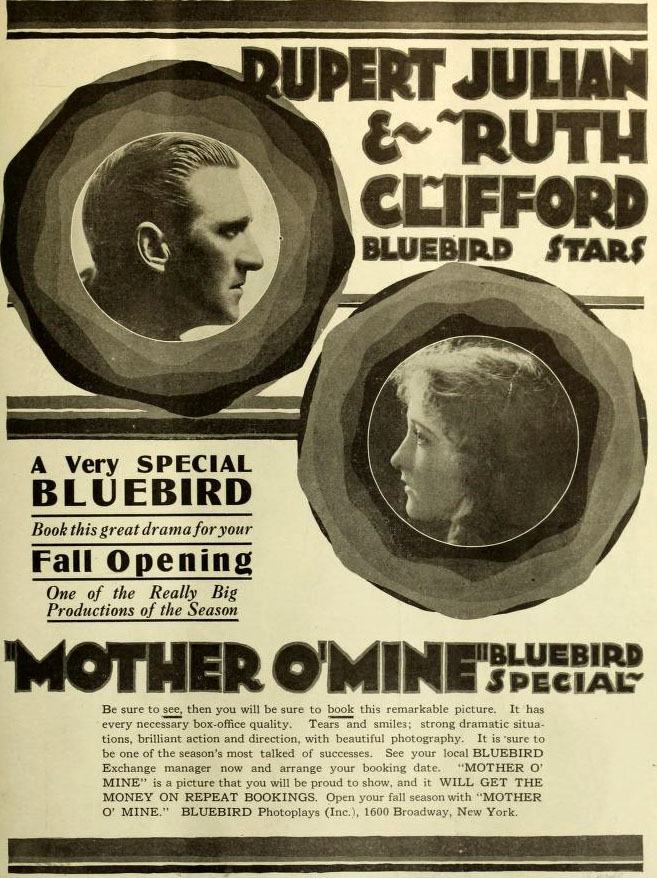
Dir: Rupert Julian
Mrs. Standing, an old-fashioned country mother, sacrifices to put her son John through college so he can have a better life. Upon completing school John goes to the city, where his financial success blinds him to the basic values his mother taught him. During an important social event one evening, Mrs. Standing comes to her son's house carrying wicker basket full of homemade jams. Ashamed, John tells his wealthy fiancée, Catherine Thurston, that the old lady was his childhood nurse. Mrs. Standing overhears her son's deception and goes home devastated. John, remorseful, follows with the firm resolution to devote future years to the care of his mother. Learning the truth, Catherine, accompanied by her own mother, visits the Standings' country home and all is forgiven.
View Details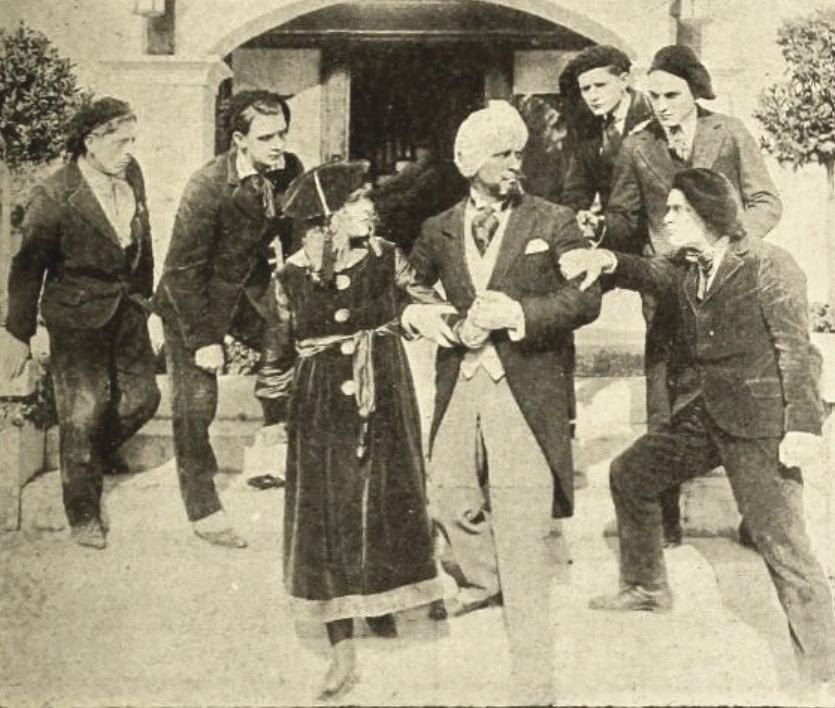
Dir: Rupert Julian
While Major Abercrombie and wife were hurrying through a Persian forest, in order that Mrs. Abercrombie might reach an English settlement to bear her child, a tent was hurriedly pitched, and there a little girl was born. The mother surrendered her life and Major Abercrombie went mad with grief. He ran into the forest and was killed by lions. Usun Hassan, while passing with his huntsmen, discovered the tent and sent Malec, his secretary, to investigate. Malec found the dead body of Mrs. Abercrombie and heard the faint cry of her baby. The body of the woman was buried and the babe was carried to Hassan's harem. There she grew to become a beautiful girl, with Malec acting as her tutor. They called her Rokaia. Hassan having decided she should marry a merchant whom she loathed, Rokaia readily listened to Malec's proposal that she go with him to France. Having provided her with clothes, money and tickets, Malec was detected while helping the girl escape. Malec hid himself away to save his head, while Rokaia proceeded to France. Arriving at Marseilles the girl was robbed of her purse, thus becoming easy prey for a young gallant who made her acquaintance and started to take her to his apartments. Rokaia was struck by an automobile and her admirer found safety in flight. The motor was owned by Marquis De Tonquin, who helped Rokaia into the tonneau and drove her to his home. There she was found to be little hurt. The Marquis about this time received a letter from the Parisian college where his son, Marcel, was being educated, stating that the boy was incorrigible. Believing that there must be a "woman in the case," the Marquis prevailed upon Rokaia to go to Paris as his son's companion. Marcel did not look upon the girl as his father would have him, but secured separate lodgings for her, where he lived, and treated her with utmost respect. The day Rokaia arrived in Paris she halted before a Persian bird-vendor and asked the directions to Marcel's lodgings. It so happened that Malec had just arrived from Persia and lived at the Asiatic lodgings where the bird-vendor stopped. He heard the man's gossip about the girl who spoke in his own tongue and bought his birds. Malec believed he was on the trail of the girl be sought, and went to the address the bird-vendor gave him, and there found Rokaia. Through hypnotic influence he controlled the girl so far as to cause her to go away with him. Marcel was informed by his fellow students, when he returned, after a brief absence from his lodgings, that Rokaia had just departed, and the note she left for him confirmed the story. When a drayman called for Rokaia's trunk, Marcel learned her address, and leading a party of students, went to her rescue. The happy ending was attained when Marcel and Rokaia were married.
View Details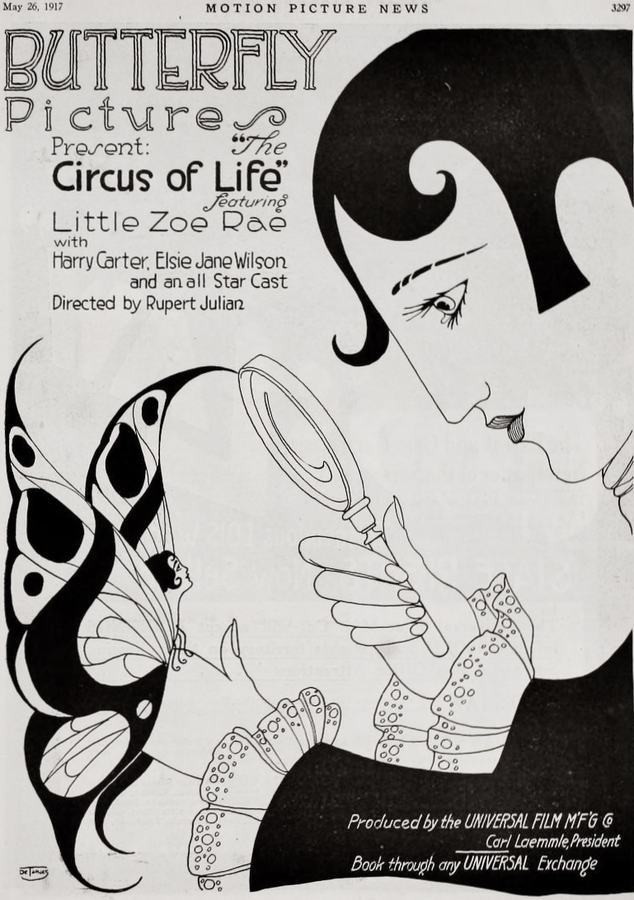
Dir: Rupert Julian
Danny, the driver of a brewery wagon, marries Mamie; soon after, she becomes infatuated with artist Gaston Bouvais. When Marie gives birth to Daisy May, Danny is led to believe at the hospital that the baby is not his. Shattered, he embarks upon a life of drinking and carousing. Nevertheless, he loves the little girl, and as she grows up, Daisy May joins him on the brewery wagon. On one of these trips, Danny drinks too much and loses control of his horses, and Daisy May is injured in the melee. Meanwhile, Bouvais has finally convinced Mamie to run away with him, but Danny's accident finally awakens in her the love she feels for him, and she refuses to go. Rejected, Bouvais marries another woman and happiness is restored to Danny and Mamie. When they reconcile, Daisy May recovers and Danny embarks upon the new career of driving a milk wagon.
View Details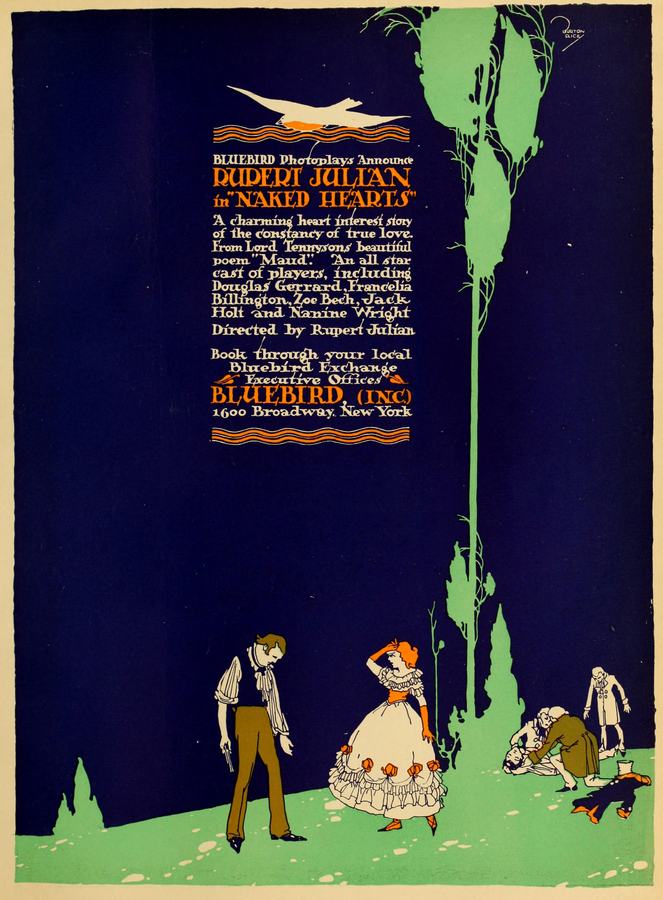
Dir: Rupert Julian
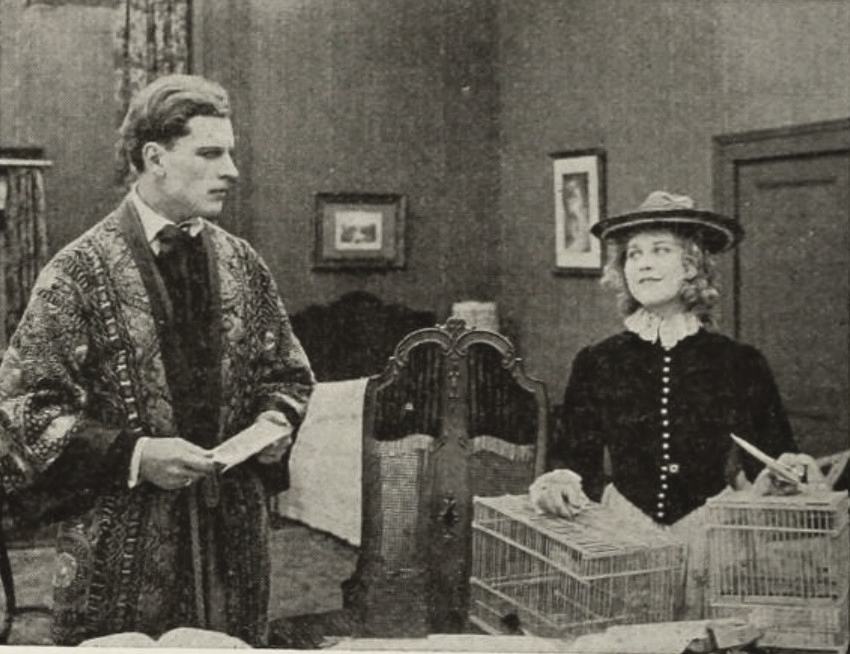
Two families had been neighbors in the South for years; Maud, her brother Howard, and Cecil Lane were playmates. One day as they were playing on the lawn the fathers of Maud and Cecil betroth their children in a bumper of wine. Shortly thereafter Cecil's father loses his fortune through poor speculation and commits suicide. Maud is sent away to school. Cecil begins a musical education, remaining at home and growing up to be the village music teacher. Years later Maud returns home, and soon her brother Howard arrives with a foppish friend, Lord Lovelace, who straightaway lays siege to Maud's heart. Maud and Cecil meet at the village shrine and renew their childhood love. Against her will Maud consents to a betrothal with Lord Lovelace. On the night of the betrothal party Maud and Cecil plan to elope, but their arrangements are discovered and thwarted, a duel between Cecil and Howard developing with in the hour. Maud hears the shots fired, and beholding her brother slightly wounded sends Cecil away in anger. He leaves the village under the impression that Howard will die. Cecil goes far away, and in a great city his musical talents are recognized. Maud, meanwhile, in contrition, would have Cecil return to her, but he keeps his mother poorly informed and Maud is unable to get word to him. When Cecil composes the song, "Come Into the Garden, Maud," his fame is assured. At this time war breaks out and Cecil, Lord Lovelace and Howard become soldiers, eventually meeting on the battlefield. Lord Lovelace knows of Cecil's song and his great fame as its composer, and at the moment he is about to die of his wounds, Lord Lovelace sends word to Cecil, that Maud is waiting for Cecil in the garden. Believing that Cecil has been killed in battle at the same time her brother Howard and Lord Lovelace die of their wounds, Maud decides to dedicate her life to religion and enters a convent. When Cecil ultimately comes home he is too late to reach Maud with any communication. He spends the rest of his life in sorrow going every day to the convent walls and playing his famous song that Maud might hear and know that he thus awaits the final end, faithful to his childhood sweetheart.
View Details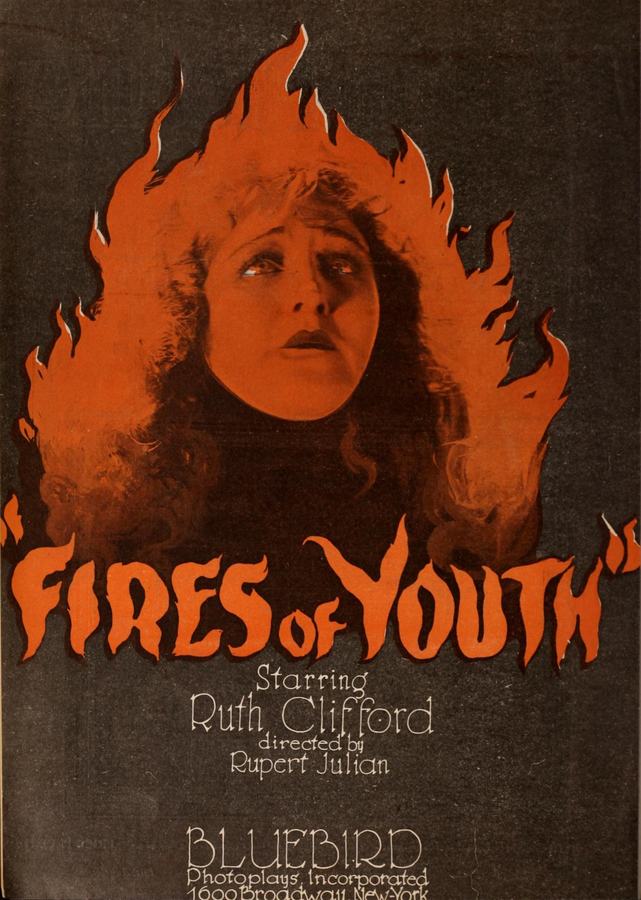
Dir: Rupert Julian
Lucille, a beautiful and romantic young woman, marries John Linforth, a wealthy businessman, who is twice her age, and too distracted by his business affairs to give her the attention she craves. John is pleased when she takes a liking to his young friend, Ronald Standish. After the friendship has grown to romance, however, John tries to keep the two apart. As he is about to depart on a short trip, John orders Ronald from the house. Later that night, Ronald asks Lucille to elope with him, but before they leave, they realize that an illegal union would only lead to unhappiness, and Ronald returns home. A burglar, who, in stealing certain securities from John's desk, witnesses the couple in an embrace, blackmails Ronald into purchasing the bonds. To save her lover, Lucille confesses everything to John, who promises to give his young wife her freedom. A year later Lucille and Ronald marry.
View Details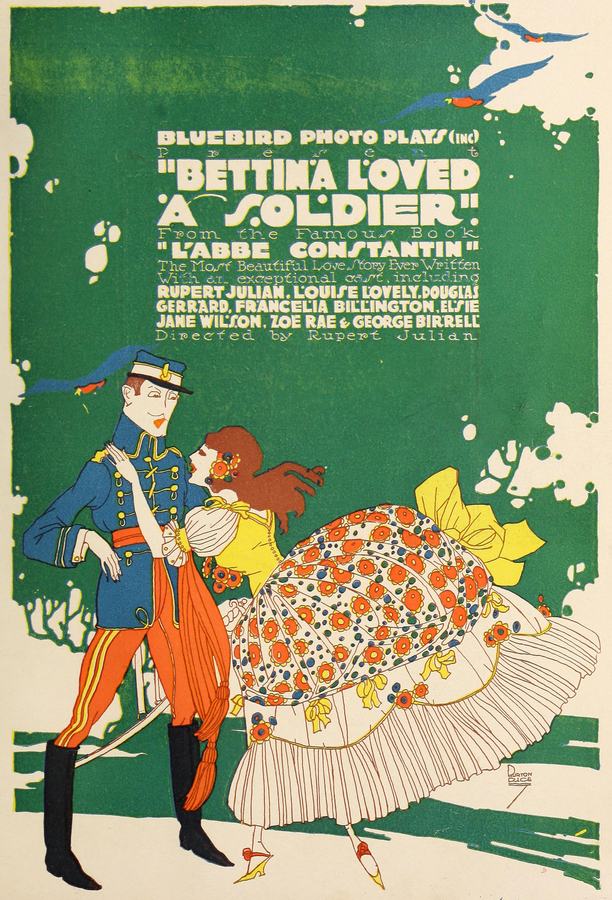
Dir: Rupert Julian
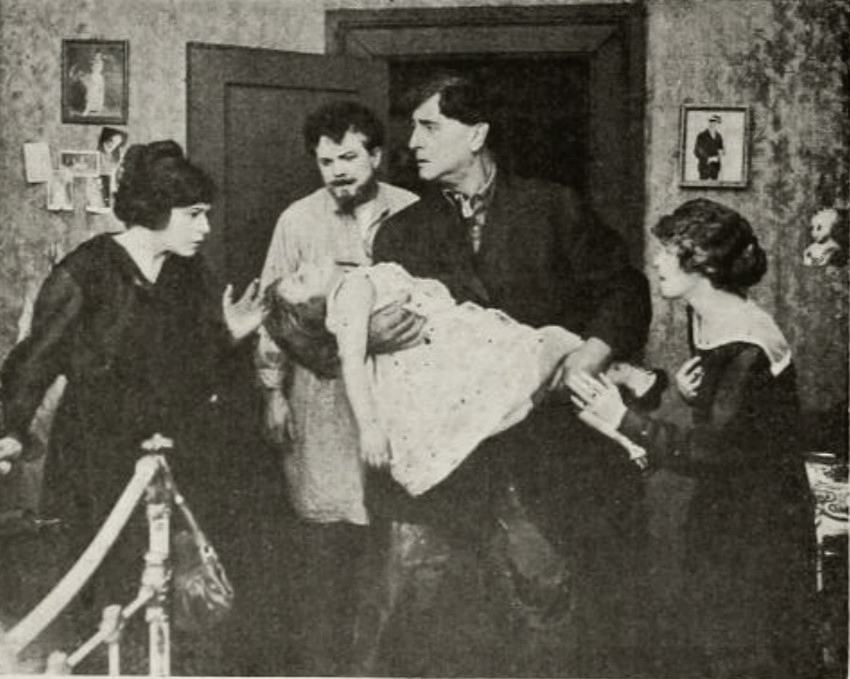
In 19th-century France, wealthy, single young Bettina is pursued by dozens of young men, but she believes that they're interested more in her money than in her and rejects them all. Young Army Lt. Jean Reynaud meets her and falls for her without knowing how wealthy she is; when he finally finds out, he is afraid that, because of her high social status and his low one, he'll be perceived to be just another gold-digger, and his sense of honor won't permit that, so he turns her away. She, however, doesn't want to be turned away, and he finds the tables turned when she pursues him.
View Details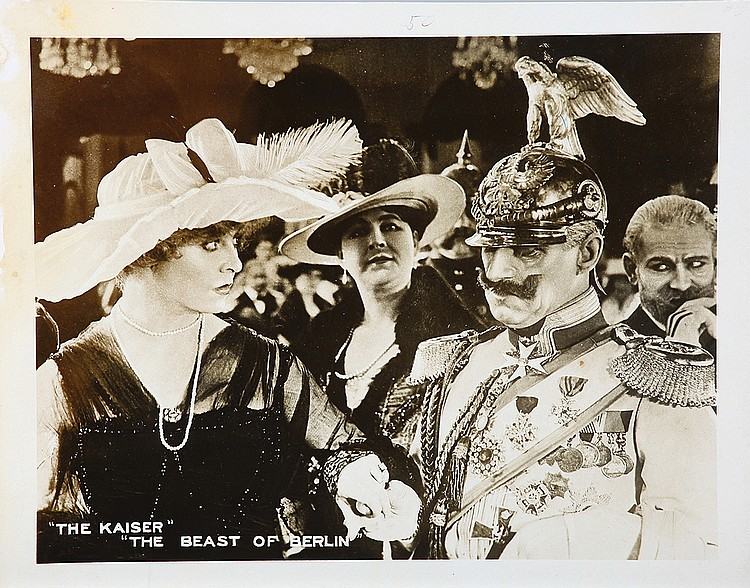
Dir: Rupert Julian
A propagandistic view of the First World War, showing the political greed of the German Kaiser Wilhelm, the resistance of some of his own soldiers, and fanciful prediction of the nature of the war's end.
View Details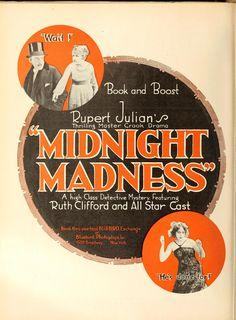
Dir: Rupert Julian
In the act of robbing a set of rare jewels from a museum, a robber is wounded in the hand. Prentice Tiller, while dressing a wound in his hand, overhears the woman in the next hotel room, Gertrude Temple, telephoning Aaron Molitor, to whom she is to deliver some jewels. Posing as Molitor, Prentice calls on Gertrude but disappears when Molitor, who also has been wounded in the hand, suddenly arrives. Molitor's men capture Prentice, who narrowly escapes death in the ruins of an old church and then continues to track Molitor. Gertrude accompanies Molitor and her uncle, Simon Temple, to Paris, where they are met by master crook Chevat and the woman who loves him, Lola Montez. Lola becomes jealous of Gertrude and tries to kill her, but Prentice rescues her. Through a ruse, Prentice, who finally is revealed as a detective, captures Chevat and his gang, returns the jewels to their rightful owner and then proposes to Gertrude.
View DetailsAnalysis relative to Love and Glory
| Film Title | Atmosphere | Complexity | Similarity |
|---|---|---|---|
| The Savage | Surreal | Layered | 85% Match |
| Hungry Eyes | Ethereal | Abstract | 86% Match |
| Mother o' Mine | Gritty | Dense | 89% Match |
| The Gift Girl | Tense | Linear | 85% Match |
| The Circus of Life | Tense | Dense | 98% Match |
This guide was algorithmically generated using the cinematic metadata of Rupert Julian's archive. Last updated: 6/26/2026.
Back to Love and Glory Details →