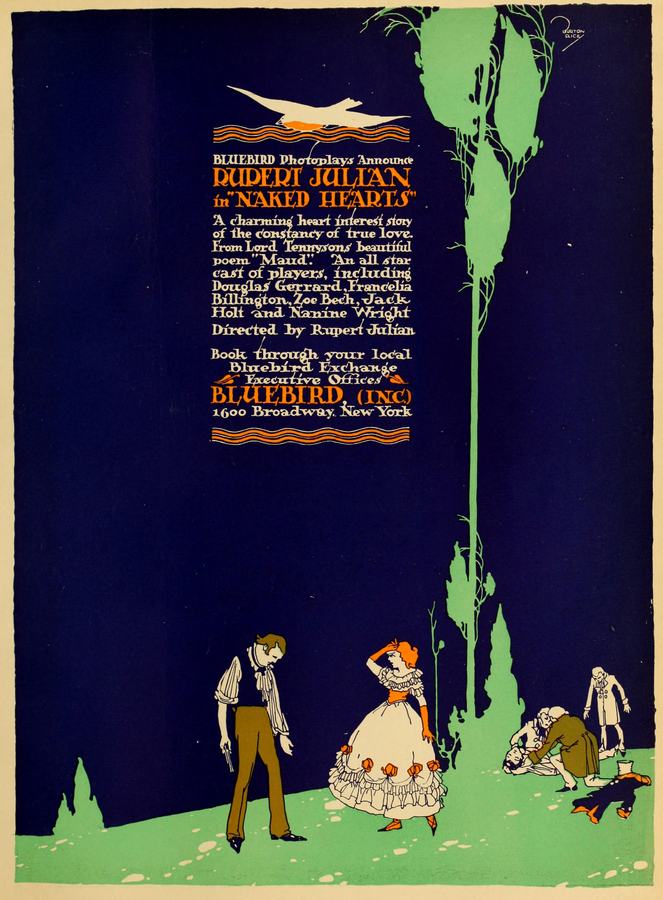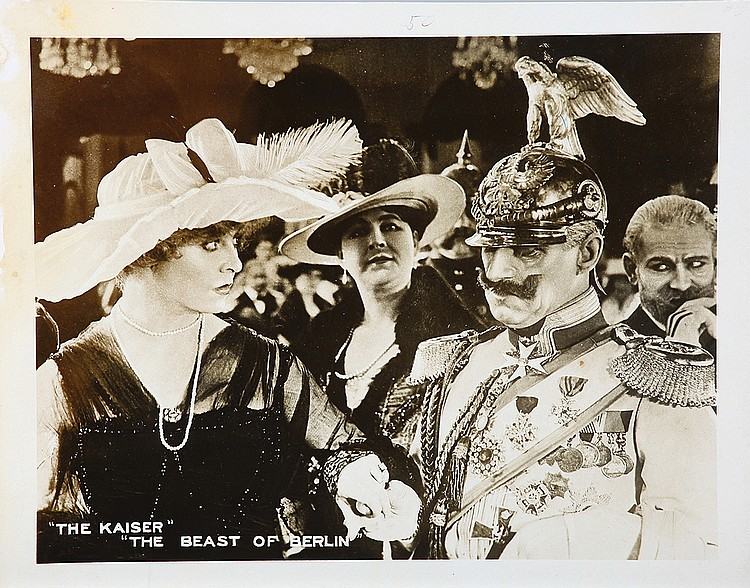
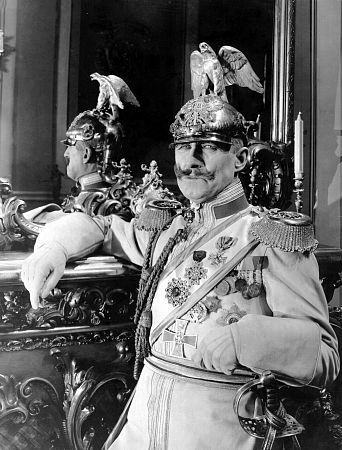
A propagandistic view of the First World War, showing the political greed of the German Kaiser Wilhelm, the resistance of some of his own soldiers, and fanciful prediction of the nature of the war's end..
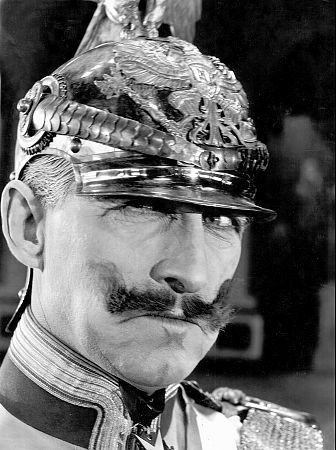
Elliott J. Clawson, Rupert Julian
United States
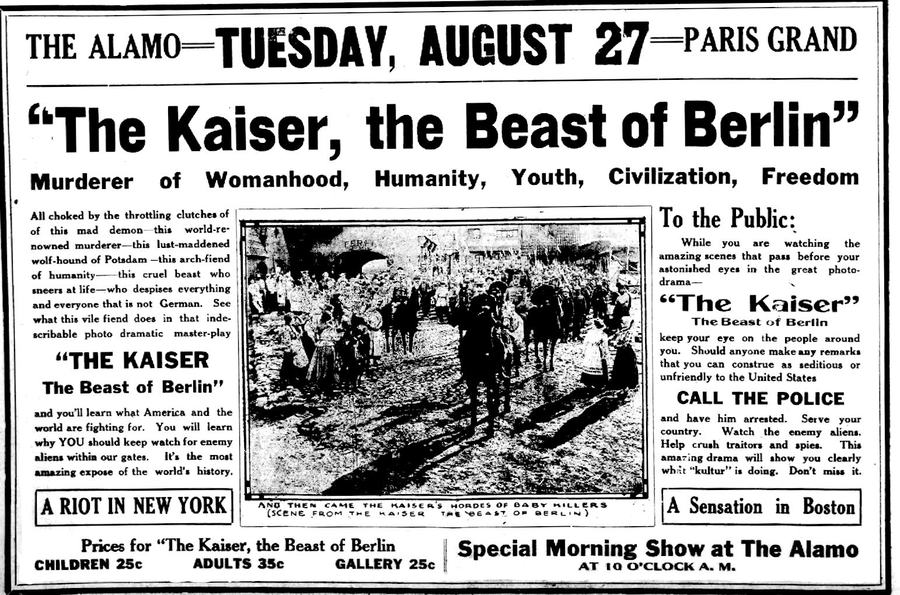
A Cinematic Weapon: Dissecting 'The Kaiser, the Beast of Berlin' In the annals of cinematic history, few films encapsulate the raw, unbridled fervor of wartime propaganda quite like Rupert Julian's 1918 epic, The Kaiser, the Beast of Berlin. Released at the height of American involvement in the First World War...
publicity
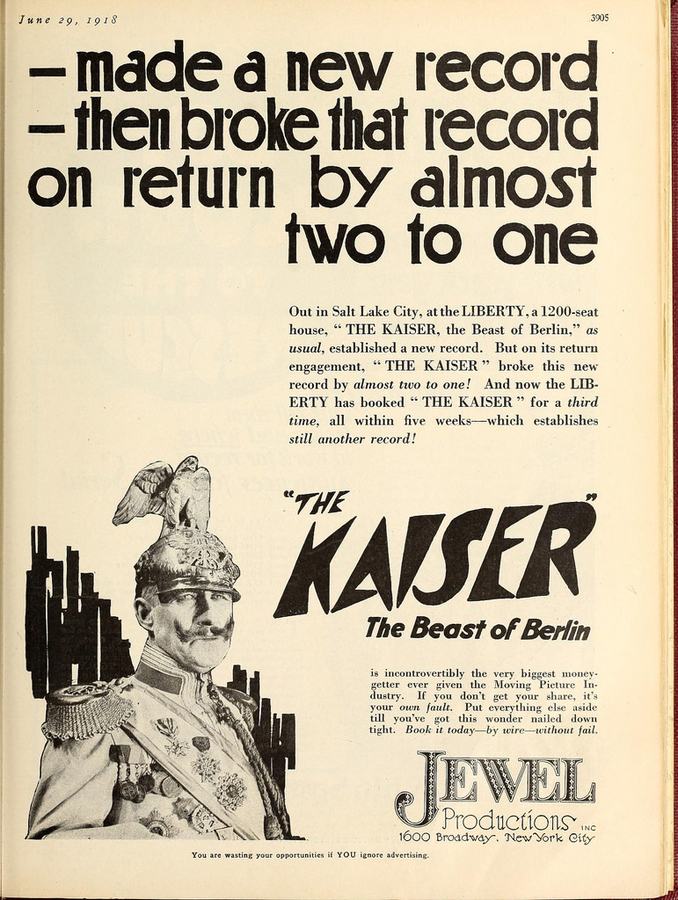
production_art
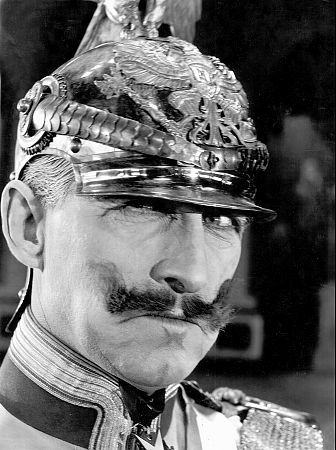
publicity
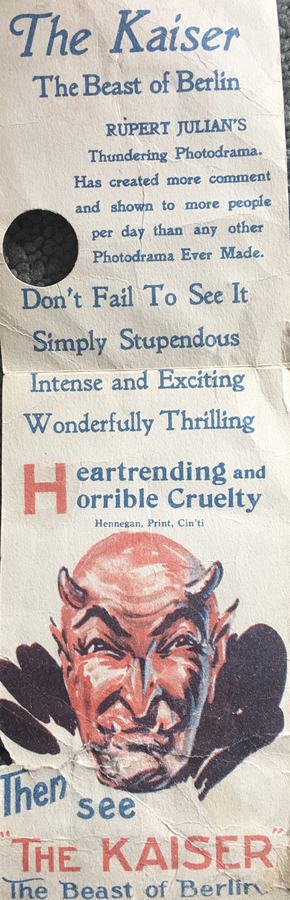
publicity

publicity

publicity
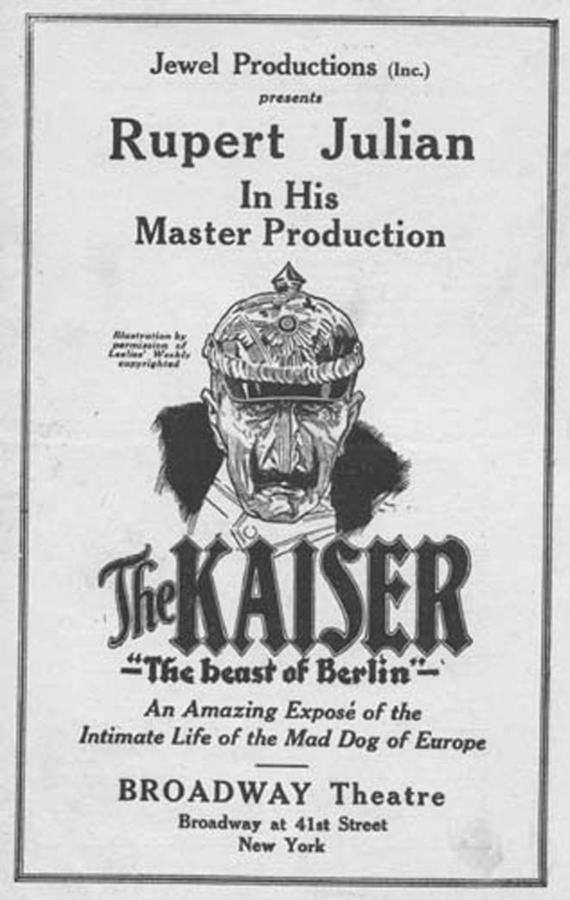
production_art
publicity
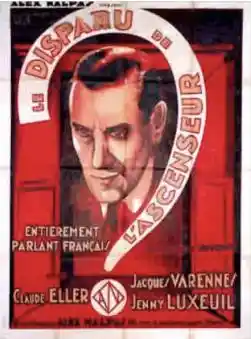
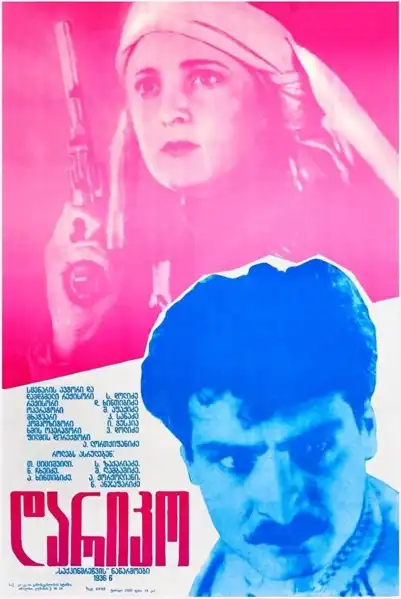
Comparing the cinematic DNA and archive impact of two defining moments in cult history.
Rupert Julian
Rupert Julian
Community
Log in to comment.
" A Cinematic Weapon: Dissecting 'The Kaiser, the Beast of Berlin' In the annals of cinematic history, few films encapsulate the raw, unbridled fervor of wartime propaganda quite like Rupert Julian's 1918 epic, The Kaiser, the Beast of Berlin. Released at the height of American involvement in the First World War, this motion picture was not merely entertainment; it was a potent instrument of national morale, a visual broadside aimed squarely at galvanizing public opinion against the Germa..."

Deep dive into the cult classic
Discover similar cinematic experiences
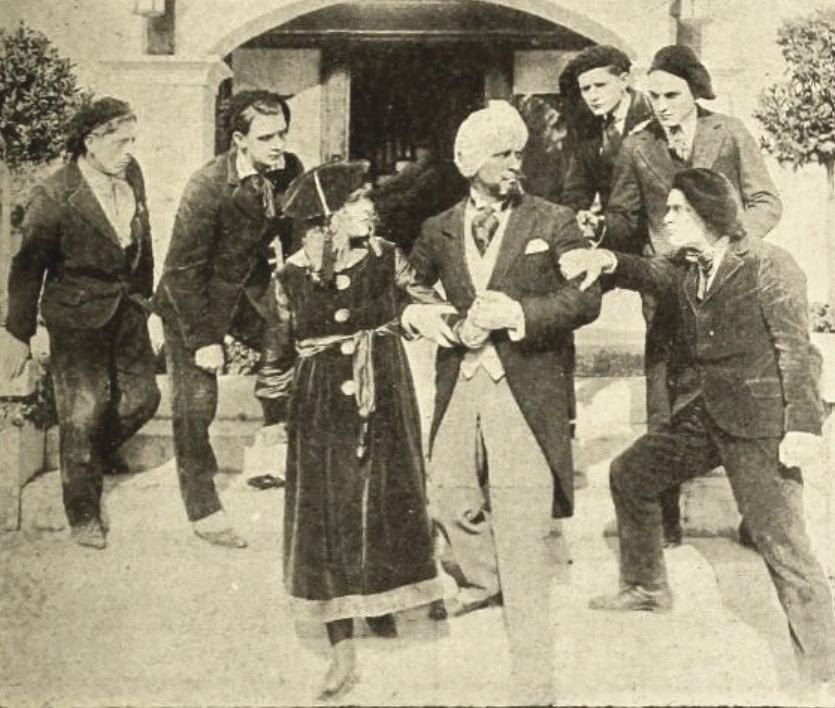
A Directorial Spotlight on Rupert Julian