
DbcultAccessing Vault...
Recommendations
Senior Film Conservator
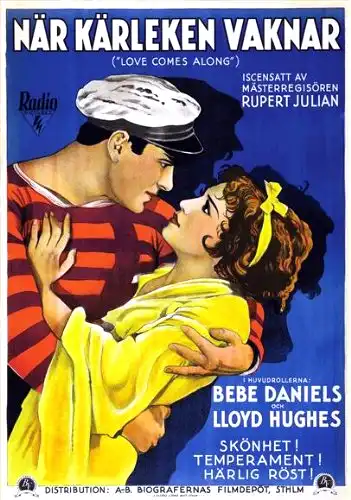
The evocative power of Love Comes Along (1930) continues to haunt audiences with its thematic gravity, the artistic provocations of Love Comes Along demand a follow-up of equal intensity. Explore the following titles to broaden your appreciation for Drama excellence.
The visceral impact of Love Comes Along (1930) stems from to transcend the limitations of its 1930 budget and technology.
An American sailor comes to a seedy banana republic, and finds a fellow yank, a stranded girl, as a saloon singer. They fall in love, but a misunderstanding about her feelings toward the local dictator threaten their happiness.
The influence of Rupert Julian in Love Comes Along can be felt in the way modern Drama films handle thematic gravity. From the specific lighting choices to the pacing, this 1930 release set a high bar for atmospheric immersion.
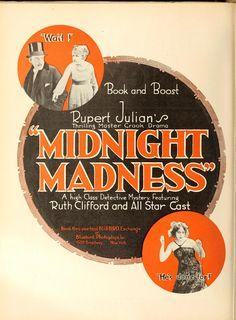
Based on the unique thematic gravity of Love Comes Along, our vault has identified these titles as the most compelling follow-up experiences for fans of Drama cinema:
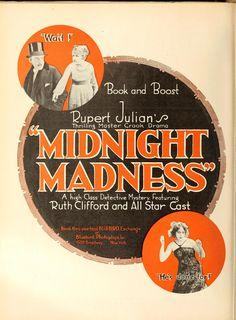
Dir: Rupert Julian
In the act of robbing a set of rare jewels from a museum, a robber is wounded in the hand. Prentice Tiller, while dressing a wound in his hand, overhears the woman in the next hotel room, Gertrude Temple, telephoning Aaron Molitor, to whom she is to deliver some jewels. Posing as Molitor, Prentice calls on Gertrude but disappears when Molitor, who also has been wounded in the hand, suddenly arrives. Molitor's men capture Prentice, who narrowly escapes death in the ruins of an old church and then continues to track Molitor. Gertrude accompanies Molitor and her uncle, Simon Temple, to Paris, where they are met by master crook Chevat and the woman who loves him, Lola Montez. Lola becomes jealous of Gertrude and tries to kill her, but Prentice rescues her. Through a ruse, Prentice, who finally is revealed as a detective, captures Chevat and his gang, returns the jewels to their rightful owner and then proposes to Gertrude.
View Details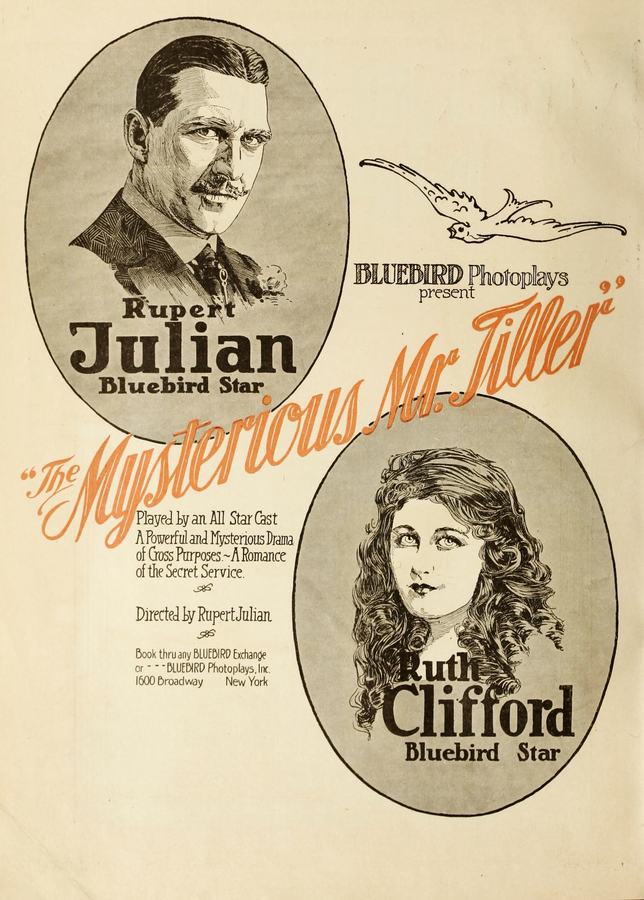
Dir: Rupert Julian
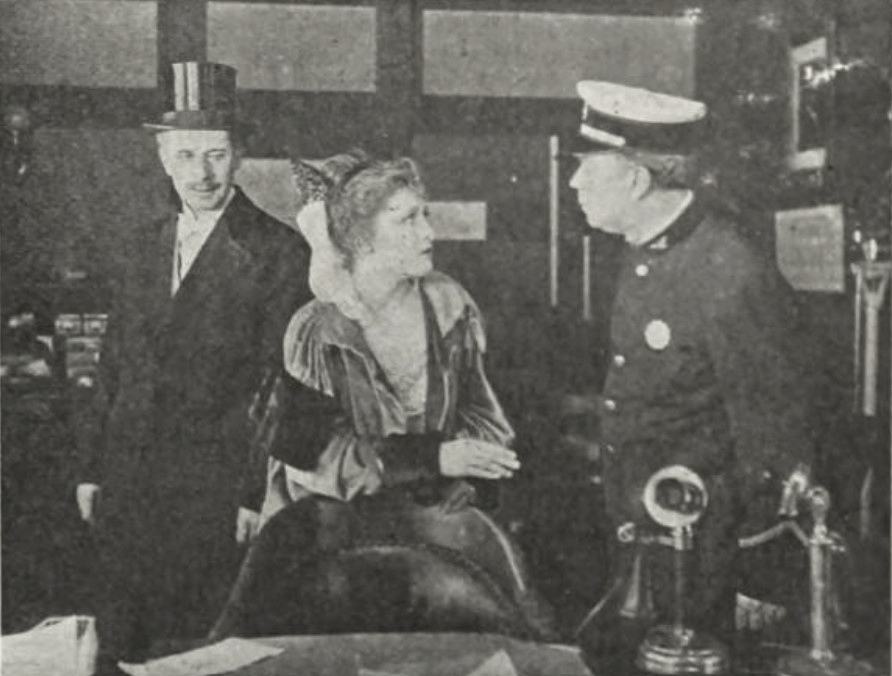
Police headquarters has been plagued by a series of robberies, culminating in the theft of a priceless necklace smuggled from Europe. The detectives are on the track of a gang led by master thief Ramon Mordant and his accomplice known as "the Face" because of his twisted and hideous countenance. Among the detectives on the case is undercover agent Clara Hawthorne, masquerading as a mysterious, glamorous woman. The Face and Clara play a cat and mouse game until, while they are both in pursuit of Mordant, the Face secures the necklace and turns it over to Clara, at the same time revealing himself to be Prentice Tiller, chief of the Secret Service.
View Details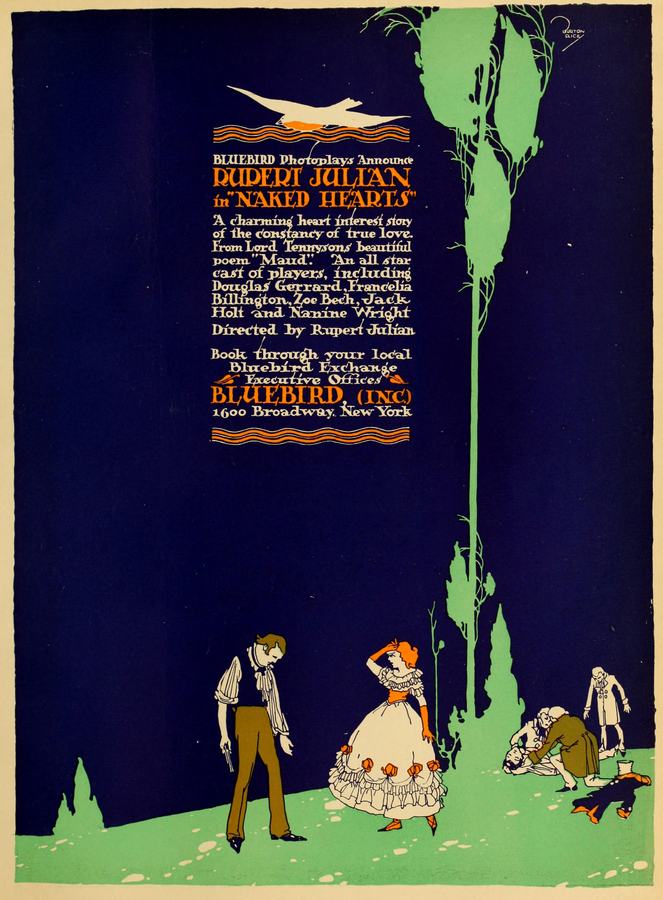
Dir: Rupert Julian
Two families had been neighbors in the South for years; Maud, her brother Howard, and Cecil Lane were playmates. One day as they were playing on the lawn the fathers of Maud and Cecil betroth their children in a bumper of wine. Shortly thereafter Cecil's father loses his fortune through poor speculation and commits suicide. Maud is sent away to school. Cecil begins a musical education, remaining at home and growing up to be the village music teacher. Years later Maud returns home, and soon her brother Howard arrives with a foppish friend, Lord Lovelace, who straightaway lays siege to Maud's heart. Maud and Cecil meet at the village shrine and renew their childhood love. Against her will Maud consents to a betrothal with Lord Lovelace. On the night of the betrothal party Maud and Cecil plan to elope, but their arrangements are discovered and thwarted, a duel between Cecil and Howard developing with in the hour. Maud hears the shots fired, and beholding her brother slightly wounded sends Cecil away in anger. He leaves the village under the impression that Howard will die. Cecil goes far away, and in a great city his musical talents are recognized. Maud, meanwhile, in contrition, would have Cecil return to her, but he keeps his mother poorly informed and Maud is unable to get word to him. When Cecil composes the song, "Come Into the Garden, Maud," his fame is assured. At this time war breaks out and Cecil, Lord Lovelace and Howard become soldiers, eventually meeting on the battlefield. Lord Lovelace knows of Cecil's song and his great fame as its composer, and at the moment he is about to die of his wounds, Lord Lovelace sends word to Cecil, that Maud is waiting for Cecil in the garden. Believing that Cecil has been killed in battle at the same time her brother Howard and Lord Lovelace die of their wounds, Maud decides to dedicate her life to religion and enters a convent. When Cecil ultimately comes home he is too late to reach Maud with any communication. He spends the rest of his life in sorrow going every day to the convent walls and playing his famous song that Maud might hear and know that he thus awaits the final end, faithful to his childhood sweetheart.
View Details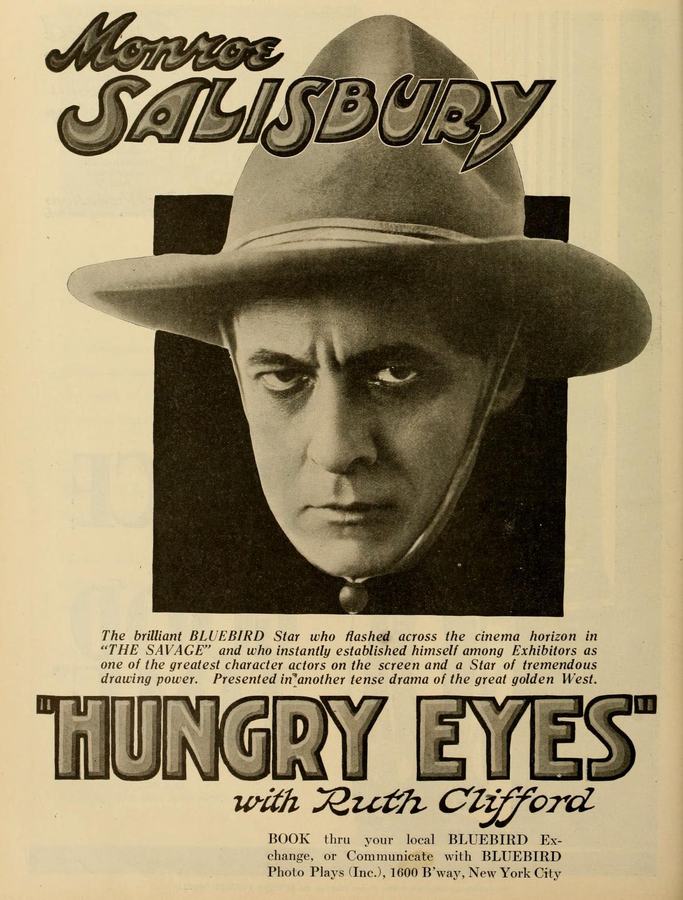
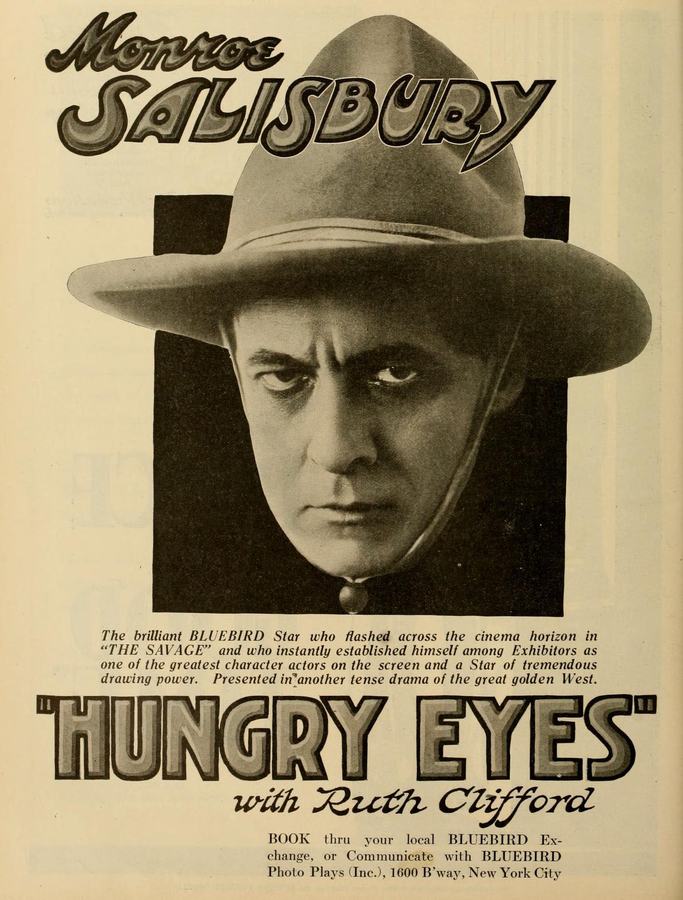
Dir: Rupert Julian
Ex-convict Dale Revenal arrives at Dudley Appleton's ranch bearing a letter of introduction from John Silver, Appleton's old friend. Appleton hires Dale, who, through his winning manner, soon wins the respect of the ranch hands and the love of the ranch owner's daughter Mary Jane. Believing himself unworthy of her, Dale tells Mary Jane that he has a wife and child in Arizona, and she reluctantly agrees to marry Jack Nelda, a local rancher. Nelda realizes that Mary Jane is still in love with Dale and plots with Bessie Dupont and her brother Pinto to kill him. Bessie, however, warns Dale, but when he confronts Nelda at the saloon, Pinto shoots him, wounding him in the shoulder. John Silver comes to Dale's aid and Nelda is killed. Silver reveals that Dale's "wife" in Arizona is really his sister, and Dale finally accepts Mary Jane's love.
View Details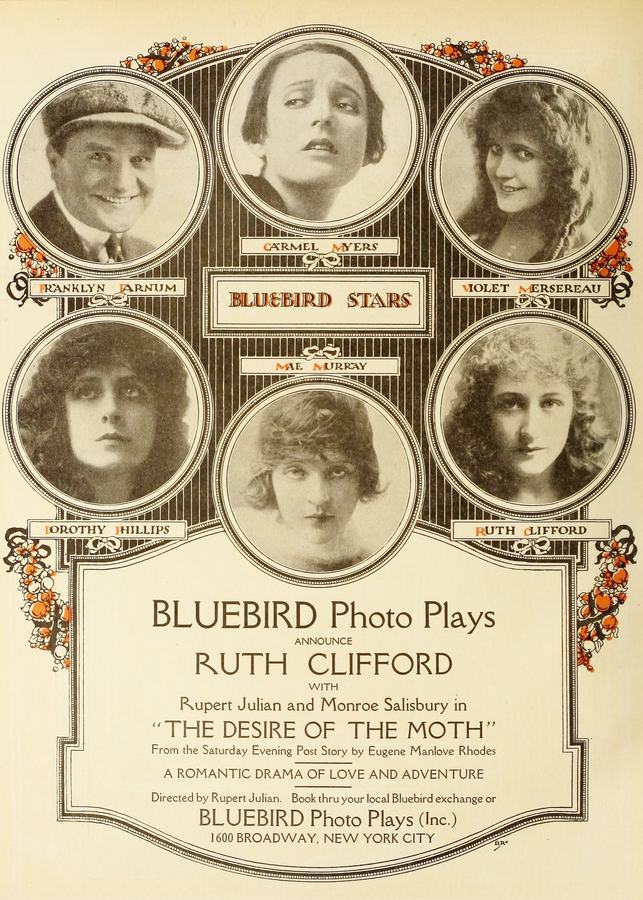
Dir: Rupert Julian
Christoper Foy, who is running away from the authorities, is injured during his escape and takes refuge at the mountain cabin of Colonel Vorhis and his daughter Stella. Stella takes pity on Foy, and the Colonel, admiring Foy's confession of guilt, takes steps to have him pardoned. He and Stella fall in love and Foy remains honest, but when he is accused of cattle stealing, he again runs away. When John Wesley Pringle, who also loves Stella, learns that Foy is innocent but is the object of a conspiracy, he helps Foy by uncovering the plot. Despite his love for Stella, Pringle helps to prove that Foy is innocent so that Stella can find happiness with the man she loves.
View Details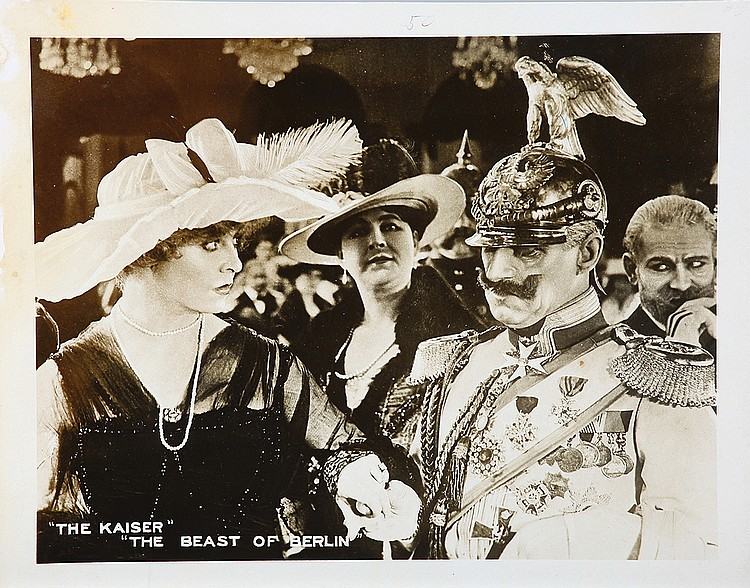
Dir: Rupert Julian
A propagandistic view of the First World War, showing the political greed of the German Kaiser Wilhelm, the resistance of some of his own soldiers, and fanciful prediction of the nature of the war's end.
View Details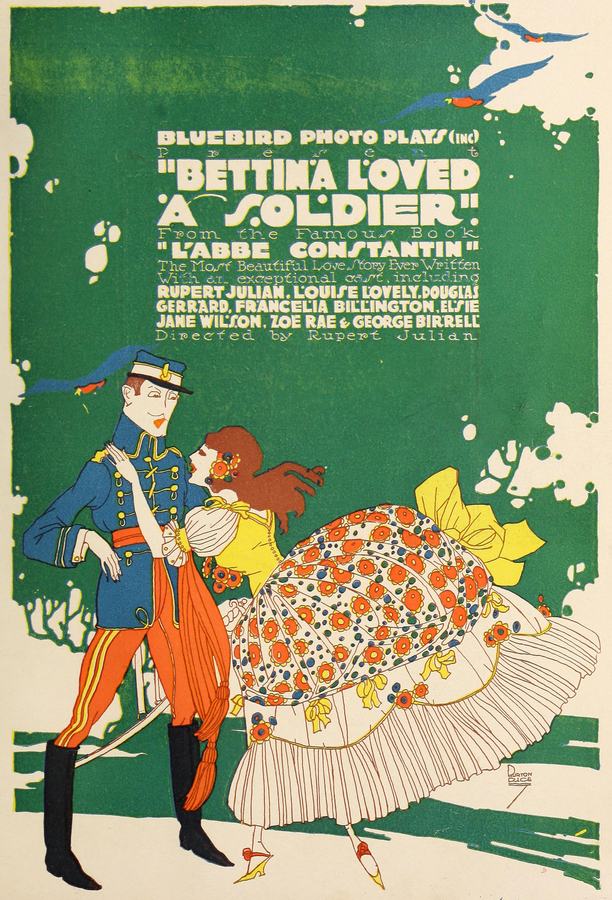
Dir: Rupert Julian
In 19th-century France, wealthy, single young Bettina is pursued by dozens of young men, but she believes that they're interested more in her money than in her and rejects them all. Young Army Lt. Jean Reynaud meets her and falls for her without knowing how wealthy she is; when he finally finds out, he is afraid that, because of her high social status and his low one, he'll be perceived to be just another gold-digger, and his sense of honor won't permit that, so he turns her away. She, however, doesn't want to be turned away, and he finds the tables turned when she pursues him.
View Details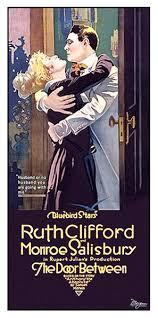
Dir: Rupert Julian
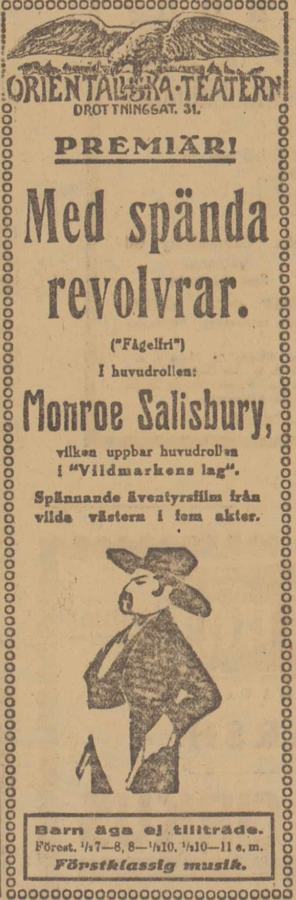
Anthony Eckhart, a student of Oriental music, meets Crocker in a Geisha house where he extricates the intoxicated man from the results of an attack upon a waiter. Crocker explains that his wife has left him and there is only drink left. Anthony discovers a woman with marvelous voice at the hotel and falls in love with her before he finds that she is Crocker's wife. He confesses to Crocker and offers to leave if Crocker will leave her alone. Crocker promises an answer, but comes to kill his wife. Anthony prevents him and at last Crocker proves a man.
View Details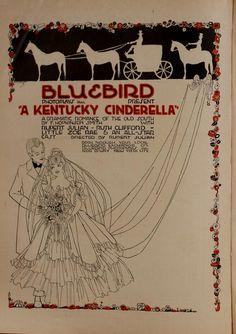
Dir: Rupert Julian
After the death of her father, a young girl goes to live with her uncle in Kentucky. She immediately comes into conflict with her uncle's shrewish wife.
View Details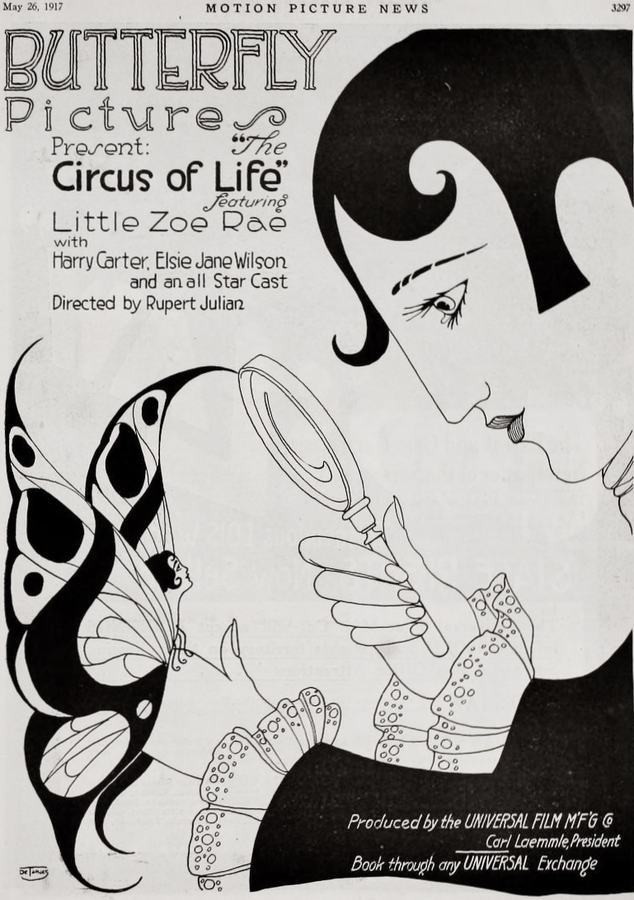
Dir: Rupert Julian
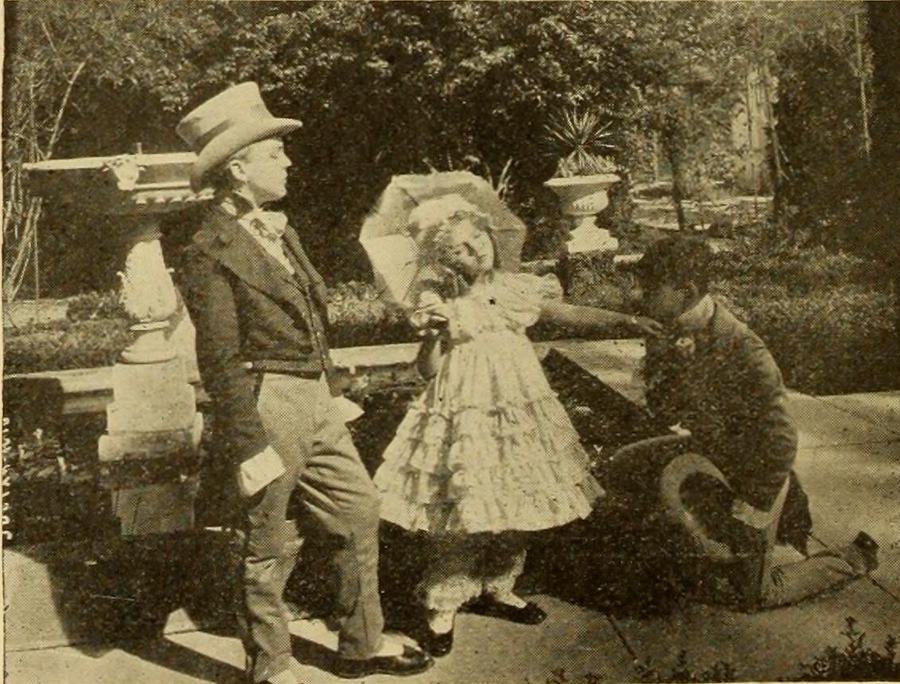
Danny, the driver of a brewery wagon, marries Mamie; soon after, she becomes infatuated with artist Gaston Bouvais. When Marie gives birth to Daisy May, Danny is led to believe at the hospital that the baby is not his. Shattered, he embarks upon a life of drinking and carousing. Nevertheless, he loves the little girl, and as she grows up, Daisy May joins him on the brewery wagon. On one of these trips, Danny drinks too much and loses control of his horses, and Daisy May is injured in the melee. Meanwhile, Bouvais has finally convinced Mamie to run away with him, but Danny's accident finally awakens in her the love she feels for him, and she refuses to go. Rejected, Bouvais marries another woman and happiness is restored to Danny and Mamie. When they reconcile, Daisy May recovers and Danny embarks upon the new career of driving a milk wagon.
View DetailsAnalysis relative to Love Comes Along
| Film Title | Atmosphere | Complexity | Similarity |
|---|---|---|---|
| Midnight Madness | Surreal | Dense | 88% Match |
| The Mysterious Mr. Tiller | Surreal | Layered | 95% Match |
| Naked Hearts | Gothic | High | 95% Match |
| Hungry Eyes | Ethereal | Abstract | 86% Match |
| The Desire of the Moth | Ethereal | High | 91% Match |
This guide was algorithmically generated using the cinematic metadata of Rupert Julian's archive. Last updated: 6/21/2026.
Back to Love Comes Along Details →