
DbcultAccessing Vault...
Recommendations
Senior Film Conservator
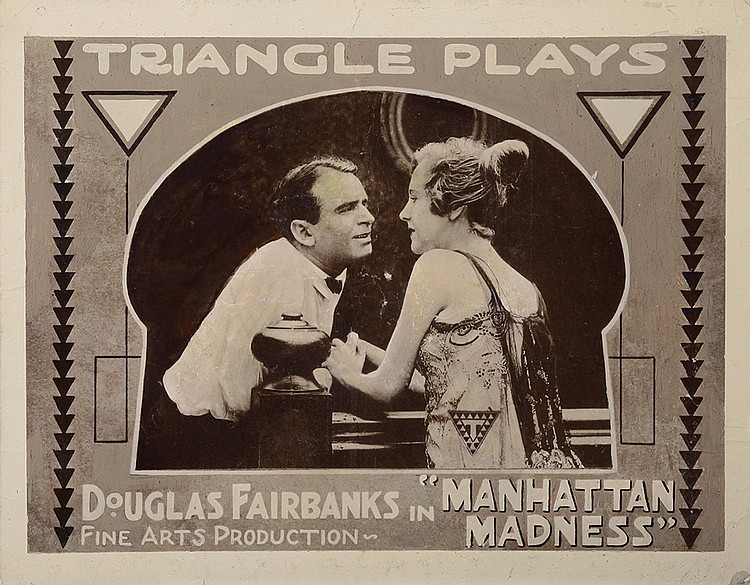
The cinematic DNA of Manhattan Madness (1916) is truly one of a kind, the search for similar titles reveals the deep impact of Allan Dwan's direction. Our cinematic experts have identified several titles that reflect the spirit of 1916.
As a pivotal work in United States cinema, Manhattan Madness to capture the existential zeitgeist of 1916.
Steve O'Dare, a rich young man who has lived on his Nevada ranch for some years, returns to New York for a visit. He goes to the University Club, of which he is a member, for a week of New York gaiety with his club companions, but fails to get thrills out of the pleasures of the Great White Way. While lunching at a country club, he tells the boys that there isn't a thrill in Manhattan. And then, through an open doorway he sees at a table in the garden outside a middle-aged couple of distinguished appearance--and a beautiful girl. Upon inquiring of his companions who the people are, he learns that they are the Count and Countess Marinoff and their ward. One of his pals offers to bet him $5,000 that if he will stay in New York a week he will get the thrill of his life. Steve takes the bet. Remembering that he has sold stock to Count Marinoff he wonders whether it might not be possible for him to meet the ward. The problem is solved when the Count calls Steve up and asks him to come to his home. Steve goes and meets the ward, who mystifies Steve by making mysterious signs to him. The Count informs Steve that the girl is crazy. The girl's maid passes Steve a note that says the girl is in great peril and wants him to help her. The Count being called away, the maid directs Steve to go up to the second floor. Ascending the stairs he drops through a trap door on the landing and is bound and gagged by the Count's butler, but the maid releases him, and he telephones to the boys at the club and asks some of them to come out to the Count's house. The boys come, and a battle follows between the Count and his servants on one side, Steve and the clubmen on the other. Steve battles up through the house to the roof with one of the Count's henchmen, who has carried the ward off in his arms early in the conflict. After finally knocking the villain cold Steve searches for the girl but cannot find her. All the men who have been fighting, both his friends and the Count have mysteriously disappeared. As he is at his wits end he sees the face of the butler peeping through a sliding panel in the wall. The panel quickly closes and Steve kicks his way through it and finds himself in a banquet hall where the whole company of his friends and supposed foes are dining together, the persecuted ward beaming at him from the end of the table. The friend with whom Steve made the bet now explains that he has been given the promised thrill, the members of the party, except the clubmen, being members of the theatrical profession, especially engaged for the doings. Just then there arrives four of Steve's cowboys, for whom he telephoned at the same time that he telephoned the club. With their aid Steve quickly turns the tables on the jokers. While cowboys cover the party with their guns Steve announces that he, like Lochinvar, came out of the West, grabs the girl, and rides away with her. She is a not-unwilling captive, and as hour later the weary party still held under the guns get a wireless from Steve that he is quite willing to pay his bet; he has had the thrill of his life, for he is married and sailing away on his wedding tour.
The influence of Allan Dwan in Manhattan Madness can be felt in the way modern cult films handle artistic bravery. From the specific lighting choices to the pacing, this 1916 release set a high bar for atmospheric immersion.
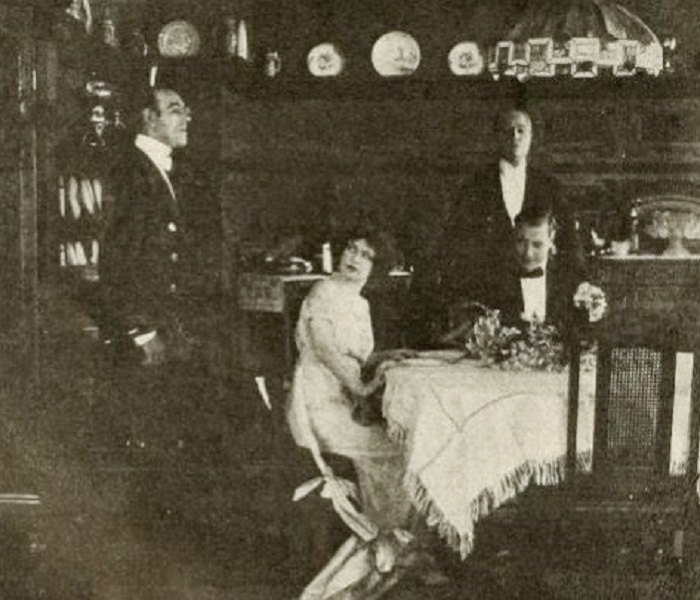
Based on the unique artistic bravery of Manhattan Madness, our vault has identified these titles as the most compelling follow-up experiences for fans of cult cinema:
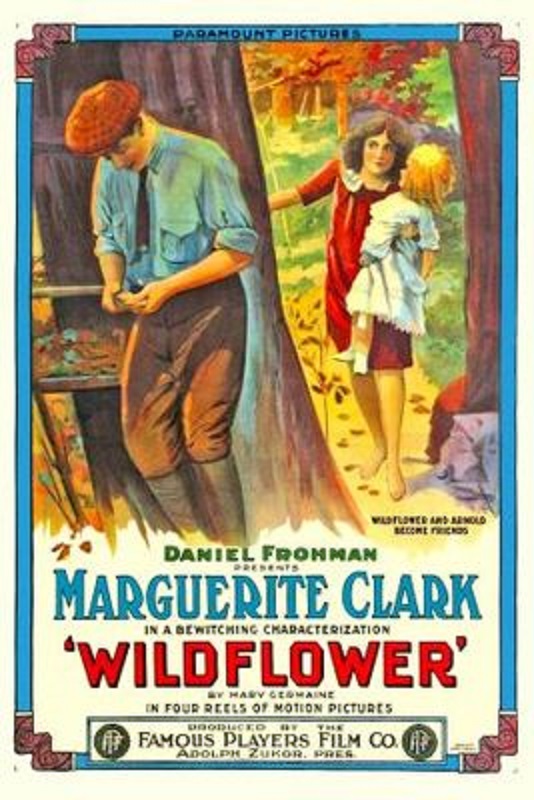
Dir: Allan Dwan
Known as "Wildflower," Letty Roberts meets Arnold Boyd, a wealthy man who is weary of life in the city. Arnold thinks that Letty is merely a charming child, however, his playboy brother Gerald is attracted to her and charms her into eloping with him. Arnold catches up with the couple just after their wedding, and after a fight with Gerald, takes Letty away to the Boyd family home in New York. He introduces her as his own wife because, he says, he wants to save her reputation. Even Letty's parents do not know to which brother she is married. Letty's stay in the mansion opens her eyes to the world outside of her rural environment and eventually she realizes that while Arnold appears to be hard and uncaring, it is really he, not Gerald, whose feelings for her are the deepest. When she realizes Gerald's true character, Letty decides that she will be happier with Arnold.
View Details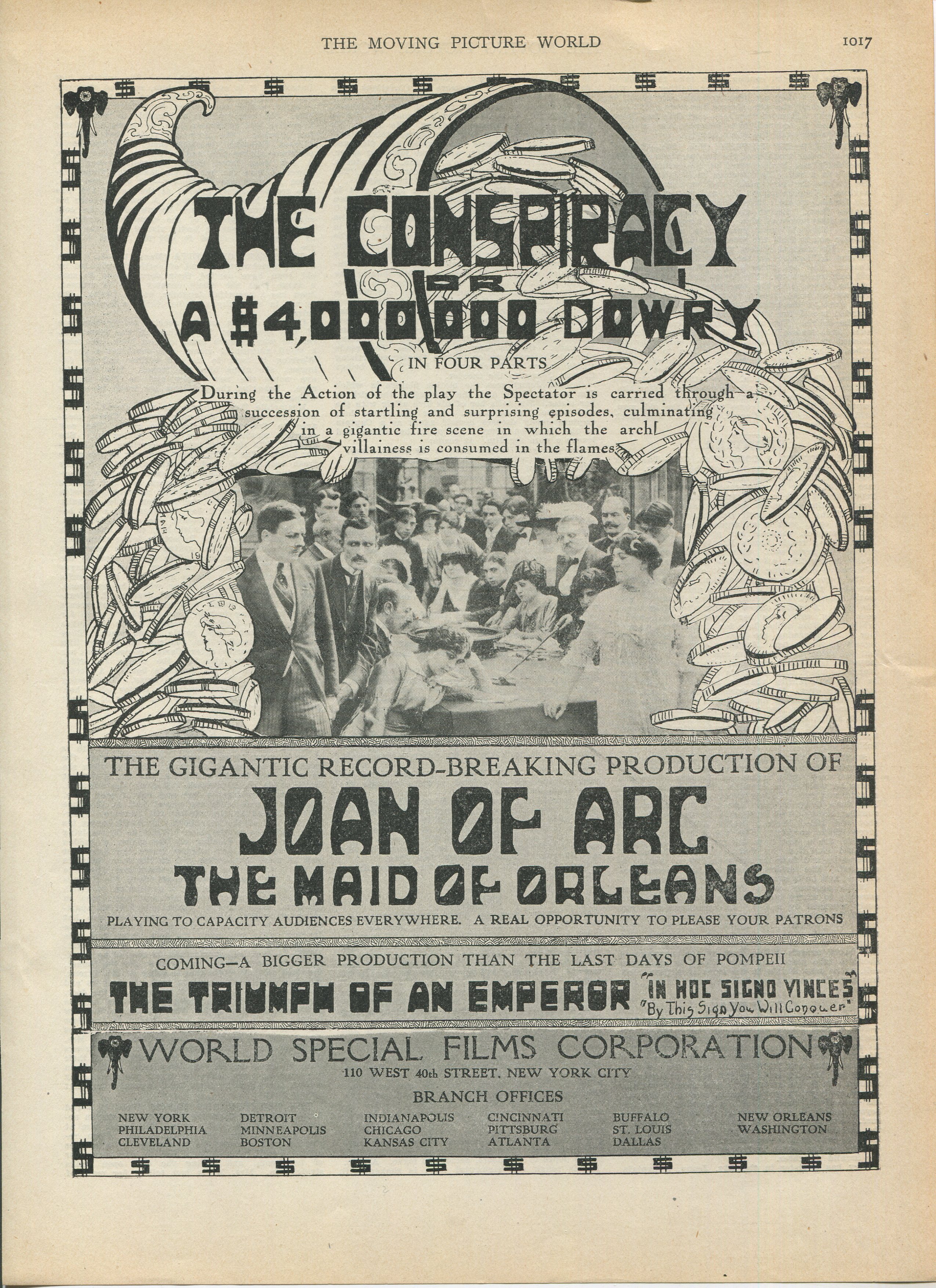
Dir: Allan Dwan
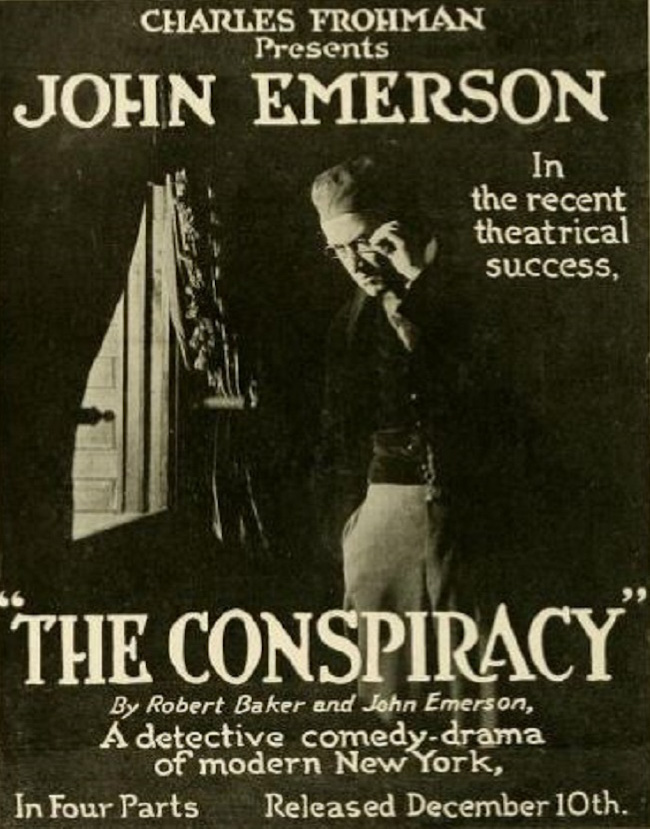
Winthrop Clavering a mystery writer, is continually ridiculed for the fiction of the crimes he depicts, so he decides to solve a case himself. To that end, he determines to find the slayer of Pedro Alvarez, who whispered before dying that his assailant was a woman. At the City Refuge for Homeless Girls, Clavering obtains the assistance of Margaret Holt, the sister of Victor Holt, the district attorney. Margaret, it is revealed, was abducted by Juanita, a member of a gang of white slavers led by Alvarez. After escaping from a brothel, Margaret became Alvarez' stenographer, hoping to gather secret information on his gang. While searching for evidence, Margaret was surprised by Alvarez, whom she killed. Finally, Clavering captures the gang, clears Margaret, and encourages her romance with cub reporter Jack Howell.
View Details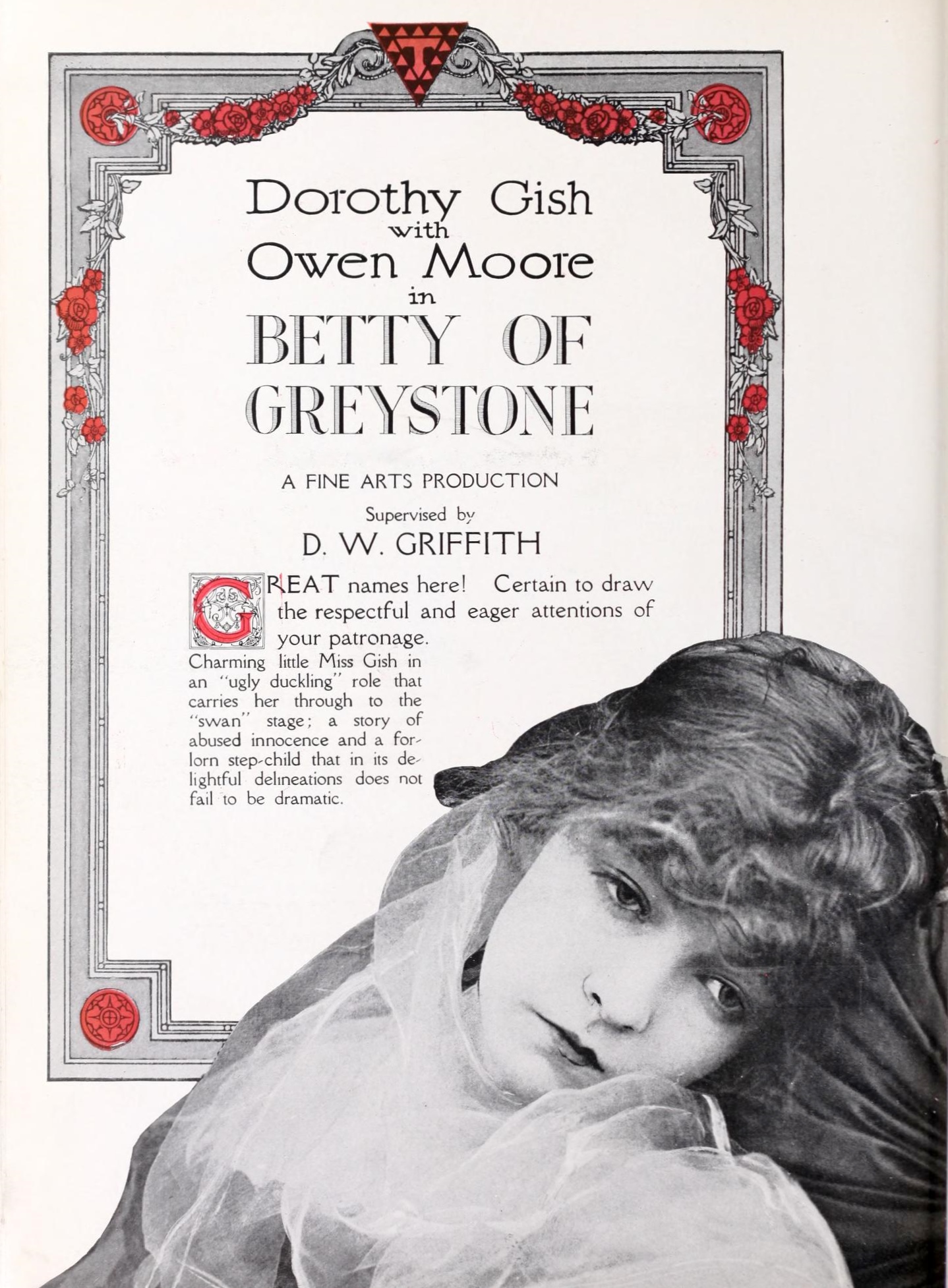
Dir: Allan Dwan
After the death of her father, Betty Lockwood goes to Graystone Gables, the estate where he had been the caretaker, to spend some time alone there. She meets David Chandler, Graystone's owner, who is attracted to her and tells her to come back whenever she wants to. Betty's mother soon remarries, but her new stepfather is not the same kind of man that her father was; she finds herself the subject of some vicious gossip begun by her mother's new husband when he spots her at the estate with David. Complications ensue.
View Details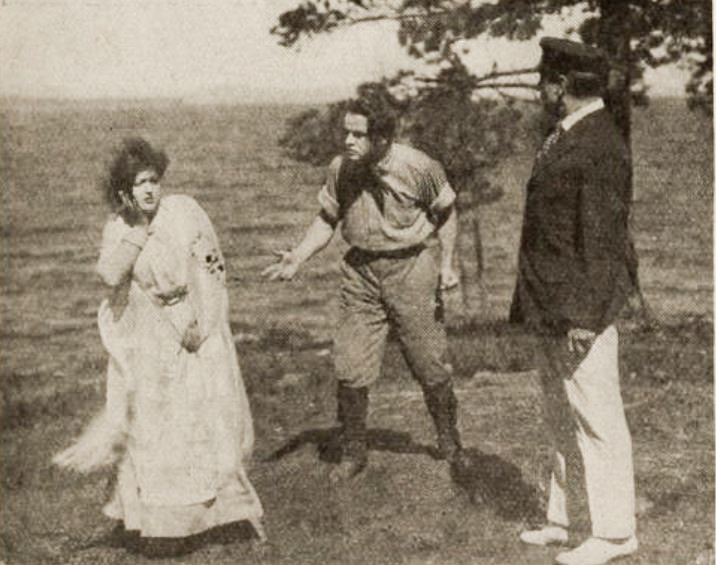
Dir: Allan Dwan
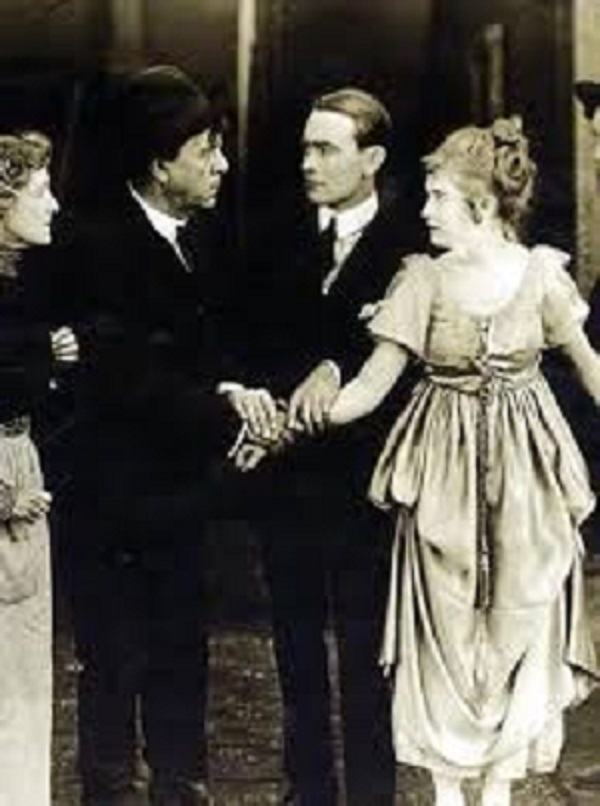
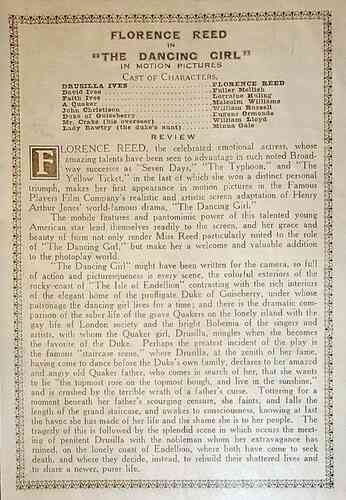
Drusilla Ives, a young Quaker girl living on an isolated island, leaves to become the servant of the spendthrift Duke of Guisenberry in London, who is the Lord of her village. She finds that she is attracted to the bustling city's night life, and when the duke discovers that she is a fine dancer, he helps her turn professional. In short order she becomes known as Diana Valrose, the city's favorite dancer. Unfortunately, her strict father and her Quaker fiancee, John Christison, back on the island find out about her newfound fame and career and strongly disapprove--her father places a curse on her and her boyfriend marries her sister Faith. Complications ensue.
View Details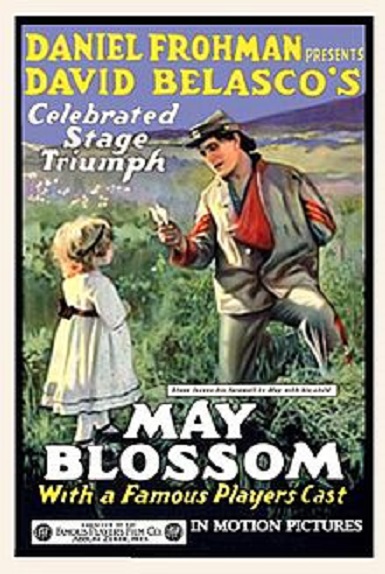
Dir: Allan Dwan
May Blossom loves Richard Ashcroft, a Southern officer, and accepts his proposal of marriage immediately after receiving one from her father's choice, a suitor named Steve Harland, who loves her madly. She sorrowfully tells him she prefers Richard, nearly breaking Steve's heart. That night, without a chance to bid May good-bye, Richard is arrested by officers from the Northern army, who have suspected from his frequent trips across the river that he is a spy. Richard is torn away by his captors, exacting a promise from Steve, who witnessed his arrest, to tell May the circumstances, that she must be faithful, and that he will return some day, if he lives. Steve yields to temptation and only tells May Richard has fled, never to return. May believes Richard false, tries to shut him out of her heart, and finally succumbs to Steve's importunities and marries him. Steve and May are married a year, and a little girl comes to them, who is adored by both. Steve is tortured constantly by the remembrance of his perfidy to Richard, who has not been heard of since his arrest, and is thought by all to be dead. Richard returns to claim his promised wife, having finally escaped, and finding her married to Steve, tells her the story of the arrest, and Steve's oath to him. May calls Steve, who mutely confronts the man he wronged, till May is about to be torn from him, when, like an angered lion, he protects his own. Richard is sent away by May, and Steve goes to war, returning finally to be forgiven.
View Details
Dir: Allan Dwan
With the opening of the story Richelieu pardons the Duke of Orleans and all his followers in the Languedoc revolt, save one. The exception is Adrien de Mauprat, because he seized a French town without his leader's orders. Richelieu advises him to lead his troops against the Spaniards and seek honorable death in battle. Julie, Richelieu's ward, loves de Mauprat, but notwithstanding her entreaties, the Cardinal is relentless; de Mauprat courts death on the battlefield. But now that he seeks death, it shuns him; instead of a soldier's grave, he wins glory. Julie has another admirer, Haradas, the King's favorite. Aware of de Mauprat's place in Julie's affections, he sets himself to bring discredit upon his rival. Later, Julie, at the King's request, attends court. She makes a deep impression upon the weak-minded, fickle monarch. A year after the departure of de Mauprat, Baradas and his followers conspire to murder Richelieu and seize the throne of France. At this critical time de Mauprat returns, famous in battle, sad of heart and loathing Richelieu. Thus he becomes a ready member of the conspirators. However, Richelieu hears of his arrival and of the conspiracy and has him arrested. In the meantime, Julie has returned from court and again appeals for de Mauprat's life. Thus, when de Mauprat is ushered into the Cardinal's presence, instead of hearing his death sentence, he is informed that he will marry Julie the following day. Hearing of this the King is violently angry: Julie is summoned to appear at court. Once there she is virtually held prisoner and her marriage is declared invalid. The false Barad is convinces de Mauprat that he has been tricked by Richelieu. De Mauprat swears vengeance and again joins the conspirators, all of whom sign a scroll addressed to the Spaniards offering to deliver France into their hands. From here the story develops with plot and counterplot. How de Mauprat discovers his tragic mistake in thinking the Cardinal has double-crossed him, how he manages, through a heroic effort, to save the old man's life, how de Mauprat falls into the hands of the King and is only saved by a master stroke of diplomacy on Richelieu's part, the death of the scheming Baradas and the final achievement of happiness for the young lovers, Julie and de Mauprat, makes up the essential points of the story.
View Details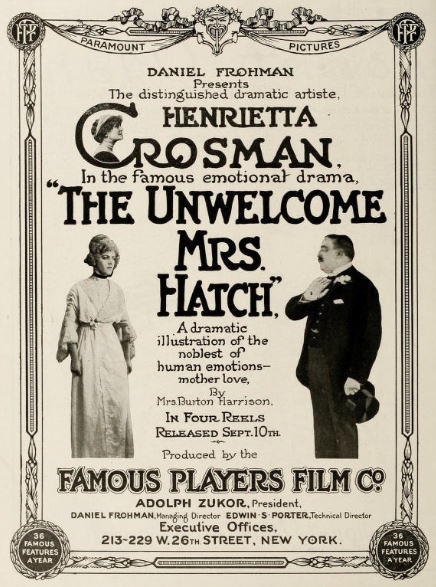
Dir: Allan Dwan
A wealthy girl's banished mother returns as the seamstress at her daughter's wedding.
View Details
Dir: Allan Dwan
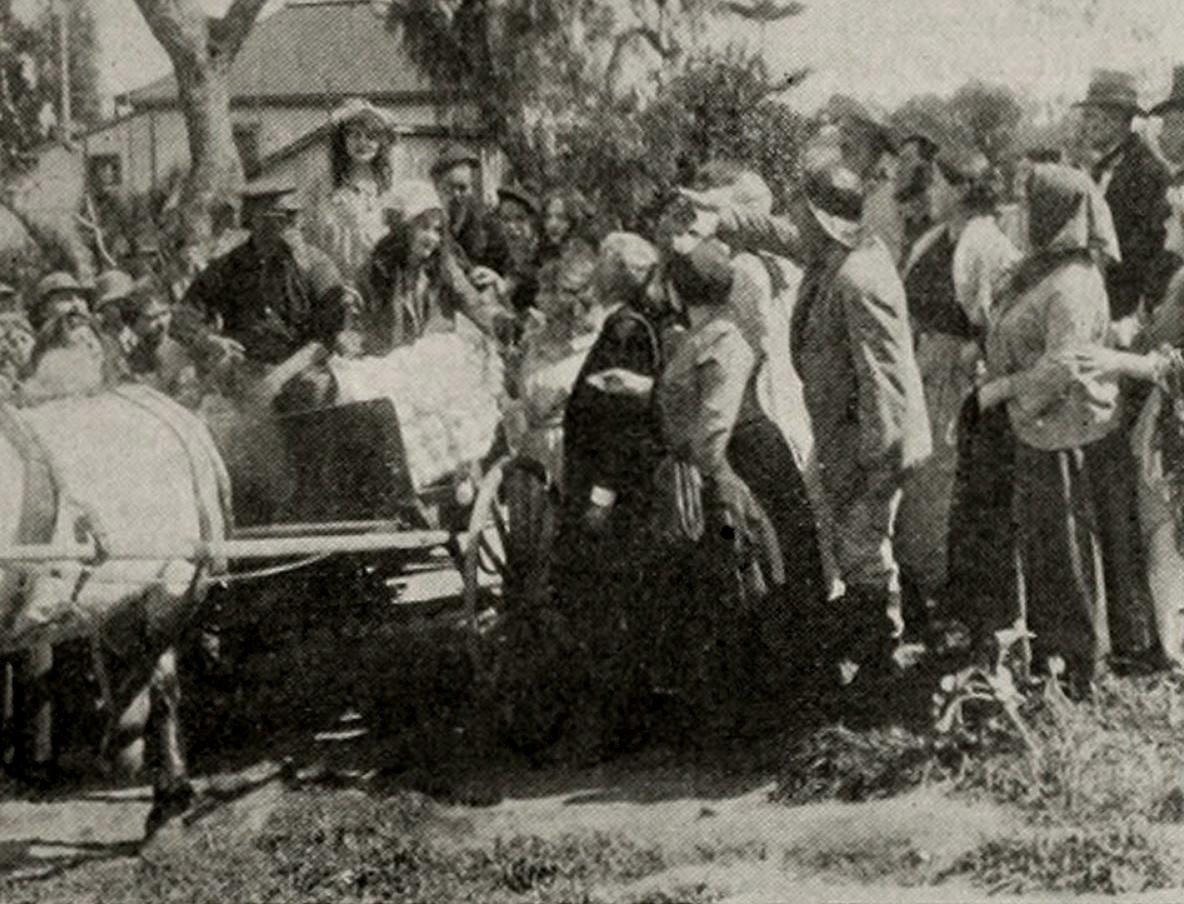
Naomi, a girl of the studios in New York's artist quarter, is possessed of a superabundance of vitality and a desire for continuous frolic and adventure. One night, at a gay party, Naomi's effervescent spirits deceive one of the men into thinking that she is far more unconventional than she herself has any idea of being. His companions tell him that she is not the sort of girl he thinks she is, but he insists that he can prove that she is; he even makes a wager to that effect. He tricks Naomi, who is really quite unsophisticated, accompanying him to a hotel of questionable repute, where the two, innocent of any wrongdoing, are captured in a police raid, and Naomi has an unpleasant experience in the night court. Friends come to her aid and she is released. Not long after this, Frederic Harmon, a broker, comes into her life. The two fall in love and are married; the birth of a baby completes Naomi's character and she cares only for her child, her husband, and her home. The husband, however, does not settle down to home life. He is still much inclined to the gaieties of the set in which he had become acquainted with Naomi, and when she refuses to take further part in the revels of the Bohemian crowd, he goes forth by himself and soon meets Helen Carew, a woman with a past and without a conscience, who fascinates him partly for her amusement and partly for mercenary reasons. Eventually Harmon's infatuation for the other woman becomes known to Naomi. She is heartbroken, particularly when Harmon asks her to divorce him so he can marry Helen. This she refuses to do. Helen, anxious to get the man entirely into her clutches, enters into a plot with a crooked detective whereby Naomi is to be caught in a compromising situation, thus giving her husband grounds for divorce from her. The detective picks up a convict just out of Sing Sing and by means of a decoy message Naomi is induced to go to a hotel room where the man from Sing Sing is waiting for her. Once the two are in the room together it is raided by newspaper reporters and a photographer, and a flashlight of Naomi in the arms of the convict is obtained. The husband brings suit for divorce, offering as evidence the stories of the witnesses at the raid and the flashlight photograph. He also asks custody of the child. Naomi startles the judge and spectators when she declares that she should be allowed to keep the child, because Harmon is not its father. The judge, however, suspects that Naomi is sacrificing her reputation in order to keep her baby, and calling her into his private office, he gets the truth from her. Meantime there has been an unexpected development in the affairs of Helen. The man from Sing Sing had been her lover before he went to prison, and she is unpleasantly surprised when the detective's use of him brings him again into her life. The ex-convict is in Helen's rooms, trying to renew their old association when Harmon comes to see her. Helen hastily hides the jailbird, but while she is talking to Harmon the convict comes out and tells Harmon of the woman's past and his connection with it. Horrified at the revelation of Helen's true character, Harmon goes out of her life at once and forever, but in the course of time succeeds in winning his way back into his home.
View Details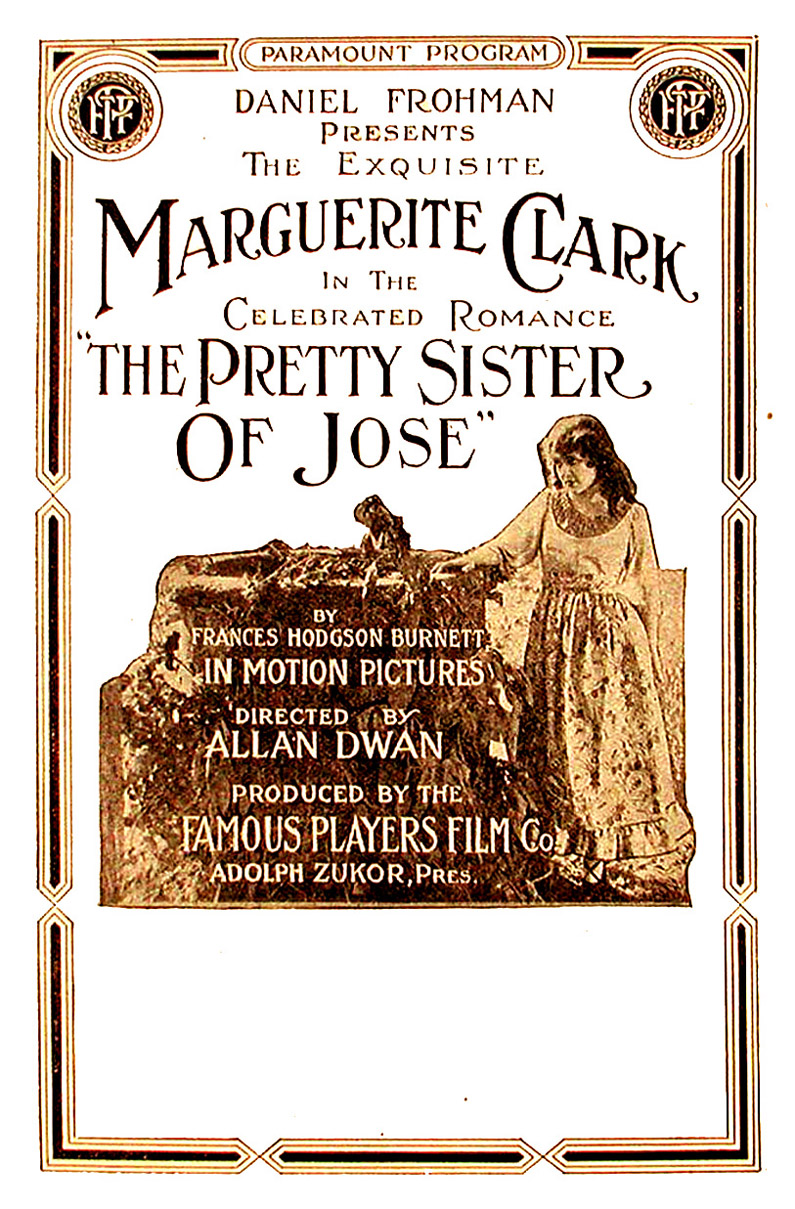
Dir: Allan Dwan
Pepita, a radiant and merry Spanish beauty, and her playful brother Jose, witness their mother, whose faded beauty led her husband to abandon her for another, plunge a dagger into her breast. After their uncle avenges the death, Pepita develops a fierce hatred of men and pledges never to marry, while Jose leaves for Madrid with a benevolent padre. Sebastiano, Spain's most famous toreador, arrives in town and, after seeing Pepita, spurns the pretty Sarita, who dies hopelessly infatuated. Later, Pepita visits Jose in Madrid and encounters Sebastiano. She resists his attempts at conquest and haughtily makes him serve her. Finally, when Pepita responds to Sebastiano's protestations of love with vehement hatred, he leaves for Lisbon. His departure awakens Pepita's love, and when he returns with a fiancee, Pepita suffers intense jealousy. During a bullfight, Sebastiano glances at Pepita and is gored by the bull. As he is about to die, Pepita, ready to die with him, declares her love, and Sebastiano revives.
View Details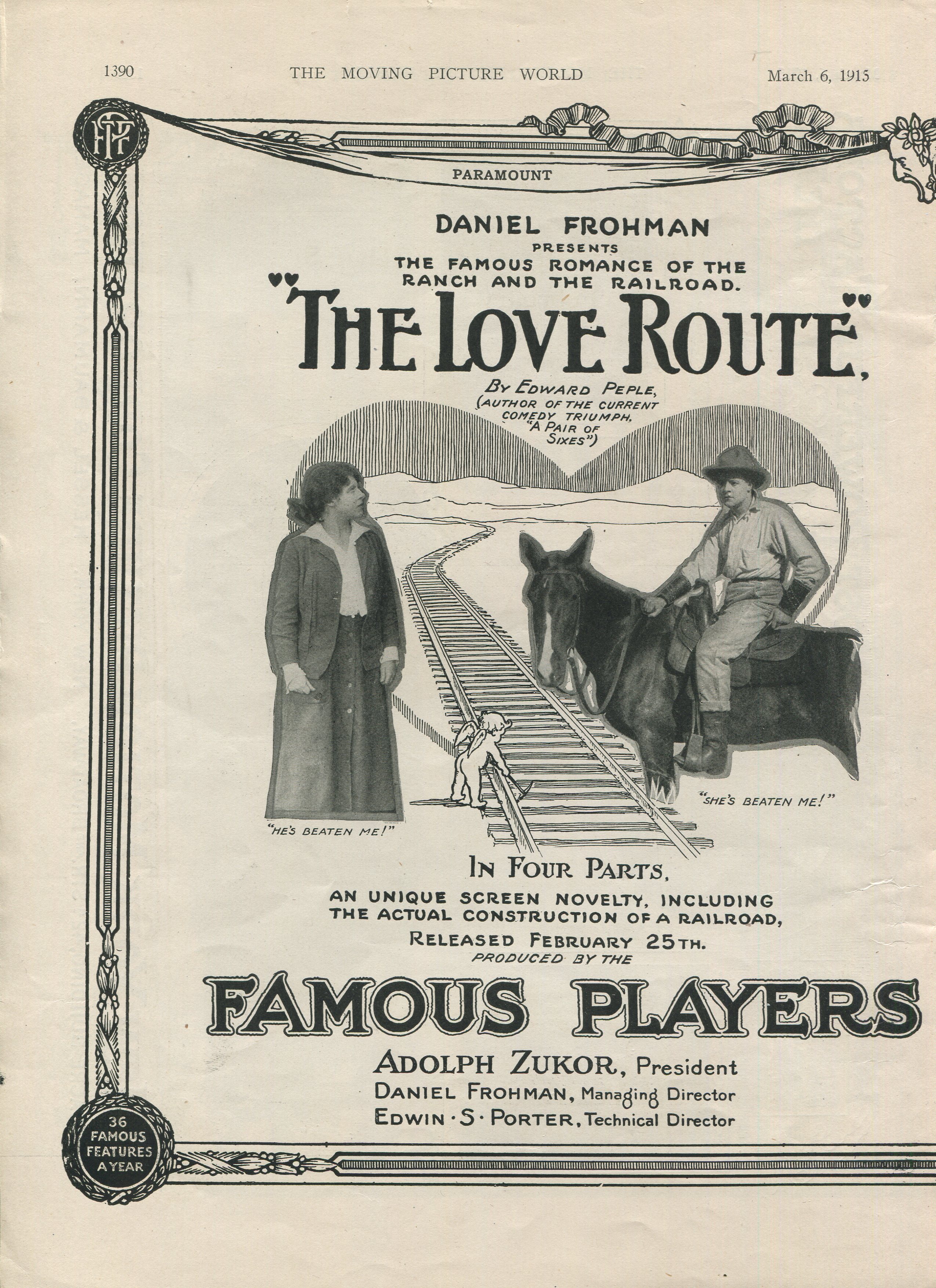
Dir: Allan Dwan
Neighboring ranchers John Ashby and Allene Houston are in love, but their fathers' violent feud over the route of the new X. Y. Z. Railroad eventually drives them apart. Colonel Houston and the elder Ashby are both killed in a fight, leaving John and Allene to continue the feud, John accepting a position with the railroad company and Allene swearing that it will never cross her property. Allene is aided in her battle by the foreman of the Houston ranch, Harry Marshall, an ambitious man who hopes to make Allene his wife. After an intense struggle, one of Allene's men shoots John, but even as she is winning the fight, Allene realizes that she still loves John. In the end, Allene herself lays the last tie just in time to save the company's franchise rights.
View DetailsAnalysis relative to Manhattan Madness
| Film Title | Atmosphere | Complexity | Similarity |
|---|---|---|---|
| Wildflower | Tense | Abstract | 85% Match |
| The Conspiracy | Gritty | High | 89% Match |
| Betty of Greystone | Surreal | High | 93% Match |
| The Dancing Girl | Tense | Layered | 95% Match |
| May Blossom | Ethereal | High | 91% Match |
This guide was algorithmically generated using the cinematic metadata of Allan Dwan's archive. Last updated: 6/20/2026.
Back to Manhattan Madness Details →