
DbcultAccessing Vault...
Recommendations
Senior Film Conservator
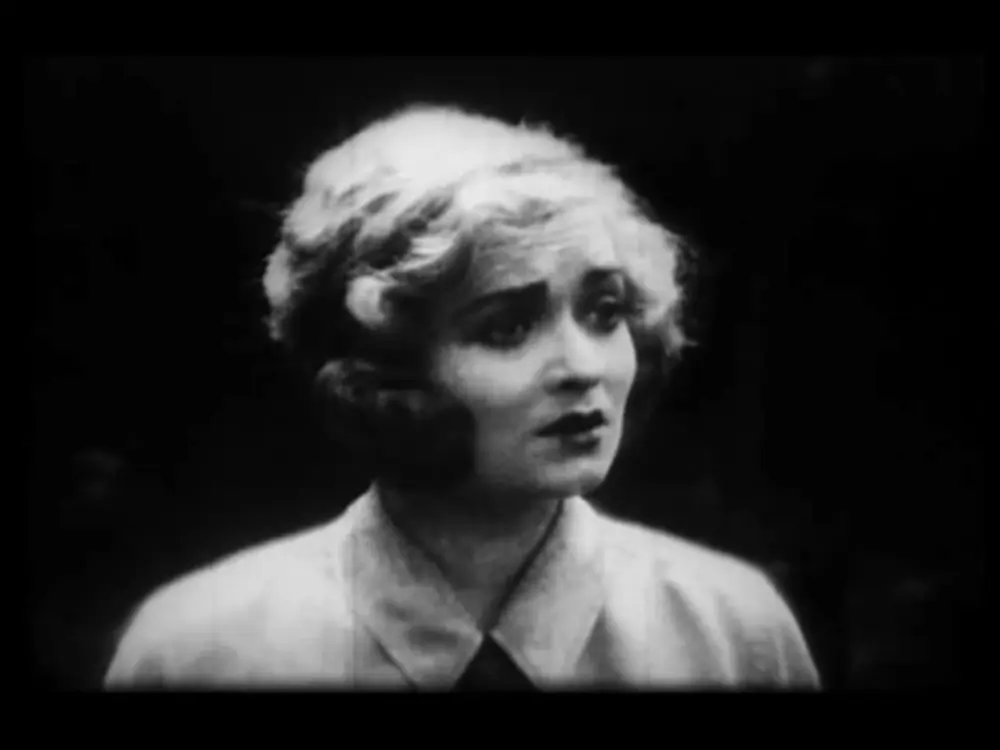
Since its 1926 debut, Married? has maintained a unique vision status, the legacy of Married? is a beacon for those seeking the unconventional. Our criteria for this list were simple: only the most unique vision and relevant titles.
The 1926 landscape was forever altered by the arrival of to sustain a sense of mystery that persists after the credits roll.
A couple endure 365 days of marriage in order to inherit money.
Critics widely regard Married? as a cult-favorite piece of Comedy cinema. Its unique vision is frequently cited as its strongest asset, solidifying its place in United States's film legacy.
Based on the unique unique vision of Married?, our vault has identified these titles as the most compelling follow-up experiences for fans of Comedy cinema:
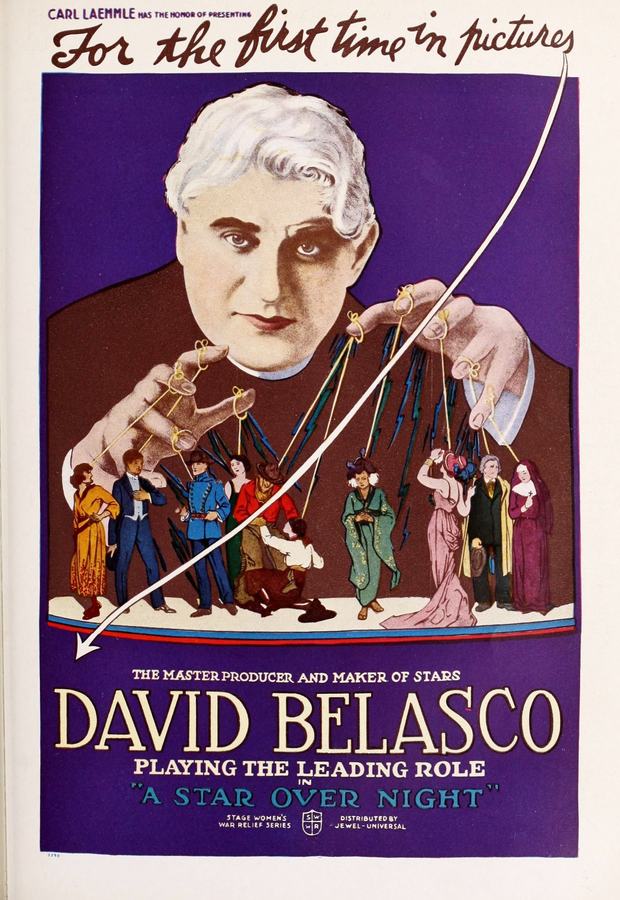
Dir: George Terwilliger
A jealous leading lady does herself out of money and honor, while the object of her jealousy steps in, carries the show and wins the love of the play's author.
View Details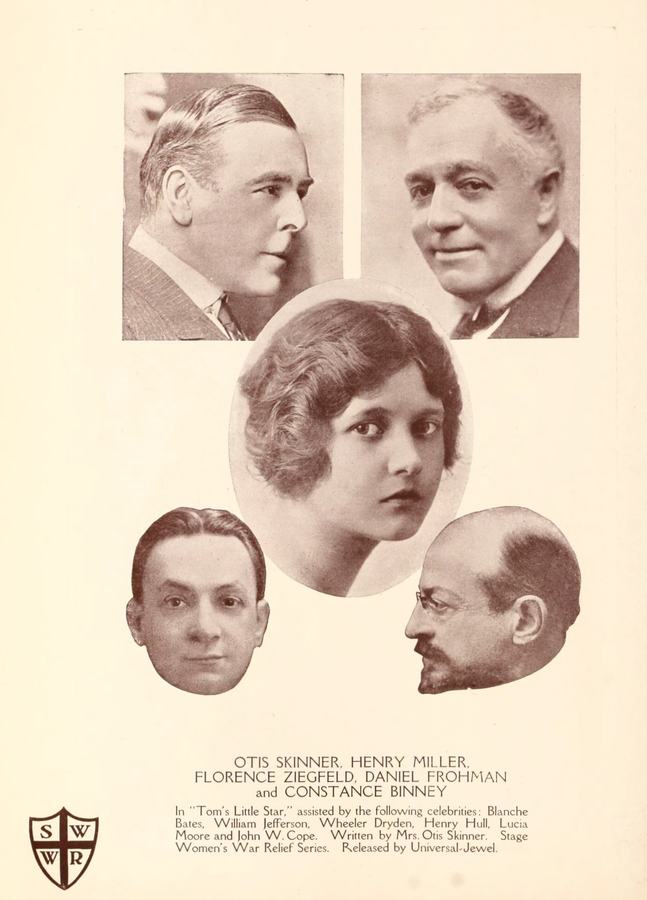
Dir: George Terwilliger
A fascinating piece of cinema that shares thematic elements.
View Details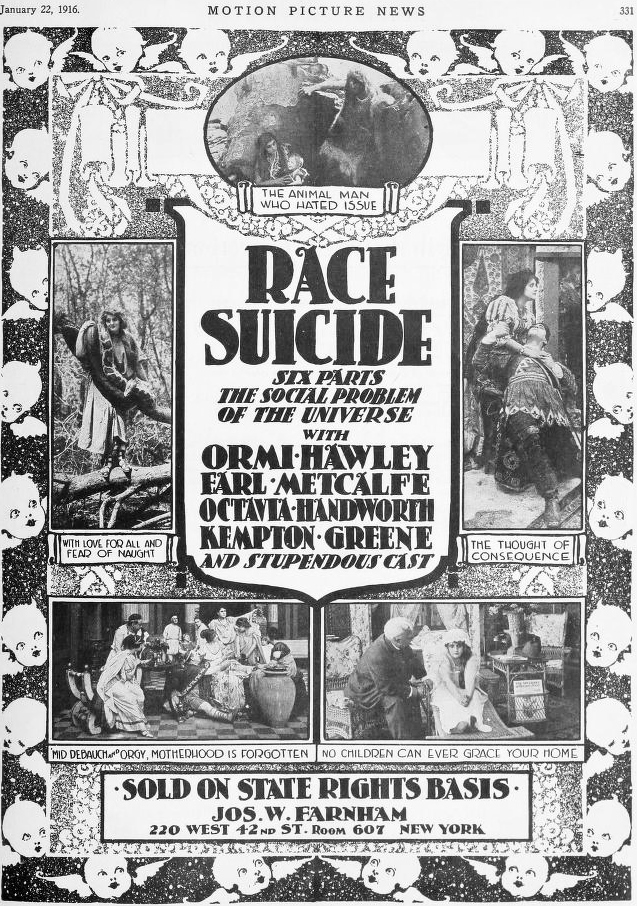
Dir: George Terwilliger
Following a prologue which shows that animals frequently desert their young, a jilted prehistoric suitor murders the child of the woman he loves. During the age of the Roman Empire, a soldier has a brief affair with a shepherdess, and long after he has left, she has their child. The shepherdess looks for the father, but returns brokenhearted after finding him with another woman, and then dies while saving her child from a poisonous snake. During the Elizabethan era, a wayward son seeks spiritual redemption through war, and is killed in battle. In modern times, a young, impoverished husband refuses to start a family, despite the pleadings of his wife. Then, when he finally starts earning enough money to consider children, his wife has an accident that makes it impossible for her to become pregnant.
View Details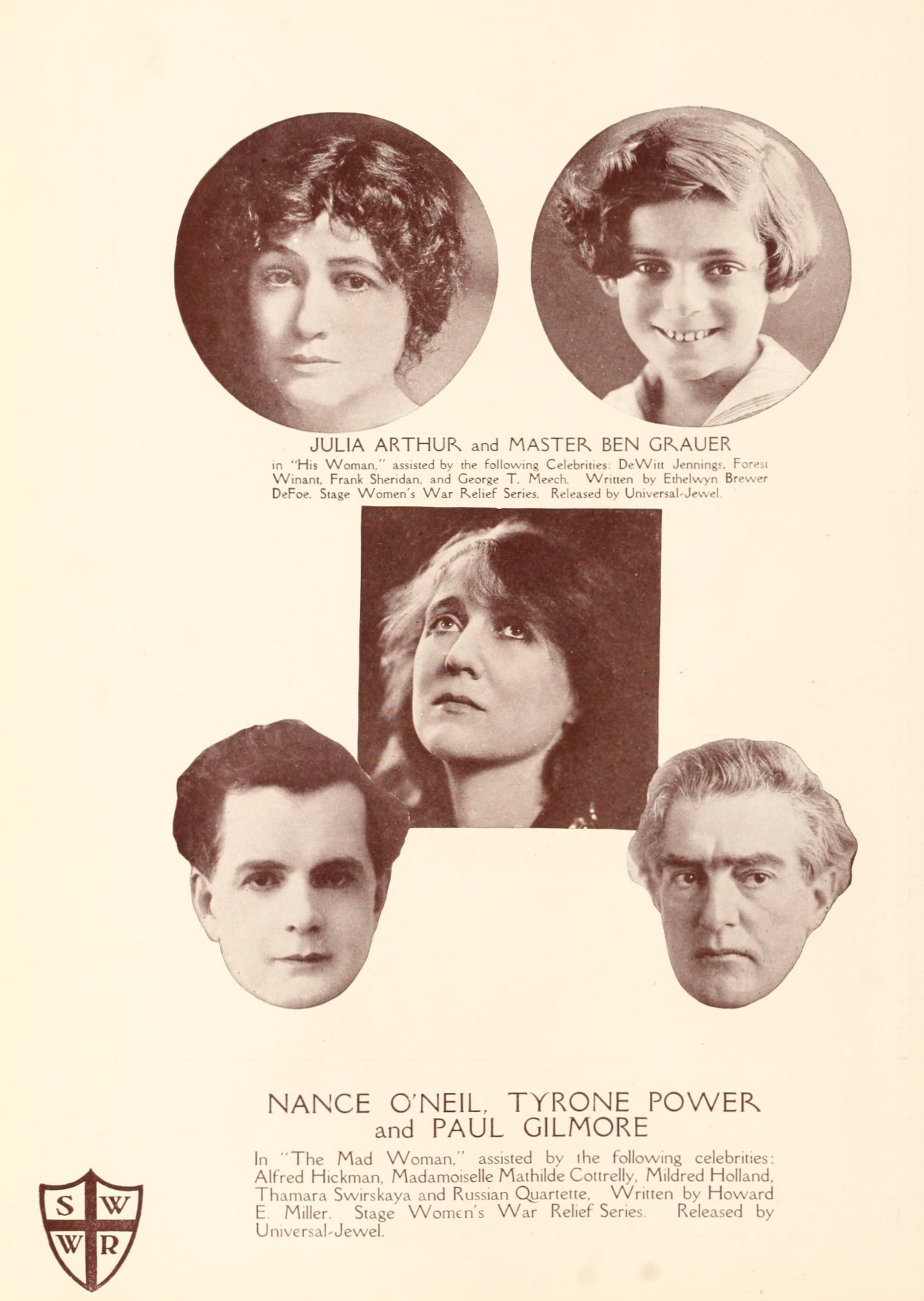
Dir: George Terwilliger
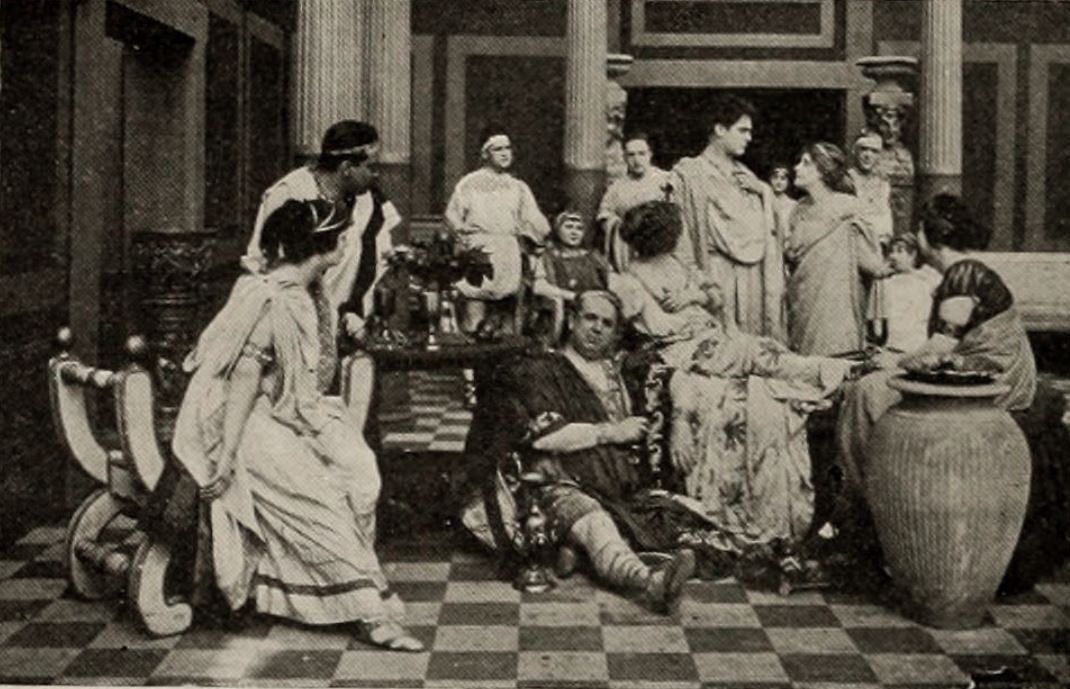
A fascinating piece of cinema that shares thematic elements.
View Details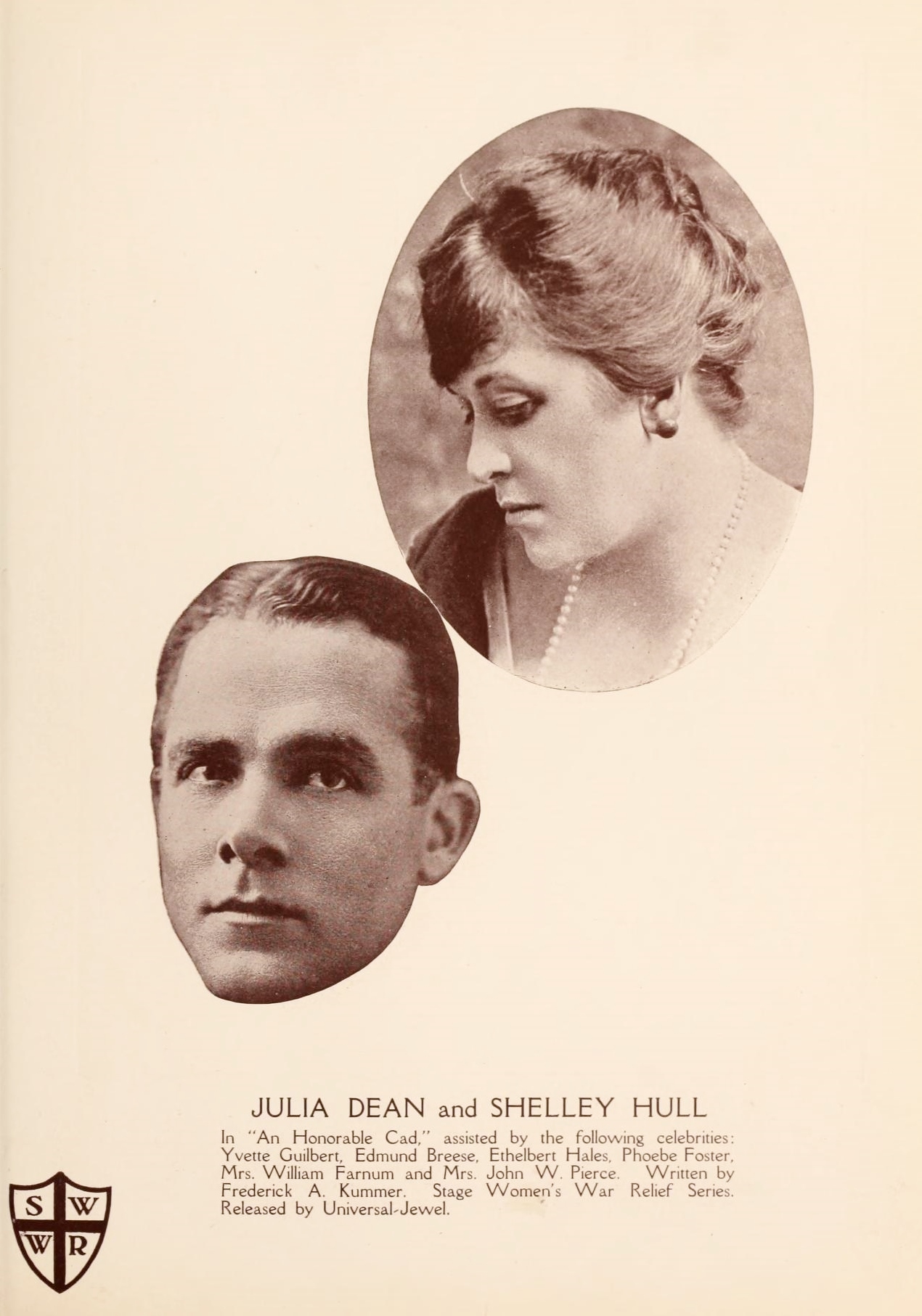
Dir: George Terwilliger
A fascinating piece of cinema that shares thematic elements.
View Details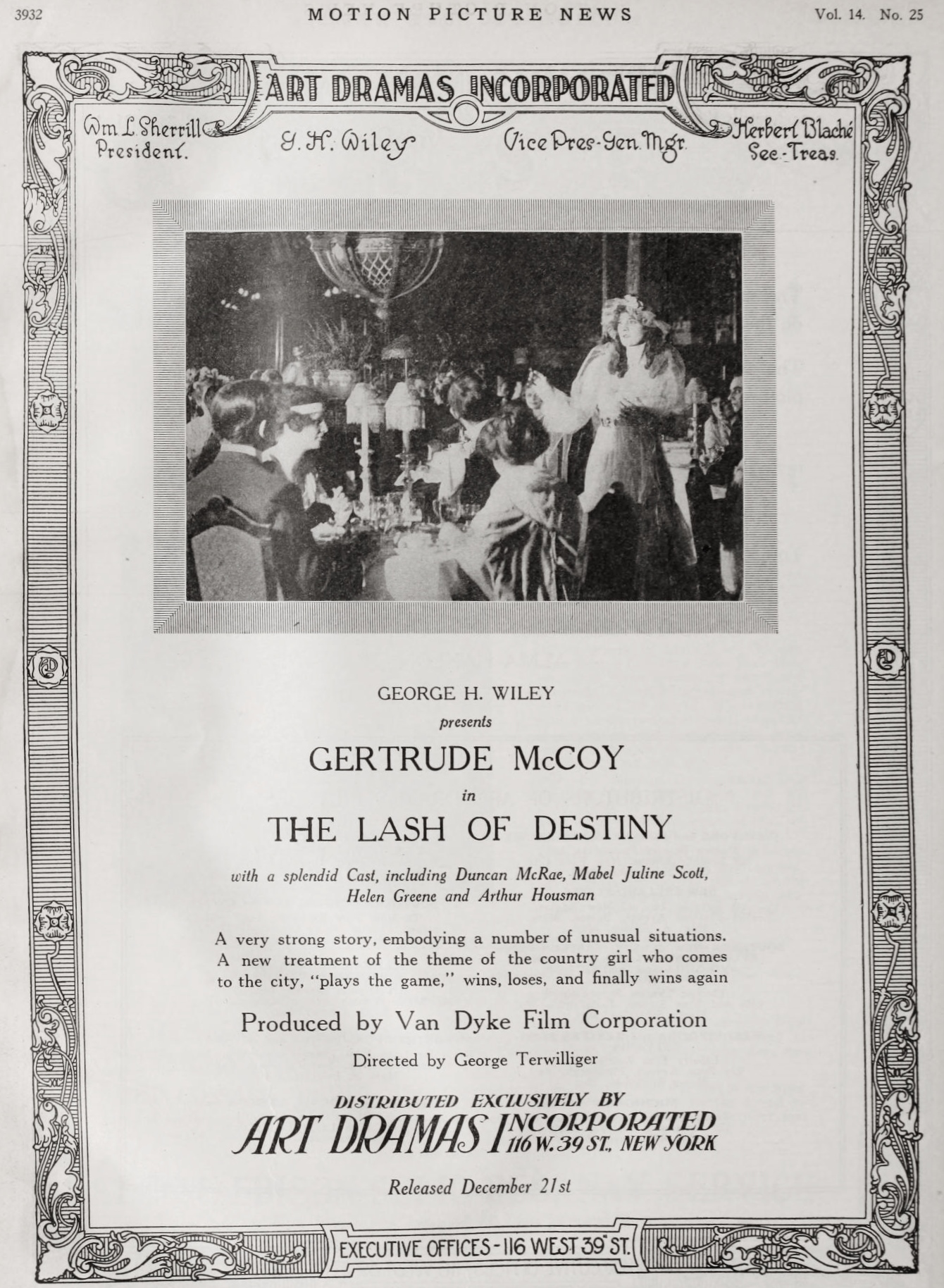
Dir: George Terwilliger
Myra Fielding, a young country schoolteacher, becomes dissatisfied with the narrow outlook of her home, and goes to the city, despite the protests of her half-accepted sweetheart, Bert Temple. There she obtains work in a cabaret, hoping to attract the attention of some theatrical manager. She becomes acquainted with Al Wayne, a flashy "sport" who, although he is married, insists on paying attention to her. She learns that her father is in urgent need of medical attention, and having no money of her own to defray the necessary expenses, is forced to borrow from Wayne. He gives her $500, securing an I.O.U. for the money, thinking in this way to obtain a hold over the girl. Wayne has taken the money from funds belonging to his wife, Edith, who, when she discovers her loss, accuses him of the theft. Wayne leaves her in anger, and going to Myra, demands that she leave the town with him. Myra refuses, and as they are arguing, Bert Temple enters the room. Temple thrashes Wayne, but scorning the life he thinks Myra is lending, leaves her. Wayne leaves for Chicago, but is robbed of his wallet on the train by a pick-pocket, who is later killed while jumping off a car. The thief is identified as Wayne by the papers in the wallet, Wayne does not correct the error, preferring to start life again under a new name. Arriving in Chicago, he embarks upon a "political career" in a tough quarter of the city. All of his old associates think him dead. Edith, meanwhile, has discovered Myra's I.O.U., and writes her, reproaching her for not only stealing her money, but her husband also. Myra calls on Edith, and tells her that she never knew that Wayne was married, and promises to repay the money. In the course of time, Myra succeeds in her ambition, and becomes a musical comedy star. By a strange coincidence, Temple, her old sweetheart, meets Edith, and falls in love with her. She, thinking Wayne dead, marries Temple, and they go to Chicago to live. Temple eventually becomes District Attorney. He starts to wipe out the political gang that has been grafting on the city. Wayne, who is one of the gang that Temple is after, recognizes him, and learns that Edith is his wife. Wayne goes to Temple's home, and revealing himself to Edith, tells her that she is still his wife, but offers to remain silent if Temple will stop his prosecution of the gang. Edith, half-crazed by the situation, meets Wayne at his apartment to see if he will relent. Myra, playing in a Chicago theater, sees Wayne, and marvels at his being alive. Investigating, she learns the true state of affairs and discovers that Edith is to meet her former husband at his apartment. She remembers the wrong she unwittingly did Edith, and desiring to do what she can to help her follows her. There, from a place of concealment, she sees Edith, attacked by Wayne, shoot and apparently kill him. She leaps out from her hiding place and hurries the other woman out of the room through the fire-escape. Then she returns, in time to be caught by the police, who have arrived, attracted by the noise of the shot. Edith goes to her home all unnerved, and confesses everything to her husband. He loves her well enough to stand by her, and conducts an investigation into the entire affair. The search reveals the fact that, instead of having been killed by Edith, Wayne was shot by a man who had lain in wait for him for that purpose. Myra's sacrifice was therefore made unnecessary and she is released, bearing with her, nonetheless, the blessings of her former sweetheart and his wife.
View Details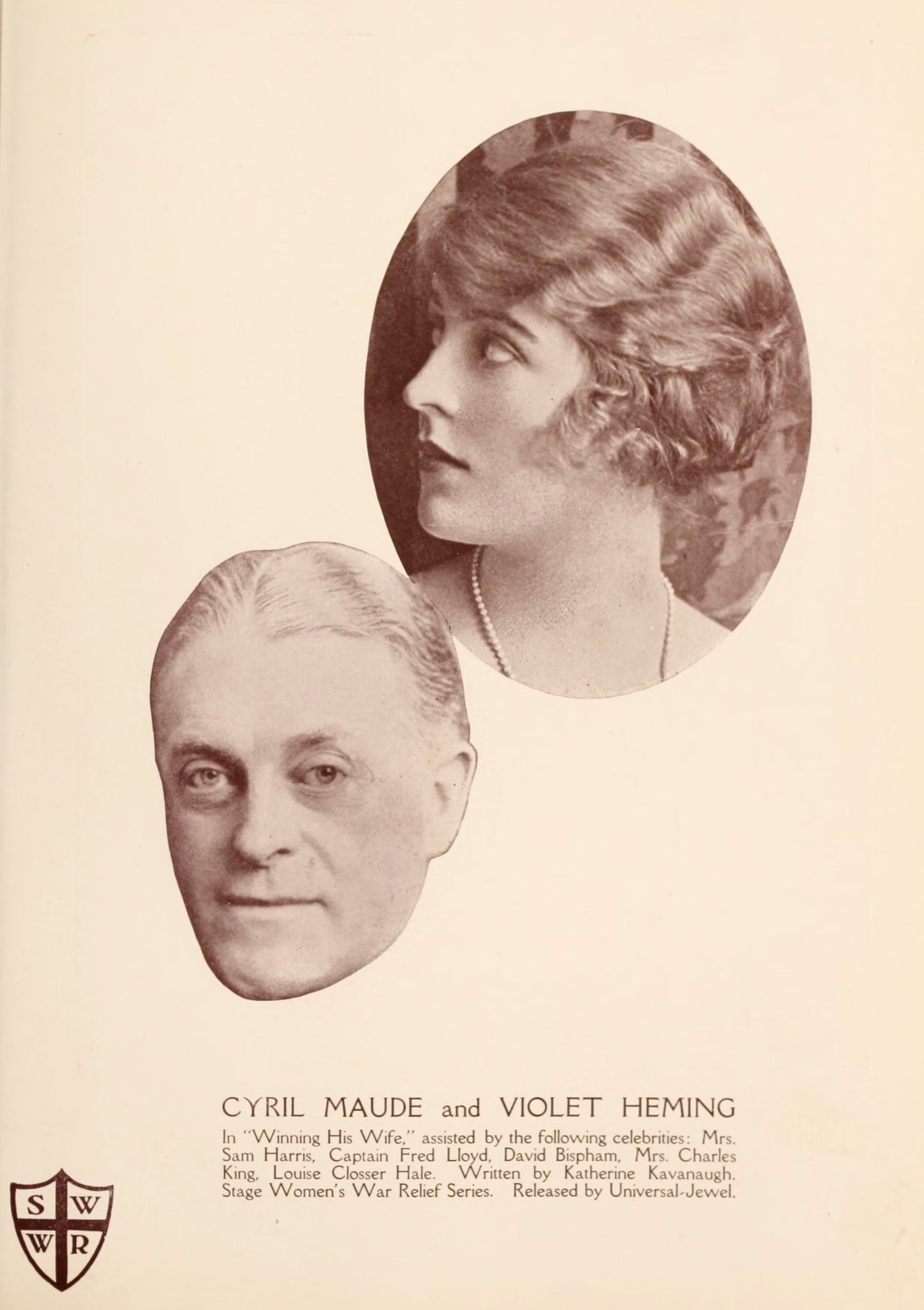
Dir: George Terwilliger
A fascinating piece of cinema that shares thematic elements.
View Details
Dir: George Terwilliger
A fascinating piece of cinema that shares thematic elements.
View Details
Dir: George Terwilliger
Matthew and Reginald Crosby, two brothers, and their cousin, James Thedford, manage an industrial conglomerate. Reginald marries an actress and gives so many lavish and ostentatious parties that one of them leads to a strike after being reported by labor editor Oscar Lackett. The strike leaders are fiery orator Jem Burress, German immigrant Louis Stolbeck, and Stolbeck's feisty daughter Louise, who is also Jem's girlfriend. John Stedman, a labor lawyer, lends moderation to the cause and thus impresses Matthew and Reginald's sister, Grace Crosby, who joins the workers. When Jem, jealous of Louise's infatuation with John, attempts to discredit him with the union members, Louise goes to John's apartment to warn him, but Grace arrives at the same time to accept John's marriage proposal. To prove her devotion to John and the cause, Grace summons her brothers to John's apartment, and when everyone converges, they finally resolve the strike.
View Details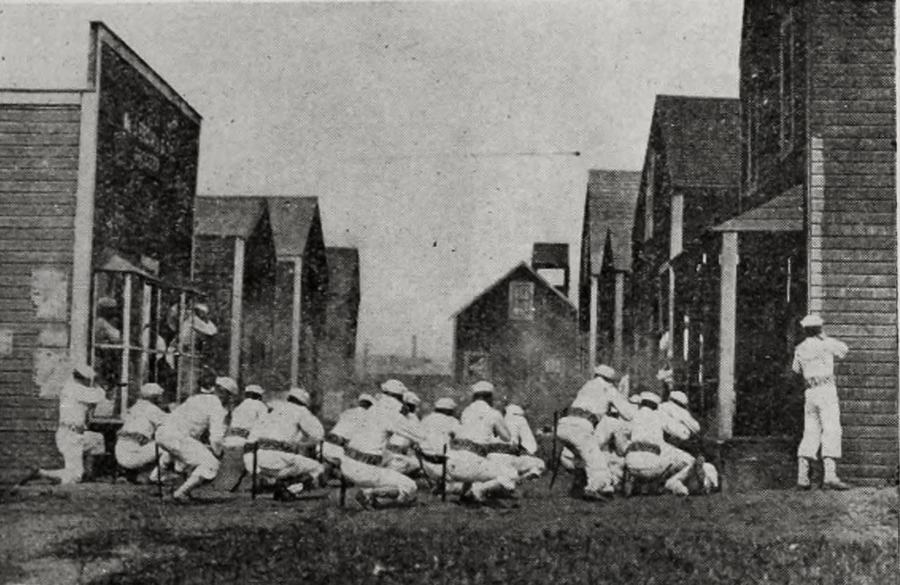
Analysis relative to Married?
| Film Title | Atmosphere | Complexity | Similarity |
|---|---|---|---|
| A Star Over Night | Gritty | Dense | 86% Match |
| Tom's Little Star | Gritty | Abstract | 97% Match |
| Race Suicide | Ethereal | Linear | 88% Match |
| His Woman | Gritty | Dense | 87% Match |
| An Honorable Cad | Surreal | Dense | 85% Match |
This guide was algorithmically generated using the cinematic metadata of George Terwilliger's archive. Last updated: 6/23/2026.
Back to Married? Details →