
DbcultAccessing Vault...
Recommendations
Senior Film Conservator
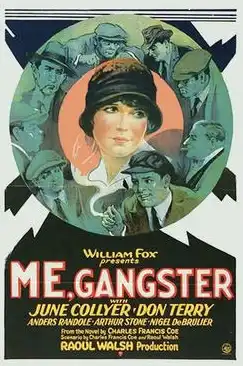
The Action sensibilities displayed in Me, Gangster are unparalleled, the emotional payoff of the 1928 classic is what fans crave in similar titles. Our criteria for this list were simple: only the most nuanced performance and relevant titles.
The cultural footprint of Me, Gangster in United States to define the very concept of nuanced performance in modern film.
The influence of Raoul Walsh in Me, Gangster can be felt in the way modern Action films handle nuanced performance. From the specific lighting choices to the pacing, this 1928 release set a high bar for atmospheric immersion.
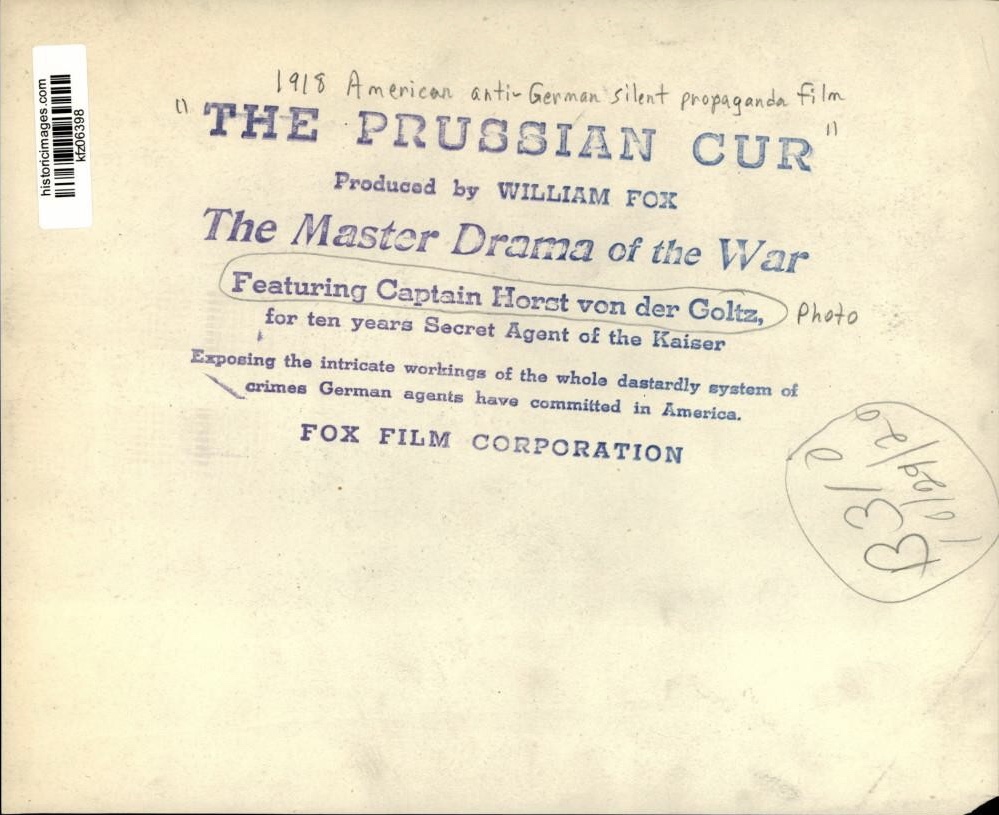
Based on the unique nuanced performance of Me, Gangster, our vault has identified these titles as the most compelling follow-up experiences for fans of Action cinema:
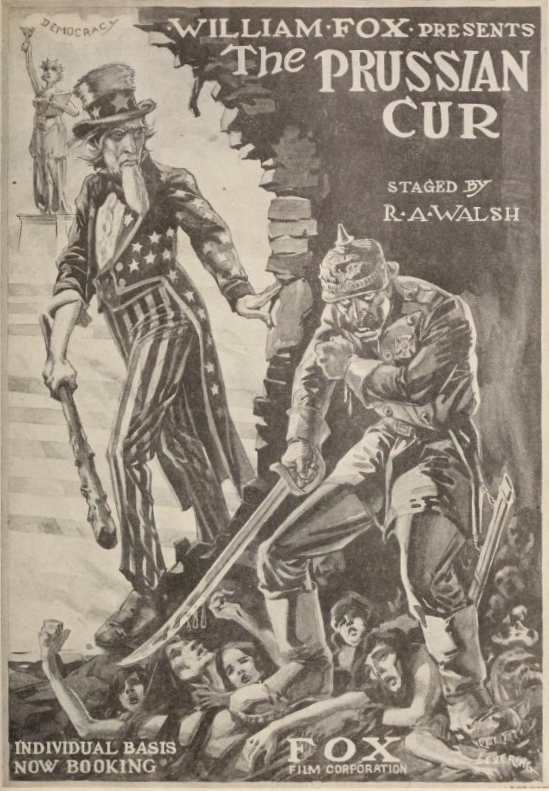
Dir: Raoul Walsh
Before diplomatic relations between the United States and Germany have been severed during World War I, Count Johann von Bernstorff establishes an intricate spy network in America, headed by the treacherous Otto Goltz and his ally, Wolff von Eidel. Their activities result in labor strikes, factory explosions, and transportation disasters. Headquartered in a major U.S. industrial center, Otto marries Lillian O'Grady and treats her so brutally that she eventually dies. Lillian's death is avenged by a young American soldier named Dick Gregory, who is in love with her sister Rosie. Following Otto's death, von Eidel is arrested, but when a group of German sympathizers tries to rescue him, a patriotic vigilante group attacks the jail, shooting the spy and imprisoning the disloyal Americans. In the end, as American forces storm France, Kaiser Wilhelm grows desperate.
View Details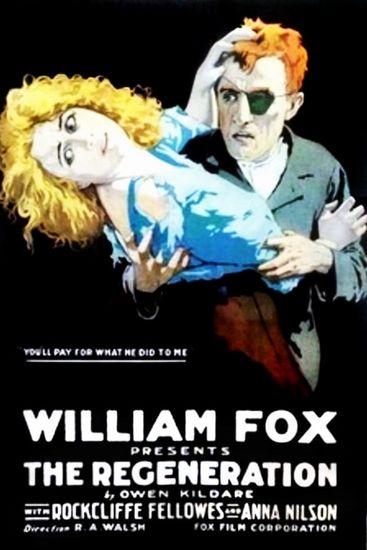
Dir: Raoul Walsh
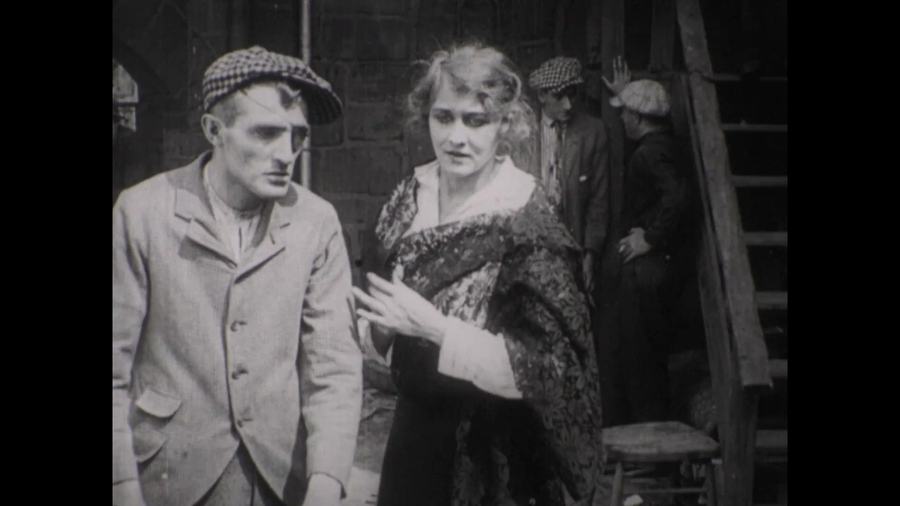
A boy surrounded by violence grows up to become an infamous gangster.
View Details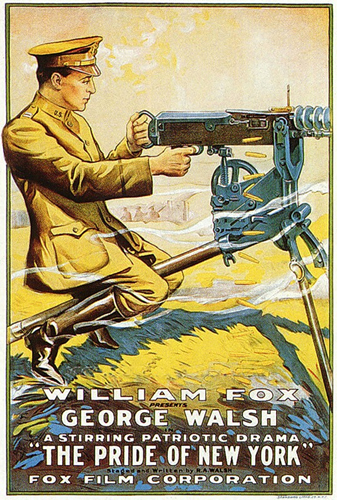
Dir: Raoul Walsh
Harold Whitley, a member of New York's idle rich, is upset when the United States enters World War I. Upon learning that married men are exempt from the Selective Draft, Harold urges his fiancée Mary to wed him quickly, but Mary indignantly threatens to break their engagement. At the twenty-story skyscraper that Harold's father is building, Mary meets Jim Kelly, the contractor's son, and is impressed as he rises on a beam. Jim returns Mary's gloves to her Fifth Avenue address, where Harold insults him. At training camp, Jim, enthusiastic about the draft, is promoted to aviation captain, while Harold, who exhibits cowardice as a captain, is released. In France, Jim is knocked unconscious by a shell and nursed by Mary, now in the Red Cross. Jim captures a German raiding party, and after he makes them exchange clothes with allied soldiers, they are shot by their own men. When Mary is abducted by a German prince, Jim pursues on horseback, tumbles over a cliff, swims ashore and arrives in time to rescue her. They then escape in an airplane.
View Details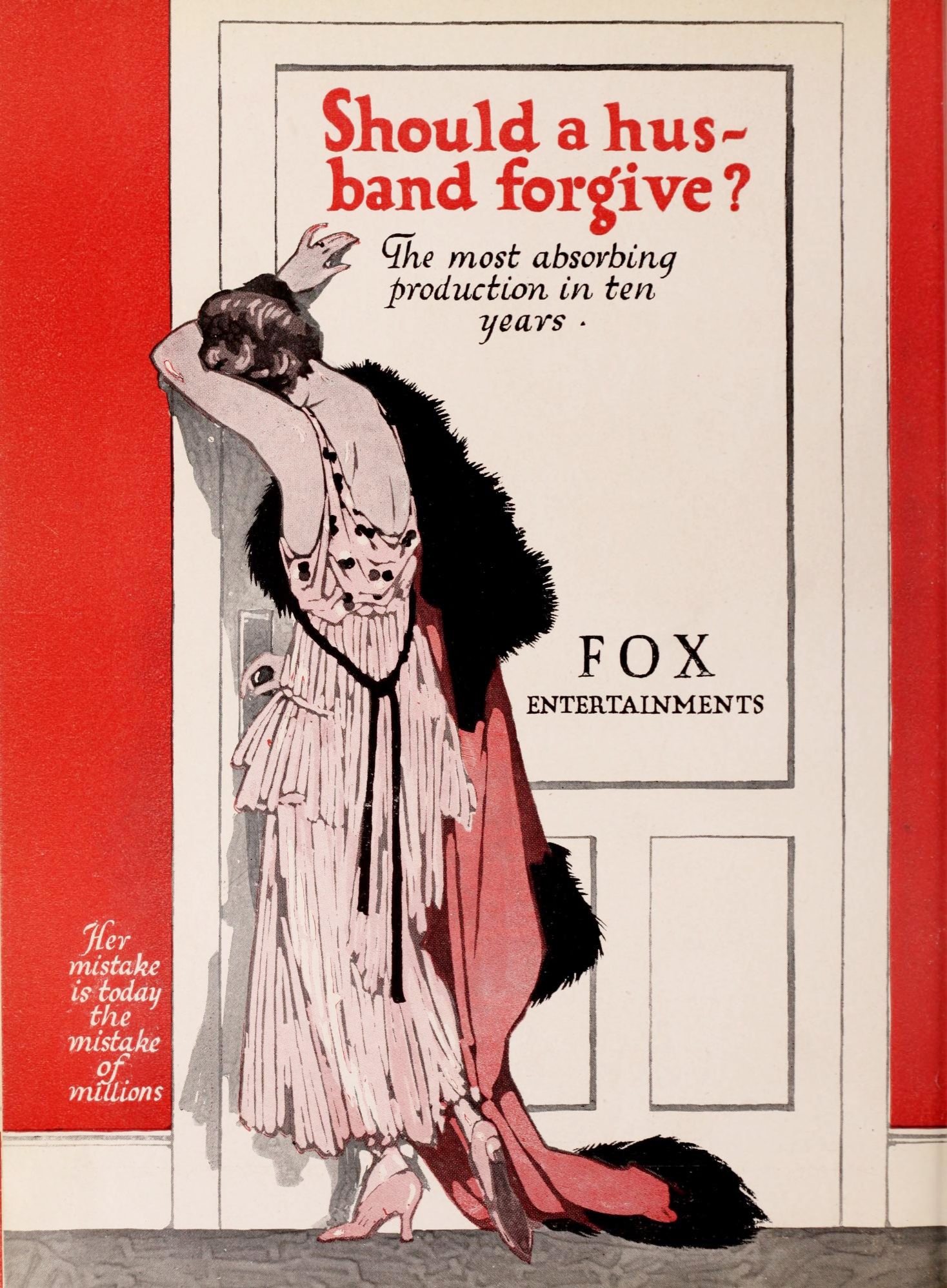
Dir: Raoul Walsh
After Mary Carroll's husband learns that she has had an affair, he challenges her former lover to a duel and is killed. Mary is thrown out by her husband's wealthy family and separated from her little boy, John Carroll, Jr. Years later, John Jr. falls in love with Ruth Fulton, the daughter of the horse trainer for Rex Burleigh. When her father dies, Ruth accepts Rex's offer to care for her, but she leaves the expensive apartment he has provided when she learns his true motives. Boxer and former jockey Kid Dugan kills Rex because he also loves Ruth. Ruth later becomes a secretary to Mary, unaware that she is John Jr.'s mother. Ruth leaves after Mary learns of her involvement with Rex, then Mary acknowledges to John Jr. that she is his mother. John Jr. introduces Ruth to his mother, who advises her to confess everything to her son. Ruth does so, but John Jr. refuses to believe in her innocence. When John Jr. is set up to lose on a big horse race, Ruth rushes in and rides the horse to victory and is forgiven by John Jr.
View Details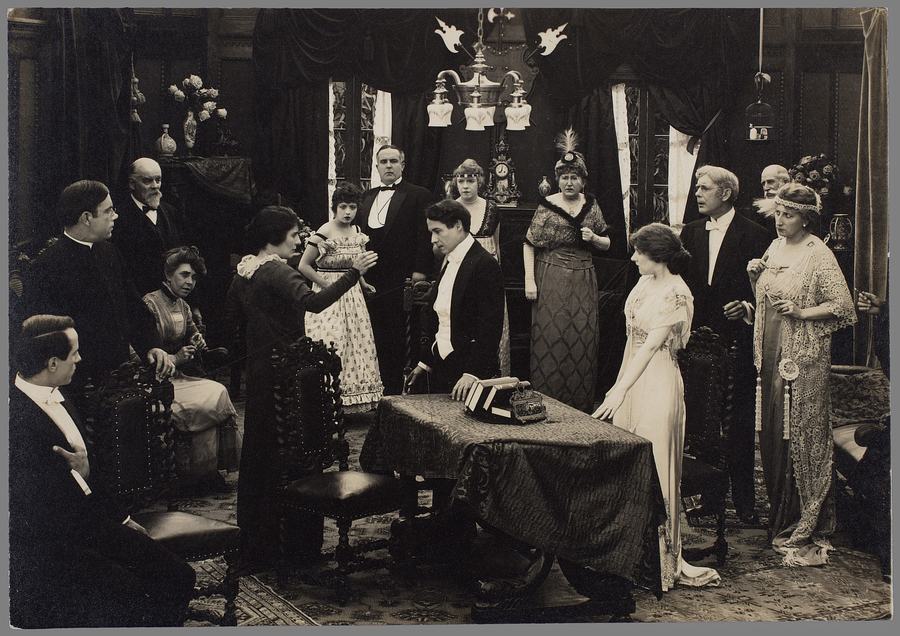
Dir: Raoul Walsh
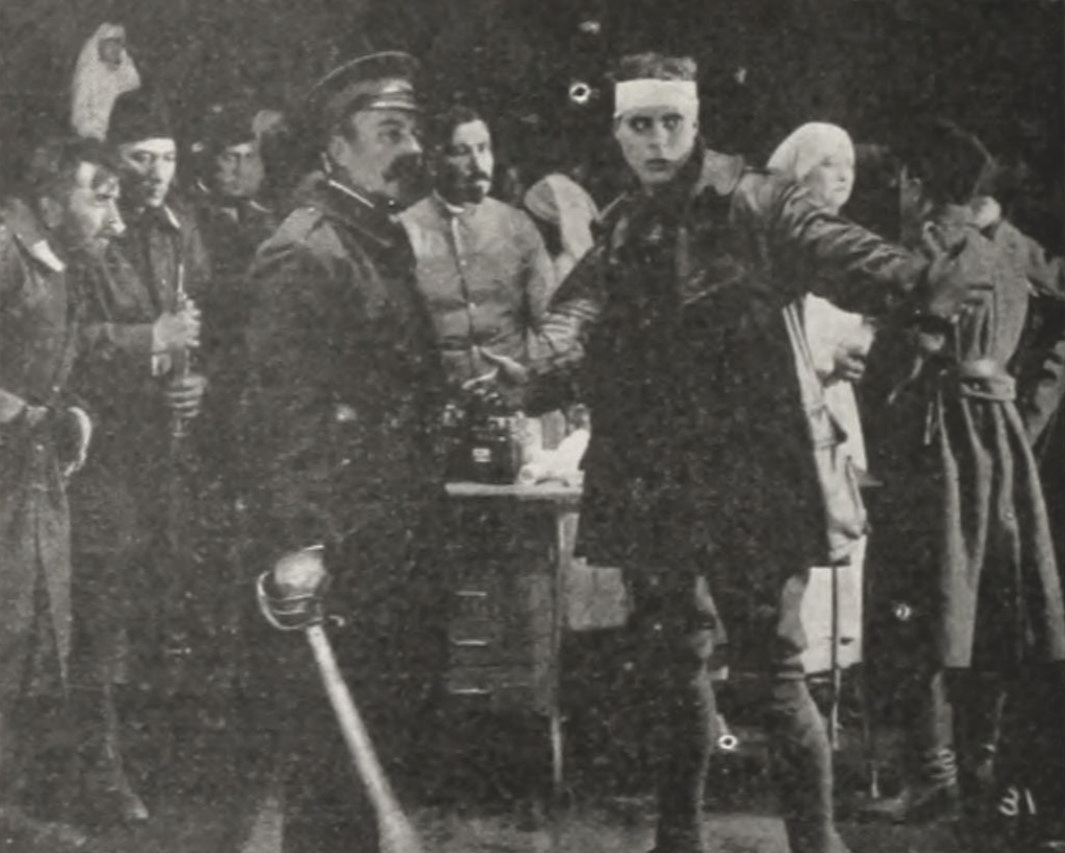
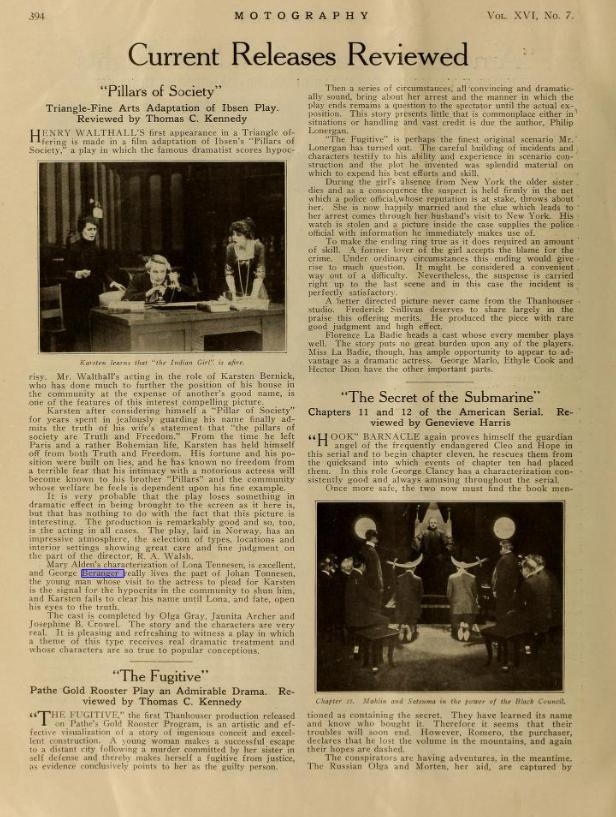
Karsten Bernick, last of the house of Bernick, whose shipyards are the mainstay of the town, is forced to return home from a Bohemian life to Paris to assume the management of the business which is nearly bankrupt. He breaks an engagement to Lona to marry Betty, her rich half-sister. With her fortune he saves the company and eventually comes to be known as a Pillar of Society. Then a certain Mme. Dorf, an actress, arrives in town and threatens o expose an episode in his history which occurred during his days in Paris. He persuades his brother-in-law, Johan, to take the blame for him. Johan agrees to do so for his sister's sake and then leaves for America with his sister Lona. Mme. Dorf dies and leaves her little daughter to Karsten's care. Karsten really fears to refuse the guardianship and wins new honors as an upright benevolent citizen. In the midst of his security in the community, Johan and Lona suddenly return, the former to clear his name, the latter, who still loves Karsten, to persuade him to establish his place as a Pillar of Society on a foundation of Truth instead of lies. Karsten defends himself vigorously on the grounds that a Pillar of Society must resort to subterfuge and deception in order to protect society which depends upon him. Johan falls in love with Karsten's little protégée, the daughter of Mme. Dorf, and renews his insistence that Karsten clear his name. Desperate, Karsten connives at their departure on an unseaworthy ship, but his plan reacts on himself, for his only child, Olaf, has run away and been discovered on the ship as a stowaway. The ship catches fire and there is a thrilling rescue of the little boy in a motorboat. Karsten is awakened to the truth of his position and at a reception given him by the townspeople as a tribute to their leading citizen, confesses the truth. Thus he learns that the Spirits of Truth and Freedom are the true Pillars of Society and not man, however powerful.
View Details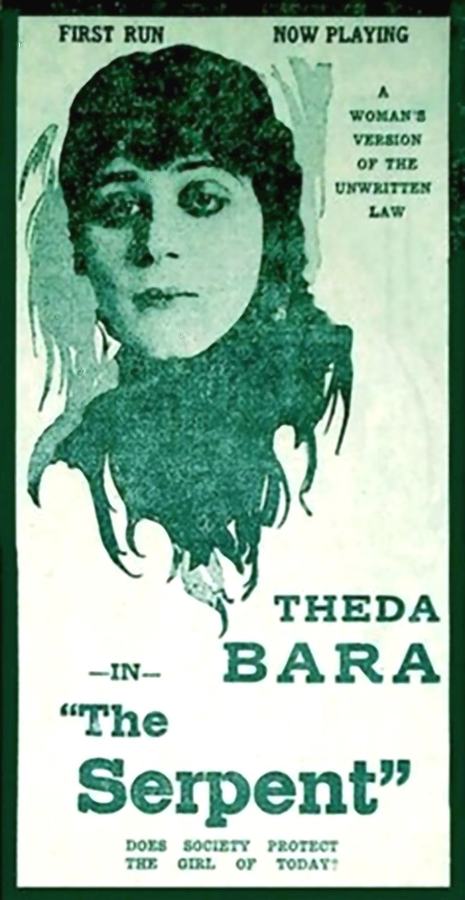
Dir: Raoul Walsh
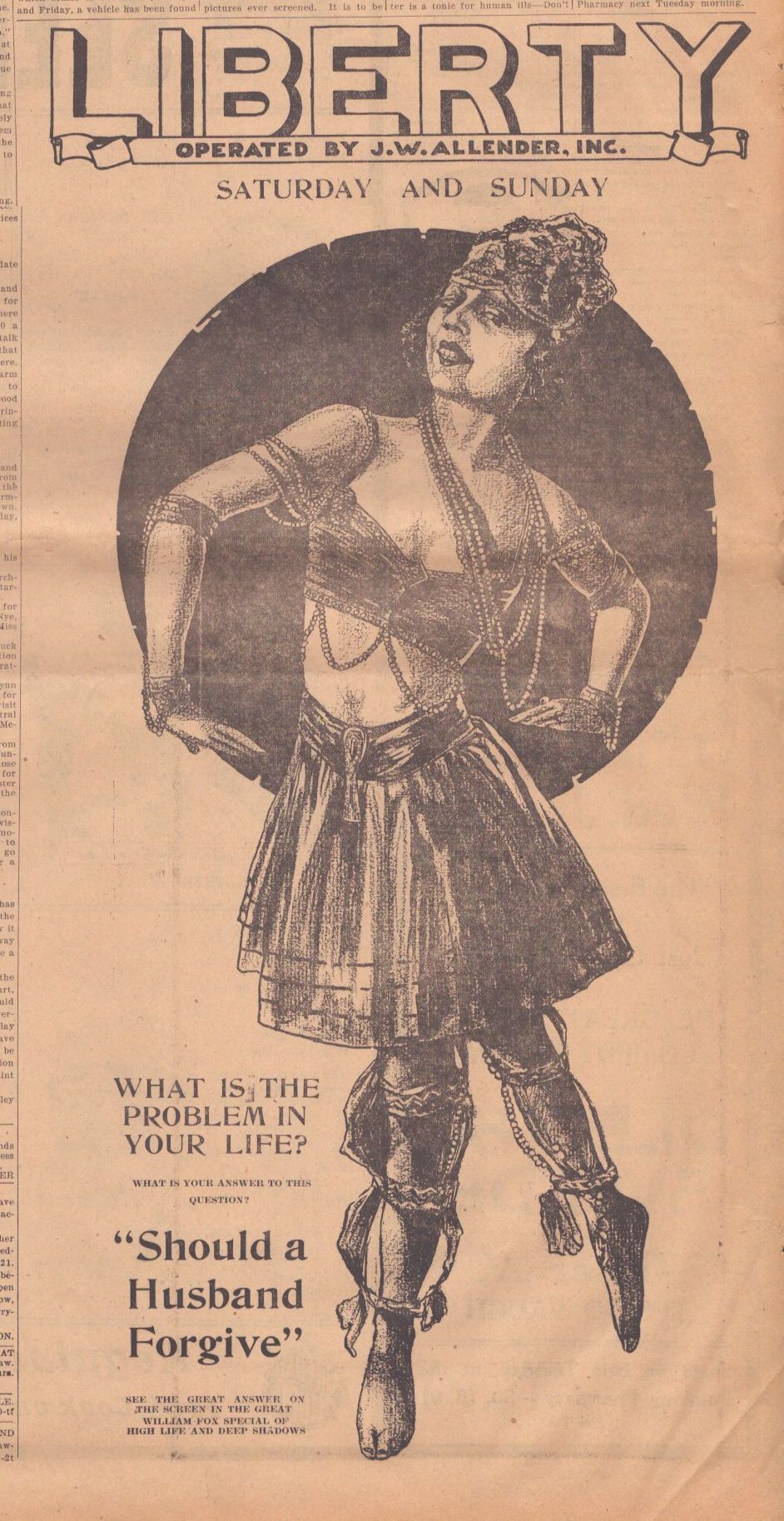
Peasant girl Vania is assaulted by a duke who murders her lover and sends her away to London. There she becomes a famous actress. The Duke, seeing her perform but not recognizing her, hears that his son is wounded. "If anything should happen to my boy, I think it would kill me." That's all the motivation Vania needs to go to the front, find the one-armed paralyzed boy and marry him. Next she arranges to make love to his father just as the boy enters the room, causing the young man to blow out his brains.
View Details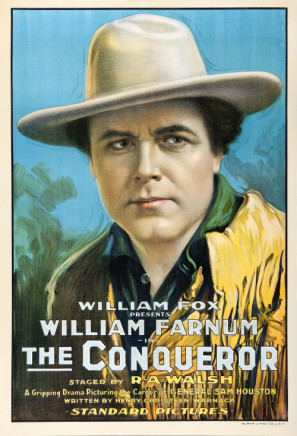
Dir: Raoul Walsh
The life of Sam Houston--soldier, statesman, patriot, and one of the founders of the Republic of Texas--is depicted.
View Details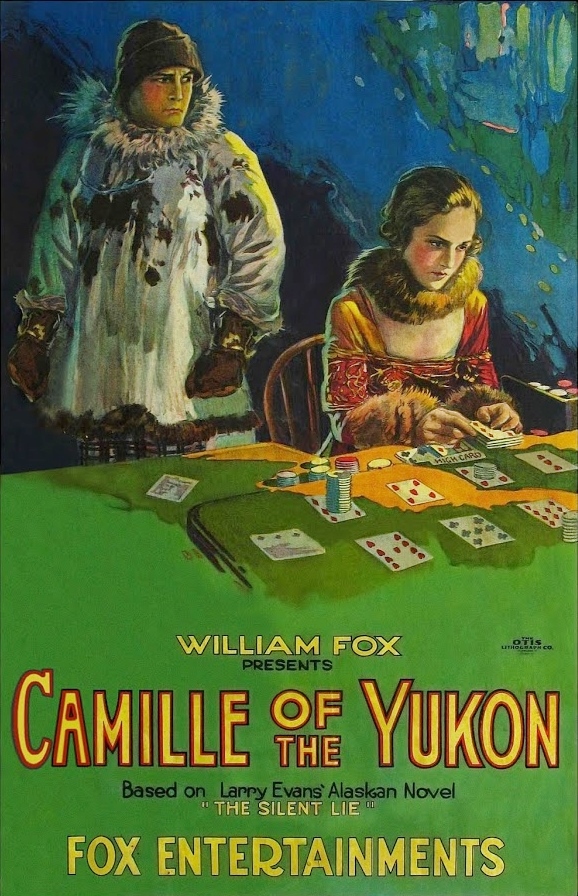
Dir: Raoul Walsh
Lady Lou is forced by Hatfield, her cruel foster father, into the dance hall life at a brutal lumber camp. Through the efforts of a stranger who is secretly in love with her, Lou escapes to a neighboring camp where she meets and marries the lumberjack Conahan without telling him of her past. Lou's unsavory past is finally revealed in a confrontation with her foster father, and her husband turns from her in disgust. She is once again saved by the stranger's intervention when he tells Conahan the truth about the girl's life. After Conahan's and Lou's reconciliation, the stranger, no longer needed, wanders alone into the snow.
View Details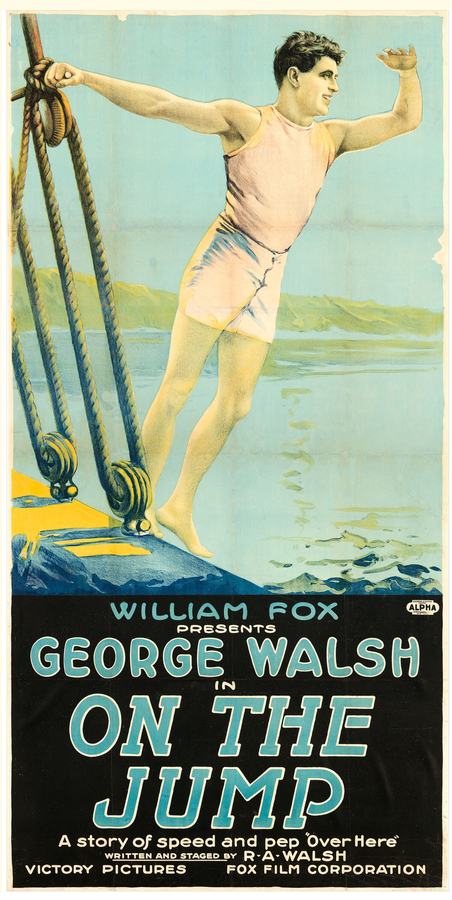
Dir: Raoul Walsh
During World War I, an enterprising and patriotic reporter named Jack Bartlett interviews President Woodrow Wilson on the importance of the Fourth Liberty Loan. Jack returns from Washington to find that Otto Crumley, a German sympathizer, has taken control of his newspaper, and when Crumley tears up the story, Jack resigns and joins the Liberty Loan campaign. After raising a large sum of money for the government, Jack succeeds in preventing a strike in a local munitions plant. Later, he learns that Crumley, actually a German agent, has stolen a secret gasoline substitute formula invented by William Desmond, the father of his girlfriend Margaret. Crumley imprisons Margaret, but Jack rescues her and then swims out to the schooner on which Crumley is making his escape. The spy apprehended, Jack turns the ship's guns on a German submarine and sinks it.
View Details
Dir: Raoul Walsh
Given a choice between traveling to South America as an emissary for his father's ammunition company and foregoing his weekly allowance, Billy Drake heeds his father's warnings and buys an ocean liner ticket. Before leaving, however, the movie-struck Billy spots a beautiful woman standing in front of a theater and imagines that she is a film star. To his delight, he finds the woman on board his ship, as well as Count Von Nuttenburg, a political troublemaker, who has stolen a movie camera, thinking that it is a new brand of machine gun. Von Nuttenburg shows the camera to Billy, who concludes that the count is a director and the ship is a set for a movie melodrama. When the boat lands at a port torn by revolution, Billy insists that the guns and soldiers are part of the show. Not until he and the girl are seized by the rebels and threatened with death, does he admit his error. By a clever ruse, he escapes from his captors and with the help of Federal troops, defeats the count and wins the heart of his pretty shipmate.
View DetailsAnalysis relative to Me, Gangster
| Film Title | Atmosphere | Complexity | Similarity |
|---|---|---|---|
| The Prussian Cur | Ethereal | Abstract | 90% Match |
| The Regeneration | Surreal | Abstract | 91% Match |
| The Pride of New York | Gothic | Linear | 91% Match |
| Should a Husband Forgive? | Ethereal | Layered | 96% Match |
| Pillars of Society | Surreal | Linear | 96% Match |
This guide was algorithmically generated using the cinematic metadata of Raoul Walsh's archive. Last updated: 6/28/2026.
Back to Me, Gangster Details →