Summary
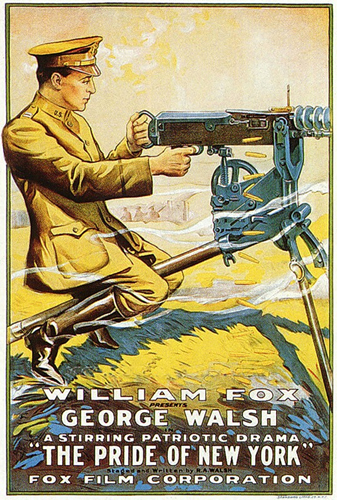
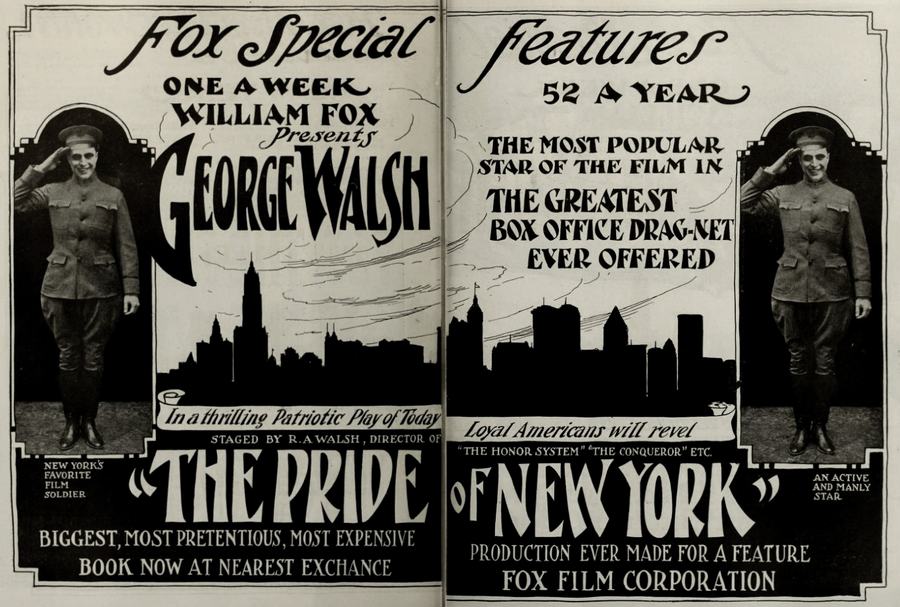
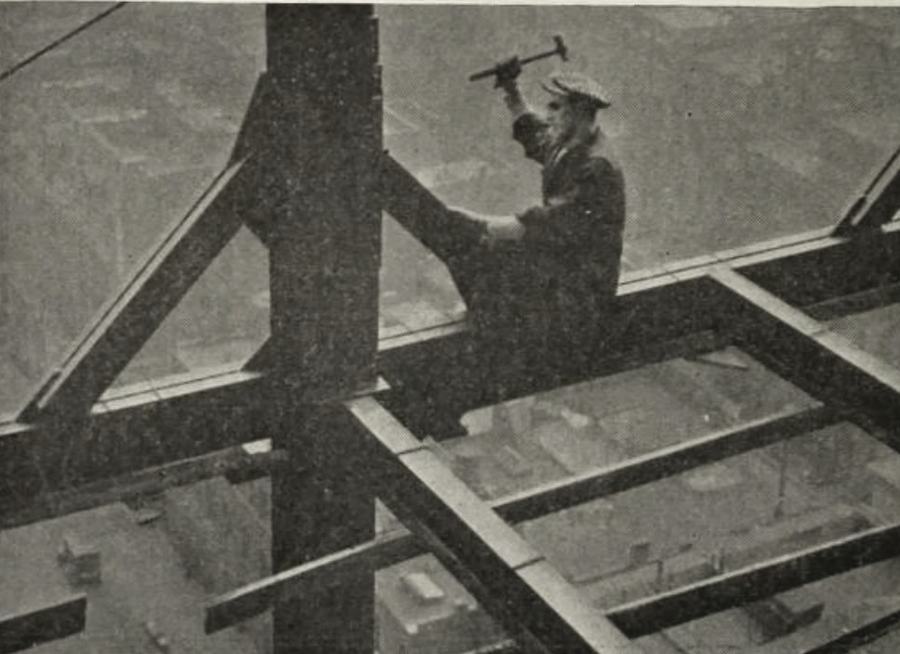
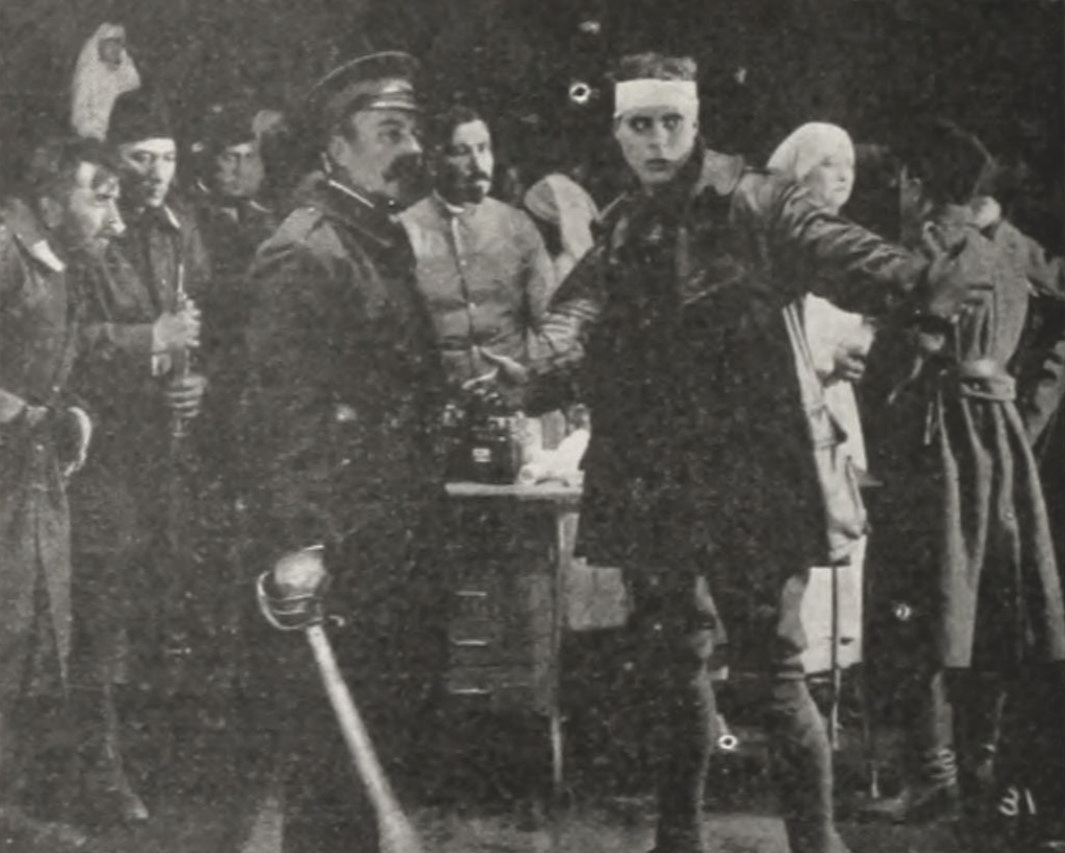
In the tumultuous dawn of America's entry into World War I, 'The Pride of New York' unfurls a tale of contrasting masculinities and patriotic awakening. Harold Whitley, a scion of Fifth Avenue's gilded cage, epitomizes the entitled idler, his initial response to the draft a craven attempt to evade service through a hasty marriage to his spirited fiancée, Mary. Her indignant refusal, a potent rejection of his self-serving calculus, propels her into the orbit of Jim Kelly, a working-class hero in the making. Kelly, the contractor's son, is first encountered amidst the vertiginous heights of a burgeoning skyscraper, a visceral symbol of burgeoning American ambition and industry, where his natural prowess and fearlessness starkly juxtapose Whitley's effete anxieties. This initial encounter, marked by Jim's chivalrous return of Mary's misplaced gloves and Harold's subsequent class-tinged disdain, establishes the central romantic and ideological conflict. The narrative swiftly transitions to the crucible of military training, where Kelly's intrinsic enthusiasm and leadership quickly elevate him to aviation captain, while Whitley's inherent cowardice and lack of conviction lead to his ignominious discharge. The theater of war in France becomes the ultimate proving ground. Mary, now a Red Cross nurse, tends to a shell-shocked Jim, their reunion a tender moment amidst the brutal chaos. Jim's subsequent audacious capture of a German raiding party, followed by a cunning ruse involving a uniform swap that leads to their demise by friendly fire, cements his heroic stature. The climax sees Mary abducted by a menacing German prince, triggering a daring, multi-modal pursuit by Jim – a perilous horseback chase, a dramatic plunge over a cliff, a desperate swim, and a climactic aerial escape, all underscoring his relentless courage and devotion. The film, therefore, crafts a potent allegory of wartime transformation, where authentic heroism, born of character and sacrifice, decisively triumphs over inherited privilege and moral vacuity.
Synopsis
Harold Whitley, a member of New York's idle rich, is upset when the United States enters World War I. Upon learning that married men are exempt from the Selective Draft, Harold urges his fiancée Mary to wed him quickly, but Mary indignantly threatens to break their engagement. At the twenty-story skyscraper that Harold's father is building, Mary meets Jim Kelly, the contractor's son, and is impressed as he rises on a beam. Jim returns Mary's gloves to her Fifth Avenue address, where Harold insults him. At training camp, Jim, enthusiastic about the draft, is promoted to aviation captain, while Harold, who exhibits cowardice as a captain, is released. In France, Jim is knocked unconscious by a shell and nursed by Mary, now in the Red Cross. Jim captures a German raiding party, and after he makes them exchange clothes with allied soldiers, they are shot by their own men. When Mary is abducted by a German prince, Jim pursues on horseback, tumbles over a cliff, swims ashore and arrives in time to rescue her. They then escape in an airplane.
Review Excerpt
"
Stepping back into the flickering glow of early cinema, one often finds narratives that, despite their age, resonate with an almost startling clarity, mirroring societal anxieties and aspirations that feel timeless. 'The Pride of New York' (1917), directed by the prolific Raoul Walsh and penned by Walsh himself alongside Ralph Spence, is precisely such a film. It's a vibrant tapestry woven with threads of patriotic fervor, class conflict, and a burgeoning sense of American identity amidst t..."