
DbcultAccessing Vault...
Recommendations
Senior Film Conservator
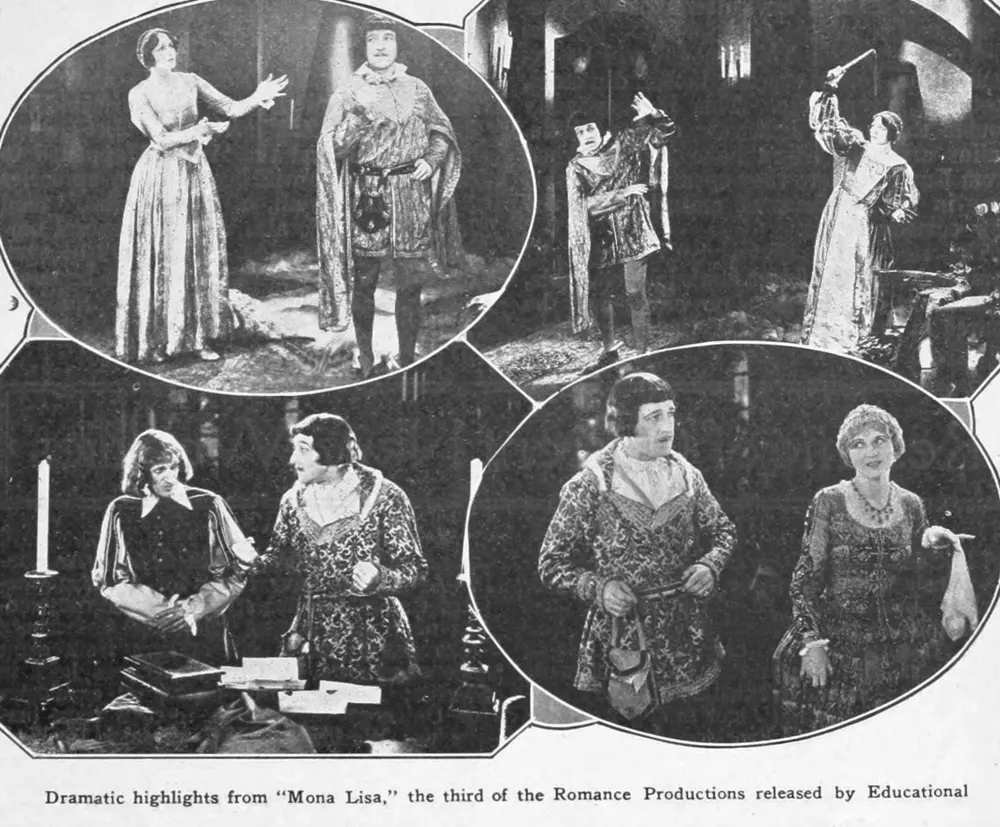
As a cultural touchstone of United States, Mona Lisa resonates with its emotional resonance, its lasting impact ensures that its spirit lives on in modern recommendations. Our archive is rich with titles that mirror the emotional resonance of Arthur Maude.
For many, the first encounter with Mona Lisa is to provoke thought and inspire awe in equal measure.
Mona Lisa loves Piero, who is badly in debt. A wealthy man assists him and threatens to withhold his money if Piero does not marry his daughter. Piero marries the latter, telling Mona his marriage will not interfere with their love. Seven years pass - Mona is married to a man much older than she. She discusses her love and marriage with her cousin, and claims that married love can not endure unless it is founded on respect, and the cousin doubts if marriage can be successful if founded only on respect. Piero calls and says he has always regretted, and she claims she has never ceased to regret. They plan to elope. The cousin overhears the conversation and runs to tell Piero's wife. At midnight, Piero enters and finds a muffled figure awaiting him. As he is about to leave with this woman, he is confronted by his wife. He explains he loves Mona, and tears off the cloak. It is not Mona Lisa but her cousin. In the corner they see Mona. She asks Piero if he thinks she planned this for revenge or that her cousin tried to save her from herself. She tells him he will always wonder. When her husband returns with Da Vinci, they find Mona Lisa seated with an enigmatic expression on her face. Da Vinci decides to sketch her portrait saying that generations will wonder what that smile means.
Mona Lisa was a significant production in United States, showcasing the immense talent of Marjorie O'Neil, J.C. Fowler, Thomas R. Mills. It continues to be a top recommendation for anyone studying Short history.
Based on the unique emotional resonance of Mona Lisa, our vault has identified these titles as the most compelling follow-up experiences for fans of Short cinema:
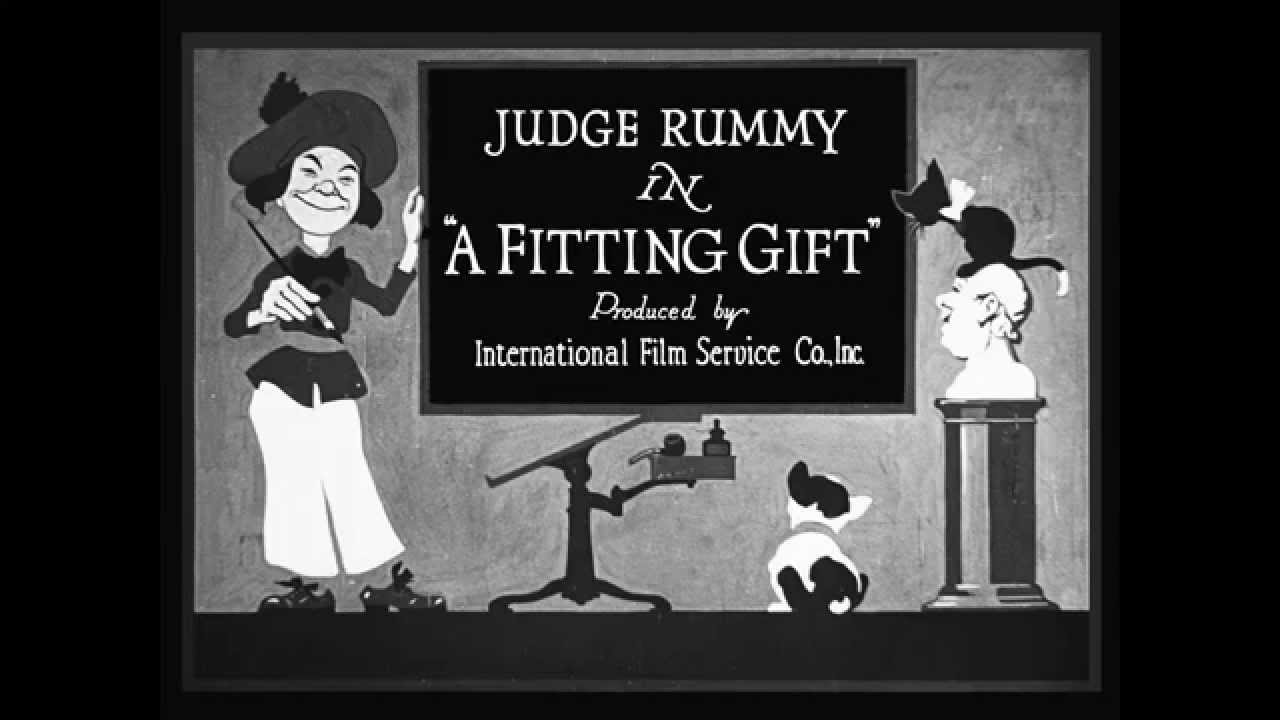
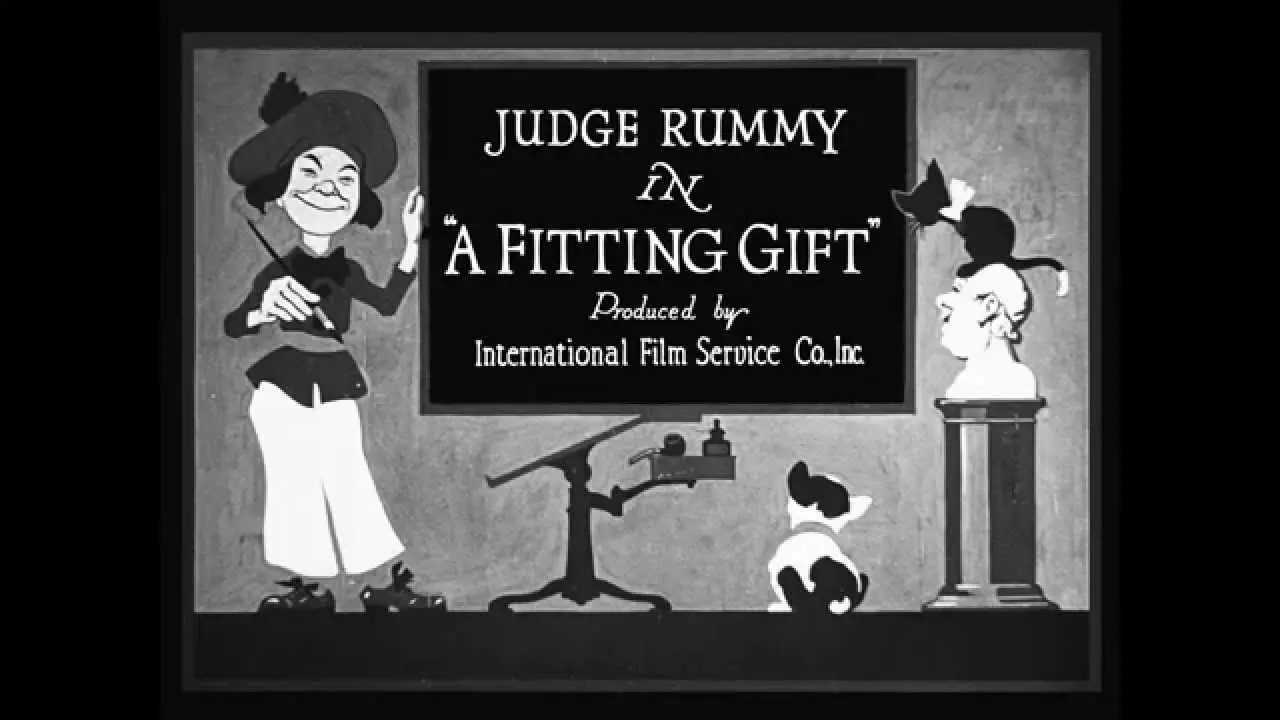
Dir: Unknown Director
The Judge needs a present for his wife's birthday, so Harry suggests a new corset. They go to the shop, but he's so embarrassed to ask the saleslady he hides in a phone booth.Harry goes in, but finds a GUY wearing one, and runs out.They both dress as women to get back in, but Mrs. Rummy gets there and chases him out.
View Details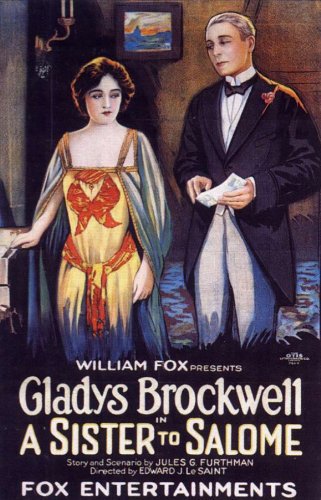
Dir: Edward LeSaint
When famous opera singer Elinore Duane undergoes an operation on her throat, she has a series of ether-induced visions. In one, she is transported to ancient Rome where she appears as a much-admired woman in love with Paul, a young heretic, and at odds with Lutor, the high priest. To save her love, she poisons Lutor with her ring. After several other visions which involve variations on this love triangle, Elinore awakens to discover that Lutor is actually her doctor, Sascha Jaccard, and that Paul is the son of a friend who has come to visit the recovering prima donna.
View Details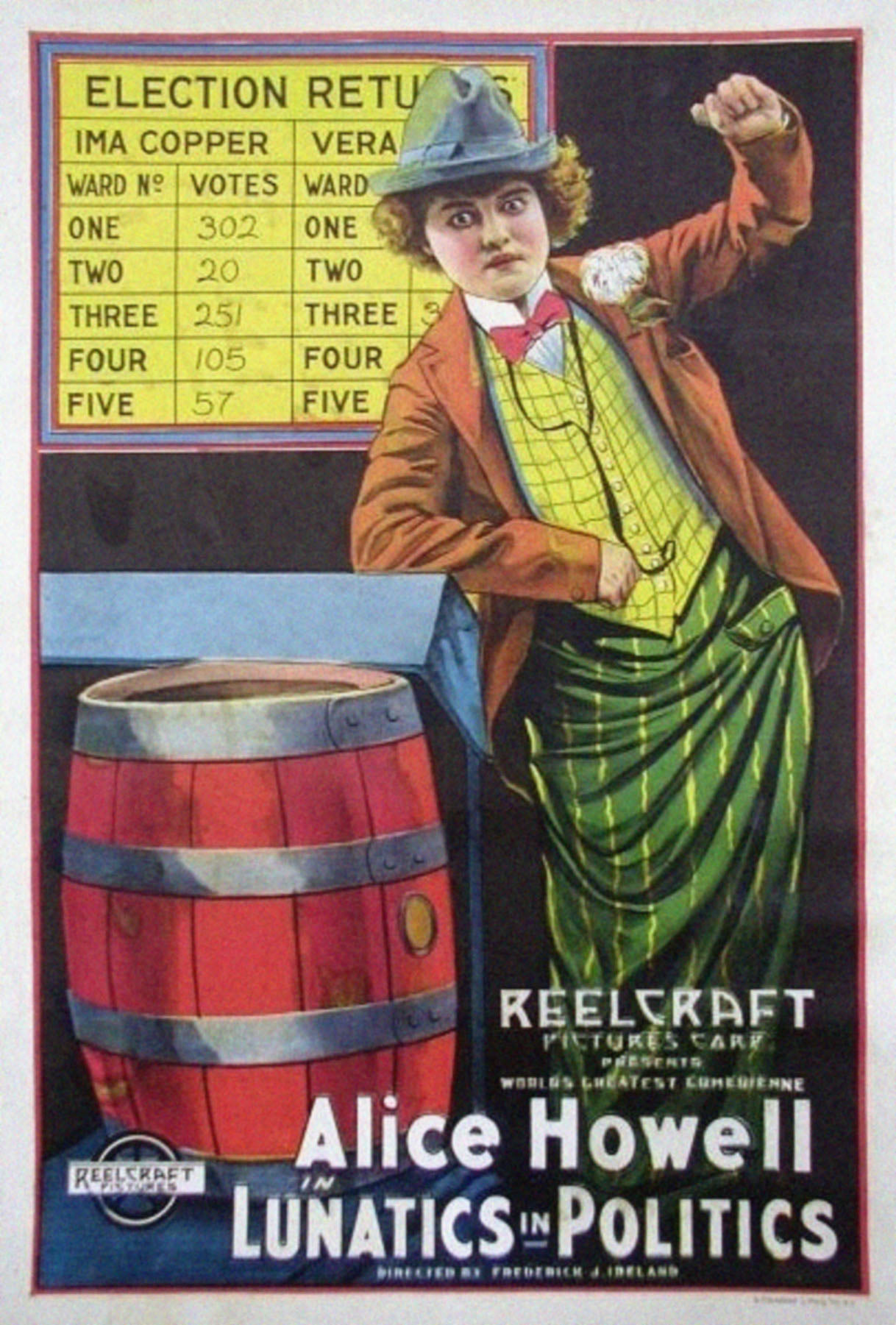
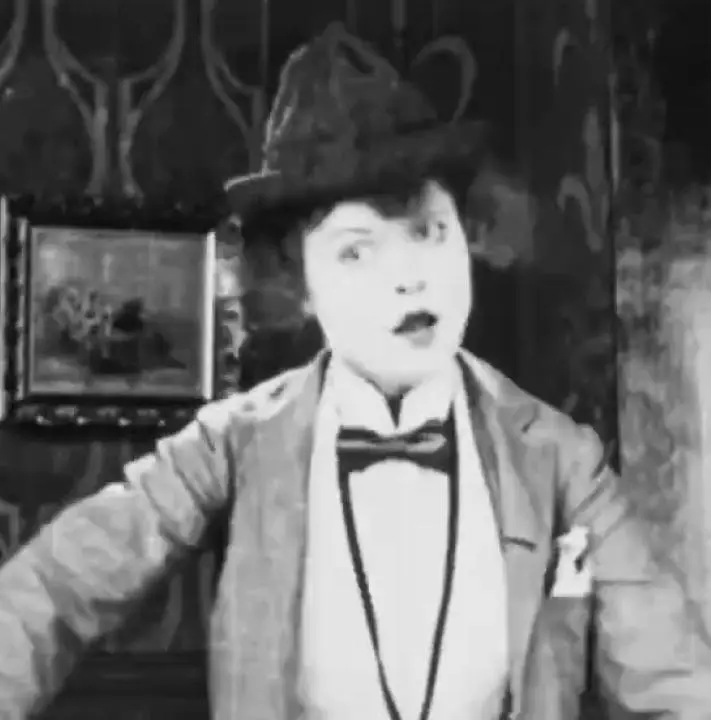
Dir: Richard Smith
Two female candidates for Chief of Police live across the hall from each other, and their political rivalry follows them home, leading to plenty of hi-jinks.
View Details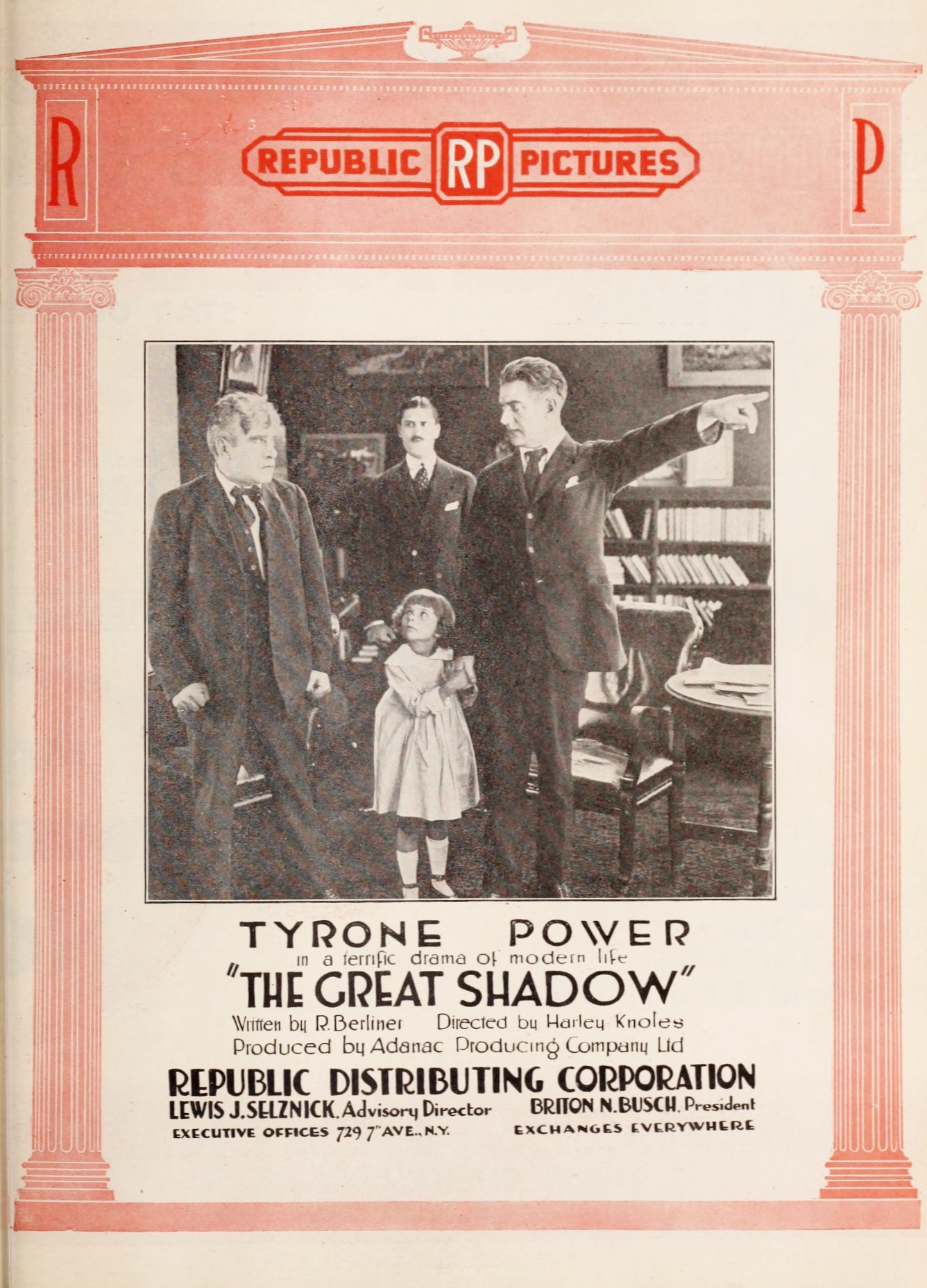
Dir: Harley Knoles
Jim McDonald, the foreman of a shipbuilding plant and head of the labor union, strives to combat the anarchistic propaganda being put forth by Klimoff, the leader of a Bolshevik gang whose goal is to disrupt the country with strikes and anarchy. Despite McDonald's efforts, a strike is called, resulting in chaos. McDonald's child is knocked down by runaway horses abandoned by their striking driver, and dies. Mob scenes take place in America, as well as in Russia. Eventually, the unrest is quelled with an armistice called between Capital and Labor for a year, during which time wages are to be increased to reflect the cost of living, and leaders are to work out a common plan for their mutual advantage. The strikers now realize that they have been pawns of the Bolsheviks and call off the strike, agreeing to the plan.
View Details
Dir: Eduardo Notari
A crime drama in the Gennariello-series. The police detective in Naples that is confronted with modern gangsters and crime events.
View Details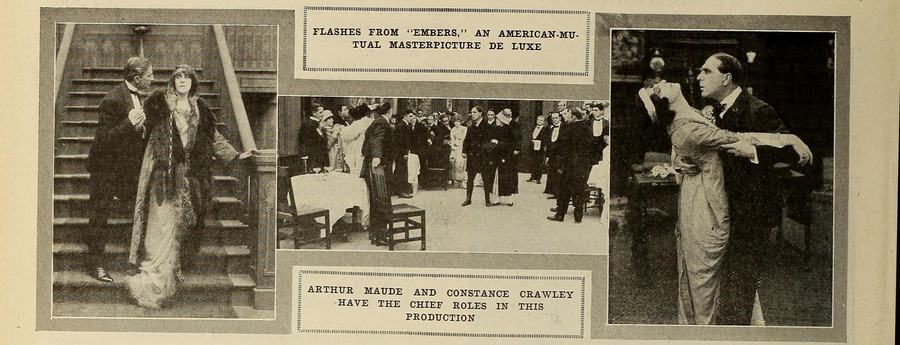
Dir: Arthur Maude
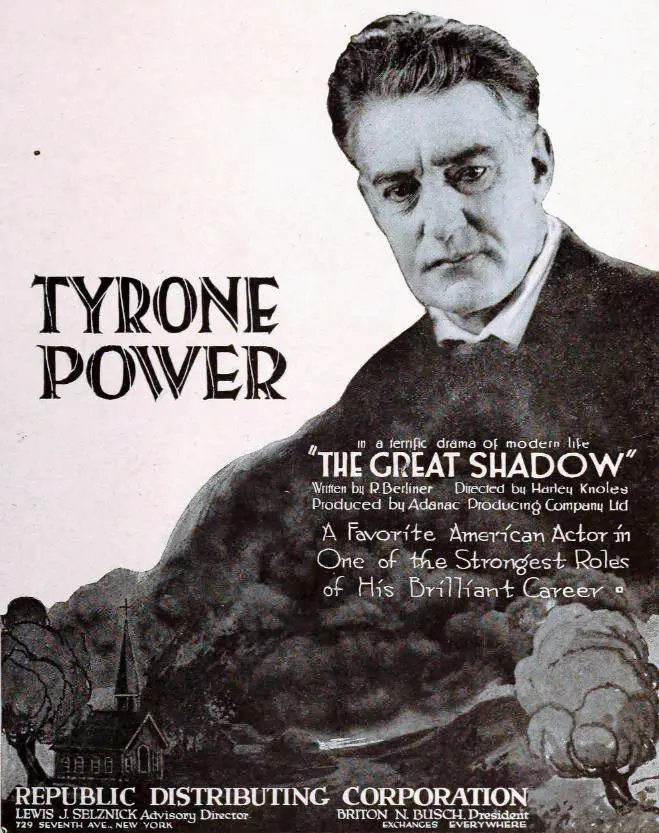
Rhea Woodley's child dies at birth, and the doctor tells Martin Woodley that his wife must never be subjected to such an experience again. This forms the basis of separation between them. Rhea is a semi-invalid, and Martin's virile manhood seeks the physical companionship he is denied and finds it in the person of Maysie, a young cousin of Rhea's, who comes to visit in their home. The breach between the husband and wife continues to widen. A former rejected lover of Rhea's discovers the situation and takes a malicious pleasure in exposing it to Rhea. Rhea offers her husband his freedom, but he will not admit his love for the other woman, even to himself and refuses to be released. As a last resort, Rhea permits the attentions of Welsey, and goes with him to a roadhouse, leaving an anonymous note advising her husband of their destination. Martin and Maysie follow Rhea and her lover and discover them together. Rhea pretends a passion for Welsey until her husband is gone, when she turns upon him in scorn and denunciation. Martin obtains a divorce and Maysie, with a chaperon, takes charge of the household. Rhea goes to a sanitarium, where the doctor, to save her life, hits upon the inspiration of giving her a motherless baby to care for. Martin, going to his wife's room, drawn by the memory of happier days, finds in her diary the record of her sacrifice and overcome by his injustice, breaks with Maysie and returns to find Rhea with the baby, which will have its part in helping to fulfill his dream of home and happiness.
View Details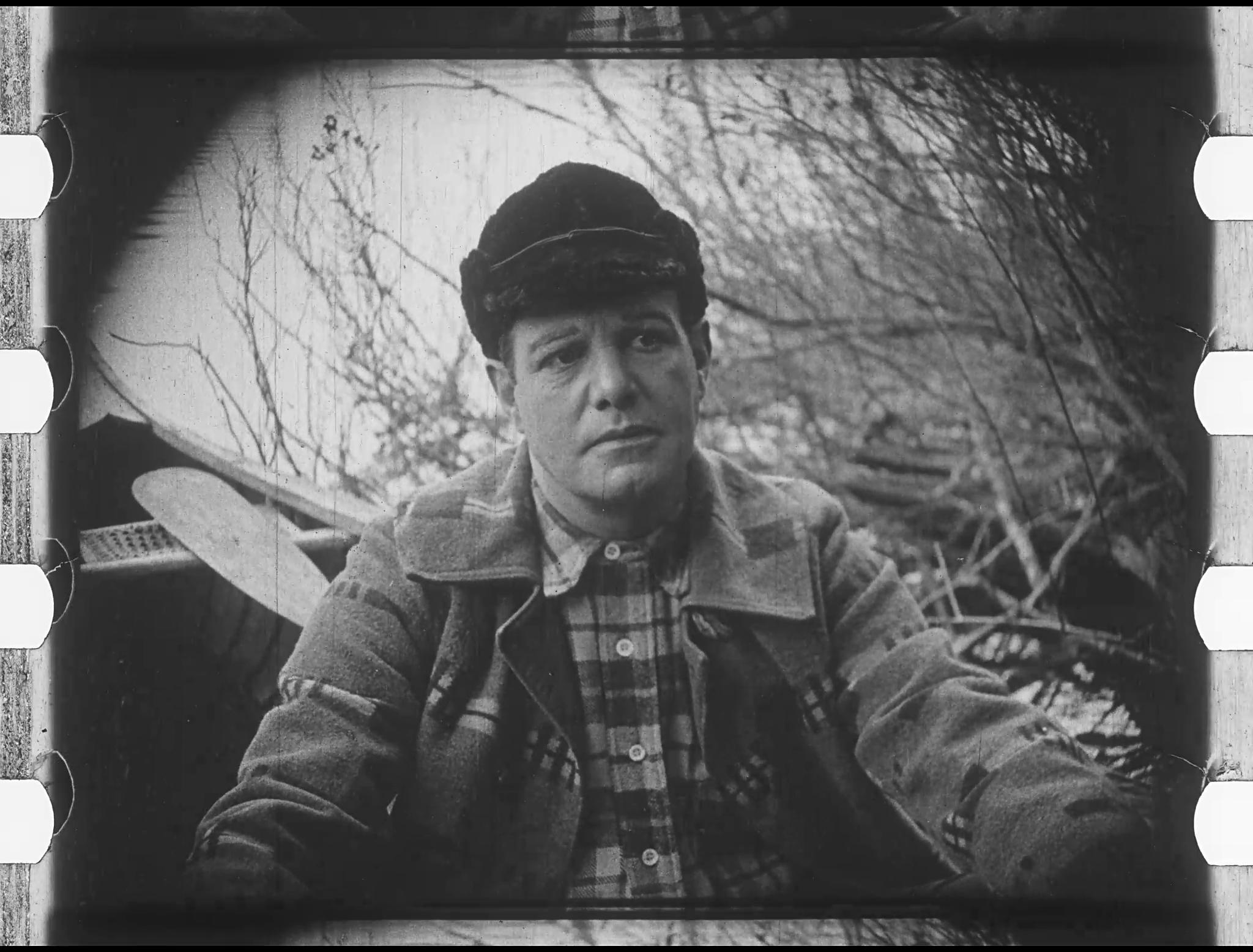
Dir: Edgar Jones
A mail-order bride arrives at a Maine lumber camp but doesn't like her prospective husband.
View Details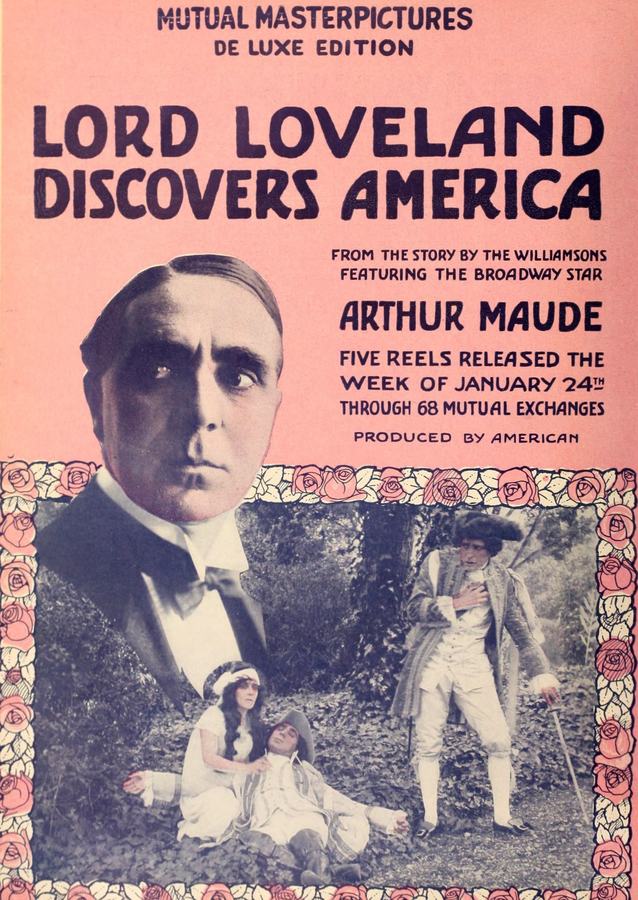
Dir: Arthur Maude
Lord Loveland in England is besieged by his creditors and consults his mother as to what he should do. He is advised to go to America and marry an heiress. He plans to sail on a certain ship, but at the eleventh hour changes his plans and departs on another vessel without informing his relatives of the change. Meanwhile, In England, his valet, annoyed at not having been paid a year's wages, impersonates Lord Loveland. At New York's most expensive hotel Lord Loveland discovers he has but forty cents in his pocket. He goes to bank and presents his letter of credit, but the bank determines that he is a bogus Lord and will not honor the draft. Disgusted, Lord Loveland returns to his hotel, where he finds he has no credit. He is ejected and his baggage is held in lieu of the bills he has already accumulated at the hostelry. Lord Loveland is alone in a strange world and with forty cents in his pocket. He applies to a friend for aid, but the friend, thinking the card presented is that of the bogus Lord Loveland. refuses to even see the visitor. Disheartened and disgusted, the nobleman betakes himself to Central Park, where through the thrilling rescue by Lord Loveland of a mongrel puppy, he forms a fast friendship with one Bill Willing, a likable old man out of work. Willing takes Lord Loveland to a cheap hotel where his forty cents is more than sufficient to procure two beds. In the morning he takes the English peer to a restaurant where in payment for meals, Willing draws artistic signs which advertise the day's tempting viands at Alex's restaurant. Lord Loveland, attired in evening clothes and monocle, has no trouble in getting employment as a waiter. He hopes thus to earn sufficient funds to pay his passage back to the dear old British Isles, but Tony Kidd, an enterprising New York reporter, learns of the monocled waiter and writes a story for his paper. Crowds come daily to Alex's restaurant to be waited on by this unique garcon. Among them is Leslie Dearmer, a woman playwright with whom Lord Loveland had become acquainted on shipboard. There is an explosion in the kitchen and the guests flee panic-stricken from Alex's restaurant. Lord Loveland becomes a hero when he extinguishes the blaze and causes the guests to return to their tables. Later, he loses his job through the apparent affection he has for Izzy, who is Alex's daughter. He takes up with a 10-20-30-cent troupe of theatrical players with whom he plays minor parts. Miss Dearmer seeks out the manager of Lord Loveland's troupe, intending to sue that individual for the use of one of her copyrighted plays. She calls and is surprised when her gaze meets that of the British nobleman. To her, the Lord relates his plight and she engages him as her chauffeur. The nobleman falls head over heels in love with his fair employer. The two are out for a spin when the Englishman summons up courage and declares his love. So ardent does he become in his proposal that he fails to heed the path his automobile is taking. The machine leaves the road, crashes into a tree and both occupants are thrown violently from their seats. When consciousness returns, Miss Dearmer is in Lord Loveland's arms, and the two plight their troth. The tide of Lord Loveland's fortunes have turned, By a combination of circumstances, he becomes recognized as the real Lord Loveland and he is restored to the position which is rightfully his. Henceforth, all is love and happiness and the nobleman has no desire again to see dear old Britain's shores.
View Details
Dir: Alexander Butler
In Alberta, Canada, a Cornish emigrant unmasks a rustler posing as the girl's "blind" father.
View Details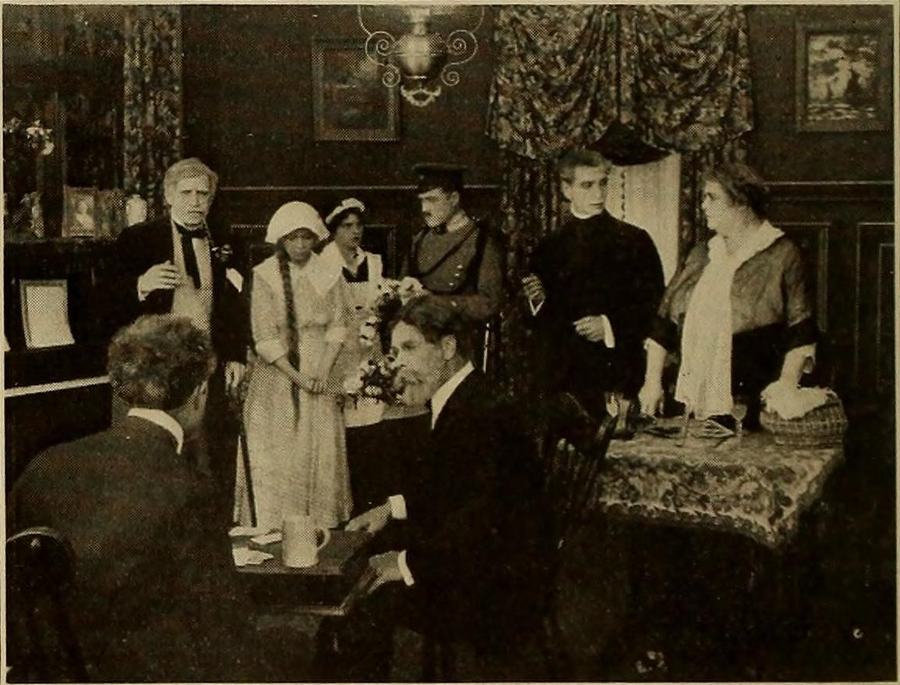
Dir: Arthur Maude
Magda, the daughter of Colonel Schwartz, a retired army officer, runs away from her home in Germany, and goes to Paris, hoping to gain fame as an opera singer. Her leave taking breaks her father's heart and brings on a stroke of paralysis, which almost results in his death. After months of careful nursing, he partially recovers, and thereafter, forbids even the mention of Magda's name in his presence. In Paris the years pass, and Magda failing to realize her ambitions, is reduced to abject poverty, and finally, rather than sell her honor, becomes a common beggar of the streets. Then, one day, penniless and starving, she enters a Bohemian café, in the Latin Quartier and sings for the price of a meal. Here she is seen and recognized by an old friend of her childhood days, Karl Von Kellar, who has come to Paris to study law. Learning the pathetic story of Magda's struggles and failure, he takes her to his apartment, and in the course of events she becomes his mistress. After months of happiness, Von Kellar begins to tire of Magda, and then, one day, he is called back to Germany by the death of his father. A few months later, Magda's child is born, but pride prevents her from communicating the fact to Von Kellar, who has apparently forgotten her. Again reduced to poverty, and cast out upon the streets by a heartless landlord, she wanders up and down the highways, singing, her baby clutched to her breast. Later, to save her child from starvation, and with the promise of attaining the goal of her life's ambition, a musical career, she becomes the mistress of Antony D'Arcy, a rising young operatic manager. Years pass, and Magda, now a famous opera singer, known as Maddalina Dall Orto, arrives at the principal hotel in her home city, to attend a big musical festival. At the governor's ball that night, which she attends, as the guest of honor, she is instantly recognized by Von Kellar, who is now a dignified and eminently respectable counselor of state. Meanwhile Colonel Schwartz, learning that the distinguished guest of the governor's is Magda his daughter, is prevailed upon to forgive her, and take her back. With her numerous servants and pets, Magda takes up her quarters in the old home, and bedazzles her bumble family with the wealth of her jewels and the magnificence of her wardrobe. At a loss to understand how she has attained so much good fortune and fame, her father becomes suspicious, and questions her persistently regarding her past life in Paris. Then Von Kellar pays a call, and learns for the first time of his child, now a youngster of seven, attending a private academy in Paris. Magda denounces Von Kellar. When Von Kellar has departed, Magda's father, who has overheard enough to confirm his suspicions confronts Magda and brutally forces a confession from her. In a towering rage, he writes Von Kellar a note, threatening to kill him, unless he consents to an immediate marriage with Magda. Fearing public exposure, and realizing that Magda's position in the world of art, will lend a certain dignity to his political prestige. Von Kellar calls on Colonel Schwartz and heartily agrees to an immediate marriage with his daughter. Alone with Magda, however, Von Kellar refuses to make her his wife, unless she agrees to keep all knowledge of their child a secret from the world. In a burst of outraged pride, she is furiously denouncing him, when her father enters, and learning what has passed between them, promises Von Kellar that he will force Magda to marry him as she is no longer in a position to choose the conditions under which she will become the honorable wife of her child's father. After Kellar has left, Colonel Schwartz locks all the doors, and arming himself with a revolver, threatens to kill both Magda and himself unless she consents to marry Von Kellar at once. She refuses to abandon her child, and as her father slowly raises the pistol to her heart, he is seized with a stroke of paralysis and falls back dead. Flinging herself upon her knees by her father's dead body, Magda sobs out her misery and grief, as the story concludes.
View DetailsAnalysis relative to Mona Lisa
| Film Title | Atmosphere | Complexity | Similarity |
|---|---|---|---|
| A Fitting Gift | Surreal | Layered | 96% Match |
| A Sister to Salome | Gothic | High | 88% Match |
| Lunatics in Politics | Ethereal | Dense | 97% Match |
| The Great Shadow | Gothic | High | 94% Match |
| 'A mala nova | Surreal | Layered | 92% Match |
This guide was algorithmically generated using the cinematic metadata of Arthur Maude's archive. Last updated: 8/17/2026.
Back to Mona Lisa Details →